Low back pain is a common issue that many people face, but you have the power to take control of your health through proven lifestyle habits. As a chiropractor, I believe that incorporating simple yet effective changes can greatly enhance your well-being and alleviate pain.
One of the best ways to support your back health is through regular low-impact exercise. Activities like walking, swimming, or gentle yoga can strengthen your core muscles, which play a crucial role in supporting your spine. Additionally, practicing good ergonomics at work and at home can help reduce strain on your back. Make sure your workstation is set up to promote good posture, and take frequent breaks to stretch and move around.
Stress management is another key factor in reducing low back pain. Chronic stress can lead to muscle tension, which can exacerbate discomfort. Techniques such as mindfulness, meditation, or even deep breathing exercises can help you relax and ease tension in your body.
Maintaining a healthy weight is important as well. Extra weight can put added pressure on your back, so focusing on a balanced diet and staying active can make a significant difference. Don’t forget the importance of quality sleep; ensuring you get restorative rest helps your body recover and manage pain more effectively.
Are you curious about how these habits can transform your back health? Embracing these changes, along with regular chiropractic care, can be the natural solution you need for pain relief and overall wellness. Chiropractic adjustments can help align your spine and improve your body’s function, making it easier for you to engage in these healthy habits.
By focusing on these key factors, you can take charge of your low back pain and work towards a healthier, more active lifestyle. Remember, chiropractic care is here to support you on your journey to optimal health!
Key Takeaways
- Maintaining good posture while sitting or standing is essential for reducing strain on your lower back. This simple habit can help prevent discomfort and promote a healthier spine. Consider visiting your chiropractor for personalized advice on achieving and maintaining proper posture in your daily life.
- Engaging in regular physical activity, including stretching and strengthening exercises, is vital for enhancing core stability and overall back health. A chiropractor can guide you in creating a tailored exercise routine that supports your spine and helps alleviate pain.
- Investing in ergonomic furniture, such as chairs designed with lumbar support, can significantly improve your spinal alignment during daily activities. Your chiropractor can recommend specific products that best suit your needs and help you create a comfortable workspace.
- Managing stress is another critical component in alleviating low back pain. Relaxation techniques like deep breathing, meditation, or yoga can help reduce muscle tension. Your chiropractor may also offer additional techniques to incorporate into your routine for better stress management.
- Eating a balanced diet and staying hydrated is crucial for supporting spinal health. Maintaining an optimal weight reduces strain on your back. Consider consulting with your chiropractor for nutritional tips that complement your healing journey and enhance your overall wellness.
Remember, chiropractic care focuses on natural healing and wellness, making it an excellent choice for achieving optimal health and pain relief. By incorporating these lifestyle habits and seeking the guidance of a chiropractor, you can take proactive steps towards a healthier, pain-free life.
Understanding the Causes of Low Back Pain
Understanding the causes of low back pain is essential for your overall well-being, and as a chiropractor, I’m here to help you navigate this common issue. Many factors contribute to low back pain, and recognizing them is your first step toward relief and a healthier life.
One significant cause of low back pain is poor posture. Whether you’re sitting at a desk for long hours or standing without proper support, your spine and surrounding muscles can become strained. Simple adjustments, like maintaining a neutral spine while sitting and using ergonomic furniture, can make a big difference.
Another factor is a lack of physical activity. When we lead a sedentary lifestyle, the muscles that support our spine can weaken, leading to discomfort. Incorporating regular exercise, such as walking, stretching, or yoga, can help strengthen these vital muscles and enhance your overall spinal health.
Weight gain can also play a role in back pain, as extra weight adds pressure on your spine. Maintaining a healthy weight through balanced nutrition and regular physical activity can alleviate some of that strain.
Other causes of low back pain may include injuries, stress, or even underlying medical conditions. It’s crucial to pay attention to your body and identify any factors that could contribute to your discomfort.
Chiropractic care is an excellent choice for addressing low back pain naturally. Through adjustments and other techniques, chiropractors can realign your spine, improve mobility, and reduce pain. Additionally, regular chiropractic visits can help you maintain optimal health and prevent future issues.
To take proactive steps toward alleviating or preventing low back pain, consider these tips:
- Pay attention to your posture; use ergonomic chairs and take breaks to stretch.
- Incorporate regular physical activity into your routine.
- Maintain a healthy weight by eating balanced meals and exercising.
- Manage stress through relaxation techniques, such as deep breathing or meditation.
The Importance of Ergonomics in Daily Life
Ergonomics is essential for your daily life, influencing not just your comfort but also your overall health and wellness. As a chiropractor, I want to emphasize the importance of creating a workspace that supports your spine and promotes natural healing.
When setting up your workspace, take note of how long you sit and how you sit. A chair with proper lumbar support can help prevent strain and discomfort in your lower back, which is vital for maintaining spinal health.
Positioning your computer monitor at eye level is key to avoiding neck strain, while keeping your feet flat on the floor provides stability and support. Simple adjustments can make a world of difference, leading to a more comfortable and productive work environment.
In your daily activities, such as lifting objects, remember to bend your knees and keep your back straight. This technique is crucial for protecting your spine from injury.
Even during routine tasks like cooking or washing dishes, maintaining proper posture can significantly impact how you feel.
I encourage you to evaluate your daily routines and make small changes that promote an ergonomic environment. By prioritizing these adjustments, you may not only reduce your risk of low back pain but also enhance your overall well-being.
Chiropractic care is an excellent choice for achieving optimal health and natural pain relief. Remember, it’s often the little changes in your daily habits that can lead to lasting benefits for your spine and overall health.
Incorporating Regular Exercise for Back Strength
To strengthen your back and alleviate pain, it’s essential to choose the right exercises tailored to your needs. As a chiropractor, I want to emphasize that incorporating regular exercise into your routine—especially those that focus on core strength—can profoundly improve your overall stability and well-being.
Here are some simple tips to help you integrate back-strengthening exercises into your daily life:
- Start Slow: If you’re new to exercise, begin with gentle movements like walking or stretching. Gradually increase the intensity as your body adapts.
- Focus on Core Exercises: Strengthening your core is crucial for back health. Consider exercises like planks, bridges, and pelvic tilts, which are easy to do at home and require no equipment.
- Practice Good Posture: Being mindful of your posture while sitting, standing, and exercising can prevent strain on your back. Try to keep your shoulders back and your spine aligned.
- Stay Consistent: Aim for a regular exercise routine, even if it’s just 10-15 minutes a day. Consistency is key to seeing improvements in your strength and reducing pain.
- Listen to Your Body: Pay attention to how your body responds to different movements. If something doesn’t feel right, modify the exercise or consult with your chiropractor for guidance.
- Consider Chiropractic Care: Regular visits to your chiropractor can help address any underlying issues contributing to your back pain. Chiropractic adjustments can enhance your mobility and support your exercise routine.
Remember, the journey to a stronger back is a gradual process, and with commitment to both exercise and chiropractic care, you can pave the way for better health and natural healing.
Embrace these practices for a healthier, pain-free life!
Choosing the Right Exercises
Incorporating regular exercise into your routine can significantly strengthen your back, alleviate pain, and help prevent future issues. As a chiropractor, I believe that movement is essential for maintaining a healthy spine and overall wellness. To choose the right exercises, focus on those that enhance flexibility, strength, and stability. Here’s a simple guide to help you select effective exercises that can support your journey to optimal health:
| Exercise Type | Example | Benefits |
|---|---|---|
| Stretching | Cat-Cow Stretch | Improves flexibility and spinal mobility |
| Strengthening | Planks | Builds core stability, supporting your spine |
| Aerobic Activities | Walking or Cycling | Boosts overall fitness and cardiovascular health |
| Balance Training | Single-leg Stands | Enhances stability and coordination, reducing fall risk |
Creating a Consistent Routine
Creating a consistent routine is crucial for strengthening your back and managing pain naturally. As a chiropractor, I recommend incorporating regular exercise into your daily life to enhance your back’s stability and flexibility without the need for medications or invasive procedures. Aim for a mix of low-impact activities—such as walking and swimming—that are gentle on your body, along with specific strength exercises that target your core and back muscles.
To make this routine stick, choose specific days and times for your workouts and treat these sessions like important appointments. This commitment will help you develop a habit, making it easier to maintain your routine in the long run.
It’s important to listen to your body. If you experience any discomfort, feel free to adjust your activities to find what works best for you. Gradually increase the intensity and duration of your workouts—this allows your back to adapt and grow stronger over time.
Incorporating chiropractic care into your wellness routine can also greatly enhance your results. Regular adjustments can help keep your spine aligned, reduce pain, and improve your overall function. Remember, consistency is key when it comes to experiencing the benefits of exercise and chiropractic care for your back health.
Here are a few general tips to get you started:
- Schedule your workouts in your calendar to prioritize them.
- Start with short sessions and gradually build up as your strength improves.
- Consider pairing your exercises with chiropractic adjustments for optimal results.
- Stay hydrated and maintain a balanced diet to support your overall health.
Importance of Core Strength
Building core strength is vital for supporting your back and preventing discomfort. A strong core not only stabilizes your spine but also reduces strain on your lower back and enhances your overall function. Regularly engaging in exercises that target your abdominal, oblique, and lower back muscles can significantly improve your posture and balance, making everyday tasks feel easier and more manageable.
Here are some effective exercises to incorporate into your routine:
| Exercise | Benefits |
|---|---|
| Planks | Strengthens the entire core |
| Bridges | Provides support for the lower back |
| Russian Twists | Enhances oblique strength |
Incorporating these exercises into your daily life can lead to notable improvements in your back health. Consistency is key! By making core strength a priority, you’re building a solid foundation that protects your back and promotes a healthier lifestyle.
As a chiropractor, I want to emphasize that strong core muscles can play a significant role in alleviating back pain and enhancing your overall wellness. Regular chiropractic care complements these exercises by ensuring your spine is aligned and functioning optimally. This holistic approach can help you achieve lasting pain relief without the need for medications or invasive procedures.
The Role of Stretching and Flexibility
Stretching and improving flexibility are essential components in managing low back pain, and as a chiropractor, I want to share how these practices can greatly enhance your overall well-being. By incorporating regular stretching into your daily routine, you can improve your range of motion, alleviate tightness, and reduce discomfort in your back. Targeting areas such as the hamstrings, hip flexors, and lower back can provide significant relief.
Before engaging in any physical activity, consider performing dynamic stretches to warm up your muscles. Afterward, static stretches can help maintain your flexibility and prevent the stiffness that often contributes to pain. You don’t need to be a yoga expert; even simple stretches can lead to noticeable improvements.
Consistency is key when it comes to stretching. By making it a part of your daily routine, you support muscle recovery and promote overall spinal health. Remember to listen to your body – if a stretch causes pain, it’s important to modify it or seek guidance from a chiropractic professional.
Prioritizing flexibility empowers you to take charge of your health and manage low back pain naturally. Chiropractic care offers a holistic approach to wellness, focusing on spinal alignment and overall body function, making it an excellent choice for pain relief and maintaining a healthy lifestyle. Embrace stretching as a valuable tool in your journey toward optimal health!
Maintaining a Healthy Weight and Nutrition
Maintaining a healthy weight and proper nutrition is vital not just for your overall well-being, but especially for managing low back pain. Excess weight can put extra strain on your spine, potentially worsening discomfort and hindering your mobility. By adopting a balanced diet, you can not only shed unwanted pounds but also provide your body with the essential nutrients it needs to support strong bones and muscles.
Here’s a straightforward guide to help you make healthier food choices that can complement your chiropractic care and contribute to your natural healing journey:
| Food Group | Examples |
|---|---|
| Lean Proteins | Chicken, Fish, Beans |
| Whole Grains | Brown Rice, Quinoa |
| Fruits & Vegetables | Spinach, Berries, Apples |
In addition to focusing on nutrition, here are some general tips to help you maintain a healthy weight and manage low back pain:
- Stay Active: Regular physical activity strengthens your back and core muscles, enhancing support for your spine. Consider incorporating gentle exercises like walking, swimming, or yoga into your routine.
- Stay Hydrated: Drinking plenty of water is essential for overall health and can help keep your spinal discs hydrated, which is important for maintaining flexibility and reducing pain.
- Mindful Eating: Pay attention to portion sizes and listen to your body’s hunger cues. Eating mindfully can help you make healthier choices and avoid overeating.
- Chiropractic Care: Regular visits to your chiropractor can help address spinal misalignments and improve your overall wellness. Chiropractic adjustments can enhance your body’s ability to heal naturally and alleviate pain.
Managing Stress and Its Impact on Back Health
Stress can lead to muscle tension, which is a common cause of low back pain. As a chiropractor, I want to emphasize the importance of addressing this tension to improve your overall back health. Incorporating mindfulness and relaxation techniques, such as deep breathing or gentle stretching, can significantly help in reducing stress and easing muscle tightness.
Regular exercise is another vital component in managing stress and supporting your back. Activities like walking, swimming, or yoga not only help to alleviate stress but also strengthen your back muscles, making them more resilient and less prone to pain.
Chiropractic care is an excellent way to relieve pain naturally and enhance your overall wellness. By focusing on spinal adjustments and proper alignment, we can help alleviate tension, improve mobility, and promote a healthier back.
Here are some general tips you can incorporate into your daily routine for better back health:
- Practice Mindfulness: Take a few minutes each day to practice deep breathing or meditation to help reduce stress.
- Stay Active: Engage in regular physical activity that you enjoy to keep your body moving and your back strong.
- Maintain Good Posture: Be mindful of your posture when sitting or standing to prevent unnecessary strain on your back.
- Get Regular Chiropractic Care: Regular adjustments can help maintain proper alignment and prevent back pain from developing.
Stress and Muscle Tension
When life gets hectic, it’s easy to overlook how your mental state can impact your physical health, especially your back. Stress can lead to muscle tension, which often results in discomfort or pain in your lower back. When you’re feeling anxious, your body tends to tighten up, causing your muscles to strain. This can lead to injuries over time, particularly in your spine.
You mightn’t even realize it, but habits like clenching your jaw or hunching your shoulders put extra pressure on your spine, which can exacerbate discomfort. As a chiropractor, I want you to be aware of your body’s signals during stressful moments.
Here are some simple tips to help you manage stress and promote better back health:
- Take Short Breaks: If you find yourself in a stressful situation, step away for a moment. Use this time to stretch your body gently. Simple stretches can help release tension in your back and neck.
- Practice Good Posture: Be mindful of how you sit and stand. Keeping your shoulders relaxed and your head aligned with your spine can help reduce strain on your back.
- Breathing Techniques: Deep breathing can help calm your mind and release muscle tension. Try inhaling deeply through your nose, holding for a few seconds, and then exhaling slowly through your mouth.
- Stay Active: Regular physical activity can significantly reduce stress and tension in your muscles. Consider activities like walking, yoga, or swimming that promote movement and relaxation.
- Consider Chiropractic Care: Regular chiropractic adjustments can help maintain proper spinal alignment and relieve tension. Chiropractic care is a natural way to support your body’s ability to heal itself and achieve optimal health.
Mindfulness and Relaxation Techniques
Finding ways to relax and be present is essential for maintaining a healthy spine and overall well-being. Stress can contribute to muscle tension, which can lead to discomfort and pain in your back. By incorporating mindfulness and relaxation techniques into your daily routine, you can effectively support your spinal health and promote natural healing.
Simple practices such as deep breathing, guided imagery, and progressive muscle relaxation can significantly lower stress levels and help your body unwind. When you focus on the present moment, you reduce the tendency to worry, which can often lead to tight muscles and discomfort.
I recommend setting aside a few minutes each day for practices like meditation or gentle stretching. These activities not only help release tension but also enhance your overall sense of well-being. Regularly prioritizing relaxation can make it easier to manage any discomfort you may experience and support your journey towards optimal health.
Exercise for Stress Relief
Regular exercise is one of the most effective ways to alleviate stress and improve your back health, and as a chiropractor, I want to emphasize the importance of this practice.
When you engage in physical activity, your body naturally releases endorphins, which are known to lift your mood and reduce feelings of anxiety and tension. This makes it significantly easier to manage everyday stressors.
Incorporating low-impact activities such as walking, swimming, or yoga can be especially beneficial for your back. These exercises not only help strengthen your back muscles but also encourage relaxation and flexibility. Remember, a healthy spine is key to overall wellness, and exercise plays a vital role in maintaining that health.
Aim for at least 30 minutes of moderate exercise most days of the week. It’s important to listen to your body; if you experience any pain, don’t hesitate to consult with a chiropractic professional who can provide guidance tailored to your needs.
Here are some general tips to keep in mind:
- Stay Consistent: Choose activities you enjoy to make it easier to stick with your exercise routine. Consistency is key to reaping the benefits.
- Focus on Form: Proper posture and technique during exercises are crucial to avoid strain and injury. A chiropractor can help you with advice on maintaining proper alignment.
- Incorporate Stretching: Adding gentle stretches before and after your workouts can help keep your muscles flexible and reduce tension in your back.
- Hydrate: Staying hydrated is essential for overall health and can support your body during physical activity.
By prioritizing exercise and combining it with chiropractic care, you’re taking significant steps toward achieving a healthier back and a more balanced, stress-free life.
The Benefits of Good Sleep Posture
Many people underestimate the importance of sleep posture, but it can significantly affect your overall health, especially when it comes to alleviating low back pain. When you sleep in a supportive position, you help maintain the natural curve of your spine, which reduces strain on your back muscles. Choosing the right mattress and pillow is essential for optimal support; a medium-firm mattress typically offers the best balance, while a supportive pillow ensures your neck stays aligned with your spine.
For side sleepers, placing a pillow between your knees is a simple trick that helps keep your hips aligned and reduces pressure on your lower back. If you prefer sleeping on your back, consider putting a pillow under your knees to ease tension in that area. It’s best to avoid sleeping on your stomach, as this position can twist your spine and lead to discomfort over time.
Prioritizing good sleep posture not only enhances your sleep quality but also significantly lowers the chance of waking up with back pain. By making these small adjustments, you can experience a notable improvement in how you feel each morning. Remember, chiropractic care is an excellent way to support your spine and overall well-being. Regular chiropractic adjustments can help maintain your spinal health, ensuring you wake up refreshed and pain-free. Make these changes, and you’ll likely feel the difference in your sleep and your health!
Seeking Professional Guidance and Physical Therapy
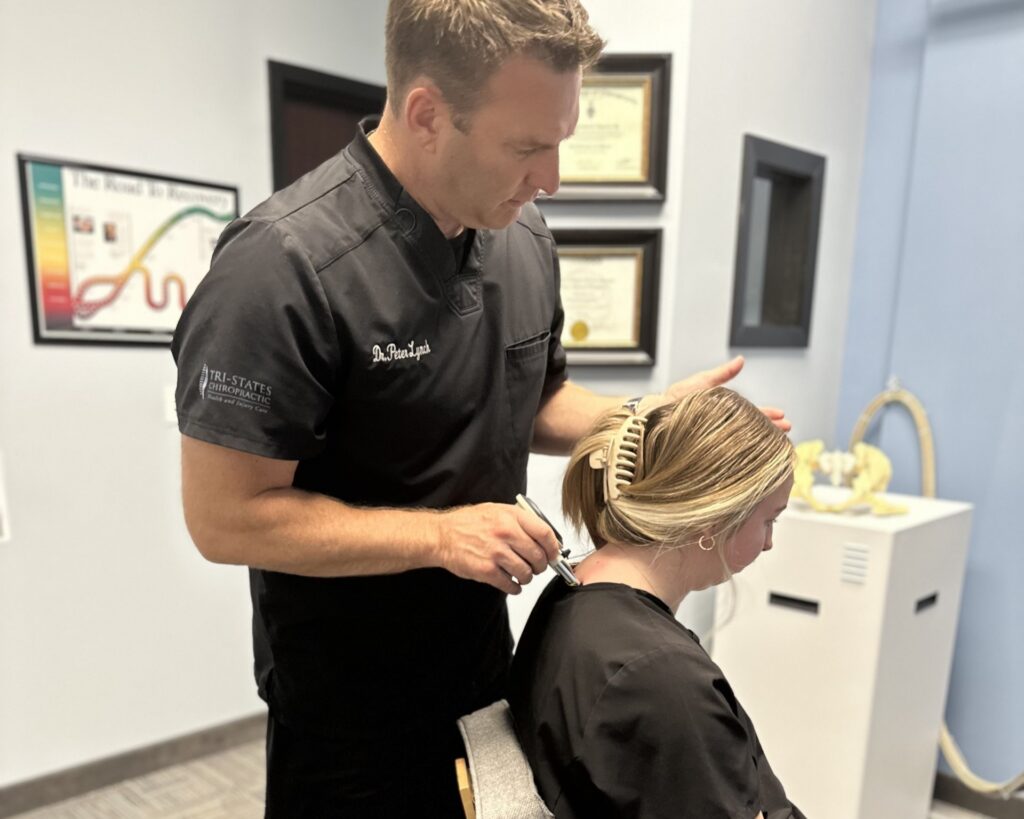
When it comes to managing low back pain, seeking chiropractic care can be a game-changer in your journey toward recovery and optimal health. Chiropractors specialize in understanding the spine and its connection to overall wellness, providing natural healing solutions tailored to your individual needs.
During your visits, a chiropractor will assess your specific condition and develop a personalized treatment plan that focuses on restoring proper alignment and function to your spine. This approach not only alleviates pain but also strengthens your core, enhances flexibility, and improves posture—key factors in reducing discomfort.
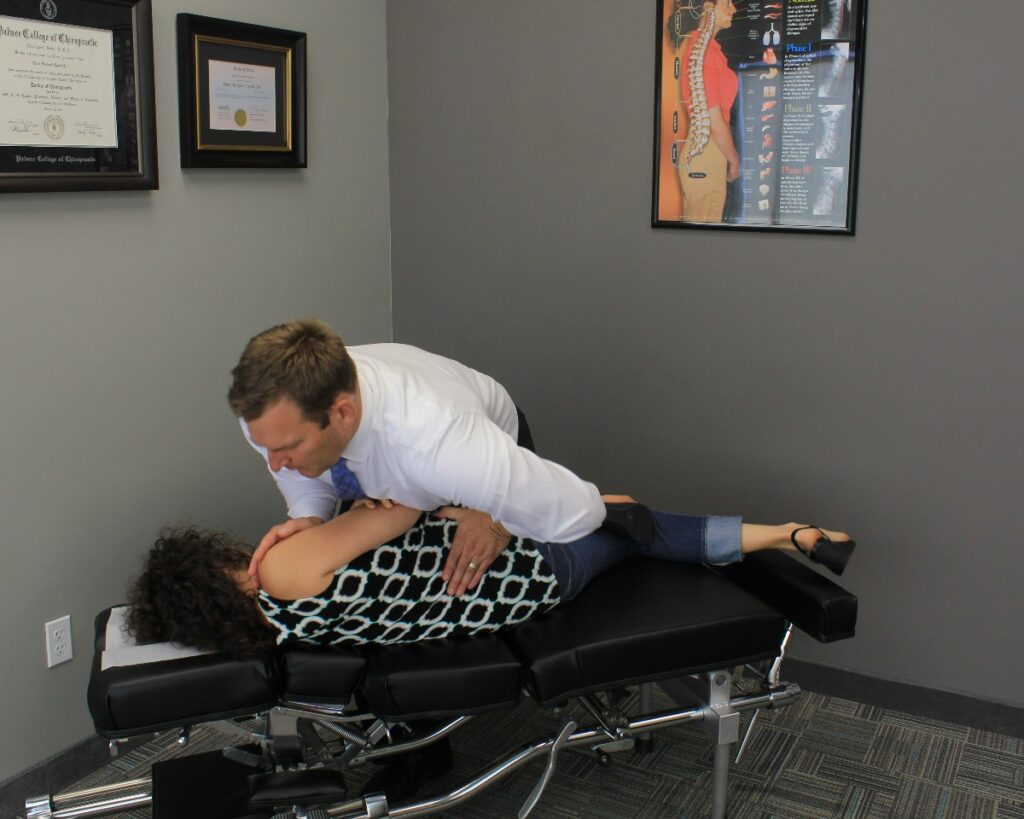
Chiropractic care includes hands-on techniques like spinal adjustments, which can relieve tension, enhance mobility, and promote natural healing without the need for invasive procedures or medications.
You’ll also receive education on body mechanics and lifestyle choices that can help you avoid movements that might aggravate your back pain.
It’s essential to have open communication with your chiropractor about your pain levels and progress. They’ll guide you through exercises that not only promote healing but also help prevent future issues.
By investing in chiropractic care, you’re not just addressing your current pain; you’re laying the groundwork for a healthier spine and a more vibrant life.
Here are some general tips to keep in mind for maintaining a healthy back:
- Practice good posture while sitting and standing.
- Incorporate gentle stretching into your daily routine to improve flexibility.
- Stay active with low-impact exercises, such as walking or swimming.
- Use ergonomic furniture to support your spine during work or leisure activities.
Choosing chiropractic care is a proactive step toward achieving long-term wellness and pain relief. Your journey to a healthier back starts here!