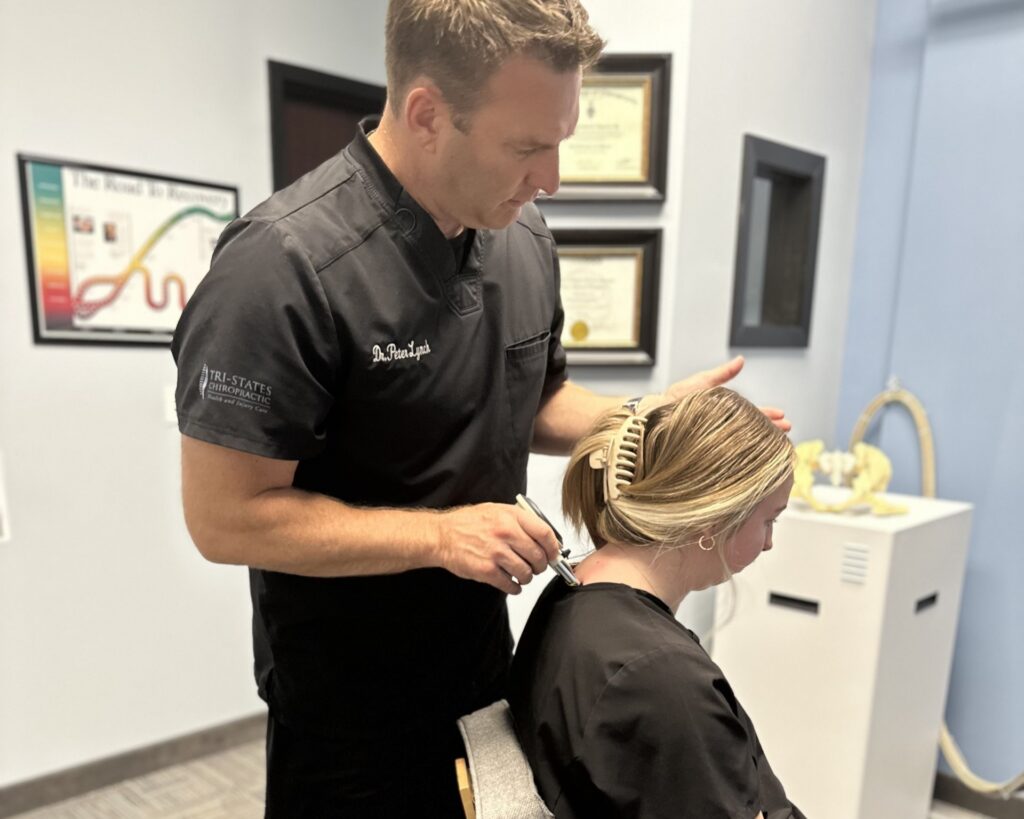
If you’ve ever experienced a headache, you know how debilitating it can be. Fortunately, there are effective natural techniques that can provide relief, and chiropractic care is one of the best ways to help you achieve optimal health. By addressing spinal alignment and overall wellness, chiropractic adjustments can play a significant role in alleviating headache discomfort.
In addition to seeking chiropractic care, there are several simple adjustments you can make to your routine to help manage headaches naturally. Staying hydrated is crucial, as dehydration can often trigger headaches. Aim for at least eight glasses of water a day, and consider incorporating more hydrating foods into your diet, such as fruits and vegetables.
Practicing mindfulness can also be beneficial in reducing stress, which is a common headache trigger. Techniques such as deep breathing, meditation, or gentle yoga can help you focus your mind and relax your body. Regular physical activity is another great way to promote overall wellness and reduce headache frequency.
Pay attention to your posture, especially if you spend long hours sitting. Poor posture can lead to tension in the neck and shoulders, contributing to headaches. Incorporate regular breaks to stretch and move throughout the day, and consider ergonomic adjustments to your workspace.
Finally, make sure you’re getting enough sleep. A consistent sleep schedule and a restful environment can significantly impact your headache patterns.
By combining chiropractic care with these natural techniques, you can effectively manage headaches and improve your overall health. Remember, taking proactive steps toward your wellness can empower you to regain your comfort and focus.
Key Takeaways
- Stay well-hydrated by drinking plenty of water each day—aim for at least eight 8-ounce glasses—and include hydrating foods in your diet, such as watermelon and cucumbers. Proper hydration can help maintain overall wellness and may alleviate headache symptoms.
- Engage in deep breathing exercises to relieve tension and improve oxygen flow throughout your body. This practice not only enhances relaxation but can also help reduce headache symptoms naturally, complementing the benefits of chiropractic care.
- Consider applying cold or warm compresses to your head for 15-20 minutes. Cold can help numb pain, while warmth can relax tense muscles. These simple techniques can be excellent complements to your chiropractic adjustments, promoting further relief.
- Essential oils like peppermint and lavender can be beneficial for headache relief. Inhale their soothing scents or apply them topically to your temples and neck. This natural approach can enhance your chiropractic treatments by providing additional relaxation and comfort.
- Utilize acupressure techniques on specific points such as Yintang (between the eyebrows) and GB20 (at the base of the skull). These pressure points can effectively alleviate stress and reduce headache tension. Integrating these methods with chiropractic care can lead to a more comprehensive approach to your overall health and wellness.
Remember, chiropractic care focuses on addressing the root causes of pain and promoting natural healing. By incorporating these techniques into your routine, you can support your body’s ability to function optimally and enjoy a healthier, headache-free life.
Stay Hydrated
Staying hydrated is one of the simplest yet most effective ways to support your overall health and prevent headaches. When your body doesn’t get enough water, dehydration can lead to tension and discomfort in your head. To help keep your body balanced and reduce the likelihood of headaches, aim to drink at least eight 8-ounce glasses of water each day. Carrying a water bottle with you and sipping throughout the day can make this easier.
If you start to feel a headache coming on, take a moment to consider your fluid intake. It’s especially important to drink more water during hot weather or when you’re exercising, as these situations can cause you to lose fluids faster.
In addition to drinking water, incorporating hydrating foods into your diet can be beneficial. Fresh fruits and vegetables, such as watermelon, cucumbers, and oranges, are excellent choices that can help keep you hydrated.
Remember, proper hydration can’t only help prevent headaches but also contribute to your overall well-being. By making hydration a priority, along with regular chiropractic care, you can enhance your body’s natural ability to heal and function optimally.
Chiropractic adjustments can support your nervous system and spinal health, further assisting in pain relief and promoting a healthier lifestyle. So, stay hydrated and consider regular chiropractic visits to keep your body in top shape!
Practice Deep Breathing Exercises
When you start to feel the tension of a headache rising, it’s important to know that practicing deep breathing exercises can offer you quick relief. These exercises not only help to relax your mind and body but also improve oxygen flow and reduce stress, which are essential for maintaining overall health. As a chiropractor, I always emphasize the importance of natural methods for pain relief and wellness. Here’s a simple approach to deep breathing that you can incorporate into your daily routine:
| Step | Action | Duration |
|---|---|---|
| 1 | Sit comfortably in a quiet space | 1 minute |
| 2 | Inhale deeply through your nose, filling your lungs completely | 4 seconds |
| 3 | Hold your breath gently | 7 seconds |
| 4 | Exhale slowly through your mouth, letting go of tension | 8 seconds |
| 5 | Repeat this process 3-5 times to enhance relaxation | 5 minutes total |
Incorporating these deep breathing exercises can be a great complement to your chiropractic care, helping you manage headache symptoms and stress naturally. Remember, adopting healthier living practices like deep breathing can significantly improve your overall wellness and support your body’s natural healing abilities. Give it a try next time you feel a headache coming on!
Apply Cold or Warm Compresses
Applying cold or warm compresses can be a simple yet effective way to find relief from headache discomfort, especially if you’re dealing with tension or sinus pressure.
As a chiropractor, I encourage natural methods for pain relief, and using compresses is a great addition to your wellness routine.
For a cold compress, take a clean cloth, soak it in cold water, and place it on your forehead or the back of your neck. The coolness can help numb the area and reduce inflammation, which may alleviate your pain. Cold therapy is particularly beneficial for headaches triggered by tension, as it can calm the nervous system and provide instant relief.
Alternatively, a warm compress can work wonders by relaxing tense muscles and improving blood circulation. You can easily microwave a towel or use a heating pad and apply it to your neck or forehead. Warmth helps to soothe discomfort and promote healing, making it a great choice for headaches associated with muscle tension.
Both methods can be effective, so I recommend trying each to see what brings you the most relief. Just remember to limit the time for each compress to about 15-20 minutes to prevent skin irritation.
Incorporating these techniques into your daily routine can significantly enhance your comfort and well-being.
However, if headaches persist, I encourage you to explore chiropractic care as a natural solution. Chiropractors can address underlying issues related to spinal alignment and muscle tension, helping to prevent headaches from occurring in the first place.
Try Essential Oils
If you’re seeking a natural and soothing way to alleviate headaches, consider incorporating essential oils into your wellness routine. While essential oils like peppermint and lavender can offer quick relief, it’s important to remember that they work best alongside a holistic approach to health – one that includes chiropractic care.
Chiropractic adjustments can help address the root causes of headaches, such as tension in the neck and spine. By focusing on spinal health, you can reduce the frequency and intensity of headaches. Additionally, when combined with essential oils, you may enhance your overall relaxation and pain relief.
Here are some tips for using essential oils effectively:
- Inhalation: Add a few drops of peppermint or lavender oil to a diffuser or inhale directly from the bottle to help ease tension and promote relaxation.
- Topical Application: Dilute essential oils with a carrier oil (like coconut or olive oil) and gently massage onto your temples, neck, or wrists. This can enhance the soothing effect while promoting blood circulation.
- Warm Compress: Blend essential oils with warm water, soak a cloth, and apply it to your forehead or neck for added comfort.
- Regular Chiropractic Visits: Incorporate regular chiropractic care into your routine to maintain spinal alignment and overall wellness, which can reduce headaches in the long run.
By integrating essential oils with chiropractic care, you can create a powerful self-care regimen.
Popular Essential Oils
As a chiropractor, I believe in the power of natural remedies to support your overall health and wellness. Headaches can often be a sign of tension in your body, and while chiropractic care is an excellent way to address the underlying causes, incorporating essential oils can provide you with additional relief. Here are some popular essential oils that can help ease headache pain while promoting relaxation:
| Essential Oil | Benefits | How to Use |
|---|---|---|
| Peppermint | Relieves tension | Inhale deeply or apply a diluted blend topically to your temples |
| Lavender | Promotes relaxation | Use a diffuser in your home or inhale directly from the bottle to calm your mind |
| Eucalyptus | Clears sinuses | Inhale or add to a warm steam inhalation for relief |
| Rosemary | Improves circulation | Inhale or apply topically to stimulate blood flow |
Remember, the key to effective headache relief often lies in understanding the triggers related to your lifestyle. Regular chiropractic adjustments can help align your spine and relieve tension, which may contribute to headaches. By maintaining good posture, staying hydrated, and managing stress, you can enhance your overall wellness.
Experimenting with these essential oils can be a soothing addition to your routine, but always consider consulting your chiropractor for personalized advice. Together, we can work towards achieving optimal health and wellness. Enjoy the natural benefits of these remedies as part of a holistic approach to your health.
Application Methods
Finding the right way to use essential oils can complement the benefits of chiropractic care in relieving headaches and promoting overall wellness. Start by selecting oils like peppermint or lavender, which are celebrated for their calming properties.
You can apply these oils topically by mixing a few drops with a carrier oil, such as coconut or jojoba oil. Gently massage this blend onto your temples, neck, or wrists to help relax your muscles and ease tension, which can be particularly beneficial after a chiropractic adjustment.
Another effective method is inhalation. Simply add a few drops of essential oil to a diffuser or a bowl of hot water and breathe in the steam. This approach can enhance relaxation and support your body’s natural healing processes.
For convenience, consider creating a personal inhaler for on-the-go relief, allowing you to find comfort wherever you are.
Always remember to perform a patch test before applying oils directly to your skin to avoid irritation. Embracing these natural strategies alongside regular chiropractic care can lead to a more holistic approach to managing headaches and achieving optimal health.
Prioritizing your spinal health can help reduce tension and enhance your body’s ability to heal itself, so consider visiting your chiropractor for personalized care tailored to your needs.
Incorporate Regular Exercise
While it may seem counterintuitive, incorporating regular exercise into your routine can be a powerful way to alleviate headaches and improve your overall wellness. As a chiropractor, I often emphasize the importance of physical activity for optimal health, as it boosts blood circulation and releases endorphins—natural pain relievers that can help reduce discomfort.
Here’s how you can get started on your journey to a healthier, headache-free life:
- Choose activities you enjoy: Whether it’s dancing, cycling, or yoga, pick something that excites you. Enjoying your exercise routine keeps you motivated and makes it easier to stick with it. Remember, it’s not just about working out; it’s about enhancing your quality of life!
- Start small: If you’re new to exercise, begin with just 10-15 minutes a day. This gentle approach allows your body to adapt without overwhelming your system. As your fitness level improves, gradually increase the duration and intensity of your workouts. This progressive method helps maintain spinal health and encourages better posture, which can further alleviate headache symptoms.
- Stay consistent: Aim for at least 150 minutes of moderate exercise each week. Keeping a regular schedule helps your body adjust and can lead to long-term benefits for headache relief. Consistency is key, and by making exercise a habit, you’re also supporting your spinal health and overall well-being.
In addition to these tips, consider incorporating chiropractic care into your wellness routine. Regular chiropractic adjustments can enhance your body’s function, optimize nerve flow, and help maintain proper alignment, which may contribute to reducing headache frequency and intensity.
Maintain Good Posture
Maintaining good posture is crucial for preventing headaches, particularly if you find yourself spending long hours at a desk. One of the best ways to ensure your spine stays healthy and aligned is by setting up an ergonomic workspace. This means adjusting your chair, desk, and computer screen to promote a neutral spine position.
Remember, your body is designed to move, so incorporating regular stretching and mobility exercises into your day can significantly enhance your comfort and alleviate tension.
As a chiropractor, I can’t stress enough how vital proper posture is for overall health. When your spine is in alignment, it helps your nervous system function optimally, which can lead to reduced pain and improved well-being.
Simple changes, like taking breaks to stand up, stretch, and walk around, can make a big difference in your daily routine.
Consider scheduling regular chiropractic check-ups to ensure that your spine remains aligned and to address any tension or discomfort before it turns into a bigger issue. Chiropractic care is a natural, non-invasive way to support your body’s healing process and achieve lasting wellness.
Ergonomic Workspace Setup
Creating an ergonomic workspace is crucial for maintaining spinal health and overall well-being, especially if you spend long hours at a desk. As a chiropractor, I believe that the right setup can prevent discomfort and support your body’s natural healing processes.
Here are three essential elements to consider when arranging your workspace:
- Chair Height: It’s important to adjust your chair so that your feet rest flat on the floor and your knees are at a 90-degree angle. This alignment supports your lower back and encourages good posture, which is vital for spinal health. A chair with proper lumbar support can further enhance comfort and stability.
- Monitor Position: Your monitor should be positioned at eye level and about an arm’s length away. This setup reduces neck strain and promotes a neutral head position, which helps prevent tension headaches and fatigue. Aim to have the top of the screen at or just below eye level, so your gaze is slightly downward.
- Keyboard and Mouse Placement: Keep your keyboard and mouse within easy reach to avoid straining your arms. Your elbows should be bent at a right angle, and your wrists should remain straight while typing or using the mouse. Consider using a wrist rest to maintain proper alignment and reduce the risk of discomfort or repetitive strain injuries.
By incorporating these adjustments into your workspace, you can create a comfortable environment that supports your health and well-being.
Remember, chiropractic care is a fantastic option for addressing any discomfort you may experience and promoting natural wellness. If you’re experiencing pain or tension, don’t hesitate to reach out to a chiropractor for personalized guidance and support.
Prioritize your health, and enjoy the benefits of a well-designed workspace!
Stretching and Mobility Exercises
Incorporating stretching and mobility exercises into your daily routine can significantly enhance your posture and overall well-being, which is essential for optimal health. Good posture reduces strain on your neck and shoulders, helping to alleviate headaches and discomfort. Simple stretches like neck rolls, shoulder shrugs, and chest openers can effectively release tension and improve flexibility, making them perfect additions to your day.
Practicing mobility exercises—such as cat-cow stretches and spinal twists—supports a healthy spine and can complement the benefits of chiropractic care. I recommend setting reminders throughout your day to stand up, stretch, and move around. Pay attention to keeping your head in alignment with your spine and your shoulders relaxed.
By dedicating just a few minutes each day to these exercises, you’ll not only cultivate better posture but also minimize discomfort and potentially reduce the frequency of headaches.
Remember, chiropractic care is a fantastic way to address any underlying issues that might be affecting your posture and overall health. Regular adjustments can enhance your mobility and promote natural healing.
If you’re looking for pain relief and a holistic approach to your wellness, consider visiting a chiropractor to discuss how these exercises can be integrated into your care plan. Together, we can work towards achieving optimal health and a more comfortable, active lifestyle.
Explore Acupressure Techniques
Have you ever experienced the discomfort of a pounding headache? As a local chiropractor, I often emphasize the importance of natural healing methods, and acupressure is a fantastic technique that can provide immediate relief without the need for medications or surgeries.
By applying pressure to specific points on your body, you can alleviate tension and promote relaxation, which is vital for overall wellness. Here are three key pressure points that you can easily access to help manage headaches:
- LI4 (Hegu): This point is located between your thumb and index finger. Squeeze this area gently for a few minutes. It’s well-known for helping relieve pain and tension, making it a go-to spot for headaches.
- GB20 (Fengchi): You can find this point at the base of your skull, right on either side of your spine. Press gently here to help reduce neck tension and alleviate headaches. This technique can also enhance your overall spinal health.
- Yintang (Third Eye Point): Located between your eyebrows, applying light pressure here can calm your mind and reduce stress. Stress relief is essential for maintaining a healthy spine and overall well-being.
Incorporating these simple acupressure techniques into your routine can be a valuable addition to your wellness toolkit.
Consider Herbal Remedies
When headaches strike, many people instinctively reach for over-the-counter medications. However, I encourage you to explore natural alternatives, such as herbal remedies, which can complement the benefits of chiropractic care. For centuries, various herbs have been used to alleviate headache pain, and they can be a great addition to your wellness routine.
One well-known herb is feverfew, which has been shown to help reduce the frequency and intensity of migraines. You can easily incorporate it into your diet by taking it in capsule form or brewing it as a tea. Ginger is another excellent option, especially for those who also experience nausea with their headaches. Sipping on ginger tea or chewing on fresh ginger can provide soothing relief.
Additionally, peppermint oil can be a powerful ally. Massaging it into your temples has been found to help relieve tension headaches. Another comforting choice is chamomile tea, which not only relaxes you but may also reduce headache symptoms thanks to its anti-inflammatory properties.
While these herbal remedies can be beneficial, it’s essential to remember that regular chiropractic care addresses the root causes of headaches, such as tension in the neck and spine. A chiropractor can help realign your spine, relieve pressure, and improve your overall well-being.
Here are some general tips to keep in mind for natural headache relief:
- Stay hydrated by drinking plenty of water throughout the day.
- Practice good posture, especially if you work at a desk for long hours.
- Incorporate regular stretching and relaxation exercises into your routine.
- Ensure you’re getting enough restful sleep to support your body’s recovery.
Always consult with a healthcare professional before trying new remedies, especially if you have existing health concerns. By embracing both chiropractic care and herbal remedies, you can achieve a holistic approach to headache relief and overall wellness.
Get Adequate Sleep
How often do you think about how sleep affects your headaches? It’s something we often overlook, but getting enough sleep is crucial for managing headache frequency. When you skimp on rest, your body reacts negatively, which can lead to those pesky headaches.
As a local chiropractor dedicated to promoting natural wellness, I want to share some tips to help you achieve better sleep and improve your overall health:
- Establish a Consistent Sleep Routine: Try to go to bed and wake up at the same time each day. This helps regulate your body’s internal clock, making it easier for you to fall asleep and wake up refreshed.
- Reduce Screen Time Before Bed: The blue light from phones and computers can interfere with your sleep cycle. Aim to turn off all electronic devices at least an hour before bedtime to help your body wind down naturally.
- Create a Comfortable Sleep Environment: Your bedroom should be a sanctuary for rest. Keep it cool, dark, and quiet to encourage deep sleep. Consider using blackout curtains to block out light and white noise machines to mask disruptive sounds.
Remember, proper sleep is a vital part of your overall health and can significantly impact headache relief.
As you focus on these tips, consider incorporating chiropractic care into your routine. A chiropractor can help address underlying issues that may contribute to headaches and promote better spinal health, leading to improved sleep quality and overall wellness.
Prioritizing your sleep and chiropractic care can help you achieve a natural, pain-free life.
Manage Stress Effectively
Managing stress effectively is essential for overall wellness and can play a significant role in preventing headaches. As a chiropractor, I emphasize the importance of a holistic approach to health, which includes natural methods to alleviate stress. Incorporating deep breathing exercises and mindfulness meditation into your daily routine can greatly benefit your mind and body, helping you to stay calm and centered.
These practices not only support your mental well-being but also help maintain a healthy spine, which is crucial for optimal nerve function and pain relief. When your spine is aligned and functioning properly, your body can handle stress more efficiently, reducing the likelihood of tension headaches.
In addition to these techniques, consider regular chiropractic adjustments as part of your wellness routine. These adjustments can relieve stress on your nervous system and promote better communication between your body and brain, further enhancing your ability to manage stress and prevent headaches.
Remember, taking time for yourself to relax and unwind is just as important as staying active. Simple tips such as setting aside a few minutes each day for breathing exercises or meditation can make a significant difference.
Deep Breathing Exercises
When stress builds up, deep breathing exercises can be an excellent way to regain calm and clarity. Incorporating these techniques into your routine can help ease tension, which is often linked to spinal misalignments that can lead to headaches.
Here’s how to get started with deep breathing to support your overall wellness:
- Find a Quiet Space: Sit comfortably in a peaceful environment where you won’t be disturbed. This allows your body to relax and your mind to focus, enhancing the benefits of chiropractic care.
- Inhale Deeply: Breathe in through your nose for a count of four, allowing your chest and abdomen to expand fully. This deep breathing helps to increase oxygen flow, which is essential for optimal spinal health.
- Exhale Slowly: Release the breath through your mouth for a count of six. As you exhale, visualize letting go of stress and tension—this can help reduce the strain on your spine and promote better posture.
Repeat this cycle for several minutes. You’ll likely notice a significant shift in your mental state, which can help alleviate headache symptoms naturally.
Mindfulness Meditation Techniques
While stress can often feel overwhelming, practicing mindfulness meditation can be a powerful ally in regaining control and promoting relaxation, especially when combined with chiropractic care.
Start by finding a quiet space where you won’t be disturbed. Sit comfortably, close your eyes, and focus on your breath. Inhale deeply through your nose, allowing your abdomen to rise, and then exhale slowly through your mouth. If your mind begins to wander, gently guide your focus back to your breath.
Incorporating mindfulness into your daily routine can enhance the benefits of chiropractic adjustments by helping to reduce tension and improve overall well-being. You can also explore guided meditations or mindfulness apps to keep you on track. Aim for just a few minutes each day; over time, you’ll likely notice a reduction in stress levels, which can complement the relief you experience through chiropractic care.
Remember, maintaining a healthy spine is essential for overall health, and practicing mindfulness can help you manage stress more effectively.