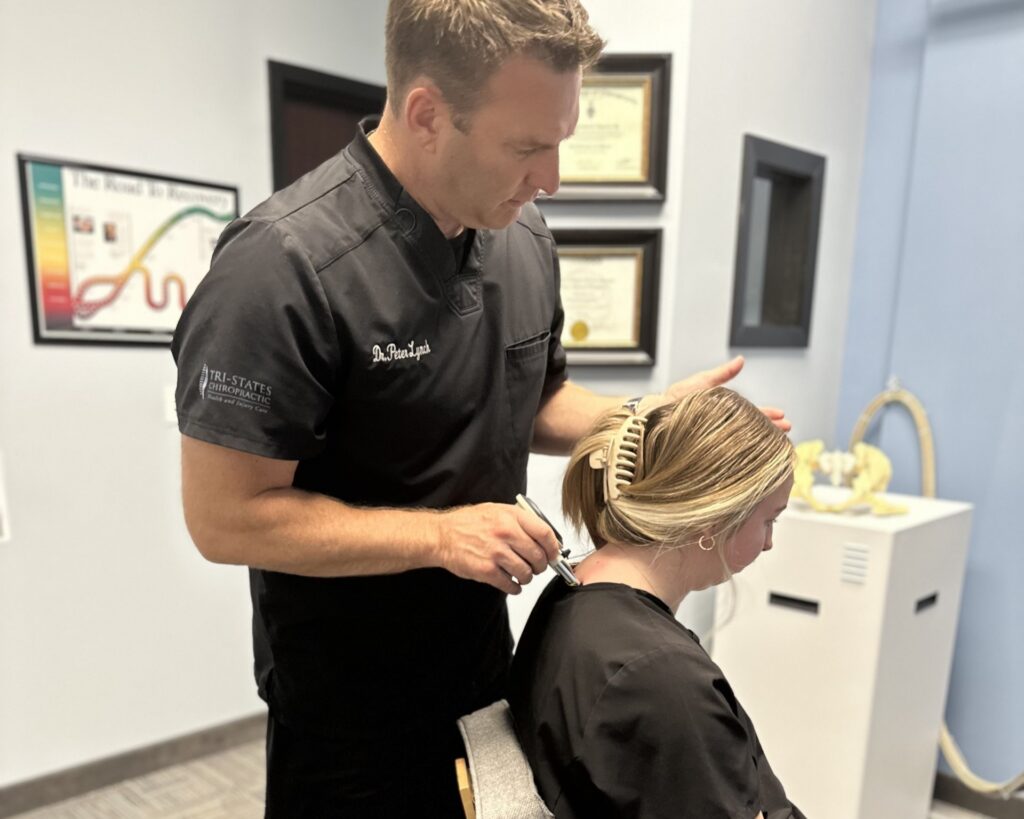
When managing headaches, determining the right frequency of chiropractic visits is crucial for effective relief. Too few visits might leave you grappling with discomfort, while excessive visits may not provide any additional benefits. A deep understanding of your specific headache type, along with how your body responds to treatment, is key to creating a personalized chiropractic care plan.
So, how can you find the right balance for your visits? The answer lies in maintaining open communication with your chiropractor and taking a comprehensive approach to your health. Here are some tips to consider:
- Know Your Headache Type: Different headaches may require different approaches. Whether it’s tension headaches, migraines, or cluster headaches, understanding your symptoms can guide your chiropractic care.
- Listen to Your Body: Pay attention to how your headaches respond to treatment. If you notice improvement with regular visits, that’s a good sign to maintain your frequency. Conversely, if your symptoms remain unchanged, it may be time to discuss adjustments with your chiropractor.
- Keep a Headache Diary: Tracking your headache occurrences, severity, and any patterns can provide valuable information for both you and your chiropractor. This data can help in refining your treatment plan.
- Prioritize Communication: Regularly discuss your progress and any changes in your condition with your chiropractor. This collaboration ensures that your care plan is always aligned with your current needs.
- Explore Lifestyle Changes: Incorporating healthy habits like proper hydration, regular exercise, and stress management techniques can complement your chiropractic care and reduce headache frequency.
By focusing on these strategies, you can optimize your chiropractic visits, leading to better headache management and overall wellness. Chiropractic care is a natural and effective way to address pain and enhance your quality of life, offering a holistic approach to health without the need for medications or invasive procedures. Remember, your chiropractor is your partner in this journey toward optimal health, so don’t hesitate to engage in meaningful discussions about your care!
Key Takeaways
- If you notice your headaches becoming more frequent or intense, it’s a good idea to increase your visits to your chiropractor. These changes can significantly affect your daily life, and regular chiropractic adjustments can help alleviate that discomfort.
- Scheduling regular check-ups is essential for monitoring your symptoms. This allows us to adjust your treatment plan based on your unique needs, ensuring you receive the best care possible for relief.
- Make it a priority to book appointments that focus on identifying any underlying issues that may be contributing to your headaches. By addressing these root causes, chiropractic care can provide effective management and improve your overall well-being.
- It’s important to maintain open communication with your chiropractor about any changes in your symptoms. This dialogue is key to receiving optimal care and achieving lasting relief.
- Listen to your body; if your headaches persist or worsen, don’t hesitate to seek more frequent chiropractic visits. Remember, chiropractic care is a natural, holistic approach to health that can help you regain balance and wellness without the need for medications or invasive procedures.
- Additionally, consider incorporating some simple lifestyle tips to support your health: stay hydrated, maintain good posture, manage stress through relaxation techniques, and ensure you’re getting enough sleep. These practices, combined with regular chiropractic care, can enhance your overall wellness and help reduce headache frequency and intensity.
Understanding Different Types of Headaches
When you experience a headache, it’s important to understand that not all headaches are the same, and recognizing their type can guide you toward effective relief. Tension headaches, for instance, often present as a dull, aching sensation with tightness around the forehead. On the other hand, if you find yourself experiencing intense pain, light sensitivity, and nausea, you might be dealing with migraines. Then there are cluster headaches, which can strike suddenly and cause severe, burning pain around one eye, typically occurring in groups over several weeks.
Identifying the type of headache you have is a vital step in managing your discomfort naturally. One helpful practice is to keep a headache diary. Track when your headaches occur, their intensity, and any other symptoms you notice. This can provide valuable insights into what may be triggering your headaches.
As a chiropractor, I want to emphasize that chiropractic care can play a significant role in headache relief and overall wellness. Spinal adjustments can help alleviate tension, improve blood flow, and relieve pressure on nerves that may contribute to headaches. It’s a natural, non-invasive approach that aims to restore balance to your body.
In addition to seeking chiropractic care, here are some general tips to help you manage headaches:
- Stay Hydrated: Dehydration can lead to headaches, so be sure to drink plenty of water throughout the day.
- Practice Good Posture: Poor posture can strain your neck and back, contributing to tension headaches. Be mindful of your posture, especially if you work at a desk.
- Incorporate Relaxation Techniques: Stress is a common headache trigger. Try relaxation techniques such as deep breathing, meditation, or gentle yoga to help manage stress levels.
- Limit Screen Time: Prolonged screen exposure can lead to eye strain and headaches. Take regular breaks to rest your eyes.
- Get Regular Chiropractic Adjustments: Regular visits to your chiropractor can help maintain spinal health and prevent headaches from occurring.
The Role of Healthcare Providers in Headache Management
When managing headaches, regular visits to your chiropractor are crucial. Chiropractors specialize in understanding the spine’s role in overall health, and they can help you track your symptoms while adjusting your treatment plan to meet your unique needs.
By focusing on spinal health and natural healing methods, chiropractic care can provide effective relief from headaches and improve your quality of life.
In addition to chiropractic adjustments, there are several tips you can incorporate into your daily routine for better headache management. Staying hydrated, maintaining good posture, and practicing relaxation techniques like deep breathing or gentle yoga can significantly reduce tension and discomfort.
Importance of Regular Check-ups
Regular check-ups with your chiropractor are vital for effective headache management and overall wellness. These visits help identify any underlying issues related to your spine and nervous system that might be contributing to your headaches. By seeing your chiropractor regularly, you ensure that your headaches are monitored closely, allowing for necessary adjustments to your treatment plan.
During your appointments, you can discuss any changes in your symptoms, daily activities, or stress levels, all of which can influence the frequency and intensity of your headaches. Your chiropractor can provide valuable insights and recommend natural strategies tailored to your specific needs, helping to alleviate pain and promote healing without the use of medications or invasive procedures.
Building a consistent relationship with your chiropractor fosters trust and makes it easier to communicate openly about your concerns. This connection is essential for a personalized approach to your care. Additionally, regular adjustments can help improve spinal alignment, which is crucial for nervous system function and can significantly reduce headache occurrences.
To enhance your overall well-being and support headache relief, consider incorporating the following tips into your routine:
- Stay Hydrated: Dehydration can trigger headaches, so make sure to drink plenty of water throughout the day.
- Practice Good Posture: Maintain proper posture, especially if you spend long hours sitting. This can reduce strain on your back and neck.
- Manage Stress: Engage in relaxation techniques such as deep breathing, yoga, or meditation to help reduce stress levels.
- Get Regular Exercise: Physical activity can improve circulation and reduce tension, which may help prevent headaches.
- Prioritize Sleep: A consistent sleep schedule can improve your overall health and reduce headache frequency.
Personalized Treatment Plans
Creating a personalized treatment plan is crucial for effectively managing headaches, and chiropractic care can play a significant role in this process. By understanding your unique headache triggers, frequency, and intensity, a chiropractor can help develop a holistic plan that focuses on natural healing and optimal health.
Here’s a simple breakdown of the key components you might find in a personalized chiropractic treatment plan for headaches:
| Component | Description |
|---|---|
| Chiropractic Adjustments | Gentle spinal adjustments to relieve tension and improve alignment |
| Lifestyle Guidance | Tips on sleep quality, nutrition, and physical activity to support overall wellness |
| Stress Relief Techniques | Mindfulness practices, breathing exercises, and relaxation strategies |
| Exercise Recommendations | Specific stretches and exercises to strengthen your body and alleviate tension |
| Regular Check-ups | Ongoing assessments to monitor progress and adjust your treatment plan accordingly |
This tailored approach focuses not just on alleviating headache symptoms but also on enhancing your overall well-being. By prioritizing chiropractic care, you can work towards a healthier, more balanced life, free from reliance on medications or invasive procedures. Remember, taking small steps towards a healthier lifestyle can lead to significant improvements in how you feel.
Factors Influencing Visit Frequency
Several factors influence how often you should visit a chiropractor for headache relief. First and foremost, consider the severity and frequency of your headaches. If you’re dealing with chronic or debilitating headaches, more frequent visits may be necessary to help manage your symptoms naturally. Regular chiropractic adjustments can help align your spine, which may alleviate tension and improve overall wellness.
Your response to treatment is another important factor. If you find that specific chiropractic techniques are helping to reduce your headaches, you might benefit from more frequent sessions to maintain that relief. It’s essential to communicate openly with your chiropractor about what’s working for you.
Additionally, your overall health plays a significant role. If you have other health issues that might complicate your headaches, such as stress or tension in your muscles, your chiropractor can provide tailored care to address these interconnected problems.
Lifestyle factors like stress levels, hydration, and sleep patterns can also impact headache frequency, so it’s beneficial to adopt healthy habits outside of your chiropractic visits.
Lastly, your chiropractor’s recommendations based on your unique situation will guide you in determining the best visit frequency. Regular check-ins are vital to ensure your treatment stays on track and adapts to any changes in your condition.
Initial Assessment and Diagnosis
When you visit me for headache relief, we’ll start with an initial assessment that’s crucial for your treatment journey. This assessment helps us uncover the root causes of your headaches, allowing us to create a personalized care plan just for you. During this time, I’ll ask you about your medical history, how often you experience headaches, and how intense they are.
Here’s a simple breakdown of what to expect during your assessment:
| Assessment Component | Description |
|---|---|
| Medical History | We’ll talk about any past injuries and health conditions you may have experienced. |
| Headache Patterns | We’ll discuss how frequently you get headaches, how long they last, and what seems to trigger them. |
| Physical Examination | I’ll check your posture and spinal alignment to identify any issues. |
| Neurological Evaluation | I’ll assess your reflexes and sensory responses to ensure everything is functioning properly. |
| Diagnostic Imaging (if needed) | If necessary, we may recommend X-rays or an MRI for more detailed insights. |
Remember, chiropractic care focuses on natural healing and wellness. Here are a few tips you can try at home to help manage your headaches:
- Stay Hydrated: Drink plenty of water throughout the day.
- Practice Good Posture: Be mindful of your posture while sitting, especially if you’re at a desk for long periods.
- Manage Stress: Techniques like deep breathing, meditation, or gentle yoga can help reduce tension.
- Get Regular Sleep: Aim for a consistent sleep schedule to improve your overall health.
Chiropractic care is an excellent choice for finding relief from headaches and promoting your overall wellness. I’m here to support you on your journey to optimal health!
Treatment Plans and Adjustments
After gathering insights from your initial assessment, we’ll develop a personalized treatment plan focused on addressing your specific headache concerns through chiropractic care. This plan may include a combination of spinal adjustments, lifestyle modifications, and natural therapies tailored to your needs.
Keeping a headache diary can be a valuable tool to identify triggers and patterns, enabling us to refine your approach and enhance your overall well-being.
As you embark on your journey toward relief, it’s crucial to communicate openly about your experiences. If you notice any changes—whether improvements or new discomfort—please share that with us. Adjustments to your treatment may be necessary based on your feedback, allowing us to optimize your care.
Remember, what works effectively for one person may differ for another, so feel free to express your preferences and concerns. Your active involvement in this process is key to achieving the best outcomes.
Additionally, here are some general tips for managing headaches naturally:
- Stay Hydrated: Drink plenty of water throughout the day to prevent dehydration, which can trigger headaches.
- Maintain Good Posture: Pay attention to your posture, especially while sitting at a desk or using devices. Good alignment can help reduce strain on your neck and spine.
- Practice Relaxation Techniques: Techniques such as deep breathing, meditation, or yoga can help reduce stress, which is a common headache trigger.
- Get Regular Exercise: Engaging in regular physical activity can improve circulation and reduce tension, contributing to fewer headaches.
- Prioritize Sleep: Aim for consistent sleep patterns to ensure your body gets the rest it needs for optimal health.
Together, we’ll navigate your path to headache relief and improved wellness through the power of chiropractic care. Your journey to better health starts here!
Monitoring Progress and Response to Treatment
As you journey through your chiropractic treatment, it’s vital to keep an eye on how you’re responding to the care you receive. Pay close attention to any changes in your headaches—specifically, their frequency, duration, and intensity. A helpful tool for this is a headache diary. By jotting down when your headaches occur, how severe they feel, and any possible triggers, you provide valuable insight that can help both you and your chiropractor evaluate how well your treatment plan is working.
Make sure to bring up your observations during your appointments. Open communication is key! If you share your experiences, your chiropractor can make any necessary adjustments to your treatment to ensure you’re on the right path. If you notice that your headaches are decreasing in frequency or intensity, it may mean that your current treatment plan is effective. On the other hand, if headaches continue or become more severe, it might be time to reassess your approach.
Chiropractic care is a powerful way to achieve natural pain relief and promote overall wellness. Remember, your body is designed to heal itself, and with the right support, like chiropractic adjustments, you can optimize your health.
Here are a few tips you can incorporate into your daily routine:
- Stay Hydrated: Drink plenty of water throughout the day to help your body function at its best.
- Practice Good Posture: Be mindful of your posture while sitting, standing, or using your phone. Proper alignment can help reduce tension and discomfort.
- Incorporate Stretching: Gentle stretching exercises can help relieve tension in your neck and shoulders, which may contribute to headaches.
- Manage Stress: Techniques such as deep breathing or meditation can help keep stress levels in check, which may reduce headache triggers.
Preventive Strategies and Lifestyle Modifications
To effectively manage your headaches, consider making some straightforward adjustments to your lifestyle, particularly through chiropractic care. Regular chiropractic adjustments can help align your spine, alleviate tension, and improve your overall wellness, which in turn may reduce the frequency and severity of headaches.
In addition to chiropractic care, be mindful of your diet; incorporating more whole foods and staying hydrated can make a significant difference.
Practicing stress management techniques, such as deep breathing exercises or gentle yoga, can also help relieve tension that may contribute to headaches.
Prioritizing good sleep hygiene, like maintaining a consistent sleep schedule and creating a restful environment, is essential for your overall health and can further support headache relief.
By adopting these lifestyle modifications and making chiropractic care a part of your routine, you empower yourself to take control of your health and enhance your well-being naturally.
Dietary Adjustments for Relief
When you make mindful dietary adjustments, you can significantly reduce the frequency and severity of headaches, and as your local chiropractor, I want to support your journey toward optimal health.
Start by identifying potential trigger foods that may contribute to headaches, such as aged cheeses, processed meats, and excessive caffeine. Keeping a food diary can be incredibly helpful; it allows you to spot patterns and understand how different foods affect your well-being.
Staying hydrated is critical, so make sure to drink plenty of water throughout the day. Proper hydration can enhance spinal health and overall wellness.
Additionally, incorporating magnesium-rich foods like spinach, nuts, and whole grains may provide natural relief from headache symptoms.
It’s also important not to skip meals, as fasting can lead to headaches. Instead, aim for balanced meals and snacks to keep your body nourished and energized.
Lastly, consider reducing alcohol intake, as it may contribute to headache episodes.
By being proactive with your diet and integrating these simple adjustments, you can improve your overall wellness and potentially lessen headache occurrences.
Stress Management Techniques
While stress can often lead to headaches, incorporating effective stress management techniques can be a powerful way to prevent them. As a chiropractor, I believe that a holistic approach to health and wellness, including stress management, is essential for achieving optimal well-being. By integrating practices like mindfulness, regular exercise, and effective time management into your daily routine, you can significantly reduce your stress levels and enhance your overall health.
Here’s a quick overview of some helpful techniques that can complement your chiropractic care:
| Technique | Benefits | Tips |
|---|---|---|
| Mindfulness | Enhances focus and promotes calmness | Start with just 5 minutes a day; gradually increase your practice |
| Regular Exercise | Reduces tension and boosts mood | Aim for at least 30 minutes, three times a week; find an activity you enjoy |
| Deep Breathing | Lowers heart rate and alleviates stress | Inhale deeply for 4 seconds, then exhale slowly for 6 seconds; repeat several times |
| Time Management | Reduces feelings of overwhelm | Make a daily priority list to focus on what’s most important |
Sleep Hygiene Practices
Establishing good sleep hygiene practices is vital for preventing headaches and enhancing your overall health. As a local chiropractor, I want to emphasize how these practices can complement your chiropractic care, promoting a natural path to wellness.
Start by creating a consistent sleep schedule; aim to go to bed and wake up at the same time every day. This regularity helps regulate your body’s internal clock and can reduce tension that contributes to headaches.
Make your bedroom a sanctuary—ensure it’s dark, cool, and quiet. A restful environment supports spinal alignment and relaxation.
Limit screen time at least an hour before bed. The blue light emitted by screens can interfere with your sleep cycle, leading to discomfort and tension in your body. Instead, consider winding down with relaxation techniques, such as deep breathing or gentle yoga. These practices not only prepare your body for sleep but also promote spinal health by relieving muscle tension.
Be mindful of your diet in the hours leading up to bedtime. Heavy meals, caffeine, and alcohol can disrupt your rest and potentially lead to headaches. Opt for lighter snacks if you’re hungry, and try to finish eating a few hours before hitting the pillow.
Engaging in regular physical activity during the day is another excellent way to support better sleep at night. Exercise helps relieve tension in your back and neck, which can be crucial in preventing headaches.
Plus, it promotes overall health and wellness, aligning perfectly with the benefits of chiropractic care.
By incorporating these simple changes into your routine, you can significantly improve your sleep quality and reduce headache frequency.
When to Increase Visit Frequency
As you evaluate your progress in finding relief from headaches, it’s important to be aware of certain signs that may suggest it’s time to increase the frequency of your chiropractic visits. If you find that your headaches are becoming more frequent or intense, it might be beneficial to adjust your appointment schedule to better support your healing journey.
Additionally, if you’re noticing that headaches are interfering with your daily activities, such as work or spending time with loved ones, it’s crucial to reach out to your chiropractor. They can help identify underlying issues and adjust your treatment plan accordingly.
If you’ve tried lifestyle changes or self-care strategies but still aren’t experiencing the relief you need, increasing your visits can provide the extra support necessary to fine-tune your approach to wellness.
Open communication with your chiropractor is essential. Discussing your concerns and experiences can lead to better management of your headaches and overall health. Remember, chiropractic care focuses on natural healing and maintaining a healthy spine, which plays a vital role in your overall wellness.
Here are a few general tips to consider:
- Stay hydrated, as dehydration can contribute to headaches.
- Maintain good posture, especially if you spend a lot of time sitting.
- Incorporate regular stretching and gentle exercises to relieve tension.
- Prioritize sleep and establish a consistent sleep schedule.
Recognizing these signs early can help you take proactive steps towards better health and wellness through chiropractic care. Embrace the journey towards optimal health naturally!
Signs That Indicate a Need for Immediate Attention
If you’re experiencing severe pain that isn’t getting better with your usual care, it’s important to reach out for help. These types of pain can be your body’s way of signaling that something needs attention.
Additionally, if you notice any unusual symptoms such as sudden changes in vision or unexpected weakness, these could be signs of a more serious issue that shouldn’t be ignored.
As a chiropractor, I want to emphasize that your body is designed to heal itself, and chiropractic care can be an effective way to support this natural process. By addressing spinal alignment and improving nervous system function, chiropractic adjustments can help alleviate pain and promote overall wellness.
If you notice any of these concerning signs, don’t hesitate to seek out a chiropractor for a thorough evaluation. Chiropractic care not only targets pain relief but also focuses on enhancing your body’s ability to function at its best.
In the meantime, here are some general tips to support your health and wellness:
- Stay Active: Gentle movement and stretching can help keep your spine flexible and reduce tension.
- Maintain Good Posture: Pay attention to your posture, especially when sitting for long periods. Proper alignment can prevent discomfort.
- Hydrate: Drinking plenty of water keeps your discs hydrated and supports overall health.
- Practice Stress Management: Techniques like deep breathing, meditation, and regular exercise can help reduce stress, which often contributes to pain.
Severe Pain Episodes
When you experience a severe headache that feels different from your usual pain, it’s crucial to pay attention to your body and consider reaching out to a healthcare professional, such as a chiropractor, who specializes in natural healing. Severe headaches can be a sign that your spine is out of alignment, which can contribute to tension and pain.
Take note of the intensity of your headache; if it escalates quickly or becomes unbearable, it’s important to address it. A sudden increase in pain can indicate an underlying issue that may benefit from chiropractic adjustments.
Additionally, consider the duration of your headache—if it lasts more than a couple of hours without relief, this could be a sign that your body needs some extra care.
If you find that typical over-the-counter remedies aren’t providing relief, it’s a good time to explore chiropractic care. Chiropractors focus on spinal alignment and overall wellness, which can help alleviate the root causes of headaches without relying on medications.
Remember, your safety and well-being are paramount. Trust your instincts; if something feels off, seeking the help of a chiropractor can be a proactive step toward better health.
In the meantime, consider some general tips for headache relief: stay hydrated, practice good posture, and incorporate stress-reducing techniques like deep breathing or gentle stretching.
These small changes can make a significant difference in your overall health and wellness. Always prioritize natural methods for pain relief and consider chiropractic care as a path to achieving optimal health.
Unusual Symptoms Present
Experiencing unusual symptoms alongside your headache can be concerning and may indicate that it’s time to take a closer look at your overall health. While it’s always best to trust your instincts, there are specific signs to watch for that could suggest a need for immediate attention. Here’s a quick guide to help you understand what to do if you experience these symptoms:
| Symptom | Action Needed |
|---|---|
| Sudden vision changes | Consider consulting a healthcare professional |
| Weakness or numbness | Reach out to a chiropractor for an assessment |
| Confusion or difficulty speaking | Schedule a visit with your local chiropractor |
While these symptoms can be alarming, addressing them with a holistic approach is essential. Chiropractic care focuses on the alignment of the spine and overall body function, which can help alleviate many headaches and related symptoms.
Remember, ignoring unusual symptoms can lead to complications, but taking proactive steps can lead to healing and relief. Here are some general tips to promote wellness and potentially ease headache discomfort:
- Stay Hydrated: Dehydration can contribute to headaches. Make sure you’re drinking enough water daily.
- Practice Good Posture: Poor posture can strain your spine and neck, leading to tension headaches. Focus on keeping your back straight and shoulders relaxed, especially when sitting for long periods.
- Get Regular Adjustments: Routine chiropractic care can help keep your spine aligned and reduce tension that may contribute to headaches.
- Manage Stress: Incorporate relaxation techniques such as deep breathing, yoga, or meditation into your daily routine to help reduce stress-related headaches.
- Limit Screen Time: Prolonged screen exposure can lead to eye strain and headaches. Take regular breaks to rest your eyes.
Your health is paramount, and by incorporating chiropractic care into your wellness routine, you can work toward achieving optimal health and natural pain relief. If anything feels off, don’t hesitate to reach out for support. Trust your body and prioritize your well-being!
Establishing a Long-Term Management Plan
While headaches can be unpredictable, establishing a long-term management plan is essential for minimizing their impact on your daily life. As a chiropractor, I believe that understanding your body and its signals is crucial, and this includes recognizing your headache triggers and patterns. This knowledge empowers you to adopt effective, natural strategies to manage them.
Here are some key components to consider for a holistic approach to headache relief:
- Keep a headache diary: Tracking the frequency, duration, and intensity of your headaches can help you identify patterns and triggers. This information is valuable for understanding how lifestyle factors may contribute to your headaches.
- Stay consistent with chiropractic care: Regular adjustments from a chiropractor can help improve spinal alignment, which may reduce tension and stress contributing to headache pain. Follow your chiropractor’s recommendations for ongoing care to maintain optimal wellness.
- Embrace lifestyle changes: Incorporating regular exercise, a balanced diet rich in whole foods, and staying properly hydrated are all natural ways to reduce headache occurrences. Movement and nutrition play a vital role in overall health.
- Practice stress management techniques: Engaging in stress-relief practices such as meditation, yoga, or deep breathing exercises can help alleviate tension-related headaches. These techniques promote relaxation and can be easily integrated into your daily routine.
- Schedule regular chiropractic check-ups: Consistent visits to your chiropractor not only help in managing headaches but also ensure your overall health is monitored. Regular check-ins provide the opportunity to adjust your care plan as needed for continued improvement.
By focusing on these natural approaches, you can take control of your headache management and work towards a healthier, pain-free life.