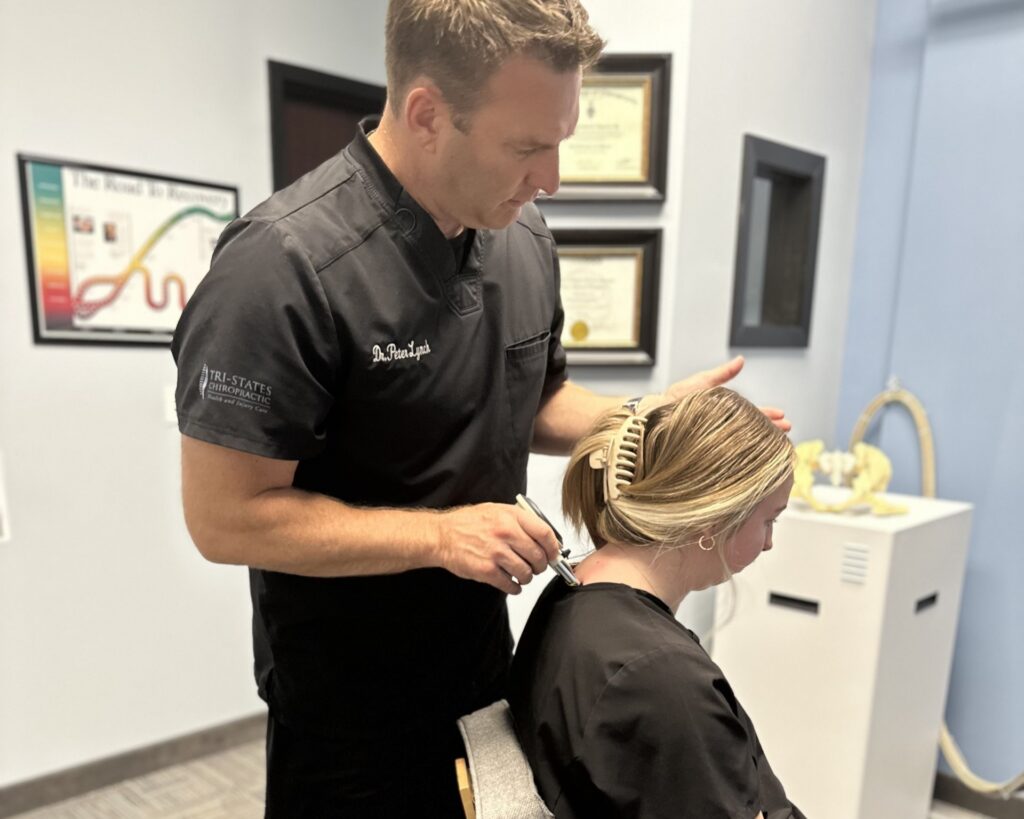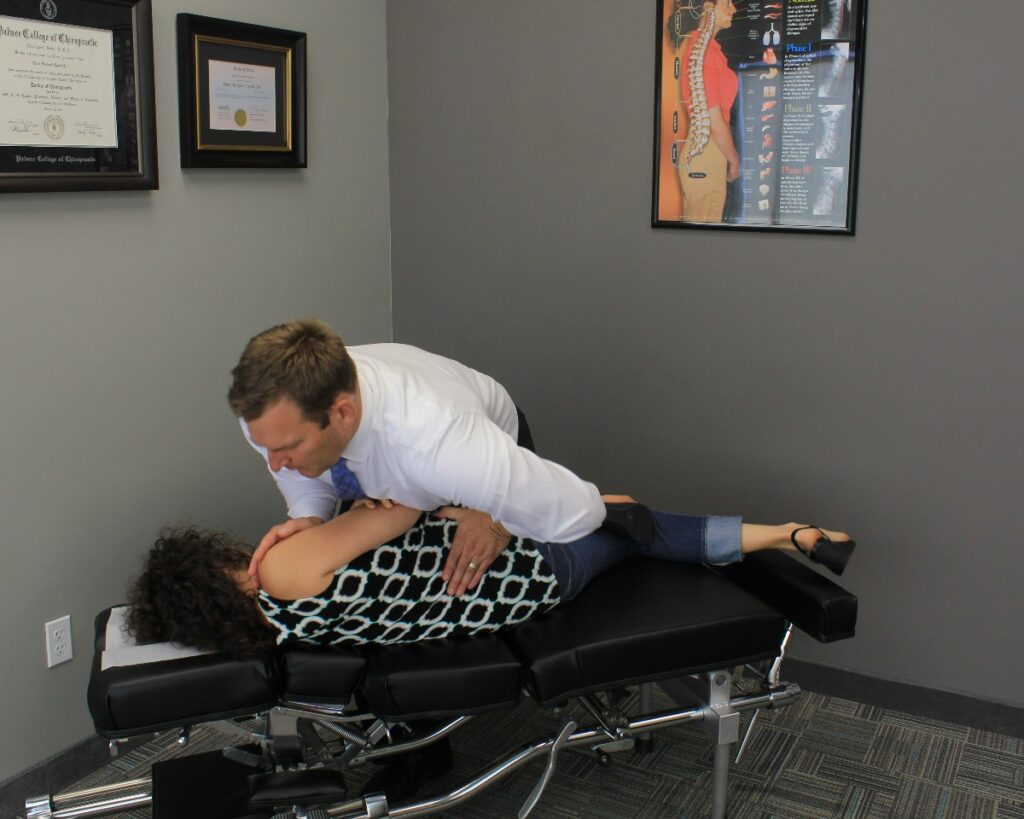
As a local chiropractor, I’m here to share some important insights about the relationship between neck health and migraines. Many of my patients are surprised to discover that issues with their neck can significantly contribute to the onset or worsening of migraine headaches. Poor posture and muscle tension in the neck area can be triggering factors that lead to these debilitating headaches.
By understanding this connection, you can take proactive steps to manage your pain. Simple stretches, ergonomic adjustments to your workspace, and regular chiropractic care can all help alleviate neck strain and, in turn, reduce the frequency and intensity of migraines.
In my practice, I often work with patients to develop personalized strategies that include gentle adjustments, posture improvement techniques, and relaxation exercises. These methods can make a significant difference in your overall experience with migraines. If you’re curious about how chiropractic care can help you feel better, I encourage you to reach out for a consultation. Together, we can explore how to enhance your neck health and alleviate migraine discomfort naturally.
Understanding the Connection Between Neck Health and Migraines
As a local chiropractor, I want to shed light on an often-overlooked connection between neck health and migraines. Many people don’t realize that the condition of your neck can significantly influence the frequency and intensity of migraine attacks. When the muscles in your neck become tense, it can create a domino effect that leads to the onset of a migraine.
Consider how poor posture and long hours spent in front of screens can strain your neck and upper back. This strain can limit blood flow and elevate muscle tension, which are both known triggers for migraines.
Furthermore, the nerves in your neck are closely linked to the head, so any irritation or discomfort in this area can easily manifest as headache pain.
By prioritizing your neck health through regular chiropractic adjustments, targeted stretching, and maintaining proper ergonomics, you can reduce the likelihood of experiencing migraines.
Simple changes in your daily routine can make a big difference. Remember, taking care of your neck may be the key to finding natural relief from those debilitating headaches.
If you’re curious about how chiropractic care can help, I’m here to guide you on your journey to better health.
Common Neck Issues That Trigger Migraines
As a local chiropractor, I want to shed light on how a tight neck can be an often-overlooked factor in your migraine headaches. Many people don’t realize that tension in the neck can originate from muscle strain, poor sleeping positions, or spending too much time in front of screens.
When the muscles in your neck become tight, they can irritate nearby nerves, which may lead to painful headaches.
Another significant issue we often see is cervical spine dysfunction. This can occur when there are misalignments or degenerative changes in the cervical spine, creating pressure on nerves that can trigger migraines.
If you’ve been engaging in activities that require lifting or repetitive motions, your neck muscles may become overworked, potentially resulting in tension headaches.
Stress is another major contributor to neck tension. When you’re feeling stressed, it’s common to unconsciously hold tension in your neck and shoulders, which can trigger migraines.
By addressing these common neck problems, you can take proactive steps to reduce the frequency and intensity of your migraines.
At our chiropractic practice, we focus on comprehensive neck care to enhance your overall well-being and help you manage headaches effectively.
I encourage you to consider how your neck health plays a role in your overall health, and how natural healing approaches can make a difference in your life.
The Importance of Good Posture
As a local chiropractor, I want to emphasize the vital role that good posture plays in maintaining your neck health and preventing migraines. Proper posture isn’t just about looking good; it significantly influences the alignment of your spine and the tension in your muscles.
When you adopt the right sitting or standing positions, you effectively reduce strain on your neck and shoulders, which can lead to a decrease in both the frequency and intensity of migraines.
Let’s explore some of the key benefits of good posture:
- Improved spine alignment: Maintaining good posture helps keep your vertebrae in their natural position, which is crucial for overall spinal health.
- Reduced muscle tension: By minimizing strain on your muscles, you can experience fewer headaches and discomfort.
- Enhanced breathing: Proper posture allows your chest and diaphragm to open up, promoting better oxygen flow and overall well-being.
- Increased energy levels: Good posture contributes to a feeling of alertness and focus, helping you tackle your day with vigor.
Understanding and practicing good posture is an essential step toward better health, and as your chiropractor, I’m here to guide you in making these changes for a healthier, more comfortable life.
Stretching Exercises for Neck Relief
As your local chiropractor, I’m here to guide you in understanding how simple stretching exercises can significantly alleviate neck tension and potentially reduce the frequency of migraines. Many people are unaware that incorporating these stretches into your daily routine can lead to remarkable improvements in your neck’s flexibility and overall comfort.
Let’s start with a fundamental neck tilt. This involves gently lowering your ear towards your shoulder, holding that position for about 15-30 seconds, and then switching sides. This stretch helps to release tight muscles that often contribute to discomfort.
Next, I recommend trying the chin tuck. This is done by pulling your chin back towards your neck and holding it for about 5 seconds. This exercise not only aids in relieving tension but also promotes better posture, which is essential for overall spinal health.
Another beneficial stretch is looking over your shoulder. Hold this position for 15-30 seconds on each side to enhance your neck’s mobility. Additionally, shoulder rolls are excellent for easing stiffness; simply roll your shoulders forward and backward in a smooth motion.
For best results, aim to perform these stretches several times throughout the day, especially when you start feeling tightness in your neck. Consistency is key, as regular practice can lead to a significant reduction in discomfort and fewer migraine occurrences.
Always remember to listen to your body – if a stretch feels uncomfortable or causes pain, it’s important to stop and reassess. Natural healing through chiropractic care and these simple exercises can lead to a more comfortable and healthier you.
Strengthening Your Neck Muscles
As a local chiropractor, I want to share the importance of strengthening your neck muscles for long-term neck health and migraine prevention. Many people may not realize how much strong neck muscles can support your head and spine, reducing strain and tension that can lead to discomfort or headaches.
Here are some simple yet effective exercises that I recommend incorporating into your routine:
- Chin Tucks: This exercise involves gently pulling your chin back towards your neck while keeping your shoulders relaxed. It helps align your spine and strengthens the muscles that support your neck.
- Shoulder Shrugs: Elevate your shoulders towards your ears, then release them down. This exercise can help relieve tension in your upper back and neck area.
- Neck Rotations: Slowly turn your head from side to side, holding each position for a few seconds. This movement increases flexibility and mobility in your neck.
- Resistance Exercises: Place your hand against your forehead and gently push your head forward while resisting with your hand. This strengthens the muscles at the front of your neck.
I encourage you to integrate these exercises into your weekly routine, aiming for several sessions each week. Consistency is crucial!
The Role of Ergonomics in Preventing Migraines
As a local chiropractor, I want to emphasize how your workspace can significantly influence your neck health and, consequently, the frequency of your migraines.
Many people may not realize that simple adjustments to your environment can make a huge difference in how you feel. For instance, ensuring your computer screen is at eye level and practicing good posture while seated are crucial steps in alleviating tension that can lead to headaches.
By making these ergonomic adjustments, you can cultivate a more comfortable workspace that not only supports your physical well-being but also helps reduce the occurrence of migraines.
Workspace Setup Essentials
As a local chiropractor, I want to emphasize the significant role your workspace plays in your overall health, particularly when it comes to managing migraines. Many individuals underestimate how a well-designed environment can help alleviate the frequency and intensity of headache episodes.
By making thoughtful adjustments to your workspace, you can create a more productive atmosphere while also reducing potential headache triggers. Here are some essential tips to consider:
- Adjustable chair: It’s crucial to ensure your chair provides support for your lower back. Make sure your feet can rest flat on the floor to promote proper posture.
- Monitor height: Positioning your monitor at eye level is vital. This simple adjustment can help prevent unnecessary strain on your neck and reduce tension.
- Lighting: Whenever possible, take advantage of natural light. Additionally, be mindful of glare from screens, as this can contribute to eye strain, a common headache trigger.
- Keyboard and mouse placement: It’s important to keep your keyboard and mouse at elbow height. This positioning can help alleviate tension in your shoulders and neck, which are often linked to migraine pain.
By investing time in optimizing your workspace, you’re not only enhancing your productivity but also taking an important step in managing your migraines naturally.
Posture and Headaches
As a local chiropractor, I want to share how proper posture can significantly impact your overall health, especially when it comes to preventing headaches. Many people are unaware that maintaining a straight back and an aligned head while sitting or standing can greatly reduce tension, which is often a precursor to migraines.
When your weight is distributed evenly, it helps prevent unnecessary strain on your neck and shoulders. It’s essential to keep your shoulders relaxed and to avoid hunching over your workspace. This type of alignment not only promotes better blood circulation but also reduces muscle fatigue, both of which are key in preventing headaches.
I encourage you to regularly check in with your body; if you notice yourself slumping, take a moment to correct your posture. Incorporating ergonomic chairs and supportive surfaces can also enhance your posture.
Remember, how you position yourself has a profound effect not just on your neck but is also crucial in keeping those migraines at bay. By prioritizing your posture, you’re taking a proactive step towards your health and well-being.
If you have any questions or would like personalized tips, feel free to reach out to me during your next visit!
Screen Height Adjustment
As a local chiropractor, I want to emphasize the importance of adjusting your screen height to create an ergonomic workspace that can significantly contribute to your overall well-being.
Many people are unaware that proper screen positioning can help prevent migraines and other discomforts associated with prolonged screen time. Here are some key points to consider for an optimal setup:
- Eye Level: It’s crucial that your screen is positioned at or just below eye level. This alignment helps keep your neck in a neutral position, reducing strain and promoting better posture.
- Distance: Aim to position your screen about an arm’s length away from your eyes. This distance not only prevents squinting but also helps to minimize eye fatigue, which can be a trigger for headaches.
- Tilt: A slight tilt of the screen backward can help reduce glare from overhead lights and windows, making it easier on your eyes and fostering a more natural viewing angle.
- Adjustability: I recommend using adjustable stands or mounts for your screen. This allows you to easily modify the height and angle as needed, accommodating changes throughout your workday and helping to maintain comfort.
By paying attention to these details, you can create a healthier workspace that supports your spine and overall health, ultimately reducing the likelihood of migraines and discomfort.
If you have any questions about how your workspace could be affecting your health, feel free to reach out!
Techniques for Reducing Muscle Tension
As a local chiropractor dedicated to your well-being, I want to share some valuable techniques for reducing muscle tension and alleviating migraines.
One of the most effective methods is incorporating stretching exercises into your daily routine. These exercises can significantly help in releasing tight muscles and promoting relaxation.
Additionally, improving your posture plays a crucial role in relieving strain on your neck and shoulders, which often contributes to tension headaches.
By being mindful of your posture throughout the day, you can make a positive impact on your overall comfort and health.
Let’s explore these natural healing techniques together to help you find the relief you deserve. Your body will thank you!
Stretching Exercises for Relief
As a local chiropractor, I understand that managing migraines can often feel daunting. However, incorporating targeted stretching exercises into your routine can significantly alleviate muscle tension in your neck and shoulders, which is vital for migraine relief.
Regularly practicing these stretches not only helps ease discomfort but also promotes a sense of relaxation, allowing you to better manage your migraine symptoms.
Here are some effective stretches I recommend:
- Neck Tilts: Gently tilt your head toward each shoulder, holding the position for a few seconds. This helps release tightness in the neck muscles.
- Chin Tucks: Pull your chin toward your chest while keeping your shoulders relaxed. This exercise strengthens the neck and reduces strain.
- Shoulder Rolls: Roll your shoulders forward and backward in a circular motion. This can help release built-up tension in the shoulder area.
- Upper Trapezius Stretch: Reach one arm across your body and tilt your head to the opposite side. This stretch targets the upper trapezius muscle, which can often contribute to headache discomfort.
By integrating these stretches into your daily routine, you may notice a significant reduction in neck tension and an increase in overall migraine relief.
Posture Improvement Techniques
As a local chiropractor, I want to share some important insights on how improving your posture can significantly alleviate muscle tension and help manage migraine symptoms more effectively.
It’s essential to cultivate awareness of your body alignment throughout your daily activities. When you’re seated, ensure that your feet are flat on the ground, your back is straight, and your shoulders are relaxed. I recommend using ergonomic chairs that provide support to your lower back, which can make a noticeable difference.
When standing, it’s crucial to distribute your weight evenly between both feet and to avoid locking your knees, as this can lead to unnecessary strain.
Additionally, I suggest incorporating regular breaks if you find yourself sitting or standing for long periods. Use this time to stretch and reset your posture, which can greatly benefit your overall alignment.
Strengthening your core muscles through specific exercises can also provide better support for your spine, reducing the likelihood of discomfort.
Lastly, consider exploring practices like yoga or Pilates. These activities not only enhance flexibility but also contribute to improved posture, which can significantly reduce tension in your neck and shoulders.
Chiropractic Care and Its Benefits for Migraines
As a local chiropractor, I want to share how chiropractic care can be a natural and effective approach to managing migraines, particularly when neck tension is a contributing factor to your discomfort.
By focusing on the alignment of your spine, chiropractic adjustments can help alleviate tension, reduce inflammation, and enhance overall neck function.
Here are some of the key benefits you may experience with chiropractic care:
- Pain relief: Our adjustments work to relieve pressure on nerves and muscles, helping to ease your migraine pain.
- Improved range of motion: By enhancing mobility, we can help reduce stiffness and discomfort that may trigger headaches.
- Better posture: Chiropractic care promotes proper alignment, which can help prevent future tension and migraines from occurring.
- Holistic approach: We prioritize your overall wellness, addressing the root causes of your symptoms rather than merely masking them.
Incorporating chiropractic care into your migraine management routine can significantly reduce the frequency of headaches and improve your quality of life.
I encourage you to consult with me to explore specific treatments tailored to your individual needs. Together, we can help you enjoy your daily activities without the burden of migraines weighing you down.
The Impact of Stress on Neck Health and Migraines
As a local chiropractor, I want to help you understand how stress can significantly impact your neck health and contribute to migraines. When you experience stress, it often causes your neck muscles to tighten, leading to discomfort.
This tension can affect your posture, creating a vicious cycle of pain that can be hard to break. By recognizing this connection, you can take proactive steps to manage both your neck health and the frequency of migraines.
Chiropractic care focuses on restoring proper alignment and function to your spine and neck, which can help alleviate tension and improve your overall well-being. Natural healing techniques, such as stretching, relaxation exercises, and adjustments, can also play a vital role in reducing stress and promoting a healthier neck.
Stress-Induced Muscle Tension
As a local chiropractor, I often see patients who are dealing with the effects of stress-induced muscle tension, particularly in the neck. Many people don’t realize how this tension can escalate and lead to painful migraines. It can sneak up on you, tightening the muscles around your neck and head, creating a cycle of discomfort that feels difficult to escape.
Recognizing the signs of stress and understanding its impact on your neck is the first step towards relief. Here are some effective strategies I recommend to help manage stress-induced tension:
- Practice deep breathing: This simple technique can help relax your muscles and reduce tension in your neck.
- Incorporate regular stretching: Gentle stretches can relieve tightness and improve overall mobility in your neck area.
- Engage in mindfulness or meditation: These practices are great for calming your mind and reducing stress levels.
- Schedule regular breaks throughout your day: Taking time to step away from your routine can help lower stress and prevent tension from building up.
Addressing neck tension is crucial for finding relief from migraines and improving your overall well-being.
As a chiropractor, I can help you develop a personalized plan that incorporates these strategies along with hands-on adjustments to support your health naturally.
Posture and Pain Connection
As your local chiropractor, I want to shed light on the important connection between posture and the tension you may feel in your neck, as well as its relationship to migraines.
Many of us spend hours hunched over our devices or slouching in our chairs, which can lead to significant muscle strain and increased tension in the neck area. This tension can become a trigger for headaches or migraines, making it crucial to understand how your posture plays a role in this discomfort.
Stress can worsen these issues, often causing us to adopt unnatural positions that further contribute to neck strain. By being mindful of your posture throughout the day, you can alleviate some of this tension and potentially reduce the frequency and intensity of migraines.
I encourage you to take regular breaks to stretch and realign your spine. Simple adjustments in how you sit or stand can have a profound impact on your overall well-being.
When to Seek Professional Help for Neck-Related Migraines
If you’re experiencing neck-related migraines that don’t improve with self-care strategies, it’s important to consider seeking the expertise of a chiropractor. Overlooking persistent pain can lead to more complicated health issues down the line.
Here are some key indicators that it’s time to consult with a chiropractic professional:
- Increasing frequency or severity of migraines: If you notice that your headaches are happening more often or becoming more intense, this could indicate a deeper issue that needs attention.
- Neurological symptoms: Any changes in your vision, unexplained weakness, or difficulties with speech should prompt you to seek immediate care.
- Ineffective relief from standard treatments: If over-the-counter pain relievers or home remedies aren’t alleviating your discomfort, it may be time to explore chiropractic care as a natural alternative.
- Accompanying symptoms: If your migraines are accompanied by fever, neck stiffness, or other unusual signs, it’s crucial to have a thorough evaluation.
Don’t hesitate to reach out to a chiropractor.
We specialize in understanding the relationship between the spine, nervous system, and overall health.
We can help identify the root causes of your neck-related migraines and suggest effective, holistic treatment options.