As a local chiropractor, I understand that persistent back pain can be a frustrating and debilitating experience. It's important to know that there are natural methods to help you find relief, and many of these involve simple adjustments to your daily routine. You may be surprised to discover that improving your posture, engaging in regular exercise, and practicing mindful stress management can significantly enhance your well-being.
In my practice, I often guide patients through these 10 steps to alleviate back pain naturally. These practical solutions not only address the symptoms of back pain but also work towards enhancing your overall health. Before you implement any changes, it's crucial to consider which strategies may resonate most with your individual needs. By tailoring these approaches to your unique situation, you can transform your experience with back pain.
So, what could these steps look like for you? Let's explore how we can work together to create a personalized plan that promotes healing and relief.
Maintain Good Posture
As a local chiropractor, I want to emphasize the importance of maintaining good posture for both preventing and alleviating back pain. Many people may not be aware of how their daily habits can significantly affect the health of their spine.
Whether you're seated at your desk, standing in line, or lifting heavy objects, your posture plays a crucial role in how your back feels.
When you're sitting, it's essential to keep your feet flat on the ground and position your hips at the edge of your chair. Choose a chair that supports your lower back properly. If you catch yourself slouching, it's a sign that you need to make some adjustments.
A helpful visualization is to imagine a string gently pulling you upward from the top of your head, aligning your spine and shoulders. This mental cue can help remind you to sit up straight.
While standing, make sure to distribute your weight evenly across both feet. Avoid locking your knees, and engage your core muscles to provide support for your lower back.
If you find yourself on your feet for extended periods, try shifting your weight from one foot to the other or consider using a footrest for added comfort.
When it comes to lifting objects, always bend at your knees instead of your waist. Keep the item close to your body and lift using your legs rather than your back.
This proper lifting technique can greatly reduce strain on your spine and help prevent injury.
By adopting these posture tips, you can contribute to your overall spinal health and well-being.
Incorporate Regular Exercise
As a local chiropractor, I want to emphasize the transformative power of regular exercise in alleviating back pain. Incorporating exercise into your daily routine can significantly aid in your recovery and overall well-being. It strengthens the muscles that support your spine, enhances flexibility, and improves your body mechanics.
When you engage in physical activity, you boost blood circulation to your muscles and tissues, which helps to alleviate stiffness and fosters healing.
I recommend starting with low-impact activities such as walking, swimming, or cycling. These are gentle on your back but still provide necessary movement to keep your body functioning optimally. Aim for at least 150 minutes of moderate aerobic activity each week.
Remember, you don't need to do it all in one go; breaking it into shorter sessions throughout your day can be just as effective.
In addition to aerobic activities, incorporating strength training into your routine is crucial. Focus on exercises that strengthen your core, hips, and lower back. A strong core stabilizes your spine, reducing the risk of injury and easing discomfort.
You might consider using resistance bands or light weights to enhance your workouts, which can also be guided by a chiropractor.
Consistency is essential for success. Set achievable goals and stick to a regular schedule, gradually increasing the intensity of your workouts as your strength improves.
Always listen to your body; if something doesn't feel right, it's important to modify the exercise or consult with a healthcare professional, such as myself, who can provide guidance tailored to your needs.
By integrating these practices into your life, you can take significant steps toward managing your back pain and enhancing your overall health.
Practice Stretching Techniques
As your local chiropractor, I want to emphasize the importance of stretching in managing back pain and enhancing overall flexibility.
Many people may not realize how beneficial specific stretching exercises can be for improving mobility and reducing muscle tension. By integrating these techniques into your daily routine, you can experience significant relief and a greater sense of well-being.
Let's delve into some effective stretching methods that I often recommend to my patients.
These stretches not only help alleviate discomfort but also support your body's natural healing processes.
Benefits of Stretching
As a local chiropractor, I want to emphasize the importance of incorporating effective stretching techniques into your daily routine for optimal well-being. Many people view stretching merely as a warm-up, but it plays a vital role in maintaining flexibility and alleviating muscle tension, which is essential for overall health.
When you stretch regularly, you promote increased blood flow to your muscles. This enhanced circulation not only aids in quicker recovery from physical activities but also helps reduce soreness, allowing you to enjoy your daily life without discomfort.
One significant benefit of stretching is its positive impact on posture. By focusing on the muscles that support your spine, you can relieve the strain that often results from prolonged sitting or standing—common issues many of my patients face. This proactive approach can help prevent back pain from becoming a recurring problem.
Moreover, stretching is a powerful tool for promoting relaxation, both physically and mentally. Taking just a few moments to stretch can help release built-up stress and tension, leading to a more focused and calm state of mind—something that's essential for managing daily stressors.
You'll also find that regular stretching enhances your range of motion, making everyday activities much simpler and more enjoyable. Whether you're bending down to tie your shoes or reaching for something on a high shelf, improved flexibility can make these tasks easier and safer, reducing the risk of injury.
In essence, integrating stretching into your routine isn't just about physical benefits; it's a crucial aspect of a healthier lifestyle. As your chiropractor, I encourage you to embrace stretching as a natural way to support your body and mind.
Let's work together towards achieving your wellness goals!
Recommended Stretching Exercises
As a local chiropractor, I want to help you understand how specific stretching exercises can greatly benefit your overall spine health and muscle flexibility.
One of the foundational stretches I recommend is the cat-cow stretch. This exercise enhances spinal flexibility, which is crucial for maintaining a healthy back. To perform it, get on your hands and knees. Alternate between arching your back up toward the ceiling and dipping it down toward the floor. Aim for 10-15 repetitions to feel the benefits.
Another excellent stretch is the child's pose. Begin by kneeling on the floor, then sit back on your heels and stretch your arms out in front of you on the ground. This position helps release tension in your lower back. Hold this pose for 20-30 seconds to fully experience its calming effects.
Next, consider the seated forward bend. Sit with your legs extended straight out in front of you, and gently reach towards your toes. It's perfectly okay if you can't reach them; just go as far as you can while maintaining a straight back. Hold this stretch for 20-30 seconds to promote flexibility in your hamstrings and lower back.
Finally, I encourage you to try the lying knee-to-chest stretch. Lie on your back and gently pull one knee toward your chest while keeping the opposite leg straight. Hold each leg for 20-30 seconds. This stretch can help alleviate tightness in your lower back.
Incorporating these stretches into your daily routine can significantly improve your back pain and overall well-being over time.
Utilize Heat Therapy
As a local chiropractor, I want to share with you an effective, natural method for alleviating back pain: heat therapy. This simple approach can be a game-changer for many individuals experiencing discomfort. When you apply heat to your back, it helps to relax tight muscles and improve blood circulation, which can expedite the healing process.
You don't need any specialized equipment to get started. Common items like a hot water bottle, heating pad, or even a warm towel can work wonders. First, it's essential to identify the source of your discomfort. If your back pain is due to muscle tension or stiffness, heat therapy can provide immediate relief.
When you use heat, ensure that it's a comfortable temperature—warm enough to feel soothing, but not so hot that it risks burning your skin. I recommend applying heat for about 15 to 20 minutes at a time. You can repeat this several times throughout the day, particularly when you feel your pain intensifying. If you opt for a heating pad, please be cautious about falling asleep with it on, as this could lead to burns.
Another excellent option is to take a warm bath or shower. The warmth from the water can penetrate deeper into your muscles, offering more thorough relief.
If you have a busy schedule and need a quick solution, try warming a towel in the dryer or microwave for just a few seconds. This can provide instant comfort and is a convenient way to incorporate heat therapy into your daily routine.
Understanding and utilizing heat therapy can be a valuable tool in your journey toward better back health. If you have any questions or need more tips, feel free to reach out to me or schedule a visit!
Try Cold Therapy
As your local chiropractor, I want to share some valuable insights on managing back pain, particularly through the use of cold therapy. While many people are familiar with heat therapy for soothing tight muscles, cold therapy provides a different and often effective approach, especially when dealing with inflammation or acute injuries.
Cold therapy, also known as cryotherapy, works by numbing the affected area and reducing swelling. When you apply something cold, it constricts blood vessels and decreases circulation, which can significantly help alleviate pain and inflammation in your back.
To get started, you can use ice packs, a bag of frozen vegetables, or even a cold cloth from your kitchen. It's important to wrap the ice pack in a thin towel before applying it to your skin to prevent frostbite.
Apply the cold source to the painful area of your back for about 15-20 minutes at a time. For optimal results, aim to do this several times a day, especially after engaging in physical activity or sitting for extended periods.
You may experience immediate relief as the cold numbs the area, but it's crucial to be mindful of how your body reacts. If you notice any skin irritation or if the pain worsens, please discontinue use.
Cold therapy tends to be most effective within the first 48 hours after a back injury. After that initial period, it's often beneficial to transition to heat therapy to help relax your muscles and improve blood flow.
Incorporating these natural healing methods into your routine can enhance your recovery process and help you manage back pain more effectively.
As always, if you have questions or need personalized guidance, feel free to reach out during your next visit!
Explore Massage Therapy
As a local chiropractor, I want to share with you the incredible benefits of massage therapy as a complementary approach to managing back pain. While you may primarily think of chiropractic adjustments for spinal health, massage therapy is a powerful tool that targets muscles, connective tissues, and joints, playing a crucial role in overall pain relief and wellness.
When you visit a massage therapist, you're not just treating yourself to a luxurious experience; you're investing in your long-term health. There are various types of massage available that can specifically address your needs. A deep tissue massage, for example, works on the deeper layers of muscle and connective tissue, making it especially effective for those dealing with chronic pain.
On the other hand, if relaxation is what you seek, a Swedish massage could gently alleviate discomfort while enhancing your overall well-being.
It's important to communicate with your massage therapist about any areas of pain or tension you're experiencing. They can tailor their techniques to focus on those spots, applying the right amount of pressure to help release tightness in your back, which can result in immediate relief.
Incorporating regular massage therapy into your routine can also help prevent future episodes of pain. Maintaining muscle elasticity and reducing stiffness are essential for keeping discomfort at bay, and massage can be an integral part of that preventive care.
I encourage you to explore different therapists and massage styles until you find the right fit for your needs.
Beyond the physical aspects, massage therapy also offers significant mental health benefits. The relaxation response that occurs during a massage can lower stress levels and improve your mood—both of which are vital when managing pain.
I recommend considering massage therapy as a regular part of your self-care regimen to naturally support your back health and enhance your overall quality of life.
Consider Acupuncture
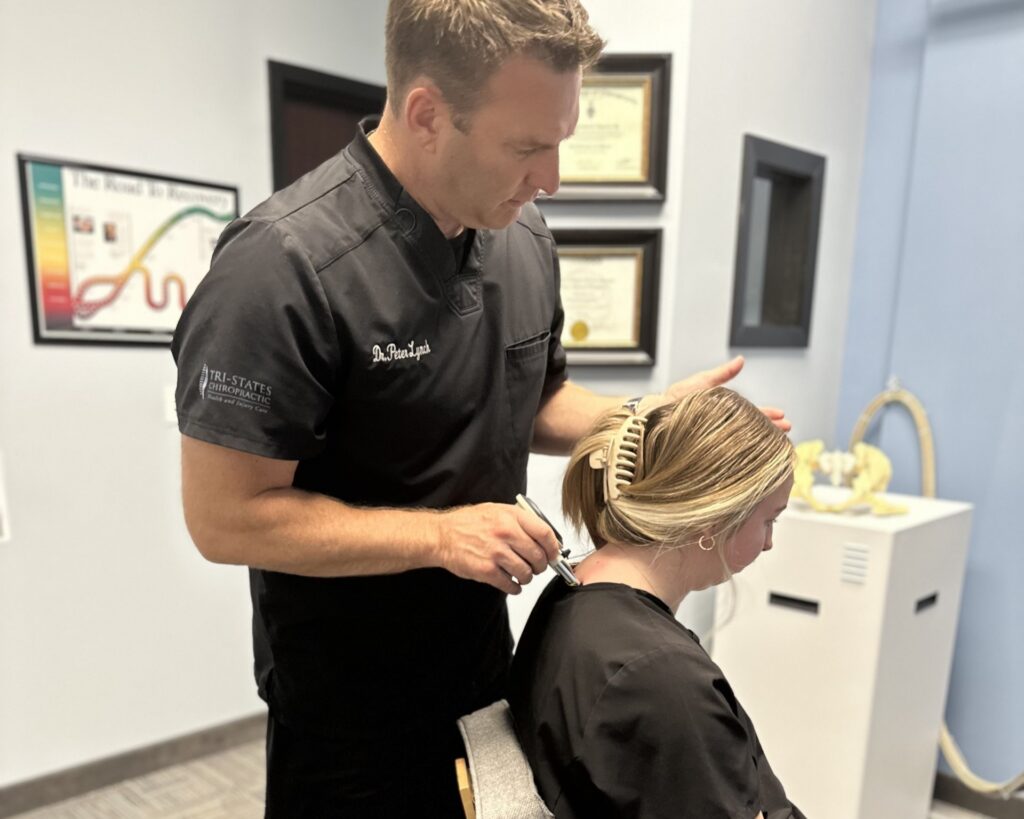
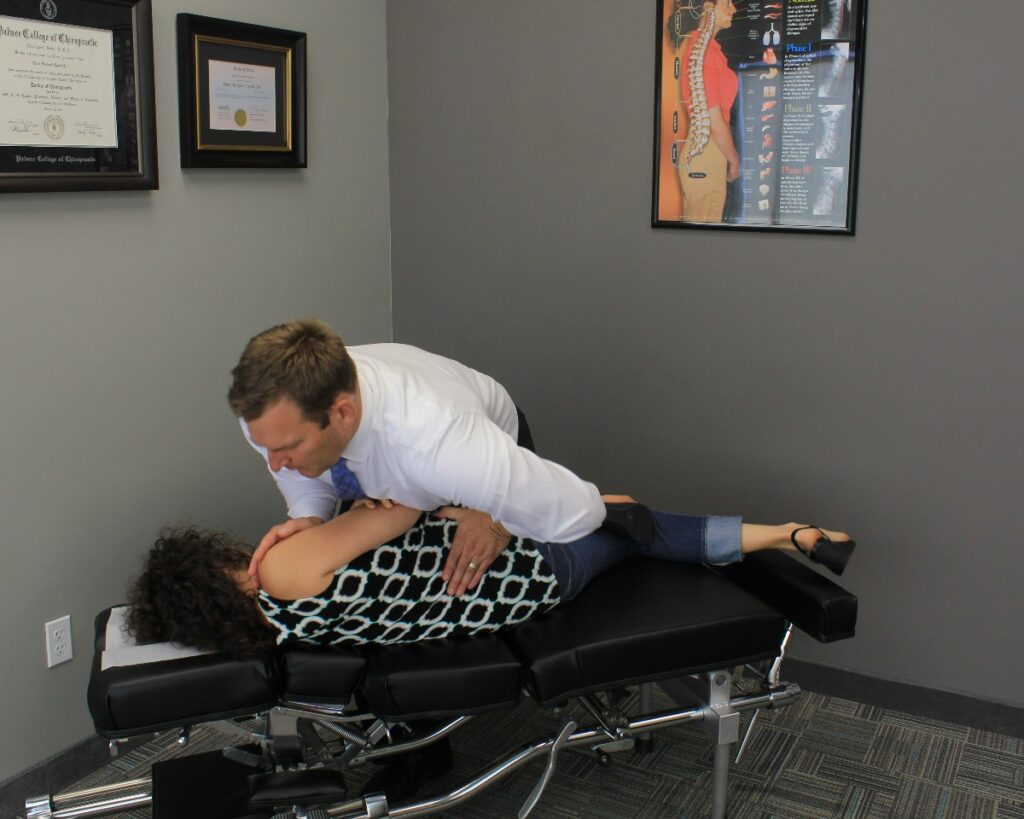
If you're exploring alternative methods to alleviate back pain, chiropractic care might be the effective solution you're looking for. This natural approach focuses on the relationship between the spine and the nervous system, and how misalignments can lead to discomfort and health issues. Many patients experience significant relief from back pain through chiropractic adjustments, which can help restore proper alignment, reduce inflammation, and improve overall function.
During your first visit to a chiropractor, they'll conduct a thorough assessment of your condition and develop a personalized treatment plan tailored to your needs. Chiropractic sessions typically last about 30 to 60 minutes, during which you'll be comfortably positioned while the chiropractor makes precise adjustments to your spine and other joints.
While you may feel some pressure or a popping sensation, most patients report feeling immediate relief following adjustments.
Chiropractic care not only targets the pain itself but also addresses underlying issues contributing to your back pain, such as muscle tension, poor posture, or stress. Regular visits can lead to long-term improvements in mobility and overall wellness, allowing you to enjoy a more active, pain-free lifestyle.
While chiropractic care is generally safe, it's important to consult with a qualified chiropractor who can assess your specific situation and guide you through the process. Be sure to discuss your medical history and any concerns you may have to determine if chiropractic care is the right fit for you.
Incorporating chiropractic care into your pain management routine could be the natural solution you've been searching for. So why not consider visiting a chiropractor? You may just find the relief you've been seeking and enhance your quality of life.
Adjust Your Sleep Position
As a chiropractor, I understand that a good sleep position is crucial for alleviating back pain, and I want to share some insights that can help you find relief. If you frequently wake up feeling discomfort, it might be time to reevaluate your sleeping habits. The way you position your body at night can significantly influence the alignment of your spine and your overall comfort.
For those who sleep on their backs, I recommend placing a pillow under your knees. This simple adjustment helps maintain the natural curve of your lower back, relieving pressure and providing essential support to your spine.
If you find yourself more comfortable sleeping on your side, placing a pillow between your knees can be beneficial. This practice helps keep your hips aligned and reduces strain on your back. Additionally, consider investing in a supportive mattress that conforms to your body's shape, as this can make a world of difference.
On the other hand, stomach sleeping is generally not advised. This position can put unnecessary strain on your neck and spine. If changing your sleeping position is challenging, try using a flatter pillow or even no pillow at all to reduce neck strain.
It's also important to pay attention to your mattress and pillows. An old or unsupportive mattress can worsen your back pain. I recommend aiming for a medium-firm mattress that provides support while preventing pressure points.
Your pillow should adequately support your head and neck without causing your neck to bend at an awkward angle.
Stay Hydrated
As a local chiropractor, I want to emphasize the importance of staying hydrated for your overall health, particularly when it comes to alleviating back pain.
Many people may not realize how dehydration can affect their bodies. When you don't drink enough water, your body can become dehydrated, leading to muscle cramps and discomfort, which can exacerbate existing back issues.
I encourage you to make it a habit to drink plenty of water throughout the day. Proper hydration supports your spine and the surrounding muscles, promoting better alignment and reducing pain.
Importance of Water Intake
As a local chiropractor, I want to emphasize the crucial role of proper hydration in maintaining your overall health, especially when it comes to alleviating back pain. Many people may not realize that water is vital for keeping your spinal discs well-hydrated and functioning effectively. These discs serve as cushions between the vertebrae, and when they become dehydrated, they can lose their effectiveness, leading to discomfort and pain.
When you ensure that you're drinking enough water, you help maintain the elasticity and flexibility of these discs, which can significantly reduce the risk of injury and strain. Additionally, adequate hydration supports the muscles, ligaments, and tendons that work together to stabilize your spine. Dehydrated muscles can cramp and tighten, further contributing to back pain, which is why hydration is so important.
It's also worth mentioning that staying well-hydrated promotes better circulation throughout your body. This improved circulation helps deliver essential nutrients to your spinal structures, which can aid in the healing process if you're currently experiencing pain or have sustained an injury.
To stay properly hydrated, I recommend aiming for at least eight 8-ounce glasses of water a day, but feel free to adjust this based on your activity level and the climate you live in.
Signs of Dehydration
As a chiropractor, I often emphasize the importance of hydration for overall health and wellness. Many people may not realize that dehydration can manifest in various ways that affect not only your body but also your spine and musculoskeletal system. One of the first signs of dehydration is often thirst—your body's way of signaling that it needs more fluids. If you find yourself feeling thirsty, it's crucial to listen to that cue.
Additionally, pay attention to the color of your urine. Dark yellow urine can be a clear indication that you aren't drinking enough water. Ideally, your urine should be light yellow or even clear, which reflects proper hydration levels.
Dry skin is another common sign of dehydration. If you notice your skin becoming less elastic or if your lips are chapped, it's a good time to increase your water intake. Dehydration can also lead to fatigue and dizziness, which might impact your daily activities, including your ability to maintain good posture and spinal health.
Headaches are another symptom that can arise from dehydration, as your body may experience tension when it's not properly hydrated. This tension can further contribute to discomfort in your back and neck, areas that I often treat in my practice.
It's essential to be proactive about your hydration. If you notice any of these signs, don't hesitate to reach for a glass of water. Staying hydrated is vital for maintaining your overall health, supporting your spine, and reducing pain and discomfort.
I recommend drinking water regularly throughout the day, particularly if you lead an active lifestyle or are exposed to heat.
Manage Stress Levels
As a local chiropractor, I want to emphasize the critical link between managing stress levels and alleviating back pain. Many patients may not realize that stress can significantly contribute to discomfort and slow down the healing process. When you're under stress, your muscles can become tense, which often leads to increased pain in your back. Understanding this connection is the first step toward effective treatment.
To help manage stress, I encourage you to incorporate regular physical activity into your daily routine. Exercise is a fantastic way to release endorphins—your body's natural mood enhancers. Aim for at least 30 minutes of moderate exercise most days. This could include activities like walking, swimming, or practicing yoga.
Yoga is especially beneficial, as it not only helps reduce stress but also improves flexibility, both of which are vital in managing back pain.
Mindfulness and meditation are also valuable practices to consider. I recommend setting aside just a few minutes each day for deep breathing exercises or guided meditation. These practices can help center your thoughts, reduce anxiety, and relax those tense muscles.
Additionally, journaling can be an excellent way to process your thoughts and emotions, ultimately leading to reduced stress levels.
Lastly, never underestimate the power of social support. Reach out to friends or family members to talk about your experiences. Sharing your challenges with others who understand can provide relief and make your journey easier.
Conclusion
As your local chiropractor, I want to share with you 10 effective steps to alleviate back pain naturally and enhance your overall well-being. First and foremost, maintaining good posture is crucial; it helps support your spine and reduces strain on your back muscles. Staying active is another vital aspect—engaging in regular physical activity can strengthen your back and improve flexibility.
Incorporating stretching into your daily routine is essential as well, as it helps release tension and promotes mobility. Don't overlook the importance of your sleep position; ensuring you have a supportive mattress and pillows can significantly impact your spinal health. Staying hydrated is also key, as proper hydration aids in keeping your spinal discs healthy.
Managing stress is equally important, as tension can contribute to back pain. I encourage you to explore relaxation techniques such as yoga or meditation. And remember, if you're experiencing persistent pain, seeking professional help is invaluable. Chiropractic care can provide targeted treatment and guidance tailored to your specific needs.
Start implementing these steps today and experience the benefits of a pain-free life. Your journey to better back health begins here!