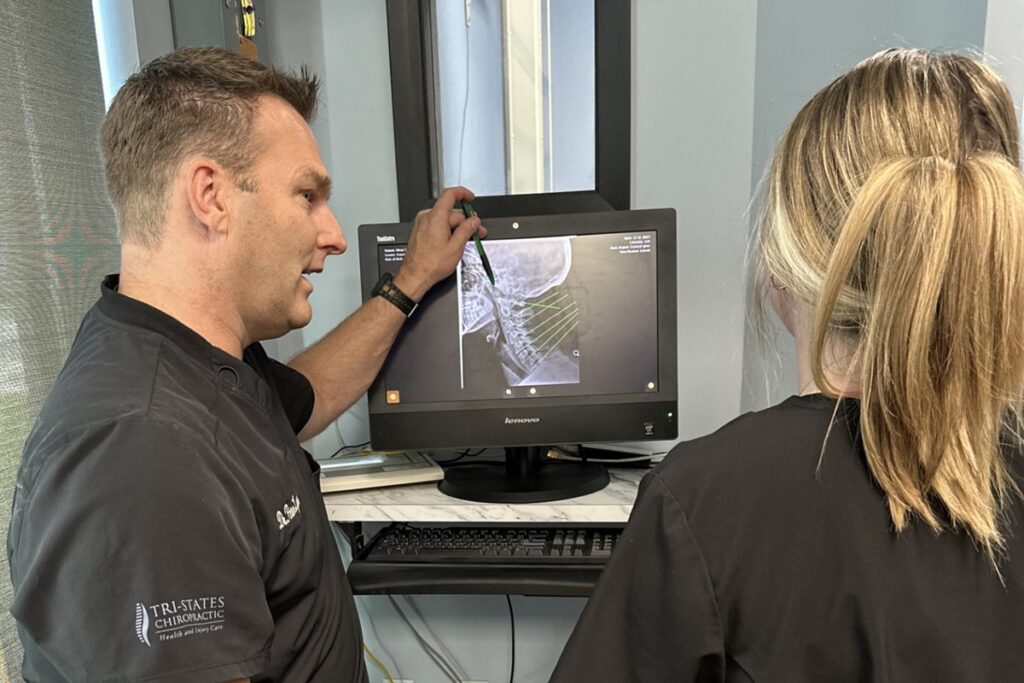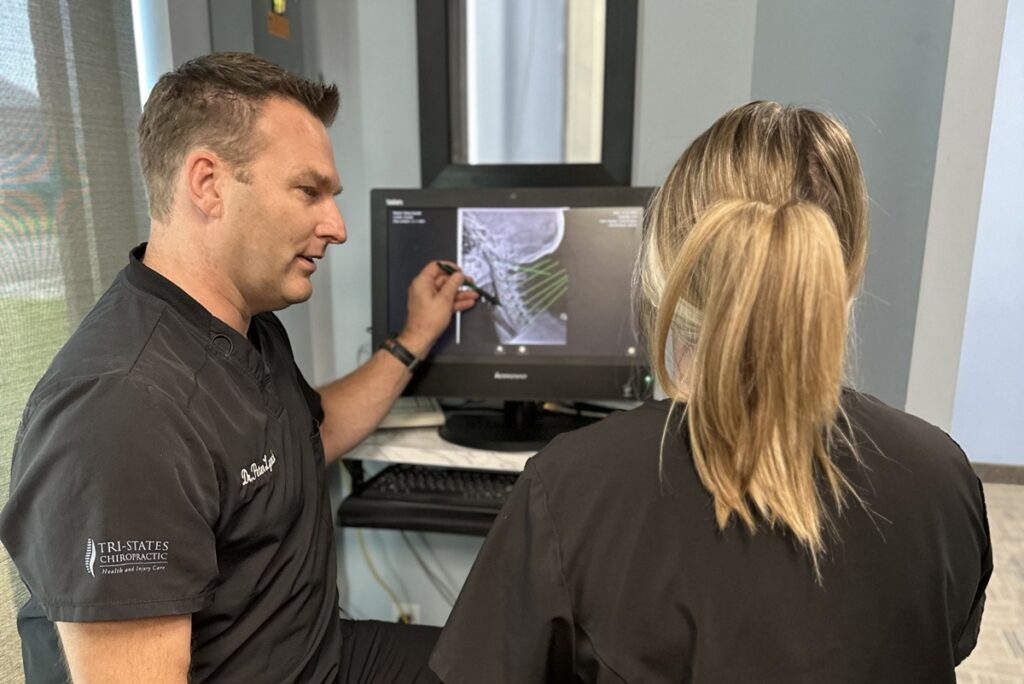
As a local chiropractor, I understand that many of you are dealing with persistent back pain and may want to explore natural approaches for relief that don't rely on medications. I encourage you to consider techniques such as regular stretching, maintaining proper posture, and using heat therapy, as these can significantly improve your daily comfort.
Additionally, incorporating herbal remedies and mindfulness practices into your routine can further enhance your overall well-being. These methods not only focus on alleviating pain but also foster a healthier lifestyle. If you're curious about how each of these approaches works and which might be most effective for your specific situation, I'm here to help guide you on your journey to wellness.
Stretching Exercises
As a local chiropractor, I want to emphasize the importance of stretching exercises in effectively managing back pain. These exercises aren't just beneficial; they're crucial for enhancing flexibility, reducing muscle tension, and improving circulation in your back and surrounding areas. By incorporating regular stretching into your routine, you can significantly alleviate discomfort and help prevent future issues.
To get started, begin with gentle stretches that focus on the areas where you feel tightness or soreness. One of my favorite stretches is the cat-cow stretch, which is excellent for warming up the spine. Start on all fours, arch your back upward like a cat, and then lower it while lifting your head, creating a gentle sway. Repeat this movement several times, coordinating it with your breath. It's a simple yet effective way to enhance your spinal mobility.
Another fantastic stretch to incorporate is the child's pose. Kneel on the floor, sit back on your heels, and extend your arms forward on the ground. This position gently elongates your spine and can provide immediate relief from tension. Hold this pose for at least 30 seconds while focusing on deep, calming breaths.
Don't overlook the benefits of stretching your hamstrings, as well. Sit on the floor with one leg extended and the other bent, reaching toward the toes of the extended leg. This stretch targets your hamstrings and helps alleviate pressure on your lower back, which is often a source of discomfort for many patients.
I can't stress enough the importance of consistency in your stretching routine. Aim to stretch daily, or at least several times a week, to maintain flexibility and avoid stiffness in your muscles. It's essential to listen to your body and modify stretches as necessary.
Proper Posture
As a local chiropractor, I want to emphasize the importance of maintaining proper posture for both preventing and alleviating back pain. Your body alignment significantly influences how your back feels during everyday activities like sitting, standing, or moving. Unfortunately, poor posture can lead to muscle strain, spinal misalignment, and even long-term discomfort. By paying attention to your posture, you can lower the risk of these issues and enhance your overall well-being.
When you're sitting, ensure your feet are flat on the floor and that your knees form a right angle. It's vital to keep your back straight and your shoulders relaxed—not slouched. If you work at a desk, consider adjusting your chair and monitor height so everything is at eye level. Remember to take regular breaks and stretch your legs to combat stiffness.
For standing, distribute your weight evenly on both feet. Your shoulders should be back, and your head aligned with your spine. Be aware of leaning on one leg or hunching over, as these habits can contribute to back strain over time.
When walking, focus on your gait. Keep your head held high, and engage your core muscles to support your spine. It can be helpful to visualize a string gently pulling your head upward, which encourages a tall and straight posture.
Incorporating these posture tips into your daily routine can significantly reduce back pain and improve your overall health. Remember, even small adjustments can make a big difference, so stay mindful of how you carry yourself throughout the day.
Proper posture isn't just about aesthetics; it's a crucial aspect of maintaining a healthy back and supporting your body's natural healing process. If you have any questions about how chiropractic care can assist with posture and back pain, feel free to ask during your visit!
Heat Therapy
As a local chiropractor, I often encourage my patients to consider heat therapy as a powerful tool for alleviating back pain.
It can truly transform your experience by providing soothing relief while enhancing blood circulation to the affected areas.
In this discussion, I want to share the benefits of heat therapy and the most effective methods for applying it, so you can incorporate this natural healing practice into your pain management routine.
Understanding how to utilize heat can significantly improve your overall comfort and support your journey to recovery.
Benefits of Heat Therapy
As a local chiropractor, I want to share with you the benefits of heat therapy, especially for those dealing with back pain. Many of my patients have found heat therapy to be a highly effective way to alleviate discomfort. By applying heat, we increase blood flow to the affected area, which aids in relaxing tight muscles and soothing pain. This process essentially gives your body the opportunity to heal itself, promoting a quicker recovery.
In addition to pain relief, heat therapy can significantly enhance your flexibility. It works by loosening stiff joints, enabling you to move more freely and reducing the risk of further injuries. The warmth not only alleviates pain but also provides a comforting sensation that can make it easier for you to engage in your daily activities.
One of the great aspects of heat therapy is its accessibility. Whether you choose to use a heating pad, a hot water bottle, or enjoy a warm bath, these options are often simple and budget-friendly. This versatile approach can seamlessly fit into your routine without adding stress.
Furthermore, heat therapy has the added benefit of improving your mood. The soothing warmth creates a sense of relaxation and well-being, which is especially valuable when dealing with the stress that often accompanies back pain.
Embracing heat therapy might just be the natural and effective solution you've been searching for to enhance your recovery and overall health!
Application Techniques Explained
As a local chiropractor, I want to help you understand the benefits of heat therapy for alleviating back pain. This natural approach can be incredibly effective in enhancing your overall comfort.
Heat therapy works by boosting blood circulation, relaxing tight muscles, and easing stiffness in your back. Here are some techniques I recommend for you to consider:
- Heating pads: A standard heating pad set to low can be used for 15-20 minutes on the affected area. This method is straightforward and highly effective.
- Warm towels: Soak a towel in hot water, wring it out, and gently place it on your back. The warmth can provide immediate relief.
- Hot water bottles: Fill a hot water bottle, wrap it in a cloth to protect your skin, and apply it to the painful area for soothing warmth.
- Epsom salt baths: Soaking in a warm bath with Epsom salts not only relaxes your muscles but also helps to ease tension in your mind.
- Heat wraps: Consider using disposable heat wraps; they're convenient and provide continuous warmth, allowing you to stay mobile while receiving treatment.
Always remember to check the temperature of any heat source before applying it to your skin to avoid burns.
It's best to apply heat therapy 2-3 times a day, but limit each session to a maximum of 20 minutes. Pay attention to your body—if you experience increased pain or discomfort, discontinue use immediately.
With these techniques, you'll be well on your way to finding the relief you seek from back pain. If you have any questions about heat therapy or other natural healing methods, don't hesitate to reach out!
Cold Therapy
As your local chiropractor, I want to share with you how cold therapy can be an effective method for managing back pain.
This natural approach can help reduce inflammation and numb discomfort, providing you with much-needed relief.
I'll guide you through effective application techniques to ensure you get the most benefit from this therapy.
It's also crucial to understand some important precautions to keep in mind while using cold therapy.
Together, let's explore how to safely incorporate this powerful tool into your pain relief routine.
Benefits of Cold Therapy
As a local chiropractor, I often see patients struggling with back pain, and one of the simplest yet most effective methods I recommend for relief is cold therapy. Many of my patients have found it incredibly beneficial for reducing inflammation and numbing sharp pain.
Let me share some of the key benefits of incorporating cold therapy into your pain management routine:
- Reduces inflammation: Applying cold to the affected area constricts blood vessels, which can help minimize swelling and reduce inflammation that often accompanies back pain.
- Alleviates pain: The numbing effect of cold therapy can dull the pain signals sent to your brain, providing you with immediate comfort and relief from discomfort.
- Speeds up recovery: By helping to reduce both inflammation and pain, cold therapy can assist you in returning to your daily activities more quickly than if you were to let the pain linger.
- Prevents further injury: Utilizing cold can limit the extent of muscle damage and tissue injury, especially during acute episodes of back pain, helping to protect your body from further harm.
- Easy to implement: Cold therapy is accessible to most people—you can simply use ice packs, frozen vegetables, or even a cold towel to achieve the desired effects.
Incorporating cold therapy into your back pain management plan can be a valuable and non-invasive tool. It's a quick way to find relief and support your journey towards feeling your best.
If you have any questions about how to effectively use cold therapy or want to explore more holistic approaches to your health, feel free to reach out during your next visit!
Application Techniques Explained
As a local chiropractor, I want to share with you how to effectively use cold therapy for relieving back pain. Understanding this technique can significantly enhance your healing process.
First, it's important to select the right cold source. You can utilize ice packs, gel packs, or even a simple bag of frozen vegetables wrapped in a towel. The towel serves as a protective barrier, preventing frostbite while still allowing the cold to penetrate and provide relief.
When applying the cold pack, aim for the affected area for about 15 to 20 minutes. This time frame is optimal, as it allows the cold to reach the tissues without risking damage to your skin.
Remember to take breaks of at least an hour between applications to let your skin return to its normal temperature—this is crucial for safety.
If your pain is localized, such as in the lower back, place the cold pack directly on that area. Lying down comfortably can also help relax your muscles, which may enhance the benefits of the therapy.
Always pay attention to your body's signals. If you start to feel discomfort or excessive cold, it's important to remove the pack immediately.
Regular use of cold therapy can help reduce inflammation and numb pain, making it a straightforward and effective approach to managing back pain.
By incorporating this simple technique into your self-care routine, you can support your body's natural healing process and enhance your overall wellness.
If you have any questions or need further guidance, don't hesitate to reach out!
Precautions and Considerations
As a local chiropractor, I want to ensure that you have a safe and effective experience with cold therapy, which can be an excellent natural healing method when used properly.
Before you start, it's important to keep the following precautions in mind to maximize the benefits while minimizing any risks:
- Check Your Skin Sensitivity: Always assess your skin for any sensitivity before applying cold packs. This helps prevent irritation or adverse reactions.
- Mind the Duration: Limit your cold therapy sessions to 15-20 minutes. Prolonged exposure can lead to frostbite or skin damage, which we definitely want to avoid.
- Use a Barrier: Always place a cloth or towel between the cold source and your skin. This barrier helps protect your skin from direct contact with the cold, which can be harsh.
- Consult for Health Conditions: If you have any underlying health issues, such as Raynaud's disease or circulatory problems, it's best to consult with me or another healthcare professional before starting cold therapy.
- Listen to Your Body: Your body knows best! Pay close attention to how you feel during cold therapy. If you experience pain or excessive numbness, stop immediately.
By keeping these considerations in mind, you can safely incorporate cold therapy into your healing routine.
If you have any questions or need further guidance, don't hesitate to reach out during your next visit!
Herbal Remedies
As a local chiropractor, I often emphasize the value of natural healing methods, especially when it comes to managing conditions like back pain. Many of my patients have found relief through herbal remedies, which can serve as effective alternatives or complements to traditional chiropractic care.
One of the most beneficial herbs I recommend is turmeric, which contains a powerful compound called curcumin. This natural ingredient is known for its anti-inflammatory and pain-relieving properties. You can easily incorporate turmeric into your daily meals by adding it to smoothies, soups, or even herbal teas.
Another herb to consider is ginger, which also boasts strong anti-inflammatory effects. Drinking ginger tea or taking ginger supplements can be a simple yet effective way to help manage your back pain.
You may also want to explore devil's claw, a lesser-known herb that has been used for generations to alleviate pain. Available in capsule or tincture form, studies indicate that it may be particularly useful for back pain management.
Willow bark is another herbal option worth considering. It contains salicin, a compound that's chemically similar to aspirin. You can consume willow bark as a tea or in supplement form. Just remember to consult with me or your healthcare provider before trying it, especially if you're taking other medications.
Lastly, cayenne pepper is known for its active ingredient, capsaicin, which is often found in topical creams. Applying these creams directly to the affected area may help reduce pain. However, I always advise my patients to perform a patch test first to ensure they don't have any adverse reactions.
Integrating these herbal remedies into your lifestyle can enhance your overall wellness and provide natural support in managing back pain. As your chiropractor, I'm here to guide you through these options and help you find the best approach for your individual needs.
Mindfulness and Meditation
As a local chiropractor, I want to share some valuable insights into managing back pain through natural healing methods, particularly mindfulness and meditation. These practices can significantly complement your chiropractic care by helping you become more aware of your body and the stress that often contributes to discomfort.
By learning to focus on the present moment, you can reduce the anxiety and tension that may be exacerbating your pain.
Here are some key benefits of incorporating mindfulness and meditation into your daily routine:
- Altered Pain Perception: Mindfulness encourages you to accept pain rather than resist it, which can change your overall perception of discomfort.
- Lowered Stress Levels: Engaging in regular meditation can reduce cortisol levels, leading to a more relaxed state and fewer instances of pain flare-ups.
- Better Sleep Quality: Mindfulness techniques can improve your sleep, which is crucial for healing and recovery from pain.
- Enhanced Emotional Resilience: These practices help you develop coping strategies to manage the emotional challenges associated with chronic pain.
- Improved Body Awareness: Mindfulness fosters a deeper connection with your body, promoting healthier movement patterns and better posture.
To start incorporating these practices, set aside just a few minutes each day for mindfulness or meditation. You can focus on your breath, perform a body scan, or try loving-kindness meditations.
As you grow more comfortable with these techniques, you may find that they not only help alleviate your back pain but also enhance your overall well-being.
Embrace this holistic journey, and you're likely to discover a more balanced and pain-free life. Remember, chiropractic care combined with mindfulness and meditation can lead to lasting relief and improved health.
Regular Physical Activity
As a local chiropractor, I want to emphasize the importance of regular physical activity in managing back pain effectively. Keeping your body in motion is vital for strengthening the muscles that support your spine, improving flexibility, and enhancing your overall posture. These elements play a significant role in alleviating pain and preventing future discomfort. You don't need to engage in high-intensity workouts; even moderate activities can yield substantial benefits.
I encourage you to incorporate low-impact activities like walking, swimming, or cycling into your daily routine. These exercises are gentle on your back while still delivering important health benefits. Aim for at least 30 minutes of activity most days of the week, and remember that it's perfectly fine to break this into shorter sessions if that feels more manageable for you.
Strength training is another critical aspect of a well-rounded approach to back pain management. Focus on exercises that target your core muscles, as a strong core provides necessary support for your back. Exercises like planks, bridges, and bird-dogs are excellent options to get started. Be sure to maintain proper form to avoid any strain.
Don't overlook the value of stretching in your routine. Regularly stretching your hamstrings, hip flexors, and lower back can enhance flexibility and reduce tension. Incorporating practices such as yoga or Pilates can further improve your strength and flexibility while promoting mindfulness.
Always pay attention to how your body feels. If you experience pain during any activity, it's important to stop and reassess your approach. I recommend consulting with a healthcare provider or a physical therapist to develop a tailored program that fits your individual needs.
Conclusion
As a local chiropractor, I want to share with you seven natural approaches that can significantly alleviate your back pain. First and foremost, incorporating regular stretching into your daily routine can greatly improve flexibility and reduce tension in your muscles. It's also essential to maintain proper posture throughout your day—this simple adjustment can make a world of difference in how your back feels.
Utilizing heat and cold therapy is another effective method for managing pain. Heat can help relax tight muscles, while cold therapy can reduce inflammation and numb sharp pain. Additionally, I encourage you to explore herbal remedies and mindfulness practices such as meditation or deep breathing. These can not only relieve stress but also enhance your overall well-being.
Lastly, staying active is crucial. Engaging in exercises that strengthen your core can provide essential support for your back, helping to prevent future issues. By embracing these strategies, you can take control of your pain and work towards a healthier, more comfortable life. Remember, I'm here to support you on your journey to wellness through chiropractic care and natural healing methods.