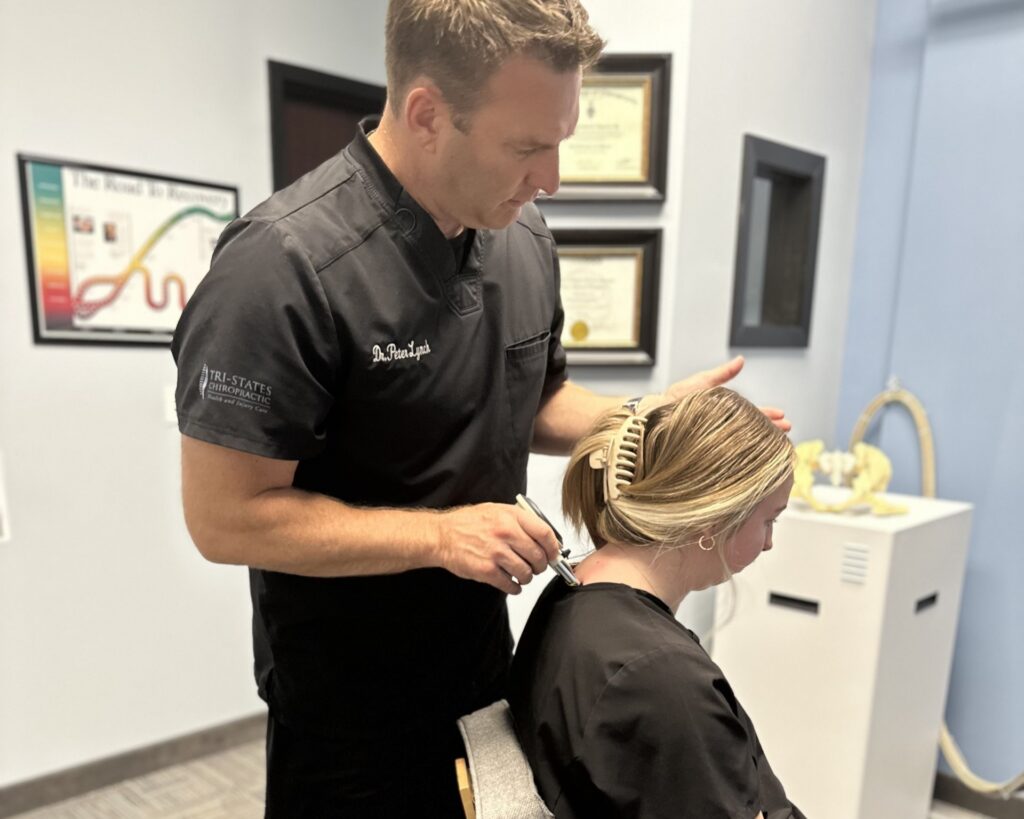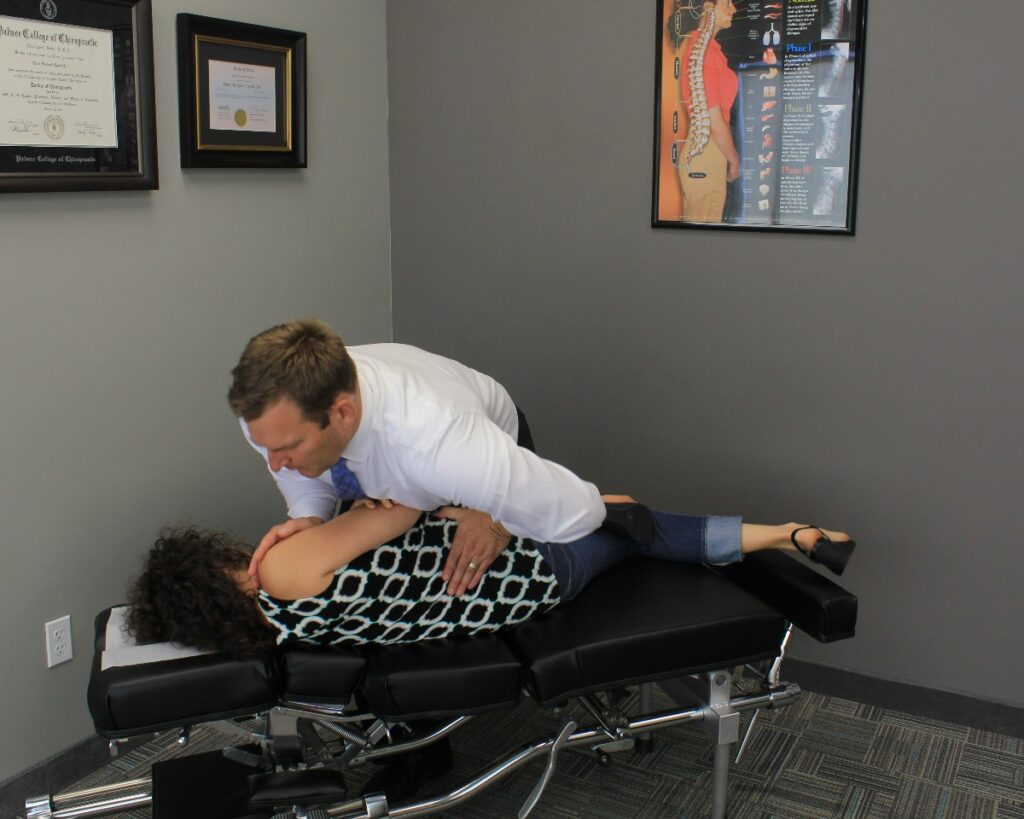
When considering ways to enhance your workout routine, it's important to recognize how integrating adjustments with exercises can significantly improve both your performance and help prevent injuries. As a chiropractor, I often see the positive impact of evaluating your current technique and focusing on proper alignment. This foundation is crucial for a more effective fitness program.
Incorporating dynamic warm-ups and experimenting with tempo changes can add variety to your exercises, making them more engaging and challenging. However, true customization of your approach can unlock new levels of fitness that you may not have realized were attainable.
It's essential to understand that chiropractic care can play a key role in this process. By addressing any misalignments or restrictions in your body, you can optimize your movement patterns and enhance your overall workout experience. So, what's the next step you should take? Consider scheduling an appointment to discuss how chiropractic adjustments can complement your exercise routine and support your journey towards improved health and fitness.
Assess Your Current Technique
Before you can make meaningful adjustments to your exercise routine, it's essential to evaluate your current technique, especially from a chiropractic perspective. Start by examining your posture and movements while performing different exercises. This self-assessment can provide valuable insights into any areas that may need improvement, particularly in terms of spinal alignment and overall body mechanics.
Using a mirror or recording your workouts can be beneficial; it allows you to identify any misalignments or inefficient movement patterns that could impact your health.
Additionally, I highly recommend seeking feedback from a trained healthcare professional, such as a chiropractor. An experienced chiropractor can spot nuances in your technique that you mightn't notice yourself. They can offer tailored advice and adjustments to help you enhance your performance while ensuring that your spine and joints are in optimal condition.
Pay close attention to how your body feels during your exercises. If you experience unnecessary pain or discomfort, this could be a sign that your technique is off. Listen to your body; unusual sensations often indicate improper alignment or movement patterns that could lead to injury.
Breathing is another crucial aspect to consider. Proper breathing is vital for exercise effectiveness and safety. Ensure that you're using the correct breathing techniques for the movements you're performing, as this can significantly impact your overall technique and how your body responds.
Lastly, set specific goals for improvement. Identify the key areas you wish to focus on, and develop a plan for integrating adjustments into your routine.
Focus on Proper Alignment
As a chiropractor, I want to emphasize the importance of proper alignment during your exercises—not just for maximizing effectiveness, but also for minimizing the risk of injury. When your body is aligned correctly, it engages the appropriate muscles and distributes forces evenly, which helps prevent strain and injuries.
To start, focus on your posture. Maintaining a neutral spine, keeping your shoulders back, and engaging your core are crucial. This solid foundation supports your alignment across various movements and is key to your overall health.
While exercising, pay close attention to your joints. Make sure your knees are tracking over your toes during squats or lunges, and that your wrists align with your elbows during pressing movements. Even small deviations can lead to significant imbalances over time, impacting your performance and safety.
I recommend using mirrors or recording your workouts to assess your alignment; visual feedback is immensely helpful.
Don't overlook your feet, as they form the base of your support. Ensure they're positioned correctly, whether you're standing, sitting, or lying down. Feet should be hip-width apart for stability, and your weight should be evenly distributed across both feet.
Lastly, remember the importance of breathing. Proper breathing can enhance your alignment by relieving tension in your muscles, allowing for a more natural posture. If you experience any discomfort or strain during an exercise, take a moment to pause and reassess your alignment. Making small adjustments can lead to improved performance and a reduced risk of injury.
Prioritizing alignment not only enhances your workouts but also lays a strong foundation for your overall fitness journey and well-being. As we work together on your chiropractic care, I'm here to support you in achieving and maintaining that alignment for a healthier, pain-free lifestyle.
Incorporate Dynamic Warm-Ups
As a local chiropractor, I want to emphasize the importance of incorporating dynamic warm-ups into your exercise routine. These warm-ups are vital for preparing your body for physical activity and can significantly enhance your performance. By increasing blood flow to your muscles, improving flexibility, and activating your nervous system, dynamic warm-ups play a crucial role in preventing injuries and maximizing your overall workout efficiency.
When you begin your warm-up, focus on movements that closely resemble the activities you plan to engage in. For example, if you're gearing up for a run, consider incorporating high knees, butt kicks, and leg swings. These exercises not only elevate your heart rate but also engage the specific muscle groups you'll be using, helping to prepare your body for the demands of the workout.
I recommend dedicating 5 to 10 minutes to dynamic stretching before you start your main exercise routine. It's important to focus on controlled movements instead of static stretches, as the latter can sometimes hinder muscle performance. You might try arm circles, hip circles, and walking lunges, as these movements promote both mobility and stability.
While you're warming up, take a moment to listen to your body. If you notice any areas that feel tight or restricted, consider adjusting your warm-up to target those specific muscles. This tailored approach not only prepares your body for the exertion ahead but also enhances your range of motion, which is key to maintaining a healthy and active lifestyle.
Utilize Props and Equipment
As your local chiropractor, I want to emphasize how utilizing props and equipment can significantly enhance your exercise routine and support your overall health.
Whether you're just starting out or have been active for years, incorporating various tools into your workouts can provide necessary support, challenge your body, and add versatility to your movements.
Let's begin with foundational items like resistance bands and stability balls. These tools are fantastic for helping you focus on your form while also introducing an additional level of difficulty.
For example, using a resistance band during squats can enhance muscle engagement, which allows for improved posture and alignment. Think of it as a way to amplify the benefits of your exercises while protecting your joints.
Yoga blocks and straps are also essential props that can assist in achieving proper alignment and depth in your stretches and poses.
If you're working on improving flexibility, these tools can help you reach positions that might otherwise be difficult, making adjustments feel more achievable and safe.
Additionally, don't overlook the benefits of gym equipment, such as kettlebells or dumbbells. Adding resistance through weights can elevate muscle engagement and bolster your strength.
It's crucial, however, to maintain proper form while using weights to ensure that the adjustments you make promote safety and effectiveness while minimizing the risk of injury.
Lastly, foam rollers are an excellent resource for recovery. They can help release muscle tension, which is vital for maintaining healthy movement patterns in your workouts.
By integrating these props and equipment into your routine, you not only enrich your exercise experience but also support meaningful adjustments to your overall wellness journey.
Adjust Range of Motion
As a local chiropractor, I want to emphasize the importance of integrating props and equipment into your workouts, not just for enhancing performance, but also for helping to adjust your range of motion.
By using these tools strategically, you can focus on specific areas of your body, improving flexibility, strength, and the overall quality of your movements. This approach is essential in maximizing the benefits of your exercises and promoting natural healing.
Here are some effective ways to adjust your range of motion:
- Resistance Bands: These are fantastic for creating tension that allows you to achieve deeper stretches while providing support during various movements. This can help in restoring proper function and alignment in your body.
- Foam Rollers: Incorporating foam rolling techniques can help release tight muscles, which enhances your mobility and can lead to a greater range of motion in your workouts. This is especially beneficial for reducing muscle tension and preventing injury.
- Blocks or Straps: Using props like these can assist you in reaching further in your poses, ensuring that you maintain proper alignment and form. This is crucial for preventing strain and promoting effective movement patterns.
- Stability Balls: These can enhance your core engagement, which is vital for supporting better overall movement patterns. A strong core plays a significant role in facilitating a wider range of motion and protecting your spine.
As you start incorporating these adjustments, it's vital to pay close attention to how your body responds.
With consistent practice, you'll likely see gradual improvements in your range of motion, which can lead to better overall performance and a reduced risk of injury.
Remember, adjustments should always feel comfortable and never forced. It's important to listen to your body and make modifications as necessary to ensure a safe and effective workout experience.
If you have any questions or need guidance, don't hesitate to reach out. Your journey towards better health and mobility is our priority!
Gradually Increase Intensity
As a local chiropractor, I want to emphasize the importance of gradually increasing the intensity of your workouts to promote not only physical fitness but also overall health and well-being. This approach is vital in avoiding injuries and ensuring that your body can adapt effectively to the demands you place on it.
When you engage in physical activity, it's essential to assess your current fitness level. Understanding where you stand allows you to make informed decisions about how to incrementally increase the intensity of your exercises. This could involve adding more weight to your lifts, increasing repetitions, or shortening rest periods between sets.
It's important to pay attention to how your body responds to these changes. Listening to your body is key to maintaining a healthy balance and avoiding overtraining, which can lead to burnout or injury.
Incorporating variability into your workout routine can also be beneficial. For instance, start with a gentle warm-up to prepare your muscles and joints, then gradually increase the intensity to reach your peak effort during the main part of your session.
As you grow more comfortable and confident in your abilities, you can introduce more challenging exercises or extend the duration of your workouts.
Remember, chiropractic care is here to support you on your journey to better health. By working together, we can help ensure that your body is aligned and functioning optimally, allowing you to safely push your limits and achieve your fitness goals.
Let's prioritize a well-rounded approach to your health that includes gradual intensity increases along with the benefits of natural healing.
Experiment With Tempo Changes
As a local chiropractor, I want to help you understand how experimenting with tempo changes can enhance your overall well-being, particularly in your workout routine.
By incorporating both slow and fast movements into your exercises, you can't only build strength but also promote better alignment and improve your overall physical performance.
Varying your tempo during workouts can have significant benefits for your body.
Slower movements allow for greater control and awareness of your body's mechanics, which can help prevent injuries and improve your posture.
On the other hand, faster movements can increase your heart rate and boost your cardiovascular health.
To implement these changes effectively, consider working with a professional who can guide you through the process.
Together, we can create a balanced routine that respects your body's needs while promoting natural healing and optimal function.
Benefits of Tempo Variations
As a local chiropractor, I'm here to help you understand how incorporating tempo variations into your fitness routine can greatly benefit your overall health and wellness. Many people are used to maintaining a steady pace during their workouts, but by introducing different speeds, you can challenge your body in new and effective ways.
This isn't just about physical fitness; it's about enhancing your body's natural ability to heal and function optimally. Here are some key benefits of incorporating tempo variations:
- Increased Time Under Tension: By slowing down your movements, you allow your muscles to work harder for longer periods, which can help build strength and improve muscle tone. This is particularly beneficial for maintaining good posture and alignment, which are vital for spinal health.
- Improved Mind-Muscle Connection: Focusing on tempo helps you become more aware of the specific muscles you're engaging. This mindfulness can promote better form during exercises, reducing the risk of injury and enhancing your overall effectiveness—something I emphasize in chiropractic care.
- Greater Metabolic Demand: Changing your tempo can elevate your heart rate, leading to increased calorie burn and improved cardiovascular health. A strong cardiovascular system supports overall well-being and can aid in the healing process.
- Enhanced Functional Strength: Varying your tempo can mimic the different movements we perform in daily life. This can lead to improved functional strength, making everyday activities easier and reducing the risk of injury.
Understanding how to effectively incorporate these tempo variations can't only improve your workouts but also contribute positively to your overall health.
If you have any questions about how to integrate these techniques into your routine or how they relate to chiropractic care, feel free to reach out!
Implementing Slow and Fast
Integrating slow and fast tempo changes into your fitness routine can significantly enhance your overall health and well-being, which is something I often emphasize in my chiropractic practice. By varying the speed of your movements, you not only engage different muscle fibers but also promote stronger and more resilient muscles, which can be beneficial for spinal alignment and overall body function.
To begin, choose an exercise that feels comfortable for you, such as squats or push-ups. Start by lowering your body into position slowly, taking about 3-4 seconds. This controlled movement helps to build strength in your muscles and support your joints. Then, return to the starting position quickly. This explosive movement not only builds strength but also increases your power, which can help you in everyday activities.
I recommend alternating between slow and fast tempos throughout your workout. For instance, you might do 3 sets of 10 reps, switching up your tempo every few sets. This variation not only keeps your workout interesting but also helps prevent overuse injuries that can result from repetitive movements.
Another effective method is using timed intervals; for example, you could perform slow movements for 20 seconds, followed by 10 seconds of quick, explosive effort. This approach can elevate your heart rate and improve your endurance, which is beneficial for your overall health.
As with any physical activity, it's crucial to maintain proper form during each tempo change. Pay attention to how your body feels; if something feels off or uncomfortable, make the necessary adjustments.
Prioritize Recovery and Rest
As a local chiropractor, I want to emphasize the critical role that recovery and rest play in your overall health and fitness. Many people overlook these aspects when they focus on their exercise routines, but they're just as important for your body's performance and healing.
Prioritizing quality sleep allows your body to repair itself and recharge your energy levels. Incorporating active recovery techniques, such as gentle stretching or low-impact activities, can help alleviate muscle tension and improve circulation, which is vital for recovery.
Additionally, staying hydrated and maintaining a well-balanced diet supports your body's natural healing processes.
Importance of Sleep
As a local chiropractor, I want to emphasize the vital role that sleep plays in your body's recovery and overall health. Many people may not realize how essential quality sleep is, especially when it comes to supporting your exercise routine and natural healing processes.
Without sufficient rest, your muscles struggle to repair, and your energy levels can drop significantly, which can impede your performance and progress in both fitness and daily activities.
Here are some key reasons why prioritizing sleep is crucial for your recovery:
- Muscle Repair: During sleep, your body releases growth hormones that are essential for repairing and building muscle tissue. This is particularly important if you're engaging in regular physical activity or chiropractic adjustments, as your body needs time to heal.
- Mental Focus: Restful sleep enhances cognitive function, allowing you to concentrate better and make decisions more effectively during workouts or daily tasks. This mental clarity can also improve your overall well-being.
- Hormonal Balance: Quality sleep helps regulate important hormones like cortisol and insulin, which are influential in muscle growth and fat loss. By maintaining balanced hormones, your body can function more efficiently.
- Injury Prevention: When you're well-rested, you're more alert and less likely to sustain injuries caused by fatigue or decreased focus. Proper sleep can help you stay safe during physical activities and prevent setbacks.
As your chiropractor, I encourage you to adopt good sleep habits as an integral part of your health routine. Aim for 7-9 hours of quality sleep each night to ensure your body receives the recovery it needs to thrive.
Active Recovery Techniques
As a local chiropractor, I want to emphasize the importance of active recovery techniques in your journey toward enhanced fitness and overall well-being. These methods are designed to help your body recover while engaging in light activities, and they can significantly improve your performance and reduce soreness.
One effective method I often recommend is low-intensity exercise. Activities like walking or cycling at a relaxed pace promote blood flow, which is essential for delivering nutrients to your muscles and aiding in recovery.
Additionally, incorporating practices such as yoga or gentle stretching can greatly enhance your flexibility and alleviate muscle tension. Not only do these activities help ease tightness, but they also foster mental relaxation, which is vital for holistic healing.
Foam rolling and self-myofascial release are also valuable tools in your recovery arsenal. Using a foam roller can help release muscle knots and improve circulation, preparing your body for future workouts.
These techniques can be a great complement to chiropractic care, as they promote muscle recovery and overall mobility.
Lastly, I can't stress enough the benefits of breathing exercises. Focusing on your breath can significantly lower stress levels and enhance your recovery process.
By integrating these active recovery techniques into your routine, you prioritize your rest and rejuvenate your body, setting the stage for improved performance in your workouts.
Remember, just as training is essential for your fitness journey, recovery is equally critical. Embracing these natural healing strategies won't only elevate your fitness but also enhance your overall wellness.
If you have any questions about how these techniques can fit into your chiropractic care plan, feel free to ask during your next visit!
Hydration and Nutrition
As a local chiropractor, I want to share how important hydration and nutrition are for your recovery, especially if you're involved in physical activities.
Recovery isn't just about getting enough rest and gentle movement; it's also significantly influenced by what you put into your body. When you engage in activities that challenge your body, it's essential to fuel it properly. Staying hydrated is key—it ensures your muscles operate effectively and helps stave off fatigue.
Nutrition is equally crucial, as it provides your body with the necessary nutrients for muscle repair and growth. Here are some tips to enhance your recovery:
- Hydrate adequately. A good rule of thumb is to drink at least half your body weight in ounces of water each day. This keeps your muscles functioning optimally.
- Enjoy a balanced meal after exercising. Make sure to include protein for muscle repair and carbohydrates to restore your energy levels.
- Don't forget about electrolytes. After intense workouts, it's important to replace lost minerals. Natural sources like coconut water or specialized electrolyte drinks can help with this.
- Pay attention to your body's signals. If you're feeling fatigued, it may be a sign to increase your food and water intake.
By focusing on these key aspects of hydration and nutrition, you can support your recovery process and enhance your overall well-being.
Seek Professional Guidance
As a local chiropractor, I want to emphasize the incredible benefits of seeking professional guidance when it comes to enhancing your exercise routines and making necessary adjustments. Working with a qualified chiropractor can provide you with a deeper understanding of your body's mechanics, ensuring that you're not only performing exercises correctly but also in a way that promotes overall health and wellness.
Chiropractors are trained to identify your specific needs and can design a program that aligns with your personal goals, whether that's weight loss, muscle gain, or improving mobility and flexibility. We understand how the body works and can offer insights into how to optimize your movements, which can be particularly beneficial if you're new to exercise or returning after an injury.
Navigating the world of fitness can feel overwhelming, especially with the vast amount of information available. A chiropractor can help cut through the confusion, providing you with clear and actionable advice tailored to your individual circumstances. We can guide you in seamlessly integrating adjustments into your routine, ensuring your workouts remain effective and enjoyable.
Moreover, having a chiropractor in your corner can significantly enhance your accountability. When you commit to a treatment plan or exercise regimen guided by a professional, you're more likely to stay on track and make consistent progress. This accountability can be a crucial factor, especially on days when your motivation may flag.
Importantly, one of the key roles of a chiropractor is to help prevent injuries. We're trained to spot potential issues in your posture or movement patterns and can suggest modifications that cater to your body's unique needs. This proactive approach not only enhances your performance but also ensures that you can maintain a sustainable and healthy fitness journey for the long term.
If you're serious about making positive changes in your exercise routine, I encourage you to seek out the guidance of a chiropractor. Our expertise in natural healing and body mechanics can be invaluable in helping you achieve your fitness goals while prioritizing your overall well-being.
Track Your Progress
Track Your Progress in Chiropractic Care
As a local chiropractor, I want to emphasize the importance of tracking your progress as you embark on your journey toward better health through chiropractic care and natural healing. Monitoring your improvements not only keeps you motivated but also helps you understand what treatments and practices work best for your body.
Here are some effective ways to track your progress in your chiropractic journey:
- Maintain a Wellness Journal: Document your chiropractic sessions, the techniques used, and any changes in your symptoms. This record will help you recognize patterns and improvements over time.
- Utilize Health Apps: There are many apps designed to track your overall wellness, including chiropractic care, nutrition, and physical activity. These tools often provide visual representations of your progress, helping you see the positive changes in your health.
- Record Body Measurements: Regularly measure relevant body metrics, such as posture alignment, flexibility, and pain levels. This data can reveal improvements that you mightn't notice day-to-day.
- Take Progress Photos: Consider taking photos of your posture or mobility every few weeks. Visual documentation can serve as a powerful reminder of your progress, especially in areas like posture and physical function.
Tracking your progress allows you to identify areas where you're thriving and aspects that may need more focus. It also provides an opportunity to celebrate small milestones, which can greatly enhance your motivation.
As you integrate the recommendations from your chiropractic sessions into your daily routine, be sure to revisit your tracking methods consistently. Whether your goals include pain relief, improved mobility, or overall wellness, having a clear record will empower you to stay on track.
Conclusion
As your local chiropractor, I want to share how integrating adjustments with your exercise routine can significantly enhance your performance and minimize the risk of injuries. It's essential to regularly evaluate your technique and alignment during workouts, as this can prevent strain and promote better results.
Incorporating dynamic warm-ups is another vital step; they prepare your body for physical activity and improve flexibility. Additionally, consider varying your exercise tempo. This not only keeps your routine engaging but also challenges your muscles in new ways.
Equally important is prioritizing recovery and maintaining proper hydration. Your body needs time to heal and replenish after workouts, and staying well-hydrated supports overall health and performance.
If you're unsure how to tailor your exercise program, seeking professional guidance from a chiropractor can be incredibly beneficial. We can help customize a plan that addresses your unique needs and goals.
Lastly, tracking your progress is crucial to ensure you remain on the right path. By embracing this holistic approach to fitness—combining adjustments with your exercises—you'll likely find your fitness journey flourishing in ways you never imagined!