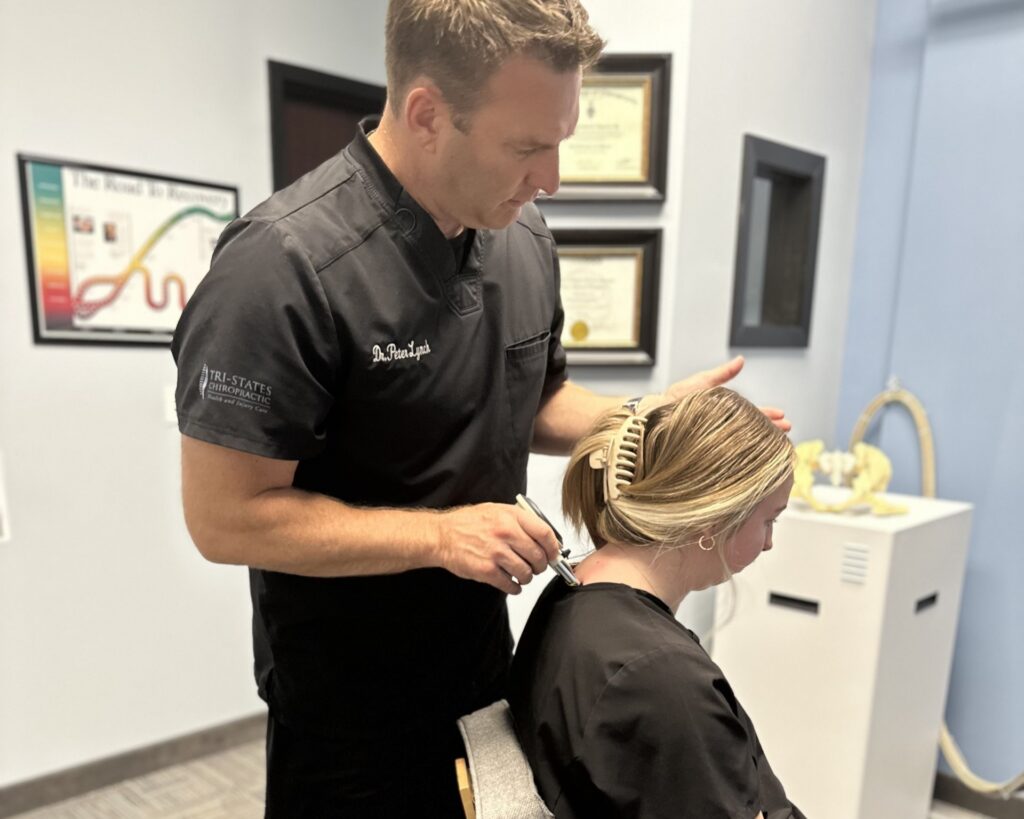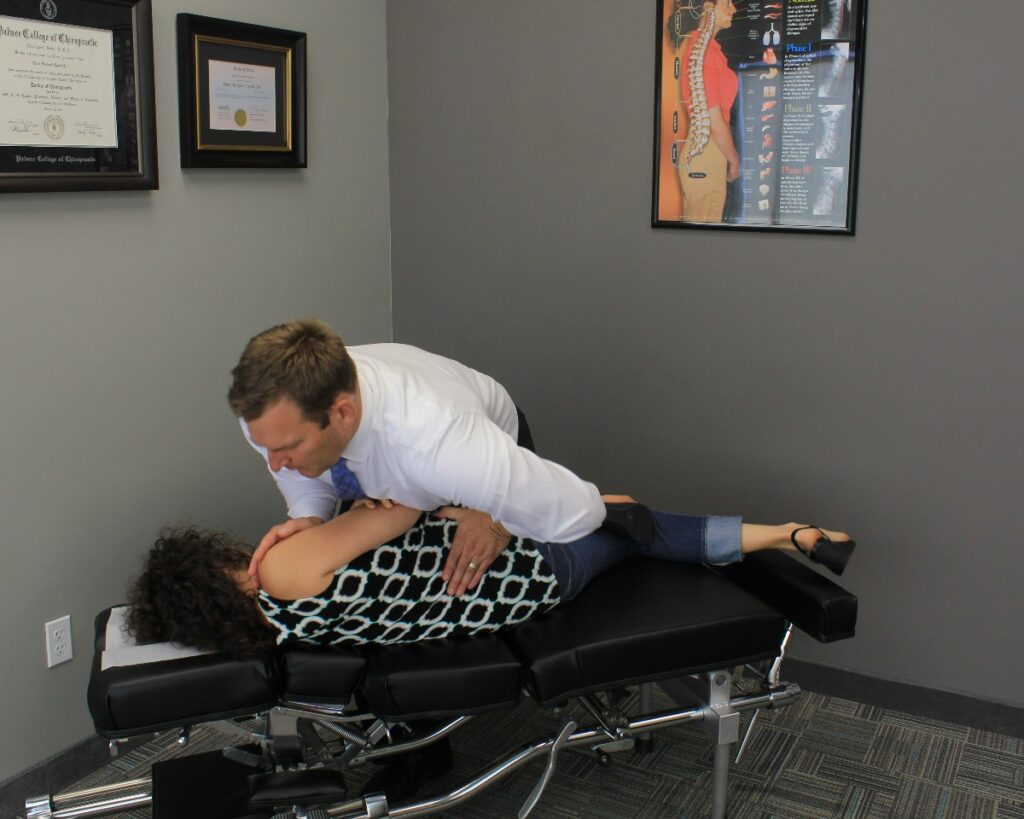
As a local chiropractor, I want to reassure you that if you're dealing with lower back pain, you're certainly not alone. It's crucial to explore effective recovery strategies to find relief. You may be surprised to learn that small changes in your daily habits can significantly improve your comfort. For instance, setting up an ergonomic workspace can help reduce strain on your back, while engaging in core-strengthening exercises can provide the support your spine needs.
It's also essential to understand the specific nature of your pain, as this can influence the best approach to your recovery. By incorporating fundamental practices—like proper posture and regular movement—you can not only alleviate discomfort but also promote long-term health. Let's delve into these strategies together and discover how chiropractic care and natural healing can lead you to a healthier back and enhance your overall quality of life.
Understand Your Pain
As a local chiropractor, I'm here to help you understand your lower back pain and how we can work together toward relief and recovery.
It's essential to recognize that lower back pain can present itself in many forms, whether it's a dull ache or sharp, shooting sensations. Take a moment to reflect on your experience: How does your pain feel? When does it occur? Is it constant, or does it fluctuate? Are there certain activities that seem to trigger or intensify your discomfort? Identifying these patterns is crucial for uncovering the root causes of your pain.
Next, let's talk about where you feel your pain. Is it centralized in your lower back, or does it extend down your legs? Pain that radiates down your leg may suggest nerve involvement, while localized pain could indicate muscle strain or issues with ligaments.
It's also important not to overlook any additional symptoms like numbness or tingling, as these can indicate more serious underlying conditions.
Additionally, let's examine your daily habits and lifestyle. Poor posture, extended periods of sitting, and a lack of physical activity can significantly contribute to lower back pain. By recognizing any habits that may be worsening your discomfort, we can create a targeted plan to address these issues and promote healing.
If your pain persists, I encourage you to reach out for professional guidance. As a chiropractor, I can help assess your condition and recommend natural, non-invasive treatment options tailored to your needs.
Understanding your pain is the first step toward recovery, allowing you to make informed choices about your health and well-being. Together, we can pave the way for a more effective healing journey, empowering you to take charge of your health and live a pain-free life.
Incorporate Stretching Exercises
As a chiropractor, I often see patients who struggle with lower back pain and tightness. One effective way to alleviate these issues is by incorporating stretching exercises into your daily routine. Not only can stretching help relieve pain, but it also plays a crucial role in improving your overall flexibility. By maintaining the elasticity of your muscles, regular stretching can prevent stiffness, which often contributes to discomfort.
To start, it's essential to target specific areas that can have a significant impact on your lower back, such as your hamstrings, hip flexors, and the lower back itself. Begin with gentle stretches, and pay attention to your breathing as you move through each position.
One highly beneficial stretch is the child's pose. Kneel on the floor, sit back on your heels, and extend your arms forward while lowering your torso. Hold this position for 20 to 30 seconds, and you should feel a nice stretch along your lower back.
Another great option is the knee-to-chest stretch. While lying on your back, pull one knee toward your chest, keeping the other leg extended. Hold for 20 seconds, then switch legs and repeat.
Don't forget about the cat-cow stretch, which is excellent for increasing flexibility and relieving back tension. Get on your hands and knees; first, arch your back upward while tucking your chin, and then lower your belly while lifting your head. This dynamic movement can significantly enhance your spinal mobility.
I recommend aiming to stretch for at least 10 to 15 minutes each day. It's important to listen to your body and not to push yourself too hard. Consistency is key; over time, you'll likely notice improvements in your flexibility and a reduction in lower back pain.
Strengthen Core Muscles
As your local chiropractor, I want to highlight the importance of strengthening your core muscles in managing lower back pain. A strong and stable core plays a crucial role in supporting your spine and enhancing your overall posture, which in turn reduces strain on your back.
This is particularly important for those who may not be familiar with chiropractic care and its benefits.
Let's delve into some effective core exercises that can help you build strength and stability. By incorporating these exercises into your routine, you can actively support your spine and improve your overall health.
Importance of Core Stability
As a local chiropractor, I want to emphasize the importance of strengthening your core muscles for maintaining stability and alleviating lower back pain. A strong core is essential as it supports your spine, helping to distribute weight evenly and reduce pressure on your lower back. When your core is stable, you're less likely to experience discomfort during your everyday activities.
Let's explore some key benefits of core stability that I often share with my patients:
1. Improved Posture: Strengthening your core plays a crucial role in maintaining proper posture. This can significantly reduce strain on your back and neck.
Think of your body as a well-anchored ship; just as it stays upright against waves, a solid core helps you maintain an optimal posture throughout your day.
2. Enhanced Balance: Core stability is vital for your overall balance. When you actively engage your core, you'll find it easier to stay steady while performing various tasks, such as lifting groceries or participating in sports activities.
This stability can greatly enhance your performance and reduce the risk of falls.
3. Injury Prevention: A strong core serves as a protective barrier against injuries. By minimizing the risk of strain during physical activities, you can keep your body functioning at its best.
Just like a sturdy bridge can support heavy loads without collapsing, a resilient core can help safeguard your back from injury.
Incorporating core-strengthening exercises into your routine can lead to significant improvements in your overall health and well-being.
If you have any questions or would like to learn more about how to strengthen your core, feel free to ask during your next visit!
Effective Core Exercises
As a chiropractor, I often emphasize the significance of core stability in maintaining not only spinal health but overall well-being. Strengthening your core can greatly support your body's natural alignment and reduce the risk of injury.
Let's explore some effective core exercises that I recommend to my patients.
First, let's discuss the plank. To perform this exercise, start by lying face down on a comfortable surface. Lift your body up on your forearms and toes, ensuring that your body forms a straight line from your head down to your heels. Aim to maintain this position for 20-30 seconds, and as your strength improves, gradually increase your hold time. This simple yet powerful exercise helps to stabilize your spine, which is crucial for good posture.
Next, I encourage you to try the bird-dog exercise. Begin on all fours, ensuring your wrists are aligned under your shoulders and your knees are under your hips. Extend your right arm forward while simultaneously extending your left leg back. Hold this position for a moment, focusing on keeping your core engaged, and then switch sides. The bird-dog not only strengthens your core but also enhances your balance and coordination, essential elements for daily activities.
Another fantastic exercise to incorporate is the bridge. Lie on your back with your knees bent and your feet flat on the floor. Push through your heels to lift your hips toward the ceiling, squeezing your glutes at the top of the movement. Hold this position for a few seconds before lowering your hips back down. The bridge exercise is particularly effective for strengthening the muscles that support your lower back, which can alleviate discomfort and improve your overall stability.
Lastly, I recommend the dead bug exercise. While lying on your back, elevate your legs to a tabletop position, where your knees are bent at a 90-degree angle. As you engage your core, extend your opposite arm and leg away from the center of your body, and then return to the starting position. This exercise promotes core stability and coordination while being gentle on your back.
Incorporating these exercises into your routine can significantly enhance your core strength, alleviate lower back pain, and promote better overall stability.
As your chiropractor, I encourage you to prioritize these movements as part of your natural healing and wellness journey.
Maintain Good Posture
As a local chiropractor, I want to emphasize the importance of maintaining good posture for preventing and alleviating lower back pain.
One of the first steps you can take is to create an ergonomic workspace that supports your body and promotes healthy sitting habits. Simple adjustments to your desk setup and how you position yourself while sitting can significantly enhance your comfort and aid in your recovery.
Remember, proper posture isn't just about looking good; it plays a crucial role in your overall health and well-being.
Let's work together to ensure that your body is supported in the best way possible!
Ergonomic Workstation Setup
When you set up your workstation with ergonomic principles in mind, you're not just improving comfort—you're taking a vital step towards reducing lower back pain and enhancing your overall posture.
As a chiropractor, I've seen firsthand how a well-designed workspace can significantly impact your physical well-being throughout the day.
Let's explore three key elements you should assess for an optimal setup:
- Chair Height: It's crucial to adjust your chair so that your feet are flat on the floor, and your knees are bent at a 90-degree angle. This position supports proper spinal alignment, which is essential for avoiding discomfort and maintaining a healthy back.
- Desk Height: Your desk should be at a height that allows your elbows to rest at a right angle while you're typing. Ideally, your wrists should be hovering above the keyboard. This prevents unnecessary strain on your joints and helps preserve your natural posture.
- Monitor Position: Positioning your monitor at eye level, approximately an arm's length away, is vital. This setup minimizes neck strain and encourages you to lean back in your chair rather than hunching forward, which can lead to discomfort over time.
By paying attention to these elements, you can create a workspace that supports your body, alleviates pain, and fosters a healthier way of working.
Proper Sitting Techniques
As a local chiropractor, I'm here to share the importance of proper sitting techniques for your posture and overall comfort, especially when you spend long hours working.
Let's begin with your feet – they should be flat on the floor or resting on a footrest, with your knees positioned at or slightly below hip level. This alignment is crucial for maintaining proper spinal alignment and minimizing strain on your lower back.
Next, ensure that your chair is adjusted so that your back rests comfortably against the lumbar support. If your chair lacks adequate support, you might want to use a cushion or a small pillow for added comfort. Your back should remain straight, and your shoulders should be relaxed – avoiding that hunched posture that can lead to discomfort.
It's also essential to keep your elbows close to your body, bent at a 90-degree angle. This positioning helps alleviate tension in your shoulders and arms. When you're typing, make sure your keyboard and mouse are within easy reach to prevent the need for stretching, which can lead to strain.
Lastly, I can't emphasize enough the importance of taking regular breaks. Stand up, stretch, and move around periodically. This practice not only helps relieve pressure on your spine but also promotes better circulation throughout your body.
Apply Heat or Cold Therapy
As a local chiropractor, I want to share some valuable insights on how heat and cold therapy can significantly help alleviate lower back pain and support your recovery journey. Many of my patients are often unaware of these natural healing methods, but understanding how to use them effectively can make a real difference in your comfort and healing process.
Both heat and cold therapies can play a crucial role in reducing inflammation, relaxing tight muscles, and providing relief from pain. Here are three effective ways to incorporate these therapies into your routine:
- Cold Packs: One of the simplest and most effective treatments is using a cold pack. You can easily create one by wrapping a bag of frozen vegetables in a towel. Apply it to the affected area for about 15-20 minutes. This can numb the pain and help decrease swelling, especially after you've experienced an injury or strain. It's an excellent first step in managing acute pain.
- Heating Pads: Another effective option is to use a heating pad or a warm towel. Applying heat to your lower back for 15-30 minutes can increase blood flow, which is essential for relaxing muscles and easing stiffness. Just remember to stay mindful and not fall asleep with the heating pad on, as excessive heat can lead to burns.
- Warm Baths: Don't underestimate the power of a warm bath! Adding Epsom salts to your bath can enhance the therapeutic effect. Soaking in warm water not only provides the heat your muscles crave but also creates a calming atmosphere that can ease tension throughout your entire back.
As you work through your recovery, consider alternating between heat and cold therapies. This combination can help you find the right balance and further enhance your healing.
Always pay attention to how your body responds, and don't hesitate to reach out to a healthcare professional if your pain continues. By incorporating these natural therapies, you can take meaningful steps toward alleviating lower back pain and improving your overall well-being.
Stay Hydrated
As a local chiropractor, I want to emphasize the pivotal role that proper hydration plays in your recovery from lower back pain. Many people may not realize that water is crucial for maintaining the elasticity of your spinal discs. These discs serve as vital cushions between your vertebrae, and when you're dehydrated, they can lose their ability to absorb shock. This leads to increased pressure on your spine, which can worsen your pain.
It's essential to develop a habit of drinking water throughout the day, especially if you're on the path to recovery from an injury. I recommend aiming for at least eight 8-ounce glasses of water daily, but you may need to adjust this based on your activity level and the climate you live in. If you find yourself sweating more than usual or engaging in exercise, it's important to increase your fluid intake to keep your body functioning optimally.
In addition to drinking water, consider incorporating hydrating foods into your diet. Fruits and vegetables such as cucumbers, watermelon, and oranges aren't only refreshing but also rich in water content. Herbal teas can also be a delightful way to enhance your hydration.
Listen to your body's signals, as thirst is often an early indicator of dehydration. Keep a water bottle handy as a reminder to drink regularly. This simple yet effective step can significantly influence your recovery journey.
Beyond just alleviating back pain, staying well-hydrated can enhance circulation, reduce inflammation, and support overall muscle function. By making hydration a priority, you're actively contributing to your healing process and helping to alleviate discomfort in your lower back.
I encourage you to make hydration an integral part of your daily routine for optimal health and recovery.
Explore Physical Therapy
If you're experiencing lower back pain, consider the benefits of chiropractic care as a natural approach to healing.
As a local chiropractor, I can help you understand that chiropractic therapy offers personalized treatment plans designed specifically for your unique needs.
Our goal is to help you regain strength, improve mobility, and reduce pain through safe, non-invasive techniques.
With the right chiropractic guidance, you can enhance your overall quality of life while addressing the root causes of your discomfort.
Let's explore how natural healing can work for you!
Benefits of Physical Therapy
When it comes to recovering from lower back pain, chiropractic care offers a variety of benefits that can significantly enhance your healing journey. As a chiropractor, I focus on helping you restore your body's natural balance and function.
Here are three key advantages you can expect from chiropractic treatment:
- Pain Relief: Chiropractic adjustments target the root causes of your pain, helping to alleviate discomfort and make daily activities more manageable. You'll learn effective techniques to cope with and reduce your pain, allowing for a more comfortable lifestyle.
- Improved Flexibility: Through specific chiropractic techniques and guidance, we can help enhance your flexibility. This not only aids in regaining your range of motion but also reduces stiffness in your back, enabling you to move more freely and comfortably.
- Strengthening Muscles: Focusing on alignment and spinal health, chiropractic care promotes core stability and back strength. By developing strong muscle support around your spine, you can prevent future injuries and improve your overall posture, which is crucial for long-term health.
Personalized Treatment Plans
As a local chiropractor, I want to emphasize the importance of a strong foundation for your recovery through chiropractic care. However, to truly enhance your healing journey, a personalized treatment plan is essential. When you come to see me, I'll conduct a thorough assessment of your unique situation. This includes evaluating your pain levels, mobility, and daily activities, which allows me to create a plan tailored specifically to your needs.
Your personalized treatment plan may incorporate a variety of techniques, such as manual therapy to relieve tension, targeted exercises to strengthen your body, and modalities like heat or ice therapy to reduce discomfort. These approaches are designed to alleviate pain, enhance flexibility, and fortify the muscles that support your lower back.
Additionally, I'll provide you with valuable education on maintaining proper posture and body mechanics to help prevent future issues.
Consistency is crucial when it comes to following your treatment plan. I encourage you to stick to the prescribed exercises and attend our scheduled therapy sessions. Keeping track of your progress can be incredibly motivating, and it also allows me to make any necessary adjustments to ensure we're on the right path to your recovery.
Together, we can work towards your optimal health and well-being through a personalized approach to chiropractic care.
Use Ergonomic Furniture
As a local chiropractor, I often see patients who experience lower back pain due to prolonged sitting at desks. One of the most effective ways to alleviate this discomfort is by incorporating ergonomic furniture into your workspace.
Ergonomic furniture is specifically designed to support your body's natural posture, allowing you to work comfortably and maintain your health.
Here are three essential ergonomic items I recommend for a healthier work environment:
- Ergonomic Chair: It's crucial to choose a chair that offers adjustable height, lumbar support, and promotes proper alignment of your body. A well-designed ergonomic chair cradles your lower back, significantly reducing strain and enhancing your posture while you work.
- Standing Desk: Consider using a standing desk to alternate between sitting and standing throughout your day. This flexibility can relieve pressure on your spine and encourage movement, both of which are important for minimizing discomfort and promoting overall well-being.
- Monitor Stand: Proper monitor positioning is vital for spinal health. By using a monitor stand to elevate your screen to eye level, you can reduce neck strain and support proper spinal alignment. This adjustment ensures that your monitor is at a comfortable viewing angle, which can help you work more efficiently and pain-free.
By investing in these ergonomic solutions, you not only create a more supportive workspace but also take proactive steps toward enhancing your overall health and productivity.
Practice Mindfulness and Relaxation
As a chiropractor, I want to introduce you to the powerful role mindfulness and relaxation techniques can play in managing lower back pain. Many patients are surprised to learn that stress and tension can significantly contribute to discomfort in the lower back. By incorporating these methods into your daily routine, you can take an active role in your healing process.
Start by dedicating a few minutes each day to focus on your breath. Find a comfortable position, close your eyes, and take deep, slow breaths. As you inhale, visualize calmness filling your body, and as you exhale, imagine releasing any tension you may be holding in your back. This simple practice can create a sense of peace and help alleviate discomfort.
Another effective technique I recommend is progressive muscle relaxation. Begin at your toes and move upward, tensing each muscle group for a few seconds before releasing. This exercise not only helps you identify areas of tension but also encourages overall relaxation. Many patients report feeling lighter and experiencing a reduction in their lower back pain after practicing this technique.
Incorporating mindfulness into your daily life can also greatly impact your well-being. When you feel discomfort, take a moment to acknowledge it without judgment. Instead of fixating on the pain, observe the sensations in your body. This shift in perspective can help diminish feelings of anxiety and enhance your overall health.
I also encourage you to consider adding gentle yoga or tai chi to your routine. These practices combine mindfulness with movement, promoting flexibility and strength in your back. As you develop these skills, you'll find your ability to cope with lower back pain improves, leading to a better quality of life.
Embrace mindfulness and relaxation, and experience how they can transform your journey toward pain relief.
Consult a Healthcare Professional
When it comes to managing lower back pain, consulting with a chiropractor can be an essential step towards effective recovery. Chiropractors specialize in understanding the musculoskeletal system and can help you identify the underlying causes of your discomfort. Early intervention is key to preventing long-term issues.
Here are three important reasons to consider chiropractic care:
- Holistic Assessment: As a chiropractor, I'll conduct a thorough evaluation of your condition, which may include physical assessments and, if necessary, referrals for imaging tests. This comprehensive approach ensures that we focus not just on alleviating your symptoms but also on addressing the fundamental source of your pain.
- Personalized Care Plans: After determining the cause of your discomfort, I'll work with you to develop a tailored treatment plan. This plan may include spinal adjustments, therapeutic exercises, and lifestyle recommendations, all designed to support your unique needs and promote natural healing.
- Ongoing Progress Monitoring: Regular visits to my office will allow us to track your improvement and adjust your treatment plan as needed. I'll help ensure you stay on the right path to recovery, and if any challenges arise, we can modify our approach to keep you moving forward.
Chiropractic care is a natural and effective way to address lower back pain, promoting long-term health and well-being.
Conclusion
As a local chiropractor, I want to emphasize that you're already making significant strides in your journey toward recovering from lower back pain. Understanding the nature of your pain is crucial, and I encourage you to incorporate regular stretching and core strengthening exercises into your routine. These practices can greatly enhance your recovery process.
It's also vital to maintain good posture throughout your daily activities, which is where ergonomic furniture can be a game-changer for your back health. Additionally, utilizing heat or cold therapy can provide immediate relief and support your healing. If you're still experiencing discomfort, I recommend considering physical therapy, which can complement chiropractic care and facilitate a more comprehensive recovery.
Moreover, practicing mindfulness can significantly reduce stress, which often contributes to pain. Remember, staying proactive about your health is key. Don't hesitate to reach out for personalized guidance tailored to your specific needs. Together, we can work towards achieving lasting relief and restoring your quality of life.