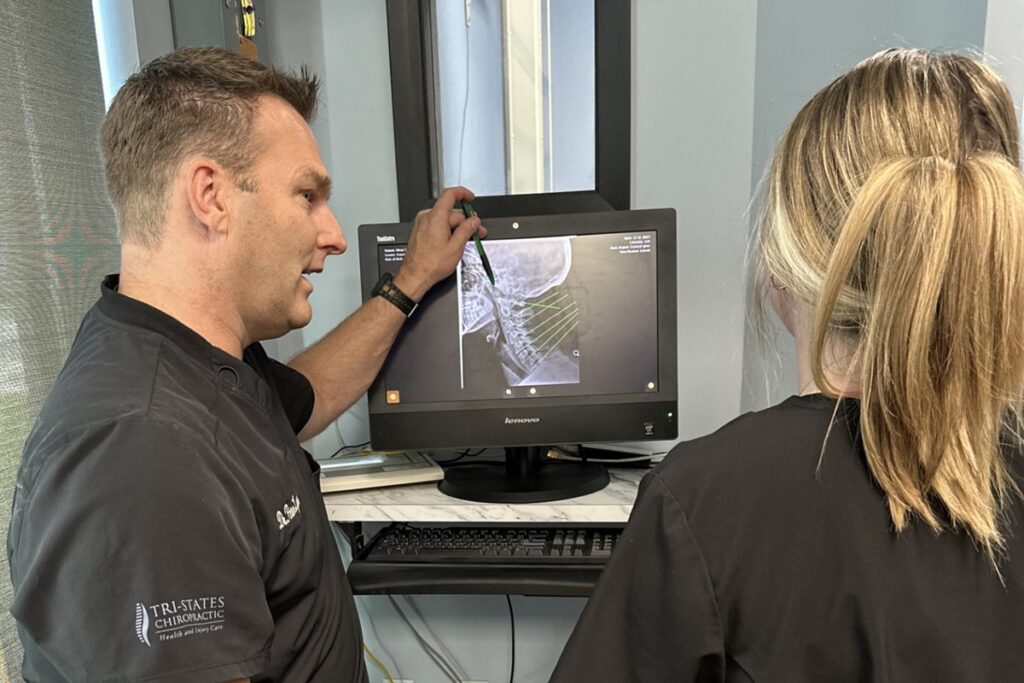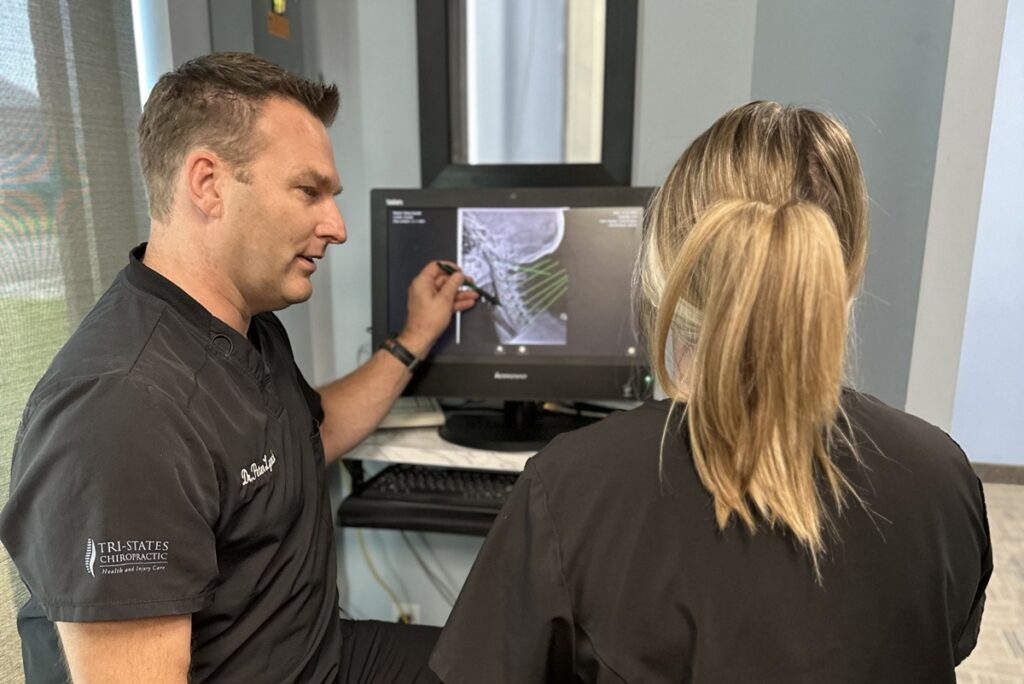
As a local chiropractor, I understand that back pain can affect anyone, but you don't have to suffer in silence. By implementing a few essential strategies, you can significantly lower your chances of experiencing discomfort. It all begins with maintaining proper posture, but there's so much more to it—strengthening your core and utilizing ergonomic furniture are crucial as well. Small adjustments and mindful habits can lead to remarkable improvements in your back health. If you're wondering how these recommendations can easily fit into your everyday life, let's delve into the specifics that will empower you to take control of your well-being naturally. Together, we can work towards a healthier, pain-free future!
Maintain Proper Posture
As a local chiropractor, I often see many individuals who underestimate the significant role posture plays in maintaining back health. You mightn't realize it, but the way you sit, stand, and move throughout your daily routine can greatly influence your spine's alignment and your overall comfort. By prioritizing proper posture, you can evenly distribute your body weight, which helps to minimize strain on your back muscles and ligaments.
Let's start with your sitting habits. When you sit, it's important to keep your feet flat on the floor, your knees at a 90-degree angle, and your back straight. Investing in a chair that provides adequate support for your lower back can make a world of difference. Remember to avoid slouching! If you spend a lot of time at a desk, ergonomic tools such as a chair with lumbar support or a standing desk can help you maintain an ideal posture.
When standing, aim to distribute your weight evenly across both feet. Engaging your core muscles slightly will provide additional support to your spine, and keeping your shoulders back and relaxed can prevent unnecessary strain. Be cautious about leaning on one leg, as this can lead to imbalances and discomfort over time.
As you walk, keep your head up, shoulders back, and arms relaxed at your sides. This not only projects confidence but also aids in aligning your spine correctly.
Lastly, during your daily activities, pay attention to how you lift and carry objects. Always bend at your knees rather than your waist, and keep items close to your body. By being mindful of your posture, you can significantly reduce your risk of experiencing back pain and enhance your overall health.
As a chiropractor, my goal is to help you understand the importance of posture and its impact on your well-being. Together, we can work towards improving your spine health and ensuring that you live a more comfortable and pain-free life.
Strengthen Core Muscles
As a local chiropractor, I want to emphasize the importance of strengthening your core muscles for not only preventing back pain but also enhancing your overall stability. Many people may not realize how interconnected our core strength is with spinal health.
By incorporating effective core exercises into your daily routine and maintaining consistency, you can provide essential support to your back, which is crucial for your overall well-being.
Let's take a moment to discuss some key exercises and helpful tips that can help you get started on this journey to a stronger core. These exercises aren't just about aesthetics; they play a vital role in protecting your spine and promoting a healthy, active lifestyle.
Importance of Core Strength
As a chiropractor, I want to emphasize the importance of having a strong core for your overall health, especially when it comes to maintaining a healthy back and preventing pain.
Your core muscles play a critical role in supporting your spine, stabilizing your body during movement, and are involved in nearly every physical activity you engage in. When your core is weak, it can lead to an increased risk of injuries and discomfort, particularly in the lower back.
Let me share a few key reasons why developing core strength is essential for your well-being:
- Posture Improvement: Strengthening your core helps you maintain proper posture. This is crucial as it reduces unnecessary strain on your back, which can lead to discomfort and long-term issues.
- Injury Prevention: A robust core acts as a natural support system for your spine. By enhancing your core strength, you can significantly minimize the risk of injuries during your daily activities or exercise routines.
- Enhanced Performance: Whether you're lifting heavy objects, running, or even just sitting at a desk, having a stable core greatly improves your overall performance and endurance. This stability not only benefits your physical activities but also contributes to your everyday comfort.
By understanding the importance of core strength, you can take proactive steps towards better health and pain management.
As your chiropractor, I encourage you to incorporate core-strengthening exercises into your routine to support your spine and enhance your overall well-being.
Effective Core Exercises
As a chiropractor, I want to emphasize the importance of core exercises for enhancing your overall health and well-being. A strong core isn't just about aesthetics; it plays a crucial role in supporting your back and maintaining proper posture, which can significantly reduce your risk of injury in daily activities.
Let me share some effective core exercises that can easily be integrated into your routine to promote strength and stability.
First, let's talk about the plank. This exercise is fantastic for building core strength. To perform a plank, position yourself face down, resting on your forearms and toes. Ensure that your body forms a straight line from your head to your heels while engaging your core muscles. Start by holding this position for 20-30 seconds, and as your strength improves, you can gradually increase the duration.
Another great exercise is the bicycle crunch. To do this, lie on your back and lift your legs into a tabletop position, placing your hands behind your head. Bring your right elbow towards your left knee while simultaneously extending your right leg. Alternate sides in a pedaling motion. Aim for 10-15 repetitions on each side. This movement not only strengthens your core but also improves coordination.
Lastly, consider adding bird-dogs to your routine. This exercise helps enhance stability and balance. Start on all fours, then extend your right arm forward while simultaneously extending your left leg back. Hold this position for a few seconds before switching sides. Try to complete 10-12 repetitions on each side.
Incorporating these exercises into your daily routine can greatly benefit your core strength, support your spine, and contribute to your overall health.
If you have any questions or need guidance on how to perform these exercises safely, please don't hesitate to reach out. Your health is my priority!
Consistency in Training
As a local chiropractor, I want to emphasize the significance of consistency in your core training routine for achieving optimal health benefits. When you commit to a regular schedule of core exercises, you not only strengthen your core muscles, but you also enhance your posture and alleviate back pain—a common issue we see in our practice.
It's essential to weave core workouts into your weekly regimen and remain dedicated, even when your motivation wanes.
Here are some strategies to help you maintain that consistency:
- Set a Schedule: Just as you'd for your chiropractic appointments, designate specific days and times for your core workouts. This structured approach helps establish a routine that becomes a part of your lifestyle.
- Start Small: For those who are new to core training, begin with shorter sessions. Gradually increase the duration and intensity to avoid overwhelming yourself and to maintain your enthusiasm for the practice.
- Track Your Progress: Keeping a journal or using an app to record your workouts can be incredibly beneficial. Monitoring your improvements not only boosts motivation but also fosters accountability, making it easier to stick to your routine.
By incorporating these practices into your life, you can significantly improve your core strength, which in turn supports your overall health and well-being.
Use Ergonomic Furniture
As a chiropractor, I often see patients suffering from back pain caused by poor posture and inadequate workspace ergonomics. One of the most effective ways to transform your workspace and alleviate discomfort is by incorporating ergonomic furniture. This furniture is specifically designed to support your body, promoting a healthier and more comfortable environment for your daily activities.
Start with an ergonomic chair that provides adequate support for your lower back. Look for features like adjustable height, lumbar support, and armrests. Sitting in a chair that encourages a neutral spine position helps minimize the risk of developing chronic pain. It's important that your feet rest flat on the floor and your knees maintain a 90-degree angle. If your chair doesn't allow for this, consider adding a footrest to improve your alignment.
Next, consider investing in an adjustable desk. Standing desks or those that offer the option to alternate between sitting and standing can significantly enhance your posture. Switching between different positions throughout the day helps prevent stiffness and encourages regular movement, which is vital for spinal health.
If you prefer a traditional desk, ensure your monitor is positioned at eye level to avoid straining your neck and back.
Don't overlook the importance of your accessories. Using a keyboard and mouse that align with your arms and wrists can reduce tension and discomfort. Additionally, a supportive cushion for your lower back can provide extra comfort during prolonged periods of sitting.
Creating a workspace with ergonomic furniture isn't just about comfort; it's a crucial step in preventing back pain and enhancing your overall productivity. By making these adjustments, you may notice a significant improvement in how you feel throughout the day.
Practice Regular Stretching
As a local chiropractor, I want to emphasize the importance of incorporating regular stretching into your daily routine. Many of my patients have found that stretching can significantly reduce back pain and enhance overall flexibility.
When you engage in stretching, you help to lengthen tight muscles, which can relieve tension in your back. Additionally, stretching promotes better circulation, allowing your body to recover more effectively from daily stresses.
Here are some simple stretching tips to help you get started:
- Focus on major muscle groups: It's crucial to pay special attention to areas like your hamstrings, hip flexors, and lower back. These muscles often contribute to back pain when they're tight, and releasing this tension can make a world of difference.
- Hold each stretch for at least 20-30 seconds: Holding a stretch for this duration allows your muscles to fully relax and lengthen. Don't forget to breathe deeply while you stretch; deep breathing can help your body release tension more effectively.
- Incorporate stretching into your routine: Try to dedicate time in the morning or after work for stretching. You can also integrate short stretching breaks throughout your day, especially if you find yourself sitting for long periods.
Remember, regular stretching doesn't have to be time-consuming. Even just a few minutes each day can lead to significant improvements in your back health.
As you become more flexible, you may also notice better posture and a reduced risk of injury. I encourage you not to underestimate the power of a good stretch. Make it a habit, and you're likely to experience positive changes in how your back feels, allowing you to lead a more active and comfortable lifestyle.
If you have any questions or need guidance on specific stretches, feel free to reach out during your next visit. Your journey to better back health is important to us!
Lift Objects Correctly
As a local chiropractor, I want to emphasize the crucial role that proper lifting techniques play in maintaining your back health and preventing injuries. Many people underestimate how their lifting habits can impact their overall well-being, but I assure you, adopting the right methods can significantly reduce your risk of back pain.
When lifting objects, the first step is to position yourself as close to the item as possible. This minimizes the distance you need to lift, which helps alleviate strain on your back.
Next, remember to bend at your knees rather than your waist. By doing this, you allow your strong leg muscles to do the heavy lifting instead of putting unnecessary pressure on your back. Make sure your feet are shoulder-width apart to ensure good balance. As you lower yourself to the ground, keep your back straight and engage your core muscles—this support is essential for preventing injury.
When it's time to lift the object, grip it securely with both hands. As you stand up, push through your legs while keeping the object close to your body. This technique distributes the weight evenly and reduces the stress on your spine.
It's important to avoid twisting your body while lifting; instead, shift your feet to change direction.
If you find that the object is too heavy or awkward to lift alone, please don't hesitate to ask for assistance or use equipment like a dolly or cart. It's always better to prioritize safety over convenience.
Remember, how you lift can have a profound impact on your back health. By integrating these proper lifting techniques into your daily routine, you're not only preventing discomfort but also fostering long-term wellness.
I encourage you to take these tips seriously and make them a part of your lifestyle. Your back will thank you!
Stay Active and Mobile
As a local chiropractor, I want to emphasize the importance of staying active and mobile for maintaining a healthy back and preventing discomfort. Keeping your body in motion not only enhances circulation but also strengthens your muscles and improves flexibility—key elements that support your spine.
Engaging in regular physical activity can significantly reduce the risk of back problems and enhance your overall well-being.
To help you stay active, I recommend incorporating the following habits into your daily routine:
- Engage in low-impact exercises: Activities such as walking, swimming, or cycling are excellent for keeping your back strong while minimizing strain. These gentle movements allow you to build strength without overwhelming your body.
- Incorporate stretching: Regular stretching is crucial for improving flexibility and relieving tension in your back muscles. You can easily perform simple stretches at your desk or during breaks to keep your muscles relaxed.
- Take frequent breaks: If you find yourself sitting for extended periods, make it a priority to stand up, stretch, and move around every hour. This practice helps alleviate pressure on your spine and prevents stiffness, which can lead to discomfort.
By embracing these habits, you'll not only support your spine but also enhance your overall health.
Manage Stress Effectively
As a local chiropractor, I want to emphasize the importance of managing stress effectively to prevent back pain.
It's crucial to take a holistic approach to your well-being. One effective method is practicing mindfulness techniques, which can help you clear your mind and release tension in your body.
Additionally, I recommend scheduling regular breaks throughout your day. These breaks provide an opportunity to recharge, both mentally and physically, and can significantly alleviate stress.
Remember, reducing stress not only contributes to better overall health but also plays a vital role in maintaining a healthy spine.
Let's work together to explore natural healing methods that can enhance your quality of life.
Practice Mindfulness Techniques
As a local chiropractor, I want to share with you how incorporating mindfulness techniques into your daily routine can significantly help manage stress and potentially alleviate back pain.
Mindfulness encourages you to stay present and focused, which enables you to identify your stress triggers and respond with greater calmness. By integrating mindfulness into your life, you can create a mental buffer against the tension that often contributes to back pain, ultimately supporting your overall well-being.
Here are three simple mindfulness techniques that I encourage my patients to start using today:
- Deep Breathing: Begin by taking slow, deep breaths. Inhale deeply through your nose, hold your breath for a few seconds, and then exhale slowly through your mouth. This practice not only calms your mind but also helps to relax your body, creating a sense of ease that can benefit your spine.
- Body Scan: Find a comfortable position, whether sitting or lying down, and direct your focus to each part of your body, starting from your toes and moving up to your head. Pay attention to any areas of tension and consciously relax them. This technique allows you to develop a greater awareness of your body, which is essential in maintaining proper alignment and health.
- Mindful Walking: Take a stroll while concentrating on each step. Notice the sensation of the ground beneath your feet and the rhythm of your breath. This practice helps anchor you in the present moment, reducing stress and allowing your body to move more freely, which is beneficial for your spine and overall posture.
By practicing these mindfulness techniques, you can take an active role in managing your stress levels and supporting your spinal health naturally.
Schedule Regular Breaks
As a local chiropractor, I want to emphasize the importance of taking regular breaks throughout your day—not just for your productivity, but for your overall well-being. Many of you may not realize how prolonged periods of sitting or engaging in repetitive tasks can lead to tension in your muscles and joints, resulting in discomfort or pain.
By incorporating breaks into your routine, you allow your body to unwind and recover, which is essential for maintaining good spinal health. I recommend aiming for short breaks every hour. During these breaks, take a moment to stand up, stretch your body, or take a brief walk.
These simple activities can enhance your circulation and reduce stiffness, which is particularly important for those of you who may sit at a desk for extended periods. You don't need a lot of time; even five to ten minutes can significantly improve how you feel.
It's also worth noting that these breaks aren't only beneficial for your physical health but can also provide a mental reset. When you step away from your tasks and return with a clearer mind, you may find that your focus improves, and your stress levels decrease.
This holistic approach to your daily routine can lead to better health outcomes and enhanced productivity. Remember, taking care of your body is an investment in your overall wellness, and I'm here to support you on that journey.
Conclusion
As a local chiropractor, I want to share with you some trustworthy tips that can significantly help in preventing back pain. It's important to prioritize your posture throughout the day—whether you're sitting, standing, or lifting. Strengthening your core muscles is also vital, as they provide support for your spine. Consider investing in ergonomic furniture that promotes good alignment and comfort.
In addition to these practices, make it a habit to stretch regularly. Stretching can improve flexibility and reduce tension in your back. When lifting objects, use proper techniques to avoid strain—bend at your knees and keep the object close to your body. Staying active is crucial; regular movement keeps your spine healthy and reduces stiffness.
Don't overlook the impact of stress on your overall well-being. Managing stress through relaxation techniques can contribute positively to your back health. By incorporating these simple yet effective changes into your daily routine, you can take charge of your back health and ultimately enhance your quality of life. Remember, you have the power to prevent back pain—let's work together to achieve that!