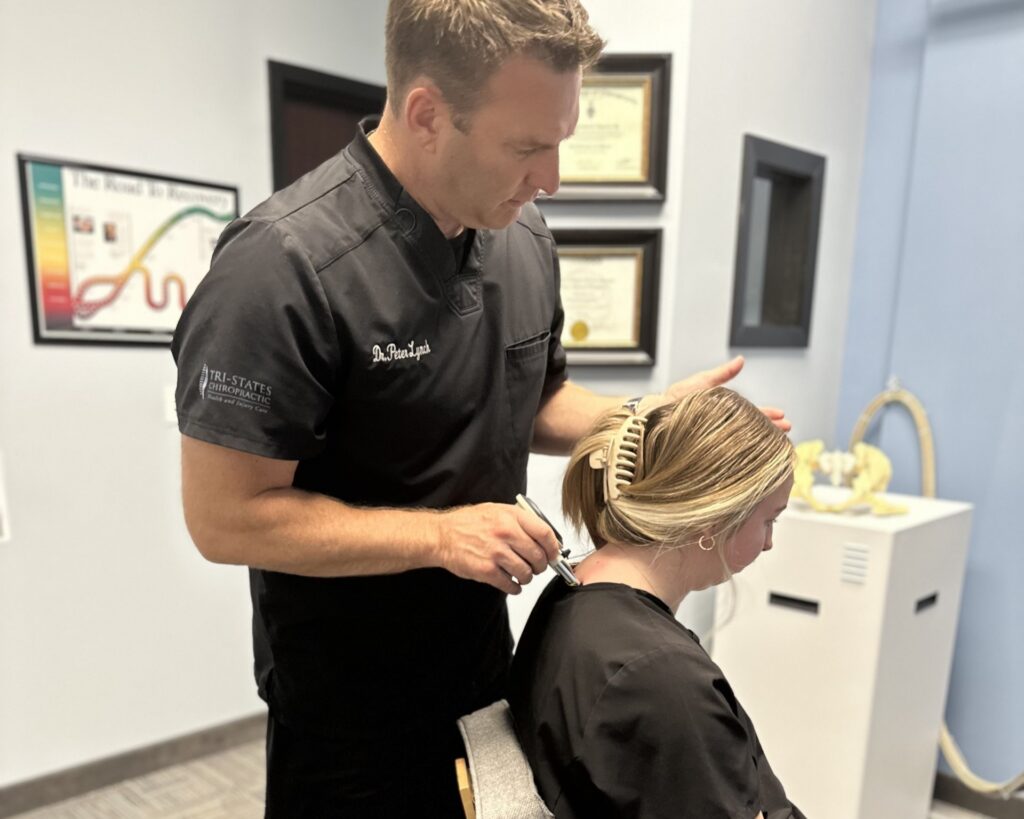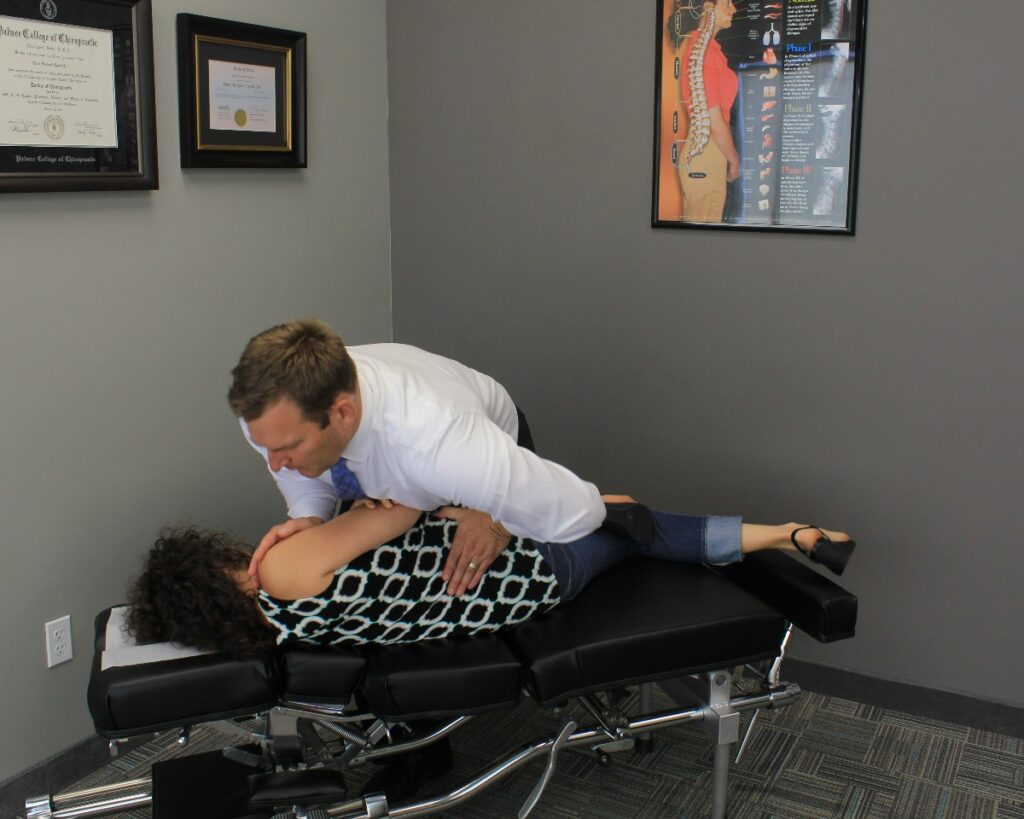
As a local chiropractor, I want to reassure you that if you're dealing with back pain, you're not alone. Many people experience this discomfort, and the good news is that there are effective, natural steps you can take to find relief within just 30 days. One of the first things I recommend is to focus on improving your posture. This simple change can make a significant difference in how you feel throughout the day.
Incorporating daily stretching into your routine is another powerful technique. It helps to loosen tight muscles and improve flexibility, which is crucial for back health. Additionally, consider how your sleep environment might be impacting your comfort. A supportive mattress and proper pillow can greatly enhance your quality of rest, which is vital for recovery.
Mindfulness practices, such as meditation or deep breathing, can also be beneficial in easing tension and reducing stress, which often contributes to back pain. Each of these strategies plays an important role in your healing journey, but the key is to find out which methods resonate best with you. Let's explore each technique together, and I'll help guide you towards a lifestyle that can transform your daily life and alleviate your back pain.
Improve Your Posture
As a local chiropractor, I want to emphasize the importance of improving your posture for reducing back pain and enhancing your overall well-being. When you maintain proper alignment while sitting, standing, or walking, you help distribute your body weight evenly. This simple adjustment can significantly relieve pressure on your spine and surrounding muscles.
I encourage you to be mindful of your posture throughout the day. Take a moment to check in with yourself regularly: are your shoulders back? Is your head aligned with your spine? Are your feet flat on the ground? These small adjustments can make a big difference in how you feel.
If you find yourself spending long hours at a desk, consider investing in an ergonomic chair that provides support for your lower back. It's also crucial to position your computer screen at eye level to prevent unnecessary strain on your neck. When standing, distribute your weight evenly on both feet and engage your core muscles to support your back. These minor changes can lead to significant improvements in your comfort level.
Good posture isn't only about physical alignment; it also plays a vital role in boosting your confidence and mood. Standing tall can project self-assurance, positively impacting your interactions with others.
To help develop this awareness, consider incorporating posture checks into your daily routine. You might set reminders on your phone or place sticky notes around your workspace to encourage good habits.
Remember, change takes time, and I recommend focusing on gradual improvements rather than striving for perfection. By committing to better posture, you'll not only alleviate back pain but also cultivate a healthier lifestyle overall.
Start today, and soon you'll notice the positive effects it has on your life. As your chiropractor, I'm here to support you on this journey toward better health.
Stretch Daily
As a local chiropractor, I want to emphasize the importance of incorporating daily stretches into your routine for optimal back health and overall flexibility. Stretching is a simple yet powerful way to alleviate tight muscles and enhance blood circulation, which can significantly reduce back pain.
By committing just a few minutes each day to stretching, you can improve your comfort levels and expand your range of motion.
Here are three effective stretches that I recommend for you to easily integrate into your daily routine:
- Cat-Cow Stretch: Begin on your hands and knees. Inhale deeply as you arch your back and lift your head towards the ceiling (this is the "cow" position). Then, as you exhale, round your spine and tuck your chin to your chest (this is the "cat" position). Repeat this cycle for 5-10 times to help mobilize your spine and promote flexibility.
- Child's Pose: Kneel on the floor and gently sit back on your heels. Extend your arms forward and lower your upper body, resting your forehead on the ground. Hold this position for 30 seconds to a minute. This stretch helps to elongate your back and relieve tension, providing a soothing effect on your entire spine.
- Seated Forward Bend: Sit on the floor with your legs extended straight in front of you. Take a deep breath in, lengthening your spine, and as you exhale, reach towards your toes. It's perfectly okay if you can't touch them; simply reach as far as you comfortably can. Hold this stretch for 20-30 seconds to effectively stretch your hamstrings and lower back.
Making stretching a regular part of your daily routine can lead to remarkable improvements in how your back feels.
As your chiropractor, I believe your body deserves this daily care, and I encourage you to prioritize these practices for your overall well-being!
Strengthen Core Muscles
As your local chiropractor, I want to emphasize the importance of your core muscles in supporting your spine and promoting overall stability. A strong core not only helps distribute weight evenly across your body but also reduces strain on your back, which can be a significant factor in alleviating back pain and improving your posture.
To strengthen these vital muscles, I recommend incorporating exercises such as planks, bridges, and abdominal crunches into your routine. Planks are particularly effective as they engage multiple core muscles at once, helping to build both endurance and strength. Start by holding a plank for 20-30 seconds, and as you gain strength, gradually increase the duration.
Bridges are another excellent exercise, targeting your lower back and glutes, which provide essential support to your spine. Begin with 10 repetitions and increase the number as you feel stronger.
Don't overlook your obliques, the muscles located on the sides of your abdomen. Engaging in exercises like side planks and Russian twists can strengthen these areas effectively. Start with a few repetitions and gradually increase as you become more comfortable.
Additionally, I encourage you to consider incorporating yoga or Pilates into your weekly routine. These practices focus on core strength and stability, helping you gain better control over your movements and overall body awareness.
It's crucial to listen to your body during these exercises. If you feel any pain, stop immediately, and please consult with a healthcare professional.
Strengthening your core is a significant step towards relieving back pain, but it must be done safely and effectively. By committing to a core strengthening routine, you'll be on your way to achieving a stronger back and a healthier body.
Apply Heat or Cold
As a local chiropractor, I often emphasize the importance of a holistic approach to managing back pain, especially after you've worked on strengthening your core muscles. One effective way to enhance your recovery is by using heat or cold therapy. These techniques can provide immediate relief and help reduce inflammation, but it's essential to understand which method might work best for your specific situation.
Let's explore how to use heat and cold effectively:
1. Heat Therapy: Applying heat can be incredibly beneficial for relaxing tight muscles. A heating pad or a hot water bottle can do wonders to increase blood flow and promote healing in the affected area.
I recommend using heat for about 15-20 minutes. Just ensure that the heat is warm and comfortable, not too hot to avoid burns. Taking a warm bath can also be a soothing way to ease back discomfort.
2. Cold Therapy: On the other hand, if you're experiencing sharp pain or swelling, cold therapy can be your best ally. Ice packs are excellent for numbing pain and reducing inflammation.
Simply wrap ice in a towel and apply it to the sore spot for 15-20 minutes. This method is particularly effective after engaging in activities that may aggravate your back pain.
3. Alternating Treatments: For some patients, alternating between heat and cold provides the most comprehensive relief. Start with cold therapy to help minimize inflammation, then transition to heat to relax the muscles.
This combination can keep your back feeling more comfortable throughout the day.
Incorporating these techniques into your daily routine can significantly enhance your back pain management.
Always pay attention to how your body responds; if something doesn't feel right, please consult with a healthcare professional like myself for personalized guidance.
Practice Mindfulness and Relaxation
As a local chiropractor, I want to share with you some effective methods for easing back pain through mindfulness and relaxation techniques.
Many of my patients find that incorporating deep breathing exercises and guided meditation into their daily routine can significantly make a difference.
These practices not only help reduce tension in your body but also foster a sense of calm that can alleviate discomfort.
Embracing these natural healing methods alongside chiropractic care can enhance your overall well-being and support your journey towards a pain-free life.
Deep Breathing Techniques
As a local chiropractor, I want to share with you the benefits of deep breathing techniques, especially when it comes to managing back pain.
These techniques not only promote relaxation but also foster mindfulness, allowing you to redirect your focus away from discomfort and cultivate a sense of calm throughout your body.
Incorporating deep breathing into your daily routine is simple and can greatly enhance your overall well-being.
Here are three easy steps to get you started:
- Find a Comfortable Position: Begin by sitting or lying down in a quiet, peaceful environment. Close your eyes and take a moment to tune into your body. Pay attention to any areas of tension, particularly in your back, as this awareness is the first step towards relief.
- Inhale Deeply: Take a slow, deep breath in through your nose. Allow your abdomen to expand fully as you fill your lungs with air. Picture this air bringing in fresh energy and relaxation, energizing your body and mind.
- Exhale Slowly: Gently breathe out through your mouth, visualizing any stress or pain dissipating from your body. Continue this process for several minutes, concentrating solely on your breath and the soothing rhythm it creates.
By practicing these deep breathing techniques regularly, you can complement your chiropractic care and support your body's natural healing process.
Guided Meditation Practices
As a local chiropractor, I want to share with you the benefits of guided meditation practices for managing back pain and promoting relaxation. Many of my patients have found that incorporating these techniques into their daily routine significantly aids in reducing discomfort and stress in their bodies.
To start, find a quiet, comfortable spot where you can sit or lie down without interruptions. Close your eyes and begin to focus on your breathing. This simple act helps create a mental space that can alleviate tension, allowing your body to relax.
I recommend using a guided meditation app or video that's specifically tailored for pain relief. These resources often feature soothing music and gentle guidance that will lead you through effective relaxation techniques. As you engage with the meditation, visualize your pain dissipating with each breath. Picture a warm light surrounding your back, soothing and easing any discomfort you may feel.
While you're meditating, take the time to pay attention to your body. Identify areas where you may be holding stress and consciously work on relaxing those muscles. If your thoughts drift, that's perfectly normal—just gently redirect your focus back to your breath or the voice guiding you.
Aim for at least 10-15 minutes of meditation each day for the best results. Incorporating guided meditation into your routine not only cultivates mindfulness but also enhances your resilience against back pain.
Over time, many of my patients have reported improved comfort and a greater sense of overall well-being. Remember that chiropractic care works hand-in-hand with these natural healing practices to support your body's health and healing journey.
Optimize Your Sleep Environment
As a local chiropractor, I want to emphasize the importance of optimizing your sleep environment to help alleviate back pain. One of the first steps in this process is selecting a mattress that suits your body type and sleeping style, along with supportive pillows that provide the necessary alignment for your neck and spine.
It's also crucial to consider the ergonomics of your bedroom. The layout and organization of your space can significantly affect your sleep quality and overall comfort.
By creating a calming and supportive environment, you can enhance your chances of a restful night's sleep, which is essential for overall health and natural healing.
Choose the Right Mattress
As a local chiropractor, I understand the significant role that a quality mattress plays in your back health and overall sleep quality. The right mattress can alleviate pressure points and support your spine, helping you wake up feeling refreshed and pain-free.
Here are three essential factors to consider when choosing a mattress that aligns with your health needs:
- Firmness Level: It's important to find a mattress that strikes the right balance between firmness and softness. For most individuals, a medium-firm mattress provides adequate support for your spine while offering cushioning for your shoulders and hips. This balance can help prevent misalignments and discomfort during sleep.
- Material: The materials used in your mattress can significantly affect your comfort and spinal support. Memory foam mattresses contour to your body's shape, providing personalized support, while latex mattresses offer a more resilient feel with excellent back support. Additionally, hybrid options combine the benefits of both materials, allowing for a more customized sleeping experience.
- Size: Ensure that your mattress is spacious enough to accommodate your sleeping habits comfortably. If you share your bed, opt for a size that allows both of you to stretch out without feeling confined. A mattress that provides ample space can contribute to a better night's sleep and, in turn, support your overall health.
Investing in the right mattress is crucial not only for enhancing your sleep quality but also for supporting your spinal health.
I encourage you to take the time to test different mattresses and find one that feels best for you. Remember, a good mattress can be a vital part of your journey to better health, and your back will thank you for it!
Supportive Pillow Selection
As a local chiropractor, I want to emphasize the importance of selecting the right pillow for your sleep health. A supportive pillow plays a crucial role in maintaining proper alignment and comfort, which is essential for your overall well-being. The right pillow helps to keep your neck and spine aligned, reducing strain on your back and minimizing discomfort.
When choosing a pillow, it's important to consider your sleep position. If you tend to sleep on your back, I recommend a medium-loft pillow that supports the natural curve of your neck. This will help maintain spinal alignment.
For those who prefer sleeping on their side, a firmer, thicker pillow is ideal, as it fills the gap between your shoulder and head, ensuring that your spine remains straight and supported. If you're a stomach sleeper, it's best to opt for a softer, thinner pillow to avoid unnecessary neck strain.
The materials used in pillows can significantly affect your sleep quality as well. Memory foam pillows are excellent for contouring to your head and neck, providing remarkable support and pressure relief.
Alternatively, latex pillows offer both durability and consistent support with a bit of bounce, making them suitable for all sleep positions. If you prefer natural options, buckwheat or feather pillows can be adjusted for loft and firmness, allowing for a customized fit.
Don't overlook the importance of pillow height. Your head should be level with your spine to promote optimal alignment.
I encourage you to experiment with different pillows until you find the perfect balance of support and comfort. This choice can significantly impact your sleep quality and help alleviate back pain.
Bedroom Ergonomics Matters
As a local chiropractor dedicated to promoting natural healing and overall well-being, I want to emphasize the importance of creating a sleep-friendly environment in conjunction with selecting the right pillow.
Once you've identified the ideal pillow for your needs, it's crucial to consider the overall ergonomics of your bedroom. A thoughtfully designed sleep space can significantly enhance your comfort and help alleviate back pain.
Here are three essential aspects to focus on when optimizing your sleep environment:
- Mattress Quality: It's vital to choose a mattress that offers the right support for your body type and preferred sleeping position. In my experience, a medium-firm mattress tends to provide the best combination of support and comfort, promoting proper spinal alignment throughout the night.
- Room Temperature: Maintaining a cool bedroom environment, ideally between 60-67°F (15-19°C), can greatly improve your sleep quality. A cooler room helps facilitate restful sleep and decreases the likelihood of waking up with discomfort or stiffness.
- Lighting Control: Reducing exposure to blue light from screens at least an hour before bedtime is essential for signaling your body that it's time to wind down. I recommend using blackout curtains or an eye mask to create a dark sleeping area, which can help enhance your body's natural sleep-wake cycle.
By paying attention to these critical elements, you can create a sleep environment that supports your overall health and well-being.
If you have further questions or need personalized advice, feel free to reach out during your next visit!
Consult a Healthcare Professional
As a local chiropractor, I want to emphasize the importance of seeking professional help when you're experiencing persistent back pain. Understanding the root cause of your discomfort is crucial, and that's where chiropractic care comes in. Ignoring ongoing pain can lead to more serious complications, so addressing it sooner rather than later is key to your well-being.
When you come to see me, I encourage you to share your symptoms in detail. Let me know when the pain began, how intense it feels, and any activities that make it better or worse. This information is vital for me to create a tailored treatment plan that meets your specific needs. I may suggest assessments or specific tests to better understand your spine's condition.
Based on our findings, I'll recommend various natural treatment options. These may include chiropractic adjustments, physical therapy exercises, or lifestyle modifications that can enhance your healing process. If necessary, I can also refer you to other specialists, such as physical therapists or pain management experts, to ensure you receive comprehensive care.
I encourage you to ask questions during your visit. Understanding your condition and the available treatment options empowers you to make informed decisions about your health. My goal is to guide you through a healing journey that focuses on natural methods and promotes long-term wellness and mobility.
Ultimately, seeking chiropractic care is a proactive step toward alleviating your back pain. Together, we can develop a personalized strategy that not only addresses your pain but also supports your overall health and vitality.
Conclusion
As a local chiropractor, I want to share with you seven effective techniques that can help you manage and relieve your back pain within just 30 days. It's important to take an active role in your healing journey, and these methods can empower you to do just that.
First, focus on maintaining good posture throughout your day. Proper alignment can significantly reduce strain on your back. Next, incorporate stretching and strengthening exercises for your core, as a strong core provides essential support for your spine.
Using heat or cold therapy can also be beneficial; heat can soothe tight muscles, while cold can reduce inflammation. Additionally, practicing mindfulness techniques can help calm your mind and reduce stress, which often contributes to physical discomfort.
Don't overlook the importance of a good sleep environment. Ensuring you have a supportive mattress and pillows can lead to a more restorative night's sleep, which is crucial for healing.
Lastly, I encourage you to consult with a healthcare professional, like myself, for personalized guidance tailored to your specific needs. With a commitment to these practices and a bit of awareness, you can experience significant improvements in your back pain in just 30 days!