When it comes to treating infants and toddlers, prioritizing safety is paramount. As a local chiropractor, I want to emphasize the importance of recognizing symptoms early, as they can often indicate underlying issues that need attention.
Gentle home remedies, coupled with proper hygiene practices, can significantly enhance your child's comfort and overall health.
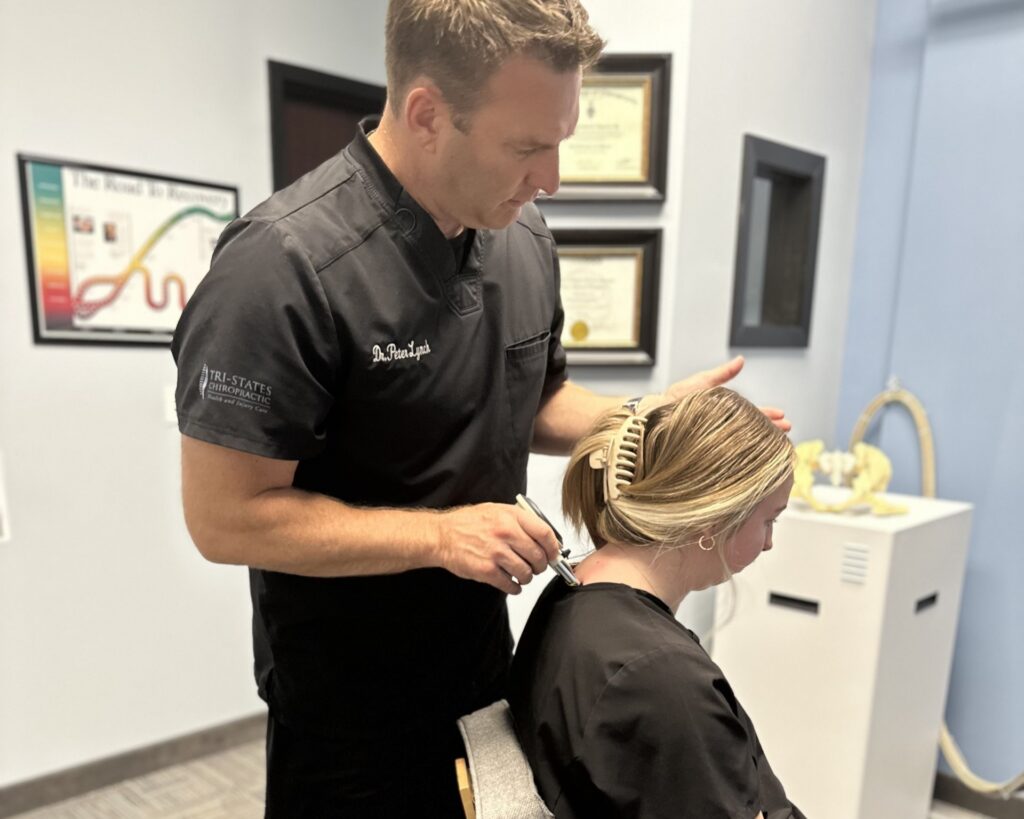
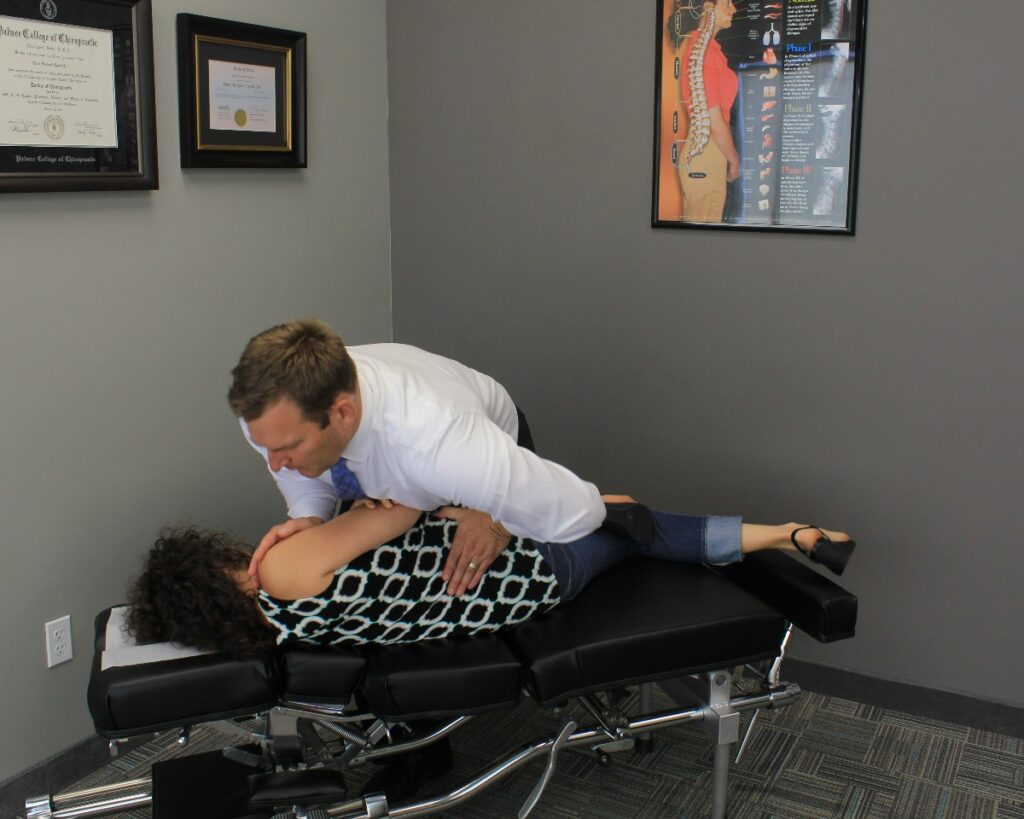
In addition to these methods, I advocate for safe and effective approaches to care, including chiropractic adjustments tailored specifically for young ones.
It's essential to understand how these techniques can positively influence your child's wellbeing. By exploring chiropractic care and natural healing options, you can discover effective ways to support your little one's health journey.
Remember, there's a lot to learn about how we can nurture our children holistically.
Recognizing Symptoms Early
As a local chiropractor, I'm here to help educate you about recognizing when your infant or toddler may be unwell, particularly in relation to their overall well-being and alignment. Observing your child's behavior is crucial. If your typically happy child suddenly becomes irritable, lethargic, or shows reluctance to engage in play, it may indicate that something is amiss. You might also notice changes in their sleep patterns or an increased need for your comfort.
It's important to keep an eye on their eating habits as well. A decrease in appetite or a refusal to eat can signal discomfort, which may be linked to misalignments or tension in the body. Similarly, monitor their fluid intake; if they're not drinking enough, dehydration could become a concern.
Physical symptoms are key indicators of potential issues. Take a moment to check for a fever by feeling their forehead or using a thermometer. A temperature over 100.4°F (38°C) often suggests an infection or inflammation. Additionally, observe any persistent cough, runny nose, or unusual rashes, as these can provide vital clues about their condition.
Changes in bowel habits or urination are also essential to note. A significant decrease in wet diapers or alterations in stool consistency might point to underlying concerns that could benefit from natural healing approaches, such as chiropractic adjustments that promote overall wellness.
Above all, trust your instincts as a parent. If something feels off, don't hesitate to reach out to a healthcare professional, including a chiropractor. Early recognition of symptoms can significantly impact your child's healing and overall health. By being vigilant and proactive, you can address potential issues early on, ensuring your little one remains as healthy and happy as possible. Remember, chiropractic care can support your child's well-being by enhancing their body's innate ability to heal itself.
Using Gentle Home Remedies
As a local chiropractor, I believe in the power of gentle home remedies to support your infant or toddler's health, especially during minor ailments. When your little one has a cough or a stuffy nose, natural solutions can provide comfort and relief. For instance, a warm bath can help soothe a congested child, promoting easier breathing. You might consider adding a few drops of eucalyptus oil to the water—just make sure to use a low concentration and avoid any direct skin contact.
If your child is feeling restless due to teething discomfort, try offering them a cold washcloth to chew on. The coolness can numb their gums, making teething a little easier to handle. Always supervise them closely during this to prevent any choking risks.
For minor skin irritations, a thin layer of coconut oil can be quite beneficial. It provides moisture and relief, thanks to its natural antibacterial properties. However, it's always wise to consult with your pediatrician if you have any concerns about the ingredients you use.
I also want to highlight the benefits of honey as a gentle remedy; just keep in mind that it's safe to use only for children over one year of age. A teaspoon can soothe a sore throat or cough, offering both comfort and sweetness.
As you explore these natural approaches, be sure to observe your child's reactions. If you notice that symptoms persist or worsen, I encourage you to consult with your healthcare provider. Integrating these gentle methods can be a wonderful first step in caring for your little one, aligning beautifully with the principles of chiropractic care and natural healing.
Proper Hygiene Practices
As a local chiropractor, I believe that maintaining your child's hygiene is crucial for their overall health and well-being, which aligns with the principles of natural healing and holistic care. Establishing a regular hygiene routine is key, and this starts with bathing. For infants, a gentle sponge bath is typically sufficient until their umbilical cord has fallen off. As your child grows, aim for baths at least two to three times a week, ensuring that you clean all the creases and folds of their skin to prevent rashes, which is essential for their comfort and health.
Handwashing is another vital aspect of hygiene that supports your child's immune system. Teach them to wash their hands before meals, after using the bathroom, and after outdoor play. Use soap and warm water, ensuring they scrub for at least 20 seconds. In situations where soap isn't available, an alcohol-based hand sanitizer can serve as an effective alternative.
Oral hygiene is equally important, even for the littlest ones. After feedings, wipe your infant's gums with a soft, damp cloth to promote healthy oral development. Once their first tooth emerges, introduce a soft-bristled toothbrush with a tiny smear of fluoride toothpaste to help maintain their dental health, which is interconnected with overall wellness.
Additionally, keeping your child's nails trimmed is essential to prevent the accumulation of dirt and germs, which can impact their health. Regularly changing their clothes and washing bedding contributes to a clean and healthy environment, reinforcing their well-being.
Lastly, don't overlook the importance of sanitizing your child's toys, especially those that they put in their mouths, as this helps prevent infections. By incorporating these simple hygiene practices into your daily routine, you are not only protecting your child from infections but also promoting a healthy lifestyle that aligns with the principles of chiropractic care and natural healing. Together, we can foster a foundation of health for your child.
Safe Medication Administration
As a local chiropractor, I want to emphasize the importance of safe and effective practices when it comes to administering care to our youngest patients—infants and toddlers. Just like with medication, it's crucial to ensure that any treatment or adjustment is appropriate for their age and size. This involves careful consideration of dosage in terms of pressure and technique, as well as using gentle and safe delivery methods.
Monitoring the child's response during and after the treatment is essential to ensure their well-being and comfort. Our approach focuses on natural healing and supporting the body's innate ability to heal itself. Let's work together to ensure that we make chiropractic care as effective and safe as possible for your little ones.
Proper Dosage Calculation
As a local chiropractor, I want to emphasize the importance of proper dosage calculation when it comes to the holistic health of your children, especially infants and toddlers. While we focus on natural healing methods, understanding how to safely administer any supplements or homeopathic remedies is crucial.
When treating young children, we must remember that their bodies are smaller and process substances differently than adults. It's essential to use the child's weight in kilograms to determine the appropriate dosage of any natural supplement or remedy. Many products will provide dosing guidelines based on weight, so be sure to check the label or consult with a qualified healthcare provider.
Before giving any supplement or remedy, it's always a good idea to double-check your calculations. Mistakes can happen easily, particularly when converting between units. If needed, use a calculator, and consider jotting down your calculations to avoid any errors. If you're uncertain about the correct dosage, don't hesitate to reach out to a pharmacist or your chiropractor for guidance.
Moreover, always use a proper measuring device, such as a syringe or a medicine cup, rather than relying on household spoons. This practice ensures that you are administering the precise amount needed. Remember that some natural remedies may have specific instructions, such as being taken with food or at certain times, so be sure to read the guidelines carefully. Your diligence in calculating the right dosage can significantly influence your child's safety and overall health as you explore the benefits of chiropractic care and natural healing.
Safe Delivery Methods
Administering medications to infants and toddlers safely is crucial, and as a chiropractor who values natural healing, I want to share some insights on this process. When considering treatment approaches for your little ones, it's essential to choose the right form of medication. Liquid formulations, like syrups or suspensions, are often easier for young children to take compared to tablets or capsules. I recommend using a syringe or dropper specifically designed for accurate dosing; kitchen spoons can lead to imprecise measurements, which is something we want to avoid.
Before administering any medication, it's important to prepare adequately. Gather all necessary items—medication, syringe, and a clean surface. Ensure you're in a well-lit area, and most importantly, that your child is calm and comfortable. Position your child safely, perhaps sitting in your lap, to create a secure environment. When it's time to give the medication, gently squirt it into the side of their mouth, targeting the cheek rather than the back of the throat to minimize the risk of choking.
If your child resists taking the medication, don't force it; patience is key. You might also consider mixing the medication with a small amount of food or drink, but always consult with your healthcare provider first to confirm it's safe to do so. Following these guidelines can help ensure that medications are administered effectively and safely, aligning with our commitment to holistic well-being and natural healing approaches.
Monitoring for Reactions
As a local chiropractor, I want to emphasize the importance of watching for any reactions after your child has taken medication. Monitoring your little one closely can be key in identifying any adverse effects early on. Pay attention to their behavior—if you notice increased fussiness, lethargy, or unusual crying, these may signal a reaction.
It's also vital to look for physical symptoms. Keep an eye out for rashes, swelling, or any signs of distress, particularly around the face or throat. If your child experiences difficulty breathing, seek immediate medical attention.
Be mindful of the timing since the medication was given. Reactions can manifest at different intervals; some may appear within minutes, while others can take hours or even days. Make a note of any changes you observe and share these with your child's healthcare provider.
If you're ever in doubt about a symptom or reaction, don't hesitate to reach out to your pediatrician. When it comes to your child's health, being cautious is always the best approach. Remember, your vigilance can significantly contribute to your child's safety during medication administration. As a chiropractor, I also advocate for natural healing methods that can support your child's overall wellness. Always consider discussing alternative options with your healthcare provider.
Comfort Techniques for Discomfort
As a local chiropractor, I understand that discomfort in children can be distressing for both them and their parents. There are several natural and gentle techniques that can help alleviate your child's discomfort. For instance, gentle massages can promote relaxation and relieve tension in their little bodies. Warm baths can also be beneficial, providing a soothing environment that encourages calmness. Additionally, incorporating soothing sounds or calming music can create a peaceful atmosphere that aids in relaxation. These simple yet effective methods can significantly ease your child's distress and foster a sense of comfort. It's all about nurturing their well-being naturally.
Gentle Massage Techniques
As a local chiropractor, I often emphasize the importance of gentle, natural methods to help soothe discomfort in infants and toddlers. Gentle massage techniques can be an effective approach to not only provide relief but also promote relaxation and strengthen the bond between you and your child. Creating a tranquil environment is essential, so ensure the space is quiet and calming before beginning the massage. Start with soft, warm hands and apply gentle pressure to avoid any discomfort.
Here are some gentle massage techniques that can be beneficial:
- Tummy Rubs: Using circular motions on your child's belly can be helpful for alleviating gas and soothing colic. This technique can aid in digestion and provide comfort.
- Back Strokes: Gently stroking your toddler's back from the neck down to the lower back can promote relaxation and may help release any tension they might be holding.
- Foot Massage: Lightly kneading your baby's feet, particularly focusing on the arches, can be a wonderful way to promote relaxation and relieve tension throughout their body.
- Head Massages: Using your fingertips to lightly massage your child's scalp can be incredibly calming, often aiding in better sleep.
Always be attentive to your child's responses during these massages. If they show signs of discomfort, it's important to stop and either try a different technique or take a break. With practice, you will discover the techniques that resonate best with your little one, helping to enhance their overall well-being through natural and gentle methods. Remember, chiropractic care is also about supporting your child's natural healing processes, and incorporating massage can be a great complementary practice.
Warm Bath Benefits
As a chiropractor, I often emphasize the importance of holistic approaches to health and wellness, especially for children. One simple yet effective method to enhance your child's comfort and relaxation is incorporating warm baths into their routine. The warmth of the water can provide significant benefits, serving to soothe sore muscles and alleviate discomfort—an excellent remedy when your little one is feeling fussy or restless.
When preparing a warm bath, ensure that the water temperature is just right—ideally between 98 to 100 degrees Fahrenheit. This gentle warmth not only calms but also promotes better blood circulation, helping your child feel more at ease. In addition, a warm bath can evoke a sense of security, similar to the comforting environment of the womb, which can be particularly beneficial in easing anxiety.
During the bath, consider gently cradling your child, allowing them to float and experience the soothing sensation of the water. You might also enhance this experience by adding a few drops of baby-safe bath oils, which can nourish their delicate skin and create a calming aroma. After the bath, wrapping your child in a soft towel and cuddling them close can further deepen their sense of comfort and warmth.
Ultimately, integrating warm baths into your child's routine is not just about cleanliness; it's an effective natural healing practice that fosters relaxation and strengthens the bond between you and your child. As a chiropractor, I encourage parents to explore such nurturing methods that support both physical and emotional well-being.
Soothing Sounds and Music
As a chiropractor, I often see the benefits of incorporating soothing sounds and gentle music into your child's routine, particularly during times of discomfort. Engaging your little one with calming melodies or the gentle sounds of nature can create a serene environment that helps reduce stress and anxiety, which is essential for their overall well-being. Here are a few methods you might consider to support your child's relaxation:
- Lullabies: These classic tunes offer a sense of comfort and familiarity, which can be particularly beneficial in promoting relaxation and a smoother transition to sleep.
- White Noise: Utilizing soft white noise can mimic the comforting sounds of the womb, providing a soothing backdrop that helps your baby feel secure and can also drown out harsher noises that may cause distress.
- Nature Sounds: Sounds like gentle rain, the ebb and flow of ocean waves, or the rustling of leaves can create a tranquil environment, encouraging your child to unwind and feel at ease.
- Musical Toys: Interactive toys that produce music can engage your toddler's attention, offering a distraction from discomfort while also stimulating their auditory senses in a positive way.
I encourage you to experiment with different sounds to find what resonates best with your child. Every child is unique, and it may take some trial and error to discover the right soothing techniques that work for them. With a bit of patience and creativity, you can transform moments of distress into peaceful experiences, enhancing your child's comfort and well-being. Remember, these practices can complement the chiropractic care that supports your child's natural healing process.
When to Seek Medical Help
As a chiropractor, I understand the importance of recognizing when your infant or toddler may need medical attention. Your intuition as a parent is invaluable, so trust your instincts when it comes to your child's health. If your little one has a fever surpassing 100.4°F (38°C) for more than a few hours, especially if they are under three months old, it's crucial to consult a healthcare professional. Any signs of difficulty breathing, such as rapid breathing or wheezing, should prompt immediate action.
Observe your child's behavior closely. If they appear unusually lethargic, irritable, or unresponsive, reaching out for assistance is essential. Prolonged vomiting or diarrhea can lead to dehydration, which is particularly serious for young children. If your toddler refuses to eat or drink for an extended period, it's wise to contact your pediatrician.
Additionally, monitor any rashes or skin irritations. If a rash spreads quickly, is accompanied by a fever, or shows signs of infection, seeking medical advice is recommended. Look out for signs of dehydration as well, such as a dry mouth, lack of tears, or decreased urination, which should prompt a call to your doctor.
Lastly, if you observe any unusual swelling, a persistent cough, or symptoms that don't seem to improve, don't hesitate to seek help. Your proactive approach can greatly impact your child's well-being. Remember, as a chiropractor, I am here to support your family's journey to health and wellness through natural healing methods, but it's important to recognize when traditional medical care is necessary.
Educating Yourself and Others
Recognizing when you or your loved ones need chiropractic care is just the first step; educating yourself and others about the benefits of chiropractic and natural healing can significantly enhance overall well-being. Knowledge empowers you to make informed decisions and ensures that you are prepared for various health situations that may arise. Begin by exploring reliable resources such as chiropractic associations, reputable health books, or trusted healthcare websites. By doing this, you're not just reacting to discomfort but proactively taking steps toward better health.
Next, don't keep your newfound understanding to yourself. Share valuable insights about chiropractic care and natural healing with family, friends, and caregivers. The more people around you understand the principles of chiropractic health, the healthier your community will be.
Here are some key areas to focus on for effective education:
- Chiropractic Techniques: Learn about various chiropractic techniques, including spinal adjustments and their impact on overall health.
- Common Conditions: Familiarize yourself with conditions that chiropractic care can address, such as back pain, neck pain, and headaches, and understand when to seek help.
- Wellness and Nutrition: Understand the role of nutrition and lifestyle choices in maintaining spinal health and overall wellness.
- Preventive Care: Educate yourself about the importance of regular chiropractic check-ups to prevent future issues and maintain optimal health.
Conclusion
As a local chiropractor dedicated to promoting the health and well-being of infants and toddlers, I want to share some essential techniques to keep your little ones safe and thriving. It's crucial to recognize symptoms early, as this allows for timely interventions. Gentle home remedies, such as warm baths or soothing massages, can provide comfort and relief.
Ensuring proper hygiene is another vital aspect of care; simple practices like regular handwashing can prevent illness. When it comes to medication, it's essential to administer it safely, and I encourage parents to explore natural alternatives when possible.
Utilizing comfort techniques, such as gentle adjustments or chiropractic care, can help soothe your child and promote overall wellness. Remember, if you're ever uncertain or concerned, don't hesitate to seek medical help. Staying informed about best practices in natural healing will empower you to make the best decisions for your child's health. Your proactive approach can significantly enhance your child's comfort and well-being, and I'm here to support you on this journey.