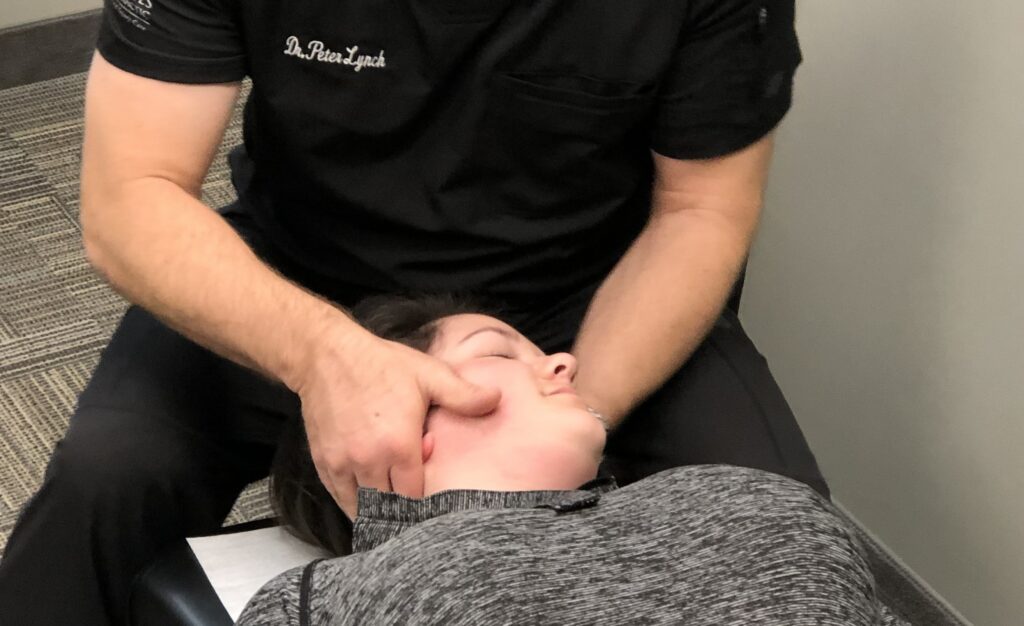
As a local chiropractor, I want to share how gentle techniques can significantly benefit the care of infants and toddlers.
It's essential to create a nurturing environment that prioritizes their comfort and emotional well-being. By using soft touches and empathetic communication, we can build trust and enhance their overall experience during chiropractic care.
Understanding how to establish a calm space for these little ones is crucial, as it can greatly influence their responses to treatment and their surroundings.
As we delve deeper into these concepts, you'll discover practical strategies that not only strengthen your bond with your child but also support their development in ways that might surprise you.
Chiropractic care, when approached gently, can play a vital role in promoting their health and well-being from an early age.
Understanding Gentle Parenting
Gentle chiropractic care focuses on fostering a supportive environment where patients feel safe and understood. This approach emphasizes kindness, empathy, and respect, allowing us to build a strong foundation for your overall well-being. By prioritizing connection, we're not just addressing symptoms; we're cultivating a relationship based on trust and collaboration.
In gentle chiropractic practice, it's crucial to recognize your body's signals as valid. When you experience discomfort or tension, instead of ignoring these sensations, we acknowledge and validate them. This doesn't mean that we give in to every ailment; rather, we're teaching you that your body's messages matter. It's about showing you that you're heard, which can help reduce discomfort and improve your overall experience.
We also focus on establishing health boundaries with care. Instead of aggressive treatment methods, we guide you through approaches that are appropriate for your individual needs and understanding. For instance, if you're experiencing pain, we might explain why it's essential to maintain proper posture and body mechanics, encouraging you to incorporate healthy habits into your daily routine. This approach helps you learn responsibility for your health without fear of negative outcomes.
Moreover, gentle chiropractic care encourages open communication. We're not just talking at you; we're engaging in dialogue that respects your perspective and experiences. This builds your confidence and encourages you to express your health concerns openly, leading to a more effective treatment plan tailored to your needs.
Building Trust Through Connection
Building Trust Through Connection in Chiropractic Care
Trust is the foundation of any effective relationship, and this holds especially true in healthcare, including chiropractic care. When working with patients, particularly infants and toddlers, establishing that trust is essential. These young ones rely on their caregivers to create a sense of safety and security. By fostering a connection, we can help them develop trust that supports their overall well-being throughout their lives.
Begin by being present and engaged during each visit. Infants and toddlers are highly perceptive and can pick up on the emotions and energy around them. When you approach them with warmth and empathy, they can sense your intentions and feel more at ease. Consistency is also important. By maintaining a routine during appointments, you create a predictable environment that helps them feel secure and comfortable.
Utilize gentle touch as a powerful tool for connection in your chiropractic practice. A soft adjustment or comforting touch can convey support and reassurance. It's not just about the physical aspect; the emotional connection it fosters is equally significant. Make eye contact and smile to reinforce that bond. Your facial expressions can communicate safety and kindness, making it easier for them to trust you.
Lastly, listen to their cues. Whether it's a coo, a cry, or a look of curiosity, responding appropriately shows that you are attuned to their needs. This responsiveness builds a strong foundation of trust, allowing them to feel understood and valued. By prioritizing connection in your interactions, you will not only help them feel safe during their chiropractic care but also lay the groundwork for a lifelong relationship built on trust and natural healing.
Effective Communication Techniques
As a local chiropractor, I want to share some effective communication techniques that are particularly important when working with our youngest patients—infants and toddlers. These little ones are unable to express their feelings or concerns with words, so it's crucial for us to be attuned to their non-verbal cues. By observing their body language, facial expressions, and even their cries, we can gain valuable insights into their comfort levels and needs.
When explaining chiropractic procedures to children, I always use simple, clear language that is appropriate for their age. This approach not only helps the child understand what's happening but also fosters a connection between us. For toddlers, I often incorporate playful language or relatable analogies. For example, I might describe gentle adjustments as a "tickle" or a "silly game," which can help them feel more at ease during their visit.
Visual aids and props can also be incredibly helpful in our practice. I sometimes use picture books or toys to illustrate what will happen during an appointment. Demonstrating movements on a stuffed animal or using puppets to explain the process can engage their imagination, keeping their attention and reducing any anxiety they might feel.
Maintaining a calm and soothing tone is essential as well. The way I speak can significantly impact how children respond. By using a soft and reassuring voice, I aim to create a sense of safety in the office. I also encourage parents to stay close during the appointment, as their presence can provide additional comfort and security for the child.
Lastly, active listening is vital. When infants and toddlers communicate through cries or gestures, I make it a priority to respond promptly. This demonstrates that I value their feelings and helps to strengthen the bond of trust between us. By employing these effective communication techniques, I strive to foster a positive experience for both the child and their caregivers, ensuring that everyone feels comfortable and supported in their journey toward natural healing through chiropractic care.
Creating a Calm Environment
To foster a calming environment for your family, consider the importance of soft lighting that emits a gentle glow, as this can help promote relaxation and reduce stress levels. Additionally, incorporating soothing soundscapes, such as gentle music or nature sounds, can further enhance a sense of tranquility, which is beneficial for both physical and mental well-being. Ensuring that you have comfortable seating areas available will not only help you and your children unwind but also support proper posture and spinal alignment during your moments of relaxation together. By creating this peaceful atmosphere, you're taking essential steps towards nurturing a healthy home environment that aligns with the principles of chiropractic care and natural healing.
Soft Lighting Options
Creating a tranquil environment for your infant or toddler can significantly support their overall well-being and development, much like how chiropractic care promotes natural healing in the body. Just as we advise patients to avoid harsh, jarring stimuli that can cause discomfort, it's important to consider the lighting in your child's space. Bright, harsh lights can be overwhelming for little ones, so opting for gentle illumination helps soothe their senses and fosters a sense of calm.
Dimmable lamps are an excellent choice, as they allow you to adjust the brightness according to the time of day and your child's mood, much like how we adjust our chiropractic techniques based on individual needs. Soft, warm-toned bulbs mimic natural light and create a cozy atmosphere, promoting relaxation. You might also consider string lights or nightlights with soft, diffused colors; these provide a comforting glow that's gentle on your child's developing senses.
Incorporating shades or curtains can help further soften the light entering the room, creating a tranquil space that mirrors the healing environment we strive for in our practice. When it's time to wind down, keeping the lighting low signals to your child that it's almost bedtime, much like how we encourage routines that support healthy sleep patterns.
Additionally, it's beneficial to avoid screens close to your child during this time. The blue light emitted can disrupt their natural sleep cycle, similar to how stress and tension can impede healing. By focusing on soft lighting options, you're not only creating a peaceful environment but also supporting your child's relaxation and comfort, paralleling the holistic approach we embrace in chiropractic care.
Soothing Soundscapes
As a local chiropractor, I want to emphasize the importance of creating a calming environment for both you and your little ones, especially when it comes to their overall well-being and development. Just as we focus on alignment and balance in the body, incorporating soothing soundscapes can play a vital role in establishing a serene atmosphere for your infant or toddler. The right auditory experiences can help alleviate anxiety, promote relaxation, and even enhance sleep quality, which is crucial for their growth.
Gentle melodies, nature sounds, and white noise can be beneficial additions to your child's space. For instance, soft lullabies or classical music can work wonders for winding down before bedtime, while the sounds of rain or ocean waves can create a tranquil backdrop during playtime or naptime. As part of your wellness journey, it's worth experimenting with different soundscapes to discover what resonates best with your child.
It's important to keep the volume low, as young children are particularly sensitive to loud noises. You might consider using a sound machine or a smartphone app to maintain a consistent and soothing audio environment. By integrating these calming soundscapes into your daily routine, you'll not only foster a sense of tranquility but also positively impact your child's mood and behavior, aligning with the holistic approach of chiropractic care.
Ultimately, our goal is to create a nurturing space that allows your infant or toddler to feel secure and relaxed, supporting their physical and emotional health as they grow.
Comfortable Seating Areas
Creating comfortable seating areas in your home is essential for fostering a calming environment for your infant or toddler, and as a chiropractor, I can emphasize how this can also support their developing musculoskeletal health. When designing these spaces, prioritize safety, accessibility, and coziness, which can significantly impact your child's overall well-being.
Opt for soft, supportive furniture, such as plush chairs or floor cushions, that provide gentle support for growing bodies. It's important that these seating areas are low to the ground, allowing your little one to safely climb up and down, minimizing the risk of falls or injuries.
Incorporating supportive pillows or blankets can create a nest-like feel, encouraging your child to settle down and relax. This is not just about comfort; proper support is crucial for maintaining good posture, which can help prevent any potential musculoskeletal issues as they grow. Soft, warm lighting in these areas is beneficial, as harsh lights can lead to overstimulation, which may affect their ability to focus and relax.
Choosing calming colors, like pastels or earthy tones, can further enhance the serene atmosphere, promoting a sense of peace that is beneficial for both their mental and physical health. Including a few calming toys or books nearby can encourage quiet activities while they are seated comfortably, supporting their cognitive development as well.
Lastly, ensure that these seating areas are free from distractions such as loud electronics or clutter. This not only helps to promote focus and tranquility but also allows your child to engage more mindfully in their activities. By thoughtfully designing these spaces, you're not just creating a cozy corner; you're nurturing a peaceful environment that supports your child's sense of security and overall well-being, which is integral to their development and health.
The Power of Positive Reinforcement
Positive reinforcement is a powerful tool not just in parenting, but also in fostering a holistic approach to health and well-being. As a chiropractor, I see parallels between encouraging positive behaviors in children and promoting healthy habits in our patients. When we acknowledge and reward positive lifestyle choices—such as regular exercise, proper posture, or consistent chiropractic visits—we encourage our patients to continue these beneficial behaviors.
It's essential to recognize even small victories in your health journey. Whether it's stretching daily, choosing to stay active, or following through with your chiropractic care plan, acknowledging these efforts can significantly boost your confidence and motivation. Your commitment to your health deserves recognition!
To implement positive reinforcement in your wellness routine, be specific about what you're celebrating. Instead of simply saying, "Good job on your health," try saying, "I'm impressed with how you've committed to your weekly adjustments!" This specificity helps reinforce the behaviors that contribute to your well-being.
Timing is also crucial; acknowledge these positive actions right away to create a strong link between the behavior and the reward.
You can use various forms of positive reinforcement in your health journey, such as verbal encouragement, small rewards like a relaxing massage, or even setting aside time for self-care activities. Tailor these rewards to what resonates with you, as this will make the reinforcement more effective. For instance, if you enjoy reading, perhaps reward yourself with a new health-related book after achieving a wellness goal.
Nurturing Emotional Intelligence
Understanding and recognizing emotions in your child is crucial for their overall development, much like how we focus on the alignment and health of the spine in chiropractic care. Just as we encourage open communication about physical discomfort, promoting expressive communication in children allows them to articulate their feelings more effectively. By demonstrating empathy and compassion in our practice, we establish a strong foundation for nurturing their emotional intelligence. Just as we strive for balance in the body, fostering emotional awareness is key to holistic well-being.
Recognizing Emotions Early
As a chiropractor, I understand the vital role that emotional well-being plays in overall health, particularly for infants and toddlers. Recognizing and addressing emotions early can significantly enhance their emotional development. Just as we pay attention to physical signs of discomfort, it's essential to notice the emotional cues children exhibit. A furrowed brow or clenched fists may indicate frustration, while a wide smile or giggle often signifies happiness.
When you observe these emotional cues, it's important to respond with empathy. Acknowledge their feelings by saying things like, "I see you're upset" or "It looks like you're really happy!" This validation is crucial as it helps them associate their emotions with words, fostering their emotional awareness much like how we encourage understanding of physical sensations.
Encouraging children to express their emotions safely is key. As a caregiver, you can model healthy coping mechanisms for various feelings. For instance, if a child seems scared, demonstrate that it's okay to seek comfort or talk about their fears, just as we would encourage discussing physical discomfort or pain.
Creating a consistent and supportive environment helps children feel secure enough to explore their emotions. Regular check-ins during playtime or daily activities can reinforce the importance of their feelings, much like how we emphasize regular chiropractic adjustments for maintaining physical health. By recognizing and validating emotions early, you help lay the groundwork for your child's emotional intelligence and resilience, equipping them for healthier social interactions and relationships in the future. Remember, just as chiropractic care supports physical alignment, nurturing emotional well-being is essential for overall health.
Encouraging Expressive Communication
Encouraging expressive communication in infants and toddlers is not just vital for their emotional development; it also connects to the holistic approach we advocate in chiropractic care and natural healing. Just as we promote the importance of clear communication between the body and mind, fostering expressive communication in your little ones helps them understand their own feelings and experiences.
When you engage with your child, think of it as a way to align their emotional well-being, much like how we align the spine for optimal health. Use a variety of sounds, gestures, and facial expressions to show enthusiasm and involvement. This interaction not only demonstrates the power of communication but also encourages them to mimic these behaviors, creating a foundation for their emotional intelligence.
Create opportunities for your child to express themselves, similar to how we encourage patients to express their concerns and symptoms. Simple questions about their feelings or preferences, like "Do you like this toy?" give them a chance to articulate their thoughts. Allow them the time to respond, even if it's through gestures or sounds. Acknowledge their attempts—if they say "dog," you could respond with, "Yes, that's a big, fluffy dog!" Just as we expand on a patient's understanding of their own health, this reinforces their efforts and helps build their vocabulary.
Additionally, reading together is a fantastic way to enhance expressive communication, much like how we utilize educational resources to empower our patients. Choose books with vibrant illustrations and interactive elements that invite your child to point out objects or make animal sounds. This not only enhances their language skills but also provides a platform for them to share their thoughts and feelings, reinforcing the connection between mind and body that is crucial for overall well-being.
Modeling Empathy and Compassion
From the moment you begin your journey into chiropractic care, it's crucial to understand how empathy and compassion play a significant role in the healing process. Just like children learn by observing the actions of those around them, we can all benefit from seeing empathy modeled in our healthcare experiences. As your chiropractor, I strive to demonstrate these qualities in our interactions, creating a nurturing environment where you feel understood and supported.
When you express discomfort or pain, I want to validate your feelings by acknowledging your experience. I might say, "I understand that you're in pain; it's important to recognize how that feels." This not only affirms your emotions but also emphasizes the importance of addressing them. Sharing my insights about your condition and the healing process allows you to see how I approach chiropractic care with compassion and understanding.
To foster a deeper understanding of your body and its responses, I encourage you to reflect on how certain activities make you feel. Questions like, "How does your back feel after sitting for long periods?" can help you develop awareness and empathy for your own physical experiences. Additionally, I model self-care practices, whether it's through exercises or lifestyle adjustments, reinforcing the idea that compassion for yourself is crucial for healing.
These everyday interactions in our chiropractic practice reinforce the importance of empathy and compassion, not only in our relationship but also in the way you connect with your own body and well-being. As you grow in your understanding of natural healing, you'll discover that nurturing these qualities can profoundly impact your journey to wellness.
Establishing Routines With Love
As a local chiropractor, I want to emphasize the importance of establishing routines that promote not just physical well-being, but also emotional security for your infant or toddler. Children thrive on consistency, and having a structured daily routine can help them understand what to expect, which in turn reduces anxiety and fosters a sense of safety.
Start by identifying key activities that are essential to your child's day, such as meals, nap times, playtime, and bedtime. Incorporating love and warmth in these moments can enhance their overall well-being. For example, during mealtime, consider singing a favorite song or sharing stories that evoke laughter. This not only nourishes their bodies but also nurtures their emotional health.
When it comes to playtime, it's important to set aside dedicated moments to engage with your child. Whether it's building blocks, reading together, or enjoying outdoor activities, your focused attention strengthens the bond between you and your little one. Consistency in these activities helps them understand the rhythm of their day, which can positively impact their physical and emotional development.
As you approach bedtime, create a calming routine that signals the end of the day. A warm bath, cuddling with a favorite stuffed animal, or reading a bedtime story can help ease them into sleep and make transitions smoother. Remember, it's essential to be patient and flexible. Some days may not go as planned, and that's perfectly fine. The love and care you show through these routines will leave a lasting impression, providing a secure foundation for your child's emotional and physical health.
Mindfulness Practices for Caregivers
As a local chiropractor, I want to emphasize the importance of not just physical health, but also mental and emotional well-being, especially for caregivers. Just as you create loving routines for your little one, it's essential to prioritize your own health as well. Incorporating mindfulness practices into your daily life can enhance your overall well-being, helping you stay centered and present, even amidst the busyness of parenting.
Begin with simple breathing exercises. Taking a few moments each day to focus on your breath can significantly help ground you. Inhale deeply through your nose, hold for a moment, and exhale slowly through your mouth. This practice can cultivate a peaceful mindset, which is crucial for your physical and emotional health. You can also engage in mindful observation. Spend time watching your child play, immersing yourself in the experience. Notice their expressions, movements, and sounds. This practice not only strengthens your bond but also promotes mindfulness within you, which can positively affect your physical posture and alignment.
Incorporate mindful moments throughout your day. Whether you're feeding your toddler or reading a story, engage all your senses. Feel the texture of the food, listen to the sounds of the pages turning, and savor the time spent together. These moments of mindfulness can help reduce stress, which often leads to physical tension and discomfort.
Finally, don't overlook the importance of self-care. Set aside time for activities that recharge you, whether it's enjoying a quiet cup of tea, taking a short walk, or spending a few minutes in reflection. By prioritizing your health and well-being, you'll be better equipped to provide the love and attention your child needs. Remember, a mindful caregiver not only fosters a nurturing environment but also supports their own physical health, which is vital for the whole family's wellness.
Conclusion
As a local chiropractor, I believe that incorporating gentle techniques into your approach with infants and toddlers can significantly enhance their overall well-being. By fostering a nurturing environment that emphasizes trust and effective communication, we empower children to thrive both emotionally and physically. Establishing loving routines is essential, as it helps create a sense of security and stability for young ones.
Mindfulness and positive reinforcement are also vital components in their development. As you explore chiropractic care and natural healing methods, you'll find that these practices not only strengthen your bond with your child but also lay a solid foundation for their growth and emotional intelligence. Together, we can navigate this beautiful journey of health and wellness for your little ones, ensuring they receive the gentle support they need to flourish.