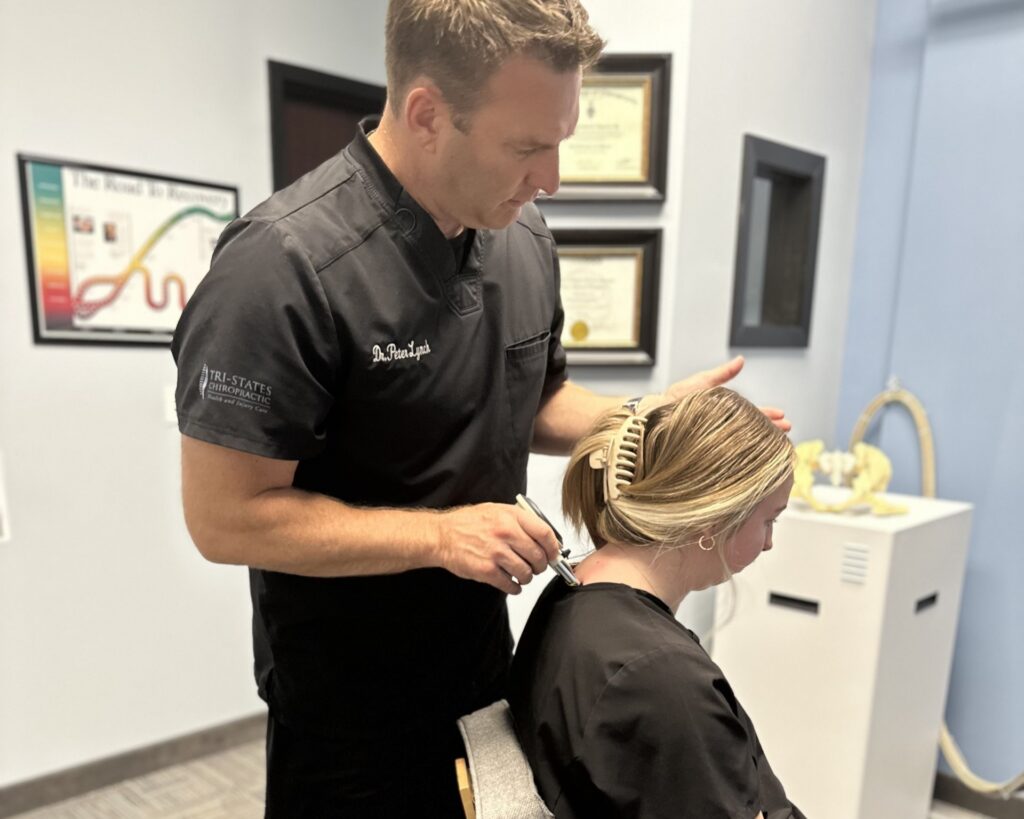
As a local chiropractor, I often see patients who are struggling with back pain and are looking for natural remedies to find relief without the use of medication. I want to share some effective strategies that can help alleviate discomfort and enhance your mobility.
Gentle stretching exercises are a fantastic starting point; they can improve flexibility and reduce tension in your back muscles. Additionally, both heat therapy and cold compresses can be beneficial—heat can relax tight muscles, while cold can reduce inflammation and numb sharp pain.
Herbal remedies and essential oils are also worth considering. Many of my patients have found that these natural solutions can provide added comfort and relief. Furthermore, integrating mindfulness techniques into your daily routine can empower you to manage pain more effectively by helping you stay present and calm.
But with so many options available, how do you determine which methods are best suited for you? Let's dive deeper into these remedies and explore how they can fit into your personalized care plan. Your journey to pain relief is important, and I'm here to guide you every step of the way!
Gentle Stretching Exercises
As a local chiropractor, I want to share with you the significant benefits of incorporating gentle stretching exercises into your routine to relieve back pain. Many people instinctively think that staying still is the best way to cope with discomfort, but in reality, movement can be incredibly beneficial. Stretching enhances flexibility, increases blood circulation, and alleviates muscle tension—all essential components for achieving a more comfortable back.
Let's start with some simple stretches that you can easily incorporate into your day. One of my favorites is the cat-cow stretch. To perform this stretch, get on all fours. As you inhale, arch your back while lifting your head and tailbone towards the ceiling. Then, as you exhale, round your spine and tuck your chin towards your chest. Repeat this sequence several times, and you may feel a significant release in tension throughout your back and core.
Another excellent stretch is the child's pose. Begin by kneeling on the floor and sitting back on your heels, then extend your arms forward and lower your torso. Hold this position for about 20-30 seconds, taking deep breaths. This stretch helps to gently lengthen your spine and can ease tension in your lower back.
Don't overlook the seated hamstring stretch, either. Sit towards the edge of a chair, extend one leg straight out, and gently lean forward while keeping your back straight. This stretch targets tight hamstrings, which can be a contributing factor to your back pain.
Integrating these gentle stretches into your daily routine can significantly enhance your back comfort. Always listen to your body—if something feels off, please stop and adjust accordingly.
With regular practice, you may notice a positive change in your back pain relief, allowing you to enjoy life more fully. Remember, chiropractic care focuses on natural healing, and these stretches are a wonderful complement to your overall wellness journey.
Heat Therapy
As a local chiropractor, I want to introduce you to the benefits of heat therapy, a natural approach that can significantly alleviate back pain and promote relaxation.
When you apply heat to the affected area, it enhances blood circulation, which helps to relax tight muscles and diminish discomfort.
Understanding how to incorporate heat therapy into your routine at home can be an effective way to support your spinal health and overall well-being.
Let's delve into the advantages of heat therapy and how you can use it safely and effectively in your daily life.
Benefits of Heat Therapy
As your local chiropractor, I often recommend heat therapy for those experiencing back pain, and here's why it can be such an effective tool for relief. When you apply warmth to sore muscles, it can significantly ease discomfort and tension. One of the key benefits of heat therapy is its ability to enhance blood circulation to the affected areas. This increased blood flow helps deliver vital nutrients and oxygen, which are essential for healing and reducing stiffness in both muscles and joints.
Heat therapy is also excellent for relaxing tight muscles, a common issue that contributes to back pain. When you apply heat, it calms the muscle fibers, allowing them to stretch and loosen up, which can lead to a noticeable reduction in discomfort. Additionally, the warmth can activate the body's natural pain relief mechanisms, stimulating the release of endorphins that help alleviate feelings of pain.
Moreover, the comforting sensation of warmth can have a positive impact on your overall well-being. It not only helps reduce physical discomfort but also addresses the stress and anxiety that often accompany back pain.
Incorporating heat therapy into your daily routine is simple; whether you choose a warm bath, a heating pad, or a hot water bottle, it can easily fit into your lifestyle.
How to Apply Heat
As a local chiropractor, I want to share with you the importance of applying heat for easing back pain, especially if you're not familiar with chiropractic care and natural healing methods. Understanding how to use heat effectively can significantly enhance your comfort and mobility.
First, let's talk about selecting the right heat source. You have a few options: a heating pad, a hot water bottle, or even a warm towel. If you choose to use a heating pad, it's crucial to set it to low or medium heat to prevent burns and ensure safety.
Next, finding a comfortable position is essential. Whether you prefer to lie down or sit in a supportive chair, make sure your back is well supported. Apply the heat source directly to the affected area for about 15 to 20 minutes. You can repeat this process multiple times throughout the day, allowing your body to rest in between applications to maximize the benefits.
If you're looking for a more holistic approach, consider soaking in a warm bath. The heat from the water can help relax your muscles and promote a sense of well-being. Just remember to limit your time in the bath to avoid dehydration.
Always pay attention to how your body responds. If you notice an increase in pain or discomfort while using heat, remove the source immediately.
Applying heat can be a simple yet effective method to alleviate back pain, and when combined with chiropractic care, it can significantly contribute to your overall health and healing journey.
Cold Compress
As a local chiropractor, I want to share with you an often-overlooked remedy for back pain: the cold compress. Many patients are surprised to learn how effective this simple method can be for alleviating discomfort. By applying a cold compress to the affected area, you can help reduce inflammation and numb sharp pain, making it especially beneficial after an injury or during flare-ups of chronic pain.
To utilize a cold compress effectively, you can wrap ice in a cloth or towel, or opt for a gel pack specifically designed for this purpose. It's important to avoid placing ice directly on your skin to prevent frostbite.
I recommend applying the compress to your back for about 15 to 20 minutes at a time, and allowing your skin to return to its normal temperature between applications. This process can be repeated multiple times throughout the day, particularly in the initial days following an injury.
As you incorporate cold therapy into your pain management routine, pay attention to how your body reacts. If you find that using a cold compress leads to increased pain or discomfort, it may be necessary to adjust how long or how often you use it.
Keep in mind that cold therapy may not be suitable for everyone; if you have circulatory issues or specific skin conditions, I encourage you to consult with a healthcare professional before proceeding.
In addition to alleviating pain, a cold compress can promote relaxation. The cooling sensation can ease tense muscles and provide you with a moment of self-care.
Herbal Remedies
As a local chiropractor, I'm here to help you understand that when it comes to alleviating back pain, herbal remedies can be an excellent complementary option to traditional care. Many patients find relief using natural solutions, and herbs like turmeric and ginger are among the most popular.
These herbs have demonstrated a capacity to reduce inflammation and discomfort, which can be particularly beneficial for those suffering from back pain.
Let me guide you on how to incorporate these herbs into your daily routine effectively. For instance, you might consider adding turmeric to your meals or enjoying ginger tea to harness their soothing properties.
Popular Herbal Options
As a local chiropractor, I want to share some herbal options that can help provide relief from back pain, serving as a natural alternative to traditional over-the-counter medications.
One of the most well-known options is turmeric. This powerful herb is celebrated for its anti-inflammatory properties. The active compound in turmeric, curcumin, has been shown to help reduce pain and swelling. You might consider incorporating turmeric into your meals or taking it as a supplement to enhance your overall wellness.
Another herb that can be quite effective is ginger. Similar to turmeric, ginger is known for its anti-inflammatory effects, which can help alleviate discomfort associated with back pain. You can enjoy a soothing cup of ginger tea or include fresh ginger in your cooking for its beneficial properties.
Willow bark is also worth mentioning, as many people find it helpful for back pain relief. It contains salicin, a compound similar to aspirin, which may aid in reducing pain. However, it's essential to consult with your healthcare provider before trying willow bark, particularly if you're taking other medications.
Lastly, devil's claw is gaining traction for its ability to relieve back pain and inflammation. It's often available in capsule form or as a herbal tea, making it a convenient option for many.
These herbal remedies can be excellent additions to your back pain management routine. However, it's important to listen to your body and consult with a healthcare professional if you have any concerns.
At our chiropractic practice, we believe in a holistic approach to health, combining natural remedies with chiropractic care to help you achieve optimal wellness.
Application Methods Explained
As a local chiropractor, I'm here to help educate you on how different application methods for herbal remedies can complement your back pain relief journey.
One effective approach is creating herbal poultices. By crushing fresh herbs like ginger or turmeric and mixing them with a bit of water, you can form a paste to apply directly to the painful area. This method allows the active compounds in the herbs to penetrate the skin and help alleviate discomfort.
Another option worth considering is the use of herbal-infused oils. You can take oils such as olive or coconut and infuse them with herbs like arnica or cayenne. To do this, simply warm the oil with the herbs for a few hours, strain it, and then apply it directly to your back. This not only helps soothe your pain but also nourishes your skin in the process.
Herbal baths can also be a wonderful way to relieve tension. By adding Epsom salts and herbs like chamomile or lavender to warm water, you can create a relaxing soak. The combination of heat and the herbal properties can significantly promote relaxation and help ease any discomfort you may be feeling.
Lastly, don't overlook the benefits of herbal teas. Drinking soothing teas like peppermint or ginger can assist in reducing inflammation and providing overall relief.
I encourage you to experiment with these different methods to see what resonates with your body, and remember to listen to how your body responds to each treatment. Integrating these natural approaches with chiropractic care can enhance your overall healing experience.
Essential Oils
As a chiropractor, I often recommend exploring natural alternatives for managing back pain, and essential oils have become a popular choice among my patients. These concentrated plant extracts can offer significant relief thanks to their anti-inflammatory and analgesic properties. When applied to the skin, essential oils can penetrate and interact with your body's systems, helping to alleviate discomfort.
Some of the most effective essential oils for relieving back pain that I frequently suggest include lavender, peppermint, eucalyptus, and ginger. Lavender oil is particularly beneficial due to its calming effects, making it an excellent option for relieving tension and stress that could be contributing to your pain.
On the other hand, peppermint oil offers a cooling sensation that can help reduce inflammation and improve blood circulation, often providing quick relief.
To incorporate essential oils into your routine, you can dilute a few drops in a carrier oil such as coconut or jojoba oil and gently massage it into the affected area. Alternatively, you might consider adding essential oils to a warm bath for a soothing soak, or using a diffuser to inhale their calming aromas.
It's important to perform a patch test before applying any oil directly to your skin to ensure you don't have any adverse reactions.
I also encourage patients to experiment with blending different oils for enhanced effects. For example, combining lavender and peppermint can create a powerful mixture that addresses both relaxation and pain relief.
Mindfulness and Meditation
As a local chiropractor, I want to share with you how mindfulness and meditation can significantly enhance your experience of managing back pain, offering a natural and holistic approach. By learning to focus on the present moment, you can shift your attention away from discomfort and cultivate a sense of peace within your body, which is crucial for your overall healing process.
When you practice mindfulness, you develop the ability to observe your thoughts and feelings without judgment. This increased self-awareness helps you identify patterns in your pain and emotional responses. Instead of resisting these sensations, acknowledging them can create space for relaxation and healing. You may find that simply taking deep breaths and tuning into your body can help reduce the intensity of your pain.
Meditation works hand-in-hand with mindfulness, providing a structured method to calm both your mind and body. I recommend starting with just a few minutes each day, focusing on your breath or repeating a calming mantra. Over time, this practice can empower you to gain greater control over your pain.
As you become more familiar with meditation, you'll notice an increased ability to respond to discomfort with calmness and resilience, rather than fear or anxiety.
Incorporating mindfulness and meditation into your daily routine can be an invaluable tool for managing back pain. These practices allow you to take an active role in your healing journey, reducing stress and promoting overall well-being.
Proper Posture Techniques
As a local chiropractor, I want to share some vital information about maintaining proper posture, which plays a crucial role in preventing and alleviating back pain. Many of my patients are surprised to learn how much their daily habits affect their spinal health.
By sitting, standing, and moving with the right alignment, you can significantly reduce the strain on your spine and surrounding muscles. Here are some simple techniques you can integrate into your daily life to improve your posture:
1. Sit Smart: When you're seated, it's important to keep your feet flat on the floor and ensure your knees are at hip level or slightly below. Choose a chair that provides support for your lower back, as this is essential for maintaining the natural curve of your spine.
Be mindful to avoid slumping or leaning forward, as this can lead to muscle tension and discomfort.
2. Stand Tall: When standing, aim to distribute your weight evenly across both feet and keep your shoulders back. Picture a string gently pulling you upward from the top of your head.
This mental image can help you align your spine properly and prevent unnecessary tension in your back.
3. Move Mindfully: Lifting objects correctly is essential for protecting your back. Always bend at your knees rather than your waist. Keep the item close to your body and rely on your legs to lift rather than straining your back.
This technique not only helps prevent injury but also encourages good posture throughout your day.
By incorporating these techniques into your routine, you can take proactive steps toward a healthier spine and overall well-being.
If you have any questions about how chiropractic care can further support your posture and spinal health, don't hesitate to reach out!
Conclusion
As a local chiropractor, I want to share some effective natural remedies that can significantly alleviate back pain and enhance your overall well-being. Many of my patients have found relief through gentle stretching exercises, heat therapy, and herbal treatments, all of which can help improve flexibility and strengthen the body.
It's also important to incorporate mindfulness practices and maintain proper posture throughout your daily activities. These techniques not only support your journey towards a pain-free life but also promote better spinal health. I encourage you to explore these remedies and consider how they can fit into your daily routine. Together, we can work towards achieving a healthier, pain-free lifestyle!