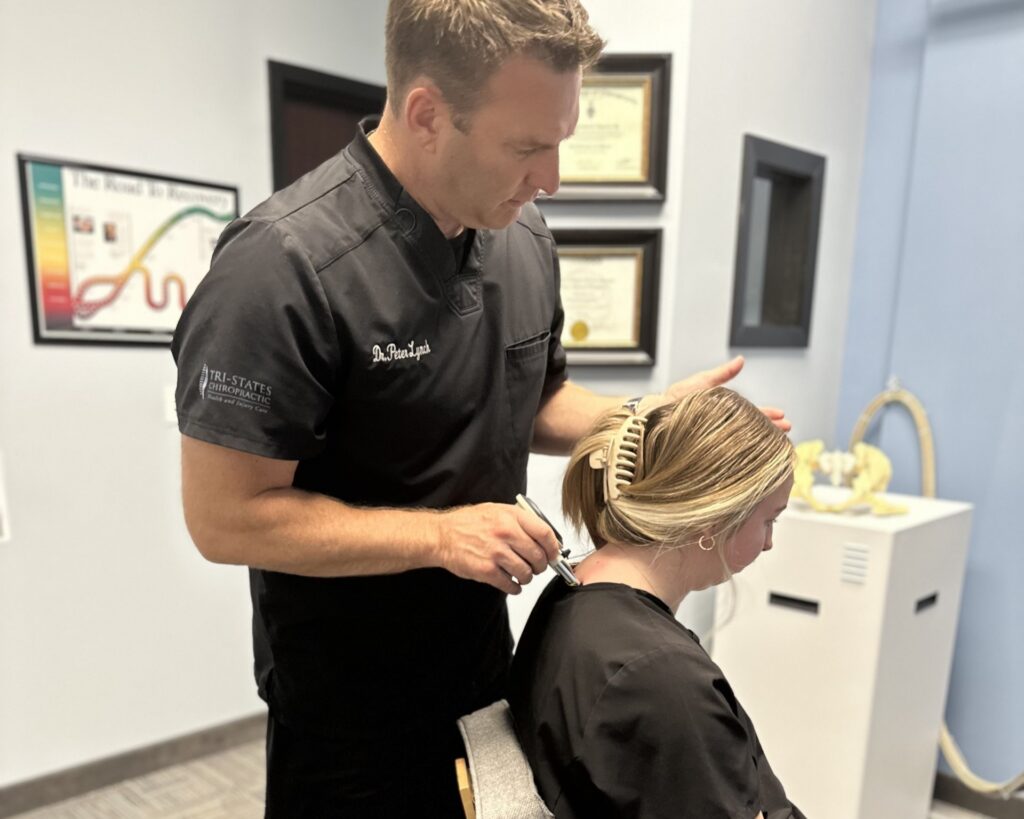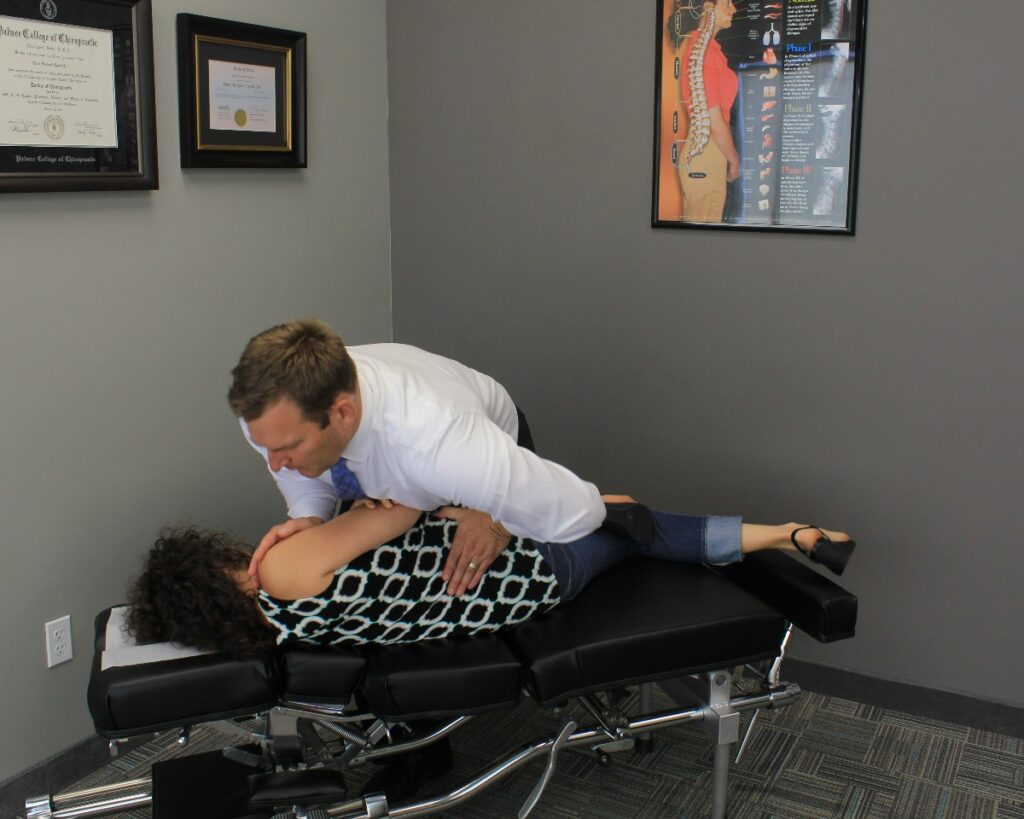
If you're dealing with back pain, I want you to know that you're not alone, and there are natural techniques that can provide effective relief. As a chiropractor, I've seen firsthand how gentle stretching exercises and heat therapy can alleviate both the symptoms and the root causes of discomfort. It may surprise you to learn how mindfulness practices and maintaining proper posture can significantly enhance your overall well-being.
As you consider incorporating these techniques into your daily routine, I encourage you to explore how each one can benefit you not just in the short term, but for your long-term health as well. Understanding these natural methods can empower you to take control of your back pain and improve your quality of life. Let's work together to find the best approach tailored to your needs.
Gentle Stretching Exercises
As a chiropractor, I often see patients struggling with back pain, and I'd like to share how gentle stretching exercises can be incredibly beneficial for easing discomfort.
These simple movements not only enhance flexibility but also help reduce muscle tension and promote better posture, all of which are essential for alleviating back pain.
You don't need to commit to an extensive exercise routine; even a few basic stretches can yield significant improvements in your overall well-being.
Let's start with a simple standing stretch. Stand up straight with your feet shoulder-width apart. Slowly reach your arms overhead towards the sky while taking a deep breath. Hold this position for a few seconds, and notice the stretch along your sides.
Next, gently lean to one side, feeling the stretch through your obliques, and then switch to the other side and repeat.
Another effective stretch is the seated forward bend. Sit on the floor with your legs extended straight in front of you. As you inhale deeply, prepare to bend forward from your hips as you exhale, reaching towards your toes.
It's perfectly fine if you can't touch them—go as far as you comfortably can. This stretch is particularly helpful for relieving tension in the lower back.
Lastly, I recommend incorporating the cat-cow stretch into your routine. Start on your hands and knees, ensuring your wrists are directly under your shoulders and your knees under your hips.
Inhale as you arch your back and look up (the cow position), then exhale as you round your spine and tuck your chin to your chest (the cat position). Flow through this sequence several times to help release any built-up tension in your back.
I encourage you to incorporate these gentle stretches into your daily routine. By doing so, you may experience relief from back pain while also improving your overall mobility and well-being.
Heat Therapy
As a local chiropractor, I want to share with you the incredible benefits of heat therapy for relieving back pain. This natural approach utilizes soothing warmth to help alleviate tension in your muscles and enhance blood circulation.
It's crucial, however, to understand how to safely apply heat to ensure you gain the maximum benefits and prevent any potential harm.
There are various heat sources you can use, such as heating pads, warm towels, or even a hot water bottle. Each method can provide effective relief, but it's important to know the best practices for application.
Allow me to guide you through the different options and how to incorporate them into your pain management routine. Together, we can explore how heat therapy complements other chiropractic treatments to support your overall health and well-being.
Benefits of Heat Therapy
As a local chiropractor, I often see patients seeking relief from back pain, and one effective, natural technique I recommend is heat therapy. Many individuals find that applying heat to their back can provide significant relief. This method works by increasing blood flow to the affected area, which helps to relax tight muscles and ease discomfort. Enhanced circulation not only promotes healing but also reduces stiffness, making it easier for you to move freely.
Heat therapy is incredibly versatile; you can use heating pads, hot water bottles, or even warm towels to deliver soothing warmth to your back. It's a convenient option that can easily be incorporated into your daily routine, whether you're at home or out and about.
Plus, it's generally safe and avoids the potential side effects associated with medications.
Another compelling aspect of heat therapy is its ability to enhance your overall sense of well-being. The comforting warmth can help to alleviate stress and anxiety, which often accompany chronic pain. By taking the time to care for your back, you're not only addressing the pain but also investing in your overall health and wellness.
If you're experiencing back pain, I encourage you to consider heat therapy as a valuable part of your self-care routine. It's a simple yet effective way to support your healing journey and improve your quality of life.
Applying Heat Safely
As a local chiropractor, I want to emphasize the importance of applying heat safely to maximize your recovery and comfort.
When considering heat therapy for relief, it's essential to start with a heat source that feels comfortable—not too hot—to avoid burns or skin irritation. Always place a barrier, such as a towel or cloth, between the heat source and your skin to prevent direct contact.
I recommend limiting your heat application to about 15-20 minutes at a time. This duration is ideal for allowing your muscles to relax while avoiding the risk of overheating or discomfort. If you start to feel any pain or excessive heat, please remove the source immediately.
During your treatment, be sure to check your skin periodically. Look for any redness or signs of irritation, and if you notice anything unusual, stop the treatment right away.
Staying hydrated before and after applying heat is also important, as it can support your body's recovery process.
Lastly, please avoid using heat therapy on any swollen or inflamed areas, as this can worsen those conditions.
Types of Heat Sources
As a local chiropractor dedicated to helping you understand natural healing methods, I want to share some effective heat therapy options for relieving back pain. The right heat source can greatly enhance your comfort and aid in your recovery process.
Here are three popular options to consider:
- Heating Pads: These are an excellent choice for targeted heat application. You can find both electric and microwaveable heating pads, which provide consistent warmth to your back. Just a quick reminder to use them in moderation—avoid prolonged exposure to prevent any risk of burns.
- Hot Water Bottles: A timeless remedy, hot water bottles offer a simple way to apply heat directly to the painful area. Fill the bottle with warm water, wrap it in a towel for added protection, and place it on your back. This method isn't only soothing but also allows you to easily adjust the temperature to what feels best for you.
- Warm Baths: Taking a warm bath can be incredibly beneficial for relaxing tense muscles and soothing back pain. For added relief, consider incorporating Epsom salts into your bath. Just be cautious with the water temperature; it should be warm, but not so hot that it causes discomfort or overheating.
By incorporating these heat therapy methods into your routine, you may find significant relief from back pain.
As always, if you have any questions or need further guidance, feel free to reach out during your next visit. Your comfort and health are my top priorities!
Cold Therapy
As a local chiropractor, I want to share with you how cold therapy can be an effective method for alleviating back pain.
This natural approach works by reducing inflammation and numbing sharp sensations, providing you with much-needed relief.
I'll guide you through effective application techniques to ensure you can make the most of this therapy.
Together, we'll explore how to seamlessly incorporate cold therapy into your pain management routine, helping you move towards a healthier, pain-free lifestyle.
Benefits of Cold Therapy
As a local chiropractor, I often emphasize the importance of natural healing methods for pain management, including the use of cold therapy for back pain. This technique can be particularly effective, especially in the initial stages of an injury or flare-up.
Cold therapy not only alleviates discomfort but also plays a crucial role in the healing process. Let me share three key benefits of incorporating cold therapy into your pain management routine:
- Reduces Swelling: When you apply cold therapy, it causes blood vessels to constrict. This process reduces blood flow to the injured area, which in turn minimizes swelling and inflammation. This is especially beneficial right after an injury occurs, as it can help prevent further complications.
- Numbs Pain: The cooling effect of cold therapy can significantly dull the pain signals that travel to your brain. This numbing sensation can provide you with the relief needed to move more freely and engage in daily activities without the burden of pain.
- Promotes Recovery: By effectively managing both inflammation and pain, cold therapy can accelerate your recovery. When you experience less discomfort, you can return to your normal routine sooner, enjoying the activities you love without interruption.
Incorporating cold therapy into your self-care regimen can be a simple yet powerful way to support your healing journey.
If you have any questions about how to use cold therapy effectively or want to learn more about chiropractic care, feel free to reach out!
Application Techniques Explained
As a local chiropractor, I want to share with you a simple yet effective technique for finding relief from back pain: cold therapy. This method can be incredibly beneficial, especially if you're new to chiropractic care and natural healing.
To get started, you'll want to gather a few materials: a cold pack, some ice wrapped in a towel, or even a bag of frozen peas will do just fine. If you opt for a cold pack, be sure it's not too chilly to prevent any risk of frostbite.
When you're ready, apply your chosen cold source directly to the area where you're feeling pain for about 15 to 20 minutes. It's important to place a thin cloth between the cold pack and your skin to avoid any irritation. During this time, you should feel a soothing numbing sensation, which can help reduce inflammation and ease your discomfort.
Remember to take breaks between applications—allowing about an hour in between is ideal. This gives your skin a chance to return to its normal temperature. If you're using ice, make sure not to leave it on for more than 20 minutes at a time.
Feel free to repeat this process several times throughout the day, especially after any activities that seem to aggravate your pain. While cold therapy can be quite effective, always listen to your body. If you experience increased discomfort, please stop and consider reaching out to a healthcare professional for further guidance.
I hope you find this technique helpful in alleviating your back pain, and remember, understanding your body and its responses is a crucial part of the healing journey.
Mindfulness and Meditation
As a local chiropractor, I often see how incorporating mindfulness and meditation into your daily routine can significantly ease back pain. These practices promote awareness of your body and its sensations, enabling you to alleviate stress and tension that may contribute to discomfort.
By calming your mind and focusing your thoughts, you can create a serene environment that fosters healing.
Here are three effective mindfulness and meditation techniques that I recommend for my patients:
- Body Scan Meditation: Start by lying down comfortably and closing your eyes. Begin at your toes and gradually shift your focus to each part of your body, paying attention to any sensations or areas of tension. This practice not only encourages relaxation but also helps you become aware of where you might be holding stress, which is crucial for recovery.
- Breathing Exercises: Find a quiet space where you can concentrate. Take deep, slow breaths—inhale deeply through your nose, allowing your abdomen to expand, then exhale gently through your mouth. This fundamental exercise can promote relaxation and relieve muscle tension, which is essential for alleviating back pain.
- Mindful Movement: Consider engaging in gentle activities such as yoga or tai chi. These practices encourage you to focus on your breath and movements, enhancing flexibility and strength while fostering mindfulness. Staying present and connected to your body can greatly support your healing journey.
By integrating these mindfulness and meditation techniques into your routine, you're not only addressing back pain but also enhancing your overall well-being.
As a chiropractor, I encourage you to explore these natural healing methods alongside your chiropractic care for optimal results.
Herbal Remedies
As a local chiropractor, I want to share some insights on how you can find relief from back pain through natural remedies, specifically herbs. Many patients are often surprised to learn how effective certain herbs can be in alleviating discomfort, offering a complementary approach to traditional chiropractic care.
Herbs like turmeric, ginger, and devil's claw are particularly noteworthy for their anti-inflammatory properties, which can help reduce pain and swelling in your back. Turmeric, for instance, contains curcumin, a powerful compound known for its anti-inflammatory benefits. Incorporating turmeric into your diet—whether through cooking or as a supplement—can provide significant relief over time as it helps combat inflammation.
Ginger is another fantastic option. Not only does it help reduce inflammation, but it also promotes circulation, which is essential for healing your back. You might consider enjoying ginger tea or adding fresh ginger to your meals to reap its full benefits.
Then there's devil's claw, a lesser-known herb that has shown promise in treating back pain. Available in capsules or liquid extract, it may help reduce pain and improve your mobility. However, it's essential to consult with your healthcare provider before starting any new herbal regimen, particularly if you're taking medication or have existing health conditions.
In addition to these herbal remedies, don't overlook the benefits of topical applications. Herbal-infused oils or creams, such as arnica or eucalyptus, can provide localized relief when massaged into sore areas.
While these herbal options can be effective for many, it's important to remember that they may not work for everyone. As your chiropractor, I encourage you to listen to your body and find the right combination of treatments that work for you, including chiropractic adjustments and natural remedies.
Together, we can create a holistic approach to your back pain relief.
Proper Posture
As a local chiropractor, I want to emphasize the importance of maintaining proper posture for not only preventing but also alleviating back pain.
When you sit, stand, or move with correct alignment, you significantly reduce the strain on your spine and the surrounding muscles. This practice not only eases discomfort but also enhances your overall well-being.
Here are three essential tips to help you improve your posture:
- Sit Smart: When working at a desk, ensure your feet are flat on the floor and your knees are bent at a right angle. It's vital to use a chair that provides support for your lower back. Keep your shoulders relaxed, avoiding any slouching, and position your screen at eye level. This prevents you from leaning forward and straining your neck.
- Stand Tall: When you're on your feet, make sure to distribute your weight evenly across both feet. Keep your shoulders back and your head directly aligned over your spine. Visualize a string gently pulling your head upwards; this mental image can help you maintain a straight and confident posture.
- Move Mindfully: Whether you're lifting heavy items or simply reaching for something on a shelf, it's crucial to be aware of your body mechanics. Always bend at your hips and knees instead of your back, and keep objects close to your body to reduce strain.
By implementing these strategies, you can significantly improve your posture, which is a key component of maintaining a healthy spine and overall body function.
If you have any questions or need personalized guidance, feel free to reach out!
Regular Physical Activity
As your local chiropractor, I want to emphasize the importance of regular physical activity for maintaining a healthy and pain-free back. Engaging in consistent exercise not only strengthens the muscles that support your spine but also improves your flexibility and posture. These elements are crucial in reducing the likelihood of experiencing back pain.
Incorporating a diverse range of activities into your routine can offer significant benefits. I recommend aiming for a combination of aerobic exercises, such as walking or swimming, alongside strength training and stretching. Aerobic exercises enhance blood flow to your muscles, aiding in their recovery and strength.
Meanwhile, strength training focused on your core, back, and leg muscles provides essential support for your spine. And don't overlook the power of stretching exercises; they play a vital role in improving flexibility, which is key to preventing injuries.
Consistency is paramount. I suggest setting aside at least 30 minutes a day for moderate physical activity. If you're just starting your exercise journey, it's important to begin slowly and gradually increase both the intensity and duration of your workouts. Always listen to your body—if you encounter pain, it's crucial to adapt your activities.
Practices like yoga or Pilates can be particularly beneficial, as they focus on developing core strength and flexibility, both of which are essential for spinal health.
Conclusion
As a local chiropractor, I want to share with you some effective natural techniques that can help alleviate back pain and enhance your overall well-being. Many people are not familiar with the benefits of chiropractic care and natural healing, but incorporating these strategies into your routine can make a significant difference.
First, gentle stretching is essential. It helps to keep your muscles flexible and reduces tension in your back. Alongside stretching, utilizing heat and cold therapy can provide immediate relief; heat soothes tight muscles while cold can reduce inflammation.
Mindfulness practices, such as meditation or deep breathing, can also play a crucial role in managing pain. They help you stay centered and reduce stress, which can exacerbate discomfort.
Don't underestimate the power of herbal remedies; certain herbs can help reduce inflammation and promote healing. Additionally, maintaining proper posture is vital. As a chiropractor, I often emphasize the importance of alignment in everyday activities to prevent strain on your back.
Regular physical activity is another key component. Not only does it strengthen your back, but it also improves flexibility and overall function. Incorporating these natural techniques into your daily life can lead you towards a healthier, pain-free back. If you have any questions or need guidance, feel free to reach out—I'm here to help you on your journey to wellness!