As a local chiropractor, I understand the unique challenges faced by children with ADHD and the importance of finding effective relief strategies. Many families are seeking ways to support their child's well-being, and I'm here to share some practical approaches that can complement traditional treatments.
One of the key strategies is establishing consistent routines. This can create a sense of stability and predictability for your child, which is vital in managing ADHD symptoms. Additionally, breaking tasks into smaller, manageable steps can help reduce feelings of overwhelm and promote focus.
Physical activity is another essential component. Regular exercise not only helps with energy release but also aids in improving concentration and mood. Incorporating mindfulness techniques, such as deep breathing or gentle stretching, can further enhance mental clarity and emotional regulation.
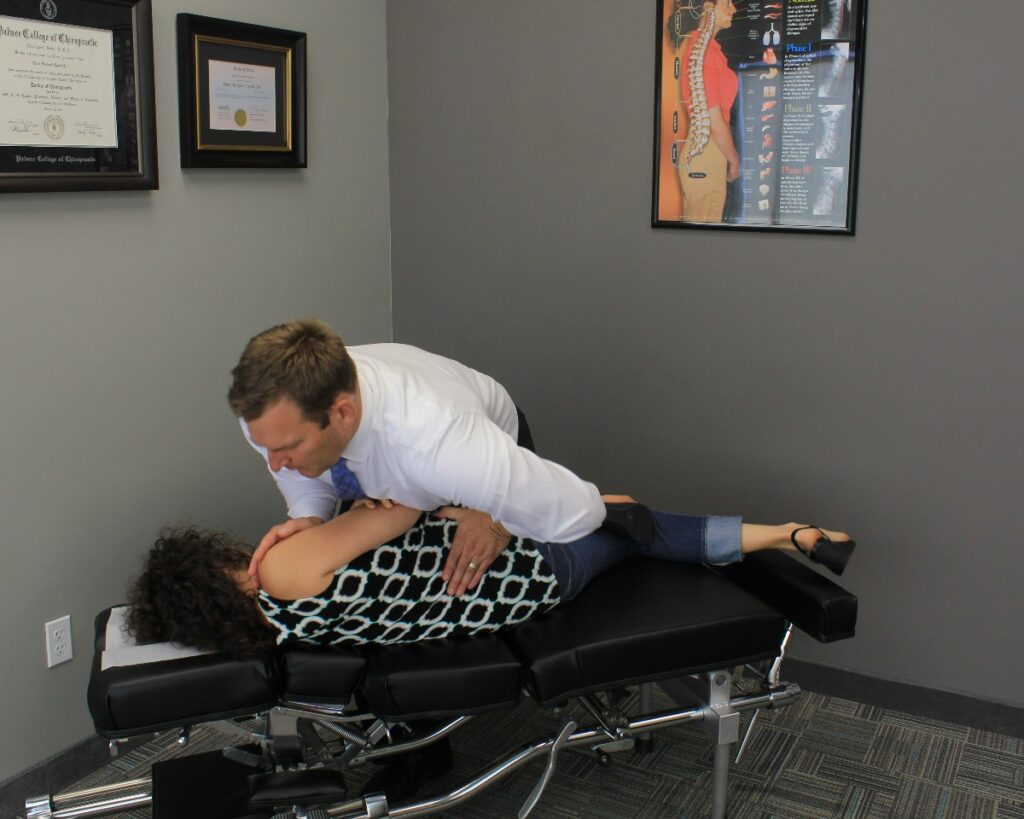
While chiropractic care may not be the first thing that comes to mind for ADHD, it can play a supportive role in promoting overall health and wellness. By addressing any physical discomfort or misalignments in the spine, chiropractic adjustments can help improve your child's nervous system function, which may positively impact their ability to focus and regulate emotions.
These strategies are just the beginning of what we can explore together. If you're interested in learning more about how chiropractic care and natural healing can support your child in thriving every day, I'm here to help guide you on this journey.
Establish Consistent Routines
Establishing consistent routines is an essential part of nurturing your child's well-being, especially for those with ADHD. As a local chiropractor, I often see how the physical and emotional stability provided by predictable schedules can significantly benefit children. When your child knows what to expect throughout the day, it helps reduce anxiety and boosts their confidence, which is vital for their overall health.
Start by creating a daily routine that encompasses various activities, including homework, chores, meals, and relaxation periods. Consistency is crucial, so aim to maintain the same schedule even on weekends to reinforce that stability.
Morning routines hold particular importance. Consider implementing a checklist to guide your child through their morning tasks, from brushing their teeth to packing their school bag. Visual aids, such as charts, can be incredibly effective in helping them stay on track. Using colorful stickers or magnets can also make completing tasks more engaging and rewarding.
In the evenings, it's beneficial to establish a winding-down routine that signals it's time to relax. This might involve reading together or discussing the day's events. Creating a calm environment can help your child transition into bedtime more smoothly, which is essential for restorative sleep and overall health.
Involving your child in the planning process is a great way to foster ownership over their routine. Ask for their input on what activities they would like to include. When they feel a sense of control, they are more likely to adhere to the schedule.
Lastly, patience is key. It may take some time for your child to adapt to a new routine, but with consistency, you're likely to observe improvements in their focus and behavior. Remember, establishing routines not only assists your child in navigating their day but also fosters a sense of security and independence, contributing positively to their physical and emotional health. As a chiropractor, I encourage you to consider how these practices can complement your child's overall well-being and support their natural healing journey.
Break Tasks Into Smaller Steps
Breaking tasks into smaller steps can significantly enhance the experience for individuals dealing with ADHD, including children, and it's a principle that can also be applied when considering your chiropractic care journey. At our practice, we believe that just like managing complex tasks, your path to wellness can be made smoother by breaking it down into manageable parts.
To start, identify your overall health goal. For instance, if you're seeking relief from back pain, we can break this down into specific actions. You might start with an initial consultation, followed by a personalized treatment plan, and then gradually incorporate exercises and lifestyle changes. Each time you complete a step in your treatment, you'll feel a sense of accomplishment, which can motivate you to continue making progress.
We encourage you to prioritize these steps based on what feels most comfortable or beneficial for you. This flexibility allows you to be actively involved in your healing process, fostering a sense of independence as you take charge of your health.
Using checklists can be a powerful tool in this journey. We can help you outline each step of your treatment plan, and you can check off items as you complete them. This visual representation of progress can be incredibly motivating and rewarding. Moreover, it helps you stay organized and focused on your wellness goals.
Lastly, we are here to provide you with the patience and support you need. We celebrate every achievement, no matter how small, because positive reinforcement builds your confidence and encourages you to continue working toward your health goals. By breaking down your treatment into manageable steps and providing ongoing support, we empower you to manage your health effectively and achieve a better quality of life through chiropractic care and natural healing.
Use Visual Aids and Timers
As a local chiropractor, I often see how visual aids and timers can significantly benefit children with ADHD, helping them remain focused and organized—much like how we aim to provide structure in spinal health. By incorporating clear visual cues into their daily routines, we can enhance their ability to complete tasks and stay on track. For instance, using charts, graphs, or checklists can simplify daily activities or school assignments, breaking them down into manageable parts. When children see their progress visually, it not only boosts their motivation but also fosters a sense of accomplishment.
In my practice, I've found that using timers can be a game changer. They instill a sense of urgency and help kids understand how much time they have for specific tasks—similar to how we encourage patients to manage their treatment schedules. For example, setting a timer for 15 minutes can encourage your child to focus on homework or other activities without distractions. When the timer rings, they can take a brief break before returning to their work. This method not only aids in time management but also teaches them to pace themselves effectively.
Additionally, colorful sticky notes or posters can serve as reminders for important tasks or deadlines. Placing these visual prompts in strategic locations—like on a desk or near the front door—can reinforce their responsibilities, just as we remind our patients of the importance of regular adjustments and self-care. By integrating these visual aids and timers into their daily lives, you're equipping your child with the tools they need to overcome challenges more effectively.
I encourage you to try out different types of aids and see what resonates best with your child. And remember, just as we celebrate progress in chiropractic care, it's essential to acknowledge and celebrate your child's achievements along their journey.
Incorporate Physical Activity
As a local chiropractor, I want to emphasize the significant role that regular physical activity can play in managing ADHD symptoms in children. Encouraging your child to engage in daily exercise routines and outdoor playtime is not just about burning off excess energy; it can also enhance their focus and improve their mood. By integrating these activities into their daily routine, you are fostering a healthier and more vibrant environment for your child to thrive in. Remember, chiropractic care complements these lifestyle changes by supporting overall wellness and proper body alignment, which can further enhance their physical and mental well-being. Let's work together to create a holistic approach to your child's health!
Daily Exercise Routines
As a local chiropractor, I want to emphasize the importance of incorporating daily exercise into your child's routine, especially for those managing ADHD. Regular physical activity plays a crucial role in enhancing focus and behavior, which can significantly support your child's well-being. Engaging in exercise helps release pent-up energy and reduces impulsivity, leading to improved concentration both in school and at home.
I recommend aiming for at least 30 minutes of exercise each day. This can be informal and doesn't need to follow a strict regimen; it can include activities like playing tag, riding a bike, or dancing to their favorite songs. The key is to identify activities that your child enjoys, as this will keep them motivated and eager to participate. You might also explore enrolling them in team sports, which not only provide exercise but also impart valuable lessons in teamwork and discipline.
In addition to structured exercise, consider incorporating short bursts of activity throughout the day, particularly during homework breaks. These brief physical interludes can help reset focus and alleviate frustration. Establishing a routine for exercise is vital; consistency is essential to making it a regular part of their day.
As a chiropractor, I understand the interconnectedness of physical health and overall well-being. Celebrate your child's achievements in physical activity, no matter how small, to boost their confidence and encourage ongoing participation. By prioritizing daily exercise, you can help your child effectively manage their ADHD symptoms, promoting a healthier, more balanced lifestyle.
Outdoor Playtime Benefits
As a local chiropractor, I want to share the incredible benefits of outdoor playtime, especially for children with ADHD. When the sun is shining, taking your child outside not only promotes physical activity but also supports their overall well-being. Engaging in activities like running and jumping helps to release pent-up energy, which can significantly improve focus and concentration.
The natural light found outdoors plays a crucial role in enhancing mood by boosting serotonin levels, potentially alleviating feelings of restlessness. Additionally, the fresh air and serene environment of nature can serve as a calming influence, helping your child unwind after a busy day.
Outdoor play also provides a fantastic opportunity for socialization. Interacting with peers while participating in games helps children develop essential social skills, including cooperation and teamwork. This aspect is vital for their emotional health and can contribute to a more balanced state of mind.
Consider structuring activities such as soccer or Frisbee, or simply allowing your child to explore a local park. This approach not only encourages physical movement but also fosters independence and decision-making skills, both of which are important for their development.
Incorporating regular outdoor play into your child's routine can significantly enhance their overall health and well-being, making it an invaluable component in managing ADHD symptoms. So, I encourage you to grab a ball or scooter and head outside—your child will reap the benefits, and you may find that it positively impacts their overall health as well!
Practice Mindfulness and Relaxation
As a local chiropractor, I want to emphasize the importance of mindfulness and relaxation techniques, especially for children with ADHD. Incorporating simple breathing exercises can significantly help in calming the mind, while guided imagery exercises can enhance creativity and imagination. These natural approaches not only alleviate stress but also contribute to improved focus and overall well-being. By integrating mindfulness into daily routines, we can promote a healthier lifestyle and support the natural healing processes of the body.
Breathing Techniques
As a local chiropractor, I want to share how breathing techniques can be an effective approach for children with ADHD to help manage their emotions and improve focus, alongside the benefits of chiropractic care. By incorporating mindful breathing into your routine, you can learn to calm both your mind and body, especially during overwhelming moments.
To get started, find a comfortable space where you can either sit or lie down. You may choose to close your eyes. Then, take a deep breath in through your nose, counting to four. Hold that breath briefly, and then exhale slowly through your mouth, counting to six. This simple exercise not only helps in slowing down your heart rate but also promotes a sense of control and well-being.
Another effective technique is the "5-4-3-2-1" method. Begin with a deep breath and then identify five things you can see, four things you can touch, three things you can hear, two things you can smell, and one thing you can taste. This grounding exercise helps redirect your attention from chaos back to the present moment, which is crucial for emotional regulation.
I encourage you to practice these breathing techniques regularly, even when you're not feeling stressed. Just like chiropractic adjustments can realign your body and improve overall function, consistent practice of mindful breathing can enhance your ability to manage emotions and focus, making it an invaluable tool in your wellness journey. Remember, integrating simple yet effective techniques like these into your daily life can bring greater calm and balance.
Guided Imagery Exercises
As a local chiropractor dedicated to promoting natural healing and overall wellness, I want to share some effective techniques that can help enhance relaxation and focus, particularly for children with ADHD. One of the methods I highly recommend is guided imagery exercises, which can complement other natural healing practices like mindful breathing.
To begin, it's essential to find a peaceful environment where you can feel comfortable and free from interruptions. Close your eyes and take a few deep breaths, similar to the mindful breathing techniques we've discussed in our sessions. Now, I encourage you to envision a serene place that brings you joy and tranquility. This could be a beautiful beach, a warm cabin nestled in the woods, or perhaps an enchanting garden filled with vibrant flowers.
As you create this mental image, pay close attention to the details. Consider what you can see, the sounds surrounding you, and sensations like the sun's warmth on your skin or a gentle breeze brushing by. Allow yourself to fully immerse in this experience, letting any stress or distracting thoughts fade away.
I suggest practicing guided imagery for a few minutes each day. This technique can be incredibly beneficial in managing thoughts, reducing anxiety, and enhancing concentration, especially for children. When combined with mindful breathing, you're equipping yourself with powerful strategies for achieving greater calm and focus in your daily life.
Limit Distractions in Environment
Creating a distraction-free environment is crucial for children with ADHD, and as a local chiropractor, I want to emphasize how this can also impact their overall well-being and healing process. To begin, it's essential to declutter their workspace. A clean and organized area not only helps kids focus but also reduces stress, which can influence their physical health. Encourage parents to remove unnecessary items from their child's desk, keeping only the essentials like notebooks, pencils, and specific materials needed for their tasks.
Next, consider the noise level in their environment. Just as with adjustments to spinal alignment, the right noise level can help create a balanced atmosphere. Some children may work better in silence, while others might thrive with gentle background music. It's important to experiment to find what best supports their focus. If noise becomes a significant distraction, noise-canceling headphones can be a helpful tool to block out disruptive sounds.
Lighting is another factor that can affect both concentration and physical comfort. Natural light is often the most beneficial, so positioning their workspace near a window can be advantageous. When that's not feasible, opt for soft, warm lighting to create a relaxing environment. Harsh fluorescent lights can not only distract but may also contribute to anxiety and discomfort, making it harder for children to concentrate effectively.
Limiting digital distractions is also vital. If your child uses a computer or tablet for their tasks, consider installing applications that restrict access to distracting websites during study periods. Encourage short breaks to prevent burnout, but be mindful that these breaks don't turn into extensive distractions. Using a timer to manage focused work sessions and break times can foster discipline, which is beneficial for both mental and physical health.
Finally, establishing a routine can provide structure that helps children with ADHD feel more secure and focused. Just as consistent chiropractic care can improve spinal health, a consistent routine can enhance a child's ability to thrive in their tasks. By creating a distraction-free environment, you are not just supporting their concentration; you are also contributing to their overall wellness and success in life.
Encourage Healthy Sleep Habits
As a local chiropractor, I often see how important quality sleep is for children, especially those with ADHD. Poor sleep can worsen symptoms and impact daily activities. It's crucial to foster healthy sleep habits to support your child's overall well-being.
One of the best ways to start is by establishing a consistent bedtime routine. This routine signals to your child's body that it's time to wind down and prepare for rest. Aim to set the same bedtime every night, even on weekends, to help regulate their internal clock.
Creating a calming bedroom environment is also essential. Keep the room dark, quiet, and cool. If outside noises are an issue, consider using blackout curtains or a white noise machine. A comfortable bed, free from distractions like electronic devices, is vital for a restful night. I recommend limiting screen time at least an hour before bed, as the blue light from screens can interfere with melatonin production, which is crucial for sleep.
Encouraging relaxing pre-sleep activities can significantly benefit your child's ability to settle down. Activities like reading a book, listening to soft music, or practicing deep-breathing exercises can help soothe their mind and prepare them for sleep.
Lastly, it's important to discuss avoiding caffeine and heavy meals close to bedtime. These can disrupt sleep and make it more challenging for your child to relax and fall asleep. By incorporating these healthy sleep habits, you can help your child achieve the restorative sleep they need for optimal functioning.
Foster Open Communication
Fostering open communication is essential for supporting your overall well-being, especially if you're navigating challenges like ADHD. As a chiropractor, I encourage you to express your feelings about your health and any concerns you may have. It's important for me to actively listen to you, showing that I'm engaged in your journey toward better health. Additionally, I pay close attention to nonverbal cues, as they often reveal deeper insights into your well-being that words may not fully capture. Together, we can create a dialogue that helps you feel understood and enhances your path to natural healing.
Encourage Honest Expression
Encouraging children with ADHD to express themselves honestly can significantly enhance their emotional well-being, and as a chiropractor, I see the connection between emotional health and physical health. When we create a safe space for kids to share their thoughts and feelings, we support not only their emotional development but also their overall physical health.
Start by genuinely engaging with them. Ask open-ended questions that invite deeper conversations, letting them know their opinions and feelings are valued. It's crucial to listen without interrupting or jumping to conclusions; allow them to complete their thoughts. This practice not only nurtures honest expression but also strengthens the bond between you and the child, which can have a positive impact on their physical health.
Validating their feelings is key, even when they express difficult emotions. When children know they can share without fear of judgment, they're more inclined to open up. Encourage them to articulate their frustrations, fears, or joys—whatever they are experiencing. This honest communication can lead to better coping strategies, which can alleviate stress and tension in the body.
Active Listening Techniques
Creating a welcoming environment for open discussions naturally highlights the importance of active listening techniques in chiropractic care. When speaking with patients, it's crucial to focus intently on their concerns without any interruptions. Demonstrating genuine interest by nodding or using affirmations such as "I understand" or "Please continue" encourages them to share more about their experiences and symptoms.
It's equally important to minimize distractions during these conversations. Turning off background music, putting away your phone, and giving your full attention signifies that their health and thoughts are valued, fostering a deeper connection. If patients find it challenging to describe their discomfort, consider asking open-ended questions. Instead of saying, "Is your back hurting?" you might ask, "Can you tell me more about how your back feels today?" This approach invites them to provide a fuller picture of their situation.
Additionally, paraphrasing their responses can be incredibly helpful. For example, if a patient mentions feeling tightness in their shoulders, you could respond with, "So, you're experiencing some tension in your shoulders?" This not only validates their feelings but also demonstrates that you are actively engaged in understanding their health concerns. By employing these active listening techniques, you can enhance your patient's experience and contribute positively to their journey toward natural healing.
Nonverbal Communication Cues
As a local chiropractor, I want to emphasize the importance of nonverbal communication cues in our practice. These cues are vital for building a connection and fostering open communication with you, my patients. It's essential for me to be aware of my body language, facial expressions, and eye contact, as these signals can significantly influence how you receive the information I share about chiropractic care and natural healing. For instance, when I maintain eye contact, it reflects my engagement and genuine interest in your well-being. On the other hand, if I were to cross my arms, that could unintentionally signal defensiveness or disinterest.
When I work with children, particularly those with ADHD, creating a supportive atmosphere is even more crucial. I utilize positive gestures, such as nodding, to encourage them to express their feelings and concerns about their health. I'm also attentive to their nonverbal cues. If a child appears restless or avoids eye contact, it might indicate they are feeling overwhelmed or distracted. Recognizing these signs allows me to adjust my approach to better suit their needs.
Additionally, I pay close attention to my tone of voice. A warm and calm tone can provide reassurance and help children feel more comfortable during their visits. Remember, nonverbal cues often convey more than words ever could. By being mindful of my own nonverbal communication and being attentive to yours, I aim to create a welcoming and trusting environment that promotes effective communication about your chiropractic care and the benefits of natural healing.
Utilize Positive Reinforcement
Positive reinforcement is a fantastic approach to help children, especially those with ADHD, thrive, and it can also be beneficial in understanding how chiropractic care can support their overall well-being. As a local chiropractor, I want to share how focusing on the positives can create a nurturing environment for both children and adults seeking natural healing.
When we emphasize the benefits of chiropractic care and celebrate every small improvement in our patients' health, we foster a sense of motivation and confidence. Instead of only discussing discomfort or limitations, let's highlight the achievements, whether it's improved mobility, reduced pain, or better focus after an adjustment. Recognizing these successes encourages individuals to continue seeking care and maintaining a healthy lifestyle.
It's important to set clear health goals for your journey. When you meet these objectives, I encourage you to reward yourself—perhaps with a healthy treat or some relaxation time. Immediate and specific recognition of your progress, like acknowledging how much better you feel after a session, reinforces those positive changes and inspires you to keep moving forward.
Additionally, we can create a visual representation of your health journey, such as a progress chart. This tool can help you track milestones in your chiropractic care, giving you a sense of ownership and pride in your recovery process. As you see your achievements accumulate, your self-esteem will grow, motivating you to continue prioritizing your health and wellness.
Seek Professional Support
Exploring chiropractic care can be a transformative journey for children with ADHD. When you seek the expertise of a chiropractor, you're opening the door to holistic approaches that can significantly enhance your child's overall well-being. Chiropractors focus on the relationship between the spine and the nervous system, and an optimized spine can lead to improved function and behavior.
Through gentle spinal adjustments, chiropractors can help alleviate tension and stress in the body, which may contribute to behavioral issues. These adjustments can support better communication between the brain and the body, potentially leading to improved focus and emotional regulation for your child.
In addition to adjustments, chiropractors often incorporate lifestyle advice, including nutrition and exercise recommendations, which can play a vital role in managing ADHD symptoms. Educating families on creating a balanced, healthy lifestyle can foster better communication and understanding within the home.
Connecting with others who are on a similar path can also be beneficial. Chiropractic offices often provide workshops or support groups where families can share their experiences and learn from one another. Hearing success stories from other families can help reduce feelings of isolation and provide practical strategies for managing ADHD.
Don't hesitate to ask questions during your visits. Understanding how chiropractic care works and what benefits it can offer is crucial. Collaborating with your chiropractor empowers you to create a comprehensive support system, blending adjustments, lifestyle modifications, and community support.
Conclusion
As a local chiropractor, I want to share some valuable strategies that can help create a supportive environment for children with ADHD. One of the key approaches is establishing consistent routines, which can provide a sense of stability and predictability for your child. Breaking tasks into manageable steps can also help reduce feelings of overwhelm and improve focus.
Incorporating regular physical activity is essential, as it not only boosts energy levels but also enhances concentration and reduces anxiety. Additionally, I encourage practices like mindfulness, which can promote emotional regulation and improve overall well-being.
It's crucial to prioritize healthy sleep habits, as rest plays a significant role in cognitive function and mood stability. Open communication within the family can foster understanding and support, making it easier for children to express their needs.
Positive reinforcement goes a long way in motivating children and boosting their self-esteem. And don't hesitate to seek professional support when necessary, whether it's from a chiropractor, therapist, or another healthcare provider. Remember, every small step you take can make a difference in helping your child navigate their challenges and thrive. Together, we can work towards a healthier and happier future for your child!