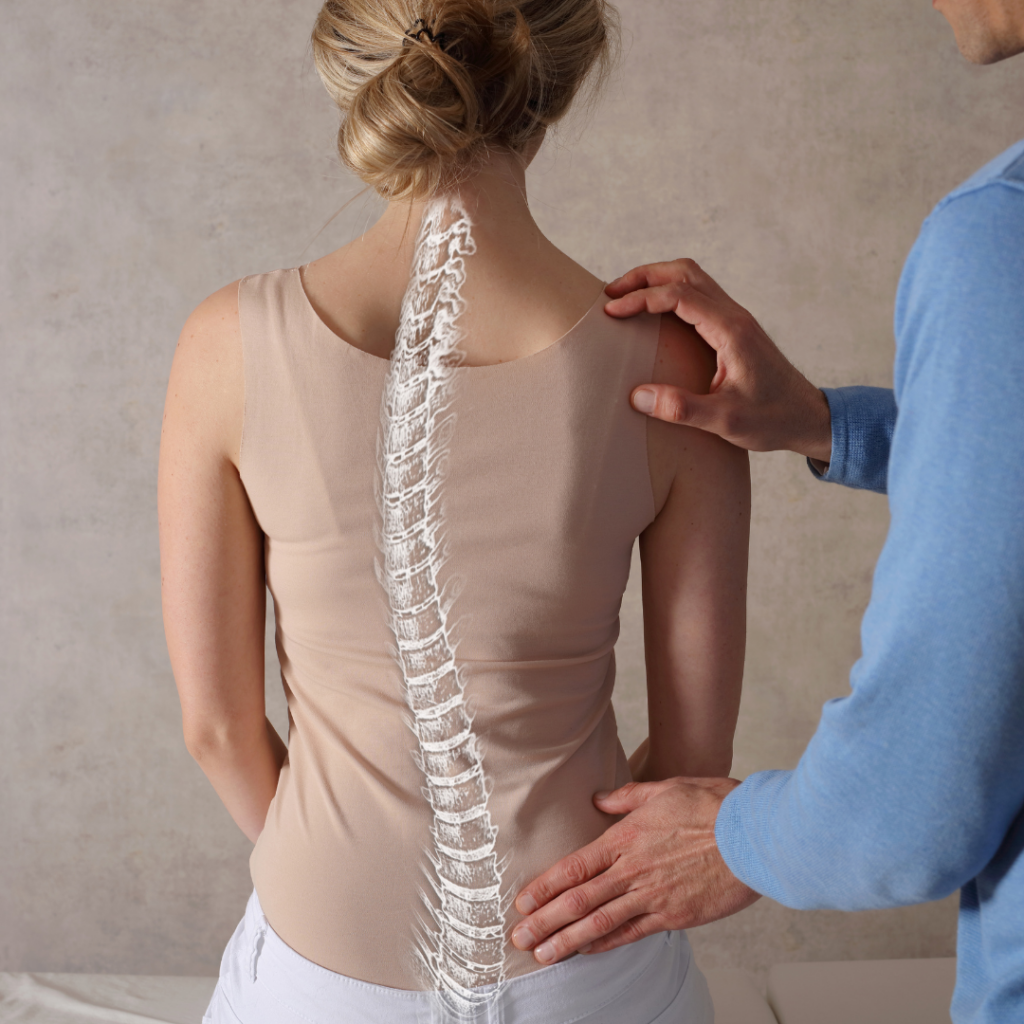
As a local chiropractor, I want to share with you the importance of incorporating specific exercises into your routine to help prevent back pain. Many of my patients have found that movements like the Bird-Dog and Plank variations are beneficial not only for strengthening the core but also for improving overall stability. Additionally, flexibility exercises such as the Cat-Cow Stretch can relieve tension that often goes unnoticed.
However, I understand that you may be wondering how to ensure you're performing these exercises correctly and effectively. It's crucial to focus on the details of each movement, as this knowledge can be the key to maintaining a healthy spine and preventing discomfort. By integrating these exercises into your daily life, you can take significant steps towards natural healing and support your chiropractic care.
Cat-Cow Stretch
The Cat-Cow Stretch is a fundamental exercise that I often recommend to my patients for relieving tension in the back. This dynamic movement isn't only simple but also highly effective in enhancing the flexibility of your spine, which can be particularly beneficial for those who spend long hours sitting or have developed poor posture habits.
To perform this stretch, you don't need any special equipment—just a comfortable space on the floor will do. Start by positioning yourself on all fours, ensuring that your hands are placed directly under your shoulders and your knees are aligned under your hips.
It's important to maintain a flat back and keep your neck in a neutral position throughout the exercise. As you inhale, gently arch your back, allowing your belly to sink toward the floor. Lift your head and tailbone upwards, creating a gentle curve in your spine. This position is known as the "Cow" pose.
Then, as you exhale, transition into the "Cat" position by rounding your back towards the ceiling. Tuck your chin to your chest and draw your belly button in towards your spine. This flowing motion between the two positions is essential, and I encourage you to synchronize your breath with each movement.
Aim for 5 to 10 repetitions, all while paying close attention to the sensations in your back. Incorporating the Cat-Cow Stretch into your daily routine can significantly improve your spinal health and overall well-being.
If you have any questions about how this stretch fits into your chiropractic care plan, feel free to ask!
Bird-Dog Exercise
As a local chiropractor, I want to introduce you to the Bird-Dog exercise, which is an incredible way to enhance your core strength and improve your stability.
These are essential factors in preventing back pain, which many of my patients experience. To ensure you reap the maximum benefits from this exercise, it's important to use the correct technique and steer clear of common mistakes.
Let's delve into the benefits of the Bird-Dog exercise, how you can perform it correctly, and the pitfalls to avoid.
By incorporating this exercise into your routine, not only can you support your spine's health, but you can also promote overall well-being through natural movement and strength-building.
Let's work together to create a healthier back and a stronger body!
Benefits of Bird-Dog
As a local chiropractor, I want to introduce you to a fantastic exercise called the Bird-Dog, which can significantly improve your core stability and overall strength. This exercise is particularly beneficial because it engages multiple muscle groups at once, thereby enhancing your balance and coordination.
When you add the Bird-Dog to your fitness routine, you'll notice several key benefits for your body:
- Improved Core Stability: Engaging your core muscles during the Bird-Dog creates a strong foundation for all your movements. This is crucial for reducing the risk of back pain and injuries, which I often see in my practice.
- Enhanced Balance: The Bird-Dog requires you to stabilize your body while extending your arms and legs, which in turn improves your overall balance and coordination. This enhancement is vital not only for sports but also for daily activities, helping you move more confidently and safely.
- Increased Flexibility: This exercise effectively stretches the back and hips, promoting greater flexibility. Over time, you'll experience an improved range of motion, which can alleviate tension and discomfort in these areas, leading to better overall mobility.
Incorporating the Bird-Dog exercise into your daily routine acts as a preventive measure against back pain. It's a straightforward yet powerful way to strengthen your body and enhance your overall well-being.
I encourage you to give it a try and observe the positive impact it can have on your daily life! If you have any questions or need guidance on how to perform the Bird-Dog correctly, feel free to reach out during your next visit.
Proper Technique Explained
As a chiropractor, I often emphasize the importance of maintaining proper alignment and stability in your body to support overall health and prevent discomfort. One effective exercise I recommend is the Bird-Dog, which can enhance your core strength and improve your balance—key factors in avoiding back pain.
To start the Bird-Dog exercise, position yourself on all fours. Your hands should be directly beneath your shoulders, and your knees aligned under your hips. It's crucial to engage your core by tightening your abdominal muscles, which helps maintain a neutral spine throughout the movement.
Begin by slowly extending your right arm forward. Keep it aligned with your shoulder. At the same time, extend your left leg back, ensuring it remains in line with your hip. Focus on balancing your body in this position for a few seconds. It's important to avoid rotating your hips; they should remain square to the floor.
Once you've held this position, return to your starting point and switch sides. Now extend your left arm forward and your right leg back while maintaining that same alignment. Remember to breathe steadily as you perform the exercise.
Aim for 8 to 12 repetitions on each side, moving in a controlled manner to maximize the benefits. This exercise not only strengthens your core but also enhances stability and coordination—essential components for preventing back pain.
With consistent practice, you'll improve your body awareness and posture, allowing you to stay pain-free in your daily activities. Incorporating exercises like the Bird-Dog into your routine can be a simple yet effective way to support your overall well-being and natural healing process.
Common Mistakes to Avoid
As a local chiropractor dedicated to your well-being, I want to emphasize the importance of maintaining proper technique during the Bird-Dog exercise. This simple yet effective movement can greatly benefit your stability and overall strength, but there are some common mistakes that can hinder your progress and potentially lead to injury.
Here are three key mistakes I encourage you to avoid:
- Overarching the back: When you extend your arm and leg during the Bird-Dog, it's crucial to keep your spine in a neutral position. Overarching your back can impose unnecessary strain on your lower back, which might negate the benefits of the exercise and lead to discomfort or injury.
- Rushing the movement: I understand the urge to quickly complete the Bird-Dog, but I can't stress enough the importance of moving slowly and with intention. Taking your time allows you to engage your core muscles effectively and ensures proper alignment throughout the movement. This, in turn, maximizes the exercise's benefits and minimizes the risk of injury.
- Neglecting the core: One of the biggest pitfalls is failing to engage your core muscles while performing the Bird-Dog. This can result in poor stability and support for your spine. I recommend focusing on tightening your abdominal muscles as you execute the exercise. Doing so won't only help you maintain balance but also provide essential protection for your spine.
By being mindful of these common mistakes, you can enhance your practice of the Bird-Dog exercise and support your journey towards better health and wellness.
If you have any questions or need further guidance, feel free to reach out!
Plank Variations
As a chiropractor, I'm passionate about helping my patients understand the importance of core strength in preventing back pain. One of the most effective exercises I recommend is the plank, but many people don't realize that there are several variations that can enhance its benefits even further.
Let's start with the side plank. To do this exercise, lie on your side with your legs stacked on top of each other. Prop yourself up on one elbow and lift your hips off the ground, creating a straight line from your head to your feet. This variation primarily engages your oblique muscles and helps stabilize your lower back, which is critical for maintaining proper spinal alignment.
Another variation I find beneficial is the plank with shoulder taps. Begin in a traditional plank position, keeping your body straight and strong. While focusing on maintaining your balance, lift one hand to tap the opposite shoulder, alternating sides. This exercise not only challenges your core stability but also engages your shoulders, which can lead to improved posture—a key factor in reducing back pain.
You can also try the forearm plank with leg lifts. Start in a forearm plank position and lift one leg toward the ceiling while keeping your hips steady. After a few repetitions, switch legs. This variation is fantastic for strengthening your core and targeting your glutes, both of which are essential for providing support to your lower back.
Finally, consider the plank to push-up. Begin in a plank position, lower your body into a push-up, and then push back up to the plank. This dynamic movement enhances both upper body strength and core stability, further protecting your back from injury.
Incorporating these plank variations into your routine can significantly strengthen your core and help reduce your risk of developing back pain.
Child's Pose
After strengthening your core with plank variations, it's essential to incorporate stretches that enhance flexibility and promote relaxation. One highly beneficial stretch I often recommend to my patients is the Child's Pose. This gentle yoga position is fantastic for elongating the spine, alleviating tension in the back, and creating a soothing effect for the mind.
Here's how to perform the Child's Pose effectively:
- Kneel on the floor: Begin by sitting on your heels with your knees slightly apart. This positioning allows for a comfortable stretch, particularly in your lower back, which is crucial for spinal health.
- Fold forward: Slowly lower your torso towards the ground, extending your arms in front of you or resting them alongside your body. Aim for your forehead to gently touch the mat, which deepens the stretch and encourages relaxation.
- Breathe deeply: Hold this pose for 30 seconds to a minute while focusing on your breath. Inhale deeply through your nose, then exhale slowly through your mouth. This intentional breathing not only enhances relaxation but also supports your body in releasing built-up tension.
Child's Pose isn't just about stretching your back; it also serves to calm your mind, making it an ideal addition to your post-workout routine.
Regularly practicing this pose can significantly reduce back pain and enhance overall flexibility. Whenever you experience tightness in your back or need a moment to unwind, I encourage you to return to Child's Pose.
It's a simple yet powerful method to nurture both your body and mind, complementing the benefits of chiropractic care and natural healing.
Glute Bridges
As a chiropractor, I often emphasize the importance of strengthening the posterior chain, which includes the glutes, hamstrings, and lower back. One effective exercise I recommend to my patients is the glute bridge. This simple yet powerful movement can enhance your strength and stability, making it an excellent addition to your fitness routine.
To perform a glute bridge, begin by lying flat on your back with your knees bent and feet positioned hip-width apart. Keep your arms at your sides, palms facing down. As you press your feet into the ground, engage your core muscles, and push through your heels to lift your hips toward the ceiling. At the peak of the movement, your body should form a straight line from your shoulders to your knees. Hold this position for a few seconds while squeezing your glutes, then lower your hips back to the ground.
I suggest aiming for three sets of 10 to 15 repetitions, and gradually increasing the number as your strength improves. To further challenge your muscles, you can add variations, such as single-leg glute bridges or using a resistance band around your thighs. These modifications not only increase the intensity of the exercise but also enhance your results.
Incorporating glute bridges into your routine can play a crucial role in preventing back pain and improving your overall athletic performance. By strengthening your glutes and hamstrings, you provide better support for your spine, which can help reduce the risk of injury during various activities.
I encourage you to give glute bridges a try and experience the positive impact they can have on your strength and stability. Your body will thank you for it!
Standing Back Extension
As a local chiropractor, I want to share with you the benefits of standing back extensions for strengthening your lower back and improving your posture.
This simple exercise can play a significant role in your overall spinal health. It's essential to focus on proper form and technique to ensure you get the most out of it and avoid any strain.
Incorporating standing back extensions into your routine can be an excellent way to support your spine.
I recommend performing these extensions a few times a week. Start with short sessions, gradually increasing the duration as you become more comfortable.
Remember, consistency is key to experiencing the maximum benefits of this natural healing method.
If you have any questions or need guidance on how to perform this exercise correctly, feel free to reach out during your next visit!
Benefits of Standing Extension
As a local chiropractor, I want to share with you the significant benefits of incorporating standing back extensions into your routine for better spinal health. Many patients who come to see me often struggle with back pain and discomfort, and I believe that this simple yet effective exercise can play a crucial role in your healing journey.
1. Improved Posture: One of the first things I notice in my patients is their posture. By regularly practicing standing extensions, you can help align your spine effectively.
Good posture not only enhances your appearance—making you look taller—but it also reduces unnecessary strain on your back, which can lead to less pain over time.
2. Increased Flexibility: Flexibility is key to a healthy spine. Standing extensions promote flexibility not just in your spine, but in the surrounding muscles as well.
This increased range of motion can make everyday activities feel much easier, reducing your risk of injury as you go about your daily life.
3. Enhanced Core Strength: A strong core is essential for supporting your spine and maintaining overall health. When you engage your core during standing back extensions, you're actively building strength in those muscles.
A robust core can protect you from discomfort and help prevent future back issues.
Incorporating standing back extensions into your daily routine can be a transformative step toward better back health.
Just a few minutes each day can yield remarkable improvements in how you feel and move. If you're looking for a natural way to enhance your well-being, I encourage you to give standing extensions a try.
Your body will thank you!
Proper Form and Technique
As a chiropractor, I want to help you understand the importance of proper form and technique when performing exercises like standing back extensions. This exercise can be beneficial for your spine and overall back health, but it's crucial to do it correctly to avoid injury.
To start, stand with your feet shoulder-width apart and distribute your weight evenly. It's essential to engage your core muscles to provide stability to your spine. You can place your arms at your sides or on your hips for support.
When you gently bend backward, focus on your lower back—keeping your head aligned with your spine is vital. Avoid overarching your neck, as this can lead to discomfort.
As you lean back, concentrate on using your back muscles rather than relying on your legs. Hold this position for a moment and feel the stretch across your torso and lower back. After a short pause, return to the starting position slowly and with control. This controlled movement is key to reducing any risk of strain.
Breathing deeply during this exercise is also important. Inhale as you extend backward and exhale as you return to the starting position. This deep breathing helps keep your muscles relaxed and engaged throughout the exercise.
Performing this back extension in a smooth and controlled manner is essential. Quick movements can lead to strain or injury, which we want to avoid.
I encourage you to practice this regularly while being mindful of your form. If at any point you experience pain or discomfort, stop immediately and reassess your technique. Proper form is crucial not only for maximizing the benefits of the exercise but also for minimizing the risk of back pain.
If you have any questions about this exercise or how it fits into your overall spinal health, please don't hesitate to ask. Your well-being is our priority, and I'm here to guide you on your path to natural healing.
Frequency and Duration Guidelines
As a local chiropractor, I want to share some valuable insights into enhancing your back health through standing back extensions.
Understanding how often and how long to incorporate these exercises into your routine is crucial for achieving the best results. Here are some guidelines I recommend:
- Frequency: Aim to perform standing back extensions 3 to 4 times a week. This schedule allows your muscles to strengthen without the risk of overexertion, giving them the necessary time to recover and adapt.
- Duration: Each session should ideally last around 10 to 15 minutes. This timeframe is perfect for engaging in multiple sets of the exercise while ensuring that you don't put undue strain on your back.
- Repetitions: Start with 8 to 12 repetitions per set. As you become more comfortable with the movements and your strength improves, you can gradually increase the number of sets or repetitions to continue challenging your muscles.
Incorporating these guidelines into your routine can significantly support your back health and overall well-being.
If you have any questions or need further assistance, feel free to reach out!
Wall Angels
As a local chiropractor, I want to introduce you to an exercise known as Wall Angels, which can significantly enhance your shoulder mobility and posture, ultimately helping to alleviate back pain.
This straightforward yet impactful movement targets your upper back, shoulders, and core, promoting better alignment and stability throughout your body.
To begin, find a wall with enough room for you to stand comfortably. Position yourself with your back against the wall, ensuring your feet are about six inches away from the base. It's important to keep your head, upper back, and tailbone in contact with the wall. Engage your core muscles to maintain this contact.
Next, raise your arms while bending your elbows to 90 degrees, allowing your upper arms to remain parallel to the floor. Throughout this exercise, ensure that your elbows and wrists are also touching the wall.
Slowly slide your arms upward, aiming to raise them as high as possible while maintaining contact with your elbows and wrists. Hold this position for a brief moment before returning your arms to the starting position.
I recommend repeating this movement 8 to 12 times, focusing on controlled motions and steady breathing.
As you perform Wall Angels, be mindful of any tightness or discomfort in your shoulders or back. If you experience any strain, it's essential to ease off and adjust your range of motion accordingly.
By incorporating this exercise into your routine a few times a week, you can improve your posture, enhance shoulder mobility, and ultimately reduce back pain. This will provide you with greater freedom and comfort in your everyday activities.
Seated Forward Bend
As a chiropractor dedicated to helping my patients achieve optimal health and well-being, I want to introduce you to a valuable exercise known as the Seated Forward Bend.
This stretch isn't only beneficial for improving posture and mobility but can also play a significant role in alleviating back pain. It's a gentle way to engage in relaxation and mindfulness while addressing tension in your body.
Here's a step-by-step guide on how to perform this exercise effectively:
- Start Position: Begin by sitting on the floor with your legs extended straight in front of you. It's important to keep your spine tall, so engage your core muscles to support good posture.
- Bend Forward: Take a deep breath in, and as you exhale, gently hinge at your hips to lean forward, reaching towards your toes. Remember, there's no need to force the stretch; focus on maintaining a straight back as you move forward. Depending on your flexibility, you may reach for your shins, ankles, or feet.
- Hold the Position: Once you're in the stretch, hold this position for about 20-30 seconds while breathing deeply. With each exhale, allow yourself to relax a little more into the stretch, which can help release built-up tension in your back and hamstrings.
Incorporating this simple yet effective stretch into your routine can complement the chiropractic care you receive, enhancing your overall wellness and supporting your journey toward a pain-free life.
Thoracic Spine Rotation
As a local chiropractor, I want to emphasize the importance of thoracic spine rotation for maintaining your spine's mobility and preventing back pain.
Many people may not realize how crucial this aspect of spinal health is. By learning and practicing proper rotation techniques, you can significantly enhance your flexibility and strength.
Incorporating these movements into your daily routine can lead to long-term benefits for your back health. Regular thoracic spine rotation not only helps to alleviate tension but also supports your overall posture and alignment.
If you're new to chiropractic care, I encourage you to explore these natural healing methods, as they can play a vital role in keeping your spine healthy and pain-free.
Benefits of Spine Mobility
As a local chiropractor, I want to share with you the incredible benefits of improving your spine mobility, especially through enhancing thoracic spine rotation. This fundamental movement is vital for maintaining a healthy back and can bring about numerous advantages that you may not have realized.
Let me highlight three key benefits of enhancing your spine mobility:
1. Reduced Pain: By increasing the mobility of your thoracic spine, you can experience significant relief from tension in your back. This reduction in discomfort can help prevent chronic pain from developing.
When your spine is able to move freely, it alleviates pressure on the surrounding muscles and joints, leading to a more comfortable daily experience.
2. Improved Posture: Having better mobility in your thoracic spine is essential for maintaining an upright posture. Regularly practicing rotation exercises can make it easier for you to keep your shoulders back and your spine aligned.
This proactive approach not only prevents slouching but also mitigates the issues that often arise from poor posture.
3. Enhanced Athletic Performance: If you're active in the gym or enjoy playing sports, you'll find that improved spinal mobility greatly contributes to a wider range of motion.
This can lead to enhanced performance, as your body moves more efficiently and effectively during physical activities. The ability to move freely can make all the difference in your athletic endeavors.
By understanding and focusing on these aspects of spinal health, you can significantly improve your overall well-being.
As a chiropractor, I encourage you to consider how enhancing your spine mobility can positively impact your life.
Proper Rotation Techniques
As your local chiropractor, I want to help you understand how incorporating proper rotation techniques can significantly enhance your thoracic spine mobility, which is crucial for your overall back health.
To get started, one exercise I recommend is the seated spinal rotation. Find a comfortable chair and sit up straight with your feet flat on the floor. Gently twist your upper body to the right while keeping your hips firmly in place. Hold that position for a few seconds, then return to the center and repeat on your left side. This simple movement can help increase flexibility in your thoracic spine.
Another effective technique is the cat-cow stretch, which you can do on all fours. Start by arching your back upwards like a cat, and then lower it while lifting your head and tailbone, resembling a cow. This dynamic movement can greatly enhance the mobility of your thoracic spine.
You might also want to try a wall rotation exercise. Stand with your side facing a wall and place your hand on it. Slowly rotate your torso away from the wall. This not only helps to isolate your thoracic spine but also improves your overall mobility.
As you perform these exercises, remember to breathe deeply. Inhale as you rotate and exhale as you return to the starting position.
Consistency is vital, so aim to practice these techniques several times a week to reap the maximum benefits for your thoracic spine and overall health.
If you have any questions or need further guidance, please don't hesitate to ask during your next visit. Your well-being is our priority!
Incorporating Into Routine
As a local chiropractor, I want to share with you the importance of incorporating thoracic spine rotation exercises into your daily routine for optimal back health.
These exercises are essential for improving mobility and significantly reducing the risk of back pain. Here are three straightforward strategies to help you seamlessly integrate these exercises into your life:
- Morning Stretch: Begin your day with a brief routine that includes thoracic rotations. As soon as you wake up, dedicate just 5 minutes to these exercises. This practice not only loosens up your spine but also establishes a positive, energized tone for the day ahead.
- Desk Breaks: For those of you who spend long hours at a desk, it's crucial to take short breaks every hour. Stand up and perform a few thoracic rotations to counteract the stiffness from prolonged sitting. This simple action will refresh both your body and mind, ultimately enhancing your productivity throughout the day.
- Before Bed: As you wind down, consider incorporating gentle thoracic rotations into your evening routine. Spend 5-10 minutes on these exercises before going to sleep. This practice will help alleviate any tension that has accumulated throughout the day, promoting deeper and more restful sleep.
By making these small adjustments to your daily routine, you can greatly improve your back health and overall well-being.
Side Lying Leg Lifts
As a chiropractor dedicated to helping you achieve optimal health, I want to introduce you to a simple yet effective exercise called side lying leg lifts. This exercise is excellent for strengthening the muscles around your hips and lower back, which play a crucial role in supporting your spine and overall stability.
When you perform side lying leg lifts, you primarily target your glutes, hip flexors, and lateral thigh muscles. Strengthening these areas can contribute to better posture, improved balance, and reduced risk of pain in your lower back.
To get started, find a comfortable, flat surface where you can lie on your side. Begin by lying down with your legs extended straight, one leg stacked on top of the other. You can rest your head on your arm or use a small pillow for extra support. Engaging your core is vital for stabilizing your body during this exercise.
Keep your legs straight as you lift the top leg toward the ceiling, ensuring that your hips remain aligned and don't roll backward. It's important to focus on a controlled movement; avoid swinging your leg up. Instead, lift it slowly to fully engage the muscles.
At the top of the lift, hold the position for a moment before lowering your leg back down, but don't let it touch your bottom leg completely. This technique maintains tension in your muscles, enhancing the effectiveness of the exercise. Aim to complete 10 to 15 repetitions before switching to the other side.
Throughout this exercise, remember to breathe steadily. If you find it challenging, you can modify the movement by slightly bending the bottom knee for added stability.
Incorporating side lying leg lifts into your routine can significantly enhance your hip strength, which, in turn, supports your lower back and decreases the likelihood of pain. Consistency is essential, so I encourage you to practice these lifts a few times a week to reap the benefits.
As your chiropractor, I'm here to guide you on your journey to natural healing and wellness. If you have any questions or need further assistance, please feel free to reach out.
Conclusion
As your local chiropractor, I want to share with you how incorporating these 10 exercises into your daily routine can significantly contribute to preventing back pain and enhancing your spinal health. It's crucial to focus on proper technique and maintain consistency to achieve the best results.
Exercises like the Bird-Dog and Cat-Cow Stretch are excellent for strengthening your core, increasing flexibility, and improving your posture. By making these movements a regular part of your day, you can experience a positive impact on your overall well-being and comfort.
Remember, taking proactive steps toward your spinal health is essential, and I'm here to support you on this journey. Your back will truly thank you! If you have any questions or need guidance, don't hesitate to reach out during your next visit.