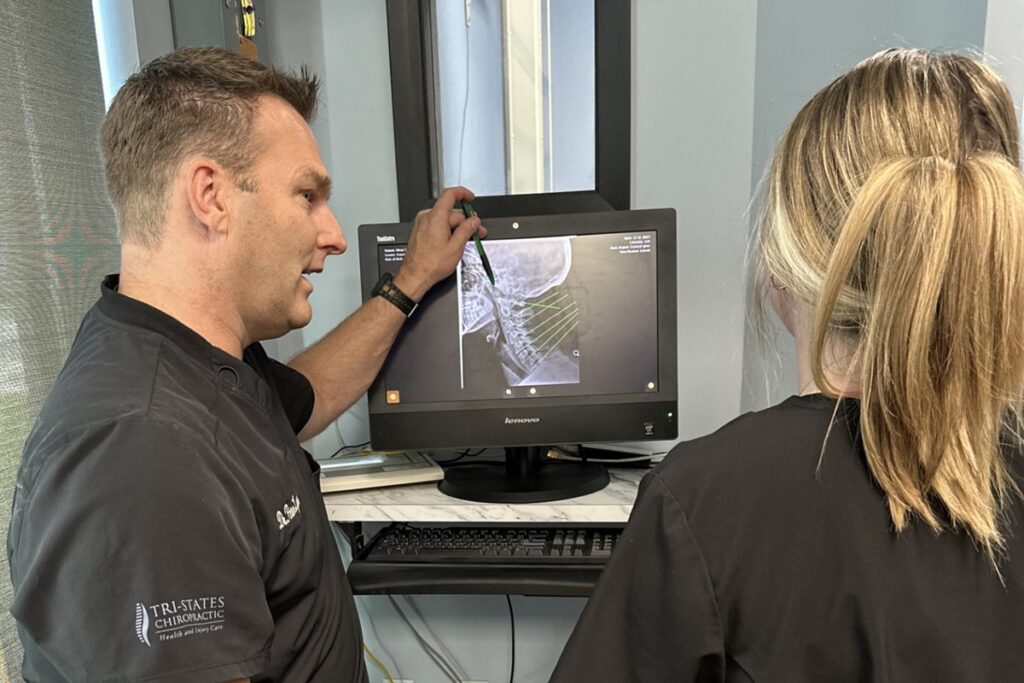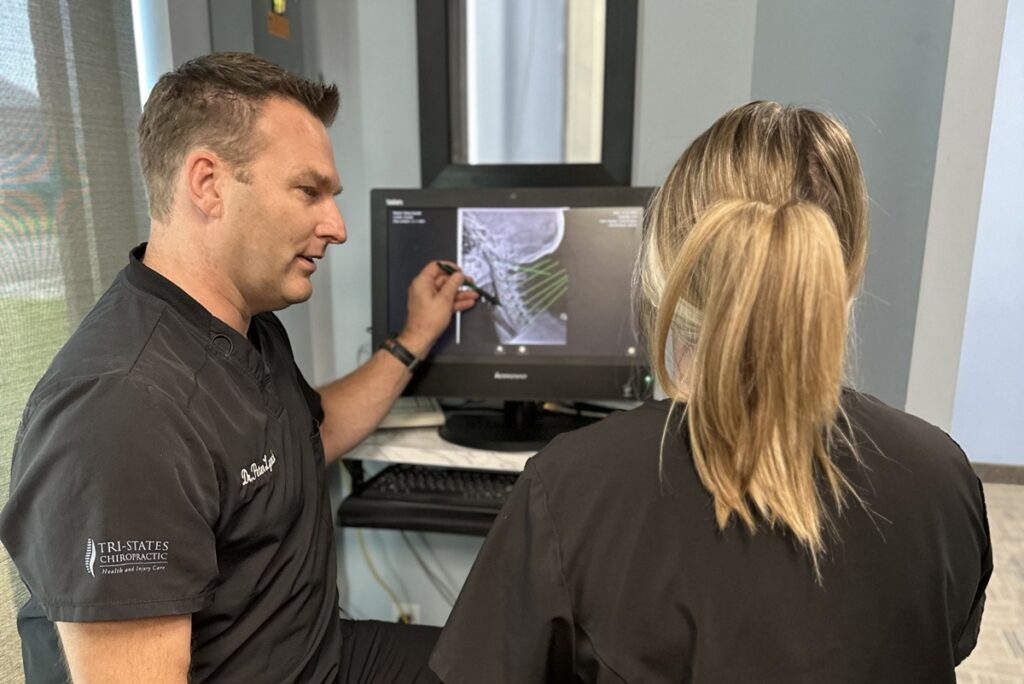
As a local chiropractor, I understand that facing a sports injury can be daunting.
It's crucial to know that effective recovery techniques can significantly impact your journey back to optimal performance. In my practice, I've seen how integrating chiropractic care with proper rest and nutrition can accelerate healing and improve your resilience.
Chiropractic care, along with other natural healing methods, offers a holistic approach to recovery. By addressing misalignments in your spine and joints, we can enhance your body's ability to heal itself.
Additionally, I emphasize the importance of a balanced diet and specific recovery strategies tailored to your needs.
Are you curious about how these techniques can work for you?
Let's dive into the ten essential strategies that can guide you towards a complete recovery and help you return to the activities you love with renewed strength.
Rest and Recovery
When it comes to recovering from a sports injury, rest and recovery are absolutely crucial for healing, and as a local chiropractor, I want to emphasize the importance of listening to your body. It can be tempting to push through the discomfort, but doing so can lead to more significant issues later on. Allowing your body the time it needs to heal will enable your muscles, ligaments, and tendons to repair effectively.
Pay close attention to the signals your body sends you. If you're experiencing pain, swelling, or stiffness, these are clear indicators that rest is necessary. I encourage you to prioritize sleep and consider modifying your daily activities to better support your recovery. Aim for 7-9 hours of quality sleep each night, as it is vital for your body's healing processes.
During your recovery, gentle stretching and mobility exercises can be beneficial, provided they don't aggravate your injury. Staying active within your limits helps maintain muscle tone and flexibility without overexertion.
It's equally important to keep your mind engaged during this time. Use this opportunity to learn more about your injury and explore new training techniques, or even enhance your mental game. Techniques like visualization can reinforce your commitment to recovery and keep you motivated.
Lastly, don't hesitate to reach out for professional guidance. As a chiropractor, I can offer tailored advice and recovery plans to ensure you heal properly. Remember, taking care of your body now will benefit you in the long run, allowing you to return to your sport stronger and more resilient than before.
Ice Therapy
As a local chiropractor, I want to share the benefits of ice therapy for managing sports injuries, a natural approach that can significantly aid in your recovery. Ice therapy is an effective method for reducing swelling and numbing pain, which is essential for healing.
I will guide you on how to apply ice correctly, including the appropriate duration and frequency, to enhance your recovery process. By understanding these techniques, you can expedite your healing and get back to your favorite activities more quickly. Embracing natural healing methods like ice therapy can be a valuable addition to your overall wellness journey.
Benefits of Ice Therapy
As a local chiropractor, I often see patients who are unfamiliar with the benefits of natural healing methods, such as ice therapy. After an intense workout or if you've experienced a sudden injury, utilizing ice therapy can be an effective way to alleviate pain and inflammation. This simple technique not only numbs the affected area but also significantly supports your recovery process. Let me explain three key benefits of ice therapy:
- Pain Relief: Ice therapy is an excellent tool for managing pain. When applied to the injured area, it numbs the nerve endings, providing immediate relief after an injury or after engaging in strenuous physical activity. This can be especially comforting for those struggling with acute pain.
- Reduced Swelling: One of the most important aspects of ice therapy is its ability to constrict blood vessels, which helps to minimize swelling and inflammation. This is crucial in the initial stages of recovery from an injury, as it helps regulate your body's natural response to trauma, allowing for a more efficient healing process.
- Faster Recovery: Incorporating ice therapy into your post-injury routine can lead to a quicker return to your everyday activities or sports. By alleviating pain and reducing swelling, you may find that you can resume your training or exercise regimen sooner than expected.
Application Techniques Explained
As a chiropractor dedicated to your overall wellness, I want to emphasize the importance of applying ice therapy correctly, as it can greatly enhance your recovery process. When addressing an injury, it's crucial to use a protective barrier, such as a cloth or towel, to shield your skin from potential frostbite. Direct contact between ice and skin can lead to complications you want to avoid.
For effective treatment, use ice packs or even frozen vegetables, ensuring they are properly wrapped. Apply the ice to the affected area for about 15 to 20 minutes. If possible, elevate the injured area to further minimize swelling. Should you experience any intense pain or discomfort during this process, it's essential to remove the ice right away.
I encourage you to monitor your skin throughout the treatment. After icing, your skin should appear normal—free from redness or numbness. If you notice any adverse reactions, it may be time to reassess your technique. Remember, proper ice therapy is a valuable tool in your healing journey, and I'm here to support you every step of the way.
Duration and Frequency Guidelines
As a local chiropractor dedicated to helping my patients understand natural healing methods, it's important to discuss the benefits of ice therapy in your recovery process. Knowing the right duration and frequency for applying ice can significantly impact your healing journey, reducing inflammation and alleviating pain so you can return to your activities more swiftly.
Here are some key guidelines to keep in mind:
- Duration: For effective ice therapy, aim to apply ice for 15 to 20 minutes at a time. This duration is ideal for minimizing swelling without risking skin damage. Always remember to place a barrier, such as a cloth or towel, between the ice and your skin to protect yourself.
- Frequency: In the first 48 hours after an injury, I recommend repeating the ice application every 2 to 3 hours. Consistent use of ice during this critical period can significantly help in managing inflammation and promoting your recovery.
- Monitor Your Body: It's essential to listen to your body. If you notice any increase in pain or discomfort, consider reducing the frequency of ice application and don't hesitate to reach out to me or another healthcare professional for guidance.
Compression Techniques
As a local chiropractor, I want to emphasize the importance of compression techniques in your sports injury recovery journey. These methods are not just for athletes; they play a crucial role in reducing swelling and enhancing circulation for anyone dealing with an injury. By applying gentle pressure to the affected area, you can help minimize fluid buildup and accelerate the healing process.
One of the most effective and commonly used methods is the application of elastic bandages or compression wraps. When wrapping your injury, it's important to start from the furthest point away from your heart and work your way toward the center. This approach encourages better blood flow back to your body's core. Always be mindful of how tight the wrap is—if you experience any numbness or tingling, it's vital to adjust the pressure to ensure comfort and safety.
In addition to wraps, you might also consider compression garments. These specially designed items provide consistent pressure to your muscles, which can be incredibly helpful both during and after physical activity. Depending on where your injury is located, you can choose from compression sleeves, socks, or even full-body suits. Not only do these garments support muscle recovery, but they can also significantly reduce soreness after workouts.
For those dealing with acute injuries, combining cold therapy with compression can be particularly beneficial. By wrapping ice packs in a compression bandage, you can effectively reduce swelling while also alleviating pain. Just remember to limit your ice application to about 20 minutes at a time to avoid any risk of skin damage.
Lastly, I want to introduce you to pneumatic compression devices. These machines inflate and deflate sleeves around the injured area, applying rhythmic pressure that can enhance your recovery. While these devices are often found in rehabilitation settings, they can also be a great addition to your healing routine at home if you have access to one.
Elevation Methods
As your local Chiropractor, I want to share an essential technique that can significantly aid in your recovery from an injury: elevating the injured limb. This simple yet effective method has been shown to promote healing by reducing swelling and enhancing blood circulation. It's particularly beneficial during the first 48 hours following an injury, as it helps to minimize inflammation and accelerates the healing process.
Here are three key benefits of elevation that I encourage you to consider:
- Reduced Swelling: Elevating your limb helps facilitate fluid drainage away from the injury site. This can significantly decrease puffiness and discomfort, making your recovery more manageable.
- Improved Circulation: When you elevate your limb, you promote enhanced blood flow. This increased circulation delivers vital nutrients and oxygen to the injured tissues, which is crucial for healing.
- Pain Relief: Elevation can also alleviate pain by reducing pressure and swelling in the affected area. This can lead to greater comfort as you work towards recovery.
To effectively practice elevation, I recommend finding a comfortable position where you can rest your injured limb. Use pillows or cushions to keep it elevated above heart level, and aim to maintain this position for 15 to 30 minutes at a time. It's beneficial to repeat this several times a day, especially after any activities that might exacerbate your injury. Consistency is essential for optimal results.
Incorporating elevation into your recovery routine is straightforward and can lead to noticeable improvements in your healing process. Just be attentive to your body and avoid any positions that cause discomfort. With the right care and techniques like elevation, you'll be well on your way to recovery in no time. If you have any questions or need further guidance, don't hesitate to reach out!
Physical Therapy
As a local chiropractor, I want to emphasize the importance of chiropractic care in your recovery journey. Unlike traditional treatment methods, chiropractic focuses on holistic healing through customized care plans that address your unique needs. Through a combination of adjustments and specific exercises, we work to enhance your strength and flexibility, which not only aids in recovery but also serves as a preventive measure against future injuries. By embracing this natural healing approach, you can regain your vitality and return to the activities you cherish. Let's explore how chiropractic care can support you in reclaiming your health and wellness!
Customized Treatment Plans
When dealing with sports injuries, it's essential to understand the importance of customized treatment plans, especially within the realm of chiropractic care. A personalized approach to your recovery not only aids in healing but also significantly reduces the chances of re-injury. Here's why tailoring your treatment is vital:
- Comprehensive Evaluation: Every injury and athlete is unique. As a chiropractor, I begin with a detailed assessment of your injury, overall health, and athletic aspirations. This ensures we understand your specific needs and can create a plan that works for you.
- Focused Techniques: Your chiropractic treatment plan will include targeted techniques designed to address your specific challenges. This may involve spinal adjustments, soft tissue therapy, or rehabilitative exercises tailored to your injury type and personal goals.
- Flexibility in Treatment: Recovery is not a one-size-fits-all process. As you heal, your customized plan can adapt to your progress. Regular follow-ups allow us to monitor your recovery closely and make necessary adjustments to keep you on the right path.
Strengthening and Flexibility Exercises
As a local chiropractor, I want to emphasize the importance of incorporating strengthening and flexibility exercises into your recovery routine after experiencing a sports injury. These exercises are crucial for regaining full functionality and ensuring a safe return to your favorite activities.
To start, it's beneficial to focus on gentle flexibility exercises that can help increase your range of motion. Stretching the affected area aids in reducing stiffness and promotes healing. I recommend focusing on dynamic stretches that mimic the movements of your sport. As you become more comfortable, you can gradually increase the intensity of these stretches.
Once you notice improvements in your flexibility, it's time to shift your attention to strengthening exercises. Incorporating resistance training, such as using bands or weights, can significantly help restore muscle strength and reduce the likelihood of future injuries. Begin with low resistance and higher repetitions, and as your strength builds, you can gradually increase the load.
Listening to your body during this recovery process is vital. If you encounter any movements that cause pain, it's important to modify them or skip them altogether. Consistency is essential; aim to integrate these exercises into your routine several times a week.
I also encourage you to consider working with a physical therapist or a chiropractor like myself for personalized guidance. We can tailor a recovery plan that ensures you are on the right track for a safe and effective healing process. Remember, building strength and flexibility takes time, but with dedication, you'll find yourself back in action before you know it!
Rehabilitation Exercises
Rehabilitation exercises are a vital part of your recovery journey, especially when it comes to chiropractic care and natural healing. These exercises are designed to help restore strength, flexibility, and functionality to areas that have been injured. After experiencing an injury, it's essential to engage in a structured rehabilitation program that is specifically tailored to your individual needs. This not only supports the healing process but also plays a crucial role in preventing future injuries.
As your local chiropractor, I recommend focusing on three key components during your rehabilitation exercises:
- Range of Motion: Begin with gentle stretches and mobility exercises that aim to maintain or enhance your joint's range of motion. This step is essential to prevent stiffness and to promote healing in the affected areas.
- Strengthening: Gradually introduce resistance training to build strength in the injured area. You can utilize bodyweight exercises or resistance bands, which allow you to safely increase muscle power without putting yourself at risk for further injury.
- Functional Movements: As you advance in your rehabilitation, incorporate functional exercises that replicate the activities you perform in your daily life or sports. This includes sport-specific drills and balance training, which effectively prepare your body for the physical demands of your regular activities.
It's crucial to listen to your body during this rehabilitation process. If you experience pain that exceeds normal discomfort, please consult with me or your healthcare provider. Consistency is key when it comes to rehabilitation exercises, and remaining committed will guide you toward a full recovery. Remember, patience is essential; trying to rush through the process can lead to setbacks. By dedicating yourself to your rehabilitation, you will not only heal effectively but also improve your overall performance in daily activities and sports.
Nutritional Support
As a local chiropractor, I want to emphasize the importance of nutrition in your recovery from a sports injury. What you choose to eat can significantly influence your healing process. Essential nutrients, such as proteins and vitamins, are crucial for repairing tissues and supporting your body's natural healing mechanisms. Staying properly hydrated is equally important, as it helps facilitate recovery. Additionally, being mindful of when you eat can enhance the benefits of your nutrition, helping you get back to peak performance more quickly. Remember, a holistic approach that includes proper nutrition can complement your chiropractic care and help you on your journey to recovery.
Essential Nutrients for Healing
As a local chiropractor dedicated to helping you recover from sports injuries, I want to emphasize the importance of your diet in the healing process. By focusing on certain essential nutrients, you can not only support your recovery but also boost your energy levels. Here are three key nutrients to prioritize in your meals:
- Protein: This nutrient is crucial for repairing tissues and building muscle. I recommend incorporating sources of lean protein such as chicken, fish, eggs, and legumes into your diet. Ensuring you have adequate protein will aid in your recovery.
- Vitamins: Specifically, Vitamins C and D, along with the B-complex group, play vital roles in healing. Vitamin C is instrumental in collagen formation, which is essential for tissue repair, while Vitamin D helps your body absorb calcium, which is necessary for bone health. Consider adding citrus fruits, leafy greens, and fortified foods to your meals to get these important vitamins.
- Minerals: Zinc and magnesium are also essential for your recovery. Zinc supports immune function and tissue repair, while magnesium is important for muscle relaxation and energy production. Foods like nuts, seeds, and whole grains are great sources of these minerals.
Hydration's Role in Recovery
As a local chiropractor, I want to emphasize the crucial role that hydration plays in your recovery from sports injuries. Many people overlook how important water is alongside the nutrients you consume. Proper hydration is essential for various bodily functions, such as transporting vital nutrients to your cells, regulating body temperature, and eliminating waste. When you're healing from an injury, your body needs additional fluids to support these processes, so it's vital to prioritize hydration.
You may not be aware, but dehydration can significantly hinder your recovery. It can lead to issues like joint stiffness, muscle cramps, and fatigue, all of which can make it more challenging to follow through with your rehabilitation exercises. I recommend making a conscious effort to drink enough water throughout the day, particularly before, during, and after any physical activity.
Additionally, electrolytes—such as sodium and potassium—are important for effective rehydration. If you've experienced noticeable fluid loss from sweating or injury, incorporating electrolyte-rich beverages can help replenish what your body needs. A helpful tip: monitor the color of your urine. A pale yellow indicates proper hydration, while dark urine is a sign that you should increase your fluid intake.
Integrating proper hydration into your recovery routine not only supports healing but also enhances your overall well-being. This proactive approach can help you return to your favorite activities more quickly and effectively. Remember, as your chiropractor, I'm here to guide you on your journey to natural healing and optimal health.
Timing Your Meals Properly
As a local chiropractor dedicated to holistic healing, I want to emphasize how important meal timing is in your recovery from sports injuries. It's not just about what you eat; when you eat can significantly influence your body's healing process. By focusing on proper meal timing, you can ensure that your body has the right nutrients available exactly when it needs them for optimal recovery.
Here are three key points to consider regarding meal timing that can support your healing journey:
- Post-Workout Meals: After your workout or therapy session, it's crucial to eat a balanced meal that is rich in protein and carbohydrates within 30 to 60 minutes. This timing helps replenish glycogen stores and initiates muscle repair, which is vital for your recovery.
- Frequent Small Meals: Rather than sticking to just three large meals a day, consider eating five to six smaller meals. This approach provides a consistent intake of nutrients, helping to keep your energy levels stable and supporting your ongoing recovery. It's a simple way to ensure your body is always nourished.
- Pre-Sleep Nutrition: Don't overlook the importance of a light snack before bedtime. Consuming something with protein, like Greek yogurt or a protein shake, can enhance muscle recovery while you sleep. This pre-sleep nutrition is crucial for supporting your body's natural healing processes overnight.
Pain Management
As a local chiropractor, I want to emphasize the importance of effectively managing pain during your recovery from sports injuries. Pain can be a significant barrier to your progress, so it's crucial to address it proactively. I recommend starting with a consultation to assess your injury's severity and to develop a personalized pain management plan that aligns with your body's natural healing processes.
In addition to traditional pain relief methods, such as over-the-counter medications like ibuprofen or acetaminophen, I encourage you to explore chiropractic care as a holistic approach to pain management. Chiropractic adjustments can help realign your spine and joints, alleviating discomfort while promoting better function and mobility. This can be particularly beneficial in reducing inflammation and improving your overall recovery.
Incorporating physical therapy is also a key component of your healing journey. A skilled physical therapist can provide you with targeted exercises that not only help manage pain but also support healing and strengthen the affected area. Techniques such as ice therapy can assist in reducing swelling and numbing acute pain, while heat therapy can enhance blood flow and relax tight muscles.
It's essential to prioritize rest during your recovery. Listening to your body is vital; if an activity exacerbates your pain, it's best to take a step back and allow for healing. Additionally, alternative therapies like acupuncture and massage therapy may offer relief and enhance your recovery experience.
Lastly, don't underestimate the role of proper hydration and nutrition in your healing process. A balanced diet supports tissue repair and overall well-being, contributing to effective pain management. By integrating these chiropractic and natural healing strategies into your recovery plan, you can navigate the challenges of sports injuries and confidently return to the activities you love.
Mental Health Strategies
Recovering from a sports injury can be a challenging journey, not only for your body but also for your mental well-being. As a local chiropractor, I understand that this period can lead to feelings of discouragement, anxiety, or even isolation. It's crucial to prioritize your mental health alongside your physical recovery. Here are three effective strategies that can help you navigate this process:
- Stay Connected: Don't hesitate to reach out to friends, family, or teammates. Engaging in conversations about your feelings can significantly lighten the emotional burden. Having a support system in place is vital during your recovery, as they can offer encouragement and help you maintain a sense of normalcy.
- Practice Mindfulness: Incorporate mindfulness techniques into your daily routine. Practices such as meditation, deep breathing exercises, or gentle yoga can greatly reduce stress and enhance your emotional well-being. These techniques help you stay grounded by focusing on the present moment, which is especially important when facing the uncertainties of recovery.
- Set Realistic Goals: Rather than fixating on your injury, shift your focus to small, manageable goals that contribute to your overall well-being. This could be something as simple as reading a new book, picking up a new skill, or establishing a positive daily routine. Setting achievable goals not only provides you with a sense of purpose but also fosters a sense of accomplishment as you progress.
Gradual Return to Activity
As you embark on your healing journey from a sports injury, I want to emphasize the importance of a gradual return to activity for both your physical and mental well-being. Jumping back into your regular routine too quickly can lead to setbacks, including re-injury or a prolonged recovery process. It's crucial to work with a healthcare professional, like myself, to create a personalized plan that caters to your unique needs.
Start with low-impact activities that can help you regain your strength without overexerting your injury. Gentle options like walking, swimming, or cycling can be excellent for getting your body moving while minimizing any risk of further damage. Focus on gentle movements and gradually increasing your range of motion before transitioning to more intense workouts.
Pay close attention to your body's signals. If you experience any pain or discomfort during an activity, it's essential to stop and reassess. Ignoring pain can hinder your recovery and prolong your healing time. Keeping a journal of how you feel during and after each session can be a helpful way to monitor your progress and make informed decisions about your activity level.
Once you feel stable with low-impact exercises, you can begin to reintroduce your regular sports activities. Start with shorter sessions at a lower intensity, and as you build confidence and strength, you can gradually increase the duration and intensity of your workouts. This method allows your body to adapt to the demands of your sport in a safe and controlled manner, ensuring a smoother recovery process.
Conclusion
As a local chiropractor, I want to emphasize how incorporating these ten techniques into your sports injury recovery can greatly enhance your healing process. It's essential to prioritize rest, as it allows your body to repair itself. Utilizing ice therapy can help reduce inflammation and pain, while engaging in physical therapy can help you rebuild strength and restore functionality.
Don't overlook the significant role that nutrition plays in your recovery. A well-balanced diet rich in vitamins and minerals can support tissue repair and overall health. Additionally, mental health strategies are crucial; maintaining a positive mindset can greatly impact your healing journey.
Stay committed to your recovery plan, and remember that with the right approach, you'll be back to enjoying your favorite activities sooner than you might expect. As your chiropractor, I'm here to guide you through this process and help you achieve optimal recovery through natural healing methods.