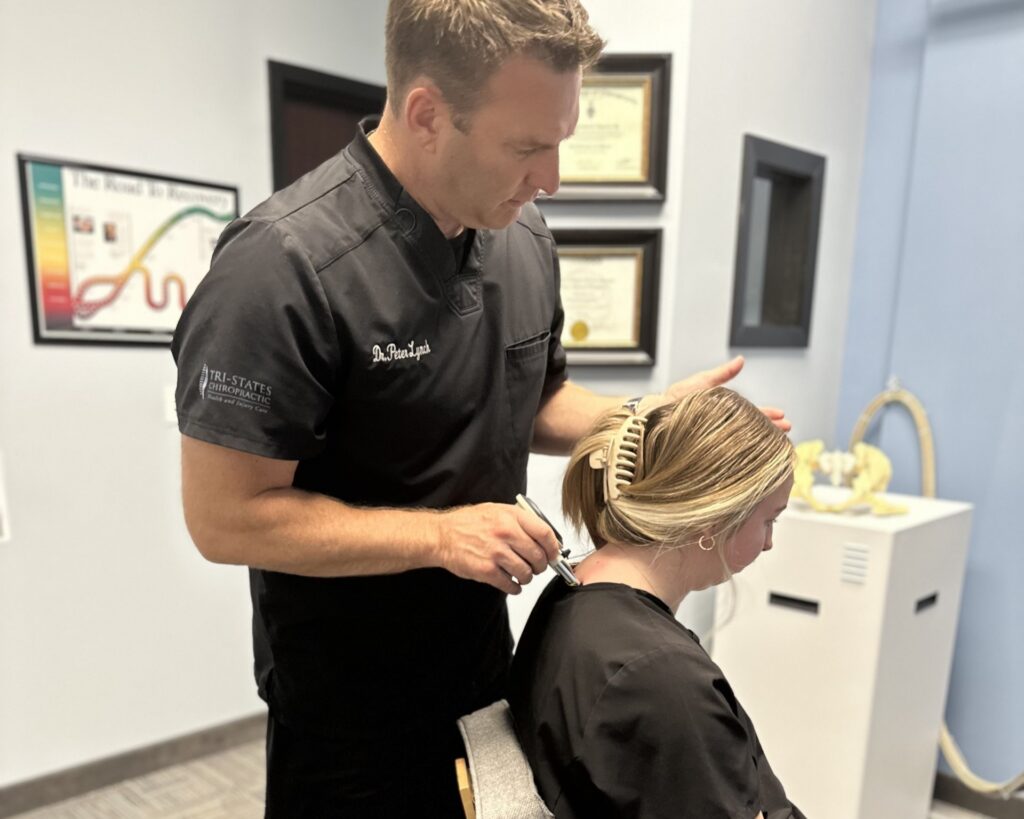
As a local chiropractor, I want to emphasize how crucial your posture is in managing and alleviating back pain. Many people may not be aware that slouching or sitting improperly can put excessive strain on your spine and surrounding muscles, leading to discomfort and potentially chronic issues. By simply adjusting your posture, you can achieve better spinal alignment and reduce pressure on your back.
However, understanding posture goes beyond just the idea of sitting up straight. There are specific techniques and deeper insights into how your body functions that can significantly enhance your daily life and overall well-being. If you're curious about effective adjustments you can make, I invite you to explore how chiropractic care can guide you in achieving a healthier posture and a pain-free lifestyle. Your journey to better spinal health starts with understanding the importance of how you hold your body.
Understanding Posture and Back Pain
As a local chiropractor, I want to emphasize the crucial link between good posture and back pain prevention. Maintaining proper alignment isn't just about standing tall; it's about giving your spine and muscles the support they need to function optimally. Many patients don't realize that their everyday activities—how they sit, stand, and move—can significantly impact their posture and, consequently, their back health.
Poor posture can put extra strain on your back, leading not only to discomfort but also potentially developing into chronic pain if left unaddressed. Common habits like slumping at your desk, hunching over your phone, or even carrying heavy bags can cause misalignment in your spine. By becoming more aware of your body's position throughout the day, you can reduce this stress and protect your back.
It's important to listen to your body. Signs of poor posture, such as fatigue or discomfort, are indicators that you may need to make some adjustments. Simple changes in your routine can lead to significant improvements. For example, when you're sitting, ensure that your feet are flat on the ground, and your chair provides adequate back support.
When standing, try to distribute your weight evenly on both feet, and don't forget to take regular breaks if you're working at a desk for extended periods.
I also recommend incorporating exercises that strengthen your core and back muscles. Activities like yoga or Pilates not only enhance flexibility but also help you become more aware of your body's alignment.
Understanding the relationship between your posture and back pain is essential for maintaining a healthy spine. By prioritizing good posture and making conscious choices about how you position your body, you can pave the way for a healthier, pain-free back.
As your chiropractor, I'm here to support you on this journey to better health through natural healing practices.
The Anatomy of Good Posture
As a local chiropractor, I want to emphasize the importance of proper posture for your overall health and well-being. Good posture isn't just about how you look; it's about creating a balanced and harmonious alignment in your body that supports your spine and enhances your quality of life.
When you maintain good posture, you establish a strong foundation that allows your body to function optimally. This alignment helps distribute your weight evenly, alleviating unnecessary strain on your muscles and joints.
Here are some essential components of good posture that I encourage you to consider:
- Spinal Alignment: It's crucial to maintain the natural curves of your spine. This means keeping your head aligned over your shoulders and your shoulders over your hips. Proper alignment is key to a healthy spine and can prevent discomfort.
- Balanced Weight Distribution: When standing, aim to distribute your weight evenly on both feet. This simple practice can prevent undue pressure on any single joint, which is vital for long-term joint health.
- Engaged Core Muscles: A strong core is your best ally in supporting your spine. Engaging your core muscles not only stabilizes your body but also improves your balance, reducing the risk of injury.
- Relaxed Shoulders: Keeping your shoulders relaxed and positioned back can help prevent tension from accumulating in your neck and upper back. This is particularly important if you spend long hours at a desk.
By consciously practicing these elements of good posture, you may notice a significant improvement in your comfort and energy levels throughout the day.
It's essential to be mindful of your posture in all situations—whether sitting at a desk, walking, or even while sleeping. Developing habits that promote good posture can help protect your spine and decrease the risk of back pain in the future.
Remember, your posture is a reflection of your health and vitality. By focusing on it, you're not only enhancing your appearance but also laying the groundwork for a healthier body and a more active lifestyle.
If you're interested in learning more about how chiropractic care can support your journey to better posture and overall wellness, I invite you to reach out. Together, we can work towards achieving your health goals!
Common Posture Mistakes
As a local chiropractor, I want to share some important insights about how seemingly minor posture mistakes can contribute to significant back pain. Many of us may not be aware, but habits like slouching while sitting, having an improper desk setup, and using incorrect lifting techniques are prevalent issues that can negatively impact your health.
When you slouch, it places unnecessary pressure on your spine and surrounding muscles, leading to discomfort and pain over time. An improper desk setup can exacerbate this by causing you to adopt awkward positions for extended periods.
Additionally, lifting heavy objects without proper technique can strain your back and lead to injury. It's crucial to recognize these habits and understand how they can affect your overall well-being.
Fortunately, there are ways to correct them. Simple adjustments to your posture, ensuring your workspace is ergonomically friendly, and learning safe lifting techniques can make a significant difference.
As your chiropractor, I'm here to support you in making these changes and guide you toward a healthier, pain-free life. By addressing these common posture mistakes, we can work together to enhance your quality of life through natural healing and proper body alignment.
Slouching While Sitting
As a local chiropractor, I want to share some important insights about a habit many of us have: slouching while sitting. While it might feel cozy to sink into your chair, this seemingly harmless behavior can lead to significant back pain over time. Many people don't realize that poor posture can strain your spine, muscles, and ligaments, which increases the risk of chronic discomfort.
When you slouch, your body shifts into an unnatural position that can result in misalignment and tension. Here are some common issues I often see related to slouching:
- Increased pressure on spinal discs: Slouching compresses your spinal discs, making them more prone to injury and discomfort.
- Weakening of core muscles: Poor posture can lead to weakened core muscles, which contributes to further instability and pain.
- Restricted breathing: When you slouch, you compress your lungs, making it difficult to take deep breaths and negatively impacting your energy levels throughout the day.
- Tension headaches: Slouching can create muscle tension in your neck, which may trigger headaches that can disrupt your daily life.
To help combat these issues, I encourage you to be mindful of your posture. Make a conscious effort to sit up straight, keeping your back aligned and your feet flat on the floor.
By doing so, you're not only improving your posture, but you're also taking an important step towards alleviating back pain and enhancing your overall well-being. Your body will thank you for it!
If you're experiencing persistent discomfort, consider visiting a chiropractor to explore natural healing options tailored to your needs.
Improper Desk Setup
As a local chiropractor, I often see how an improper desk setup can significantly affect your posture and contribute to back pain. Many people underestimate the importance of ergonomics in their workspace, which can lead to common posture mistakes. When you're spending long hours at a desk, the way you arrange your environment plays a crucial role in your comfort and spinal health.
For starters, consider the height of your monitor. If it's positioned too low or too high, you may find yourself straining your neck to get a clear view, resulting in tension and discomfort. Ideally, your monitor should be at eye level to promote a natural neck alignment.
Your chair is another key element. It should provide adequate support for your lower back and allow your feet to rest flat on the ground. Being seated too low or too high can lead to slouching or leaning forward, which puts unnecessary strain on your spine.
Pay attention to your keyboard and mouse placement as well. They should be positioned so that your elbows remain at a comfortable 90-degree angle, allowing your shoulders to relax. This simple adjustment can make a world of difference in reducing strain on your upper body.
Lastly, a cluttered desk can lead to poor posture. If you find yourself frequently reaching for items, you may end up twisting or contorting your body into awkward positions. Take the time to organize your workspace, and you may notice an improvement in your posture and a decrease in back pain.
Lifting Techniques Mistakes
As a local chiropractor, I often see patients who are unaware of how crucial proper lifting techniques are for their overall health and wellbeing.
Even with a well-organized workspace, lifting items incorrectly can lead to significant posture problems and debilitating back pain. Many people only realize the importance of safe lifting when they experience that sudden, sharp pain in their back.
To help you avoid these pitfalls, I want to highlight some common mistakes to be mindful of:
- Bending at the waist instead of squatting down
- Twisting your body while lifting heavy objects
- Using your back muscles rather than engaging your legs
- Lifting too quickly without assessing the weight of the load
To protect your spine and promote better posture, it's essential to adopt proper lifting techniques.
Always remember to bend your knees and keep your back straight. Position yourself close to the object you're lifting and use the strength of your legs, not your back, to lift.
Additionally, keep the load close to your body to maintain balance and reduce strain on your spine. If an item feels too heavy, please don't hesitate to ask for assistance or utilize tools like a dolly.
Effects of Poor Posture
As a local chiropractor, I want to shed light on how poor posture can significantly impact your overall well-being. Many people may not realize that when you slouch or hunch over, you're placing excessive strain on your spine and the surrounding muscles. This strain can lead to discomfort and pain, particularly in your back, neck, and shoulders.
It's common for these areas to become increasingly tense, which can hinder your ability to focus on daily tasks. Moreover, poor posture can negatively affect your breathing. When your shoulders are rounded and your chest is compressed, your lungs struggle to expand fully. This restriction often leads to shallow breathing, which can diminish oxygen flow to your brain, leaving you feeling fatigued or unfocused.
Over time, you may even experience headaches as a result of this ongoing issue. Your digestive system is also at risk when you maintain poor posture. Whether you're sitting or standing incorrectly, the compression on your internal organs can disrupt their function. This can result in bloating or discomfort after meals, contributing to an overall sense of sluggishness.
Furthermore, neglecting proper posture can lead to long-term musculoskeletal problems. Chronic pain may develop, limiting your mobility and creating a cycle where you avoid physical activity due to discomfort. This avoidance can weaken your muscles, further compounding the issue.
In our active lives, it's vital to be aware of how we hold ourselves. Your posture not only affects your physical health but also influences your mental state and productivity. By understanding these effects, you can take proactive steps to improve your posture.
Through chiropractic care and natural healing practices, we can work together to enhance your posture and, ultimately, your quality of life. If you have any questions or want to learn more about how we can help, feel free to reach out!
Benefits of Improved Posture
As a local chiropractor, I want to share with you the incredible benefits of improved posture and how it can significantly enhance your overall well-being. Many people may not realize that the way you sit or stand can have a profound impact on both your physical health and mental state. By focusing on your posture, you can unlock a variety of advantages that contribute to a healthier lifestyle.
Let's take a closer look at some of the key benefits of maintaining proper posture:
- Reduced Back and Neck Pain: When your body is aligned correctly, it alleviates pressure on your spine and surrounding muscles, which can significantly reduce discomfort and pain in your back and neck.
- Increased Energy Levels: Good posture allows for better circulation and oxygen flow throughout your body, which can help you feel more energetic and alert throughout the day.
- Enhanced Mood and Confidence: Standing tall doesn't just change how you look; it can also elevate your self-esteem and positively affect your mood, making you feel more confident and empowered.
- Improved Focus and Productivity: With proper alignment, your brain can function more effectively, allowing you to concentrate better on tasks without being distracted by discomfort or tension.
By making a conscious effort to improve your posture, you're taking an important step toward a healthier lifestyle. You may start to notice positive changes in your daily activities, whether you're working at a desk, exercising, or enjoying a walk.
Moreover, being mindful of your posture encourages you to stay aware of your body and its alignment, which is a fundamental aspect of chiropractic care.
Ultimately, the benefits of improved posture go far beyond just looking good; they're vital for enhancing your quality of life. I encourage you to take a moment to evaluate your posture and experience the difference it can make in your daily routines.
If you have questions about how chiropractic care can further support your journey toward better posture and overall health, don't hesitate to reach out. Your well-being is our priority!
Techniques for Better Posture
As a local chiropractor, I want to share with you how achieving better posture can significantly improve your daily well-being. It may seem daunting, but the steps to enhance your posture are quite manageable.
Let's start by focusing on your alignment. When you stand, keep your feet shoulder-width apart, distribute your weight evenly across both feet, and engage your core muscles. Visualize a string gently pulling you upward from the top of your head, helping to elongate your spine.
When it comes to sitting, it's crucial to adjust your chair to provide support for your lower back. Make sure your knees form a right angle and that your feet are flat on the floor or on a footrest. Choose a chair that promotes an upright posture, and consciously avoid slouching or leaning forward.
If you're working at a desk, position your computer screen at eye level to prevent unnecessary strain on your neck.
Incorporating stretches into your daily routine can also be beneficial for improving your posture. Simple chest openers can help counteract the hunched position many of us find ourselves in while using screens. Additionally, stretching your hip flexors can relieve tension from prolonged sitting and help maintain proper alignment.
Lastly, I encourage you to practice mindfulness about your posture throughout the day. Regularly check in with yourself whether you're walking, standing, or sitting. Setting reminders on your phone can serve as a helpful prompt to ensure you maintain good posture.
Ergonomics in Daily Life
As a local chiropractor, I want to share some valuable insights on how creating a comfortable and supportive environment at home and work can significantly improve your posture and overall health.
By being mindful of ergonomics in your daily life, you can help alleviate strain on your body and prevent issues like back pain. Here are some essential aspects to consider:
- Chair Height: It's crucial that your chair allows your feet to rest flat on the floor, with your knees forming a 90-degree angle. This position helps maintain proper alignment and support for your spine.
- Screen Position: Make sure your computer monitor is at eye level. This adjustment will prevent you from leaning forward or tilting your head, which can lead to discomfort over time.
- Desk Arrangement: Organize your workspace so that items you use frequently are within arm's reach. This setup minimizes the need to twist or stretch, which can strain your muscles and joints.
- Breaks and Movement: Incorporate short breaks into your routine. Stand up, stretch, and change positions regularly to keep your body moving and reduce stiffness.
By setting up your environment with these ergonomic considerations, you're actively supporting your posture and overall health.
Whether you're working at a desk or unwinding at home, being conscious of how you sit, stand, and move can lead to significant improvements in your well-being.
Investing in ergonomic furniture, such as an adjustable chair or a standing desk, can further enhance your comfort levels.
Remember, it's not only about looking good; it's about feeling good too. The foundation of good posture starts with how you interact with your environment.
Take the time to make these adjustments, and you're likely to notice a positive change in your back health and overall quality of life.
If you have any questions or need guidance, don't hesitate to reach out to discuss how chiropractic care can support your journey to better health.
Exercises for Postural Support
As a local Chiropractor, I want to share some important insights about improving your posture.
It's essential to focus on strengthening your core muscles while also stretching areas that may feel tight. These exercises not only provide support for your spine but also enhance your overall stability.
By incorporating them into your daily routine, you may experience a significant reduction in back pain, leading to a healthier and more active lifestyle.
Strengthening Core Muscles
As a local chiropractor, I want to emphasize the importance of a strong core for your overall health and well-being. Many people may not realize that well-developed core muscles play a crucial role in maintaining good posture and preventing back pain. When your core is strong, it supports your spine and helps keep your body aligned properly.
Here are several reasons why strengthening your core should be a priority:
- A strong core stabilizes your pelvis and lower back, which significantly reduces strain on your spine.
- It enhances your balance and coordination, making everyday movements safer and more efficient.
- By focusing on core strength, you can improve your athletic performance, allowing you to engage in physical activities more effectively.
- Strengthening your core enables you to perform daily tasks with greater ease, reducing the risk of discomfort or injury.
In my practice, I often recommend incorporating specific exercises that target your core as part of a holistic approach to health. Exercises like planks, bridges, and bird-dogs are fantastic options that engage multiple muscle groups and promote stability.
I suggest aiming to include these exercises in your routine two to three times a week. Start with a few sets and gradually increase the intensity as your strength develops.
By focusing on your core, you're not just enhancing your physical fitness—you're also taking proactive steps towards better spinal health and overall wellness.
If you have any questions or need guidance on how to incorporate these exercises safely, feel free to reach out during your next visit!
Stretching Tight Areas
As a local chiropractor, I want to emphasize the importance of stretching tight areas, especially after a long day spent sitting at a desk or engaging in repetitive motions. These habits can lead to poor posture and back pain, which is where stretching comes into play. By focusing on specific muscle groups, you can enhance your flexibility and overall comfort.
One key area to address is your hip flexors. These muscles tend to become tight from prolonged sitting. A simple lunge stretch can work wonders: step one foot forward while keeping your back leg straight, and gently push your hips forward to feel a deep stretch. This will help restore balance to your hips and lower back.
Next, let's talk about your chest and shoulders. Many people experience tightness in these areas due to hunching over their desks. A great way to alleviate this is by using a doorway stretch. Stand in a doorway, place your arms on the frame, and lean forward slightly. This action helps to open up your chest and counteract that forward slouch we often see in our daily lives.
And don't forget about your back! A seated forward bend is an excellent way to release tension in your spine. Sit with your legs extended in front of you and slowly reach toward your toes. This stretch will help to relieve tightness along your spine and hamstrings.
Incorporating these stretches into your daily routine can significantly alleviate tightness and promote better posture. I encourage you to dedicate just a few minutes each day to stretching. You'll likely notice a significant improvement in any back pain you may be experiencing, as well as an enhancement in your overall well-being.
Long-term Strategies for Spinal Health
As a local chiropractor, I want to emphasize how essential it's to maintain your spinal health through consistent care and proactive strategies that can easily fit into your everyday life.
By prioritizing your spine, you can alleviate discomfort and improve your overall well-being. Here are some effective long-term strategies to consider:
- Practice good posture: It's crucial to ensure that your workstation is ergonomically designed to support both your back and neck. Simple adjustments can make a significant difference.
- Stay active: Regular exercise is vital, especially activities that focus on strengthening your core and back muscles. This not only helps in maintaining a healthy spine but also supports your overall health.
- Mind your lifting techniques: Always remember to bend at your knees and keep your back straight when lifting heavy objects. This simple technique can prevent unnecessary strain on your spine.
- Incorporate mobility exercises: Make it a habit to stretch and move your spine regularly. Keeping your spine flexible is key to preventing discomfort and maintaining good health.
I understand that implementing these strategies may seem daunting at first. Start small—set reminders to check your posture throughout the day or schedule a weekly exercise session.
As you consistently adopt these healthy habits, you'll likely notice improvements in your spinal health and a reduction in back pain.
Additionally, I encourage you to seek professional guidance. As a chiropractor, I can offer personalized advice and exercises specifically tailored to your needs.
Investing time in your spinal health today will lead to long-lasting benefits, reducing pain and enhancing your quality of life.
Conclusion
As your local chiropractor, I want to emphasize the important role that posture plays in alleviating back pain. Many people may not realize how their daily habits impact their spinal health. By taking the time to understand what good posture looks like and recognizing common pitfalls, you can significantly support your spine and reduce discomfort.
Incorporating ergonomic practices into your daily life—whether at work, home, or during physical activities—can greatly enhance your posture and overall well-being. Simple changes, such as adjusting your chair height or being mindful of your alignment while sitting or standing, can make a world of difference.
Additionally, engaging in specific exercises aimed at strengthening your core and improving flexibility can complement your chiropractic care and lead to lasting improvements in your spinal health. Remember, it's often the small adjustments that yield the biggest benefits. I encourage you to start making these changes today for a healthier, pain-free tomorrow. If you have any questions or need guidance, I'm here to help you on your journey to natural healing and wellness.