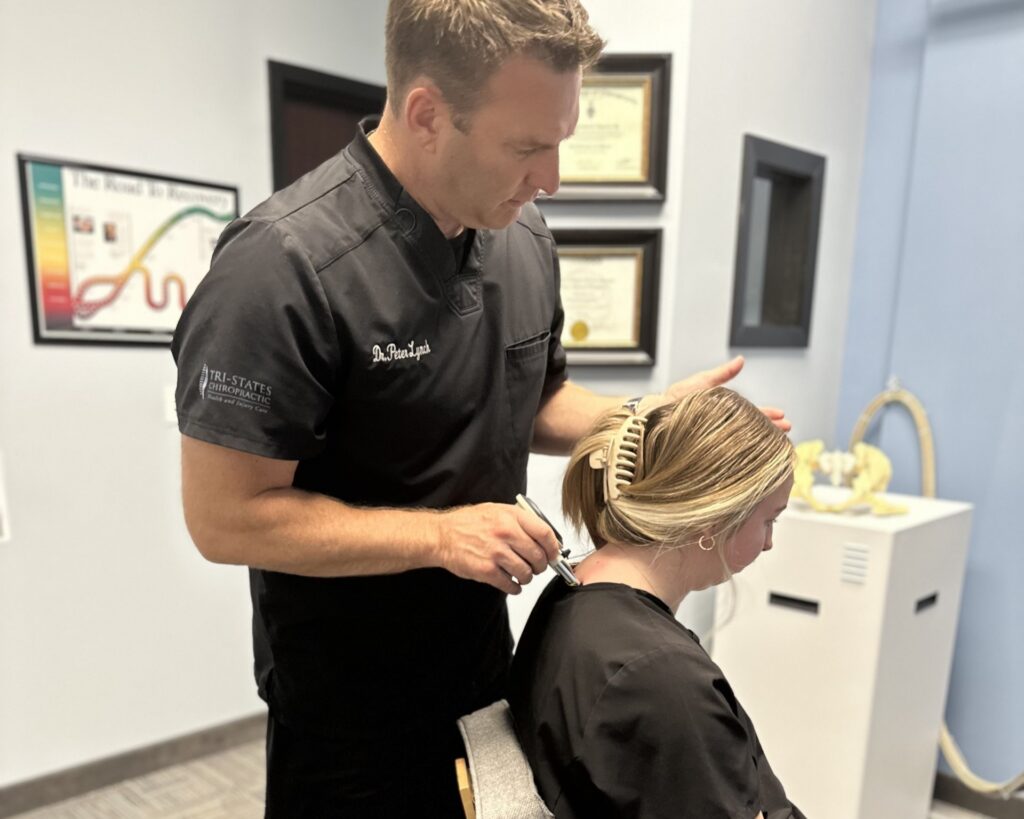
As a local chiropractor, I want to share an important insight that might surprise you: your posture plays a crucial role in your recovery from back pain. Many people don't realize that by simply adjusting the way you stand or sit, you can significantly reduce muscle tension and enhance your spinal alignment. This isn't only about projecting confidence; it's essential for the way your body functions and heals.
Good posture can lead to numerous benefits, such as improved circulation and enhanced core strength. If you're interested in how making small changes to your daily habits can lead to substantial improvements in your back pain, I encourage you to learn about common pitfalls in posture and practical strategies to correct them. Understanding these concepts can empower you on your journey to recovery and overall well-being. Let's work together to help you feel your best!
Understanding Posture and Back Pain
As a local chiropractor, I want to emphasize the crucial role that good posture plays in preventing back pain. Did you know that over 80% of adults experience some form of back discomfort at some point in their lives? Understanding the connection between your posture and your back health can significantly enhance your daily comfort and overall well-being.
When you adopt a slouched or hunched posture, you inadvertently place extra strain on your spine and the surrounding muscles. This can lead to tension, stiffness, and, ultimately, chronic pain. It's important to recognize that your spine is designed with a natural curvature that helps evenly distribute your body weight. However, when your posture is compromised, this alignment is disrupted, resulting in uneven pressure on your discs and joints.
Although you may not feel the effects immediately, poor posture can gradually lead to muscle imbalances that exacerbate your discomfort. For instance, rounded shoulders can weaken the upper back muscles while tightening the chest muscles, creating a cycle of strain that can be difficult to break.
Additionally, your daily habits—how you sit, stand, and lift—play a vital role in your back health. If you spend hours at a desk, ensuring your chair height and screen alignment are correct can help maintain proper spinal alignment. When lifting heavy objects, remember to bend at your knees rather than your waist to distribute the weight more evenly and minimize strain on your back.
By being mindful of your posture throughout the day, you can significantly reduce the risk of developing back pain and promote a healthier spine. I encourage you to make these adjustments in your life, and your back will undoubtedly appreciate it.
If you're interested in learning more about how chiropractic care can support your journey to better posture and reduced discomfort, I'm here to help!
Benefits of Good Posture
As a local chiropractor, I want to emphasize that good posture isn't only about projecting confidence; it's a crucial element of your overall health.
Proper alignment of your spine can significantly reduce muscle tension and promote better circulation. When you take the time to adjust how you sit and stand, you can start to experience these health benefits firsthand.
By maintaining good posture, you support your body's natural healing processes and contribute to your long-term well-being.
Let's work together to incorporate these changes into your daily routine for a healthier, more balanced life.
Enhances Spinal Alignment
As a local chiropractor, I want to emphasize the critical role that strong posture plays in enhancing spinal alignment, which is fundamental to your overall health and well-being.
A properly aligned spine serves as the foundation for your body's structure, reducing strain on your muscles and ligaments. This not only promotes better function but also significantly lowers your risk of injury.
Here are some of the key benefits of maintaining good posture that I want you to be aware of:
- Improved Balance: When your spine is aligned, your body weight is distributed evenly. This makes it easier to maintain balance during everyday activities, reducing the likelihood of falls and accidents.
- Enhanced Mobility: A well-aligned spine allows for smoother and more efficient movement. This means you can perform daily tasks—from bending down to pick something up to engaging in physical activities—more easily and with less discomfort.
- Increased Energy Levels: With proper spinal alignment, your body doesn't have to exert as much effort to maintain stability. This can lead to reduced fatigue, giving you more energy to enjoy your day and engage in the activities you love.
- Better Digestive Health: Believe it or not, good posture can positively impact your digestive system. By maintaining an aligned spine, you provide your internal organs with the space they need to function properly, which can help reduce discomfort and improve digestive efficiency.
By understanding these benefits, you can appreciate how important it's to prioritize your posture for overall health.
As a chiropractor, I'm here to help you achieve optimal spinal alignment through natural healing techniques. Let's work together to enhance your well-being!
Reduces Muscle Tension
As a local chiropractor, I want to emphasize the importance of maintaining strong posture for your overall health, particularly when it comes to reducing muscle tension. Good posture not only enhances spinal alignment but also allows your muscles to function more efficiently.
When you sit or stand correctly, your muscles don't have to work as hard to support your body, which can significantly alleviate tightness and discomfort, especially in areas like your neck, shoulders, and lower back.
Many of you may find yourselves slouching or leaning forward throughout the day. This poor alignment forces your muscles to compensate, leading to increased tension and fatigue. By actively focusing on improving your posture, you can relieve that pressure and help your muscles relax.
Many of my patients have reported experiencing less stiffness and improved flexibility after making posture adjustments.
Incorporating good posture into your daily routine doesn't have to be overwhelming. Start by paying attention to how you sit and stand. I recommend using ergonomic furniture, taking breaks to stretch, and engaging in exercises that strengthen your core and back muscles.
Over time, these small changes can lead to greater comfort and reduced tension, which is especially beneficial for those recovering from back pain.
Improves Circulation Efficiency
As a local chiropractor, I want to emphasize how crucial proper posture is for your overall health, particularly when it comes to circulation efficiency.
Maintaining a straight posture can have a profound impact on how effectively your blood circulates throughout your body. When you align your body correctly, your blood vessels can function without unnecessary pressure or constriction. This not only allows your heart to pump blood more efficiently but also supports your overall well-being and can significantly aid in your recovery from discomfort, including back pain.
Here are four key ways that good posture enhances circulation:
- Optimizes Blood Flow: When your body is properly aligned, it minimizes the risk of developing blood clots and promotes a steady flow of blood, which is vital for your health.
- Boosts Oxygen Delivery: Improved circulation means that your tissues receive more oxygen, which is essential for healing and recovery processes.
- Enhances Nutrient Absorption: With better blood flow, vital nutrients are transported more efficiently to your muscles and organs, promoting optimal repair and overall wellness.
- Reduces Fatigue: Efficient circulation can lead to increased energy levels, allowing you to remain active and engaged in your recovery journey.
By focusing on your posture, you can take significant steps toward improving your circulation and enhancing your overall health.
If you're interested in learning more about how chiropractic care can support you in achieving this, feel free to reach out!
Common Posture Mistakes
As a local chiropractor, I often see patients who are unaware of how their daily habits can negatively impact their posture and overall health. One of the most common issues I encounter is slouching in chairs, especially while working. Many people don't realize that this poor posture can create a domino effect of discomfort, leading to health problems down the line.
For instance, if you're leaning too far forward while typing or hunching over your phone, you may be straining your neck and back muscles, resulting in persistent pain throughout the day.
Another frequent mistake is crossing your legs while seated. Although it may feel comfortable in the moment, this position can disrupt your hip alignment and hinder blood circulation. Additionally, many individuals tend to tilt their heads excessively when looking at screens, which adds extra stress to your cervical spine. This forward head posture is a common contributor to tension headaches and chronic neck pain.
Standing for extended periods without shifting your weight can also lead to discomfort. A rigid stance places unnecessary pressure on your lower back, which can cause pain over time. Furthermore, wearing unsupportive footwear exacerbates these issues, as the wrong shoes can alter your gait and posture, compounding the problem.
Lastly, it's crucial to consider your sleeping position. Tossing and turning at night or using an unsuitable pillow can misalign your spine, setting the stage for discomfort upon waking.
By becoming aware of these common posture mistakes, you can begin to modify your habits. This is a significant step toward achieving a more comfortable and healthier back.
Tips for Improving Posture
Improving your posture is essential for your overall health and well-being, and as a local chiropractor, I want to share some valuable insights to help you develop better habits. Many people are unaware of how their daily activities impact their alignment, especially if they spend long hours sitting or standing. Here are some practical tips to enhance your posture and support your spine:
- Optimize Your Workspace: It's important to create an ergonomic environment. Ensure your chair provides adequate support for your lower back, and adjust your computer screen to eye level. Your feet should be flat on the floor, with knees bent at a 90-degree angle. This setup can prevent unnecessary strain on your spine.
- Adopt Proper Sitting Techniques: When seated, focus on keeping your shoulders relaxed and your back straight. Avoid the common habit of slumping or leaning forward. If you find it challenging to maintain your spine's natural curve, consider using a cushion to provide additional support.
- Stand with Intention: When you're standing, aim to distribute your weight evenly across both feet and engage your core muscles. Keep your shoulders back and align your head with your spine. Visualizing a string pulling you upward from the crown of your head can help you maintain a tall posture.
- Incorporate Regular Breaks: It's crucial to take breaks from prolonged periods of sitting or standing. Aim to stand up, stretch, and move around every 30 minutes. These small actions can reset your posture and keep your muscles active, reducing the risk of discomfort.
By integrating these tips into your daily routine, you can significantly improve your posture over time. Remember that consistency and awareness are key. The more you pay attention to your body alignment, the easier it will be to maintain proper posture and alleviate any discomfort.
If you have any questions or would like personalized guidance, don't hesitate to reach out to me. Together, we can work towards a healthier, more aligned you!
Exercises for Posture Correction
As a local chiropractor, I want to emphasize how important it's to focus on core strength and flexibility to improve your posture.
When you strengthen your core muscles, you provide essential support for your spine, helping to maintain proper alignment. Additionally, incorporating stretches for tight muscles can significantly alleviate tension and discomfort that often leads to poor posture.
Let's take a closer look at some effective exercises that can truly enhance the way you stand and move throughout your day.
By committing to these exercises, you not only invest in your posture but also in your overall health and well-being.
Strengthening Core Muscles
As a local chiropractor, I often see patients who underestimate the crucial role that core strength plays in maintaining good posture and overall spinal health. A strong core not only supports your spine but also stabilizes your body, allowing you to stand tall and move with ease.
To help you enhance your core muscles and improve your posture, I recommend incorporating the following exercises into your daily routine:
- Planks: By holding a plank position for 30 seconds to a minute, you engage your entire core while keeping your body in a straight line. This exercise builds endurance and stability, which are key for maintaining good posture.
- Bird-Dog: Start on all fours and extend one arm and the opposite leg simultaneously, ensuring your hips remain level. Alternating sides will provide a balanced workout that strengthens your core and improves stability.
- Dead Bug: Lie on your back with your arms and legs raised toward the ceiling. Slowly lower one arm and the opposite leg toward the floor, then return to the starting position. This exercise not only promotes coordination but also enhances your core strength.
- Bridge: While lying on your back with your knees bent, lift your hips toward the ceiling, squeezing your glutes at the top. This movement strengthens your lower back and core, which is essential for a strong foundation.
Incorporating these exercises into your routine can significantly improve your posture and support your recovery from back pain.
Stretching Tight Muscles
As a local chiropractor, I want to emphasize that strengthening your core is just one aspect of achieving better posture. Equally important is addressing tight muscles that can disrupt your alignment. Many of my patients are surprised to learn that common culprits include the chest, shoulders, and hip flexors.
When these muscles become tight, they can lead to slouching or an exaggerated curvature of the spine, which can contribute to discomfort and pain.
To help you combat these issues, I recommend incorporating specific stretches into your daily routine. For instance, to stretch your chest, try a doorway stretch: stand in a doorway, place your arms on the frame, and gently lean forward. This can help relieve tightness and promote better alignment.
For your shoulders, a cross-body arm stretch can be very effective. Bring one arm across your body and use the opposite arm to gently pull it closer, which can help release tension in the shoulder region.
Don't forget about your hips; a lunge stretch can be a powerful tool for releasing built-up tension. Simply step one foot forward into a lunge position, lower your hips, and keep your back leg straight. This stretch not only alleviates tightness but also encourages better hip mobility.
I recommend holding each stretch for about 20-30 seconds, and aim to repeat them a few times throughout the day. By consistently stretching these tight areas, you can create more space in your body, facilitating better posture and reducing the risk of back pain.
Making stretching a regular part of your day can lead to significant improvements in your overall well-being. Remember, your back will thank you for the care you provide it!
Ergonomic Solutions for Daily Life
As a local chiropractor, I want to share some valuable ergonomic solutions that can significantly enhance your comfort and productivity in daily life. By making simple adjustments to your surroundings and habits, you can alleviate strain on your body and promote your overall well-being.
Here are four practical ergonomic strategies that I encourage you to consider integrating into your routine:
1. Choosing the Right Chair: It's essential to select a chair that provides proper lumbar support. A chair with adjustable features, such as seat height and armrests, allows you to maintain a posture where your feet rest flat on the ground and your arms are comfortably positioned.
This can help prevent back pain and support your spine's natural curvature.
2. Arranging Your Desk Properly: Positioning your computer monitor at eye level, approximately an arm's length away, is crucial for reducing neck and eye strain.
Ensure that your keyboard and mouse are close enough so that your elbows remain at a 90-degree angle. This will help prevent unnecessary tension on your shoulders and wrists, promoting better alignment and function.
3. Taking Frequent Breaks: I recommend setting a timer to remind yourself to take short breaks every 30 to 60 minutes.
Stand up, stretch, and walk around to relieve tension and encourage circulation. Regular movement can help prevent stiffness, fatigue, and discomfort, allowing your body to stay agile and responsive throughout the day.
4. Investing in Proper Footwear: If you spend long hours on your feet, investing in supportive footwear is essential.
Look for shoes that provide adequate arch support and cushioning to keep your feet comfortable. This can have a significant impact on your overall posture and help reduce strain on your lower back and joints.
By incorporating these ergonomic solutions into your daily routine, you can foster a healthier lifestyle and enhance your body's natural ability to heal and function optimally.
If you have any questions or need further guidance, I'm here to help you on your journey to better health.
Long-Term Posture Habits
As your local chiropractor, I want to emphasize the significant role that good posture habits play in your overall health and well-being. Establishing proper posture isn't just a physical adjustment; it's a long-term commitment that can drastically reduce strain on your spine and muscles, helping to prevent back pain and discomfort.
It's essential to be conscious of your posture throughout the day, whether you're sitting, standing, or moving. A good starting point is to create an ergonomic workspace. Ensure that your chair provides adequate support for your lower back and that your feet rest flat on the floor. Your computer screen should be positioned at eye level to maintain a neutral neck position.
When standing, remember to distribute your weight evenly between both feet and engage your core muscles. This not only projects confidence but also minimizes stress on your spine.
Incorporating regular breaks into your day is crucial. Aim to stand up, stretch, and walk around every hour. These brief interludes can rejuvenate your body and reinforce healthy posture habits.
I also recommend exploring mindfulness practices such as yoga or pilates, which can enhance your body awareness and alignment. Staying active is fundamental to supporting your spine. Regular exercise helps strengthen the muscles that assist in maintaining good posture, making it easier for you to uphold these habits.
As you develop these long-term strategies, remember that consistency is key. The more you practice good posture, the more it will become second nature, contributing to a healthier back and overall wellness.
Start implementing these changes today, and you'll be on your way to reaping the benefits for years to come. If you have any questions or need further guidance, don't hesitate to reach out to me. Together, we can work towards achieving optimal spinal health and a better quality of life.
Conclusion
As a local chiropractor, I want to emphasize how crucial good posture is for your back pain recovery. Many people underestimate the impact that proper alignment can have on their overall health. By learning about the benefits of maintaining good posture and recognizing common mistakes, you can take proactive steps to enhance your posture throughout your daily activities.
Incorporating core-strengthening exercises into your routine, along with ergonomic adjustments in your workspace and home, can significantly contribute to a stronger and healthier back. It's important to understand that these changes are not merely quick fixes; they represent a commitment to your long-term wellness and comfort in your everyday life.
If you're new to chiropractic care and natural healing, remember that these practices work hand in hand with good posture to promote recovery and prevent future issues. I'm here to guide you on this journey and help you achieve a pain-free lifestyle.