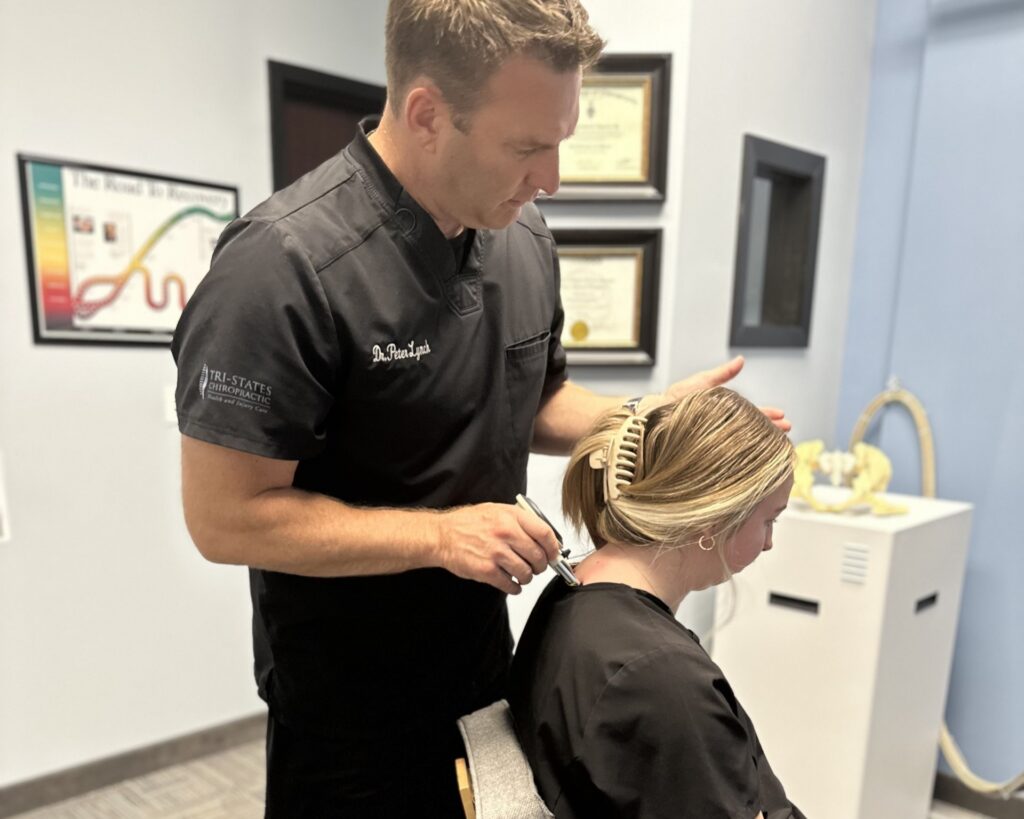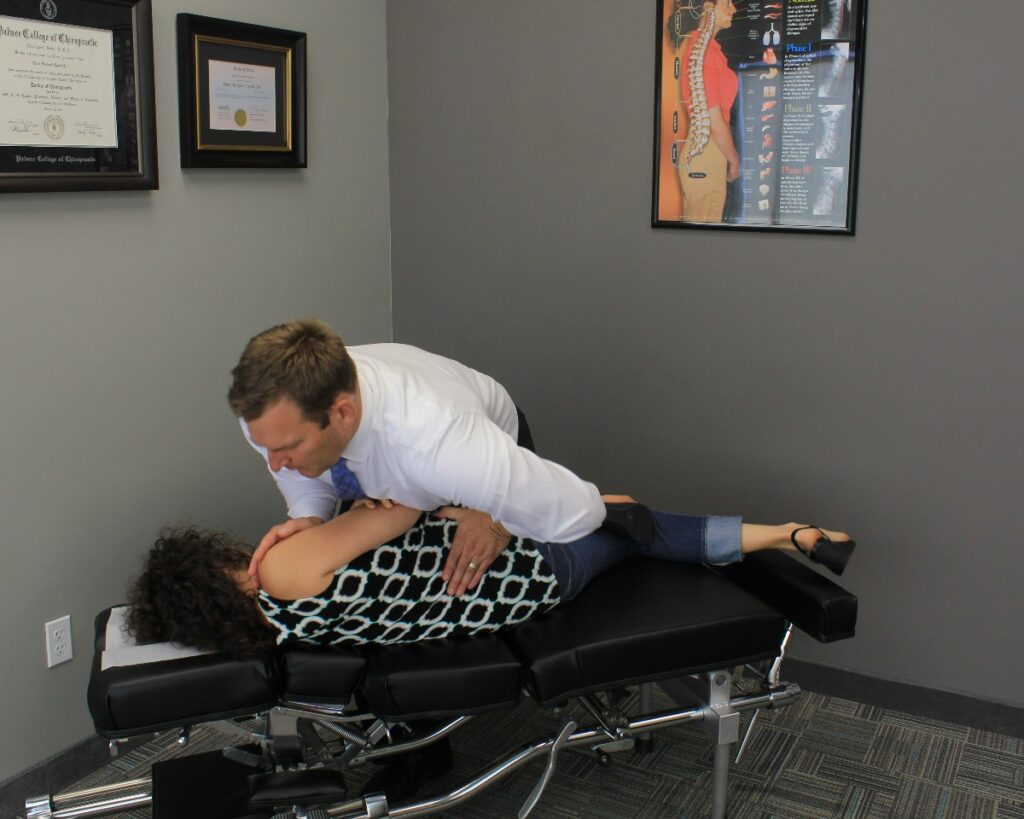
As a local chiropractor, I want to emphasize the significant role your everyday lifestyle choices play in your back health. Many people don't realize that simple actions, such as how you sit at your desk or how frequently you engage in physical activity, can either relieve or worsen back pain. By implementing straightforward yet impactful changes, you can improve your mobility and enhance your overall well-being.
So, what specific adjustments should you consider? For example, maintaining good posture while sitting, taking regular breaks to stretch, and incorporating exercises that strengthen your core can make a real difference in your daily life. These changes not only help in managing pain but also promote a more active and healthier lifestyle. It's all about understanding how your habits influence your back health, and I'm here to guide you on that journey toward natural healing and improved wellness.
Understanding Back Pain
As a local chiropractor, I want to help you understand back pain, a common issue that can affect anyone at any point in their lives. It often arises from a variety of sources, including poor posture, muscle strain, or even stress. Gaining insight into the nature of your back pain is crucial for managing it effectively.
You might experience different sensations, such as a sharp, shooting pain or a persistent dull ache that seems to linger throughout your day. These discomforts can severely impact your daily activities and diminish your overall quality of life.
It's important to recognize that back pain isn't always the result of a single incident. More often, it develops gradually over time due to repetitive movements or prolonged periods of sitting. For those of you who work at a desk, you may start to feel discomfort, particularly if you find yourself hunched over your computer for extended periods. This type of poor posture can place excessive strain on your spine and the muscles that support it.
I also want to highlight the significant role that stress can play in back pain. When you're feeling anxious or overwhelmed, you may unconsciously tense your muscles, which can lead to discomfort. It's essential to pay attention to your body. If you notice pain following certain activities or at particular times of the day, take a moment to assess your habits.
Are you lifting heavy items with proper technique? Are you engaging in activities that may be straining your back?
As a chiropractor, I'm here to guide you through natural healing methods and to educate you about ways to alleviate and prevent back pain. Together, we can work on improving your posture, increasing your body awareness, and developing strategies to reduce stress, ultimately helping you regain your comfort and enhance your quality of life.
The Role of Exercise
As a local chiropractor, I want to emphasize the critical role that regular exercise plays in both preventing and managing back pain. Many of my patients are often surprised to learn that incorporating physical activity into their daily routines can significantly strengthen the muscles that support the spine. This improvement in muscle strength contributes to better stability and posture, which is essential for overall spinal health. Stronger muscles help distribute weight more evenly across your body, ultimately reducing the strain on your back and minimizing discomfort.
Moreover, exercise is vital for enhancing flexibility. Engaging in stretching exercises such as yoga or Pilates can improve your range of motion and help prevent stiffness in your back. When your muscles and joints are flexible, your body can adapt more easily to daily activities, reducing the risk of injury.
Cardiovascular workouts—such as walking, swimming, or cycling—are also incredibly beneficial for managing back pain. These activities boost blood flow to your muscles, promoting healing and reducing inflammation. Additionally, maintaining a regular aerobic exercise routine can help you achieve and maintain a healthy weight, which is crucial for minimizing excess pressure on your spine.
It's important to choose exercises that align with your fitness level and preferences. I recommend starting with low-impact activities and gradually increasing the intensity as your strength and endurance improve.
Always pay attention to your body's signals; if an exercise causes pain, it's best to stop and consult a professional, like myself, before continuing.
Importance of Posture
As a local chiropractor, I want to emphasize the importance of maintaining proper posture as a key factor in preventing back pain. Many individuals may not realize that slouching or leaning forward can put unnecessary strain on your spine and the surrounding muscles. This misalignment can lead to discomfort and, over time, may result in chronic pain. By being conscious of your posture throughout the day, you can significantly reduce the risk of developing back issues.
It's essential to keep your spine in a neutral position, whether you're sitting, standing, or moving about your day. When you sit, ensure your feet are flat on the floor, your knees are at hip level, and your back is well supported by your chair. If you work at a desk, take a moment to adjust your workspace to encourage good posture. Your computer screen should be at eye level, and your arms should rest comfortably on the desk to avoid strain.
When it comes to standing, aim to distribute your weight evenly between both feet. Avoid locking your knees and allow your shoulders to stay relaxed yet pulled back. This proper alignment not only helps you maintain balance but also prevents excess pressure on your back.
Even during activities such as lifting or carrying, good posture is crucial. Remember to bend at your knees, keep the load close to your body, and avoid twisting your torso. These small but effective adjustments can make a significant difference in how your back feels and functions.
As a chiropractor, I'm here to help you understand the importance of these practices and work with you towards a healthier, pain-free lifestyle through natural healing and proper alignment. Let's take care of your spine together!
Nutrition and Back Health
As a local chiropractor, I want to emphasize the significant role that nutrition plays in supporting your back health. The foods you choose can have a profound impact on your spine and overall well-being. By incorporating anti-inflammatory foods into your diet, staying well-hydrated, and ensuring you receive adequate amounts of calcium and vitamin D, you can help alleviate discomfort and promote a healthy back.
Let's delve into how these nutritional choices can contribute to a pain-free spine. Anti-inflammatory foods, such as fruits, vegetables, nuts, and fatty fish, can reduce inflammation in your body, which is a common contributor to back pain.
Staying hydrated is equally important, as proper hydration helps maintain the elasticity of your spinal discs. Additionally, calcium and vitamin D are crucial for bone health, as they support the strength and integrity of your spine.
Anti-Inflammatory Foods
As a local chiropractor, I believe that incorporating anti-inflammatory foods into your diet can significantly enhance your back health. Many of my patients are surprised to learn that the right nutritional choices can help reduce inflammation, a common contributor to back pain.
By making these adjustments, you can experience less discomfort and enjoy a more active lifestyle!
Here are some powerful foods I recommend adding to your meals:
- Fatty fish: These are loaded with omega-3 fatty acids, which are known for their ability to combat inflammation and promote healing. Including fish like salmon or mackerel in your diet can be a game changer for your back health.
- Fruits and vegetables: Opt for colorful varieties such as berries, spinach, and kale. These foods are rich in antioxidants, which can bolster your body's natural defenses against inflammation, making them vital for maintaining a healthy back.
- Nuts and seeds: These crunchy snacks not only taste great but are also packed with healthy fats and nutrients that support your overall well-being. Incorporating them into your daily routine can help keep your back feeling fantastic.
By understanding the role of nutrition in your health, you can take proactive steps toward alleviating back pain and enhancing your quality of life.
Let's work together to explore these natural healing options!
Hydration and Spine Health
As a local chiropractor, I want to emphasize the often overlooked yet crucial role that hydration plays in maintaining a healthy spine and preventing back pain. Your spine consists of discs that serve as cushions between the vertebrae, and these discs rely on adequate moisture to function effectively.
When you become dehydrated, these discs can lose their elasticity, making them less capable of absorbing shock. This can lead to increased pressure on your spine and surrounding muscles, ultimately resulting in discomfort and pain.
In addition to supporting the discs, drinking plenty of water helps keep your muscles and ligaments hydrated, which is essential for maintaining flexibility and strength. When your muscles are well-hydrated, they're less likely to cramp or tighten, reducing the risk of discomfort and pain in your back.
To promote optimal spine health, I recommend aiming for at least eight 8-ounce glasses of water each day. You may need to adjust this amount based on your activity level and the climate you live in.
Incorporating hydrating foods, such as fruits and vegetables, into your diet can also enhance your hydration levels.
By prioritizing hydration, you're not just quenching your thirst; you're actively supporting your spine's health and minimizing your risk of back pain. Make it a habit to stay hydrated, and your back will certainly thank you!
If you have any questions about how to improve your spine health or about chiropractic care, feel free to ask. I'm here to help you on your journey to wellness!
Calcium and Vitamin D
As a chiropractor dedicated to your overall well-being, I want to emphasize that keeping your spine healthy goes beyond just managing pain; it's about nurturing your entire body.
Nutrition plays a crucial role in this, particularly the importance of calcium and vitamin D for your bone health. Strong bones are essential for a healthy spine, and calcium is a key player in maintaining that strength.
By incorporating calcium-rich foods like yogurt, cheese, and leafy greens into your meals, you can help support your skeletal system. But that's not all—vitamin D is equally important as it aids in the absorption of calcium. You can naturally obtain vitamin D through sunlight exposure, fortified foods, or supplements if needed.
Remember, a deficiency in either of these nutrients can weaken your bones, putting you at greater risk for injury and chronic pain.
Think about this:
- Imagine the freedom of moving without pain and enjoying the activities you love.
- Picture yourself playing with your children or going for epic hikes, fully engaged in the moment.
- Visualize living a life where discomfort doesn't hold you back from experiencing everything life has to offer.
By prioritizing calcium and vitamin D in your diet, you're taking proactive steps towards a healthier spine and a more active, pain-free lifestyle.
Let's work together to ensure your body has the support it needs to thrive!
Stress Management Techniques
As a local chiropractor, I want to emphasize how crucial stress management is for preventing back pain.
One effective method I recommend is mindfulness meditation. By incorporating breathing exercises into your daily routine, you can't only soothe your mind but also alleviate tension throughout your body.
These simple yet powerful techniques can significantly enhance your overall well-being and complement the benefits of chiropractic care.
Let's discuss how adopting these practices can support your journey toward a healthier, pain-free life.
Mindfulness Meditation Practices
As a local chiropractor dedicated to promoting holistic health, I want to share with you the incredible benefits of incorporating mindfulness meditation practices into your daily routine. Mindfulness can be a powerful ally in managing stress and enhancing your overall well-being, and it plays a vital role in supporting your spine and reducing the risk of back pain.
By embracing mindfulness, you learn to focus on the present moment, which can help alleviate the tension and anxiety often linked to physical discomfort. Here are some key benefits of mindfulness meditation that I encourage you to explore:
- Cultivates inner peace: In our fast-paced world, it's easy to feel overwhelmed. Mindfulness allows you to quiet your mind, creating a sanctuary of calm amidst life's chaos. This inner peace can directly support your spinal health.
- Enhances self-awareness: Gaining a deeper understanding of your thoughts and feelings helps you identify specific stressors in your life. With this awareness, you can take proactive steps to address them, reducing the physical impact they may have on your body.
- Promotes emotional resilience: Regular meditation practice can fortify your ability to handle life's challenges, decreasing the likelihood of stress manifesting as pain, particularly in your back.
By dedicating just a few minutes each day to mindfulness meditation, you aren't only investing in your mental health but also taking important steps to safeguard your physical well-being.
As your chiropractor, I encourage you to start small and gradually build your practice. Your spine—and your overall health—will greatly benefit from this holistic approach to wellness.
Breathing Exercises Benefits
As a local chiropractor, I want to share with you the incredible benefits of breathing exercises, especially when it comes to managing stress and supporting your overall well-being. Many people may not realize that focusing on your breath can activate your body's natural relaxation response. This means it can help lower your heart rate and reduce tension, making it an effective tool for regaining control during stressful moments.
This is particularly important for those dealing with pain, including back pain, which I often see in my practice.
Incorporating breathing exercises into your daily routine can significantly enhance your mental clarity and emotional resilience. Just a few minutes each day dedicated to deep, intentional breathing can train your body to respond better to stress. Techniques I often recommend, such as diaphragmatic breathing or the 4-7-8 method, can be especially beneficial for patients looking for natural ways to improve their health.
Moreover, when you practice deep breathing, you're enhancing oxygen flow throughout your body. This not only promotes muscle relaxation but can also help alleviate discomfort in your back.
The mindfulness aspect of these exercises encourages you to stay present, which can be crucial for identifying the triggers of your stress and pain. By integrating breathing exercises into your lifestyle, you can take a significant step toward better managing your health and well-being.
Sleep Quality and Support
As a local chiropractor, I want to emphasize the crucial link between the quality of your sleep and your back health. Many people may not realize that poor sleep can contribute to muscle tension and spinal discomfort, making them more prone to back pain.
When you don't achieve restorative sleep, your body's natural healing processes are compromised, often resulting in stiffness and soreness upon waking. Therefore, creating a comfortable and supportive sleeping environment is vital for maintaining the health of your back.
Here are some essential factors to consider for improving your sleep quality:
- The Right Mattress: Your mattress plays a significant role in your back health. A mattress that lacks proper support can worsen back pain. It's important to choose one that suits your sleep style and body type to ensure your spine remains aligned.
- Pillow Selection: The position of your pillow is equally important. A pillow that's too high or too low can misalign your neck and spine, leading to strain. Selecting the right pillow can help maintain proper alignment and support while you sleep.
- Optimal Sleep Position: Your sleeping position significantly impacts your back health. If you sleep on your side, placing a pillow between your knees can relieve pressure on your spine. If you prefer to sleep on your back, consider using lumbar support to maintain the natural curve of your lower back.
By addressing these factors, you can enhance your sleep quality and, in turn, support your back health.
Making Sustainable Changes
As a local chiropractor, I want to share how making sustainable changes to your lifestyle can significantly reduce the risk of back pain and improve your overall health. One of the most effective ways to start is by incorporating regular exercise into your daily routine. Aim for a balanced mix of strength training, flexibility exercises, and aerobic activities. This not only helps strengthen your back muscles but also enhances your posture, which is crucial for preventing pain.
It's also essential to examine your daily habits. If you find yourself sitting for long periods, I recommend investing in an ergonomic chair that provides proper support for your spine. Remember to take breaks every hour—stand up, stretch, or take a short walk.
Moreover, maintaining a healthy weight is vital, as excess weight can put additional strain on your back. Consider adjusting your diet to include more whole foods, such as fruits, vegetables, and lean proteins, while reducing processed foods.
Don't overlook the importance of managing stress, either. High stress levels can lead to muscle tension, which often contributes to back pain. Incorporating mindfulness practices, yoga, or simple breathing exercises can be very effective in keeping stress at bay.
Lastly, prioritize your sleep quality. A supportive mattress and pillow can significantly impact how well you rest and the support your body receives during the night.
By making these sustainable changes, you're not just working to prevent back pain; you're cultivating a healthier lifestyle overall. Remember, consistency is key. It may take some time to notice results, but by sticking to these changes, you'll reap the benefits in the long run.
As your chiropractor, I'm here to support you on this journey toward better health and wellness.
Conclusion
As your local chiropractor, I want to emphasize the importance of making lifestyle changes to prevent back pain for your overall well-being. Engaging in regular exercise, practicing good posture, and following a nutritious diet are essential steps you can take to significantly reduce your risk of discomfort. Additionally, managing stress and ensuring you get quality sleep are crucial components of maintaining your health.
Incorporating these habits into your daily routine not only helps alleviate any existing pain you may have but also empowers you to lead a more active and fulfilling life. Chiropractic care works in harmony with these lifestyle adjustments, promoting natural healing and optimal spinal health. Together, we can create a roadmap for a healthier tomorrow—let's start this journey today!