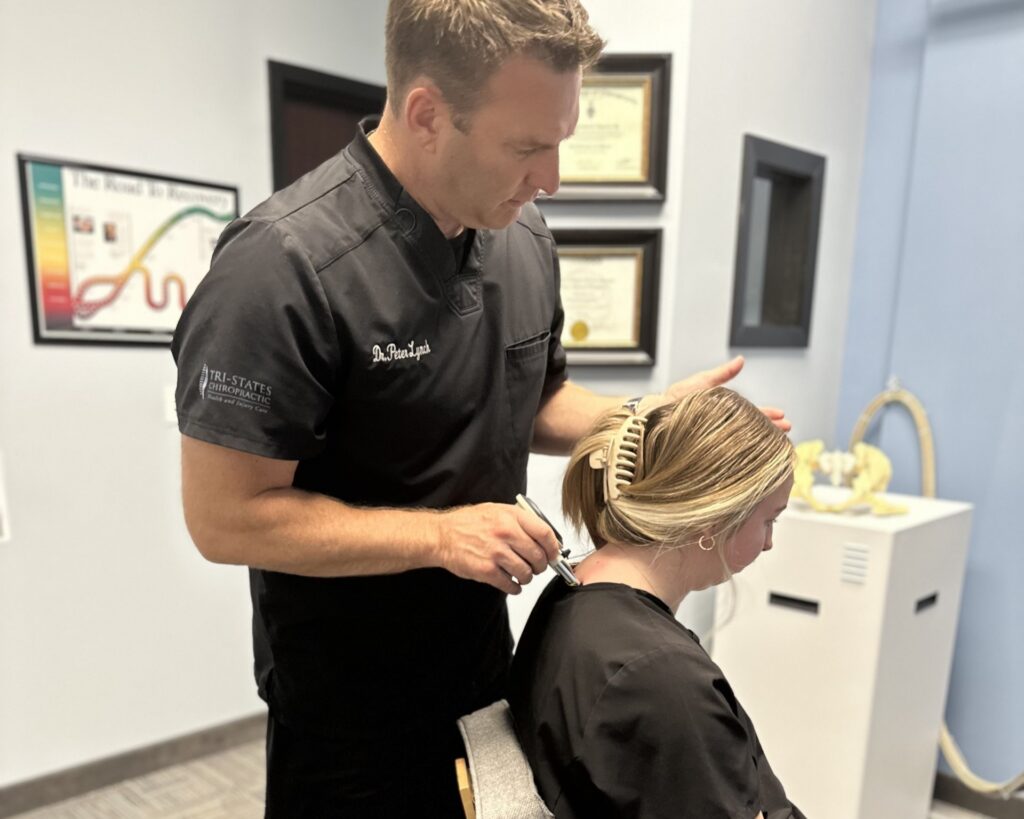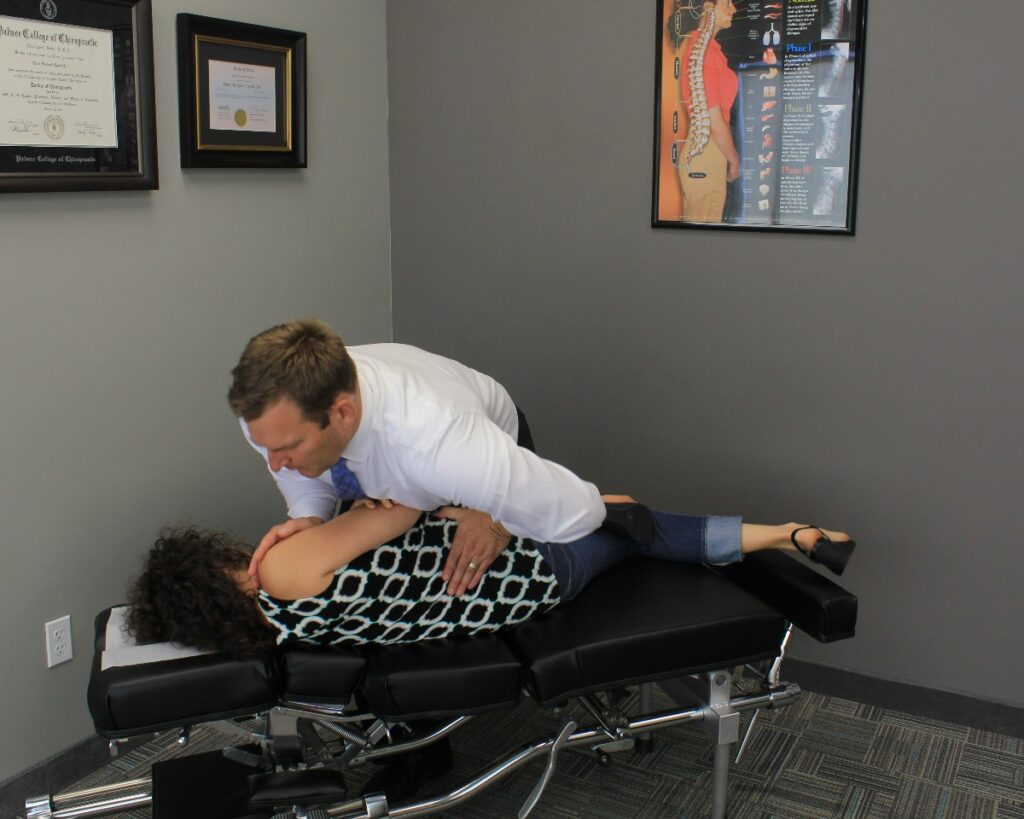
Back pain can often feel like a persistent burden, but there are effective adjustments you can make to significantly reduce your discomfort. As a local chiropractor, I want to emphasize the power of chiropractic care in achieving optimal health and relieving back pain naturally. By focusing on your posture, making ergonomic adjustments, and incorporating targeted exercises into your daily routine, you can foster a healthier lifestyle that supports your spine.
One of the most important steps to take is to be aware of your posture throughout the day. Whether you’re sitting at your desk, standing in line, or picking up something off the ground, maintaining proper alignment can prevent strain on your back. Remember to sit up straight, keep your shoulders back, and avoid slouching.
Ergonomics play a crucial role in your daily activities as well. If you work at a desk, ensure your chair and workstation are set up to promote good posture. Your computer screen should be at eye level, and your chair should provide adequate lumbar support. Small changes, like using a supportive chair or placing a cushion behind your lower back, can make a world of difference.
Incorporating specific exercises into your routine can also help strengthen the muscles that support your back. Focus on gentle stretches and strengthening exercises that target your core, as a strong core is essential for back health. Activities such as yoga or pilates can also improve flexibility and strength while promoting relaxation.
Lastly, consider regular chiropractic adjustments as part of your wellness journey. Chiropractic care not only addresses existing pain but also helps prevent future issues by ensuring your spine is aligned and your nervous system is functioning optimally. With the right care and adjustments, you can experience significant relief and enhance your overall well-being.
Remember, even small adjustments in your daily habits can lead to great improvements in how you feel. By prioritizing your spinal health through chiropractic care and mindful practices, you’re taking a vital step toward a pain-free life.
Key Takeaways
- Adjust your chair to provide firm support for your lower back. Make sure your feet are flat on the floor and your thighs are parallel to the ground. This simple adjustment can help maintain proper spinal alignment and reduce discomfort.
- Position your monitor at eye level, about an arm’s length away. This helps to prevent neck strain and encourages good posture, allowing your spine to remain in a natural position throughout the day.
- Keep your keyboard directly in front of you, at the same height as your mouse. This ensures you can maintain spinal alignment and avoids unnecessary reaching, which can lead to strain on your back.
- Take regular breaks to stand, stretch, and move around. These short breaks enhance circulation and relieve tension in your spine, helping to maintain overall spinal health.
- Incorporate simple stretching and strengthening exercises into your daily routine. Exercises like planks and cat-cow stretches can boost your flexibility and support your back. Additionally, consider consulting with your chiropractor for personalized exercises that cater to your specific needs and promote optimal health.
By making these adjustments and incorporating these practices into your daily life, you can significantly relieve back pain and enhance your overall wellness naturally. Remember, chiropractic care is a fantastic choice for achieving and maintaining a healthy spine and body!
Understanding the Causes of Back Pain
Back pain can arise from a variety of sources, and understanding these causes is crucial for finding effective relief.
Often, discomfort can result from muscle strain, which might happen when lifting heavy objects or making sudden movements.
If you find yourself sitting for extended periods, it’s common to experience issues stemming from weak muscles and inadequate support.
Conditions such as herniated discs or arthritis can also lead to persistent pain.
Stress plays a significant role in back pain too, as it can cause muscle tension in your back.
Additionally, injuries from sports or accidents may leave you with lingering discomfort.
It’s important to be mindful of your daily activities and any repetitive motions that might worsen your pain.
Chiropractic care is an excellent solution for addressing these issues naturally.
By focusing on spinal health and alignment, chiropractic adjustments can help alleviate pain and promote overall wellness.
Here are some general tips you can incorporate into your daily routine to support your back health:
- Stay Active: Regular exercise can strengthen your back and core muscles. Even simple activities like walking or stretching can make a big difference.
- Practice Good Posture: Pay attention to your posture when sitting or standing. Proper alignment can reduce strain on your back.
- Lift with Care: When lifting heavy objects, use your legs instead of your back. Bend at your knees, keep the object close to your body, and avoid twisting.
- Manage Stress: Incorporate relaxation techniques such as deep breathing, yoga, or meditation to help reduce muscle tension.
- Stay Hydrated: Drinking plenty of water supports spinal health by keeping your discs hydrated and healthy.
By understanding the root causes of your back pain and integrating these tips into your lifestyle, you can empower yourself to take proactive steps toward relief.
Chiropractic care not only addresses pain but also promotes a healthier, more balanced life.
If you’re struggling with back pain, consider visiting your local chiropractor for a personalized approach to your health and wellness.
Importance of Proper Posture
Proper posture is crucial for preventing back pain and enhancing your overall health. As a chiropractor, I’ve seen firsthand how maintaining good posture can transform your well-being. Not only does it help alleviate discomfort, but it also supports your spine’s natural alignment, leading to improved function and vitality.
Let’s delve into the benefits of good posture and how you can incorporate simple strategies into your daily life. By making minor adjustments to your posture and setting up an ergonomic workspace, you can experience significant improvements in your comfort and health.
Here are some tips to help you maintain proper posture throughout your day:
- Be Mindful of Your Alignment: Whether you’re sitting, standing, or walking, keep your shoulders back, chest open, and chin parallel to the ground. This alignment helps reduce strain on your spine.
- Create an Ergonomic Workspace: Ensure your desk and chair support your body correctly. Your feet should be flat on the floor, and your computer screen should be at eye level to minimize neck strain.
- Take Breaks and Move: Don’t forget to take regular breaks to stretch and move around. This helps relieve tension and encourages better posture.
- Strengthen Your Core: Engaging in exercises that strengthen your core muscles can provide better support for your spine and improve your posture. Simple activities like planks or bridges can be very effective.
- Consider Chiropractic Care: Regular visits to a chiropractor can help you correct poor posture and maintain spinal health. We use natural techniques to align your spine, relieve pain, and promote overall wellness.
Benefits of Good Posture
Good posture isn’t just about looking confident; it plays a crucial role in your overall well-being and health. As a chiropractor, I want to emphasize that maintaining proper alignment can significantly reduce strain on your muscles and joints, helping to prevent pain and injuries. When you sit or stand with good posture, you improve your breathing and circulation, which allows your body to function more efficiently. This means you may experience increased energy levels, as proper posture promotes better oxygen flow and reduces fatigue.
Moreover, adopting a confident posture can also enhance your self-esteem and positively influence your mood. You might find yourself feeling more focused and productive throughout the day. In social settings, good posture makes you appear more approachable and engaged, which can help build better connections with those around you.
To support your journey towards better posture, I encourage you to incorporate these simple tips into your daily routine:
- Be Mindful of Your Alignment: Whether you’re sitting at a desk or standing in line, check in with your posture. Keep your shoulders back, head level, and spine straight.
- Strengthen Your Core: A strong core provides the support needed for good posture. Incorporate exercises that target your abdominal and back muscles.
- Take Breaks: If you find yourself sitting for long periods, take regular breaks to stretch and walk around. This helps to relieve tension and reset your posture.
- Use Supportive Furniture: Invest in a chair that supports your lower back, and ensure your workspace is ergonomically designed to promote good posture.
- Consult with a Chiropractor: Regular chiropractic care can help keep your spine aligned and your body functioning optimally. A chiropractor can provide personalized advice and adjustments to enhance your posture and overall health.
Embracing good posture is a simple yet powerful way to enhance your quality of life. Remember, taking proactive steps towards better posture not only helps alleviate pain but also promotes natural wellness. Let’s work together towards achieving optimal health through chiropractic care!
Posture Correction Techniques
Correcting your posture is vital for preventing pain and enhancing your overall health. As a local chiropractor, I want to share simple techniques that can help you improve your posture throughout the day and promote natural healing. By focusing on your posture, you can alleviate discomfort and support your spine’s health without the need for medications or surgeries.
Here’s a quick reference table for posture correction techniques that you can easily incorporate into your daily routine:
| Technique | Description | Benefits |
|---|---|---|
| Sit up straight | Keep your back straight and shoulders relaxed. | Reduces strain on the spine and promotes better alignment. |
| Align your ears | Ensure your ears are aligned with your shoulders when standing. | Encourages proper spinal alignment and balance. |
| Strengthen core muscles | Engage in exercises that target your core, like planks and bridges. | Provides better support for your spine and can prevent injuries. |
| Use supportive chairs | Choose chairs with good lumbar support, especially when sitting for long periods. | Eases pressure on your back and helps maintain good posture. |
| Stretch regularly | Include stretching in your daily activities to keep your muscles flexible. | Increases flexibility and reduces stiffness, making it easier to maintain proper posture. |
Ergonomic Workspace Setup
As a local chiropractor, I want to emphasize the crucial role an ergonomic workspace plays in maintaining proper posture and preventing back pain. By setting up your workspace with care, you can significantly reduce discomfort and support your spinal health.
Start by adjusting your chair to provide firm support for your lower back, ensuring your feet are flat on the floor. This alignment is essential for maintaining a healthy spine. Position your monitor at eye level to keep your neck in a neutral position and avoid unnecessary strain. It’s also important to use a keyboard and mouse that allow your wrists to remain straight and relaxed, as this can prevent repetitive strain injuries.
Additionally, make sure your desk height is appropriate so that your elbows can form a 90-degree angle. This simple adjustment can make a world of difference in your comfort levels throughout the day.
Don’t forget the importance of regular breaks! Stand up, stretch, and move around periodically to enhance circulation and give your spine a chance to decompress.
Ergonomic Workstation Setup
To create an ergonomic workstation that supports your overall health and well-being, it’s essential to make a few simple adjustments. Start by adjusting your chair height so that your feet rest flat on the floor. This position helps maintain proper spinal alignment and reduces unnecessary strain on your back.
Next, position your monitor at eye level. This is crucial for reducing neck strain, which can lead to discomfort and tension over time. When your monitor is at the right height, it encourages a more natural posture, allowing your spine to maintain its natural curves.
Additionally, ensure that your keyboard and mouse are within easy reach. This promotes a comfortable arm position and helps prevent repetitive strain injuries. Keeping your arms relaxed and your wrists straight can significantly enhance your comfort while working.
Chair Height Adjustment
Adjusting your chair height is an essential step in creating an ergonomic workstation that can significantly help alleviate back pain. As a chiropractor, I want to emphasize the importance of proper posture in maintaining your spinal health.
When your chair is adjusted correctly, you’ll find yourself sitting comfortably, with your feet flat on the ground and your knees at a right angle. This alignment supports your spine, reduces strain, and promotes overall well-being.
Here are some simple tips to ensure your chair height is just right:
- Feet Flat on the Floor: Your feet should rest firmly on the ground. This helps maintain stability and reduces pressure on your lower back.
- Thighs Parallel to the Ground: Ensure your thighs are parallel to the floor. This position allows for proper blood circulation and reduces discomfort.
- Back Support: Your chair should provide full support for your back. Maintaining contact with the backrest helps keep your spine in its natural curvature.
- 90-Degree Angle for Arms: When your arms are resting on the desk, they should form a 90-degree angle at the elbows. This position prevents strain on your shoulders and neck.
- Easy Desk Access: Adjust your chair height so you can reach your desk comfortably without straining or stretching awkwardly.
By following these ergonomic guidelines, you can create a workspace that not only enhances your comfort but also supports your overall health. Remember, maintaining proper posture is key to preventing pain and promoting wellness.
If you’re experiencing persistent discomfort, consider visiting a chiropractor who can provide personalized care and guidance tailored to your needs. Embracing chiropractic care is a natural way to achieve optimal health and well-being.
Monitor Positioning Guidelines
Properly positioning your monitor is essential not just for reducing eye strain, but also for maintaining a healthy spine and good posture while you work. As a chiropractor, I emphasize the importance of creating a workspace that supports your overall wellness.
Start by placing your monitor at eye level—this keeps your neck straight and relaxed, which is crucial for preventing discomfort and pain in the upper back and neck. The top of the screen should align with your eyes so you can look slightly downward at it. This positioning helps to reduce unnecessary strain on your spine.
To further support your health, keep the monitor about an arm’s length away. This distance helps prevent eye fatigue, allowing you to focus better and minimizing the need to lean forward, which can strain your back. Adjust the angle of your monitor to reduce glare; the screen’s surface should be perpendicular to your line of sight. If you wear glasses, ensure that the monitor distance aligns with your prescription to maintain comfort.
Regularly check your posture throughout the day. If you find yourself leaning forward or straining your neck, it’s a sign that your monitor may need adjustment.
Remember, a well-placed monitor is a simple yet effective step toward a more comfortable and healthier work environment.
Incorporating these monitor positioning tips into your daily routine can significantly enhance your comfort and overall well-being. Additionally, consider visiting your chiropractor for personalized advice on maintaining a healthy spine and achieving optimal health naturally. Your body will thank you!
Keyboard and Mouse Placement
After ensuring your monitor is set up correctly, let’s focus on optimizing your keyboard and mouse placement to create an ergonomic workstation that promotes spinal health. Proper positioning can significantly reduce strain on your back and wrists, helping you avoid discomfort and potential injury.
Here are some simple tips to enhance your workspace and support your overall wellness:
- Position your keyboard directly in front of you: This helps maintain alignment in your spine and reduces the risk of straining your neck and shoulders.
- Keep your mouse at the same height and level as your keyboard: This encourages a natural arm position, preventing unnecessary reaching that can lead to tension and pain.
- Consider using a wrist rest: This can provide additional support and comfort, helping to keep your wrists in a neutral position, which is essential for preventing repetitive strain injuries.
- Ensure your feet are flat on the ground or on a footrest: This promotes proper posture and helps distribute your weight evenly, reducing stress on your lower back.
- Choose a chair that supports your lower back: A chair with good lumbar support encourages a healthy posture, which is vital for spinal health during long hours of work.
Making these adjustments not only supports good posture but also enhances your overall health and well-being.
Stretching and Strengthening Exercises
Incorporating stretching and strengthening exercises into your daily routine can significantly alleviate back pain and enhance your overall mobility. Stretching is vital for improving flexibility, which helps reduce muscle tension and increases your range of motion.
Simple stretches, such as the cat-cow or child’s pose, effectively target your spine and hips, contributing to a noticeable improvement in how you feel.
Strengthening exercises are equally important, as they focus on your core, back, and pelvic muscles, providing essential support for your spine. Effective moves like planks, bridges, and bird-dogs can be easily performed at home, making it convenient to stay active.
Creating a balanced routine that includes both stretching and strengthening exercises is key to building stability and preventing future injuries.
As you engage in these exercises, it’s crucial to listen to your body. If any movement causes pain, consider modifying it or skipping it altogether. Consistency is vital for success, so aim to incorporate these exercises several times a week.
With commitment, you’ll likely notice improvements in your posture and a reduction in back pain, leading to a more active and fulfilling lifestyle.
The Role of Heat and Cold Therapy
When it comes to managing back pain, incorporating heat and cold therapy can be an effective part of your recovery strategy. These methods not only soothe discomfort but also promote healing in a natural way. Heat therapy works wonders by increasing blood flow and relaxing tense muscles, while cold therapy helps reduce inflammation and numb pain. Using both techniques can yield the best results.
Consider these comforting options for your therapy:
- A warm heating pad can melt away tension and help relax stiff muscles.
- A cold pack, wrapped in a soft cloth, can provide instant relief from sharp pain.
- A hot shower allows steam to envelop your sore muscles, promoting relaxation.
- Ice cubes can be gently glided over painful areas, effectively numbing sharp aches.
- Snuggling under a cozy blanket can wrap you in comforting warmth, helping you feel better overall.
For optimal results, try using heat for muscle stiffness and cold for acute pain. Alternating between the two can provide your body with the benefits of both methods.
Remember, while heat and cold therapy can be helpful, the best approach for managing back pain is to seek chiropractic care. A chiropractor can identify the root cause of your pain, provide personalized treatment plans, and guide you on your journey to recovery. By incorporating chiropractic care into your wellness routine, you can achieve lasting pain relief and improve your overall health naturally.
Embrace these techniques, but always consider consulting with a chiropractor for the best path to optimal wellness.
Maintaining a Healthy Weight
Maintaining a healthy weight is crucial for managing back pain and enhancing your overall well-being. When you carry extra weight, it adds unnecessary strain on your spine and surrounding muscles, which can lead to increased discomfort. By losing those extra pounds, you can significantly reduce the pressure on your back, resulting in better mobility and less pain.
To achieve and keep a healthy weight, it’s essential to focus on balanced nutrition and regular physical activity. Incorporate a variety of fruits, vegetables, lean proteins, and whole grains into your meals. These foods not only nourish your body but also support your spine’s health. Try to limit processed foods and sugary snacks, as they can lead to weight gain and inflammation.
Aim for at least 150 minutes of moderate aerobic exercise each week. This could be anything from brisk walking to swimming—whatever you enjoy that gets you moving! Don’t forget about strength training, which is vital for building muscle support around your spine and improving your posture.
As a chiropractor, I believe that chiropractic care can play a pivotal role in your journey to better health. Regular adjustments can help align your spine, reduce pain, and improve your body’s function, making it easier for you to stay active and reach your weight goals.
If you’re struggling with back pain or looking for natural ways to enhance your wellness, consider incorporating chiropractic care into your routine.
Mindfulness and Stress Management Techniques
To effectively manage back pain, incorporating mindfulness and stress management techniques can significantly enhance your overall wellness. These strategies not only help alleviate discomfort but also work synergistically with chiropractic care to promote a healthier spine.
Here are some valuable techniques you can easily integrate into your daily routine:
- Deep Breathing: Practice deep breathing by inhaling slowly through your nose, allowing your lungs to fill completely. Then, exhale gently, letting go of any tension. This simple technique can help calm your mind and reduce stress, which can contribute to back pain.
- Meditation: Dedicate a few quiet moments each day to meditation. Focus on your breath and allow your thoughts to drift away, similar to clouds passing in the sky. This practice can help center your mind and reduce anxiety, which may alleviate discomfort.
- Yoga: Engage in gentle yoga stretches that promote flexibility and relieve tightness in your back. Regular practice can improve your posture and enhance the effectiveness of chiropractic adjustments, leading to better spinal health.
- Progressive Muscle Relaxation: Start from your toes and work your way up, tensing and then relaxing each muscle group. This technique helps release built-up tension and can be a great complement to chiropractic care.
- Mindful Walking: Take slow, intentional walks while paying attention to each step and the sensations in your body. This mindfulness practice not only helps you connect with your body but can also support a healthier spine.
By incorporating these techniques alongside chiropractic care, you can create a comprehensive approach to managing back pain and improving your overall health.
When to Seek Professional Help
Recognizing the right time to seek professional help for back pain is crucial for your recovery, and chiropractic care can be an excellent first step.
If your pain lasts for more than a few weeks, it’s a good idea to consult with a chiropractor who specializes in spinal health. You should also consider scheduling an appointment if your pain is severe and not improving with at-home care like stretching or gentle exercise, or if it’s starting to limit your daily activities.
Be attentive to any additional symptoms, such as numbness, tingling, or weakness in your legs, as these can indicate a more serious issue that chiropractic care can effectively address.
If you experience sudden changes in bowel or bladder function, it’s important to seek help immediately. Early intervention through chiropractic adjustments can help prevent further complications and assist you in returning to your normal life sooner.
Remember to listen to your body’s signals—seeking chiropractic care can provide you with a personalized treatment plan that focuses on natural healing and pain relief.
In the meantime, consider incorporating gentle stretches and maintaining a good posture to support your spine. Prioritizing your spinal health is a key part of achieving optimal wellness.