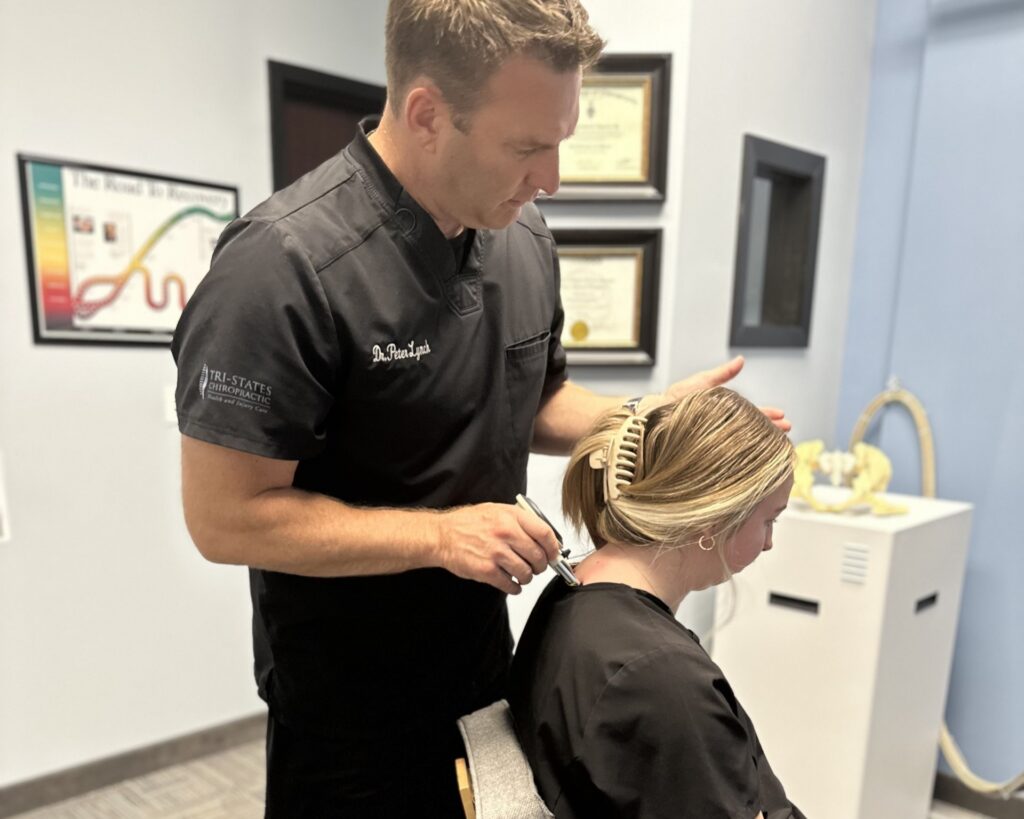
Tension headaches can significantly impact your daily life, but you don’t have to let them take control. One of the key steps in finding relief is understanding the root causes, such as stress and poor posture. As a chiropractor, I can tell you that these issues can often be addressed through spinal adjustments and holistic care.
Making simple changes to your daily routine can lead to remarkable improvements in how you feel. For instance, incorporating ergonomic practices at your workspace can help maintain proper posture, reducing strain on your neck and shoulders. Regular stretching and strengthening exercises can also support your spine and alleviate tension.
In addition to these physical adjustments, effective relaxation techniques can be incredibly beneficial. Practices such as deep breathing, mindfulness, and gentle yoga can help reduce stress and promote a sense of calm, which is essential for preventing tension headaches.
If you’re curious about how chiropractic care can help you achieve a headache-free lifestyle, let’s delve into some practical strategies together. Regular spinal adjustments can not only relieve existing headache pain but also enhance your overall wellness, allowing you to lead a healthier, happier life. Remember, you have the power to take control of your health and wellbeing, and chiropractic care is here to support you on that journey.
Key Takeaways
Wave Goodbye to Tension Headaches Today
Are you tired of dealing with tension headaches? As a local chiropractor dedicated to your health and wellness, I want to share some effective ways to relieve and prevent these pesky headaches while promoting natural healing through chiropractic care.
- Regular chiropractic adjustments are a fantastic way to realign your spine and reduce muscle tension. By keeping your spine in proper alignment, you can significantly decrease the frequency and intensity of tension headaches. Our bodies are interconnected, and maintaining a healthy spine is key to overall wellness.
- Incorporating mindfulness techniques into your daily routine, such as meditation and deep breathing exercises, can greatly help lower stress levels. When we manage our stress effectively, we can reduce the triggers that lead to headaches. Consider setting aside a few minutes each day to practice these calming techniques.
- Good posture matters! Maintaining proper posture, especially when sitting at a desk, can prevent muscle strain and discomfort, which are common contributors to headaches. Invest in an ergonomic chair and be mindful of your posture throughout the day. It’s amazing how much difference it can make!
- Hydration is crucial for overall health. Make sure you’re drinking enough water—aim for at least eight glasses a day. Staying hydrated can help prevent headaches that are caused by dehydration. Remember, a well-hydrated body functions better and feels better!
- Lastly, don’t underestimate the power of relaxation techniques. Gentle stretching and progressive muscle relaxation can be incorporated into your daily routine to help relieve tension. These simple practices can ease muscle tightness and promote a sense of calm, helping to keep headaches at bay.
By prioritizing chiropractic care and these healthy habits, you can take significant steps towards a headache-free life. Your journey to optimal health starts with small, everyday choices. I’m here to support you every step of the way!
Understanding Tension Headaches: Causes and Symptoms
Tension headaches are a common discomfort that many people experience at some point in their lives. You might feel a dull, aching pain around your forehead or the back of your head, often described as a tight band squeezing your skull. Stress, poor posture, and muscle tension are the primary culprits behind these headaches. If you’ve been sitting at your desk for hours or clenching your jaw, you might be more susceptible to these headaches.
Symptoms can vary, but you may notice sensitivity to light or sound, along with tenderness in your scalp, neck, and shoulders. Unlike migraines, tension headaches don’t usually come with nausea or vomiting. Recognizing these symptoms can help you address the issue early.
As a chiropractor, I believe that understanding the causes and symptoms of tension headaches is crucial for taking proactive steps towards relief. Chiropractic care focuses on the health of your spine and nervous system, which play a significant role in your overall well-being. Misalignments in the spine can contribute to muscle tension and headaches. Regular chiropractic adjustments can help restore proper alignment, alleviate muscle tension, and promote relaxation, which may reduce the frequency and intensity of your headaches.
Additionally, here are some general tips to help manage and prevent tension headaches:
- Maintain Good Posture: Be mindful of your posture, especially when sitting for long periods. Ensure your workspace is ergonomically designed to support your spine.
- Stay Hydrated: Dehydration can contribute to headaches. Make sure you’re drinking enough water throughout the day.
- Practice Stress Management: Incorporate relaxation techniques such as deep breathing, meditation, or yoga into your daily routine to help manage stress.
- Take Breaks: If you’re working at a computer, take regular breaks to stretch and move around. This can help reduce muscle tension.
- Get Regular Chiropractic Care: Regular visits to your chiropractor can help keep your spine aligned and your muscles relaxed, which can be a natural way to prevent tension headaches.
The Role of Stress Management in Preventing Headaches
When you effectively manage stress, you significantly lower your chances of experiencing headaches. Stress can lead to muscle tension, which often worsens pain. That’s why it’s crucial to adopt techniques that help keep stress levels in check. One great approach is incorporating mindfulness practices like meditation or deep-breathing exercises into your daily routine. These methods help you remain present and reduce tension in your body.
In addition to mindfulness, physical activity is an excellent way to relieve stress. Whether it’s taking a brisk walk, practicing yoga, or engaging in a workout, moving your body releases endorphins—your brain’s natural mood elevators. This not only lifts your spirits but also helps reduce stress.
Remember, a balanced diet and sufficient sleep are vital too; they enhance your overall ability to cope with stress.
Don’t overlook the value of social support. Connecting with friends or family can offer emotional comfort and make navigating stressful times easier. By prioritizing these strategies, you’ll be on the right path to preventing tension headaches and enjoying a more relaxed, headache-free life.
As a chiropractor, I want to emphasize that proper spinal alignment is crucial for overall health and wellness. Misalignments can contribute to stress and tension, leading to headaches.
Regular chiropractic adjustments can help restore balance to your spine and body, promoting natural healing and better stress management. Embrace chiropractic care as a key part of your journey towards optimal health and a pain-free life!
Importance of Good Posture: Tips for Your Daily Routine
Good posture is crucial for your overall well-being and can significantly help in preventing tension headaches, especially if you find yourself working at a desk for long hours.
As a chiropractor, I can’t stress enough the importance of proper desk ergonomics and the incorporation of daily stretching techniques. These practices not only enhance your comfort but also play a vital role in reducing headache triggers and promoting spinal health.
Here are some practical tips to help you maintain better posture throughout your day:
- Set Up Your Workspace: Ensure your chair supports your lower back, and your feet are flat on the ground. Your computer screen should be at eye level to avoid straining your neck.
- Take Regular Breaks: Stand up, stretch, and walk around every 30-60 minutes. This helps relieve tension and improves circulation.
- Practice Stretching: Incorporate simple stretches into your daily routine. Gentle neck rolls, shoulder shrugs, and back stretches can help alleviate tightness and improve flexibility.
- Mind Your Posture: Be conscious of your posture throughout the day. Keep your shoulders back, your head aligned with your spine, and avoid slumping.
- Stay Hydrated: Drinking plenty of water can help keep your muscles hydrated and functioning properly, which is essential for maintaining good posture.
- Consider Chiropractic Care: Regular chiropractic adjustments can help ensure your spine is aligned and functioning optimally, reducing pain and discomfort. It’s a natural and effective way to enhance your overall health and wellness.
By focusing on these tips and considering chiropractic care as part of your wellness routine, you can achieve better posture, reduce your risk of headaches, and promote a healthier lifestyle.
Desk Ergonomics Essentials
Maintaining proper desk ergonomics is crucial not only for preventing tension headaches but also for enhancing your overall well-being and spinal health. As a chiropractor, I want to emphasize that a well-adjusted workspace can significantly impact your comfort and posture throughout the day.
Start by selecting a chair that offers solid support for your lower back, which is vital for maintaining the natural curve of your spine. Make sure your feet rest flat on the floor to promote good circulation and reduce strain. Your desk should be at elbow height, allowing your forearms to be parallel to the ground. This positioning helps alleviate pressure on your neck and shoulders.
When it comes to your monitor, place it an arm’s length away, ensuring the top of the screen is at or just below your eye level. This setup minimizes the risk of neck strain and encourages a healthier posture. Keep your keyboard and mouse close enough to avoid unnecessary reaching, and consider using a wrist rest to maintain a neutral wrist position, which is important for preventing discomfort.
It’s also essential to regularly assess and adjust your chair and desk settings to fit your body and any changes in your work routine. Pay attention to your posture throughout the day; small adjustments can make a big difference in your comfort level.
Remember, while proper ergonomics are important, they’re just one aspect of achieving optimal health. Regular chiropractic adjustments can further support your spinal health, alleviate pain, and enhance your overall wellness.
Stretching Techniques Daily
Incorporating daily stretching techniques can significantly enhance your posture and overall comfort, especially if you’re spending long hours at a desk. As a chiropractor, I believe that maintaining a healthy spine is essential for your well-being.
Start your day with gentle neck stretches to relieve built-up tension and improve mobility. During your workday, remember to take short breaks every hour. Stand up, twist your torso gently, and reach for the sky with your arms. This simple practice promotes blood flow and helps reduce stiffness, which is vital for maintaining a healthy spine.
To further open up your chest and improve posture, try clasping your hands behind your back and gently pulling your shoulders back. This stretch not only feels good but also counteracts the slouching that often comes from prolonged sitting.
Additionally, seated forward bends can be effective in stretching your lower back and hamstrings, helping to relieve discomfort and promote better alignment.
Consistency is key to reaping the benefits of these techniques. Set reminders on your phone to ensure you take time to stretch throughout the day. By integrating these practices into your routine, you’re not only improving your posture but also reducing the likelihood of tension headaches and other discomforts associated with poor spinal health.
Chiropractic care is a wonderful complement to these stretching techniques. Regular adjustments can enhance your body’s ability to heal naturally, optimize your posture, and keep your spine in alignment.
Hydration Matters: How Dehydration Triggers Headaches
Staying hydrated is crucial for maintaining not only your overall health but also for preventing tension headaches. When your body is lacking water, it can manifest symptoms such as fatigue and irritability, which may serve as warning signs that you need to replenish your fluids. By recognizing these symptoms early, you can take proactive steps to avoid a headache before it starts.
As a chiropractor, I want to emphasize that maintaining proper hydration supports your spinal health and overall wellness. Proper hydration helps to keep the discs in your spine hydrated and functioning optimally, which can contribute to better posture and reduced tension throughout your body.
Here are some practical tips to help you stay hydrated and potentially prevent headaches:
- Carry a Water Bottle: Keep a reusable water bottle with you throughout the day. This serves as a visual reminder to drink water regularly.
- Set Reminders: Use your phone or a timer to remind yourself to take a water break every hour.
- Infuse Your Water: If plain water doesn’t excite you, try adding slices of fruit or herbs like mint to enhance the flavor without added sugars.
- Eat Hydrating Foods: Incorporate water-rich foods into your diet, such as cucumbers, oranges, and watermelon. These can help contribute to your daily hydration needs.
- Listen to Your Body: Pay attention to signs of dehydration, such as dry mouth or fatigue. If you notice these, take a moment to hydrate.
By making hydration a priority, along with regular chiropractic care, you can help support your body’s natural ability to heal and function at its best.
Importance of Water Intake
Staying properly hydrated is crucial not just for your overall health but also for preventing tension headaches, which many of my chiropractic patients experience. When your body is dehydrated, it can lead to muscle tension and increased sensitivity, often triggering those painful headaches.
By drinking enough fluids throughout the day, you’re supporting your body’s natural healing processes and maintaining optimal brain function. To minimize the chance of discomfort, aim for at least eight glasses of water daily. If you’re active or it’s a hot day, remember to increase your intake.
A handy tip is to keep a water bottle nearby as a reminder to sip regularly. It’s important not to wait until you’re thirsty to drink; make hydration a daily priority.
In addition to staying hydrated, regular chiropractic care can also play a significant role in managing and preventing tension headaches. By ensuring that your spine is properly aligned, you can alleviate nerve interference and promote better overall function in your body.
Signs of Dehydration
Recognizing the signs of dehydration is crucial for overall wellness and can significantly impact your spinal health. One of the first indicators you might notice is increased thirst. Alongside this, you may experience a dry mouth or a decrease in urine output, which signals that your body is in need of hydration.
Dehydration can lead to fatigue and dizziness, making it challenging to focus on your daily activities, including maintaining proper posture and spinal alignment. If you find yourself feeling lightheaded or developing a headache, it’s a clear signal from your body to hydrate.
Pay attention to the color of your urine; dark yellow urine is a warning sign, while ideally, it should be a pale yellow. These signals are your body’s way of communicating its needs, and addressing them promptly can help in preventing discomfort and tension.
Staying ahead of dehydration isn’t just about avoiding headaches; it’s also essential for keeping your entire body functioning efficiently, including your spine. Regular water intake is key, especially during hot weather or while exercising.
Remember, proper hydration supports your body’s natural healing processes and can enhance the effectiveness of chiropractic care. As a chiropractor, I encourage you to make hydration a part of your daily routine.
Simple tips include carrying a water bottle with you, setting reminders to drink water throughout the day, and incorporating hydrating foods into your diet, such as fruits and vegetables. By prioritizing hydration and maintaining a healthy lifestyle, you’ll not only support your spine but also promote overall wellness. Your body will thank you for it!
Effective Relaxation Techniques to Alleviate Tension
How can you effectively relax to ease the strain of tension headaches? As a local chiropractor, I believe incorporating certain techniques into your daily routine can significantly improve your well-being and help manage pain naturally. Here are some methods that can support your journey toward optimal health and relaxation:
- Deep Breathing: Take a moment to focus on your breath. Inhale deeply through your nose, allowing your abdomen to expand, and then exhale slowly through your mouth. This simple practice calms both your mind and body, creating a sense of peace.
- Progressive Muscle Relaxation: Try this technique by systematically tensing and then relaxing each muscle group in your body, starting from your toes and moving up to your head. This can help release physical tension, promoting a sense of overall relaxation.
- Mindfulness Meditation: Spend a few minutes in silence, concentrating on the present moment. This practice helps clear your mind of stressors and can be a great way to unwind. It encourages you to be aware of your body and any areas of tension that may need attention.
- Gentle Stretching: Incorporate light stretches for your neck, shoulders, and back into your routine. Gentle stretching helps relieve tightness in the muscles and can enhance your overall flexibility, making it easier for your body to maintain proper alignment.
In addition to these relaxation techniques, consider visiting your chiropractor regularly. Chiropractic care focuses on spinal health and can greatly assist in alleviating tension headaches by ensuring that your spine is properly aligned.
This natural approach not only addresses pain but also promotes overall wellness. Remember, taking care of your spine is essential for a healthy, pain-free life!
When to Seek Professional Help for Headaches
Even with effective relaxation techniques in place, there are times when headaches persist or worsen, indicating that it may be time to seek professional evaluation. Recognizing these signs is crucial for your well-being. If your headaches disrupt your daily activities, last longer than usual, or are accompanied by concerning symptoms, reaching out to a healthcare professional—especially a chiropractor—can be a beneficial step.
Chiropractic care focuses on the spine and nervous system, which play a vital role in overall health and wellness. By addressing misalignments and tension in the body, chiropractic adjustments can help alleviate headaches naturally and promote better health.
Here’s a quick guide to help you decide when to seek help from your chiropractor:
| Warning Signs | Action Needed |
|---|---|
| Headaches lasting over 72 hours | Schedule a chiropractic appointment |
| Sudden onset of severe pain | Visit a chiropractor or the emergency room |
| Neurological symptoms present | Seek immediate chiropractic care |
| Headaches following a head injury | Get evaluated by your chiropractor promptly |
| Frequent headaches (more than 15 days/month) | Consult a chiropractic specialist |
In the meantime, here are some general tips to help alleviate headaches:
- Maintain proper posture to reduce spinal strain.
- Stay hydrated to prevent dehydration-related headaches.
- Incorporate regular physical activity to improve blood flow and reduce tension.
- Practice stress-reduction techniques, such as deep breathing or mindfulness.
Taking these steps can help you manage your headaches effectively and ensure you receive the natural care you need. Remember, your body communicates with you through symptoms—don’t ignore those signals! Embracing chiropractic care can lead to lasting relief and improved overall wellness.
Building a Headache-Free Lifestyle: Daily Habits to Adopt
To build a headache-free lifestyle, adopting daily habits that support your overall health is crucial. Simple changes can significantly reduce your chances of experiencing tension headaches, and chiropractic care can play a vital role in your journey to wellness.
- Stay Hydrated: Drinking plenty of water throughout the day helps prevent dehydration, a common headache trigger. Staying well-hydrated supports your spinal health by maintaining proper disc function and reducing tension in your neck and back.
- Practice Good Posture: Maintaining proper alignment while sitting, standing, or walking can help reduce neck and shoulder strain. A chiropractor can provide you with personalized adjustments and exercises to improve your posture and alleviate pressure on your spine.
- Manage Stress: Incorporating relaxation techniques such as deep breathing, meditation, or yoga into your daily routine can help control stress levels, which are often linked to headaches. Chiropractic care also offers natural stress relief by promoting relaxation and improving nervous system function.
- Get Enough Sleep: Aim for 7-9 hours of quality sleep each night. A well-aligned spine enhances your sleep quality, allowing your body to recover and reset. A chiropractor can help identify any spinal misalignments that may be disrupting your sleep.
By integrating these habits into your daily life and considering chiropractic care as a key component of your health journey, you can cultivate a headache-free lifestyle and achieve optimal well-being.