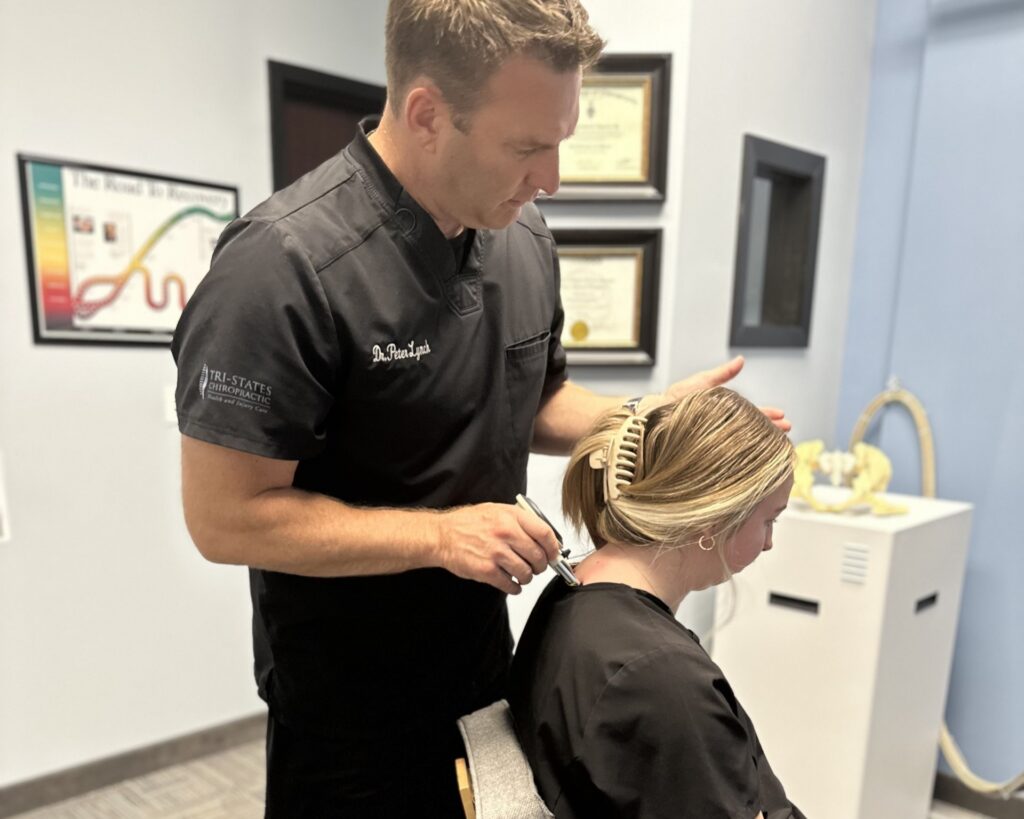
If you’ve ever dealt with tension headaches, you know how they can really put a damper on your day. Understanding what triggers these headaches and finding natural ways to relieve them can make a significant difference in your overall well-being. As a chiropractor, I believe that spinal health plays a crucial role in reducing tension headaches.
By exploring various management techniques, such as regular chiropractic adjustments, you can help alleviate the muscle tension and misalignments that contribute to headaches. Additionally, making simple lifestyle changes—like improving your posture, staying hydrated, and incorporating stress-reduction techniques such as deep breathing or yoga—can greatly enhance your quality of life.
Are you ready to discover the key benefits of relieving tension headaches through chiropractic care and natural wellness? Let’s dive into how these strategies can lead to lasting improvements in your health and help you enjoy life to the fullest. Remember, taking care of your spine is taking care of your overall health!
Key Takeaways
- Effective management of tension headaches can greatly enhance your daily productivity and overall quality of life by alleviating pain and discomfort. Chiropractic care is a natural and effective solution for addressing the root causes of these headaches, promoting better spinal alignment and reducing tension in the muscles.
- Incorporating relaxation techniques alongside chiropractic adjustments can significantly lower stress levels, which are common triggers for tension headaches. Techniques such as deep breathing, gentle stretching, and mindfulness can complement your chiropractic care and enhance your relaxation.
- Staying well-hydrated and maintaining a balanced diet are essential for preventing dehydration-related headaches and supporting your overall health. Chiropractic care often emphasizes the importance of nutrition and hydration as part of a holistic approach to wellness.
- Regular physical activity is vital for promoting muscle relaxation, improving blood circulation, and releasing endorphins that relieve tension and anxiety. Chiropractic care encourages movement and exercise tailored to your individual needs, contributing to a healthier lifestyle that can help prevent headaches.
- Establishing a consistent sleep schedule and nurturing social connections can significantly boost your emotional well-being and resilience against stress-related headaches. Chiropractic adjustments can also improve your sleep quality by relieving discomfort and promoting relaxation, making it easier to maintain a healthy sleep routine.
By choosing chiropractic care, you’re taking a proactive step toward natural health and wellness, effectively managing tension headaches without the need for medications or invasive procedures. Remember, your spine health is key to your overall well-being!
Understanding Tension Headaches
Tension headaches are among the most common types of headaches, often described as a dull, aching sensation that wraps around your head. Many people experience this discomfort as if a tight band is squeezing their forehead or temples. These headaches can arise from various factors, including stress, poor posture, and muscle tension, all of which can be influenced by the alignment of your spine.
You might notice that tension headaches often develop gradually and can last anywhere from 30 minutes to several days. Unlike migraines, tension headaches usually don’t come with nausea or sensitivity to light and sound, making them somewhat easier to manage. However, they can still interfere with your daily activities.
To help prevent tension headaches, it’s essential to identify your triggers. You may find that spending long hours in front of a computer screen or not getting enough sleep contributes to your discomfort.
Here are some general tips to help manage and reduce the frequency of these headaches:
- Maintain Good Posture: Ensure your workspace is ergonomically set up. Sit with your back straight and shoulders relaxed, keeping your computer screen at eye level to avoid straining your neck.
- Take Breaks: If you work at a desk or on a computer, take regular breaks to stretch and move around. This can help alleviate muscle tension that may contribute to headaches.
- Stay Hydrated: Dehydration can lead to headaches, so make sure you’re drinking enough water throughout the day.
- Practice Relaxation Techniques: Techniques such as deep breathing, meditation, or yoga can help reduce stress and muscle tension, potentially alleviating headache symptoms.
- Consider Chiropractic Care: Regular visits to a chiropractor can help ensure your spine is properly aligned, which may reduce the occurrence of tension headaches. Chiropractic adjustments can relieve muscle tension and improve overall spinal function, providing a natural and effective way to manage headaches.
Understanding the nature of your tension headaches empowers you to take steps toward managing them effectively. By adopting healthier habits and considering chiropractic care, you can work towards achieving optimal health and reducing the frequency of your headaches.
The Importance of Relaxation Techniques
Managing tension headaches often requires a holistic approach, and as a chiropractor, I believe that relaxation techniques are a vital part of this process. By incorporating these techniques into your daily routine, you can effectively reduce stress and alleviate headache symptoms.
Simple practices like deep breathing, progressive muscle relaxation, and visualization can help calm your mind and body, making it easier to manage tension naturally. Taking a few moments each day to focus on relaxation doesn’t just address current discomfort; it also helps to build resilience against future headaches.
Regularly engaging in relaxation techniques can lower your overall stress levels, which in turn improves your mood and enhances your overall well-being. Additionally, dedicating time to unwind cultivates a healthier relationship with your body.
Remember, finding what works best for you is key. Whether it’s practicing yoga, meditating, or simply taking a break to stretch, integrating these practices into your life can lead to lasting relief from tension headaches.
As a chiropractor, I emphasize the importance of spinal health in overall wellness. Misalignments in the spine can contribute to tension and headaches, so regular chiropractic adjustments can help restore balance and alleviate pain.
Lifestyle Changes to Reduce Headache Frequency
While stress is a common trigger for headaches, making specific lifestyle changes can significantly reduce their frequency and promote overall wellness. As a chiropractor, I often emphasize the importance of a holistic approach to health, and simple adjustments in your daily routine can make a big difference.
Start by incorporating regular exercise into your life. Engaging in physical activity, even a daily walk, can help relieve tension in your body and improve spinal health. Aim for at least 30 minutes of movement most days to keep your body and mind in balance.
Establishing a consistent sleep schedule is also crucial. Quality sleep is essential for preventing headaches and promoting healing. Try to go to bed and wake up at the same time each day, allowing your body to recharge properly.
Creating a balanced work-life routine can further help minimize stress. Setting clear boundaries and taking regular breaks during work hours not only reduces tension but also enhances productivity. Consider practicing mindfulness techniques, such as meditation or deep breathing exercises, to help manage anxiety and promote relaxation.
Additionally, be mindful of your caffeine and alcohol consumption, as both can contribute to headache patterns. Reducing intake can lead to improved hydration and overall health.
By embracing these lifestyle changes, you won’t only decrease the frequency of headaches but also enhance your overall well-being.
As you explore these habits, remember that chiropractic care can play a vital role in supporting your journey to optimal health. Regular adjustments can help align your spine, relieve tension, and promote natural healing in your body.
The Role of Hydration and Nutrition
Hydration and nutrition are fundamental components of maintaining overall health and preventing headaches, and as a chiropractor, I believe that these aspects can significantly enhance your wellness journey. When your body is dehydrated, it struggles to function properly, often leading to tension headaches. Ensuring you drink enough water throughout the day is crucial for keeping your body balanced and your mind sharp.
Moreover, the foods you choose can directly affect how often and how intensely you experience headaches.
Here are some simple yet effective tips to keep in mind:
- Electrolyte balance: Incorporate foods rich in potassium and magnesium into your diet. These nutrients help maintain hydration and can be beneficial in preventing headaches. Think bananas, spinach, and avocados!
- Regular meals: Try to eat at consistent intervals. Skipping meals might trigger headaches, so aim for well-balanced meals that include whole grains, lean proteins, and healthy fats. This not only supports your body but also keeps headaches at bay.
- Limit caffeine and sugar: While a little caffeine can be fine, too much can lead to dehydration and fluctuations in blood sugar levels, which are headache triggers. Moderation is key!
Remember, chiropractic care also plays a vital role in your overall health. By addressing spinal alignment, we can help improve your body’s ability to function optimally and reduce the incidence of headaches.
Regular chiropractic adjustments can enhance your nervous system’s communication and may provide additional relief from headache symptoms.
Physical Activity and Its Benefits
Getting active can work wonders for your tension headaches, especially when combined with chiropractic care. Regular movement not only enhances blood circulation and reduces stress but also promotes muscle relaxation, making it a vital part of your wellness routine.
As your local chiropractor, I encourage you to explore how incorporating physical activity into your daily life can provide relief from tension headaches.
To get started, consider simple activities like walking, stretching, or yoga, which can all be done at home. These movements can help alleviate tension in the neck and shoulders, areas often impacted by headaches.
Additionally, chiropractic adjustments can further improve spinal alignment, ensuring your body functions optimally and reducing the frequency and intensity of headaches.
Here are a few tips to incorporate movement and chiropractic care into your routine:
- Start Small: If you’re new to exercise, begin with short walks or gentle stretches. Gradually increase the duration and intensity as your body adapts.
- Stay Consistent: Aim for at least 30 minutes of physical activity most days of the week. Consistency is key to reaping the benefits for headache relief.
- Listen to Your Body: Pay attention to how your body responds to different activities. If something doesn’t feel right, consult with your chiropractor for personalized guidance.
- Combine with Chiropractic Care: Regular visits to your chiropractor can enhance the benefits of physical activity by ensuring proper spinal alignment and addressing any underlying issues contributing to your headaches.
- Stay Hydrated: Proper hydration supports overall health and can also help reduce headache frequency. Make sure to drink enough water throughout the day.
By integrating physical activity with chiropractic care, you can take significant steps towards minimizing tension headaches and improving your overall well-being.
Improved Blood Circulation
Engaging in regular physical activity is one of the best ways to enhance blood circulation, which is crucial for your overall health and well-being. When blood circulates effectively, it delivers vital oxygen and nutrients to your muscles and organs, which can help reduce the chances of experiencing tension headaches.
Additionally, improved circulation aids your body in flushing out toxins, promoting a healthier you.
As a chiropractor, I want to highlight how enhanced blood flow can significantly benefit your life, especially when combined with chiropractic care. Here are some key benefits of improved circulation:
- Increased energy levels: With better blood flow, you’ll feel more energized and less fatigued during your daily activities, allowing you to enjoy life to the fullest.
- Faster recovery: Regular chiropractic adjustments can help improve circulation, which means your body will heal more quickly from injuries and strains, reducing discomfort and getting you back on your feet sooner.
- Improved cognitive function: Enhanced blood flow to the brain can boost your focus and concentration, making it easier to tackle daily tasks.
To maximize these benefits, consider incorporating simple habits into your routine. Here are a few tips:
- Stay Active: Aim for at least 30 minutes of moderate exercise most days of the week. Activities like walking, swimming, or cycling can significantly improve circulation.
- Regular Chiropractic Visits: Chiropractic care not only helps align your spine but also enhances blood flow, supporting your overall health. Regular adjustments can keep your body functioning optimally.
- Hydration: Drink plenty of water throughout the day to keep your blood fluid and promote better circulation.
- Stretching: Incorporate stretching into your daily routine to improve flexibility and blood flow to your muscles.
- Balanced Diet: Eating a diet rich in fruits, vegetables, whole grains, and lean proteins supports circulation and overall health.
By focusing on these practices and incorporating chiropractic care into your wellness routine, you can enjoy improved blood circulation, leading to a healthier and more vibrant life.
Stress Reduction Techniques
Improved blood circulation is essential for not only boosting your energy levels but also effectively managing stress. One of the best ways to enhance circulation and improve your overall well-being is through regular physical activity. Activities such as walking, jogging, or yoga not only promote fitness but also help release endorphins—your body’s natural mood lifters.
When you engage in exercise, you’re doing more than just working on your physical health; you’re actively reducing anxiety and tension. Even a brief workout can provide a much-needed mental break from daily stressors, allowing you to reset and refocus. Establishing a routine of physical activity can also foster a sense of accomplishment, which further enhances your mood and reduces stress levels.
It’s important to remember that hitting the gym isn’t the only option. Simple, enjoyable activities incorporated into your daily life can make a significant impact on your stress management and overall health.
As a chiropractor, I encourage you to prioritize chiropractic care as a foundational aspect of your wellness journey. Regular adjustments can improve your spinal health, enhance blood circulation, and support your body’s natural ability to heal.
Incorporate these tips into your routine:
- Choose an activity you love, whether it’s dancing, hiking, or practicing yoga, and make it a regular part of your week.
- Pair your physical activity with deep breathing exercises to further alleviate tension and stress.
- Consider scheduling regular chiropractic visits to maintain spinal alignment, which can enhance your body’s function and stress response.
Enhanced Muscle Relaxation
When you incorporate regular physical activity into your routine, you’ll find that it significantly enhances muscle relaxation and overall well-being. Activities like stretching, yoga, and aerobic exercises aren’t just good for your heart; they also help relieve built-up tension in your muscles.
Chiropractic care can complement these activities, as it focuses on aligning the spine and ensuring your nervous system functions optimally, which in turn supports your body’s natural healing processes.
Here are some key benefits of physical activity and chiropractic care:
- Boosts Endorphin Production: Regular movement increases the production of endorphins, which help create a natural sense of well-being. This is especially beneficial when paired with chiropractic adjustments that relieve pain and enhance your overall mood.
- Reduces Muscle Stiffness: Engaging in physical activity can reduce muscle stiffness and soreness, allowing you to feel more agile. Coupled with chiropractic care, you can experience even greater relief from discomfort and improved mobility.
- Improves Flexibility: Regular stretching and exercise enhance your flexibility, promoting a greater range of motion. Chiropractic adjustments can further support this by ensuring that your spine and joints are properly aligned, making it easier to move freely.
Tips for Muscle Relaxation and Wellness:
- Incorporate Stretching: Aim to stretch daily or at least a few times a week. This helps maintain flexibility and reduces tension.
- Stay Active: Find activities you enjoy, whether it’s walking, dancing, or swimming. Consistency is key for muscle relaxation and overall health.
- Consider Chiropractic Care: Regular visits to your chiropractor can help maintain spinal alignment, which is essential for optimal nerve function and muscle relaxation.
- Practice Deep Breathing: Incorporate deep breathing exercises during your stretching or yoga sessions. This can help calm your mind and relax your muscles.
Stress Management Strategies
While tension headaches can often be linked to stress, there are effective stress management strategies that can significantly reduce their occurrence and severity. One of the best ways to alleviate tension is through regular physical activity. Incorporating movement into your daily routine, such as taking a brisk walk, can elevate your mood and help release built-up tension in your body.
Another effective approach is practicing mindfulness or meditation. Just a few minutes each day spent focusing on your breath can help calm your mind and reduce feelings of anxiety. This practice not only aids in managing stress but can also positively influence your overall well-being.
Engaging in hobbies and activities you enjoy is also important. Finding time for relaxation and fun can provide a healthy distraction from daily stressors. Whether it’s painting, gardening, or playing a sport, these activities can help take your mind off worries and promote a sense of joy.
Maintaining a consistent sleep schedule is crucial as well. Quality sleep plays a vital role in managing stress levels and supporting your body’s natural healing processes. Aim for 7-9 hours of restful sleep each night to ensure your body is well-rested and ready to face the day.
Lastly, don’t overlook the power of social connections. Spending time with friends or family can be incredibly beneficial for your mental health. Sharing your feelings and experiences with others provides a supportive outlet that can help you navigate stress more effectively.
In addition to these strategies, consider the benefits of chiropractic care. Regular chiropractic adjustments can help improve spinal alignment, reduce tension in the body, and support your overall health.
When to Seek Professional Help
Recognizing when to seek professional help is crucial for effectively managing tension headaches, and as a chiropractor, I believe in empowering you with knowledge about your health.
While many tension headaches can be managed through natural methods, certain signs suggest it’s time to consult a healthcare provider. Don’t hesitate to reach out if you experience any of the following:
- Frequent headaches that interfere with your daily activities or occur more than twice a week.
- Headaches that seem to worsen over time or don’t improve with natural remedies.
- Accompanying symptoms such as visual disturbances, severe nausea, or any unusual neurological changes.
These signs could indicate underlying issues that may benefit from a holistic approach, such as chiropractic care. Early intervention is key for effective treatment and can help prevent headaches from becoming more severe.
Remember, seeking help is a proactive step towards relief and better health. Chiropractic care not only addresses pain but promotes overall wellness by focusing on spinal health and proper alignment.
Here are a few tips to help you manage tension headaches naturally:
- Stay Hydrated: Dehydration can trigger headaches, so ensure you’re drinking plenty of water throughout the day.
- Practice Good Posture: Pay attention to your posture, especially if you sit for long periods. Proper alignment can reduce tension in your neck and shoulders.
- Incorporate Relaxation Techniques: Techniques like deep breathing, yoga, or meditation can help reduce stress and tension that lead to headaches.
- Regular Chiropractic Adjustments: Maintaining spinal health through regular chiropractic care can help prevent headaches and improve your overall well-being.
By staying informed about your symptoms and taking proactive steps, you empower yourself to make choices that enhance your health.
Long-term Benefits of Effective Headache Management
Effective headache management is crucial for enhancing your quality of life, and chiropractic care is a powerful tool in achieving this. When you visit a chiropractor, you can learn how to effectively control and reduce the frequency of your headaches, leading to marked improvements in your overall well-being.
With chiropractic adjustments, you may find relief from tension and misalignments that contribute to headaches, allowing you to engage more fully in daily activities without the worry of a headache interrupting your plans.
By incorporating chiropractic care into your routine, you can also reduce your reliance on over-the-counter pain medications, which often have unpleasant side effects. Instead, you’ll discover natural methods to alleviate pain and tension, helping to ease the stress and anxiety that often accompany headache unpredictability.
This focus on holistic healing allows you to concentrate better on your personal and professional goals.
Additionally, regular chiropractic visits can encourage healthier lifestyle choices. As you become more aware of your body’s needs, you may find it easier to implement better sleep habits, nutrition, and exercise routines—all of which contribute to fewer headaches.
Here are some general tips to help manage headaches naturally:
- Stay Hydrated: Drink plenty of water throughout the day to prevent dehydration, a common headache trigger.
- Maintain Good Posture: Be mindful of your posture, especially if you work at a desk. Proper alignment can reduce tension in your neck and shoulders.
- Practice Relaxation Techniques: Incorporate stress-reducing activities like deep breathing, yoga, or meditation into your routine.
- Regular Exercise: Engage in regular physical activity to boost circulation and reduce tension in the body.
- Sleep Hygiene: Establish a consistent sleep schedule to ensure you’re getting enough restorative sleep.
Ultimately, effective headache management through chiropractic care empowers you to take back control of your life, allowing you to enjoy brighter, more fulfilling days ahead.
Embrace the natural healing approach of chiropractic to achieve optimal health and well-being.