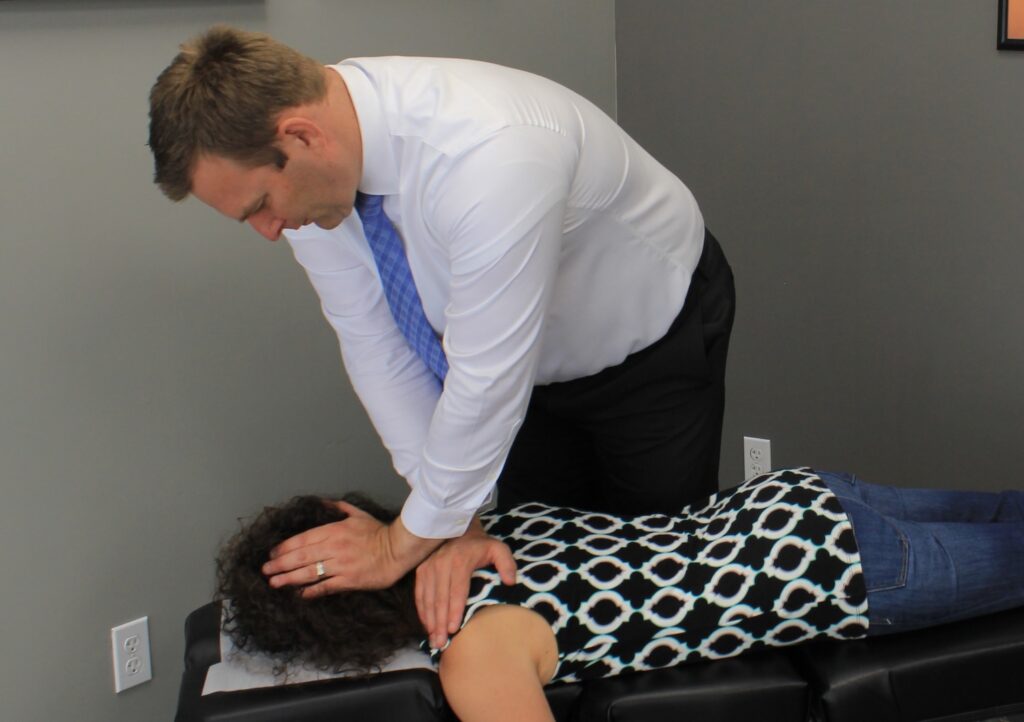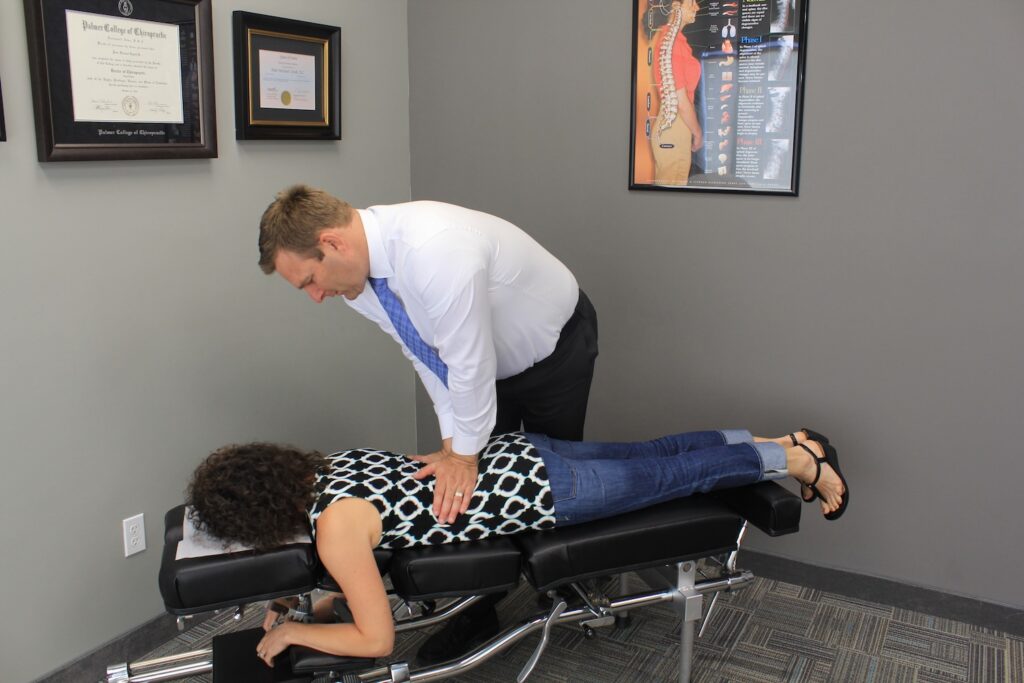
If you're dealing with back pain, it's common to feel like you've exhausted all possible avenues for relief. However, the solutions you might be overlooking could significantly enhance your healing journey. As a local chiropractor, I want to introduce you to some innovative and natural approaches that can help alleviate your discomfort.
Chiropractic care focuses on the relationship between the spine and the nervous system, emphasizing the body's innate ability to heal itself. In addition to traditional adjustments, which can realign your spine and improve mobility, there are other impressive therapies available, such as Virtual Reality Therapy, which can provide a unique and engaging way to manage pain.
Moreover, simple lifestyle adjustments, including ergonomic changes to your workspace, stretching routines, and even mindfulness practices, can be powerful tools in your recovery arsenal. While conventional pain relief methods are beneficial, exploring these alternative strategies could lead you to surprising results and a more holistic approach to managing your back pain. Let's work together to discover the relief you're seeking through comprehensive and natural healing methods!
Understanding Back Pain Causes
As a local chiropractor, I understand that experiencing back pain can be overwhelming, and it can often be difficult to identify its specific cause. There are several factors that can contribute to your discomfort, and gaining insight into these can be an essential first step towards finding relief.
One of the most common culprits is muscle strain. This often happens when individuals lift heavy objects incorrectly or make sudden, awkward movements. It's not uncommon to be unaware of a muscle strain until the pain becomes noticeable.
Another frequent source of back pain is a herniated disc. This occurs when the cushioning discs between your vertebrae bulge or rupture, which can put pressure on nearby nerves. This condition often results in sharp pain and may cause numbness that radiates down into your legs.
It's also important to consider conditions like arthritis, which can lead to inflammation and stiffness in your spine, making movement painful. Poor physical conditioning can further exacerbate back pain. If your core muscles lack strength, they may not provide the necessary support for your spine, resulting in increased strain.
Additionally, structural issues such as scoliosis, which involves an abnormal curvature of the spine, can contribute to discomfort.
Lifestyle factors, including obesity and stress, can significantly impact your back pain as well. Carrying excess weight places additional pressure on your spine, while stress can lead to muscle tension that intensifies pain.
The Role of Posture
As your local chiropractor, I want to emphasize the importance of posture in maintaining a healthy spine and preventing back pain. Many people are unaware that slouching can place unnecessary stress on your spine, leading to discomfort and pain over time.
To help you feel your best, I recommend setting up your workspace ergonomically. This means adjusting your chair, desk, and computer monitor to promote a neutral spine position.
Additionally, incorporating exercises that strengthen your core and improve your posture can make a significant difference in your overall well-being.
By being mindful of your posture and taking proactive steps, you can alleviate discomfort and enhance your quality of life.
Importance of Ergonomic Setup
As a local chiropractor, I want to emphasize the importance of an ergonomic setup in your daily life, particularly when it comes to maintaining proper posture and preventing back pain. A thoughtfully arranged workspace can significantly enhance your comfort and alignment, which is crucial for your overall well-being.
First, ensure that your chair is adjusted to provide support for your lower back. Your feet should rest flat on the floor to minimize stress on your spine. This simple adjustment can make a world of difference and help alleviate discomfort.
Next, pay attention to the height of your computer screen. Ideally, it should be at eye level to keep your neck in a neutral position. If your screen is too low, it can lead to hunching over time, causing strain and discomfort.
Additionally, your keyboard and mouse should be positioned close enough to allow your arms to remain relaxed at your sides, further promoting good posture.
I also recommend considering a standing desk or a chair that allows for movement. These options can encourage better posture and keep your muscles engaged throughout the day.
Remember, even small changes in your workspace can have a significant impact on your health.
By incorporating ergonomic principles into your daily routine, you're taking proactive steps to protect your back and improve your productivity.
As a chiropractor, I can help guide you in implementing these changes and provide further support for your journey toward natural healing and wellness.
Effects of Slouching
As a local chiropractor, I want to take a moment to educate you on the importance of posture and the effects of slouching on your body. Many people may not realize the significant toll that poor posture can take, leading to a variety of health issues that extend beyond mere discomfort.
When you slouch, your spine loses its proper alignment, which can contribute to chronic back pain and a range of other complications. It's crucial to understand that your posture plays a vital role in your overall health and well-being.
Here are some effects of slouching that you mightn't be aware of:
- Increased pressure on your spine: Slouching can compress your spinal discs, leading to pain and discomfort that can persist over time.
- Reduced lung capacity: Poor posture limits your ability to take deep breaths, which can result in fatigue and lower energy levels throughout your day.
- Neck and shoulder strain: Slouching creates muscle tension in your neck and shoulders, often resulting in headaches and soreness that can hinder your daily activities.
- Digestive issues: When you slouch, you compress your abdominal organs, which may lead to digestive discomfort and issues.
Being mindful of your posture while sitting, standing, and moving can have a profound impact on your health. By correcting your posture, you can alleviate pain and enhance your overall sense of well-being.
Exercises for Better Posture
As a local chiropractor, I understand the importance of maintaining good posture for a healthy spine and overall well-being. Many of my patients are surprised to learn that improved posture can be achieved through specific exercises that strengthen the muscles supporting the spine.
Let's start with a simple exercise known as wall angels. To perform this, stand with your back against a wall, your arms bent at 90 degrees. Slowly slide your arms up and down the wall. This movement is excellent for opening up your shoulders and enhancing the strength of your upper back, which is crucial for good posture.
Another effective exercise is the plank. By holding a plank position—whether on your hands or forearms—you actively engage your core muscles. A strong core is vital for supporting your spine and maintaining proper alignment. Start by holding the plank for 30 seconds to a minute, and as your strength increases, aim to extend that duration.
In addition to strengthening exercises, incorporating stretches into your routine is equally important. The chest opener stretch is particularly beneficial. To do this, clasp your hands behind your back and gently lift your arms. This counteracts the tightness that often results from slouching.
You might also find the cat-cow stretch helpful, as it promotes flexibility in the spine.
Lastly, I encourage you to be mindful of your posture throughout the day. Regularly check in with yourself, especially during long periods of sitting. Being aware of your posture can make a significant difference in your comfort and health.
With consistent practice of these exercises, you can build a strong foundation for better posture, alleviate back pain, and ultimately enhance your quality of life. Remember, chiropractic care is here to support you on this journey to better health and wellness.
Innovative Physical Therapies
As a local chiropractor, I'm excited to share how innovative physical therapies are transforming the way we approach back pain relief. Many people are accustomed to relying solely on medications or traditional treatments, but there are modern techniques that can promote healing and restore function in a more natural way.
You might be surprised to learn about the diverse options available that can significantly enhance your back pain management.
Imagine discovering therapies that are specifically designed to meet your individual needs, such as:
- Aquatic therapy: This method utilizes the soothing effects of water, allowing you to engage in guided exercises that minimize strain on your spine, making movement easier and more comfortable.
- Virtual reality therapy: This cutting-edge approach immerses you in engaging environments that not only distract you from pain but also help you improve mobility and coordination in a fun, interactive way.
- Movement re-education: In this therapy, we focus on retraining your body to move more efficiently and safely, which can alleviate pressure on your back and reduce discomfort.
- Biofeedback therapy: Through this technique, you'll gain valuable insights into how your body responds to pain. This understanding can empower you to manage discomfort with relaxation strategies and mindfulness.
These innovative therapies don't just tackle the physical components of back pain; they also take into account your mental and emotional well-being.
By participating in these approaches, you're not merely masking symptoms; you're actively taking charge of your recovery journey. I often find that these methods complement traditional chiropractic treatments, offering a holistic strategy for achieving lasting back pain relief.
Acupuncture's Benefits
As you seek relief from back pain, I want to introduce you to the benefits of acupuncture, a time-honored practice that can complement chiropractic care. This ancient Chinese therapy involves the insertion of thin needles into specific points on the body to stimulate the flow of energy, known as "qi." Many patients find that acupuncture not only helps alleviate pain but also enhances their overall well-being.
One of the key benefits of acupuncture is its effectiveness in reducing inflammation. By targeting specific acupoints, this treatment can improve blood circulation, which is vital for healing damaged tissues. Enhanced blood flow delivers essential nutrients to the injured area, promoting faster recovery and less discomfort.
Acupuncture is also beneficial for relieving muscle tension. If you're experiencing tightness in your back, the targeted stimulation from acupuncture can help relax those muscles, providing quick relief. Many patients report feeling a deep sense of relaxation during and after their sessions, making it an excellent option for those suffering from stress-related back pain.
Furthermore, acupuncture stimulates the release of endorphins, which are your body's natural painkillers. This increase in endorphin levels can help you manage pain more effectively, potentially reducing your reliance on over-the-counter medications.
Incorporating acupuncture into your back pain relief strategy can lead to long-lasting results. As you consider your options for natural healing, I encourage you not to overlook the potential advantages of this holistic approach.
With the guidance of a qualified practitioner, you may discover the relief you've been searching for, complementing the benefits of chiropractic care.
Mindfulness and Meditation
As a local chiropractor, I want to share with you how mindfulness and meditation can be valuable tools in managing back pain and enhancing your overall mental well-being. These practices emphasize focusing your attention and cultivating awareness, which can create a calming effect that helps alleviate tension in your body, particularly in your back.
By incorporating mindfulness and meditation into your routine, you can develop a deeper understanding of your physical sensations and emotional states, enabling you to respond to discomfort more effectively.
Picture yourself in a peaceful environment, taking full advantage of the benefits that mindfulness and meditation offer:
- A tranquil space: Imagine a quiet room with soft lighting, where you can comfortably sit on a cushion, fostering an environment conducive to relaxation and healing.
- Soothing sounds: The gentle music or natural sounds in the background can help ease your mind, guiding you away from distractions and into a more tranquil state.
- Deep breathing: Focus on your breath; inhale deeply to fill your lungs, and exhale slowly to release any tension or discomfort, especially in your back.
- Body awareness: Conduct a mental scan of your body, paying attention to areas of tightness, and consciously letting go of any stress or pain you may be holding onto.
By integrating mindfulness and meditation into your daily routine, you can achieve long-term relief from back pain.
Over time, you'll become more aware of patterns of tension in your body and learn healthier ways to respond to discomfort. This heightened awareness not only alleviates physical pain but also supports your emotional well-being, making it a holistic approach to managing back pain.
I encourage you to embrace these practices as part of your journey toward a more balanced and healthier life.
Essential Oils for Relief
As a local chiropractor dedicated to your well-being, I want to share some natural methods that can help alleviate back pain, and one of the most effective options is the use of essential oils. These concentrated extracts from plants have a long history of therapeutic use and can provide targeted relief for discomfort in your back.
One essential oil that I highly recommend is lavender. Known for its calming effects, lavender oil can also help reduce inflammation and muscle tension, making it an excellent choice for those struggling with back pain. To use it, simply dilute a few drops in a carrier oil, such as coconut or jojoba oil, and gently massage it into the affected area.
Another fantastic option is peppermint oil. Its menthol content creates a cooling sensation that can help numb pain and stimulate circulation. Just be sure to mix it with a carrier oil to prevent any skin irritation.
For those dealing with chronic pain, eucalyptus oil may be particularly beneficial. Its anti-inflammatory properties can help ease soreness and stiffness. You might consider adding a few drops to a warm bath or using it in a diffuser while you unwind.
Don't forget about the advantages of rosemary oil as well. This oil is known to stimulate blood flow and enhance circulation, which is essential for healing. For a revitalizing blend, you can mix rosemary with lavender and eucalyptus oils and apply it to your back.
I encourage you to experiment with these different oils to discover what works best for you. By incorporating essential oils into your routine, you can create a soothing experience that promotes relaxation and relief from back pain, complementing the chiropractic care you receive.
Together, we can work towards your pain relief and overall wellness.
The Power of Yoga
Incorporating yoga into your wellness routine can be a highly effective way to enhance the benefits of chiropractic care, especially for back pain relief. As a chiropractor, I often recommend yoga not only for its ability to promote flexibility and strength but also for its focus on mindfulness and relaxation, which can significantly ease tension in your back.
By practicing specific poses and breathing techniques, you can develop a deeper awareness of your body, which can help alleviate discomfort and support your overall health.
Consider the positive impact of integrating yoga into your life:
- Gentle stretches can help elongate your spine, release tight muscles, and improve your posture, complementing the adjustments made during your chiropractic sessions.
- Deep, calming breaths encourage you to let go of stress and create a peaceful environment conducive to healing.
- Mindful movements enhance your body awareness, allowing you to identify and address areas of tension that may require further attention during your chiropractic care.
- Restorative poses foster relaxation, giving your body the opportunity to recover and rejuvenate, which aligns with the healing principles of chiropractic treatment.
As you explore various yoga styles, you may discover what suits you best.
Whether you prefer the gentle flow of Hatha or the restorative aspects of Yin yoga, each practice can offer unique benefits that work in harmony with chiropractic care.
Consistent practice can lead to improved spinal alignment, reduced muscle tension, and an enhanced sense of overall well-being—further supporting your journey to optimal health.
Dietary Considerations
As your local chiropractor, I want to emphasize how important your diet can be in managing back pain. The foods you consume can either help or hinder your recovery.
Incorporating anti-inflammatory foods into your meals can significantly reduce discomfort and promote healing. Staying well-hydrated is also crucial, as it supports your body's ability to recover effectively.
Additionally, addressing any nutrient deficiencies you may have can further alleviate some of the pain you're experiencing.
Let's dive deeper into how these dietary considerations can play a vital role in your journey towards pain relief and overall wellness.
Anti-inflammatory Foods Importance
As a local chiropractor, I want to emphasize the important role that your diet can play in managing back pain, particularly through the inclusion of anti-inflammatory foods.
What you eat can significantly impact your overall health and wellbeing, especially when it comes to alleviating discomfort and reducing inflammation in your body.
Incorporating anti-inflammatory foods into your daily meals can be an effective way to support your back health. Here are some foods I recommend considering:
- Fatty fish: Varieties like salmon and mackerel are excellent choices due to their high omega-3 fatty acid content, which is known to combat inflammation and support joint health.
- Leafy greens: Vegetables such as spinach and kale are packed with antioxidants that help protect your body from oxidative stress, promoting a healthier inflammatory response.
- Berries: Fruits like blueberries and strawberries are rich in polyphenols, which have been shown to help lower inflammation levels in the body.
- Nuts: Walnuts and almonds are great snacks that provide healthy fats and possess strong anti-inflammatory properties.
By focusing on these foods and incorporating them into your diet, you can take a proactive approach to your back health.
Remember, nutrition plays a key role in the healing process, and as your chiropractor, I encourage you to make these dietary changes alongside any treatment plans we may discuss.
Together, we can work towards achieving optimal health and relief from pain.
Hydration's Role in Recovery
As a local chiropractor dedicated to helping you understand the importance of holistic health, I want to emphasize the vital role hydration plays in your recovery from back pain and in maintaining overall well-being.
When your body is properly hydrated, it can function optimally, which is crucial for healing. Water serves to maintain the elasticity of your spinal discs, acting as a natural cushion for your vertebrae. If you're not drinking enough water, these discs can become stiff, potentially leading to increased discomfort and pain.
Moreover, adequate hydration supports the transportation of essential nutrients throughout your body. When you're dehydrated, your cells struggle to absorb the nutrients you consume, which can hinder your recovery process.
I recommend aiming for at least eight glasses of water per day, but remember that individual needs can vary based on your activity levels and the climate you live in.
It's important to be aware of signs of dehydration, such as a dry mouth, feelings of fatigue, or dark-colored urine. If you notice any of these symptoms, it's a clear indication that you should increase your water intake.
Additionally, incorporating hydrating foods like cucumbers, oranges, and watermelon into your diet can significantly contribute to your daily fluid intake and overall hydration.
By prioritizing hydration, you're not just supporting your recovery journey but also enhancing your overall health.
Nutrient Deficiencies Impacting Pain
As a local chiropractor, I want to share an important aspect of back pain management that's often overlooked: nutrient deficiencies. Many people don't realize that their diet can have a direct impact on their pain levels. The right nutrients are crucial for maintaining healthy muscles and bones, and a deficiency in these can lead to increased discomfort.
Let's look at some key nutrients that can help you feel better:
- Vitamin D: This vitamin is vital for calcium absorption. Without enough vitamin D, your bones can become weakened, which may lead to heightened pain.
- Magnesium: Known for its muscle-relaxing properties, a deficiency in magnesium can result in cramps and tension, contributing to discomfort.
- Omega-3 Fatty Acids: These healthy fats, found in fish and flaxseeds, are known for their anti-inflammatory properties, which can help reduce pain.
- Calcium: Essential for strong bones, a lack of calcium can weaken your spine and lead to more serious issues down the line.
Understanding how these nutrients affect your body can empower you to make better dietary choices that support your overall health and reduce pain.
If you have questions about how nutrition can play a role in your recovery or how chiropractic care can complement your efforts, don't hesitate to reach out!
Alternative Therapies Overview
As a local chiropractor, I want to take a moment to educate you about the benefits of exploring alternative therapies for back pain. These approaches often work alongside traditional medical treatments to provide a more comprehensive path to relief and healing. Many patients have found success with options such as chiropractic adjustments, acupuncture, massage therapy, and more.
Chiropractic care is centered on spinal alignment and the enhancement of your body's overall function. By realigning the spine through regular adjustments, we can alleviate tension and pain, promoting your body's natural healing processes. It's essential to consult with a licensed chiropractor who can customize their approach to meet your unique needs.
Acupuncture, another valuable alternative therapy, involves the insertion of thin needles into specific points on your body. Many of my patients report significant pain relief and improved mobility after just a few sessions. Research supports its effectiveness for chronic back pain, so if you're curious, I encourage you to give it a try.
Massage therapy is also an excellent option for addressing back pain. It can help release tight muscles, enhance circulation, and foster relaxation. Whether you prefer deep tissue work or a gentler massage, communication with your therapist about your pain points is key to a successful experience.
Additionally, physical therapy falls under the umbrella of alternative options, providing tailored exercises that can strengthen your back and improve flexibility. This approach directly targets the underlying causes of your pain.
Lastly, I recommend considering mind-body practices such as yoga and meditation. These techniques can increase your body awareness and help you manage pain more effectively.
Each of these alternative therapies offers unique benefits, and I encourage you to explore them to discover what works best for you. Your journey to relief may lead you to surprising and effective solutions that enhance your overall well-being!
Building a Support System
As a chiropractor dedicated to your well-being, I want to emphasize that managing back pain often requires more than just physical adjustments. Establishing a strong support system can significantly enhance your journey toward healing. Remember, you're not alone in this; having a network of caring individuals can provide you with the emotional, practical, and motivational support needed to navigate your recovery.
Consider who in your life can be a source of support during this challenging time. Here are some key people who can make a difference:
- Family: Your loved ones can offer encouragement and assistance with daily tasks, and they're always ready to lend an ear when you need to talk about your experiences.
- Friends: Good friends can help lift your spirits, engage you in enjoyable activities that take your mind off the pain, and remind you to maintain an active lifestyle, which is crucial for recovery.
- Healthcare providers: As your chiropractor, I'm here to guide your recovery process. I provide expert advice, adjustments, and tailored treatment plans to address your specific needs.
- Support groups: Connecting with others who share similar experiences can be incredibly comforting. These groups often provide insights and coping strategies that can aid in your healing journey.
Building a robust support system isn't just about seeking help; it's about cultivating relationships that encourage and uplift you. I recommend setting up regular check-ins with your family and friends or exploring local or online support groups.
Each person in your network plays a unique role in your healing process, reminding you that you're not facing this challenge alone. With the right support in place, you can better navigate the ups and downs of back pain, making your path to relief smoother and more manageable. Together, we can work towards a healthier, more balanced life.
Conclusion
As your local chiropractor, I want to share with you some surprising solutions that can significantly improve your experience with back pain. By incorporating innovative therapies, practicing mindfulness techniques, and making thoughtful lifestyle adjustments, you can discover lasting relief from discomfort. It's important to remain proactive in your approach to spinal health and seek support from healthcare professionals and your loved ones.
Embracing the journey toward better back health can be transformative. I encourage you to explore various methods and be open to trying different approaches to see what resonates with your body. Remember, your path to relief begins with taking that first step, and I'm here to guide you along the way. Together, we can work towards a healthier, pain-free life.