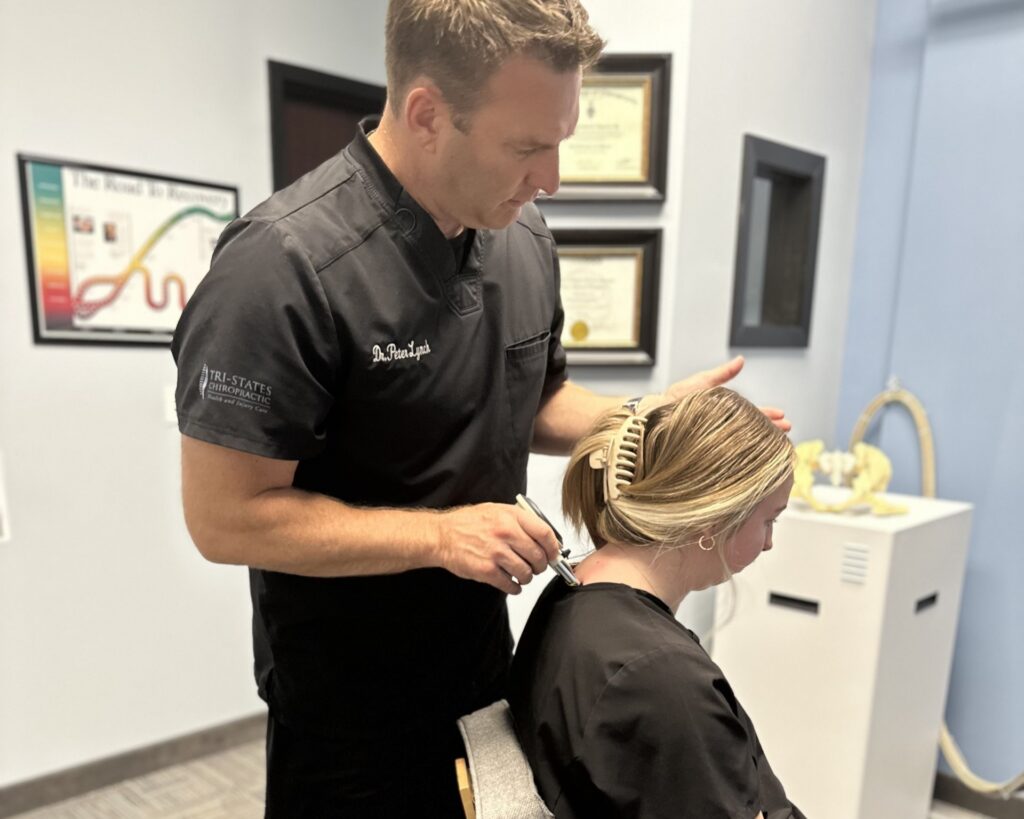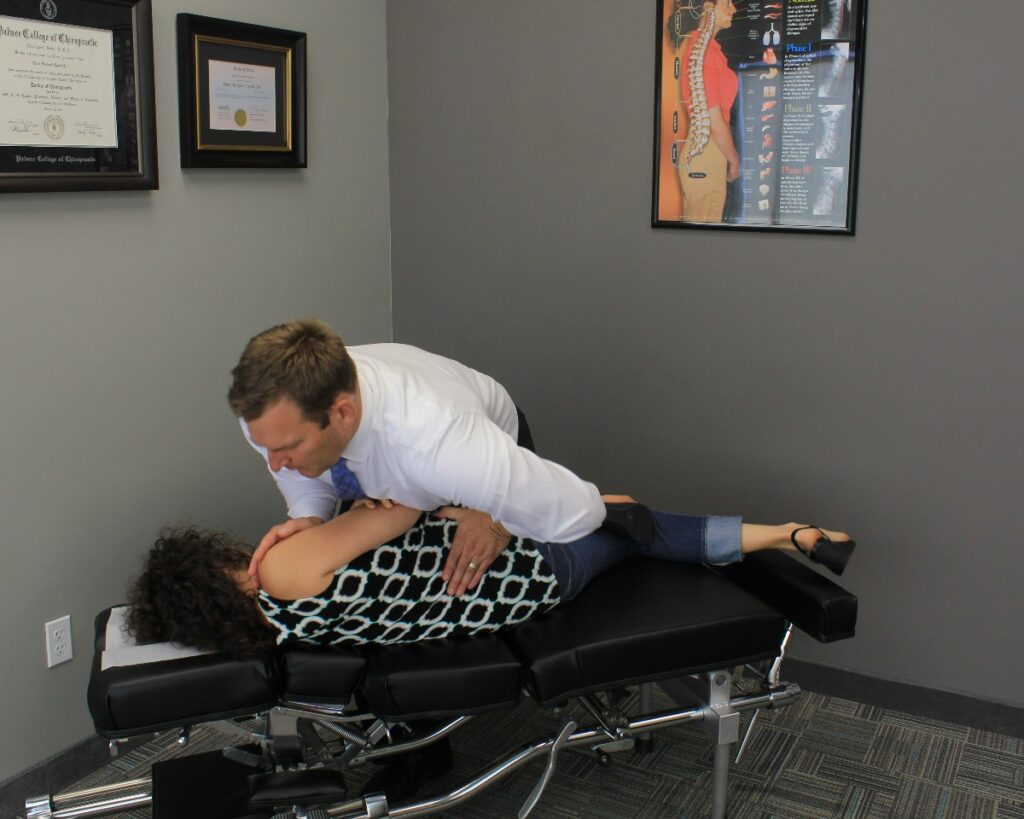
As a local chiropractor dedicated to helping athletes recover from injuries, I understand that you're seeking solutions that are both effective and trustworthy. When it comes to healing, early intervention is crucial, and chiropractic care can play a pivotal role in your recovery journey. You may wonder how evidence-based techniques, such as spinal adjustments and rehabilitative exercises, can impact your healing process. Additionally, nutrition is an essential factor that can support your body in recovering more efficiently.
We utilize innovative therapies that focus on restoring balance and function to your body, and we prioritize open communication with each patient. This way, we can tailor your treatment plan to your specific needs. By incorporating chiropractic care into your recovery strategy, we can help you regain your peak performance safely and effectively. So, what specific chiropractic strategies can you implement to ensure a smooth and efficient recovery? Let's explore them together!
Understanding Common Athletic Injuries
As a local chiropractor dedicated to educating my patients about health and natural healing, I want to share important insights about common athletic injuries. These injuries frequently happen during training or competition, and understanding them is crucial for effective recovery and overall well-being.
One of the most prevalent injuries I see in athletes is a sprain, which often impacts the ligaments surrounding joints, particularly in the ankle or knee. If you experience swelling, bruising, and pain that limits your movement, it might be a sprain.
Similarly, strains occur in muscles or tendons, commonly affecting areas like the hamstrings or lower back. If you've ever felt a sudden pain after pulling a muscle, you're likely dealing with a strain.
Another condition that many athletes encounter is tendonitis, characterized by inflammation of the tendons due to overuse. If you're feeling persistent pain in your shoulder or elbow, this could be a sign of tendonitis.
Additionally, stress fractures, which are tiny cracks in bones, can develop from repetitive force, especially in the lower legs or feet. If you notice localized pain that intensifies with activity, it's essential to pay attention.
Recognizing these conditions early can significantly aid in managing them effectively. I encourage you to listen to your body during training and to be aware of any changes.
By understanding the signs and symptoms of common athletic injuries, you can take proactive steps toward recovery and prevention. This knowledge empowers you to return to the activities you love more quickly and helps you maintain a healthy lifestyle.
Importance of Early Intervention
As a local chiropractor, I want to emphasize how crucial it's to respond promptly after an injury. The moments immediately following an injury are pivotal; your actions can significantly impact the recovery process. When you take swift action, you lay the groundwork for a more effective rehabilitation journey.
Early intervention isn't solely about treating the injury; it's also about preventing complications and ensuring that you return to your sport or daily activities even stronger than before.
Addressing an injury right away helps minimize swelling and inflammation, which can speed up your healing. Simple techniques like applying ice, using compression, and elevating the injured area are effective initial responses. This proactive approach can also alleviate pain, making your recovery more manageable.
Seeking prompt medical attention allows professionals, like myself, to assess your injury accurately and create a personalized treatment plan that caters to your specific needs.
Delaying treatment or ignoring an injury can lead to prolonged recovery times, and you might risk exacerbating the issue, resulting in chronic pain or even more severe injuries. It's essential to pay attention to the signals your body is sending; they're there for a reason.
Moreover, early intervention doesn't just benefit your physical health; it can also enhance your mental well-being. Knowing that you're taking proactive steps toward recovery fosters a positive mindset, which is critical for your overall healing process.
So, I encourage you to prioritize early intervention—it's one of the best investments you can make in your health and well-being. Don't let a moment of inaction set you back; take charge and initiate your recovery journey with confidence.
As your chiropractor, I'm here to support you every step of the way.
Evidence-Based Rehabilitation Techniques
As a local chiropractor, I want to share how evidence-based rehabilitation techniques can significantly improve your recovery from athletic injuries.
It's important to embrace active rehabilitation protocols, which involve engaging in specific exercises designed to promote healing and strength.
Additionally, effective pain management strategies are crucial in easing discomfort and facilitating your recovery process.
We also prioritize thorough functional movement assessments to identify any limitations or imbalances in your body.
By focusing on these essential components, we can work together to enhance your strength and mobility naturally, helping you get back to your favorite activities as safely and efficiently as possible.
If you have any questions about how chiropractic care can support your rehabilitation journey, I'm here to help!
Active Rehabilitation Protocols
Active rehabilitation protocols are a crucial aspect of the recovery journey for athletes, and as your local chiropractor, I want to help you understand how these techniques can support your healing process. These protocols are grounded in evidence-based practices, focusing on promoting healing and restoring function naturally.
Our approach emphasizes the importance of gradually reintroducing movement and strength training tailored specifically to your injury type. This not only helps improve your flexibility and strength but also enhances your overall athletic performance. It's essential to collaborate with a qualified rehabilitation specialist, like myself, who can create a personalized recovery plan that aligns with your unique needs.
Your rehabilitation may include a variety of exercises such as resistance training, balance work, and sport-specific drills. Each of these elements is designed to facilitate a safe return to your sport while minimizing the risk of re-injury.
As you progress through these activities, we'll closely monitor your response, adjusting the intensity and volume as needed to ensure you're on the right path without setbacks.
Staying dedicated to your rehabilitation process is vital. By regularly engaging in your prescribed exercises, you'll enhance your healing and reduce the likelihood of re-injury. Remember, consistency is key—making these exercises a part of your routine will yield the most significant results.
As you embrace this journey to recovery, know that active rehabilitation empowers you to take charge of your healing process. By following these protocols, you'll not only regain your strength and flexibility but also build confidence in your ability to perform at your best once you're back on the field or court.
Together, we can navigate this path to recovery and get you back to doing what you love!
Pain Management Strategies
As a local chiropractor dedicated to your well-being, I want to share some effective pain management strategies that can aid your recovery from athletic injuries. It's essential to acknowledge that discomfort is a natural part of the healing process, and addressing it properly can enhance your rehabilitation journey.
First and foremost, I recommend using ice therapy as a primary tool in the initial stages of your recovery. Applying ice to the affected area for 15-20 minutes every hour during the first 48 hours can significantly help reduce swelling and numb pain. It's a simple yet effective method to manage inflammation.
In addition to ice therapy, over-the-counter medications such as ibuprofen or acetaminophen can also be beneficial for managing pain and inflammation. However, I always advise consulting with your healthcare provider to ensure you're taking the right dosage and to discuss any concerns you may have.
As part of a comprehensive approach to pain management, physical modalities like electrical stimulation or ultrasound therapy are valuable options. These therapies can promote healing while minimizing discomfort, making them excellent complements to chiropractic care.
I also encourage you to explore mindfulness and relaxation techniques. Practices such as deep breathing or guided imagery can be powerful tools in coping with pain, helping you feel more in control during your recovery.
Lastly, open communication with your healthcare team, including myself, is crucial. Don't hesitate to discuss your pain levels and any concerns you may have. We can work together to adjust your rehabilitation plan and explore additional strategies tailored to your individual needs.
Functional Movement Assessment
As your local chiropractor, I want to emphasize the importance of evaluating your functional movement. This assessment is a crucial step in identifying any imbalances or weaknesses in your body that could hinder your recovery from athletic injuries.
A functional movement assessment (FMA) allows us to see how well your body performs during everyday activities and specific sports tasks.
Through an FMA, we'll conduct a series of tests that assess your mobility, stability, strength, and coordination. These tests will provide us with valuable insights into how your body compensates for pain or injury, helping us understand your unique movement patterns.
This understanding not only aids in your recovery but can also enhance your performance and decrease the chances of re-injury.
After completing the assessment, I'll work closely with you to develop a personalized rehabilitation program that focuses on strengthening weak areas and improving your overall movement quality.
By incorporating targeted exercises into your routine, you can support your recovery and safely return to the activities you love.
Role of Nutrition in Recovery
As a local chiropractor, I want to emphasize the vital role that nutrition plays in your recovery from athletic injuries. Understanding this can significantly impact your healing process, helping you return to your activities more swiftly and effectively.
When your body is recovering, it requires specific nutrients to repair tissues, reduce inflammation, and build strength. Neglecting your nutritional needs can hinder your recovery and potentially lead to further complications.
Here are four essential nutritional components to prioritize during your healing journey:
- Protein: This macronutrient is crucial for rebuilding muscle and tissue. I recommend including lean sources such as chicken, fish, beans, and legumes in your diet. These foods provide the amino acids necessary for effective tissue repair.
- Omega-3 Fatty Acids: Known for their anti-inflammatory properties, Omega-3s support the healing process. To benefit from these healthy fats, consider adding foods like salmon, walnuts, and flaxseeds to your meals.
- Vitamins and Minerals: Certain nutrients, including vitamin C, vitamin D, calcium, and zinc, are fundamental for maintaining bone health and supporting your immune system. Make sure to incorporate a variety of fruits, vegetables, and whole grains into your diet for a well-rounded nutrient intake.
- Hydration: Staying properly hydrated is crucial for recovery. Water not only aids in transporting nutrients throughout your body but also helps flush out toxins. Be mindful to drink plenty of fluids throughout the day to support your healing process.
By focusing on these nutritional elements, you can enhance your recovery and get back to your active lifestyle more quickly.
Innovative Therapies for Healing
As your local chiropractor, I want to introduce you to some innovative therapies that can significantly enhance your healing process.
Many people aren't familiar with the benefits of chiropractic care and natural healing methods, so let's explore a few options together. Techniques such as regenerative medicine, cryotherapy, and electrical stimulation therapy are designed to accelerate recovery and promote overall wellness.
Regenerative medicine focuses on repairing and rejuvenating damaged tissues, while cryotherapy involves using extreme cold to reduce inflammation and alleviate pain.
Electrical stimulation therapy, on the other hand, utilizes electrical impulses to stimulate muscles and promote healing.
By understanding how these therapies work, you can make informed choices about your recovery journey and harness the power of natural healing.
I'm here to guide you through these options and help you achieve optimal health.
Regenerative Medicine Techniques
As a local chiropractor, I want to share some exciting developments in regenerative medicine that can significantly enhance your recovery from athletic injuries.
These techniques leverage your body's natural healing capabilities, offering you effective alternatives to traditional treatments. Not only do they promote faster recovery, but they can also improve your overall athletic performance.
Here are four key regenerative medicine approaches you should know about:
- Platelet-Rich Plasma (PRP) Therapy: This method involves taking a small sample of your blood and concentrating the platelets, which are rich in growth factors. When injected into the injured area, they stimulate healing and tissue repair.
- Stem Cell Therapy: By utilizing your own stem cells, we can encourage the regeneration of damaged tissues. This approach harnesses your body's innate ability to heal, often leading to a more effective recovery process.
- Exosome Therapy: Exosomes are tiny vesicles derived from stem cells that play a crucial role in cellular communication. When applied to injured tissues, they can enhance the healing process without the need for invasive procedures.
- Tissue Engineering: This innovative technique combines scaffolding materials with cells to create new tissues, which can then be implanted to replace those that are damaged. It's a remarkable way to restore function and support healing.
By exploring these regenerative medicine options, you can take proactive steps towards a healthier, more resilient body.
If you have any questions about how these therapies can assist in your recovery, feel free to reach out!
Cryotherapy and Recovery
As a local chiropractor, I want to share some insights about an innovative recovery therapy that's been gaining popularity, especially among athletes: cryotherapy. This method involves exposing your body to extremely cold temperatures for a brief period, usually in a specialized cryo chamber. It's an excellent way to reduce inflammation, alleviate pain, and speed up recovery times after intense workouts or injuries.
When you participate in cryotherapy, your body reacts by directing blood flow to your core to protect vital organs. After you leave the chamber, your body begins to warm up, and the blood rushes back to your extremities. This circulation boost helps to flush out toxins and deliver essential nutrients to your muscles, supporting quicker recovery.
Many athletes have reported significant benefits from cryotherapy, including improved performance and reduced muscle soreness.
If you're considering adding cryotherapy to your recovery routine, I highly recommend consulting with a trained professional. This ensures that you're using the therapy safely and effectively.
Engaging in cryotherapy can be a proactive step toward enhancing your recovery process and optimizing your overall health and athletic performance.
Electrical Stimulation Therapy
As a local chiropractor, I want to share with you an exciting approach to athletic recovery that you mightn't be familiar with: electrical stimulation therapy. This innovative technique uses electrical impulses to stimulate your muscles, which can significantly enhance recovery and alleviate pain. By integrating this therapy into your routine, you can facilitate faster healing and improve your overall muscle function.
Here are some of the key benefits of electrical stimulation therapy that I believe can help you:
- Pain Relief: The electrical impulses work by blocking pain signals to your brain, allowing you to manage discomfort more effectively. This can be especially beneficial for those dealing with chronic pain or recovering from an injury.
- Muscle Strengthening: This therapy plays a crucial role in muscle re-education and strengthening, particularly after an injury. It helps ensure that your muscles regain their function and strength, which is essential for a full recovery.
- Improved Circulation: Electrical stimulation promotes blood flow to the affected area, which accelerates the healing process and helps reduce inflammation. Improved circulation is vital for delivering nutrients and oxygen to your muscles and tissues.
- Reduced Swelling: By stimulating lymphatic drainage, this therapy can help minimize swelling, which is critical for effective recovery. Reducing swelling can also alleviate pressure and discomfort in the injured area.
Incorporating electrical stimulation therapy into your recovery plan can truly be a game-changer. It's a non-invasive treatment that can be customized to meet your specific needs, providing valuable support as you work towards getting back to your active lifestyle.
I encourage you not to underestimate the potential benefits it can offer you on your healing journey!
Psychological Aspects of Recovery
When it comes to recovering from an athletic injury, it's important to recognize that the journey doesn't just involve physical healing—there are significant psychological aspects to consider as well. As a chiropractor, I've seen many patients struggle with feelings of frustration, anxiety, or even depression during their recovery.
These emotions can have a profound effect on your motivation and overall progress, which is why it's essential to acknowledge and address them rather than push them aside.
One effective approach I recommend is setting realistic and achievable goals for your recovery. Breaking your healing process into smaller milestones can help you stay motivated, and celebrating each achievement can provide a rewarding sense of accomplishment.
Additionally, visualization techniques can be beneficial; by picturing yourself performing at your best, you can boost your confidence and better navigate the mental challenges that come with rehabilitation.
Don't forget the importance of having a strong support network. Surrounding yourself with friends, family, or teammates who understand what you're going through can lighten the emotional load and provide encouragement.
If you find that your psychological hurdles are becoming too much to handle, it might be helpful to speak with a mental health professional who specializes in sports psychology. They can offer coping strategies specifically tailored to your situation.
Ultimately, keep in mind that recovery is a journey that requires both physical and mental strength. By addressing the psychological aspects of your healing process, you can't only mend your body but also fortify your mind, ensuring you're better prepared for future athletic challenges.
As your chiropractor, I'm here to support you in this holistic approach to recovery.
Conclusion
In conclusion, navigating the journey of athletic injury recovery is crucial, and I want to emphasize the importance of a proactive approach that incorporates early intervention and evidence-based chiropractic techniques. As your local chiropractor, I encourage you to prioritize open communication with your healthcare team, as this collaboration is vital for your recovery.
Integrating proper nutrition and exploring innovative therapies, including chiropractic adjustments, can significantly enhance your healing process. It's essential to remember that the psychological aspects of recovery are just as important—keeping a positive mindset and staying focused can make a world of difference.
With dedication to your recovery and the right strategies in place, you can not only return to peak performance but also reduce the risk of re-injury. Together, we can work towards a healthier, stronger you through natural healing methods.