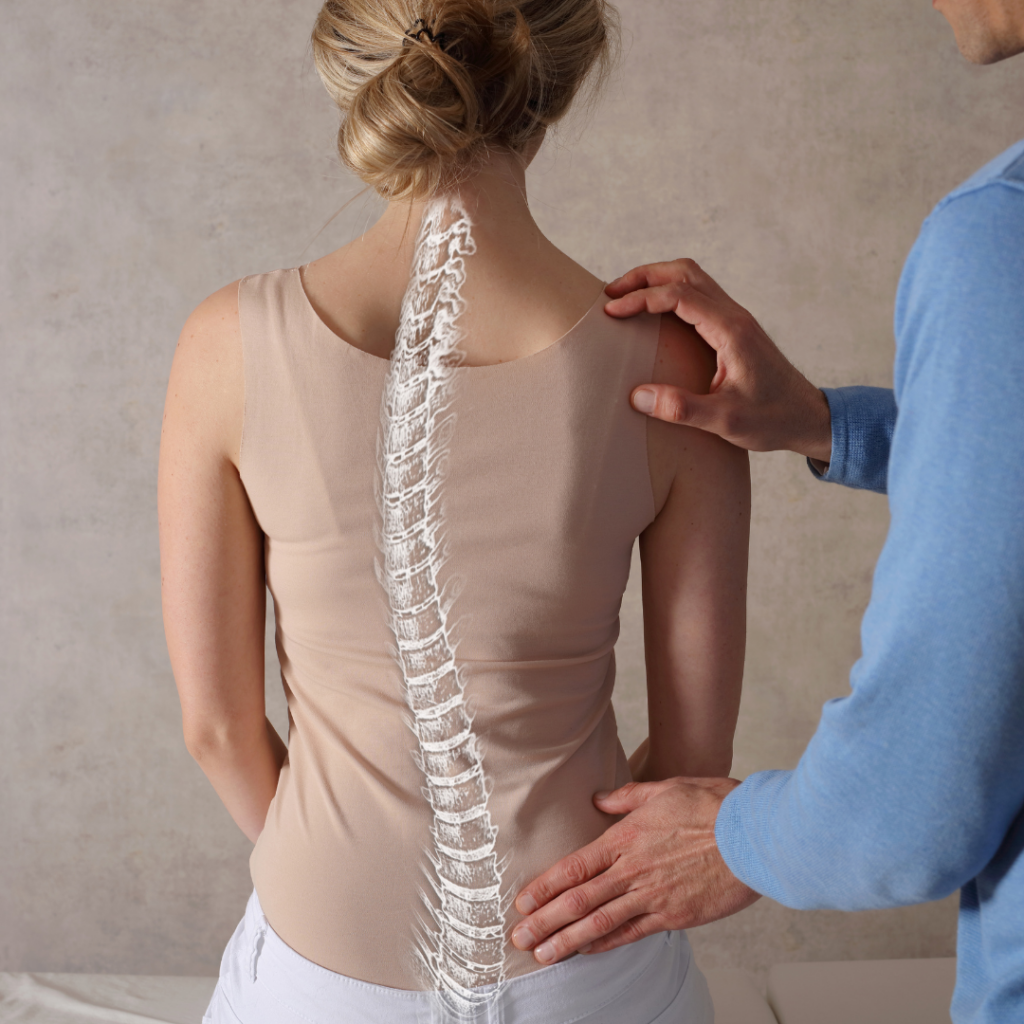
As a local chiropractor, I want to emphasize the incredible benefits of natural healing methods when recovering from sports injuries. Many people overlook the power of these approaches, but integrating specific nutritional strategies, herbal remedies, and bodywork techniques can significantly enhance your recovery process. Understanding how these elements work together allows you to create a personalized and effective healing journey.
So, what practices can you incorporate to ensure you're not just healing faster, but also promoting your overall well-being? You might be surprised by the options available to you.
For instance, proper nutrition plays a vital role in your recovery. Consuming anti-inflammatory foods can help reduce swelling and promote tissue repair. Additionally, certain herbs have been shown to support healing, and I can guide you in selecting the right ones for your needs.
Moreover, bodywork techniques, including chiropractic adjustments, can improve mobility, alleviate pain, and enhance your body's natural healing capabilities. By addressing the underlying issues and restoring balance, we can work together to facilitate a smoother recovery.
Incorporating these natural methods into your rehabilitation can lead to a more holistic approach to healing. I'm here to help you explore these options and support you on your journey to optimal health and recovery.
Understanding Sports Injuries
As a local chiropractor, I want to help you understand the importance of recognizing and addressing sports injuries, especially if you're an athlete seeking to optimize your performance and reduce recovery time.
When you engage in any physical activity, your body endures various stresses that can sometimes lead to injuries. These can range from minor sprains and strains to more significant conditions like fractures or tears. Being able to identify the signs and types of injuries is crucial for effective response and recovery.
Common sports injuries I often see include tendonitis, which results from repetitive movements, and ligament tears, frequently caused by sudden twists or impacts. Muscle strains, where muscle fibers are overstretched, and contusions, which occur from direct blows to the muscle, are also prevalent.
The specific location of your injury is vital in determining the best recovery and prevention strategies.
Listening to your body is essential. If you experience ongoing pain, swelling, or restricted movement, it's important to take those signals seriously. Ignoring these warning signs can worsen the injury and extend your time away from your favorite activities.
Remember, each injury is unique, and your recovery process will depend on various factors, including the severity of the injury, your overall health, and your level of physical activity.
As a chiropractor, I advocate for natural healing methods that can aid in your recovery, helping your body restore balance and function.
Whether you're dealing with an injury or looking to prevent one, I'm here to guide you on your journey to better health and athletic performance.
Importance of Natural Healing
As a local chiropractor, I want to share the significant role that natural healing plays in your recovery from sports injuries. It's important to understand that your body has an incredible ability to heal itself, and by embracing natural healing methods, we can enhance this innate process without relying heavily on medications or invasive procedures.
When you incorporate natural healing into your recovery plan, you can experience numerous benefits:
- Reduced Side Effects: One of the greatest advantages of natural methods is that they typically come with fewer side effects compared to pharmaceuticals. This means you can focus on healing without worrying about additional health concerns.
- Holistic Approach: Natural healing considers your entire body and mind. Rather than only addressing the injury, we aim to promote overall wellness, which can lead to a more complete recovery.
- Sustainability: Natural healing practices can easily fit into your daily routine. This makes it simpler to maintain long-term health and significantly reduce the risk of future injuries.
- Empowerment: By taking an active role in your recovery, you may find that your confidence and motivation grow. Understanding your body and how to support its healing can be incredibly empowering.
- Cost-Effectiveness: Many natural healing approaches are budget-friendly and accessible. This allows you to manage your recovery without financial strain.
Incorporating essential practices such as proper nutrition, staying hydrated, and engaging in gentle movement can significantly aid your recovery.
Listening to your body and allowing for adequate rest is equally crucial. By prioritizing natural healing, you not only promote a quicker recovery but also establish a robust foundation for your future athletic endeavors.
As your chiropractor, I encourage you to embrace these natural methods. You may find yourself back in the game stronger, more resilient, and with a deeper understanding of how to support your body for life.
Herbal Remedies for Recovery
As a local chiropractor, I want to share how herbal remedies can significantly support your recovery from sports injuries.
Incorporating anti-inflammatory herbs like turmeric and ginger into your wellness routine can be beneficial for reducing swelling. Additionally, natural pain relief options such as willow bark may help alleviate discomfort.
These potent plants can serve as valuable allies in your healing journey, working alongside chiropractic care to promote a faster and more effective recovery.
Understanding and embracing these natural remedies can be a game changer for your overall healing process.
Anti-inflammatory Herbal Options
As a local chiropractor, I want to share some valuable insights into how anti-inflammatory herbal options can support your recovery from sports injuries. Many of my patients are often surprised to learn about the natural remedies that can help reduce swelling and promote healing, allowing you to return to your favorite activities more quickly.
Incorporating these herbs into your daily routine can be both simple and effective.
Here are a few anti-inflammatory options that I recommend:
- Turmeric: This vibrant spice contains curcumin, a powerful compound known for its ability to lower inflammation. You can easily incorporate turmeric into your meals or consider a supplement for added benefits.
- Ginger: Not only does ginger enhance the flavor of your dishes, but it also boasts impressive anti-inflammatory properties that can alleviate pain and reduce swelling.
- Boswellia: Commonly referred to as Indian frankincense, this herb has been shown to effectively reduce inflammation and improve joint function, making it a great option for recovery.
- Green Tea: Rich in antioxidants, green tea is known to combat inflammation and support your overall health during the recovery process. It's a refreshing beverage that can be enjoyed daily.
- Willow Bark: Traditionally used for its pain-relieving effects, willow bark also has anti-inflammatory properties that can help speed up recovery times.
By understanding and utilizing these natural remedies, you can enhance your healing journey and complement your chiropractic care.
If you have any questions about incorporating these herbs into your wellness routine, feel free to ask during your next visit!
Natural Pain Relief Herbs
As a local chiropractor, I often emphasize the importance of natural pain relief, especially when it comes to recovering from sports injuries. Many patients may not be aware of the powerful benefits that certain herbs can offer in alleviating pain and promoting healing.
One herb I frequently recommend is turmeric. It contains curcumin, which is known for its potent anti-inflammatory properties. This can be particularly beneficial in reducing pain and supporting the healing process. You can easily incorporate turmeric into your diet by adding it to meals or consider taking it as a supplement.
Another fantastic option is ginger. This well-known herb is celebrated for its ability to reduce muscle soreness and joint pain due to its anti-inflammatory effects. I encourage patients to try sipping on ginger tea or adding fresh ginger to their meals to experience its benefits.
Willow bark is another herbal remedy that I find valuable. It contains salicin, a compound that's similar to aspirin and has a long history of use for pain relief. You can find willow bark in various forms, such as teas and capsules, making it easy to include in your wellness routine.
Lastly, there's arnica, which is often used topically. It's great for reducing pain and swelling associated with bruises and sprains. However, it's important to use it cautiously and avoid applying it to broken skin.
Incorporating these natural pain relief herbs into your recovery process can significantly help manage discomfort and enhance your overall healing journey.
As always, I recommend consulting with a healthcare professional before starting any new herbal regimen to ensure it's safe and appropriate for your individual needs.
Nutritional Strategies for Healing
After experiencing a sports injury, your nutrition can significantly influence your recovery process. At our chiropractic practice, we emphasize the importance of proper nutrition not only for rebuilding damaged tissues but also for supporting your immune system, which helps reduce the risk of complications.
To enhance your healing journey, I encourage you to incorporate these key nutritional strategies into your daily meals:
- Lean Proteins: Incorporating foods such as chicken, fish, and legumes is vital for muscle repair and growth, which is crucial when recovering from an injury.
- Healthy Fats: Avocados, nuts, and olive oil are excellent sources of anti-inflammatory properties that can alleviate pain and promote healing. Including these in your diet can be particularly beneficial.
- Fruits and Vegetables: These are packed with essential vitamins, minerals, and antioxidants that combat oxidative stress and support your overall health. Aim to fill your plate with a variety of colorful options!
- Whole Grains: Foods like quinoa, brown rice, and oats provide the necessary energy while aiding in nutrient absorption, both of which are critical during your recovery phase.
- Supplements: Consider discussing with me the potential benefits of adding vitamins D and C, as well as omega-3 fatty acids to your regimen. These can help with inflammation control and boost your immune function.
By prioritizing these foods in your diet, you can positively impact how quickly and effectively you recover from your injury.
It's also important to listen to your body and adjust your meals based on how you're feeling. If you're uncertain about how to tailor your dietary choices to your specific needs, I'm here to help guide you.
Together, we can work towards strengthening your body for future challenges, ensuring you not only heal faster but also enhance your overall well-being.
The Role of Hydration
As your local chiropractor, I want to emphasize the vital role that proper hydration plays in your recovery from sports injuries and overall health. When you maintain adequate hydration, your body operates more efficiently, which is crucial for the healing process. Water is essential for delivering important nutrients to your injured tissues, thereby promoting a quicker recovery.
It also helps eliminate toxins and metabolic waste that can build up after an injury, which can help reduce inflammation and soreness. Many people are surprised to learn how much water they lose during physical activities and even throughout the day. Staying hydrated is key to keeping your joints lubricated and ensuring that your muscles function properly, both of which are vital as you work on getting back to your pre-injury condition.
When you're dehydrated, you may experience fatigue, cramping, and increased pain—all of which can hinder your healing journey. To ensure you're drinking enough water, a general guideline is to aim for at least half your body weight in ounces of water each day. For instance, if you weigh 160 pounds, you should be consuming around 80 ounces of water daily.
Keep in mind that your hydration needs may increase with physical activity, so it's important to listen to your body and adjust your intake accordingly. In addition to drinking water, consider adding hydrating foods to your diet, such as fruits and vegetables. These not only help with hydration but also provide essential vitamins and minerals that support your recovery.
After intense workouts or when feeling particularly dehydrated, drinks like coconut water or electrolyte-rich beverages can also be beneficial. As you focus on your healing, remember that hydration is a simple yet powerful tool in your recovery arsenal.
If you have any questions about how hydration and chiropractic care can work together for your healing, please don't hesitate to ask!
Mindfulness and Mental Resilience
As a local chiropractor, I want to share how mindfulness can significantly enhance your mental resilience during recovery from sports injuries. Many people may not realize that chiropractic care goes beyond physical adjustments; it also supports your emotional well-being.
Practicing mindfulness can help you remain present and focused, enabling you to manage the emotional rollercoaster that often comes with injury recovery. By developing a greater awareness of your thoughts and feelings, you can effectively navigate frustration, anxiety, and self-doubt.
Here are some ways to incorporate mindfulness into your recovery routine:
- Daily meditation: I encourage you to take a few minutes each day for meditation. This practice can help clear your mind, reduce stress, and create a peaceful mental space that complements your chiropractic treatments.
- Breathing exercises: Focusing on your breath—taking deep inhales and slow exhales—can ground you during difficult moments. This simple technique can be a helpful tool when you're feeling overwhelmed by your recovery journey.
- Gratitude journaling: Consider keeping a journal where you write down things you're grateful for, including small victories in your healing process. This practice can shift your mindset from what you've lost to what you still have, fostering a more positive outlook.
- Visualization techniques: Imagine yourself strong and healthy, actively participating in your sport again. This positive imagery can enhance your determination and motivation, making it easier to stay committed to your recovery.
- Body scans: Take time to tune into different parts of your body, paying attention to any tension or discomfort. Acknowledging these sensations can help you release them, promoting relaxation and supporting the adjustments I provide in my practice.
Integrating these mindfulness techniques into your daily routine can bolster your mental resilience and emotional recovery.
You'll find that being present not only aids in your healing journey but also improves your overall well-being. As you work through the challenges of recovery, remember that mindfulness can be a powerful ally, helping you stay focused on your goals and maintain a hopeful perspective.
Here at our clinic, we're dedicated to supporting you in both your physical and mental healing processes.
Bodywork Techniques
As a local chiropractor, I want to emphasize the importance of bodywork techniques in your recovery from sports injuries.
Approaches such as massage therapy, myofascial release, and acupuncture can significantly alleviate pain and support your healing journey. Understanding these methods can empower you to make informed decisions about your care.
Massage therapy helps to reduce muscle tension and improve circulation, promoting faster recovery.
Myofascial release targets the connective tissue that may be restricting movement and causing discomfort, helping to restore your body's natural function.
Acupuncture, on the other hand, stimulates specific points in the body to enhance energy flow and can be an effective way to manage pain.
By incorporating these techniques into your recovery plan, you can enhance your overall healing process and get back to doing what you love sooner.
Let's explore how we can work together to support your recovery through these natural healing methods.
Massage Therapy Benefits
As a local chiropractor, I want to share the vital role massage therapy plays in the recovery process for athletes dealing with injuries.
Integrating massage into your rehabilitation routine can provide an array of benefits that support natural healing.
- Enhanced Blood Flow: Massage techniques can effectively stimulate circulation, ensuring that oxygen and essential nutrients reach injured tissues. This process is crucial for promoting faster healing.
- Muscle Relaxation: By helping to ease muscle tension, massage alleviates pain and discomfort, allowing you to regain your range of motion more quickly.
- Increased Flexibility: Regular massage sessions can significantly improve your flexibility, making it easier for you to return to your favorite sports activities.
- Pain Management: Massage therapy can help diminish the sensation of pain, offering you better control over discomfort as you navigate your recovery journey.
- Mental Wellness: The soothing effects of massage can greatly reduce stress levels, contributing to improved mental clarity and focus, which are essential for effective healing.
Incorporating massage therapy into your recovery plan can complement chiropractic care, leading to a more holistic approach to your health and well-being.
Myofascial Release Techniques
As a local chiropractor, I often see how myofascial release techniques can significantly aid in the recovery process for many individuals, including athletes and those with sports injuries. These techniques are designed to relieve tension in the fascia, the connective tissue that envelops our muscles and organs. By applying gentle, sustained pressure to specific areas, we can help release any restrictions within this tissue, which ultimately enhances blood flow and promotes healing.
You may experience myofascial release through self-care methods or by visiting a trained professional like myself. One effective self-technique is foam rolling, which allows you to target tight areas on your own by applying pressure to those spots. This practice can lead to improved flexibility and reduced muscle soreness, making it a valuable addition to your wellness routine.
If you choose to seek professional treatment, I'll use my hands to assess and manipulate your fascia. Together, we'll identify areas of tension and work to alleviate it, which can often lead to immediate relief from pain and an increase in your range of motion. Many of my patients report feeling a notable difference in their mobility and comfort after just one session.
Incorporating myofascial release into your recovery plan can enhance the effectiveness of other therapeutic approaches, supporting your overall rehabilitation journey. By prioritizing this technique, you empower your body's natural healing abilities, allowing you to return to your daily activities or sports with greater strength and resilience.
If you have any questions about how myofascial release can benefit you, please don't hesitate to ask during your next visit.
Acupuncture for Recovery
As a local chiropractor, I want to share how acupuncture can significantly enhance your recovery from sports injuries. This time-honored practice involves the insertion of fine needles at specific points in the body, designed to promote healing and alleviate pain. Many athletes have discovered that acupuncture not only alleviates discomfort but also accelerates their overall recovery journey.
Here are some compelling benefits of integrating acupuncture into your recovery routine:
- Pain Relief: Acupuncture has been shown to effectively alleviate muscle soreness and joint pain, making it a valuable tool for athletes.
- Reduced Inflammation: This technique can help decrease inflammation, which is crucial for a quicker recovery.
- Improved Circulation: By enhancing blood flow, acupuncture supports the healing process of injured tissues.
- Stress Reduction: The relaxation induced by acupuncture is vital for mental recovery, contributing to a holistic healing experience.
- Increased Range of Motion: It can aid in restoring flexibility, allowing you to get back to your sport more quickly.
If you're curious about exploring acupuncture, I recommend consulting a licensed practitioner who specializes in sports injuries.
With its holistic approach, acupuncture could be the essential component you need in your recovery plan.
Restorative Sleep Practices
As a local chiropractor, I want to emphasize the vital role that restorative sleep plays in your recovery from sports injuries. Quality sleep is essential for your body to repair and regenerate tissues, which is crucial for healing. By prioritizing restorative sleep practices, you can significantly enhance your recovery process.
First and foremost, establishing a consistent sleep schedule is key. Aim to go to bed and wake up at the same time every day. This consistency helps regulate your body's internal clock, signaling to your body when it's time to relax and rejuvenate.
Next, consider creating a calming bedtime routine. Engage in relaxing activities such as reading, meditation, or gentle stretching before you sleep. It's important to avoid screens during this time, as the blue light emitted can interfere with melatonin production, making it harder for you to drift off. Instead, try dimming the lights and incorporating calming scents, like lavender, to create a soothing environment conducive to sleep.
Your sleep environment also plays a critical role in your ability to rest. Ensure your bedroom is cool, dark, and quiet. Investing in a comfortable mattress and supportive pillows is essential for your recovery needs. If noise is a concern, consider using earplugs or a white noise machine to help block out distractions.
Lastly, it's important to listen to your body. If you feel particularly fatigued, don't hesitate to take short naps during the day. Just be mindful not to nap for too long, as it can interfere with your nighttime sleep.
By focusing on these restorative sleep practices, you'll give your body the best chance to heal effectively from sports injuries, allowing you to return to your game sooner and stronger.
Gentle Exercise and Mobility
As your local chiropractor, I want to emphasize the importance of incorporating gentle exercise and mobility work into your recovery routine, especially after experiencing a sports injury.
These activities aren't only vital for regaining strength and flexibility, but they also play a crucial role in enhancing blood circulation, reducing stiffness, and promoting healing in the areas affected by your injury.
It's essential to start slowly and listen to your body's signals to avoid the risk of re-injury.
Here are some gentle exercises that I often recommend to my patients:
- Stretching: Engaging in gentle stretches can significantly improve flexibility and relieve tightness in the muscles that may have been impacted by your injury.
- Walking: Taking simple walks is an excellent way to enhance your mobility while maintaining cardiovascular health, all without putting too much strain on your injury.
- Swimming: The buoyancy of water creates a supportive environment for your body, allowing you to move freely without exerting excessive pressure on your joints.
- Yoga: Practicing gentle yoga poses can't only increase your flexibility and balance but also foster a sense of relaxation and mental well-being.
- Tai Chi: This low-impact exercise focuses on slow and deliberate movements, which can help improve your strength and coordination while being easy on your body.
Before you begin any exercise routine, it's crucial to warm up properly and cool down afterward.
I always encourage my patients to consult with me or another healthcare professional before embarking on a new exercise regimen, particularly following an injury.
We can provide personalized advice tailored to your unique situation.
By gradually introducing these gentle exercises into your routine, you'll be taking significant steps toward expediting your recovery while also laying a stronger foundation for returning to your sport.
Remember to stay patient and consistent; with time and effort, you'll likely notice improvements in your mobility and overall well-being.
Creating a Personalized Recovery Plan
As a local chiropractor dedicated to your well-being, I want to emphasize the importance of creating a personalized recovery plan tailored to your unique needs.
The first step in this process is to assess your specific injury and understand how it impacts your body. This evaluation is crucial, as it allows us to identify the underlying issues and develop a targeted approach to your healing.
Once we've a clear understanding of your injury, we can establish realistic recovery goals that will guide you on your path to wellness.
Remember, chiropractic care focuses on natural healing methods, and by setting achievable milestones, we can work together to restore your health and improve your overall quality of life.
Your recovery journey is unique, and I'm here to support you every step of the way.
Assess Individual Injury Needs
As a local chiropractor, I want to guide you in creating a personalized recovery plan that addresses your unique injury needs. It's essential to recognize that each injury is different and deserves a tailored approach for effective healing. The first step is to schedule a consultation with me or another healthcare professional who can provide a comprehensive diagnosis of your condition.
Here are some important factors to consider as we work together on your recovery plan:
- Type of Injury: We'll identify the nature of your injury—whether it's a sprain, strain, fracture, or issue with your tendons. Understanding this will help us develop the right treatment strategy.
- Severity: We'll assess how severe your injury is and how it impacts your daily life. This will guide us in determining the appropriate level of care and intervention needed.
- Previous Injuries: It's important to discuss any previous injuries you've had, as they can affect your current recovery process. We'll take this into account to tailor our approach.
- Activity Level: We'll evaluate your physical activity demands, especially if you participate in sports. This insight will help us customize your recovery plan to ensure you can return to your activities safely.
- Recovery Environment: We'll look at your home and training environment to identify resources and modifications that can support your healing journey.
Together, we can create a recovery plan that not only addresses your injury but also promotes overall wellness through natural healing methods.
Set Realistic Recovery Goals
As a local chiropractor, I want to emphasize the importance of setting realistic recovery goals for your healing process and motivation. When you establish achievable targets, you can maintain focus and encouragement throughout your recovery journey.
The first step is to assess your current condition and understand the nature of your injury. I recommend breaking down your recovery process into manageable steps, such as regaining mobility, strength, or endurance.
Next, it's crucial to prioritize your goals based on what matters most for your specific situation. Rather than aiming to return to your sport in just a week, consider setting smaller milestones, like walking without pain or being able to perform specific exercises. Celebrating these smaller achievements can significantly boost your morale and keep you motivated.
Flexibility is also key when it comes to your goals. It's important to listen to your body and adjust your expectations as needed. I encourage you to work closely with healthcare professionals, including myself and other practitioners, to ensure your goals align with a comprehensive recovery plan.
Conclusion
As a local chiropractor, I want to share how incorporating natural methods into your recovery from sports injuries can significantly enhance your healing process. By emphasizing the importance of nutrition, herbal remedies, and various bodywork techniques, you can support your body's natural ability to repair itself.
Hydration is crucial—keeping your body well-hydrated aids in recovery and helps reduce inflammation. Don't overlook the power of restorative sleep, as it plays a vital role in your overall healing journey. Gentle exercise, tailored to your specific needs, can promote mobility and strengthen your body as you recover.
It's important to create a personalized recovery plan that aligns with your unique circumstances and fosters your overall well-being. By embracing this holistic approach to healing, you can bounce back stronger and more resilient than ever. If you're curious about how chiropractic care can fit into your recovery, I'm here to help guide you through the process and provide support every step of the way.