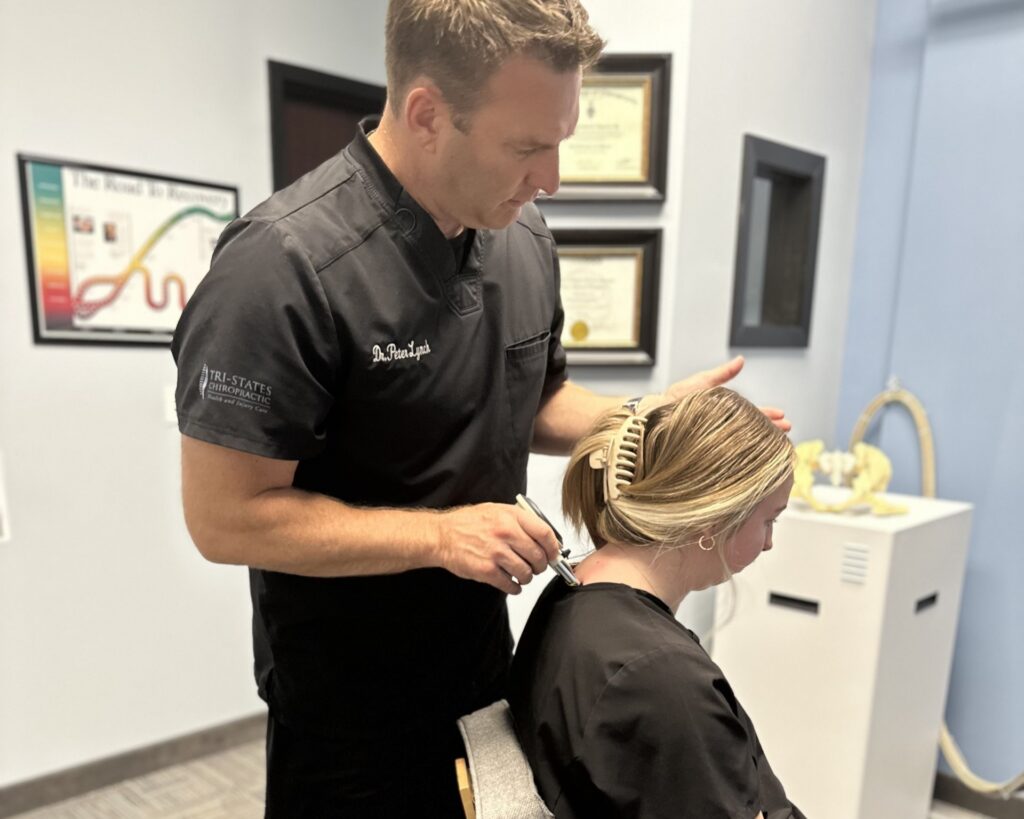
If you're dealing with chronic pain, it can often feel like you've exhausted every option without finding relief.
However, I'd like to introduce you to the transformative potential of chiropractic care and natural healing methods. By focusing on the right combination of nutrition, tailored exercise, and mindfulness practices, you may discover a pathway to reclaiming your health and well-being.
As a chiropractor, I encourage you to consider the benefits of alternative therapies, such as spinal adjustments and holistic approaches, which can significantly enhance your healing journey.
It's also crucial to build a strong support network that understands your unique needs.
So, let's explore how we can work together to create a personalized plan that's right for you, helping you take meaningful steps toward a pain-free life.
Understanding Chronic Pain
Understanding chronic pain is crucial for anyone looking to improve their quality of life, and as a local chiropractor, I want to help you grasp its complexity and how it can impact your daily activities. Chronic pain is not simply a physical sensation; it's a multifaceted experience that can deeply influence your mood, energy levels, and overall well-being. You might notice that your pain can fluctuate in intensity from day to day, or even hour to hour, making it challenging to predict how you will feel. This unpredictability can often lead to feelings of frustration, anxiety, and even depression.
I've seen how chronic pain can affect relationships; you may find yourself withdrawing from social activities or struggling to express your discomfort. Friends and family might not fully understand the depth of what you're experiencing, which can leave you feeling isolated. Additionally, the challenges of everyday tasks can become overwhelming, leading to a cycle of inactivity that can worsen your pain and create feelings of helplessness.
It's also important to recognize that chronic pain can take various forms, such as neuropathic pain, which arises from nerve damage, or nociceptive pain, which is the result of tissue injury. Understanding whether you're experiencing one or both types of pain can enhance your communication with healthcare providers and help us work together more effectively.
As your chiropractor, I aim to empower you with knowledge about chronic pain and its intricacies. By understanding its nature and how it interacts with your body, you can take charge of your health. This knowledge enables you to explore effective solutions, such as chiropractic care and other natural healing methods, which can significantly improve your condition and lead to a more manageable and fulfilling life. Let's work together to find the right strategies for you!
The Role of Diet
As a local chiropractor, I often emphasize the critical role that diet plays in managing chronic pain. While there are many factors that contribute to your discomfort, what you eat can significantly influence your symptoms. A well-balanced diet not only helps reduce inflammation but also boosts your immune system and enhances your overall well-being. You may not be aware, but certain foods can either worsen or relieve your pain.
Incorporating anti-inflammatory foods into your daily meals can be a game-changer. I encourage my patients to think about adding more fruits, vegetables, whole grains, and healthy fats to their plates. Foods rich in omega-3 fatty acids—such as salmon, walnuts, and flaxseeds—are particularly effective at fighting inflammation and may help alleviate pain. Additionally, antioxidants found in berries, leafy greens, and nuts are essential for combating oxidative stress in the body.
Conversely, it's important to limit processed foods, refined sugars, and excessive saturated fats, as these can escalate inflammation and exacerbate your symptoms. I recommend reducing your consumption of red meat, sugary snacks, and fried foods. Instead, focus on incorporating lean proteins and plant-based options that provide your body with the necessary nutrients for healing.
Hydration is another key component of managing pain. Drinking plenty of water helps maintain joint lubrication and flushes out toxins from your system. Herbal teas can also be a soothing addition to your routine.
Exercise and Movement
As a local chiropractor, I want to emphasize that managing chronic pain involves more than just dietary changes; incorporating regular exercise and movement into your routine is crucial for your overall health. Engaging in physical activity can significantly reduce pain levels, improve your mobility, and enhance your overall well-being. You don't need to dive into intense workouts immediately; it's essential to start small and discover activities that feel good for your body.
Consider starting with low-impact exercises such as walking, swimming, or cycling. These activities are excellent for strengthening your muscles and improving flexibility without putting excessive strain on your joints. I recommend aiming for at least 30 minutes of moderate exercise most days of the week. If that feels daunting, don't hesitate to break it into smaller, manageable sessions. Even short bursts of movement can lead to significant improvements in your pain levels and overall health.
In addition to structured workouts, look for ways to incorporate movement into your daily life. Simple actions like stretching, taking the stairs, or even gardening can contribute to your fitness goals. It's all about fostering a lifestyle that encourages movement rather than adhering to a rigid exercise routine.
Listening to your body is essential. Pay attention to what feels good and adjust your activities as needed. If you experience pain, it's important not to push through it. Instead, consider modifying your movements or consulting with me or another healthcare professional for personalized guidance.
As you stay active, you'll likely notice that your body becomes stronger and more resilient. By incorporating regular exercise and movement into your routine, you're taking meaningful steps toward alleviating chronic pain and improving your quality of life. Remember, chiropractic care can also play a vital role in supporting your journey to better health and natural healing.
Mindfulness and Meditation
As a local chiropractor, I want to share how mindfulness and meditation can play a significant role in managing chronic pain. These practices promote relaxation and help alleviate stress, which can be crucial for your overall health. I'll introduce you to various techniques that make meditation both effective and easy to integrate into your daily routine. By embracing these approaches, you can enhance your well-being and improve your pain management, complementing the benefits of chiropractic care and natural healing. Let's explore how these practices can support your journey to better health together.
Benefits of Mindfulness Practice
As a local chiropractor, I want to share how incorporating mindfulness practice into your daily routine can significantly benefit your overall health, especially when dealing with chronic pain. By centering your attention on the present moment, you can divert your focus away from discomfort and anxiety, creating a mental space that promotes relaxation and healing. This technique allows you to acknowledge pain without judgment, enabling you to respond thoughtfully rather than react impulsively.
Mindfulness also emphasizes the importance of deep breathing, which can effectively lower stress levels and instill a sense of calmness. When you are more relaxed, your body can release tension that often worsens chronic pain. Regular mindfulness practice can enhance your emotional resilience, equipping you to better handle pain flare-ups and the emotional reactions that accompany discomfort.
Moreover, embracing mindfulness can greatly improve your overall well-being. You may notice improvements in your sleep quality, leading to better recovery and reduced fatigue. Mindfulness fosters a deeper connection between your mind and body, helping you become more aware of your physical sensations. This heightened awareness empowers you to make healthier choices that support pain management, such as engaging in gentle movement or seeking appropriate medical advice when needed.
Ultimately, integrating mindfulness into your life can transform how you experience chronic pain, making it more manageable and less overwhelming. As your chiropractor, I encourage you to explore these techniques as part of your journey toward natural healing and enhanced health.
Techniques for Effective Meditation
As a local chiropractor, I often emphasize the importance of holistic approaches to health and wellness, including effective meditation techniques that can enhance your overall well-being. One foundational practice you might consider is focusing on your breath. Begin by inhaling deeply through your nose, holding it for a moment, and then exhaling slowly through your mouth. This simple exercise not only grounds you in the present but also helps to calm your mind, which can be beneficial for your spine and nervous system.
Another valuable technique is body scanning. Start at your toes and work your way up to your head, paying close attention to any sensations or tension in each area. This practice encourages you to connect with your body, allowing you to identify areas of stress that may contribute to discomfort or misalignment.
You may also want to explore guided meditation. There are many apps and online resources that can provide you with structured meditative experiences. These can be particularly helpful for those who may struggle to maintain focus on their own, ultimately supporting both your mental clarity and physical health.
Lastly, I encourage you to establish a dedicated time and space for your meditation practice. Consistency is essential for reaping the benefits. Find a quiet area, free from distractions, and commit to a daily routine that integrates seamlessly into your lifestyle. Remember, nurturing your mind through meditation complements the chiropractic care you receive, promoting a balanced and healthy life.
Incorporating Mindfulness Daily
As a chiropractor, I often encourage my patients to enhance their daily routines by incorporating mindfulness practices that can easily fit into their lives and support their overall well-being. Start small by dedicating just a few minutes each day to focus on being present. For instance, while enjoying your morning coffee, pay attention to the taste, smell, and warmth of the cup in your hands. Similarly, during a walk, notice the sensations of your feet connecting with the ground.
Setting reminders throughout your day can be a valuable way to pause and reset. When you start to feel stress building up, take a deep breath and ground yourself in the present moment. A simple technique I recommend is to focus on your breath for one to two minutes. Inhale deeply through your nose, hold it for a moment, and then exhale slowly through your mouth. This practice can help alleviate tension and promote relaxation, which is essential for maintaining a healthy spine and nervous system.
You can also weave mindfulness into your everyday activities. Whether you're washing dishes, exercising, or even sitting in a waiting room, strive to be fully present. Engage your senses and notice how your body feels during these moments. By integrating mindfulness into your routine, you not only support your mental health but also create a stronger foundation for your physical well-being, which is crucial for optimal chiropractic care and natural healing.
Natural Supplements
As a local chiropractor, I want to share how natural supplements can be a vital part of managing chronic pain. Many of my patients have found that incorporating effective herbal remedies, essential oils, and targeted vitamins and minerals can significantly enhance their comfort levels. Understanding how these natural options work can empower you on your journey to pain relief. Let's delve into how these supplements can support your overall healing and complement the chiropractic care you receive.
Effective Herbal Remedies
As a chiropractor, I want to share how herbal remedies can be an effective part of managing chronic pain, complementing the care you receive in our clinic. Many patients are surprised to learn that we can incorporate natural options alongside traditional treatment methods.
For instance, turmeric is a fantastic plant that contains curcumin, which is known for its powerful anti-inflammatory properties. You can easily add turmeric to your meals, or consider taking it as a supplement to help reduce inflammation and alleviate pain.
Another wonderful option is ginger. This root has a long history of use for combating pain and inflammation. You might enjoy it in a soothing tea, incorporate it into your cooking, or take it in supplement form. If joint pain is a concern for you, boswellia is an herb worth considering. It's known to support joint health and may help decrease discomfort.
Willow bark is another herbal remedy that has shown promise. Often referred to as a natural alternative to aspirin, it can be particularly effective for headaches and lower back pain. Lastly, don't overlook devil's claw, a South African herb that can help relieve arthritis and muscle pain.
Before you start any herbal regimen, please consult with me or another healthcare professional, especially if you are currently taking medications. By integrating these natural remedies into your pain management routine, you can take significant steps toward feeling better and enhancing your overall well-being. Remember, we are here to support your journey to health and help you discover the benefits of combining chiropractic care with natural healing.
Essential Oils Benefits
As a local chiropractor, I want to share how natural supplements, particularly essential oils, can play a significant role in managing chronic pain. These concentrated plant extracts are not only soothing but also provide a myriad of therapeutic benefits that can help ease your discomfort.
Take lavender oil, for example; it's renowned for its calming properties and can reduce stress levels, which often make pain feel worse. This is particularly important to consider, as stress and tension can contribute to ongoing pain issues.
Peppermint oil is another excellent choice. It contains menthol, which creates a cooling sensation that may provide relief from tension headaches or muscle soreness. Eucalyptus oil is particularly beneficial for respiratory issues, but it also has soothing effects on sore muscles when applied topically.
Incorporating essential oils into your routine can be very simple. You can apply them during a massage or use a diffuser to fill your space with their aromatic benefits. When you inhale the scent, it activates your limbic system, positively influencing your emotional response to pain.
What's great about essential oils is their versatility; you can create custom blends to address your specific pain management needs. Just a quick reminder: always dilute essential oils with a carrier oil before applying them to your skin to prevent irritation.
Vitamins and Minerals
As a local chiropractor, I want to share how harnessing the power of vitamins and minerals can significantly enhance your approach to managing chronic pain. By integrating these essential nutrients into your daily routine, you may experience reduced inflammation, a boosted immune system, and improved overall health—all of which can contribute to alleviating pain.
Let's take a closer look at some key vitamins and minerals that could be beneficial for you:
- Vitamin D: This vitamin plays a crucial role in reducing inflammation and supporting your bone health. You might consider getting more sunlight or discussing vitamin D supplementation with your healthcare provider.
- Magnesium: Known for its ability to promote muscle relaxation, magnesium can help relieve the tension that often contributes to pain in the body.
- Omega-3 Fatty Acids: These are found in fish oil and are renowned for their anti-inflammatory properties, which may help alleviate chronic pain.
- Turmeric (Curcumin): While not a vitamin, this powerful antioxidant can significantly decrease inflammation and support your body's natural healing processes.
- Vitamin B12: Essential for maintaining nerve health, vitamin B12 may offer relief from neuropathic pain.
Incorporating these nutrients into your diet can be straightforward, from enjoying more whole foods to considering high-quality supplements. However, I always recommend consulting with a healthcare provider before starting any new regimen.
Alternative Therapies
As a local chiropractor, I want to share with you the benefits of alternative therapies for managing chronic pain. Many individuals are unaware of the holistic options available that can complement traditional treatments, and I believe it's essential to explore these avenues together.
One of the most effective methods I offer in my practice is chiropractic care. This approach focuses on aligning the spine and enhancing joint function, which can significantly alleviate pain associated with musculoskeletal issues. By addressing the root cause of discomfort, we can help you find lasting relief without solely relying on medications.
In addition to chiropractic adjustments, I often recommend considering massage therapy. Regular massage sessions can effectively reduce muscle tension, enhance circulation, and promote relaxation. These benefits not only contribute to pain relief but also improve your overall well-being.
Another aspect of pain management that I find valuable is incorporating mind-body techniques like yoga and meditation. Practicing yoga can boost your flexibility, strength, and body awareness, while meditation helps reduce stress and promotes mental clarity. Both practices can be powerful allies in coping with chronic pain, allowing you to manage it not only physically but psychologically as well.
You might also be curious about herbal remedies such as turmeric and ginger. These natural substances possess anti-inflammatory properties that can provide additional support for your body. However, I always encourage my patients to consult with a healthcare professional before introducing any new supplements to ensure they are appropriate for your individual health needs.
Lastly, I want to highlight the benefits of biofeedback. This technique empowers you to gain control over physiological functions like heart rate and muscle tension, equipping you with strategies to manage pain effectively. By integrating these alternative therapies into your routine, we can work together to take charge of your chronic pain and enhance your quality of life.
I'm here to guide you on this journey towards natural healing and holistic health. Let's explore these options together and find the best solutions for your unique situation.
Building a Support System
As a local chiropractor, I want to emphasize the importance of not only exploring therapies like chiropractic care but also building a strong support system to manage chronic pain effectively. You don't have to navigate this journey alone. Surrounding yourself with compassionate friends, family, or support groups can significantly enhance your healing experience. These connections provide invaluable emotional support, practical advice, and motivation, helping you remain resilient in your journey toward wellness.
Here are some ways you can cultivate your support system:
- Reach out to friends and family: Open up about your experiences and feelings. Share how they can assist you in your healing process.
- Join a support group: Engaging with others who understand your challenges can provide comfort and insightful perspectives.
- Communicate openly: Be transparent about your struggles and requirements. This honesty can strengthen your relationships and foster greater understanding.
- Seek professional help: Consider consulting therapists or counselors who specialize in chronic pain management. They can offer additional strategies and support tailored to your needs.
- Engage in community activities: Participate in local events or classes that resonate with your interests. This not only helps you meet new people but also creates opportunities for meaningful connections.
Conclusion
As a local chiropractor, I'm here to help you understand how a holistic approach to managing chronic pain can truly transform your life. It's important to focus on incorporating anti-inflammatory foods into your diet, as they can help reduce pain and improve your overall health. Gentle exercise is also key; it can enhance your mobility and strengthen your body, making a significant difference in how you feel.
Mindfulness practices are another excellent way to boost your well-being. By learning to manage stress and stay present, you can alleviate some of the pain you experience. Additionally, I encourage you to explore natural supplements and alternative therapies, such as chiropractic care and massage, which can provide relief and promote healing.
Building a strong support system is vital, too; surrounding yourself with understanding friends and family can make your journey easier. Open communication with your healthcare providers, including myself, will empower you to create a personalized pain management plan tailored to your needs.
Remember, you have the strength and resources to reclaim your life and live more fully. I'm here to support you every step of the way on this journey to better health.