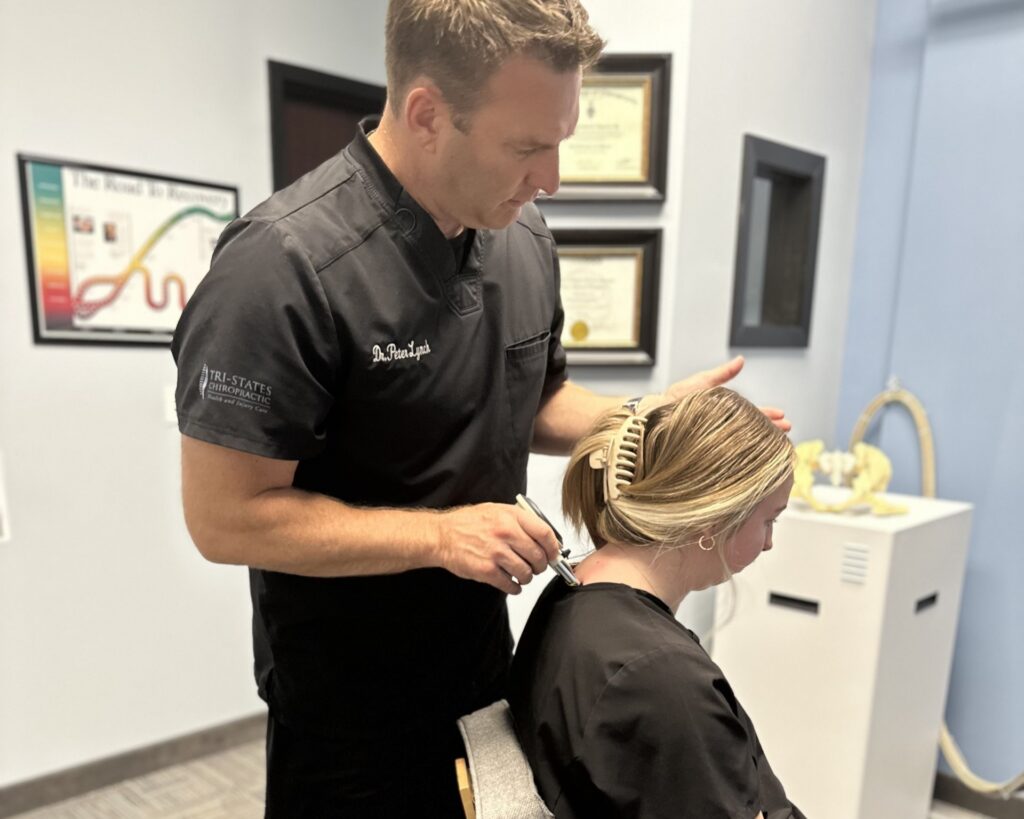
As your local chiropractor, I understand how neck pain can significantly impact your daily life. However, with a few simple adjustments, you can alleviate much of that discomfort. By focusing on natural healing and implementing some effective strategies, we can work together to improve your well-being.
First and foremost, maintaining good posture is crucial. Whether you’re sitting at a desk or using your phone, being mindful of your alignment can make a big difference. Additionally, selecting the right pillow is essential for supporting your neck during sleep, ensuring that your spine stays in a neutral position.
Incorporating regular stretching and strengthening exercises can also help to promote flexibility and resilience in your neck muscles. I encourage you to consider these changes as part of your daily routine. Together, we can explore these tips and find solutions that lead to a more comfortable, pain-free lifestyle through natural methods. Remember, small changes can lead to significant improvements in your overall health!
Maintain Good Posture
As a local chiropractor, I want to emphasize the importance of maintaining good posture for your overall health, particularly in preventing neck pain. It may seem like a small detail, but aligning your head over your shoulders and keeping your spine straight can significantly reduce the strain on your neck muscles.
To create an ergonomically-friendly workspace, ensure your computer screen is positioned at eye level. This will help you avoid the common habits of tilting your head down or craning it upward, which can lead to discomfort.
When using your phone, try to hold it at eye level instead of looking down.
While sitting, it’s crucial to keep your feet flat on the ground and your back fully supported. I advise against crossing your legs, as this can contribute to misalignment over time. Engaging your core muscles can offer additional support to your spine.
Throughout the day, take a moment to check in with your posture. If you find yourself slouching, make a conscious effort to correct it.
Take Regular Breaks
As a local chiropractor, I want to emphasize the importance of taking regular breaks to prevent neck pain, especially for those of you who spend long hours at a desk.
It’s crucial to understand that our bodies aren’t designed to remain in one position for extended periods. Incorporating frequent breaks into your routine can significantly alleviate tension and discomfort.
I recommend setting a timer to remind yourself to stand up, stretch, or take a short walk every 30 to 60 minutes. This simple practice not only helps relieve neck strain but can also enhance your overall productivity.
During your breaks, I encourage you to focus on gentle neck and shoulder stretches. Rolling your shoulders back, tilting your head side to side, and taking deep breaths can help release any built-up stress.
Additionally, don’t forget to hydrate during this time. Staying active is essential for maintaining good blood circulation and preventing stiffness, which can contribute to neck pain.
By integrating these habits into your daily routine, you’ll not only support your neck health but also promote overall well-being.
Adjust Your Workspace
As a local chiropractor, I want to emphasize the importance of a comfortable workspace in preventing neck pain.
One of the first steps you can take is to ensure your monitor is positioned at eye level. This simple adjustment can significantly reduce the strain on your neck.
Additionally, investing in an ergonomic chair that provides proper support for your posture is crucial.
Monitor Height Adjustment
As a local chiropractor dedicated to your well-being, I want to share a simple yet effective way to help prevent neck pain: adjusting the height of your monitor.
Proper monitor positioning can significantly reduce strain on your neck and shoulders, which is crucial for maintaining your spinal health. Here are three essential tips to help you find the ideal monitor height:
- Eye Level: Ideally, your monitor should be positioned at eye level. This allows you to look straight ahead, minimizing the need to tilt your head up or down, which can lead to discomfort over time.
- Distance: Keep your monitor approximately an arm’s length away. This distance helps ensure you aren’t leaning forward or backward, which can put unnecessary pressure on your spine.
- Tilt: A slight backward tilt of your monitor (about 10-20 degrees) can help maintain a more relaxed neck position, further reducing strain.
By following these guidelines, you can create a healthier workspace that supports your body’s natural alignment and contributes to your overall well-being.
Ergonomic Chair Selection
As a local chiropractor, I want to emphasize the importance of choosing the right ergonomic chair to prevent neck pain, which is a common issue I see in my practice. The chair you sit in plays a crucial role in your posture and overall comfort, especially during those long hours at a desk.
When selecting a chair, look for one that supports the natural curve of your spine, encouraging you to sit up straight. It’s essential to have adjustable features—such as seat height, backrest angle, and armrests—so you can customize the chair to fit your body properly.
Your feet should rest flat on the floor, with your knees bent at a 90-degree angle to promote good circulation and reduce strain. Good lumbar support is vital as it helps alleviate pressure on your neck and shoulders, which can prevent discomfort and pain.
Before making a purchase, I encourage you to test the chair by sitting in it for an extended period to ensure it feels comfortable and supportive. Investing in an ergonomic chair isn’t just about comfort; it can significantly enhance your workspace and contribute to better spinal health.
Strengthen Neck Muscles
As a local chiropractor, I want to emphasize the importance of strengthening your neck muscles, even if you don’t think about them very often. A robust neck is crucial for supporting your head and alleviating strain, particularly if you find yourself sitting for extended periods.
By incorporating some simple exercises into your daily routine, you can help prevent pain and discomfort. Here are three effective exercises that I often recommend to my patients for building neck strength:
- Neck Tilts: Start by sitting or standing upright. Slowly tilt your head toward one shoulder, hold that position for a few seconds, and then switch to the other side. Repeat this several times to improve flexibility and strength.
- Chin Tucks: While sitting up straight, gently pull your chin back toward your neck. Hold for a few seconds; you should feel a gentle stretch at the back of your neck. This exercise is excellent for improving posture and reducing tension.
- Isometric Neck Exercises: Press your forehead against your palm while resisting the pressure with your hand. Hold for a few seconds, then switch to pressing the back of your head against your hand and repeat on each side. This exercise helps build strength without excessive movement.
Incorporating these exercises into your routine can significantly enhance your neck strength and keep it pain-free.
Stay Hydrated
As a local chiropractor, I want to emphasize the importance of staying hydrated for your overall health, particularly in relation to neck pain. Many people may not realize that proper hydration plays a crucial role in how our muscles and joints function.
When you drink enough water, your body can maintain its flexibility and reduce the risk of stiffness and discomfort in the neck area. Conversely, dehydration can lead to increased muscle tension, making your neck more prone to pain and strain.
I recommend aiming to drink plenty of water throughout the day. If you lead an active lifestyle or live in a warmer climate, your hydration needs may be even higher. Keep a water bottle with you as a reminder to sip on water regularly.
Additionally, incorporating hydrating foods like fruits and vegetables into your diet can further support your muscle health and provide essential nutrients.
Be aware of the signs of dehydration—such as fatigue or headaches—since these can also contribute to neck discomfort. By prioritizing hydration, you’re not just supporting your overall wellness; you’re also taking proactive steps to lessen the likelihood of experiencing neck pain.
Use Ergonomic Accessories
As a local chiropractor dedicated to your well-being, I want to share the importance of using ergonomic accessories to alleviate neck pain.
It’s essential to start with a chair that supports your posture effectively. A chair that aligns your spine can make a significant difference in your comfort and overall health.
Next, consider adjusting your monitor height so that it aligns with your eye level. This simple change can help prevent unnecessary strain on your neck and promote better alignment while you work or engage in other activities.
Lastly, pay attention to your keyboard position. Ensuring that it encourages a comfortable typing angle will help keep your neck aligned and reduce the risk of discomfort.
By making these adjustments to your workspace, you can greatly enhance your comfort and support your body’s natural healing process.
Choose the Right Chair
As a local chiropractor, I want to emphasize the importance of choosing the right chair to help prevent neck pain, especially if you find yourself sitting for extended periods at a desk.
The type of chair you use can significantly affect your comfort and posture, which are crucial for your overall spinal health. Here are three essential features you should consider when selecting a chair:
- Adjustability: Look for a chair that offers adjustable height, backrest, and armrests. This customization allows you to find the perfect fit for your body’s unique dimensions, helping to maintain proper alignment and reduce discomfort.
- Lumbar Support: It’s vital to ensure that the chair provides adequate lumbar support. This feature helps maintain the natural curve of your spine, which can alleviate unnecessary strain on your neck and upper back, promoting better posture.
- Seat Depth: A chair with adjustable seat depth is also important. This allows your back to rest comfortably against the backrest while keeping your feet flat on the floor, further enhancing your stability and support throughout the day.
Investing in the right chair isn’t just about comfort; it’s about supporting your overall well-being and promoting a healthier spine.
Adjust Monitor Height
As a local chiropractor, I want to emphasize the importance of adjusting your monitor height to prevent neck pain, especially if you find yourself spending long hours at a computer.
It’s crucial to position your monitor at eye level to avoid tilting your head up or down, which can lead to discomfort over time. Aim for your eyes to align with the top third of your screen; this will help keep your neck in a neutral position, reducing tension.
If your monitor is too low, consider using a monitor riser or even stacking some books to elevate it.
Ideally, your screen should be about an arm’s length away to minimize strain on both your eyes and neck. Another option to enhance your workspace is to use an adjustable monitor arm, which provides flexibility in positioning.
By taking these simple steps, you can significantly alleviate discomfort and promote better posture while you work, ultimately supporting your overall health and well-being.
Supportive Keyboard Position
As a local Chiropractor, I want to emphasize how crucial the position of your keyboard can be in preventing neck and back pain.
By using ergonomic accessories, you can significantly enhance your comfort and support while working. Here are three essential tips to ensure your keyboard is set up correctly:
- Keep it level: Position your keyboard at elbow height. This allows your arms to rest in a relaxed manner while you type, reducing strain on your neck and shoulders.
- Maintain a neutral wrist position: It’s important to avoid bending your wrists either upwards or downwards. Keeping your wrists straight while typing can help prevent discomfort and strain.
- Use a wrist support: Incorporating a wrist rest can provide cushioning for your forearms and help maintain a comfortable typing posture, which is vital for long-term health.
Remember, proper ergonomics can play a significant role in your overall well-being and can help prevent pain before it starts.
If you have any questions about how to optimize your workspace or improve your posture, don’t hesitate to reach out!
Practice Neck Stretches
As a local chiropractor, I often see patients struggling with neck pain, and a common culprit is tight muscles. Incorporating regular neck stretches into your daily routine can make a significant difference in managing discomfort and enhancing your overall well-being.
Let’s start with a simple stretch: gently tilt your head to one side, allowing your ear to move toward your shoulder. Hold that position for about 15-30 seconds before switching to the other side. This stretch helps to release tension in the muscles around your neck.
Next, try a gentle rotation; turn your head to look over one shoulder, hold for a moment, and then switch sides. These movements are effective in improving flexibility and alleviating stiffness.
Another beneficial stretch is the chin tuck. This involves pulling your chin back toward your neck while keeping your shoulders relaxed. Hold this position for a few seconds.
I recommend practicing these stretches at least once or twice a day, particularly if you find yourself spending long hours at a desk.
Remember, deep breathing and staying relaxed during each stretch are key components to maximizing their benefits. Consistent practice not only helps ease discomfort but also strengthens your neck muscles, promotes better posture, and reduces the risk of future pain.
Sleep on a Supportive Pillow
As a local Chiropractor, I often emphasize the importance of choosing the right pillow to help prevent neck pain and support your overall spinal health. The height and material of your pillow are crucial factors in ensuring that your neck is properly aligned while you sleep.
An improper pillow can lead to discomfort and tension, which can affect not only your sleep quality but also your daily activities.
To find the perfect pillow, consider your sleeping position. If you sleep on your back, a medium-height pillow that supports the natural curve of your neck is ideal. For side sleepers, a firmer, taller pillow can help keep your spine aligned. If you prefer sleeping on your stomach, a thinner, softer pillow may be best to avoid straining your neck.
Additionally, the material of your pillow matters. Memory foam, latex, and down pillows each provide different levels of support and comfort. It’s essential to choose a material that aligns with your personal comfort preferences while also offering the necessary support for your neck.
By taking the time to select the right pillow, you can significantly improve your sleep quality and reduce the likelihood of waking up with neck pain.
I encourage you to consider these tips and invest in a pillow that promotes a restful night and supports your overall well-being.
Pillow Height Matters
As a local chiropractor, I want to emphasize the importance of finding the right pillow height in maintaining a healthy spine and preventing neck pain.
The alignment of your head and neck while you sleep plays a crucial role in your overall well-being. Here are three tips to guide you in selecting the appropriate pillow height based on your sleeping position:
- Side Sleepers: If you tend to sleep on your side, it’s essential to use a thicker pillow. This will help fill the space between your shoulder and head, ensuring that your spine remains in a straight line throughout the night.
- Back Sleepers: For those who sleep on their back, a medium-height pillow is ideal. This type of pillow will support the natural curve of your neck without pushing your head forward too much, helping to maintain proper alignment.
- Stomach Sleepers: If you prefer sleeping on your stomach, consider using a thin pillow or even no pillow at all. This approach can help prevent excessive twisting of your neck, reducing the risk of strain and discomfort.
By choosing the right pillow height for your sleeping style, you can promote better spinal health and enjoy a more restful night’s sleep.
If you have any questions or need further assistance, feel free to reach out!
Material for Comfort
As a chiropractor, I want to emphasize the importance of choosing the right pillow material for your sleep quality and overall spinal health. Your pillow is more than just a comfort item; it plays a crucial role in supporting your neck and maintaining proper spinal alignment while you sleep.
When considering pillow options, memory foam is a great choice. It contours to the shape of your head and neck, offering excellent support and reducing pressure points.
If you tend to feel warm at night, a latex pillow might be ideal for you. It provides breathability and keeps you cool, while also maintaining resilience and support.
Down pillows are incredibly soft and plush, but they can sometimes lack the necessary support for proper neck alignment. If you’re looking for something that offers both conforming support and promotes air circulation, buckwheat pillows are worth exploring. They adapt to your individual shape and help keep your neck in a neutral position.
Regardless of the material you choose, it’s essential to ensure your pillow supports your neck adequately. Proper support helps maintain the natural curve of your spine, which is vital for preventing neck pain and ensuring restful sleep.
Remember, investing in a supportive pillow isn’t just a luxury; it’s a key component of your overall health and wellness.
Manage Stress Levels
As a local chiropractor, I want to emphasize the connection between stress and physical discomfort, particularly neck pain. Many people may not realize that stress can significantly impact their overall health, including the health of their neck.
It’s crucial to manage your stress levels not just for peace of mind, but also for maintaining a healthy neck and overall well-being. Here are three effective strategies that you can easily integrate into your daily life:
1. Practice Mindfulness: I encourage you to dedicate a few minutes each day to focus on your breathing. Mindfulness meditation is a powerful tool that can help reduce stress and enhance your ability to recognize tension in your neck.
By becoming more aware of your body, you can take proactive steps to alleviate discomfort.
2. Stay Active: Engaging in regular physical activity is vital for releasing endorphins—your body’s natural stress relievers. Activities such as yoga or gentle stretching not only improve flexibility but also help in reducing muscle tension in your neck and shoulders.
3. Establish Boundaries: It’s important to learn how to say no when your commitments become overwhelming. Setting clear limits on your time can prevent you from feeling stretched too thin and can significantly reduce your stress levels.
This, in turn, helps keep your neck and spine in better alignment.
By incorporating these strategies into your routine, you can support your chiropractic care and enhance your overall health.
Seek Professional Help
If you’re dealing with ongoing neck pain, I want to emphasize the importance of seeking professional help, particularly through chiropractic care. As a chiropractor, I specialize in assessing and treating musculoskeletal issues, and I can help identify underlying problems that you may not even be aware of.
Chiropractic care is a natural approach that focuses on the alignment of your spine and overall body mechanics. When you come to see me, I’ll conduct a comprehensive evaluation to understand your specific condition and how it impacts your daily life.
From there, we can develop a customized treatment plan that may include spinal adjustments, exercises, and stretches designed to relieve your pain and enhance your mobility.
I encourage you to ask questions about your neck pain and the treatments we recommend. Understanding your condition is key to making informed decisions about your health.
I may also suggest lifestyle modifications to support your healing process and prevent future issues. Regular visits to my practice will allow us to monitor your progress and make any necessary adjustments to your treatment plan.