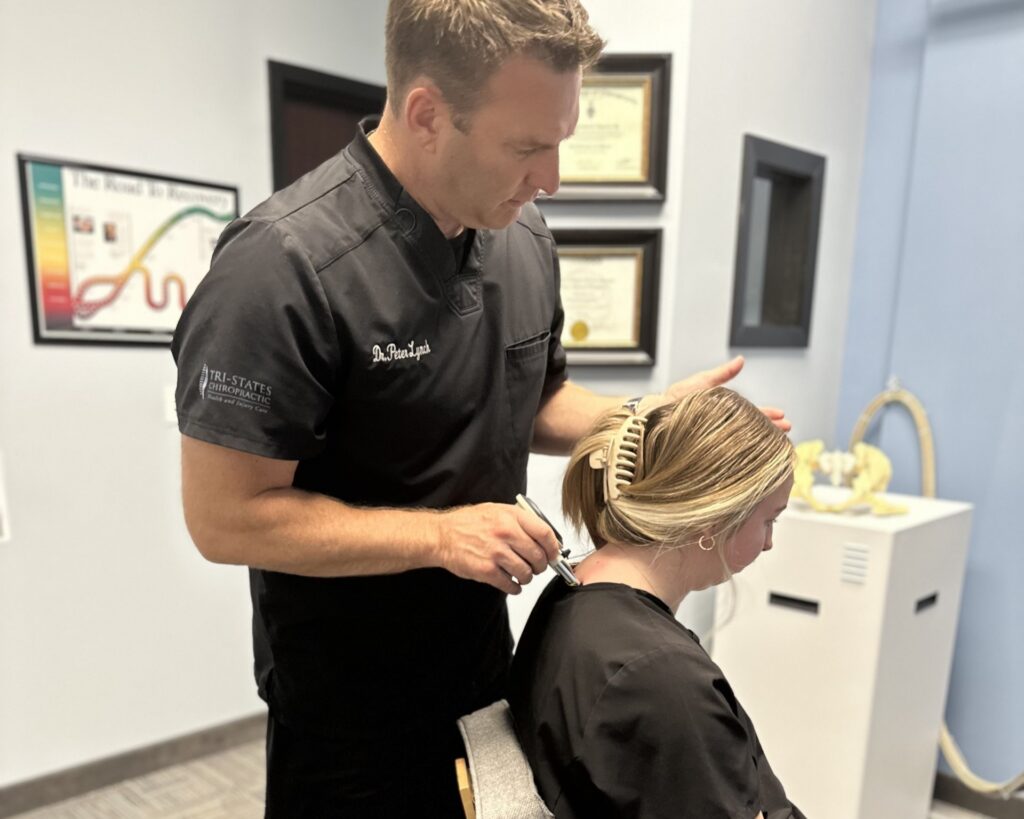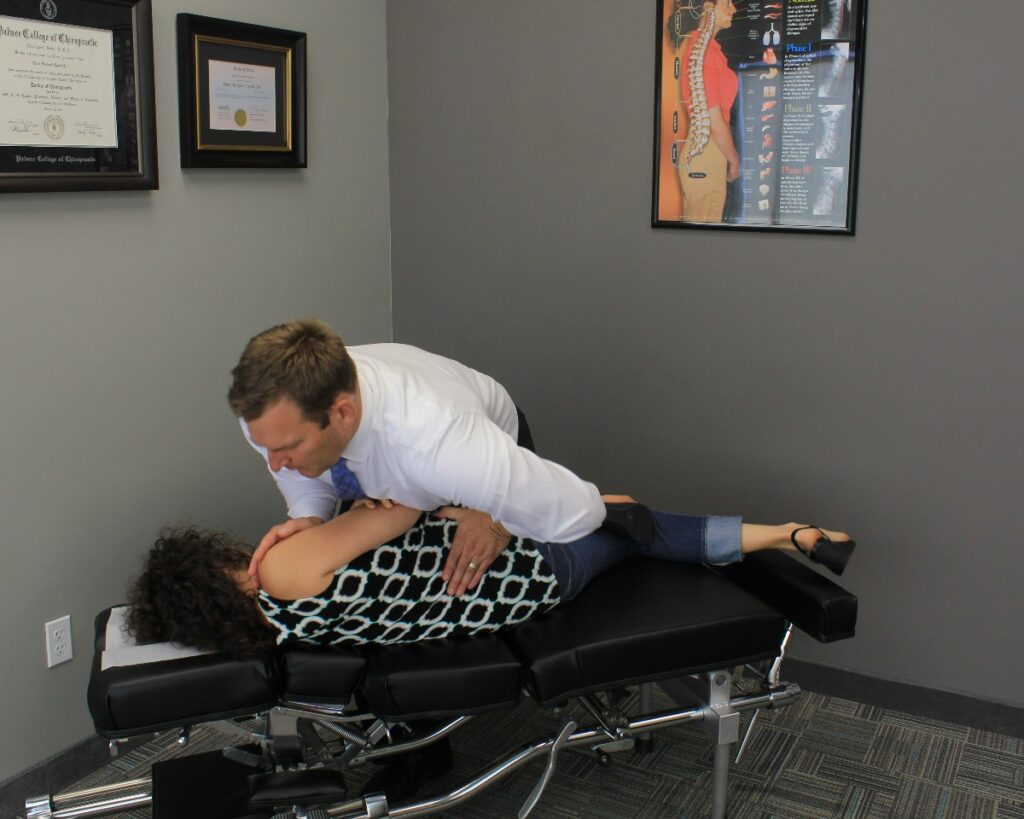
If you’re experiencing lower back pain, you understand how it can disrupt your daily life. Thankfully, there are natural and effective techniques to help you manage and relieve that discomfort. One of the best ways to achieve optimal health and wellness is through chiropractic care. By focusing on spinal health, you can not only alleviate pain but also enhance your overall well-being.
Incorporating simple stretches into your routine can provide immediate relief. Gentle movements like knee-to-chest stretches or cat-cow poses can help loosen tight muscles and improve flexibility. Additionally, maintaining good posture while sitting, standing, or lifting can prevent further strain on your back.
Lifestyle adjustments also play a crucial role in managing lower back pain. Staying active with low-impact exercises, like walking or swimming, can strengthen your back and core muscles. It’s important to listen to your body and avoid movements that cause pain.
Remember, chiropractic care is a holistic approach that focuses on the root cause of your pain rather than just masking the symptoms. Regular chiropractic adjustments can realign your spine, reduce tension, and promote natural healing.
By understanding what works best for you and incorporating these practical methods into your daily routine, you can take control of your lower back pain and embrace a healthier lifestyle. If you’re looking for a natural solution, consider visiting a chiropractor who can guide you on your journey to optimal health.
Key Takeaways
- As your local chiropractor, I encourage you to seek personalized adjustments to restore your spinal alignment and naturally alleviate pain. Chiropractic care focuses on addressing the root causes of your discomfort, allowing your body to heal effectively.
- To support your spine and reduce lower back strain, consider incorporating core-strengthening exercises into your routine. A strong core is essential for maintaining proper spinal alignment and can significantly improve your overall well-being.
- Heat therapy can be a wonderful way to relax tight muscles, while cold therapy helps to reduce inflammation and numb pain. These natural methods can be easily integrated into your daily self-care routine.
- Maintaining proper posture and ergonomics in your work environment and daily activities is crucial for preventing strain on your lower back. Simple adjustments, such as keeping your feet flat on the ground and your back straight, can make a big difference.
- Staying active with low-impact exercises like walking or swimming not only promotes flexibility but also contributes to overall spine health. Regular movement is key to keeping your body balanced and pain-free.
By prioritizing chiropractic care and these simple lifestyle changes, you can achieve optimal health and enjoy a life free from lower back pain.
Understanding the Causes of Lower Back Pain
When you experience lower back pain, it’s crucial to understand the underlying causes, as this knowledge can guide you toward effective relief. Several factors may contribute to this discomfort, such as muscle strains, herniated discs, or even poor posture. For instance, you might’ve strained a muscle from heavy lifting or sudden movements, which can lead to inflammation and pain. Sometimes, discomfort arises from a herniated disc that presses on nerves, causing pain that radiates down your legs.
Additionally, prolonged sitting or improper posture can create tension in your lower back. Lifestyle factors, such as being overweight or not staying active, can also play a significant role in worsening your pain. By identifying these causes, you can take proactive steps to alleviate your discomfort. Simple changes like adjusting your workspace to promote better posture, taking regular breaks to stand and stretch, and incorporating gentle exercises into your routine can make a big difference.
As a chiropractor, I believe that understanding the root of your pain is the first step toward achieving optimal health. Chiropractic care focuses on restoring proper alignment and function to the spine, which can relieve pain and promote overall wellness. By choosing chiropractic care, you’re opting for a natural approach that emphasizes healing without the need for medications or surgeries.
Stretching and Strengthening Exercises
Incorporating stretching and strengthening exercises into your routine is crucial for alleviating lower back pain and enhancing overall mobility. These exercises not only target the core muscles that support your spine but also complement the benefits of chiropractic care, helping to prevent further discomfort and promote natural healing.
Here are four effective activities to consider:
- Cat-Cow Stretch: This gentle stretch is fantastic for improving flexibility and relieving tension in your back. It encourages movement in the spine, which is essential for maintaining a healthy back.
- Pelvic Tilts: By strengthening your abdominal muscles, pelvic tilts can significantly reduce back strain and improve your posture. This simple movement teaches your body how to engage the core, which is vital for a healthy spine.
- Child’s Pose: This restorative position not only stretches the lower back but also promotes relaxation. Taking a moment to breathe deeply in this posture can help reduce stress, which often contributes to back pain.
- Bridges: Bridges are excellent for strengthening your glutes and lower back. By enhancing stability, this exercise supports your spine and can help you maintain better alignment throughout your daily activities.
Aim to perform these exercises several times a week, and always listen to your body as you progress. You’ll likely notice improvements in both pain relief and mobility over time.
Remember, chiropractic care is a powerful partner in your journey to optimal health. It not only addresses the root causes of pain but also enhances the effectiveness of your exercise routine. Make sure to consult with your chiropractor for personalized recommendations and guidance tailored to your specific needs.
Embracing these practices can lead you to a healthier, pain-free life!
Hot and Cold Therapy
When it comes to relieving lower back pain, hot and cold therapy can be incredibly effective, especially when combined with chiropractic care.
Applying heat helps to relax tight muscles and improve circulation, providing essential support for your spine’s overall health.
On the other hand, cold therapy can reduce inflammation and numb sharp pain, giving you much-needed relief.
As a chiropractor, I want to emphasize that understanding when and how to use each method can significantly enhance your recovery process.
Here are some simple tips to help you make the most of hot and cold therapy:
- Heat Therapy: Use a heating pad or a warm towel on the affected area for 15-20 minutes. This can be particularly beneficial after your chiropractic adjustment, as it helps to keep your muscles relaxed and promotes better alignment.
- Cold Therapy: Apply a cold pack wrapped in a towel for 15-20 minutes to reduce swelling and numbing pain. This is especially useful after physical activity or if you’ve been sitting for long periods.
- Timing: Use cold therapy in the first 48 hours after an injury or flare-up to minimize swelling, and switch to heat after that to promote healing and flexibility.
- Listen to Your Body: Pay attention to how your body responds to heat and cold. If one method feels better than the other, trust your instincts.
- Stay Active: While hot and cold therapy can provide relief, it’s essential to maintain an active lifestyle. Regular chiropractic care can help keep your spine aligned and functioning well, supporting your overall wellness.
Remember, while hot and cold therapy can be beneficial, the best path to optimal health and pain relief is through regular chiropractic adjustments.
If you’re experiencing ongoing pain, don’t hesitate to reach out to your chiropractor for personalized care and support in your healing journey.
Together, we can work towards a healthier, pain-free life.
Benefits of Heat Application
As a local chiropractor, I want to share some valuable insights about managing lower back pain through natural methods, particularly heat therapy. Applying heat can be an effective way to find relief and promote overall wellness.
Here are some key benefits of using heat for your lower back pain:
- Boosts Blood Flow: When you apply heat to your lower back, it helps increase circulation in the area. This enhanced blood flow brings essential nutrients and oxygen, which promote healing and help relax tight muscles.
- Relaxes Muscle Tension: Heat therapy is excellent for easing stiff muscles. By warming up the affected area, you can reduce tension and discomfort, making it easier to move around and carry out daily activities with greater ease.
- Soothes Pain: The gentle warmth of heat therapy can help diminish pain signals that your brain receives. This comforting effect can provide a much-needed break from discomfort, helping you feel more at ease.
- Improves Flexibility: Heat can help enhance your range of motion. When your muscles are warm and relaxed, you’ll find it easier to stretch and engage in gentle exercises, which are important for maintaining a healthy spine.
Incorporating heat therapy into your daily routine can be a simple yet effective way to manage lower back pain naturally. Remember to always listen to your body and consult with your chiropractor about the best practices for your specific situation.
Cold Therapy Advantages
Cold therapy can be a powerful tool in your pain management arsenal, especially when it comes to lower back pain. By reducing inflammation and numbing the affected area, cold therapy can provide significant relief. When you use cold packs, they constrict blood vessels, which helps slow down swelling and alleviates discomfort.
As a chiropractor, I believe it’s important to understand the benefits of cold therapy, especially as a complementary approach to spinal health and wellness. Here’s a quick overview of the advantages of cold therapy:
| Advantage | Description | Best For |
|---|---|---|
| Reduces Inflammation | Helps calm swelling and irritation | Acute injuries |
| Numbs Pain | Provides immediate pain relief | Sharp, intense pain |
| Decreases Muscle Spasms | Relaxes tight muscles | Muscle tension |
| Enhances Recovery | Speeds up healing processes | Post-exercise recovery |
Incorporating cold therapy into your routine can be an effective way to manage pain naturally. Here are a few tips to keep in mind:
- Apply Cold Packs: Use a cold pack or a bag of ice wrapped in a cloth. Apply it to the sore area for about 15-20 minutes at a time, making sure to give your skin a break in between.
- Combine with Chiropractic Care: Regular visits to your chiropractor can enhance the benefits of cold therapy by addressing underlying spinal issues and promoting overall wellness.
- Listen to Your Body: If you experience increased discomfort or prolonged numbness, it’s essential to stop and consult with your chiropractor for further guidance.
- Stay Active: Gentle movement and stretches, alongside cold therapy, can help maintain flexibility and reduce stiffness.
Proper Posture and Ergonomics
Maintaining proper posture and ergonomics is crucial for preventing and alleviating lower back pain. Your everyday habits, like how you sit, stand, and move, significantly influence the health of your spine. As a chiropractor, I want to share some practical tips to help you improve your posture and embrace ergonomic practices that support your overall wellness:
- Sit Smart: Choose a chair that provides good support for your lower back. Your feet should be flat on the floor, which helps maintain the natural curve of your spine. This simple change can make a big difference in how you feel.
- Stand Tall: When standing, keep your shoulders back and your head aligned over your spine. Distributing your weight evenly on both feet can relieve unnecessary pressure on your back, promoting a more balanced posture.
- Lift with Care: To protect your back when lifting heavy objects, remember to bend at your knees instead of your waist. This technique helps engage your legs and reduces the strain on your lower back, making lifting safer and easier.
- Take Breaks: If you spend long hours at a desk, it’s important to stand up and stretch every 30 minutes. This practice not only relieves tension but also encourages better circulation, which is vital for spinal health.
By incorporating these simple tips into your daily routine, you can support your spine and overall health. Chiropractic care is a natural and effective way to achieve optimal wellness, helping you maintain a healthy posture and reduce pain.
Over-the-Counter Pain Relief Medications
When it comes to managing lower back pain, many people often turn to over-the-counter pain relief medications for quick relief. While these medications, such as ibuprofen and naproxen, can help reduce inflammation and alleviate discomfort, they merely mask the symptoms rather than addressing the root cause of the issue.
As a chiropractor, I believe in the power of natural healing and the body’s ability to restore itself. Chiropractic care focuses on aligning the spine and improving overall function, which can lead to long-lasting relief from back pain. Rather than relying solely on medications, consider scheduling a visit with a chiropractor who can assess your condition and develop a personalized treatment plan.
In addition to chiropractic adjustments, there are simple lifestyle changes you can incorporate into your daily routine to support your back health. These include:
- Regular Exercise: Engage in low-impact activities like walking, swimming, or yoga to strengthen your back muscles and improve flexibility.
- Proper Posture: Be mindful of your posture while sitting, standing, and lifting. Maintaining proper alignment can prevent unnecessary strain on your back.
- Stretching: Incorporate stretching exercises into your day to relieve tension and improve mobility. Gentle stretches can be particularly beneficial after long periods of sitting.
- Ergonomic Workspace: If you work at a desk, consider adjusting your workspace to promote good posture. Use a chair that supports your lower back and position your computer screen at eye level.
- Mindfulness and Relaxation Techniques: Stress can contribute to muscle tension. Practicing mindfulness, deep breathing, or meditation can help you manage stress and promote relaxation.
While over-the-counter medications might offer temporary relief, they shouldn’t be a long-term solution. If your back pain persists, seeking the expertise of a chiropractor can provide you with the comprehensive care you need to achieve optimal health and wellness.
Physical Therapy Options
When it comes to finding effective relief for lower back pain, considering chiropractic care can truly make a difference. Chiropractors are specialists in spinal health and can help you achieve better alignment, which is crucial for relieving pain and promoting overall wellness.
Here are four key chiropractic approaches to explore for managing lower back pain:
- Adjustments: Gentle spinal adjustments can realign your vertebrae, relieving pressure on nerves and reducing pain. This technique not only helps alleviate discomfort but also enhances overall body function.
- Strengthening Exercises: Alongside adjustments, chiropractors can guide you through exercises that target your core muscles. A strong core supports your spine and helps prevent future pain.
- Stretching Techniques: Regular stretching can improve your flexibility and reduce tension in the muscles surrounding your lower back. Chiropractors can recommend specific stretches tailored to your needs.
- Lifestyle Education: Understanding proper posture and body mechanics is vital. Your chiropractor can provide practical tips for daily activities to minimize strain on your back, helping you make healthier choices.
By focusing on these chiropractic approaches, you can take proactive steps toward managing your pain and enhancing your quality of life. Consult with a trusted chiropractor to discover the best plan for your unique situation and embrace a path to natural healing and optimal health.
Alternative Treatments: Acupuncture and Massage
Chiropractic care serves as an essential foundation for managing lower back pain effectively. It focuses on aligning the spine and improving overall body function, which can lead to significant pain relief and enhanced well-being. While there are various options available, chiropractic stands out as a holistic approach that addresses the root cause of discomfort.
In addition to chiropractic adjustments, you may find value in complementary therapies such as acupuncture and massage. Acupuncture involves the gentle insertion of thin needles at specific points on your body, which can help promote energy flow and alleviate pain. Many individuals report finding relief from discomfort through this ancient practice, enhancing their overall wellness.
Massage therapy is another beneficial option to consider. It works by relaxing tense muscles, improving blood circulation, and increasing flexibility. Whether you prefer deep tissue or Swedish massage, both can help alleviate the tension in areas that contribute to lower back pain.
Integrating these alternative treatments with your chiropractic care can provide a comprehensive approach to pain management. However, it’s important to remember that every person responds differently to various therapies. Consulting with your chiropractor can guide you in determining the best plan tailored to your needs.
In addition to these therapies, here are some general tips for maintaining spinal health and reducing lower back pain:
- Stay Active: Regular movement helps keep your spine healthy. Consider low-impact exercises like walking or swimming.
- Practice Good Posture: Be mindful of your posture when sitting, standing, or lifting heavy objects to minimize strain on your back.
- Stretch Regularly: Incorporate stretching into your daily routine to improve flexibility and reduce muscle tension.
- Use Supportive Furniture: Ensure your chair and mattress provide adequate support for your spine to maintain proper alignment.
- Stay Hydrated: Drinking plenty of water helps maintain the elasticity of spinal discs and overall health.
Lifestyle Changes for Long-Term Relief
To achieve long-term relief from lower back pain, embracing lifestyle changes is essential, and incorporating chiropractic care can enhance these efforts. By making a few adjustments and prioritizing spinal health, you can significantly improve your comfort and overall well-being.
Here are some effective changes to consider:
- Stay Active: Regular low-impact exercises, such as walking or swimming, are fantastic for strengthening your back and core muscles. Chiropractic care can also provide personalized exercise recommendations tailored to your specific needs.
- Improve Posture: Being mindful of your posture is crucial. When sitting or standing, ensure your spine is properly aligned. Ergonomic furniture can support your spine, but regular chiropractic adjustments can help maintain optimal posture, reducing strain on your back.
- Maintain a Healthy Weight: Carrying excess weight can put additional strain on your back. Focus on a balanced diet and regular exercise to manage your weight. A chiropractor can guide you in developing a holistic wellness plan that includes nutrition and physical activity.
- Practice Stress Management: Stress can lead to muscle tension, contributing to back pain. Incorporating relaxation techniques such as yoga or meditation can be beneficial. Chiropractic care can also help relieve tension through spinal adjustments and holistic approaches.
By implementing these lifestyle changes and prioritizing chiropractic care, you can make a significant difference in achieving long-term relief from lower back pain. Start with small steps, and over time, you’ll likely notice improvements in your health and overall quality of life.
When to Seek Professional Help
If your lower back pain persists for more than a few weeks, it’s a good time to consider seeking the expertise of a chiropractor. Pay attention to any unusual symptoms, such as numbness or weakness, as these can indicate a need for professional assessment. If your pain is making it difficult to carry out daily activities, don’t hesitate to reach out to a chiropractic care provider who specializes in natural healing.
Chiropractic care focuses on the spine and nervous system, aiming to restore balance and promote overall wellness. Through gentle adjustments and techniques, chiropractors can help alleviate pain and improve your quality of life without the need for medications or invasive procedures.
In addition to chiropractic adjustments, there are some simple tips you can incorporate into your daily routine to support your spinal health:
- Maintain good posture while sitting, standing, and lifting to reduce strain on your back.
- Engage in regular, gentle exercise to strengthen your core muscles, which support your spine.
- Stay hydrated and maintain a balanced diet to promote tissue health and recovery.
- Consider stretching or practicing yoga to improve flexibility and relieve tension.
Persistent Pain Duration
Although lower back pain can sometimes resolve on its own, it’s crucial to understand when to seek professional help to ensure your long-term health and well-being. If your pain lingers for more than a few weeks or intensifies, it’s time to consult a chiropractor.
Here are some signs that indicate it’s a good idea to seek chiropractic care:
- You experience severe pain that doesn’t improve with rest or simple home remedies like stretching or gentle movement.
- Pain that radiates down your legs or is accompanied by numbness or weakness could indicate an underlying issue that chiropractic care can effectively address.
- If you find it difficult to stand, walk, or perform daily activities, a chiropractor can help assess your situation and provide relief through natural methods.
- Experiencing pain along with unexpected weight loss, fever, or other unusual symptoms might be a sign that your body needs professional attention from a chiropractor.
Acting early can prevent further complications and help you return to your normal activities more quickly. Remember, chiropractic care focuses on natural healing and restoring your body’s alignment, which is essential for optimal health.
Here are some general tips to support your back health:
- Maintain good posture while sitting and standing.
- Incorporate gentle stretches into your daily routine to keep your spine flexible.
- Stay active with low-impact exercises like walking or swimming to strengthen your back muscles.
- Consider regular chiropractic adjustments to help maintain spinal health and overall wellness.
Prioritizing your spinal health through chiropractic care is a proactive approach to living pain-free and achieving overall wellness.
Symptoms Beyond Normal
Recognizing when your lower back pain escalates beyond what’s usual is crucial for getting the help you need. If you’re facing intense pain that doesn’t improve with rest or simple home remedies, it’s time to consider a visit to your chiropractor. Chiropractic care focuses on addressing the root causes of pain, promoting natural healing, and enhancing overall wellness.
Keep an eye out for concerning symptoms like numbness, tingling, or weakness in your legs, as these may indicate nerve involvement that a chiropractor can help address. If your pain radiates down your legs, or if you experience fever, unexplained weight loss, or changes in bowel and bladder function, consulting with a chiropractor can guide you towards the best course of action.
Ignoring these symptoms might lead to bigger issues later on. Trust your body’s signals—it’s always wise to prioritize your health. Remember, chiropractic care is a natural, non-invasive option that not only focuses on pain relief but also encourages a healthier lifestyle.
In the meantime, here are some general tips for managing lower back pain at home:
- Stay Active: Gentle movement can help alleviate stiffness. Consider walking or light stretching.
- Maintain Good Posture: Be mindful of your posture, whether sitting or standing, to reduce strain on your back.
- Use Heat Therapy: Applying a warm compress can help relax tight muscles.
- Practice Safe Lifting: Always lift with your legs, not your back, to avoid injury.
Difficulty With Daily Activities
Struggling with daily activities due to lower back pain can be frustrating and debilitating, but you don’t have to face it alone.
As a local chiropractor, I want to help you understand the signs that indicate it’s time to seek professional care. Here are some key indicators that can guide you:
- Persistent Pain: If your back pain doesn’t improve with rest or home remedies, it’s a sign that your body might benefit from a chiropractic evaluation.
- Radiating Pain: When pain travels down your legs or into your feet, it could indicate nerve involvement. Chiropractic adjustments can help realign your spine and relieve pressure on nerve pathways.
- Weakness or Numbness: Experiencing weakness or numbness in your legs may suggest that your nervous system is affected. Chiropractic care focuses on restoring proper function to your spine, which can alleviate these symptoms.
- Difficulty with Mobility: If you’re finding it hard to stand, walk, or perform basic tasks, it’s essential to address the underlying issues. Chiropractic techniques can enhance your mobility and help you regain your independence.
Ignoring these signs can lead to further complications.
Instead of waiting for things to worsen, consider consulting a chiropractor who can assess your situation and provide a personalized treatment plan aimed at natural healing.
In addition to seeking chiropractic care, here are some general tips to help manage your lower back pain:
- Maintain Good Posture: Pay attention to your posture when sitting, standing, or lifting. Proper alignment can reduce strain on your back.
- Stay Active: Engage in gentle exercises like walking or stretching to keep your back muscles strong and flexible.
- Use Heat or Ice: Applying heat or ice to the affected area can provide relief and reduce inflammation.
- Focus on Core Strength: Strengthening your core muscles can provide better support for your spine.
Remember, chiropractic care is your best choice for achieving pain relief and enhancing overall wellness.
Don’t hesitate to reach out and take the first step toward a healthier, more vibrant life!