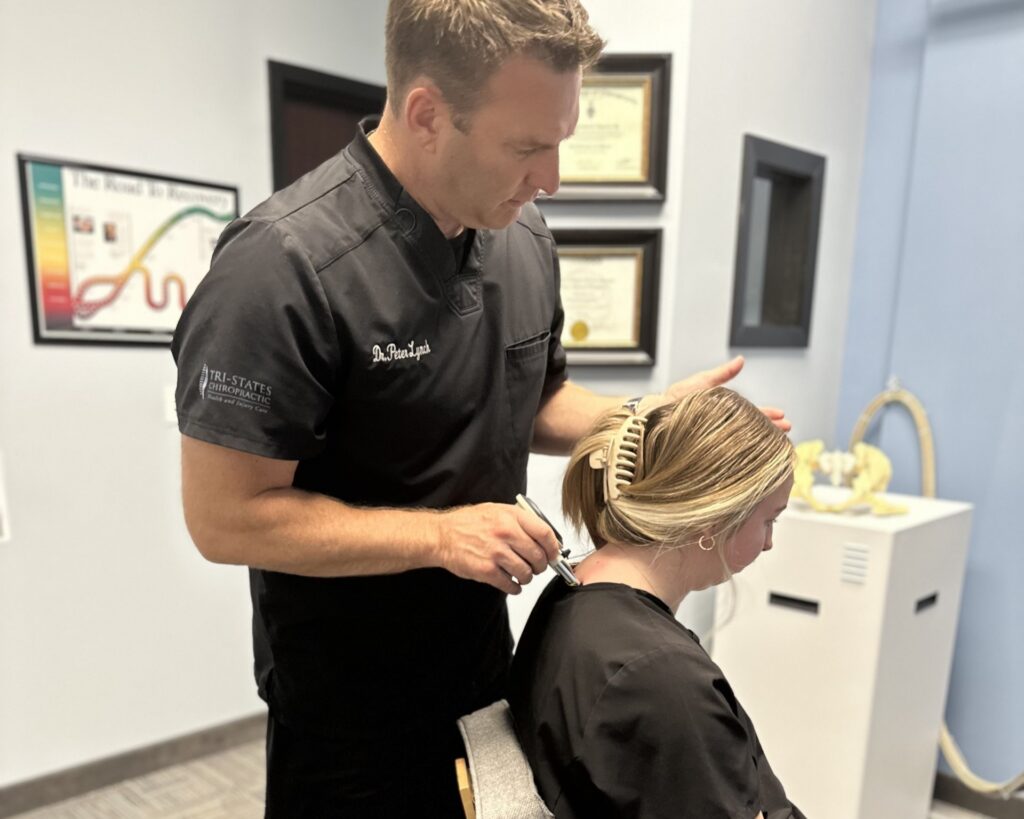
As a local chiropractor, I often see patients who struggle with neck pain due to factors like poor posture or repetitive strain. It’s crucial to understand that preventing this discomfort is much easier than treating it once it develops. By incorporating specific exercises into your daily routine, you can significantly improve the health of your neck.
Simple stretches and targeted strengthening exercises can enhance your neck’s flexibility and stability. These movements not only help alleviate existing discomfort but also serve as a proactive approach to maintaining a pain-free neck. If you’re curious about which exercises are most effective for preventing neck pain, I’m here to guide you through some of the best options to keep your neck healthy. Together, we can work towards a pain-free lifestyle and improve your overall well-being.
Understanding Neck Pain and Its Causes
As a local chiropractor, I want to help you understand neck pain and its various causes, so you can make informed decisions about your health and wellness. Many of my patients come in with neck pain that often stems from common issues in our daily lives.
For instance, poor posture is a significant contributor, particularly for those who spend long hours hunched over computers or smartphones. This constant strain can lead to discomfort and pain in your neck.
Another frequent cause of neck pain is muscle strain, which can occur from lifting heavy objects or even from sleeping in an uncomfortable position. Additionally, stress plays a crucial role; it can create tension in your muscles, making your neck feel tight and painful.
In some cases, injuries such as whiplash from car accidents can lead to ongoing discomfort that affects your quality of life. Chronic conditions like arthritis or herniated discs can also result in persistent neck pain that may hinder your daily activities.
It’s important to note that sometimes the source of your neck pain may not originate in the neck itself, but rather from issues in your shoulders or upper back.
At my practice, we focus on natural healing methods to help alleviate your neck pain. Understanding these causes is the first step towards effective treatment and better overall health.
If you’re experiencing neck pain, I encourage you to explore chiropractic care as a safe and holistic approach to finding relief.
Importance of Neck Pain Prevention Exercises
As a local chiropractor, I want to emphasize that preventing neck pain is just as crucial as treating it. Many people are unaware of the various factors that contribute to neck discomfort, but focusing on prevention can’t only save you from pain but also significantly enhance your overall quality of life.
By incorporating neck pain prevention exercises into your daily routine, you can strengthen your neck muscles, improve flexibility, and support better posture. Here’s why these exercises are so important:
- Reduces the risk of injury: Strengthening your neck muscles can help protect against strains and injuries, making them less likely to occur.
- Improves posture: Proper alignment is essential for reducing neck tension, and these exercises can help you maintain that alignment throughout the day.
- Enhances mobility: Increased flexibility in your neck allows for freer movement, reducing the risk of pain during daily activities.
- Boosts overall well-being: A neck that feels good contributes to your overall health, making it easier to engage in the activities you love.
- Saves time and money: By preventing neck pain, you may reduce the need for costly medical treatments and therapies down the road.
Investing a little time in prevention now can lead to a healthier, more comfortable tomorrow.
Don’t underestimate the importance of these exercises and how they can benefit you in the long run!
Stretching Exercises for Neck Relief
As a local chiropractor, I want to share the importance of incorporating stretching exercises into your daily routine to relieve neck tension and enhance your flexibility.
One effective exercise is the neck tilt. Simply tilt your head gently toward one shoulder, hold that position for about 15 seconds, and then switch to the other side. This straightforward movement helps stretch the muscles on the sides of your neck, alleviating tightness and discomfort.
Another beneficial exercise is the chin tuck. Whether you’re sitting or standing, maintain an upright posture and gently pull your chin back towards your neck without tilting your head. Hold this position for five seconds. This exercise is crucial for aligning your spine and reducing strain in the neck area.
Don’t overlook the shoulder shrug, either. Raise your shoulders towards your ears, hold for a few seconds, and then release. Repeat this several times; it’s a great way to relieve tension in the shoulders and neck.
Lastly, consider gentle neck rotations. Slowly turn your head from side to side, aiming for ten repetitions on each side. These stretches can significantly contribute to keeping your neck relaxed and flexible, ultimately reducing discomfort during your daily activities.
Integrating these stretches into your routine can play an important role in your overall well-being, and I encourage you to make them a regular part of your self-care regimen.
Strengthening Exercises for Neck Stability
As a local chiropractor, I want to emphasize the importance of maintaining a strong and stable neck for your overall health and wellness.
Incorporating specific strengthening exercises into your routine can significantly benefit the muscles that support your neck, helping to prevent pain and reduce the risk of injury.
Here are some effective exercises you can easily integrate into your daily activities:
- Neck Isometrics: This simple exercise involves pressing your forehead against your palms. Hold this position for 5-10 seconds to engage and strengthen the neck muscles.
- Shoulder Shrugs: Lift your shoulders toward your ears and then relax them down. This motion helps relieve tension and strengthens the upper shoulder area.
- Chin Tucks: Gently pull your chin back while keeping your head level. Hold for a few seconds. This exercise is excellent for improving posture and reducing strain on the neck.
- Side Neck Raises: Lie on your side and lift your head slightly off the ground. Switch sides and repeat. This exercise targets the muscles on the sides of your neck for balanced strength.
- Resistance Band Neck Extensions: Secure a resistance band behind you and gently push your head back against the resistance. This will help strengthen the muscles at the back of your neck.
Incorporating these strengthening exercises into your routine can greatly enhance your neck stability and overall strength.
For optimal results, consistency is key. If you have any questions or would like personalized guidance, don’t hesitate to reach out.
Your neck health is an important aspect of your overall wellbeing!
Posture Correction Techniques
As your local chiropractor, I want to emphasize the importance of correcting your posture to prevent neck pain. Many people overlook how their workspace setup and daily habits can impact their neck health.
By creating an ergonomic workspace and incorporating specific stretching and strengthening exercises into your routine, you can significantly improve your neck’s well-being.
Let me guide you through these effective techniques, which not only help alleviate discomfort but also promote long-term wellness. A few simple adjustments and exercises can go a long way in maintaining a healthy neck and improving your overall quality of life.
Ergonomic Workspace Setup
As a local chiropractor, I want to emphasize the importance of creating an ergonomic workspace to help prevent neck pain, especially if you find yourself seated at a desk for extended periods.
By making some thoughtful adjustments to your environment, you can significantly alleviate strain on your neck and enhance your overall comfort. Here are some essential tips to consider:
- Monitor Height: Ensure your computer screen is at eye level. This prevents the need to tilt your head, which can lead to discomfort and tension in your neck.
- Chair Support: Choose a chair that provides adequate support for your lower back and allows your feet to rest flat on the ground. This promotes good posture and reduces stress on your spine.
- Keyboard Position: Position your keyboard at elbow height. This helps maintain a neutral wrist position, reducing the risk of strain and discomfort in your arms and neck.
- Frequent Breaks: It’s crucial to take regular breaks to stand, stretch, and move around. This not only helps alleviate stiffness but also promotes overall blood circulation.
- Lighting: Ensure you have sufficient lighting in your workspace. Proper lighting minimizes glare and can prevent you from leaning forward, which contributes to neck strain.
By implementing these adjustments, you can create a healthier workspace that supports your well-being and complements the natural healing process.
Stretching and Strengthening Exercises
As a local chiropractor, I want to emphasize the importance of incorporating stretching and strengthening exercises into your daily routine to enhance your posture and alleviate neck pain.
One of the first steps you can take is to incorporate gentle neck stretches. For instance, try tilting your head side to side, holding each position for about 15-30 seconds. This simple action can help release built-up tension in the neck area.
Next, we need to focus on strengthening the muscles in your upper back. Exercises like seated rows with resistance bands or even shoulder blade squeezes can be incredibly beneficial. These movements help build muscle support around your neck, which is crucial for maintaining proper alignment.
It’s also vital to engage your core muscles. Strong abdominal muscles contribute to better posture, which can alleviate strain on your neck. Additionally, practicing chin tucks can be very helpful. This involves gently pulling your chin back to align your head over your spine, promoting better posture and reducing discomfort.
I recommend aiming to perform these exercises at least three times a week. By committing to this routine, you can experience noticeable improvements in your posture and a significant reduction in neck discomfort.
Daily Habits to Reduce Neck Strain
As a local chiropractor, I want to share some essential daily habits that can help you reduce neck strain and improve your overall comfort.
It’s important to create an ergonomic workspace that supports your body’s natural alignment. This means ensuring your chair, desk, and computer setup are designed to minimize strain on your neck and back.
In addition to a well-organized workspace, I encourage you to take regular stretching breaks throughout your day. These brief pauses can alleviate tension and promote flexibility.
Simple neck stretches can go a long way in maintaining mobility and preventing discomfort.
Furthermore, practicing proper posture is crucial. Being mindful of how you sit, stand, and move can significantly impact your neck health.
By incorporating these simple changes into your daily routine, you can enhance your well-being and reduce the risk of neck strain.
Ergonomic Workspace Setup
As a chiropractor, I often see how the setup of your workspace can significantly influence your neck health. Many people may not be aware, but an ergonomic workspace is essential for promoting good posture and reducing strain on your neck.
Here are some important factors to consider for creating an ideal workspace:
- Monitor Height: It’s crucial to position your monitor at eye level. This prevents you from having to tilt your head, which can lead to discomfort and strain over time.
- Chair Support: Choose a chair that offers good support for your lower back. A chair that encourages an upright posture can greatly contribute to your overall spinal health.
- Keyboard Placement: Your keyboard should be at a height that allows your elbows to rest comfortably at a 90-degree angle. This helps in maintaining a relaxed position and reducing tension in your neck and shoulders.
- Desk Arrangement: Try to keep frequently used items within arm’s reach. This minimizes repetitive movements, which can contribute to strain and discomfort.
- Lighting: Make sure your workspace is well-lit. Adequate lighting can reduce eye strain and prevent you from squinting at your screens, which can also lead to neck tension.
By being mindful of these elements, you can create a workspace that not only enhances your productivity but also supports your neck health.
If you have any questions or need further advice on how to improve your workspace setup, feel free to reach out!
Regular Stretching Breaks
As a chiropractor, I often see patients who experience neck strain, particularly those who spend long hours at a desk. One effective way to alleviate this discomfort is by incorporating regular stretching breaks into your routine.
I recommend setting a timer to remind yourself to stand up and stretch every hour. Simple stretches, such as neck tilts, shoulder rolls, and upper back stretches, can significantly relieve tension.
For example, gently tilting your head side to side and forward can release built-up strain in your neck. Additionally, stretching your shoulders can alleviate tightness and promote better posture.
These short breaks aren’t just beneficial for reducing pain; they can also enhance your productivity and focus throughout the day.
It’s important to remember that your neck deserves care and attention, so don’t overlook these crucial pauses. Even just a few minutes of stretching can help maintain flexibility, improve circulation, and prevent discomfort.
Proper Posture Practices
As a local chiropractor, I want to emphasize the importance of maintaining proper posture throughout your daily activities, especially if you find yourself sitting at a desk for extended periods.
Poor posture can lead to neck strain and various other discomforts, but with a few simple adjustments, you can significantly improve your posture and enhance your overall well-being.
Here are some daily habits I recommend for my patients:
- Keep your head aligned: It’s crucial to keep your ears in line with your shoulders. This alignment helps prevent what we call “forward head posture,” which can lead to unnecessary neck stress.
- Choose the right chair: Invest in an ergonomic chair that supports your lower back. Your feet should rest flat on the floor to promote proper alignment and circulation.
- Monitor positioning: Ensure that your computer screen is at eye level. This way, you won’t have to tilt your head up or down, which can strain your neck over time.
- Incorporate breaks: I recommend standing up and stretching every 30 to 60 minutes. This practice can help relieve tension that builds up from prolonged sitting.
- Be mindful of your phone usage: Try to hold your phone at eye level instead of looking down. This small change can make a big difference in reducing neck strain.
By adopting these habits, you can protect your neck and improve your posture, ultimately contributing to better health.
If you have any questions or need personalized advice, don’t hesitate to reach out!
Incorporating Neck Exercises Into Your Routine
As a local chiropractor, I want to emphasize the importance of incorporating neck exercises into your daily routine, especially if you’re new to chiropractic care and natural healing.
Start by dedicating just a few minutes each day to focus on your neck health. You don’t need any special equipment—simply find a quiet space where you can concentrate.
Begin with basic stretches such as neck tilts and rotations. These exercises can be performed easily while sitting at your desk, or even during breaks throughout your day. They help improve flexibility and relieve tension in your neck.
Another effective strategy is to pair these neck exercises with everyday activities. For instance, while watching TV or standing in line, take a brief moment to do some gentle neck stretches. This approach allows you to seamlessly integrate neck care into your lifestyle without requiring extra time.
Consistency is vital in achieving lasting benefits, so aim to perform these exercises at the same time each day. Setting reminders on your phone can be a helpful way to stay committed to this practice.
By making these exercises a regular part of your routine, you’ll not only strengthen your neck but also help alleviate pain over time. This leads to a healthier, more comfortable lifestyle, and supports the overall goals of chiropractic care.
Tips for Ergonomic Workspaces
As a local chiropractor, I want to share some valuable insights on creating an ergonomic workspace that plays a crucial role in preventing neck pain and enhancing your overall comfort throughout your workday.
Many people may not realize how simple adjustments can significantly reduce strain and improve posture, which contributes to your overall spinal health. Here are some tips to help you cultivate a more ergonomic environment:
- Adjust your chair height: Ensure your feet rest flat on the ground, with your knees forming a 90-degree angle. This positioning relieves pressure on your spine and promotes better circulation.
- Position your monitor at eye level: Keeping your monitor at eye level is essential to maintaining proper neck alignment. This prevents the common issue of looking down, which can lead to neck strain and discomfort over time.
- Choose a supportive chair: A chair with good lumbar support is vital for maintaining the natural curve of your spine. This support helps reduce the risk of developing back issues and encourages proper posture.
- Keep frequently used items within reach: Organizing your workspace efficiently can minimize unnecessary twisting or stretching. This simple habit can significantly lessen the strain on your neck and back during your daily tasks.
- Take regular breaks: It’s important to stand up, stretch, and move around every hour. These breaks aren’t only beneficial for your muscles but also promote better circulation and help keep you engaged and relaxed.
By implementing these ergonomic tips, you can create a workspace that not only enhances your comfort but also contributes to your overall well-being.
When to Seek Professional Help
As a local chiropractor, I want to help you understand when it’s time to seek professional assistance for your neck pain. If your discomfort has lasted longer than a week or continues to worsen despite trying home remedies, it’s wise to consult a healthcare provider, preferably someone who specializes in chiropractic care.
It’s essential to pay attention to any additional symptoms, such as numbness, tingling, or weakness in your arms or hands, as these could signal a more significant underlying issue that needs to be addressed.
If you’re experiencing severe pain that disrupts your daily activities, or if your neck pain arises after an injury, please don’t hesitate to reach out for help.
Other signs that indicate the need for professional advice include persistent headaches, difficulty moving your head, or stiffness that doesn’t seem to improve with rest.
At our practice, we believe in the power of early intervention. Addressing issues sooner rather than later can help prevent further complications and assist you in regaining your quality of life.
Trust your instincts—if something doesn’t feel right, it’s important to seek guidance from a professional who understands natural healing methods. Your health is worth it!
Maintaining Long-term Neck Health
As a local chiropractor dedicated to your well-being, I want to emphasize the importance of maintaining long-term neck health.
It’s essential to prioritize practices such as stretching, being aware of your posture, and engaging in regular strengthening exercises. These simple yet effective methods can help you prevent discomfort and enhance your overall quality of life.
By incorporating these habits into your daily routine, you’ll be supporting the strength and flexibility of your neck for many years to come.
Importance of Stretching
As your local chiropractor, I want to emphasize the vital role that stretching plays in promoting long-term neck health, even if it’s something you mightn’t think about often.
Regular stretching is a simple yet powerful tool that can greatly benefit your neck and overall well-being. Here are some key advantages of incorporating stretching into your routine:
- Relieves Neck Stiffness: Stretching can help alleviate tension in the neck muscles, making daily activities more comfortable.
- Increases Range of Motion: By regularly stretching, you can enhance your neck’s mobility, allowing for smoother movements and reducing discomfort.
- Reduces the Risk of Injury: Keeping your muscles flexible through stretching can help prevent strains and injuries, especially if you have a physically demanding lifestyle.
- Supports Better Posture: Stretching can align your muscles and spine, promoting a healthier posture that reduces strain on your neck.
- Enhances Overall Muscle Function: Well-stretched muscles perform better, supporting your neck and body during various activities.
Incorporating these stretches into your daily routine can lead to significant improvements in your neck health and overall quality of life.
If you have any questions or would like personalized advice on stretching techniques, feel free to reach out!
Posture Awareness Techniques
Maintaining proper neck health goes beyond just stretching; it’s essential to be aware of your posture as well. As your local chiropractor, I want to emphasize the importance of evaluating your workstation.
Make sure that your computer screen is positioned at eye level and that your chair provides adequate support for your lower back. When seated, keep your feet flat on the floor and avoid slouching; your ears should be aligned over your shoulders for optimal posture.
If you often find yourself on your phone, try to hold it at eye level instead of bending your neck down, as this can lead to unnecessary strain.
It’s crucial to regularly remind yourself to adjust your posture throughout the day. When standing, aim to distribute your weight evenly on both feet and engage your core muscles.
These small, mindful adjustments can significantly reduce neck strain and contribute to your long-term health. Remember, maintaining good posture is a vital part of your overall well-being, and I’m here to support you on your journey to natural healing.
Regular Strengthening Exercises
As a local chiropractor, I’m here to emphasize the importance of incorporating regular strengthening exercises into your routine for optimal neck health. These exercises are vital in building the muscle support around your neck, which can significantly reduce the risk of pain and injury over time.
Allow me to share some effective exercises that you can easily integrate into your daily life:
- Neck tilts: This simple exercise involves gently tilting your head from side to side, promoting flexibility and reducing stiffness.
- Shoulder shrugs: By raising and lowering your shoulders, you can relieve built-up tension in the upper body, which is essential for overall neck comfort.
- Chin tucks: This exercise is performed by pulling your chin in toward your chest while keeping your spine straight. It helps strengthen the muscles at the front of your neck and improves posture.
- Resistance band exercises: Using resistance bands can effectively strengthen the muscles in your neck by providing a controlled way to challenge them against resistance.
- Isometric neck exercises: These involve pushing your head against your hands in various directions without actually moving your head. This technique builds strength without putting undue stress on the neck.
Incorporating these exercises into your routine can contribute significantly to your neck’s health and overall well-being.
I encourage you to consider these practices and discuss them with me during your next visit. Together, we can create a personalized plan that supports your journey toward natural healing and optimal health.