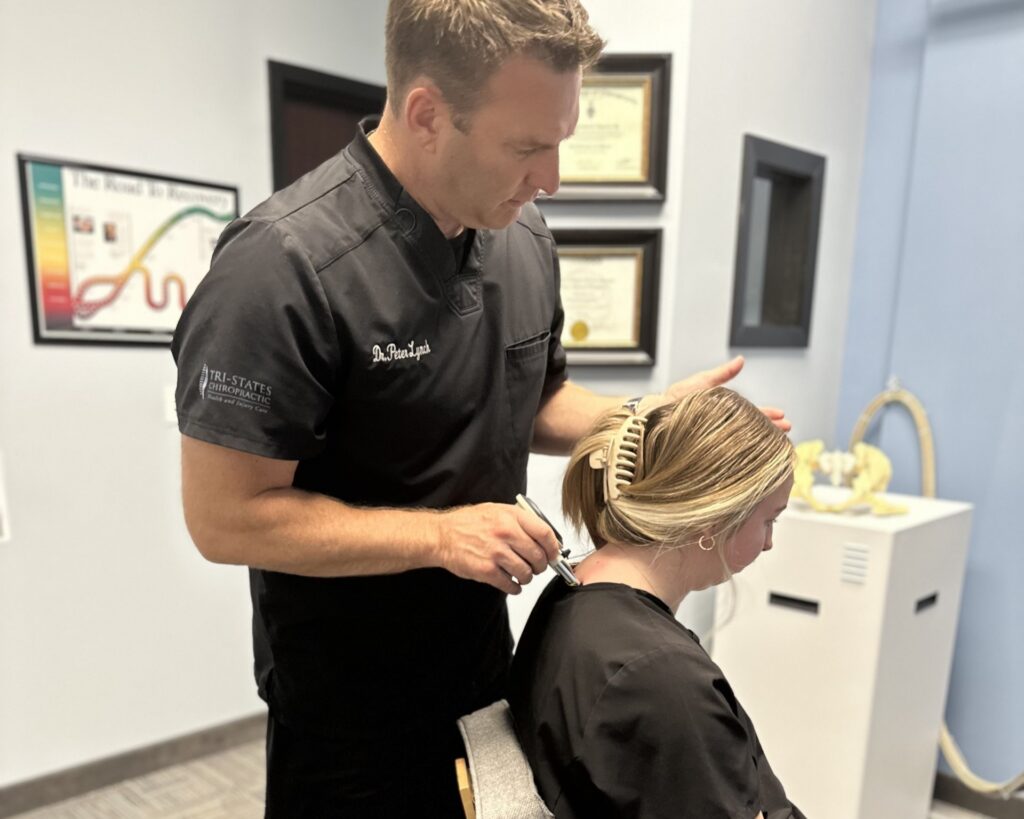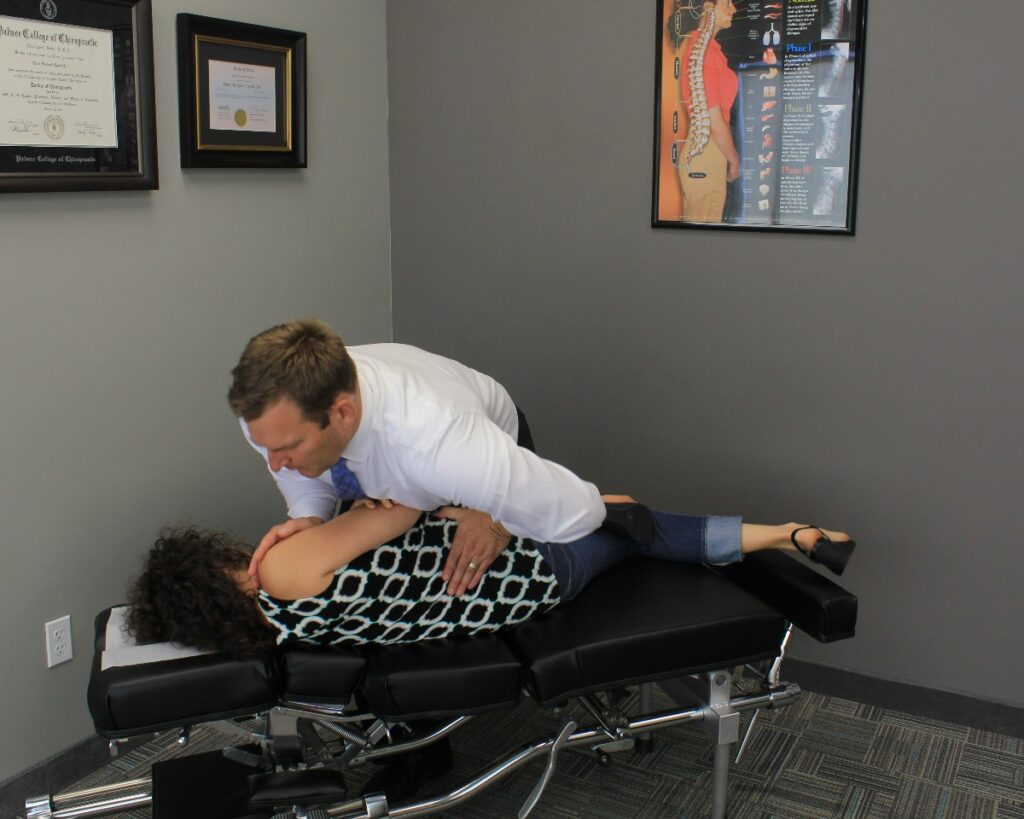
Back pain can be a frustrating challenge that impacts your daily life. However, you may be surprised to learn how small adjustments can lead to significant relief. Simple changes to your posture, workspace, and daily routine can make a world of difference in your comfort levels.
As a chiropractor, I want to emphasize the importance of understanding the root causes of your back pain and implementing effective strategies to address them. Chiropractic care focuses on natural healing and spinal health, making it an excellent choice for pain relief and overall wellness.
Curious about the specific adjustments that could work for you? Here are some practical solutions that can help ease your discomfort and enhance your well-being:
- Posture Matters: Be mindful of your posture while sitting, standing, or walking. Keep your back straight, shoulders back, and feet flat on the ground. Good posture can significantly reduce strain on your spine.
- Ergonomic Workspace: If you spend long hours at a desk, ensure that your workspace is set up ergonomically. Use a chair that supports your lower back, and position your computer screen at eye level to avoid straining your neck.
- Regular Movement: Incorporate regular breaks into your day to stand, stretch, and move around. This can help alleviate tension and prevent stiffness in your back.
- Strengthening Exercises: Engage in exercises that strengthen your core muscles, as a strong core supports your spine and can help prevent back pain. Simple activities like planks or gentle yoga can be very beneficial.
- Chiropractic Care: Consider visiting a chiropractor to address any misalignments in your spine. Chiropractic adjustments can relieve pain, improve mobility, and promote natural healing.
By implementing these adjustments and prioritizing your spinal health, you can take control of your comfort and work towards a pain-free life. Remember, chiropractic care is a holistic approach that focuses on your body’s natural ability to heal. If you’re experiencing back pain, don’t hesitate to reach out for personalized care and guidance. Your journey to optimal health starts here!
Key Takeaways
- Regular chiropractic adjustments are a powerful way to realign your spine, relieve pressure on nerves, and help alleviate back pain naturally. By visiting a chiropractor, you’re taking an important step toward better health and wellness.
- Incorporating targeted exercises and stretching into your routine can significantly improve your flexibility and strengthen your core muscles. This not only supports your spinal health but also enhances your overall well-being—making chiropractic care even more effective.
- Creating an ergonomic workstation is essential for promoting proper posture and minimizing back strain during your daily activities. Simple tweaks, like adjusting your chair height or using a lumbar support pillow, can make a big difference in how your back feels.
- Heat therapy is a great way to relax tight muscles and boost blood flow, while cold therapy can help reduce inflammation and numb any acute pain. Both methods can be easily integrated into your self-care routine alongside regular chiropractic visits.
- Consistent self-care practices, such as being mindful of your posture and engaging in gentle exercises, are key to complementing the professional care you receive from your chiropractor. These habits not only enhance your healing process but also empower you to take control of your health.
Remember, chiropractic care is your best choice for natural pain relief and achieving optimal wellness. By prioritizing your spinal health, you’re investing in a healthier, happier life.
Understanding the Causes of Back Pain
When you experience back pain, it’s crucial to understand the underlying causes so you can find effective relief. Many factors can contribute to your discomfort, and knowing them can help you take proactive steps towards healing.
For instance, poor lifting techniques can strain your muscles, while prolonged sitting – a common issue in our daily lives – can lead to stiffness and discomfort. If you find yourself doing repetitive motions, these can also gradually wear down your back over time. Conditions like herniated discs or arthritis often present as persistent pain, but don’t worry; chiropractic care can help address these issues naturally.
Stress can play a significant role in back pain as well. It often leads to muscle tension, which can exacerbate your discomfort. If you’ve recently suffered an injury, this could be a key factor in your pain as well.
Understanding your specific triggers is vital to your recovery. Pay attention to your daily habits, such as your posture, the way you lift objects, and how often you take breaks from sitting. By identifying these causes, you can make small adjustments that can lead to big improvements.
Chiropractic care focuses on restoring health to your spine and nervous system, helping your body heal naturally. Regular adjustments can alleviate pain, improve mobility, and promote overall wellness. Additionally, incorporating stretching and strengthening exercises can support your back health, as well as practicing good posture and ergonomic habits in your daily life.
Ultimately, by recognizing the causes of your back pain and seeking chiropractic care, you can take significant steps toward alleviating pain and preventing its recurrence. This approach can lead to a healthier, more active lifestyle, free from the limitations of discomfort.
Importance of Good Posture
Good posture is crucial for maintaining a healthy spine and preventing back pain—a common issue that many people face. By adopting proper alignment, you can significantly reduce the strain on your spine and surrounding muscles, paving the way for a healthier, more active lifestyle.
Here are four key reasons why prioritizing good posture is essential, along with practical tips to incorporate into your daily routine:
1. Reduces Pressure: When you practice good posture, you distribute your body weight evenly across your spine. This reduces unnecessary pressure and helps keep your spine healthy.
To encourage proper alignment, try to be mindful of your posture throughout the day, especially when sitting at a desk or using your phone. Consider using a chair that supports your lower back and encourages you to sit upright.
2. Enhances Breathing: Sitting or standing tall opens up your chest and allows for deeper, more effective breathing. This boosts lung capacity and enhances oxygen flow throughout your body.
To improve your posture and breathing, do simple stretches throughout the day that open up your chest and shoulders. Engaging in deep belly breathing exercises can also help reinforce this practice.
3. Boosts Confidence: Maintaining good posture not only benefits your body but can also elevate your mood and boost your confidence. When you stand tall and carry yourself well, you tend to feel more self-assured.
A simple trick is to practice “power poses” or simply remind yourself to stand tall with your shoulders back when you enter a room or meet someone new.
4. Prevents Muscle Imbalance: Good posture helps keep your muscles balanced, which reduces the risk of injury and chronic pain.
To support your posture, consider incorporating regular chiropractic adjustments into your wellness routine. A chiropractor can help realign your spine and educate you on exercises that strengthen your core muscles, further supporting your posture.
Incorporating these tips into your daily life can lead to significant improvements in your overall health and well-being. Remember, chiropractic care is an excellent choice for those seeking natural methods for pain relief and optimal health.
Stretching and Strengthening Exercises
Incorporating stretching and strengthening exercises into your routine can significantly enhance your back health and overall well-being. As a chiropractor, I want to emphasize that maintaining a flexible and strong body is essential for a healthy spine. Stretching improves flexibility, reduces tension, and increases blood flow to your muscles. Simple stretches like the cat-cow, child’s pose, and hamstring stretch can help relieve tightness and promote mobility, making them great additions to your daily routine.
Strengthening exercises are equally important, as they help build core stability, which is crucial for supporting your spine. Exercises like planks, bridges, and bird-dogs target your abdominal and back muscles, contributing to a healthy spine and better posture. Aim for a balanced routine that includes both stretching and strengthening exercises at least three times a week.
It’s essential to listen to your body and adjust the intensity of these exercises as needed; never push through pain. Consistency is vital, so try to make these exercises a regular part of your day. By doing so, you’ll not only alleviate back pain but also improve your overall physical fitness and resilience against future discomfort.
Ergonomic Workstation Setup
To prevent back pain while you work, it’s vital to set up your workstation in a way that supports your spine and overall health. As a chiropractor, I can’t emphasize enough the importance of ergonomics in maintaining your well-being. Start by adjusting your chair height so your feet rest flat on the floor, promoting proper posture and spinal alignment. Position your monitor at eye level to minimize neck strain—this simple adjustment can make a significant difference in how you feel throughout the day.
Remember to keep your keyboard and mouse within easy reach, allowing your arms to remain relaxed and supported. This helps to reduce tension in your shoulders and upper back. Additionally, consider taking regular breaks to stand up, stretch, and move around. This not only helps improve circulation but also gives your spine a chance to decompress.
Incorporating chiropractic care into your wellness routine can further enhance your ability to work comfortably and pain-free. Regular adjustments can help maintain spinal alignment, alleviate discomfort, and promote overall health. Embrace these ergonomic tips and consider the benefits of chiropractic care as a natural approach to achieving and maintaining optimal well-being.
Chair Height Adjustment
When setting up an ergonomic workstation, adjusting your chair height is essential for your comfort and overall spinal health. Proper chair height can help prevent strain, promote better posture, and support your spine’s natural alignment.
Here’s how to ensure your chair is set at the optimal height for your well-being:
- Feet Flat: Keep your feet flat on the floor or on a footrest. This helps reduce pressure on your thighs and supports proper circulation, which is important for overall health.
- Knees at 90 Degrees: Adjust your chair so that your knees are at a 90-degree angle, or even slightly lower than your hips. This position helps maintain the natural curvature of your spine and can prevent discomfort during long periods of sitting.
- Elbows Relaxed: Your elbows should be close to your body, forming a 90-degree angle when typing. This position reduces strain on your shoulders and neck, contributing to a more relaxed upper body.
- Back Support: Ensure your chair provides adequate support for your lower back. This will help you maintain a comfortable position without slouching, allowing your spine to stay aligned and reducing the risk of pain.
By following these simple tips, you can create a healthier workspace that not only enhances your productivity but also supports your spinal health.
Monitor Positioning Guidelines
Proper monitor positioning is crucial for not only reducing eye strain but also for maintaining good spinal health during those long hours of work. As a chiropractor, I want to emphasize the importance of how you set up your workspace to support your overall wellness. Begin by positioning your monitor at eye level, allowing your gaze to naturally fall slightly downward. This promotes a neutral neck position, which is essential for preventing strain and discomfort.
Keep the monitor about an arm’s length away—approximately 20 to 30 inches. This distance helps you read comfortably without overexerting your eyes or straining your neck. It’s also important to tilt the screen back slightly, around 10 to 20 degrees, to minimize glare and enhance your viewing angle. If you wear glasses, be sure to adjust the distance based on your prescription to maintain optimal vision.
Lastly, ensure that your monitor is centered in front of you. This alignment will help prevent twisting your torso, reducing the risk of back pain over time. Remember, proper ergonomics in your workspace is a key step towards achieving and maintaining a healthy spine. By implementing these simple adjustments, you can create a more comfortable environment that supports your body’s natural healing processes and promotes overall wellness.
If you continue to experience discomfort, consider consulting with a chiropractor who can provide personalized care and guidance tailored to your needs.
Keyboard and Mouse Placement
Setting up your keyboard and mouse correctly is essential not just for comfort but also for maintaining your spinal health and overall well-being. An ergonomic workstation can significantly reduce the risk of discomfort and pain, which is where chiropractic care can help.
Here are some simple tips to optimize your workspace and promote better posture, ultimately supporting your spine:
- Position your keyboard at elbow height. This keeps your forearms parallel to the floor, reducing strain on your shoulders and neck. Proper alignment helps maintain the natural curve of your spine, which is crucial for long-term health.
- Place your mouse close to the keyboard. This minimizes the need to reach too far, which can lead to tension in your shoulders and upper back. Keeping both devices within easy reach promotes a more relaxed posture, reducing the risk of developing repetitive strain injuries.
- Use a wrist rest if necessary. A wrist rest can help keep your wrists straight while typing or clicking, which is important for preventing discomfort. Remember, maintaining proper wrist alignment can also impact your overall spinal health, as misalignment can lead to compensatory postures that affect your entire body.
- Adjust your chair height so that your feet are flat on the floor. Good posture starts from the ground up! When your feet are flat, it helps distribute your weight evenly, reducing pressure on your lower back and promoting better spinal alignment.
By making these adjustments, you can create a workspace that not only enhances your productivity but also supports your health. Remember, consistent attention to your posture can help prevent pain and discomfort. If you ever experience persistent issues, consider consulting with a chiropractor who can provide you with tailored advice for maintaining optimal health and wellness.
Embracing chiropractic care can be a natural and effective way to achieve a healthier, pain-free life.
Heat and Cold Therapy
When you’re experiencing back pain, incorporating heat and cold therapy into your routine can be an effective way to find relief. As a chiropractor, I want to share how these therapies work and how they can complement your journey to wellness.
Heat therapy is fantastic for relaxing tight muscles and enhancing blood flow to the affected areas. By applying heat, you can help ease tension and promote healing. This is particularly beneficial if your back pain stems from muscle strain or stiffness. You can use a heating pad, warm towel, or take a warm bath to enjoy these soothing benefits.
On the other hand, cold therapy is excellent for reducing inflammation and numbing sharp, acute pain. When you apply a cold pack or ice wrapped in a cloth to the painful area, it can help decrease swelling and provide quick relief, especially after an injury or intense activity.
Understanding how to use these methods effectively can significantly enhance your recovery process. Here are some tips to keep in mind:
- Timing: Use heat therapy for chronic pain or stiffness, and cold therapy for new injuries or flare-ups.
- Duration: Apply heat or cold for about 15-20 minutes at a time. Always ensure you have a barrier, like a cloth, between your skin and the heat or cold source to prevent burns or frostbite.
- Listen to Your Body: Pay attention to how your body responds. If heat makes you feel better, great! If cold works better for you, then stick with that.
- Combine with Chiropractic Care: Remember, while heat and cold therapy can provide temporary relief, addressing the underlying issues with chiropractic adjustments can lead to long-term improvement. Regular chiropractic care can help restore proper function to your spine, which is essential for overall health.
Benefits of Heat Therapy
Heat therapy is a fantastic and natural approach to alleviating back pain, and as a chiropractor, I often recommend it to my patients. This simple method provides several benefits that can enhance your overall comfort and well-being. Here are four key advantages of incorporating heat therapy into your routine:
- Increases Blood Flow: When you apply heat, your blood vessels expand, which improves circulation to the affected area. This enhanced blood flow is crucial for healing and can help reduce inflammation.
- Relaxes Muscles: Heat is excellent for soothing tight and tense muscles. By applying warmth, you can reduce stiffness and encourage greater flexibility, making everyday activities much easier.
- Eases Pain: The gentle warmth of heat therapy can help to block pain signals sent to your brain. This soothing effect can provide significant relief from discomfort and allow you to feel more at ease.
- Improves Range of Motion: As heat relaxes your muscles and boosts circulation, it can lead to improved mobility. This means you’ll be able to move more freely and engage in your daily activities without the limitations of pain.
Incorporating heat therapy into your wellness routine is a simple yet effective way to manage back pain. Alongside regular chiropractic care—which focuses on spinal health and alignment—heat therapy can support your journey toward optimal health.
Remember to listen to your body; if something doesn’t feel right, consult your chiropractor for personalized advice. Try using a heating pad or taking a warm bath to experience the benefits firsthand.
Making these natural healing practices a part of your daily life can lead to a healthier, pain-free existence.
Advantages of Cold Therapy
While heat therapy is often a go-to for relieving back pain, let’s not overlook the benefits of cold therapy—a fantastic complementary approach that can enhance your overall wellness. Cold therapy is particularly effective in reducing inflammation and numbing sharp pain, making it a valuable tool after an injury or during a flare-up. When you apply ice or a cold pack to the affected area, it helps constrict blood vessels, which can lead to decreased swelling and discomfort. This technique is also great for alleviating muscle spasms.
Incorporating cold therapy into your routine is easy; aim for 15-20 minutes at a time. Just be sure to wrap your ice packs in a cloth to protect your skin from frostbite. Remember, while cold therapy can provide temporary relief, it’s essential to address the root cause of your back pain. This is where chiropractic care shines. By visiting a chiropractor, you can receive personalized assessments and treatments that target spinal alignment and overall health, allowing for natural healing and long-lasting relief.
Mindfulness and Relaxation Techniques
Practicing mindfulness and relaxation techniques can significantly alleviate back pain and enhance your overall well-being, complementing the benefits of chiropractic care. By focusing on the present moment, you can reduce stress and tension that contribute to discomfort.
Here are four effective techniques you can easily incorporate into your daily routine alongside your chiropractic treatments:
- Deep Breathing: Inhale deeply through your nose, filling your lungs fully. Hold for a few seconds, then exhale slowly through your mouth. Repeat this several times. This simple practice can help calm your mind and body, making it easier for your spine to relax.
- Progressive Muscle Relaxation: Start from your toes and work your way up to your head, tensing each muscle group for a few seconds before releasing. This technique helps you become more aware of tension in your body and can enhance your chiropractic adjustments by promoting overall relaxation.
- Meditation: Spend a few minutes each day sitting quietly, focusing on your breath. Allow thoughts to drift by without judgment. This practice can help you manage pain and stress more effectively, supporting your journey to wellness.
- Guided Imagery: Visualize a peaceful scene or a place where you feel completely relaxed. Engaging your imagination in this way can enhance your sense of calm and complement the healing effects of chiropractic care.
Incorporating these mindfulness techniques into your routine can appreciably improve your back pain relief journey. Remember, while these practices are beneficial, regular chiropractic adjustments are essential for optimal spinal health and overall wellness. Embrace both approaches for the best results!
When to Seek Professional Help
Knowing when to seek professional help for back pain is essential for your overall health and wellness. If your discomfort lasts for more than a few weeks, even with self-care strategies like stretching or gentle exercise, it may be time to visit a chiropractor. Your body might be signaling that it needs a more specialized approach to healing.
If you find that your back pain is severe enough to interfere with your daily activities, or if you notice symptoms such as numbness, tingling, or weakness in your legs, don’t wait to get help. These could be signs that your spine needs attention, and a chiropractor can assess your situation and provide the care you need.
In cases where your back pain arises after an injury or trauma, it’s important to reach out for professional support. Chiropractors are skilled in diagnosing and treating issues related to the spine and can create a personalized treatment plan to help you recover effectively.
Remember, seeking help early can prevent chronic pain and enhance your quality of life. Trust your instincts—if something feels off, it’s always wise to consult a professional. Your health is a priority!
As you navigate your journey to wellness, consider incorporating some simple tips into your routine: maintain good posture, engage in regular gentle exercise, and practice relaxation techniques like deep breathing or yoga. These small changes can contribute to a healthier spine and overall well-being. Choosing chiropractic care can be a powerful step towards achieving optimal health naturally!