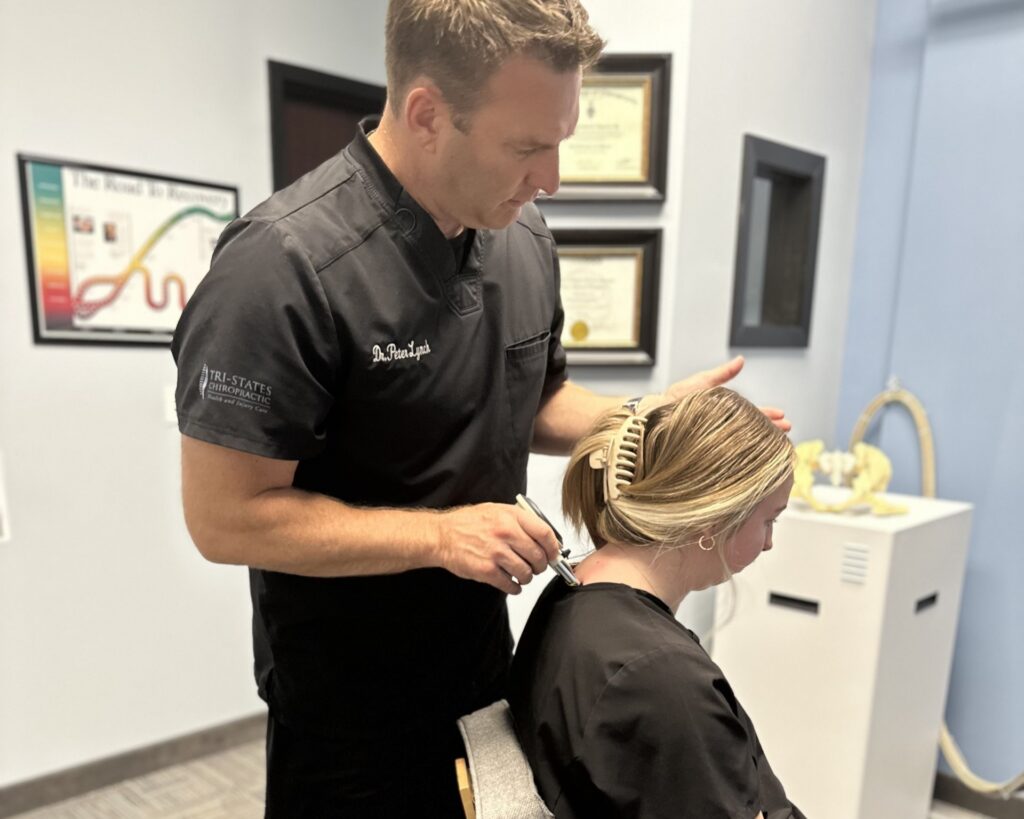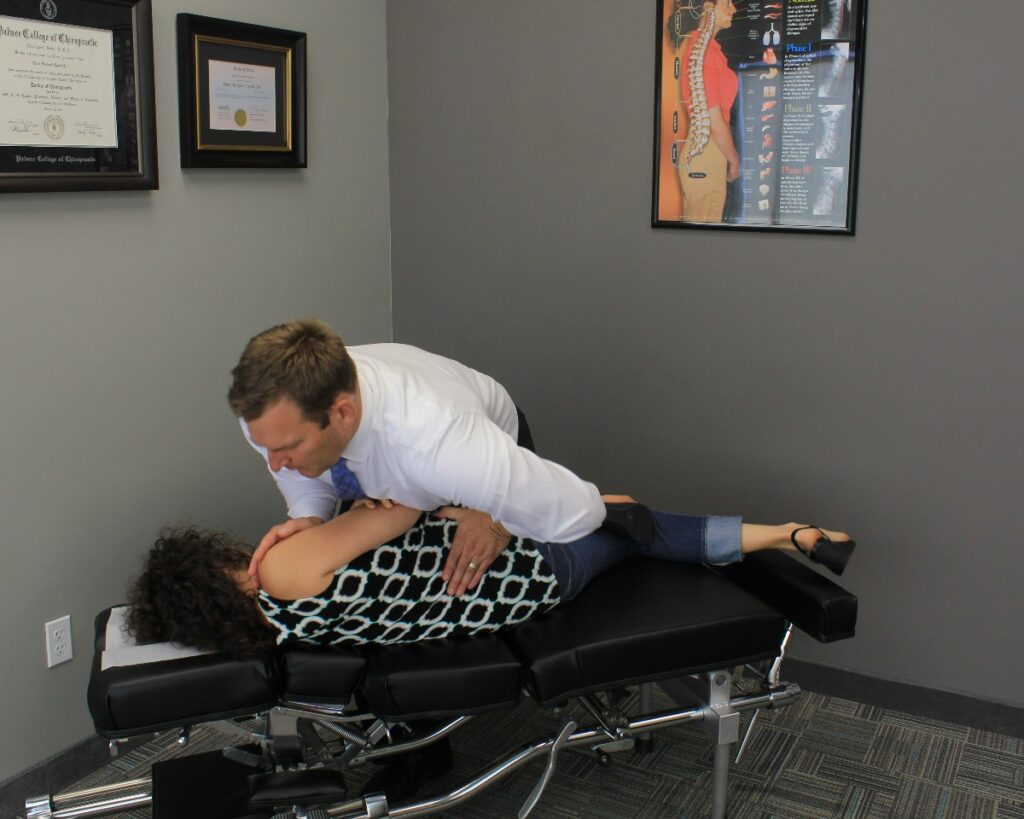
Low back pain can be a frustrating issue that disrupts your daily life. As a local chiropractor, I want to share some of the expert adjustments and natural healing strategies that can provide relief and restore your function. Chiropractic care focuses on the spine and overall health, making it an excellent choice for addressing your discomfort without the need for surgeries or medications.
One of the primary techniques we use in chiropractic care is spinal manipulation. This gentle adjustment helps realign your spine, relieving pressure on nerves and reducing pain. By restoring proper alignment, we can enhance your body’s natural ability to heal itself.
In addition to spinal adjustments, specialized exercises tailored to your needs can strengthen the muscles supporting your back. Simple stretches and strengthening routines can improve flexibility and stability, helping you maintain a healthy spine.
Here are a few general tips to help you manage low back pain at home:
- Maintain Good Posture: Pay attention to how you sit and stand. Keeping your back straight and shoulders back can prevent strain.
- Stay Active: Engage in low-impact activities like walking or swimming. Movement can promote circulation and relieve stiffness.
- Use Heat or Cold Therapy: Applying a warm compress or ice pack to the affected area can help reduce inflammation and alleviate pain.
- Practice Mindfulness and Relaxation Techniques: Stress can contribute to muscle tension. Techniques such as deep breathing, meditation, or gentle yoga can help you relax.
- Regular Chiropractic Visits: Consistent chiropractic care can ensure your spine remains aligned and functioning optimally. Regular adjustments can keep pain at bay and enhance your overall well-being.
Understanding these chiropractic approaches is key to finding the right solution for you. If you’re ready to take the next step towards a healthier, pain-free life, consider scheduling a consultation. Together, we can create a personalized plan to help you on your recovery journey.
Key Takeaways
- Chiropractic Adjustments: Gentle, controlled pressure applied by your chiropractor can realign your spine, enhance mobility, and provide effective relief for low back pain. Regular adjustments help keep your spine healthy and functioning optimally.
- Soft Tissue Therapy: Techniques such as massage and stretching can ease muscle tension and improve blood flow around your spine. This not only promotes healing but also helps you feel more comfortable and relaxed.
- Therapeutic Modalities: Simple methods like applying heat or ice, or using gentle electrical stimulation, can significantly lessen pain and support your body’s natural healing process. These treatments are safe and effective ways to help you feel better without the need for medications.
- Ergonomic Assessments: Taking a close look at your workplace setup can reveal ways to reduce strain on your back. Making small changes, like adjusting your chair height or using a supportive cushion, can go a long way in preventing future low back pain.
- Consistency is Key: Regular visits to your chiropractor are an excellent way to maintain spinal health and prevent tension from building up. Think of it as routine maintenance for your body—keeping everything in alignment so you can live your best life.
By embracing chiropractic care, you’re choosing a natural, drug-free approach to health and wellness. Remember, your journey to a pain-free life starts with small, positive changes!
Understanding Low Back Pain: Causes and Symptoms
When you experience low back pain, it’s crucial to understand the potential causes behind it. Several factors can lead to your discomfort, such as muscle strains, herniated discs, and poor posture. Lifestyle choices, like being sedentary or using improper lifting techniques, can also make your pain worse. Additionally, emotional stress can contribute to muscle tension, which affects your back.
Common symptoms include a dull ache or sharp pain that can make sitting, standing, or even sleeping comfortably challenging. You may also experience stiffness or limited mobility, which can be frustrating. Recognizing these causes and symptoms is vital for determining the best path towards relief.
Chiropractic care offers a natural and effective way to address low back pain without the need for surgeries or medications. By focusing on spinal health, chiropractic adjustments can help restore proper alignment, alleviate pain, and improve overall function.
Here are some simple tips to help manage your low back pain:
- Stay Active: Engage in low-impact exercises like walking or swimming to keep your back strong and flexible.
- Maintain Good Posture: Be mindful of your posture when sitting or standing to reduce strain on your back.
- Use Proper Lifting Techniques: Always bend your knees and keep your back straight when lifting heavy objects.
- Manage Stress: Incorporate relaxation techniques such as deep breathing or yoga to reduce muscle tension.
- Seek Chiropractic Care: Regular visits to a chiropractor can help maintain spinal health and provide relief from pain.
Chiropractic Care: Techniques for Relief
Chiropractic care is a fantastic way to relieve low back pain and enhance your overall spinal health naturally. One of the most effective techniques we use is spinal manipulation. This involves applying controlled pressure to your spine to help improve its alignment and mobility. Many patients find that this method not only reduces pain but also helps them regain function and feel more like themselves again.
Another great technique is soft tissue therapy, which focuses on the muscles and ligaments around your spine. By relieving tension in these areas, we can promote healing and reduce discomfort. Additionally, we often use therapeutic modalities like heat, ice, or electrical stimulation, which can be very effective in easing pain.
A crucial part of your recovery can involve ergonomic assessments. This is where we evaluate your posture and daily activities to provide personalized tips on how to avoid strain. Simple changes in how you sit at your desk or lift heavy objects can make a world of difference in preventing pain.
We also emphasize the importance of lifestyle counseling. By developing healthy habits, you can support long-term relief from low back pain. This might include recommendations on exercise, nutrition, and stress management.
Ultimately, exploring these chiropractic techniques can lead you towards better health and well-being. Remember, the goal is to manage your low back pain naturally and effectively, so you can enjoy life to the fullest!
Physical Therapy: Strengthening and Flexibility Exercises
To alleviate low back pain, incorporating chiropractic care into your recovery plan can be a game changer. Chiropractic care focuses on the health of your spine and nervous system, providing a natural approach to pain relief and overall wellness. By addressing misalignments in the spine, chiropractic adjustments can help reduce pain and improve function, allowing you to move more freely.
In addition to your chiropractic treatments, it’s essential to engage in strengthening and flexibility exercises that support your spine. Start with core-strengthening exercises, such as planks and bridges. These exercises help stabilize your back and pelvis, creating a strong foundation for your body. As you feel stronger, you can gradually increase the intensity of your workouts.
Don’t overlook the importance of flexibility! Simple stretching exercises, like hamstring and hip flexor stretches, can boost your range of motion and relieve tension in your muscles. Consider adding gentle practices like yoga or Pilates to your routine; these can enhance balance and flexibility while ensuring that your movements remain controlled and safe.
Remember, consistency is key! Aim to practice these exercises several times a week. Always listen to your body; if any exercise causes discomfort, it’s best to stop and discuss it with your chiropractor. By fully committing to these strengthening and flexibility exercises alongside your chiropractic care, you’ll be taking significant steps toward relieving your low back pain and improving your overall health naturally.
As you embark on your journey to wellness, keep in mind that chiropractic care is a holistic approach rooted in the body’s natural ability to heal itself. By choosing chiropractic, you’re not only addressing your pain but also embracing a healthier lifestyle.
Ergonomic Adjustments: Improving Your Workspace
To relieve your low back pain, optimizing your workspace with ergonomic adjustments is crucial.
Start by ensuring your desk height allows your elbows to rest comfortably at your sides. This simple adjustment can help reduce strain on your spine.
Additionally, choose a chair that provides proper support for your lower back—consider one that encourages a natural curve in your spine.
Remember, chiropractic care is an excellent way to address back pain more holistically.
Regular chiropractic adjustments can improve spinal alignment and overall function, helping your body heal naturally.
By combining these ergonomic tips with chiropractic care, you can significantly enhance your comfort and productivity throughout the day.
Here are some more general tips to keep in mind:
- Take regular breaks to stand and stretch: This helps reduce tension in your muscles and spine.
- Practice good posture: Sit up straight, keeping your shoulders back and feet flat on the floor.
- Keep frequently used items within reach: This minimizes twisting and bending, which can strain your back.
Desk Height Optimization
Finding the right desk height is crucial for your comfort and overall spinal health, especially if you spend long hours working. A well-adjusted workspace can help reduce strain on your body and prevent discomfort. Ideally, your elbows should form a 90-degree angle while your forearms remain parallel to the ground. When seated, make sure your feet rest flat on the floor and your knees align at or slightly below hip level.
If your desk is too high, it can lead to elevated shoulders and neck strain, while a desk that’s too low may cause you to slouch, putting unnecessary pressure on your spine. One great option is to use a height-adjustable desk, allowing you to switch between sitting and standing, which can help promote better posture and movement throughout the day.
Additionally, it’s important to position your monitor at eye level to avoid straining your neck. This small adjustment can make a big difference in how you feel during and after your workday.
Chair Support Features
Chair support features are essential for promoting comfort and spinal health during long periods of sitting. As a chiropractor, I can’t stress enough the importance of proper lumbar support in maintaining good posture and alleviating pressure on your lower back. When selecting a chair, look for adjustable lumbar support that conforms to the natural curve of your spine; this can help keep your back in a healthy position.
Seat depth is another key factor to consider. Aim for a chair that allows your back to rest comfortably against it while leaving a few inches of space between your knees and the seat. This helps prevent strain on your legs and lower back. Additionally, adjustable armrests are important; they should support your arms without causing any shoulder discomfort.
A swivel base and wheels can also be beneficial, as they allow you to move easily without twisting your body, which can lead to strain and discomfort. Remember, investing in a chair that features these ergonomic qualities can significantly reduce your risk of low back pain, allowing you to stay comfortable and productive.
Incorporating regular breaks into your routine is also crucial. Stand up, stretch, and move around every hour to promote blood circulation and relieve tension in your muscles. Consider practicing gentle stretches or even simple exercises to help keep your spine healthy and your body active.
Ultimately, prioritizing chair support features along with chiropractic care can lead to better spinal health and overall well-being. By taking these steps, you can enhance your comfort and productivity while minimizing the risk of pain.
Mindfulness and Stress Reduction: The Role of Mental Health
While physical factors are often the main contributors to low back pain, your mental health is just as important in how you experience and manage this condition. Emotional stress, anxiety, and depression can intensify your perception of pain and make it harder to cope with discomfort. This is where mindfulness comes into play, offering a pathway to greater awareness and acceptance of your pain. By adopting a calmer mindset, you can better navigate the challenges of low back pain.
Incorporating mindfulness techniques such as meditation and deep breathing into your daily routine can significantly reduce stress levels. Lower stress can lead to a decrease in discomfort, helping you feel more at ease. Remember, a relaxed mind can make a world of difference when dealing with pain.
Chiropractic care is an excellent way to address both the physical and mental components of low back pain. Regular chiropractic adjustments can improve spinal alignment, relieve tension, and encourage overall wellness. When your spine is healthy, it’s easier to maintain a positive outlook and manage stress.
Here are some general tips to help you on your journey to relief:
- Practice Mindfulness: Set aside a few minutes each day for meditation or deep breathing exercises to help calm your mind.
- Stay Active: Gentle exercises, like walking or stretching, can keep your body moving and reduce stiffness.
- Maintain Good Posture: Pay attention to your posture at work and home to prevent unnecessary strain on your back.
- Prioritize Sleep: Ensure you’re getting enough restful sleep to support your body and mind.
- Consider Chiropractic Care: Regular visits to a chiropractor can help address spinal misalignments and promote overall health.
Taking care of your mental health is just as crucial as addressing your physical symptoms. By focusing on mindfulness, stress reduction, and chiropractic care, you can empower yourself on the path to relief and optimal wellness.
Heat and Cold Therapy: When to Use Each
Managing low back pain is essential for maintaining your overall health and well-being, and as a local chiropractor, I believe that combining mental and physical strategies is key to achieving relief. One effective way to support your recovery is through the use of heat and cold therapy. Knowing when to use each can significantly enhance your relief efforts.
| Therapy Type | When to Use |
|---|---|
| Heat | Chronic pain, muscle tension, stiffness |
| Cold | Acute injuries, inflammation, swelling |
| Heat | Before exercise, to relax muscles |
| Cold | After activity, to numb pain |
| Heat | Stress relief, improve blood flow |
Heat therapy is fantastic for increasing blood flow to tight muscles, promoting relaxation, and easing chronic discomfort. It’s especially helpful for those stiff mornings when getting out of bed feels like a challenge. On the flip side, cold therapy is your go-to for numbing pain and reducing inflammation after an acute injury, making it a vital tool for immediate relief.
As you navigate your pain management journey, consider alternating between heat and cold therapy based on your specific symptoms. For instance, applying heat before exercise can help prepare your muscles, while using cold therapy afterward can soothe any discomfort.
In addition to these therapies, regular chiropractic adjustments can further support your recovery by aligning your spine and improving your overall function. Remember, the goal is to promote natural healing and achieve optimal health without relying on surgeries or medications.
Here are a few simple tips to keep in mind:
- Use a heating pad or hot water bottle for heat therapy, ensuring it’s warm, not hot, to avoid burns.
- For cold therapy, try a bag of frozen peas wrapped in a cloth or an ice pack, applying it for about 15-20 minutes.
- Listen to your body; if something doesn’t feel right, consult your chiropractor for personalized advice.
Nutrition and Hydration: Supporting Your Spine
Supporting your spine through proper nutrition and hydration can make a world of difference in managing low back pain. As a chiropractor, I emphasize the importance of a balanced diet that includes plenty of anti-inflammatory foods. Think of colorful fruits, fresh vegetables, whole grains, and lean proteins as your allies in reducing inflammation and promoting healing. Omega-3 fatty acids, found in fish like salmon and in flaxseeds, are particularly great for your spinal health.
Staying hydrated is equally important! Water is essential for maintaining the elasticity of your spinal discs and cushioning your joints. Try to drink at least eight glasses of water a day, and remember to adjust this based on how active you are.
It’s also wise to limit processed foods, sugary snacks, and high-fat options, as these can increase inflammation. Instead, focus on nutrient-rich foods that support your muscles and recovery. By making these dietary changes and prioritizing hydration, you’re not just helping your spine—you’re also setting the stage for overall wellness.
In addition to these tips, regular chiropractic care can play a vital role in your journey to pain relief and optimal health. Chiropractors are trained to help align your spine, relieve tension, and enhance your body’s natural healing abilities. By combining nutrition, hydration, and chiropractic care, you can take significant steps toward alleviating low back pain and supporting your spine effectively. Remember, your body is your greatest asset—nourish it well!
Sleep Positioning: Finding the Best Posture for Rest
Finding the right sleep position is crucial for relieving low back pain, and as a local chiropractor, I want to share how you can optimize your sleep posture for better spinal health. Side sleeping can be particularly beneficial for your spine, especially when you pay attention to pillow placement. By adjusting your sleep habits, you can promote natural healing and enhance your overall wellness without the need for medications or surgical interventions.
Here are some tips to help you sleep better and support your spine:
- Choose the Right Pillow: When sleeping on your side, a thicker pillow can help keep your neck aligned with your spine. This prevents strain on your neck and promotes a healthy posture.
- Knee Support: Placing a pillow between your knees can help maintain proper hip alignment and reduce pressure on your lower back. This simple adjustment can make a significant difference in your comfort level.
- Back Sleeping Tips: If you prefer to sleep on your back, try placing a small pillow under your knees. This can help maintain the natural curve of your spine and relieve pressure on your lower back.
- Stay Active During the Day: Engaging in regular physical activity and stretching can strengthen your back muscles, making it easier to maintain good posture while you sleep.
- Visit Your Chiropractor: Regular chiropractic adjustments can help ensure that your spine is properly aligned, promoting better sleep and overall health. A chiropractor can also provide personalized recommendations tailored to your specific needs.
Side Sleeping Benefits
Embracing side sleeping can significantly enhance your comfort and help alleviate low back pain, which is something I often discuss with my patients.
This sleeping position supports the natural curvature of your spine, promoting better alignment. When you lie on your side, your body weight is distributed more evenly, reducing pressure on your lower back.
This can be particularly beneficial in preventing issues like sciatica and herniated discs, which many people experience. Additionally, side sleeping can improve circulation, aiding in your body’s natural recovery during rest.
If you often wake up with discomfort, it might be worth trying to switch to sleeping on your side.
Here are a few tips to enhance your side sleeping experience:
- Use a Supportive Pillow: A firm, supportive pillow can help keep your neck aligned with your spine, preventing strain.
- Knee Support: Placing a pillow between your knees can help maintain hip alignment and reduce lower back stress.
- Mattress Matters: Ensure your mattress provides adequate support for your body type and sleeping style. A medium-firm mattress is often recommended for side sleepers.
- Daily Stretching: Incorporating gentle stretches or yoga into your routine can enhance flexibility and reduce tension in your back and hips.
- Chiropractic Care: Regular chiropractic adjustments can help maintain spinal alignment and overall health, further enhancing your comfort while you sleep.
Remember, the right sleeping position can have a profound impact on your overall sleep quality and daytime comfort.
Pillow Placement Tips
Getting your pillow placement right can significantly enhance your sleep quality and overall comfort, which is essential for your spinal health. As a chiropractor, I want to share some effective tips to help you achieve optimal sleep posture and promote natural healing.
If you sleep on your back, opt for a thin pillow under your head to support the natural curve of your neck. Additionally, placing a rolled towel or a small pillow under your knees can help maintain the natural alignment of your spine, reducing pressure on your lower back.
For side sleepers, using a firm pillow between your knees is crucial. This simple adjustment keeps your hips aligned and minimizes strain on your lower back. It’s also important to choose a pillow that adequately supports your head, filling the space between your neck and shoulder to keep your spine straight and free from tension.
If you prefer sleeping on your stomach, it’s best to use a very thin pillow or none at all. This helps prevent unnecessary strain on your neck and allows for a more neutral spinal position.
Remember, everyone’s body is different, so don’t hesitate to experiment with various pillow types and heights. Finding the perfect setup can alleviate low back pain and contribute to restful sleep.
Engaging in regular chiropractic care can further enhance these benefits by promoting spinal alignment, reducing tension, and supporting your overall health and wellness. Prioritize your sleep and spinal health by making these small adjustments and consider incorporating chiropractic care into your wellness routine for lasting relief and vitality.
When to Seek Professional Help: Knowing Your Options
While many episodes of low back pain can be managed at home, it’s important to recognize when to seek professional help for lasting relief and recovery. If your pain persists beyond a few weeks, intensifies, or disrupts your daily activities, it’s time to consult a chiropractor. These specialists focus on spinal health and can provide personalized care to address the root cause of your pain.
Pay attention to any additional symptoms you may experience, such as numbness, tingling, or weakness in your legs. These signs could indicate a more serious issue that warrants immediate attention from a chiropractic professional.
Chiropractors offer various natural treatment options that promote healing and strength without the need for medications or invasive procedures. They can help realign your spine, improve mobility, and enhance your overall well-being.
In addition to seeking chiropractic care, consider incorporating some general tips into your routine to alleviate discomfort. Practice good posture, engage in gentle stretching exercises, and maintain a regular physical activity regimen to support a healthy spine.