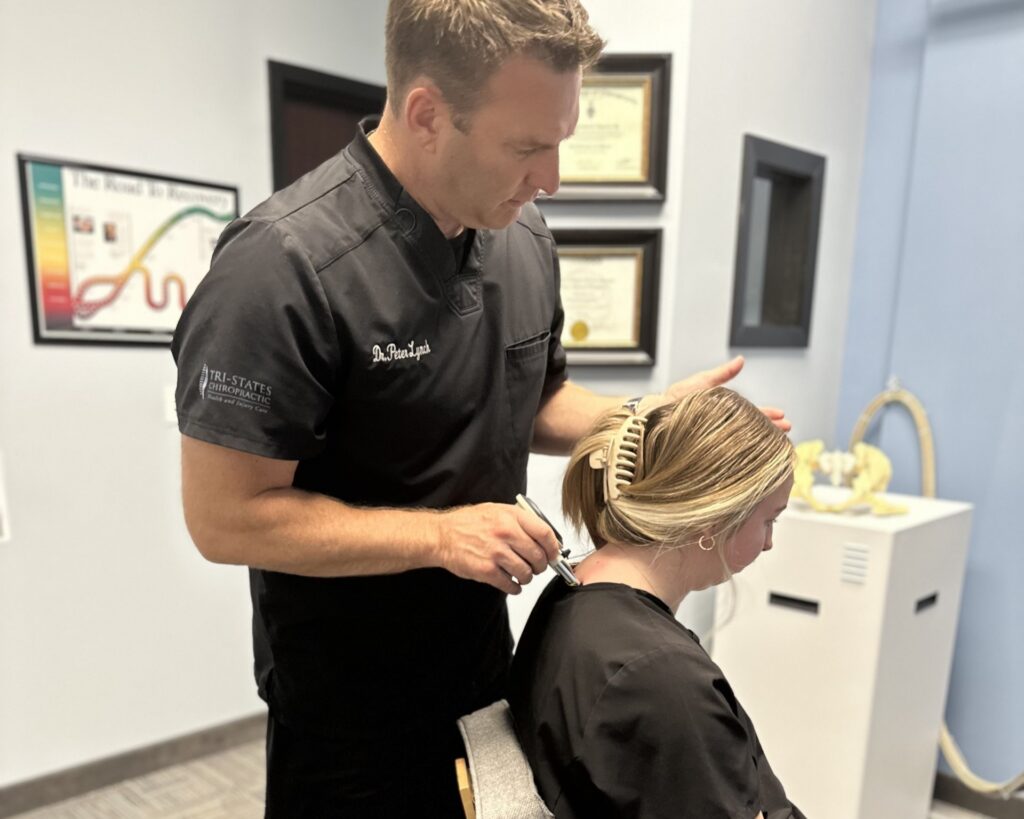
As a local chiropractor, I want to emphasize the importance of maintaining a pain-free posture for your overall health and well-being. Many of my patients spend long hours sitting at desks, and I’ve seen firsthand how small adjustments can lead to significant improvements in comfort and overall posture.
It’s crucial to pay attention to details like chair height and monitor placement, as these factors play a key role in how you feel throughout the day. I invite you to explore some effective techniques that can help you achieve a more comfortable and supportive posture. By making these changes, you can focus on what truly matters in your daily routine without the distraction of discomfort. Remember, your posture is not just about looking good; it’s about feeling good too!
Understand the Importance of Posture
As a local chiropractor, I want to emphasize the vital role that posture plays in your overall health and well-being. When you maintain good posture, it’s not just about standing tall; you’re actively supporting your spine and minimizing strain on your muscles and ligaments.
Unfortunately, many people overlook the importance of their posture, which can lead to various health issues, including back pain, neck tension, and even headaches.
You may not be aware, but your posture can significantly influence your mood and energy levels. For instance, slouching can leave you feeling fatigued and less confident, while standing or sitting up straight can enhance your self-esteem and alertness.
By focusing on improving your posture, you can contribute to better overall health and well-being.
As a chiropractor, I’m here to help you understand how natural healing approaches, including posture correction, can lead to a healthier, more vibrant life.
Let’s work together to ensure your spine is well-supported and your posture is aligned for optimal wellness.
Optimize Your Desk Setup
As a local chiropractor, I want to emphasize the importance of creating a workspace that supports your well-being, as it can significantly improve your posture and overall productivity. One of the first steps is to ensure your chair height is adjusted so that your feet rest flat on the floor, with your knees forming a 90-degree angle. This simple adjustment can help alleviate stress on your lower back.
Your desk should also be at elbow height to allow your arms to rest comfortably while typing. This position reduces strain on your shoulders and neck.
When it comes to your monitor, make sure it’s positioned an arm’s length away and at eye level. This will prevent unnecessary neck strain and promote better alignment.
Investing in an ergonomic keyboard and mouse can greatly enhance your wrist position, reducing the risk of repetitive strain injuries. If you’re open to it, consider using a standing desk or a convertible desk. Alternating between sitting and standing throughout the day can promote better circulation and reduce fatigue.
Additionally, keep essential items within arm’s reach to minimize twisting or stretching, which can lead to discomfort.
Practice the 90-90 Rule
As a local chiropractor, I want to share an important principle that can greatly enhance your comfort and overall well-being while working: the 90-90 rule. This simple guideline focuses on maintaining a 90-degree angle at your hips and knees when you’re seated.
When you sit down to work, adjusting your chair height is crucial so that your feet rest flat on the floor, ensuring your knees are aligned with your hips. If your feet don’t quite reach the ground, don’t hesitate to use a footrest for additional support.
It’s essential to support your back fully against your chair to promote an upright posture. Additionally, your elbows should form a 90-degree angle when they rest on your desk, which will help keep your wrists straight while typing. This alignment is vital in reducing strain on your muscles and joints, helping to prevent discomfort during those long hours of sitting.
Remember, the 90-90 rule isn’t just about how you look while sitting; it’s fundamentally about fostering a sustainable and pain-free posture.
Incorporate Regular Movement Breaks
As a local chiropractor, I want to emphasize the importance of incorporating regular movement breaks into your daily routine, especially if you find yourself sitting for long periods.
Many patients are surprised to learn how much prolonged sitting can lead to stiffness, discomfort, and even chronic pain, which can all hinder your overall performance and well-being.
To help combat these issues, I encourage you to set a timer or use reminders to stand up and stretch every 30 to 60 minutes.
These movement breaks don’t need to be lengthy or complicated; even a few minutes can make a significant impact on your health.
During your breaks, consider engaging in simple activities such as walking around your workspace, performing light stretches, or practicing deep breathing exercises.
These small movements can help improve blood circulation, alleviate muscle tension, and clear your mind, ultimately enhancing your focus when you return to your tasks.
By prioritizing these movement breaks, not only will you feel more energized and alert, but you’ll also be promoting better posture and overall health.
Remember, embracing this habit is a vital step towards natural healing and maintaining a thriving lifestyle.
Your body will thank you for it!
Strengthen Core Muscles
As a local chiropractor, I often emphasize the importance of strengthening your core muscles for maintaining a pain-free posture and overall well-being. Many people think of the core as just the abdominal muscles, but it actually encompasses a network of muscles around your trunk and pelvis that play a vital role in supporting your spine.
A strong core is crucial for stabilizing your body, which can significantly reduce the risk of discomfort and injuries. To help you build this strength, I recommend incorporating exercises such as planks, bridges, and leg raises into your weekly routine. These exercises engage multiple muscle groups, fostering not only strength but also balance.
For optimal results, aim to perform these core-strengthening exercises two to three times a week, always focusing on proper form to maximize benefits and prevent strain. You might also consider adding variety to your workouts with stability balls or resistance bands, which can provide additional challenges and enhance your core engagement.
Remember, consistency is essential; gradual progress will lead to lasting benefits. As your core strength improves, you’re likely to experience better posture and a reduction in back pain, which will allow you to move with greater confidence throughout your daily activities.
Prioritizing core strength is a foundational step towards a healthier, pain-free lifestyle, and as your chiropractor, I’m here to support you in this journey to better health through natural healing.
Stretch Tight Muscles
As your local chiropractor, I want to emphasize the importance of stretching tight muscles in order to enhance your posture and overall well-being. Many of us may not realize that certain muscles can become tight and pull our bodies out of proper alignment, leading to discomfort and imbalance.
To begin improving your posture, it’s crucial to identify the key muscle groups that may be contributing to your misalignment. Common areas of concern often include the neck, shoulders, and lower back.
By incorporating effective stretching techniques into your daily routine, you can relieve tension, improve flexibility, and promote a more balanced posture.
I encourage you to be consistent with your stretching practices. Over time, you’ll notice a significant reduction in pain and an improvement in your overall posture.
Identify Key Muscle Groups
As a local chiropractor, I often see how tight muscles can significantly impact your posture, leading to discomfort and pain. Understanding which muscle groups to focus on can help you improve your posture and overall well-being.
Here are four key muscle groups that I recommend paying attention to:
- Hip Flexors: These muscles are located at the front of your hips and can pull your pelvis forward, which may lead to strain in your lower back. Regular stretching can help alleviate this tension.
- Hamstrings: When your hamstrings are tight, they can create strain on both your lower back and pelvis. Keeping these muscles flexible is essential for maintaining proper alignment.
- Chest Muscles: Many people develop tightness in their chest muscles, which can result in rounded shoulders. This not only affects your upper posture but can also contribute to discomfort. Stretching these muscles can help open up your chest and improve your posture.
- Neck Muscles: Tension in your neck can lead to discomfort and poor alignment throughout your spine. Addressing tightness in this area is crucial for overall spinal health.
By focusing on these key muscle groups and incorporating regular stretching and movement into your routine, you can enhance your posture and reduce discomfort.
Effective Stretching Techniques
As a local chiropractor, I want to share some effective stretching techniques that can help alleviate tight muscles and enhance your posture.
It’s essential to start with dynamic stretches, such as arm circles and leg swings, to get your body warmed up before diving deeper into specific areas.
Pay special attention to your neck, shoulders, and lower back, as these are common areas where tension builds up. For your neck, gently tilt your head side to side, and hold each position for about 15 seconds to give your muscles a chance to relax.
To relieve tightness in your shoulders, I recommend doorway stretches—simply place your hands on a doorframe and lean forward gently, allowing your chest to open up.
When it comes to your lower back, a seated forward bend can be particularly beneficial. Sit with your legs extended in front of you, reach toward your toes, and hold that stretch for around 20 seconds.
Always remember to perform these stretches in a controlled manner—holding each position steadily without bouncing to avoid injury.
Incorporating these stretches into your daily routine can significantly enhance your flexibility and help prevent muscle tightness over time.
Consistency is crucial, so make stretching a regular part of your self-care practice.
As you explore these techniques, know that they can complement the chiropractic care I provide, promoting a healthier, more balanced body.
Incorporate Daily Routine
As a local chiropractor, I want to emphasize the importance of incorporating stretching into your daily routine, especially if you’re new to chiropractic care and natural healing.
Stretching can play a vital role in relieving muscle tension and enhancing your posture, which are both crucial for maintaining a healthy spine. By making stretching a regular part of your life, you’ll likely experience improved flexibility and decreased discomfort.
Here are four practical ways to integrate stretching into your daily activities:
- Morning Stretch: Begin your day with a simple 5-minute stretching routine. This not only helps wake up your muscles but also prepares your body for the activities ahead.
- Desk Breaks: If you find yourself sitting for long periods, it’s essential to take short breaks every hour. Stand up, stretch, and move around to combat stiffness and promote better circulation.
- TV Time: While you relax in front of the television, utilize commercial breaks or downtime to perform some gentle stretches. This is a great way to incorporate movement into your day without requiring extra time.
- Before Bed: Dedicate a few minutes to stretch before you sleep. This practice can help release the tension that has built up throughout the day and set the stage for a more restful night’s sleep.
By making stretching a habit, you’ll not only enhance your physical well-being but also support the benefits of chiropractic care.
Use Ergonomic Supports
As a local chiropractor, I want to share how utilizing ergonomic supports can significantly improve your comfort and reduce pain in your daily life. These tools are specifically designed to promote proper body alignment whether you’re sitting, standing, or in motion.
For example, investing in an ergonomic chair with lumbar support is essential for maintaining the natural curve of your spine. This simple adjustment can help prevent discomfort, especially during those long hours spent sitting at a desk.
In addition, consider incorporating a standing desk into your workspace. This allows you to alternate between sitting and standing, which can greatly alleviate strain on your back and neck. It’s all about finding the right balance that works for your body.
If you’re typing often, wrist supports can be invaluable. They help keep your wrists in a neutral position, minimizing strain and preventing repetitive stress injuries.
Footrests are another great addition to your setup; they ensure proper leg positioning and support, which can greatly enhance your overall posture.
By making these small investments in ergonomic tools, you’re not just improving your posture; you’re also taking important steps toward enhancing your well-being and productivity throughout the day.
Be Mindful of Your Body Alignment
As a local chiropractor, I want to emphasize the importance of body alignment for your overall health and comfort. Even when using ergonomic supports, being mindful of how you hold your body can significantly reduce discomfort and prevent pain.
Here are some valuable tips to help you maintain proper alignment throughout your day:
- Keep your head aligned: It’s essential that your ears align with your shoulders. Avoid the common habit of craning your neck forward or tilting it back, as this can lead to strain and discomfort.
- Engage your core: A strong core plays a vital role in supporting your spine. I encourage you to consciously activate your abdominal muscles while sitting or standing, which can help maintain a healthy posture.
- Align your hips: When seated, make sure your hips are positioned at the back of the chair and that your feet are flat on the ground. This positioning aids in achieving proper pelvic alignment, which is crucial for spinal health.
- Relax your shoulders: It’s easy to let your shoulders creep up towards your ears when you’re tense or focused. Instead, aim to keep your shoulders relaxed and back. This promotes an open chest and encourages better posture.
By incorporating these simple adjustments into your daily routine, you can enhance your well-being and support your body’s natural healing processes.
Engage in Posture-Improving Exercises
As your local chiropractor, I want to emphasize the importance of improving your posture through specific exercises that focus on strengthening your core muscles.
These exercises are vital as they provide support for your spine and enhance your overall stability. Alongside core strengthening, incorporating flexibility and stretching techniques can be highly beneficial.
These practices not only help alleviate tension in your muscles but also promote better alignment of your body. By integrating these exercises into your routine, you can experience significant improvements in your posture and overall well-being.
Strengthening Core Muscles
As a local chiropractor, I want to emphasize the importance of strengthening your core muscles for not only improving your posture but also for preventing discomfort and pain in your daily life.
A robust core plays a vital role in supporting your spine, which is essential for maintaining an upright position while sitting or standing. Here are some effective exercises I recommend incorporating into your routine:
- Planks – By holding a plank position for 30 seconds, you engage your entire core, providing stability and strength to your spine.
- Bridges – This exercise involves lying on your back and lifting your hips off the ground. Holding this position for a few seconds can effectively target your glutes and lower back, helping to alleviate tension.
- Bird-Dog – This is performed on all fours. By extending one arm and the opposite leg while keeping your core tight, you can improve your balance and stability, which are crucial for overall body function.
- Dead Bugs – Lying on your back with arms and legs raised, you lower opposite limbs while maintaining a flat back. This exercise enhances coordination within your core and promotes a healthy spine alignment.
By integrating these exercises into your daily routine, you can significantly enhance your posture and overall well-being.
Remember, a strong core isn’t just about aesthetics; it’s about building a foundation for a healthier, pain-free life.
If you have any questions or need personalized guidance, feel free to reach out during your next visit!
Flexibility and Stretching Techniques
As a local chiropractor, I want to emphasize the importance of flexibility and stretching techniques in addition to strengthening your core. Many people may not realize that maintaining good posture and preventing discomfort involves more than just building muscle.
Regular stretching is essential for enhancing your range of motion and alleviating tension in tight muscles, which can be especially beneficial if you spend long hours sitting.
I encourage you to focus on stretching key areas of your body, such as the chest, shoulders, and hip flexors. These regions often become tight due to extended periods of inactivity.
Simple stretches, like the chest opener or seated forward bend, can significantly improve your overall comfort and mobility. It’s important to hold each stretch for at least 20-30 seconds while breathing deeply to promote relaxation and allow your muscles to release tension.
Furthermore, incorporating practices like yoga or Pilates into your routine can be tremendously helpful. These disciplines combine flexibility and core strength, which not only enhances your posture but also supports your body in achieving healthy alignment.
By prioritizing flexibility, you’ll not only feel better but also empower your body to function optimally.
Seek Professional Guidance if Necessary
If you find yourself struggling to maintain a pain-free posture, seeking professional guidance can truly transform your experience.
As a local chiropractor, I want to emphasize the importance of understanding how your body works and the role proper alignment plays in your overall well-being.
Here are a few types of professionals who can help you on your journey to better posture:
- Chiropractors: We specialize in spinal alignment and can help alleviate discomfort caused by poor posture. Through adjustments and personalized care, we aim to restore balance to your spine and nervous system, promoting natural healing.
- Physical Therapists: These professionals assess how you move and can provide targeted exercises to strengthen your muscles and enhance flexibility, which are essential for maintaining a healthy posture.
- Personal Trainers: They can create fitness programs that focus on proper body mechanics during workouts. This not only improves your physical performance but also reduces the risk of injury related to poor posture.
- Ergonomics Specialists: These experts evaluate your workspace and suggest modifications to ensure that your environment supports a healthier posture while you work, allowing you to be more comfortable and productive.
By collaborating with these professionals, you can develop a holistic approach to improving your posture and overall health.