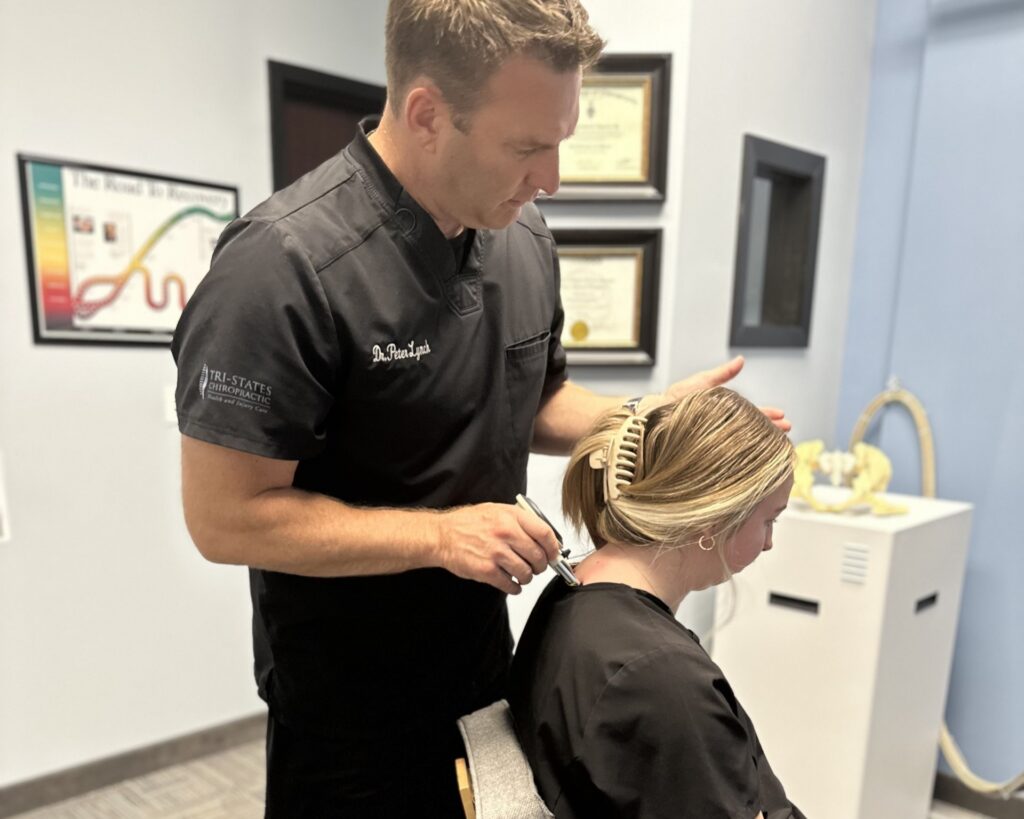
If you’ve ever experienced a tension headache, you know just how disruptive they can be to your daily life. Understanding the root causes and recognizing your personal triggers is essential for finding relief. One of the most effective ways to manage tension headaches is through chiropractic care, which focuses on the alignment of the spine and overall body wellness.
By visiting a chiropractor, you can address any misalignments that may be contributing to your headaches. Chiropractic adjustments can help relieve tension in the muscles and improve blood flow, which often leads to a reduction in headache frequency and intensity. But that’s just the start!
In addition to chiropractic adjustments, there are several practical strategies you can incorporate into your daily routine to help manage and alleviate tension headaches effectively:
- Practice Good Posture: Maintaining proper posture, especially if you sit for long periods, is crucial. Make sure your workspace is ergonomically friendly and take regular breaks to stretch.
- Stay Hydrated: Dehydration can lead to headaches, so be sure to drink plenty of water throughout the day.
- Incorporate Relaxation Techniques: Techniques such as deep breathing, meditation, and gentle yoga can help reduce stress, a common trigger for tension headaches.
- Get Regular Exercise: Physical activity helps to relieve tension and improve overall health. Even a brisk walk can make a difference.
- Prioritize Sleep: Ensure you’re getting enough restful sleep at night. Poor sleep can contribute to headache development.
- Manage Stress: Identify stressors in your life and find healthy ways to cope with them, whether through hobbies, socializing, or relaxation techniques.
By integrating these tips into your lifestyle and seeking chiropractic care, you can achieve not only relief from tension headaches but also improved overall wellness. Remember, taking a natural approach to health is key to feeling your best. If you’re struggling with tension headaches, don’t hesitate to reach out to a chiropractor for personalized care and support. Together, we can work towards a healthier, pain-free life!
Key Takeaways
- Explore relaxation techniques such as deep breathing and mindfulness meditation to help ease stress and reduce muscle tension that may contribute to tension headaches. These practices can promote a sense of calm and enhance the benefits of chiropractic care.
- Ensure you maintain good posture at your workstation. An ergonomic setup not only helps prevent strain on your neck and shoulders but also complements the adjustments made during chiropractic sessions, optimizing your spinal health.
- Incorporate daily stretching exercises, like neck rolls and shoulder shrugs, into your routine. These simple movements can help relieve tightness and support your overall well-being, making the effects of chiropractic adjustments even more effective.
- Consider using heat packs or cold compresses on your neck or forehead for 15-20 minutes. This can soothe tight muscles and reduce pain, working hand-in-hand with chiropractic treatments to enhance your healing process.
- Stay hydrated by drinking plenty of water throughout the day. Proper hydration is crucial in preventing muscle tension and discomfort, supporting your body’s natural healing abilities and making chiropractic care more effective.
By integrating these practices into your daily life, you can experience relief from tension headaches while promoting your overall health and wellness through chiropractic care.
Understanding Tension Headaches
Tension headaches are a common issue that many people face, and they can really impact your daily life. These headaches often feel like a dull, aching pressure that wraps around your head, and you might also notice tightness in your neck and shoulders. Unlike migraines, tension headaches typically don’t come with nausea or sensitivity to light. They can last anywhere from just a few minutes to several days, which can be quite frustrating.
As a chiropractor, I want to help you understand what might be causing your tension headaches and how chiropractic care can be a natural and effective solution. Common contributors to these headaches include stress, poor posture, and muscle tension. It’s important to pay attention to your daily habits, as they could be playing a significant role in your discomfort. Additionally, lack of sleep or dehydration can worsen your symptoms.
One of the best ways to manage tension headaches is through chiropractic care. Regular adjustments can help improve spinal alignment, reduce muscle tension, and promote relaxation, all of which can lead to fewer headaches.
Here are some general tips you can implement in your daily routine to help alleviate discomfort:
- Practice Good Posture: Be mindful of your posture, especially if you spend long hours sitting at a desk. Make sure your workstation is ergonomically friendly.
- Stay Hydrated: Drink plenty of water throughout the day to stay hydrated, as dehydration can trigger headaches.
- Manage Stress: Incorporate stress-relief techniques such as deep breathing, meditation, or yoga into your routine to help reduce tension.
- Prioritize Sleep: Aim for a consistent sleep schedule to ensure you’re well-rested, as lack of sleep can contribute to headaches.
- Regular Chiropractic Visits: Consider regular visits to your chiropractor for adjustments that can help alleviate tension and improve your overall well-being.
By recognizing the signs of tension headaches and understanding their impact on your life, you can take proactive steps to manage them naturally. Chiropractic care offers a holistic approach to pain relief and wellness, allowing you to feel your best every day.
Identifying Triggers
Understanding what triggers your headaches is essential for managing and preventing them, and chiropractic care can play a significant role in this process. By identifying specific factors that contribute to your tension headaches, you can take proactive steps to reduce their frequency and intensity.
One effective method is to keep a headache diary to track patterns and pinpoint your triggers. Here are some common culprits you might notice:
- Stress from work or personal life can lead to muscle tension in your neck and shoulders, which is often a major contributor to headaches.
- Poor posture, especially during long hours at a desk, can misalign your spine and create tension in your upper body.
- Dehydration is another common factor; ensuring you drink enough water is vital for your overall well-being.
- Skipping meals or having irregular eating habits can lead to fluctuations in blood sugar, affecting your energy levels and potentially triggering headaches.
- Lack of sleep or disturbed sleep patterns can increase stress and tension, leading to more frequent headaches.
Once you recognize your triggers, you can make necessary adjustments to your lifestyle, and incorporating regular chiropractic care can help. Chiropractors focus on spinal alignment and overall body function, which can alleviate tension and promote better health.
By addressing misalignments in your spine, chiropractic adjustments can reduce headache frequency and severity.
Remember, being aware of what leads to your headaches enables you to take control of your health. By combining lifestyle changes with regular chiropractic care, you can significantly improve your overall well-being and find natural relief from headaches.
Embrace this proactive approach to headache management, and you’ll be better equipped to enjoy a pain-free life.
Practicing Relaxation Techniques
Incorporating relaxation techniques into your daily routine can significantly help in managing tension headaches, and chiropractic care plays a crucial role in achieving optimal health and wellness. As a chiropractor, I believe that nurturing your body through natural methods is essential for overall well-being.
Start by practicing deep breathing exercises. Find a quiet space, close your eyes, and take slow, deep breaths. Inhale deeply through your nose, hold for a few seconds, and then exhale gently through your mouth. This simple technique can help calm your mind and release built-up tension, making it a powerful complement to your chiropractic adjustments.
Another effective method is progressive muscle relaxation. Tense each muscle group for a few seconds, then release, starting from your toes and moving up to your head. This technique not only helps to relieve tension but also complements the benefits of spinal care by encouraging better muscle function.
Mindfulness meditation is also beneficial. Take just a few minutes each day to focus on the present moment, letting go of distractions. This practice can enhance your overall wellness and support the healing process, especially when combined with regular chiropractic visits.
Lastly, gentle yoga or stretching routines are excellent for promoting relaxation and improving blood flow. These activities can further alleviate headache symptoms and work harmoniously with chiropractic care, ensuring that your spine and muscles are in optimal condition.
By incorporating these relaxation techniques into your routine and prioritizing chiropractic care, you can achieve greater relief from tension headaches and enhance your overall health.
Improving Posture
To alleviate tension headaches, it’s essential to pay close attention to your posture throughout the day. As a chiropractor, I often see how poor posture can lead to discomfort and pain, including headaches.
Setting up an ergonomic workspace is a fantastic first step in promoting better posture and overall spinal health. This means ensuring your computer screen is at eye level and your chair supports your lower back.
Incorporating daily stretching exercises is another effective way to keep your muscles relaxed and prevent tension from building up. Simple stretches, like neck rolls and shoulder shrugs, can work wonders in relieving strain.
Remember, improving your posture not only helps reduce headaches but also enhances your overall well-being.
Regular chiropractic care can further support your journey to optimal health by aligning your spine and ensuring your body functions at its best. So, if you’re looking for natural relief and a healthier lifestyle, consider making chiropractic care a part of your routine. It’s a gentle and effective way to promote healing and maintain your well-being without relying on medications or surgeries.
Ergonomic Workspace Setup
While you mightn’t realize it, the way your workspace is set up can significantly affect your posture and contribute to tension headaches. An ergonomic workspace promotes better alignment and reduces strain on your muscles, which is crucial for maintaining a healthy spine.
As a chiropractor, I believe that a well-structured workspace is an essential part of achieving optimal health and wellness. Here are some key elements to consider for creating an ideal setup that not only enhances comfort but also supports your overall well-being:
- Chair Height: Ensure your chair is adjusted so that your feet rest flat on the floor, with your knees forming a 90-degree angle. This position helps maintain your spine’s natural curve and reduces stress on your lower back.
- Monitor Position: Your monitor should be at eye level to prevent neck strain. This alignment encourages proper head and neck posture, which is vital for spinal health.
- Keyboard Placement: Position your keyboard at elbow height to promote a relaxed posture. Keeping your wrists straight while typing can help prevent discomfort and support long-term joint health.
- Mouse Proximity: Place your mouse close to your keyboard to avoid reaching. This small adjustment can prevent shoulder strain and encourage a more natural arm position.
- Lighting: Use adequate lighting to reduce eye strain and improve focus. Proper lighting not only helps you see better but also keeps you from leaning forward or squinting, both of which can negatively impact your posture.
By making these adjustments to your workspace, you can greatly enhance your comfort and help alleviate headaches.
Remember, it’s important to listen to your body. If you experience ongoing discomfort or pain, consider consulting with a chiropractor. Chiropractic care focuses on natural healing and can help address the underlying issues contributing to your discomfort, allowing you to achieve a healthier, pain-free life.
Prioritizing your workspace setup is a simple yet effective step toward better health and wellness.
Stretching Exercises Daily
Even with an ergonomic workspace, incorporating daily stretching exercises can significantly enhance your posture and help prevent tension headaches, both of which are crucial for overall spinal health. Simple stretches can alleviate tightness in your neck, shoulders, and back, promoting better alignment and function of your spine.
Focus on gentle neck rolls, shoulder shrugs, and upper back stretches. These movements can be performed easily throughout your day. Aim to hold each stretch for about 20-30 seconds, taking deep breaths to maximize relaxation. You’ll find that these simple exercises not only relieve tension but also support your body’s natural alignment, reducing the likelihood of discomfort.
To integrate stretching into your routine, set reminders to take short breaks throughout your day. Even just a few minutes can create a significant improvement in how you feel. Remember, prioritizing these exercises is a proactive step towards better posture and a natural way to alleviate tension headaches.
As your local chiropractor, I encourage you to view chiropractic care as a holistic approach to achieving optimal health and wellness. Regular visits can help maintain spinal alignment, enhance the benefits of your stretching routine, and provide relief from discomfort.
Utilizing Heat and Cold Therapy
When tension headaches strike, heat and cold therapy can be your best allies in managing discomfort. As a chiropractor, I often recommend these natural methods to help relieve pain and promote healing. Applying heat packs can be incredibly effective in soothing tight muscles, which often contribute to headache pain. The warmth encourages blood flow, helping those muscles relax.
On the other hand, cold compresses are excellent for reducing inflammation and numbing pain. They can provide a refreshing contrast to the heat, helping to alleviate the throbbing sensations associated with tension headaches. In fact, many patients find that alternating between heat and cold can offer them the most effective relief, allowing them to get back to their daily activities more comfortably.
In addition to these therapies, remember that maintaining proper spinal alignment through regular chiropractic adjustments can play a crucial role in preventing tension headaches in the first place. Poor posture or misalignments in the spine can lead to muscle tightness and increased tension in the head and neck area.
By prioritizing chiropractic care, you’re not just addressing headaches when they occur; you’re investing in your overall health and wellness.
As a takeaway, if you experience tension headaches, consider incorporating heat and cold therapy into your routine. Also, make sure to pay attention to your posture, especially if you spend long hours sitting.
Simple changes in your workspace, along with regular chiropractic visits, can significantly improve your quality of life and reduce the frequency of headaches. Remember, natural healing and optimal health are within reach!
Applying Heat Packs
Applying heat packs can be a simple yet effective way to relieve tension headaches, especially when paired with chiropractic care. Heat therapy helps soothe tight muscles and enhances blood circulation, which can lead to immediate comfort and relaxation.
Here are some practical tips to maximize the benefits of heat therapy while supporting your overall wellness:
- Opt for a microwaveable heat pack for convenience and ease of use.
- Apply the heat pack to your neck or forehead for targeted relief, as these areas often hold tension.
- Use the heat pack for 15-20 minutes, ensuring it’s warm but comfortable to avoid any burns.
- Consider adding a few drops of essential oils like lavender to your heat pack for an added layer of relaxation and stress relief.
- Feel free to repeat this process throughout the day to keep tension in check, especially if you’re experiencing discomfort after long hours at a desk or during stressful situations.
Remember, while heat packs can provide temporary relief, regular visits to your chiropractor can help address the underlying issues contributing to your tension headaches.
Chiropractic care focuses on enhancing your overall health by ensuring your spine is aligned and your body is functioning optimally. Embrace these natural healing methods to support a healthier, pain-free lifestyle!
Cold Compress Benefits
How can cold compresses enhance your headache relief? Cold compresses can be a valuable tool for managing headache pain naturally, complementing the benefits of chiropractic care. By numbing the pain and reducing inflammation, a cold pack applied to your forehead or neck can help to constrict blood vessels, which may lower the intensity of your headache.
This cooling sensation not only alleviates tension but also soothes overactive nerves and helps relax tight muscles.
For effective relief, consider using a cold compress for about 15-20 minutes, especially if you frequently experience tension headaches. It’s a straightforward and accessible method that can easily fit into your wellness routine, requiring no special equipment. Just remember to wrap the ice pack in a cloth to protect your skin.
Incorporating cold compresses into your self-care regimen can enhance the benefits you receive from chiropractic adjustments. As you work with your chiropractor to align your spine and promote overall wellness, the use of a cold compress can help manage pain and reduce headache frequency and severity.
Alternating Temperature Techniques
If you’re experiencing tension headaches, incorporating alternating temperature techniques can be a natural and effective way to find relief. This method not only eases muscle tension but also promotes better blood circulation—all vital components of maintaining a healthy spine and overall wellness.
Here’s how you can use these techniques at home:
- Start with a warm compress on your neck or shoulders for about 10-15 minutes. This warmth helps to relax tight muscles, which is crucial for spinal health.
- After that, switch to a cold pack on your forehead for another 10-15 minutes. The cold helps numb pain and reduces inflammation, which can be beneficial for your overall comfort.
- Continue to alternate every 30 minutes between heat and cold, paying attention to how your body feels. This responsive approach can help you tailor your treatment to your specific needs.
- Don’t forget to stay hydrated! Drinking water is key, as dehydration can aggravate headaches and impact your spinal health.
- Lastly, create a calming atmosphere. Dimming the lights and reducing noise can enhance your relaxation, making it easier for your body to heal.
In addition to these techniques, remember that regular chiropractic care can play a significant role in preventing tension headaches by ensuring your spine is aligned and functioning optimally.
Your chiropractor can provide tailored advice and treatments that support your journey to wellness. So, the next time a tension headache strikes, consider these natural methods and the benefits of chiropractic care for lasting relief!
Staying Hydrated
Staying hydrated is a simple yet vital part of maintaining overall health and wellness, particularly when it comes to preventing tension headaches. Dehydration can lead to increased muscle tension and discomfort, which may exacerbate pain in the neck and back. As a chiropractor, I recommend making hydration a priority to support your body’s natural healing processes.
To help you stay on top of your hydration, here’s a quick overview of some easy tips:
| Time of Day | Action | Amount of Water |
|---|---|---|
| Morning | Drink upon waking | 1 glass (8 oz) |
| Afternoon | Take a midday hydration break | 1-2 glasses (16-24 oz) |
| Evening | Hydrate before bed | 1 glass (8 oz) |
Keeping a water bottle with you throughout the day can serve as a reminder to drink more water. Staying well-hydrated supports your body in maintaining proper spinal health and can help alleviate discomfort. Remember, optimal hydration is just one part of a holistic approach to wellness, which can include regular chiropractic adjustments to help relieve tension and promote overall health. By prioritizing hydration alongside chiropractic care, you can work towards achieving your best health naturally.
Incorporating Regular Exercise
Incorporating regular exercise into your routine can significantly alleviate tension headaches, and as a chiropractor, I want to emphasize the importance of natural methods for achieving optimal health.
Physical activity enhances circulation and triggers the release of endorphins, which are your body’s natural pain relievers. By prioritizing exercise, you can’t only reduce headache frequency but also improve your overall well-being.
Let’s explore some beneficial exercise routines and stretching techniques tailored to support a healthy spine and provide relief from tension headaches:
- Gentle Stretching: Start your day with some gentle neck and shoulder stretches. Simple movements like tilting your head side to side or rolling your shoulders can help release tension stored in these areas.
- Walking: A daily walk, even for just 20-30 minutes, can do wonders for your circulation and stress levels. It’s a low-impact exercise that supports spinal health without putting too much strain on your body.
- Yoga: Incorporating yoga into your routine not only promotes flexibility but also teaches you to focus on your breath, which can be incredibly calming. Poses like Child’s Pose or Cat-Cow can be particularly beneficial for relieving tension in the neck and back.
- Strength Training: Building core strength is essential for supporting your spine. Simple exercises like planks or bridges can help maintain proper alignment and reduce the risk of headaches caused by poor posture.
- Hydration: While not an exercise, staying hydrated is crucial. Dehydration can trigger headaches, so make sure you drink plenty of water throughout the day.
Remember, regular chiropractic adjustments can also play a vital role in relieving tension headaches. Chiropractors focus on ensuring that your spine is properly aligned, which can enhance your body’s ability to heal itself naturally.
By combining chiropractic care with these exercises, you’re taking a holistic approach to your health and well-being.
Benefits of Physical Activity
Regular physical activity can play a significant role in reducing the frequency and intensity of tension headaches, as it alleviates stress and promotes relaxation. As a local chiropractor, I understand how vital it’s to strengthen both your body and your mind for overall wellness. By incorporating physical activity into your daily routine, you’re not just working towards headache relief, but also enhancing your overall health in a natural way.
Here are some key benefits of regular exercise that can help with headache relief:
- Improved circulation: When you engage in physical activity, your blood flow increases, delivering essential oxygen and nutrients to your brain. This can help reduce headache symptoms and enhance your overall brain health.
- Boosted endorphins: Exercise stimulates the production of endorphins, your body’s natural mood lifters. By regularly exercising, you can elevate your mood and lower stress levels, which are common headache triggers.
- Better sleep quality: Regular physical activity can improve your sleep patterns. Quality sleep is crucial for preventing headaches and ensuring your body has the restorative rest it needs.
- Increased muscle flexibility: Engaging in physical activities like stretching or yoga can enhance muscle flexibility, reducing tension in the neck and shoulders—areas often associated with tension headaches.
- Greater resilience to stress: Regular exercise can help you build resilience against stress, allowing you to better manage any triggers that might lead to headaches.
In addition to regular physical activity, consider incorporating chiropractic care into your wellness routine. Chiropractic adjustments can help align your spine, improve your posture, and alleviate tension in your body, which may further reduce headache occurrences.
Remember, taking care of your spine is essential for optimal health.
For practical tips, try to set aside time each day for a short walk or some gentle stretching. Even small changes can lead to significant improvements in your health and well-being.
Always listen to your body and consult with your chiropractor for personalized advice tailored to your specific needs. Embrace a healthier lifestyle, and let chiropractic care guide you on your journey to wellness!
Recommended Exercise Routines
To effectively alleviate tension headaches, engaging in exercise routines that align with your lifestyle and preferences is crucial. Consider incorporating at least 30 minutes of moderate aerobic activity into your daily routine. Activities such as brisk walking, jogging, cycling, or swimming not only boost your mood but also help reduce stress, which can be a contributing factor to tension headaches.
Joining a dance or fitness class can add a social element to your routine, making it more enjoyable and sustainable. If you’re looking for something gentler, practices like yoga or tai chi can be particularly beneficial. These disciplines enhance relaxation and improve flexibility, both of which are essential for maintaining a healthy spine and overall wellness.
It’s important to listen to your body; if you experience any discomfort, don’t hesitate to adjust your routine. Remember, chiropractic care can play a vital role in supporting your journey to optimal health by ensuring your spine is aligned and functioning properly. Regular adjustments can help alleviate tension in your muscles and improve your overall well-being.
Consistency is key, so find activities you genuinely enjoy that you can stick with long-term. This not only maximizes the benefits in alleviating tension headaches but also promotes a healthier lifestyle.
Stretching for Relief
As a local chiropractor, I understand the impact tension headaches can have on your daily life. While exercise routines are beneficial, incorporating targeted stretching can significantly enhance your relief. These stretches not only help release muscle tension but also improve circulation and promote relaxation, aligning perfectly with the principles of chiropractic care.
Here are some effective stretches you can include in your routine:
- Neck Stretches: Gently tilt your head to each side to release tightness in your neck. This can help alleviate pressure on the spine and improve your overall comfort.
- Shoulder Rolls: Roll your shoulders forward and backward. This simple movement can ease tension in the upper back and neck, enhancing your spinal alignment.
- Upper Back Stretch: Clasp your hands together and reach forward while rounding your back. This stretch can help open up the spine and improve posture, which is essential for reducing headaches.
- Chest Opener: Interlace your fingers behind your back and lift your arms slightly. This stretch opens up the chest area, counteracting the forward posture many of us adopt during daily activities.
- Forward Bend: Stand and reach down towards your toes. This stretch not only targets your lower back but also encourages flexibility and relaxation throughout the spine.
By regularly incorporating these stretches into your day, you can complement the benefits of chiropractic care and pave the way for optimal health and pain relief.
Remember, a well-aligned spine is key to overall wellness, and these simple practices can significantly contribute to your journey toward a healthier, pain-free life.
If you’re experiencing persistent tension headaches, consider visiting your chiropractor for a tailored approach to your health and wellness.
Exploring Essential Oils
How Essential Oils Can Help Ease Tension Headaches
As a chiropractor, I often see patients struggling with tension headaches. One natural approach to finding relief is through the use of essential oils. These oils can promote relaxation and help reduce the stress that often contributes to headaches. Essential oils like lavender, peppermint, and eucalyptus not only smell wonderful but also have properties that may alleviate headache symptoms.
Here’s how you can easily incorporate essential oils into your wellness routine:
- Diffusers: Add a few drops of your chosen essential oil to a diffuser and let the calming scent fill your space. This can create a soothing atmosphere that promotes relaxation.
- Topical Applications: Dilute a few drops of essential oil with a carrier oil, such as coconut or jojoba oil, and gently massage it into your temples or the back of your neck. This can help relieve tension directly where you feel discomfort.
- Relaxing Baths: Adding essential oils to your bath can create a spa-like experience at home. Simply mix a few drops with a carrier oil or Epsom salts and enjoy a soothing soak.
Here’s a quick guide to some effective essential oils for tension headaches:
| Essential Oil | Benefits |
|---|---|
| Lavender | Promotes relaxation, reduces anxiety |
| Peppermint | Relieves muscle tension, improves circulation |
| Eucalyptus | Opens airways, reduces sinus pressure |
| Rosemary | Enhances mood, boosts mental clarity |
In addition to using essential oils, remember that regular chiropractic care can play a significant role in managing tension headaches. By addressing spinal alignment and relieving tension in the muscles, chiropractic adjustments can help reduce the frequency and intensity of headaches.
For optimal health, consider combining the use of essential oils with chiropractic care. Staying hydrated, practicing stress-reduction techniques, and maintaining good posture can also contribute to headache relief.
Embrace these natural approaches and consult with your chiropractor for a personalized plan tailored to your needs. Your journey to wellness is within reach!
Seeking Professional Help
Finding relief from tension headaches can often begin with natural remedies, such as essential oils, but if your headaches persist or worsen, it’s crucial to consider professional help.
As a chiropractor, I believe that chiropractic care is one of the best paths to achieving optimal health and wellness. Your body has an incredible ability to heal itself, and spinal health plays a vital role in that process.
Here are some signs that it may be time to seek a chiropractic consultation:
- You experience frequent headaches that disrupt your daily life.
- Over-the-counter remedies aren’t providing the relief you seek.
- You notice additional symptoms like nausea or changes in your vision.
- You have a history of migraines or other related issues.
- Your headaches are accompanied by severe pain or unusual sensations.
Chiropractic care focuses on aligning the spine and improving nervous system function, which can greatly reduce headache frequency and intensity. A chiropractor can assess your condition, provide manual adjustments, and recommend lifestyle changes that support natural healing.
To help manage tension headaches at home, consider these tips:
- Stay Hydrated: Dehydration can lead to headaches, so make sure you’re drinking enough water throughout the day.
- Practice Good Posture: Poor posture can contribute to tension headaches. Keep your back straight and your shoulders relaxed, especially when sitting for long periods.
- Incorporate Regular Exercise: Gentle activities like walking or yoga can help reduce stress and improve overall body function.
- Use Heat or Cold Therapy: Applying heat or cold to your neck and shoulders can help relieve tension that may be causing headaches.
- Manage Stress: Techniques like meditation, deep breathing exercises, or even a warm bath can help alleviate stress and reduce the likelihood of headaches.
Consulting a chiropractor can assist in creating a customized plan that addresses your specific needs, helping you regain control over your health and improve your quality of life naturally.
Maintaining a Healthy Sleep Routine
Establishing a healthy sleep routine is crucial for preventing tension headaches and enhancing your overall well-being. As a local chiropractor, I emphasize the importance of quality sleep for spinal health and natural healing. Aim for seven to nine hours of restorative sleep each night.
Consistency is vital, so try to go to bed and wake up at the same time every day, even on weekends, to help regulate your body’s internal clock.
Creating a calming bedtime ritual, such as gentle stretching or mindfulness meditation, can signal to your body that it’s time to wind down. This is particularly beneficial for your spine, as relaxation can help alleviate tension in your muscles and joints.
It’s also important to limit screen time at least an hour before bed. The blue light from screens can disrupt your sleep quality, making it harder for your body to relax. Instead, consider reading a book or listening to soothing music.
Ensure your bedroom is dark, quiet, and cool to foster a peaceful environment for sleep.
Moreover, be mindful of your diet in the hours leading up to bedtime. Avoid caffeine and heavy meals, as these can disturb your sleep. If falling asleep is a challenge, try relaxation techniques like deep breathing or progressive muscle relaxation, which can help ease tension throughout your body.
By prioritizing a healthy sleep routine, you’ll not only reduce the risk of tension headaches but also support your spinal health and overall wellness.