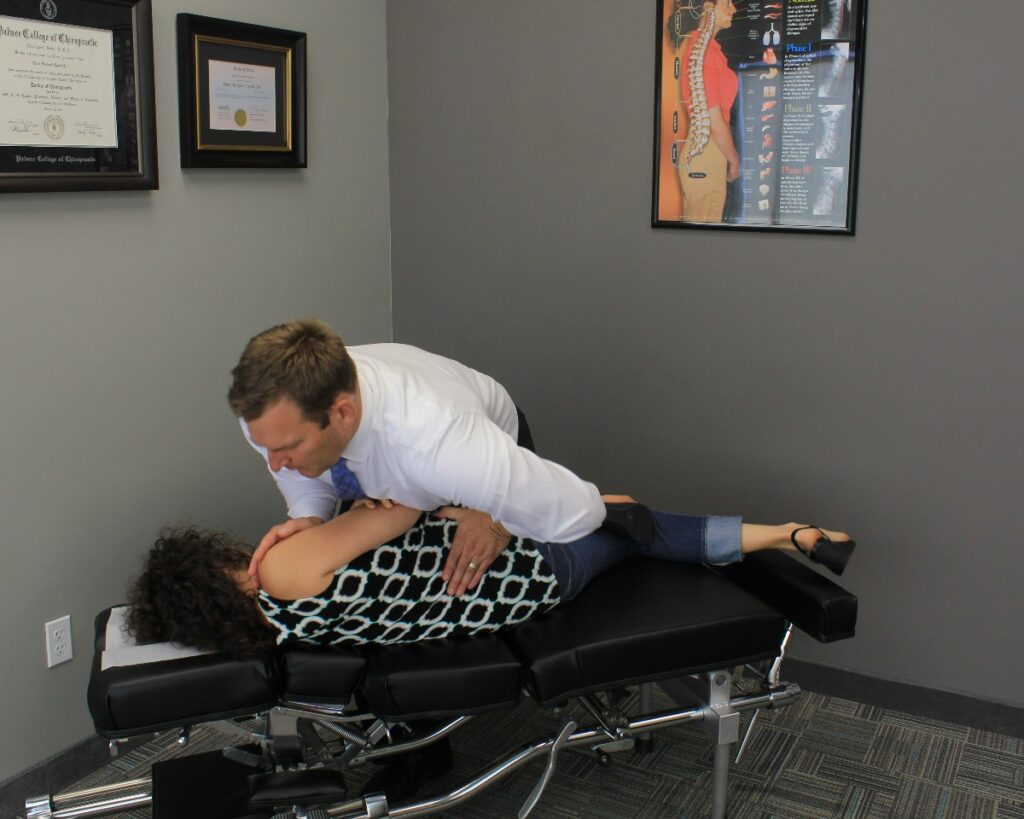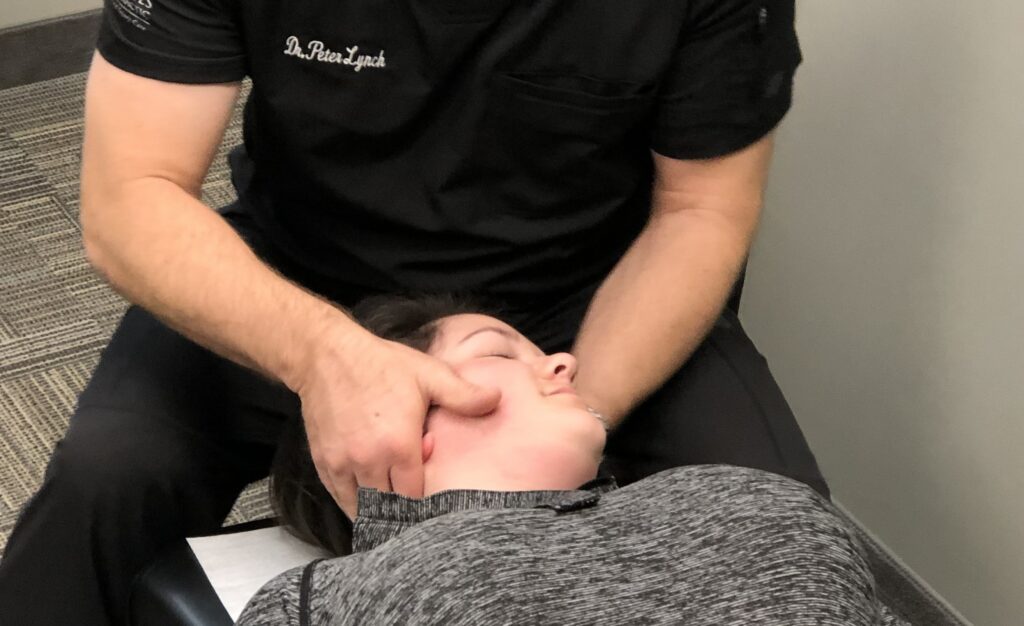
If you’re experiencing low back discomfort, know that you’re not alone. Many individuals face this common issue, often stemming from poor posture or a lack of movement. Thankfully, there are natural and effective techniques to help alleviate this pain, and chiropractic care is a leading option.
As a chiropractor, I believe that understanding your body and making small adjustments can significantly improve your comfort and overall well-being. From optimizing your workspace to incorporating targeted exercises, there are proactive steps you can take to find relief.
Start by assessing your posture during daily activities. Ensure that your workstation is ergonomically designed to support your spine. Simple adjustments, like using a chair that supports your lower back and keeping your feet flat on the floor, can make a notable difference.
In addition to creating a supportive environment, consider incorporating gentle stretches and exercises into your routine. Focusing on strengthening your core and improving flexibility can play a vital role in alleviating low back discomfort.
Remember, chiropractic care is an excellent option for addressing back pain naturally. Regular adjustments can help align your spine, reduce tension, and promote healing. If you’re ready to take the first step towards relief, I encourage you to schedule a consultation. Together, we can develop a personalized plan that supports your journey to optimal health and wellness.
Key Takeaways
As a local chiropractor dedicated to your health and wellness, I want to share some techniques to alleviate low back discomfort that align with natural healing and promote a healthier lifestyle.
- Incorporate Regular Stretching: Stretching is vital for improving flexibility and relieving tension in your lower back. Simple stretches can help keep your spine healthy and mobile. Consider gentle movements like cat-cow stretches or seated forward bends to ease tightness.
- Maintain Good Posture: Proper posture is crucial for spinal health. Aim to align your ears with your shoulders and use ergonomic furniture that supports your natural spine curvature. This can significantly reduce discomfort and prevent future issues.
- Utilize Heat and Cold Therapy: Applying heat can relax tight muscles, while cold therapy can help reduce inflammation. Both methods can be effective in managing pain and promoting healing. Try a warm towel or heating pad for muscle relaxation, and an ice pack for inflammation after activity.
- Strengthen Your Core: A strong core supports your spine and can alleviate pressure on your lower back. Engage in exercises like planks and bridges to build strength. These simple exercises can make a big difference in your overall spinal health.
- Take Frequent Breaks: If you find yourself sitting for long periods, make it a habit to take breaks. Stand, stretch, and walk around to improve circulation and reduce stiffness. This practice can help keep your back feeling better throughout the day.
Chiropractic care is an excellent choice for addressing low back discomfort. By focusing on spinal health and natural healing, we can work together to create a personalized plan that enhances your well-being. Remember, maintaining a healthy spine is key to living a pain-free life!
Understanding Low Back Discomfort
When you experience low back discomfort, it’s important to understand what’s happening in your body. Your lower back, or lumbar region, plays a vital role in supporting your weight and allowing you to move freely. It consists of vertebrae, muscles, ligaments, and nerves, all working together harmoniously. When any part of this system gets strained or injured, you may feel pain or stiffness. This discomfort can occur from activities like lifting heavy items, sitting for extended periods, or even sleeping in poor positions.
Common causes of low back pain include muscle strains, herniated discs, and sciatica. Identifying the root of your discomfort is essential, as it helps you understand whether the issue stems from muscles or nerves. This knowledge can empower you to take the right steps toward relief.
Chiropractic care is a wonderful approach to addressing low back discomfort naturally. By focusing on spinal alignment and overall wellness, chiropractors can help alleviate pain and promote healing without resorting to medications or invasive procedures. Regular chiropractic adjustments can improve your mobility, reduce stiffness, and support your body in functioning at its best.
Here are some simple tips to help manage low back discomfort and promote a healthier lifestyle:
- Maintain Good Posture: Whether sitting or standing, keep your spine aligned and avoid slouching.
- Stay Active: Engage in regular physical activity, like walking or stretching, to strengthen your back muscles and improve flexibility.
- Lift Properly: When lifting heavy objects, use your legs instead of your back, and keep the load close to your body.
- Sleep Smart: Choose a supportive mattress and pillow, and consider sleeping on your side with a pillow between your knees for better spine alignment.
- Stay Hydrated: Drinking enough water helps keep your discs hydrated and functioning well.
Importance of Proper Posture
Good posture is not just about looking confident; it’s vital for keeping your spine healthy and avoiding discomfort, especially in the lower back. When you sit or stand with proper posture, your body weight is evenly distributed, which helps alleviate strain on your muscles and ligaments. Conversely, poor posture can lead to muscle fatigue, tension, and even chronic pain, which is where chiropractic care can make a significant difference.
Let’s take a closer look at how different posture types affect your back and ways chiropractic care can help you achieve and maintain better posture:
| Posture Type | Effects on Back | Tips for Improvement |
|---|---|---|
| Slouched | Increased pressure on the spine | Sit up straight and align your ears with your shoulders. A chiropractor can guide you on exercises to strengthen your posture. |
| Leaning Forward | Strain on the spine and potential nerve issues | Use ergonomic chairs and keep your screens at eye level. Regular chiropractic adjustments can help realign your spine. |
| Arched Back | Muscle tightness and discomfort | Strengthen your core and practice pelvic tilts. A chiropractor can offer tailored exercises and stretches for your needs. |
| Hunched Shoulders | Reduced lung capacity and tension | Stretch your chest and engage your shoulder blades. Chiropractic care can assist in improving your overall posture. |
| Balanced | Reduced discomfort and optimal health | Maintain alignment and take breaks throughout the day. Regular chiropractic visits will help you stay on track with your posture. |
Stretching Exercises for Relief
Incorporating regular stretching exercises into your daily routine can be a fantastic way to relieve low back discomfort and enhance your overall wellbeing.
Stretching not only increases flexibility and reduces tension but also promotes blood flow to your muscles, which is essential for healing.
One highly effective stretch I recommend is the child’s pose. To perform this stretch, kneel on the floor, sit back on your heels, and reach your arms forward while lowering your torso towards the ground. Hold this position for about 30 seconds to truly feel the benefits.
Another excellent option is the knee-to-chest stretch. Simply lie on your back, pull one knee towards your chest, and hold it there for 20-30 seconds. Afterward, switch legs and repeat. This stretch helps to relieve tension in your lower back.
Don’t forget about the standing hamstring stretch as well. While standing, bend at your hips and gently reach for your toes. This stretch helps to loosen up the muscles in your back and legs.
I encourage you to incorporate these stretches into your daily routine, especially after long periods of sitting.
Not only can they help alleviate discomfort, but they also enhance your mobility. Consistency is key!
Remember, while stretching can be incredibly beneficial, it’s important to consider chiropractic care as a holistic approach to achieving optimal health.
Chiropractors specialize in the spine and musculoskeletal system, offering natural and effective solutions to pain relief and wellness. Regular chiropractic adjustments, combined with stretching, can lead to long-lasting benefits for your body.
Prioritize your health with chiropractic care and embrace a healthier, more active lifestyle!
Strengthening Your Core
Strengthening your core is vital for maintaining stability and alleviating low back discomfort. A strong core not only supports your spine but also enhances your overall posture, which is key to your health and wellness. As a chiropractor, I believe that building core strength can significantly improve your daily life and reduce pain without resorting to medications or invasive procedures.
Let’s look at some simple yet effective core stability exercises that you can easily incorporate into your routine. These exercises won’t only help strengthen your core but also promote better spinal alignment and overall wellness.
- Planks: Start by lying face down and then lift your body off the ground, supporting your weight on your forearms and toes. Keep your body in a straight line from head to heels. Hold this position for as long as you can while maintaining proper form. This exercise engages multiple core muscles and helps improve your stability.
- Bridges: Lie on your back with your knees bent and feet flat on the ground. Tighten your abdominal muscles and lift your hips off the ground until your body forms a straight line from your shoulders to your knees. Hold for a few seconds before lowering back down. This exercise strengthens your lower back and glutes, crucial for spinal support.
- Bird-Dog: Begin on all fours, with your hands under your shoulders and knees under your hips. Extend one arm forward while simultaneously extending the opposite leg back. Hold for a few seconds, then switch sides. This exercise enhances balance and engages both your core and back muscles.
- Side Planks: Lie on your side with your legs stacked. Prop yourself up on one forearm and lift your hips off the ground, forming a straight line from head to heels. This targets the obliques and helps improve lateral stability.
Incorporating these exercises into your routine can help you build a stronger core, which is essential for optimal health. Remember, regular chiropractic care complements these exercises by ensuring your spine is properly aligned, allowing your body to function at its best.
As you embark on this journey to strengthen your core, keep in mind that consistency is key. Even small, daily efforts can lead to significant improvements in your well-being. If you experience any discomfort while exercising, don’t hesitate to reach out for chiropractic care. Together, we can work towards a healthier, pain-free life.
Core Stability Exercises
Building a strong core is crucial for alleviating low back discomfort and enhancing your overall stability. Core stability exercises engage the muscles that support your spine, which is vital for maintaining good posture and reducing strain on your back. As your local chiropractor, I want to emphasize the importance of these exercises as a natural way to promote spinal health and overall wellness.
Begin with simple movements such as planks and bridges. Focus on maintaining proper form to ensure you’re getting the most benefit while minimizing the risk of injury. As you become more comfortable, consider adding exercises like bird-dogs and side planks. These won’t only challenge your balance but also help improve your control over your core muscles.
Remember to breathe steadily and stay engaged during each movement. Consistency is key; aim to perform these exercises a few times a week to see significant improvements. Listen to your body—if something doesn’t feel right, don’t push through the pain.
Incorporating core stability exercises into your routine can greatly enhance the support for your lower back, contributing to your overall well-being. Alongside these exercises, regular chiropractic care can further optimize your spinal health, ensuring that your body functions at its best.
Together, they can lead you toward a healthier, pain-free life. Remember, natural healing is always within reach!
Importance of Core Strength
A strong core is essential for more than just back support; it acts as the backbone for almost all physical activities we engage in daily. When you focus on strengthening your core, you’re not only stabilizing your spine but also improving your overall balance and posture. This is particularly important when lifting heavy objects or participating in sports, as a well-conditioned core helps distribute forces evenly throughout your body, alleviating strain on your lower back.
Incorporating core-strengthening exercises into your routine can significantly enhance your daily movements, making tasks like bending, twisting, and even sitting much easier. By prioritizing core strength, you’re making a valuable investment in your long-term health and comfort, which can lead to a more active lifestyle.
As a chiropractor, I encourage you to consider chiropractic care as a natural approach to achieving optimal health. Not only can it help relieve pain, but it also supports your body’s natural healing processes. Regular chiropractic adjustments can enhance your core strength by ensuring your spine is aligned and functioning properly.
Here are a few simple tips to strengthen your core and promote overall wellness:
- Practice Good Posture: Whether sitting or standing, maintaining good posture helps engage your core muscles.
- Incorporate Balance Exercises: Activities like yoga or Pilates can improve your core strength and stability.
- Stay Active: Regular physical activity, like walking or swimming, engages your core and enhances your overall fitness.
- Focus on Your Breathing: Deep breathing engages the diaphragm and helps activate your core muscles.
Utilizing Heat and Cold Therapy
When low back discomfort strikes, utilizing heat and cold therapy can be a great way to find relief, especially when combined with regular chiropractic care.
Heat therapy, such as a warm towel or heating pad, increases blood flow to the area, helping to relax tight muscles and soothe stiffness. This can be particularly beneficial after a chiropractic adjustment, as it enhances the healing process. Apply heat for about 15-20 minutes at a time, being careful to avoid any burns on your skin.
Cold therapy, on the other hand, is fantastic for reducing inflammation and numbing sharp pain. You can use ice packs or even a bag of frozen vegetables wrapped in a cloth for similar intervals. Cold therapy works by constricting blood vessels, which can provide immediate relief from acute pain. This can be especially useful after a long day or following physical activity.
For optimal results, consider alternating between heat and cold therapy. Start with cold to tackle any inflammation, then switch to heat to promote relaxation—this is a great routine to incorporate, especially if you’re under chiropractic care. Always pay attention to how your body responds; if one method feels better than the other, stick with what works for you.
Additionally, maintaining a consistent routine of these therapies can lead to lasting relief, allowing you to enjoy a more comfortable and active lifestyle. Remember, chiropractic care goes hand-in-hand with these natural methods for achieving optimal health and wellness. If you’re struggling with persistent pain, consider consulting with your chiropractor for personalized advice and treatment options tailored to your needs.
Ergonomic Adjustments at Work
To reduce low back discomfort at work, it’s essential to start with an ergonomic desk setup that supports your spine and promotes healthy posture. As a chiropractor, I believe that simple adjustments can have a profound impact on your overall comfort and well-being throughout the day.
First, focus on your chair. It should provide proper lumbar support to maintain the natural curve of your lower back. When sitting, your feet should rest flat on the floor, and your knees should be at or just below hip level. This positioning helps reduce strain on your spine.
Next, pay attention to your monitor height. Your screen should be at eye level so that you can look straight ahead without bending your neck. This reduces tension in your back and neck, helping to prevent discomfort.
In addition to these adjustments, remember to take regular breaks. Stand up, stretch, and move around every 30 to 60 minutes. This simple habit can alleviate stiffness and improve circulation, contributing to a healthier spine.
Chiropractic care is also a fantastic way to ensure your spine is aligned and functioning optimally. Regular adjustments can help relieve pain, improve mobility, and support your overall wellness.
Desk Setup Optimization
Creating an ergonomic workspace is vital for promoting spinal health and reducing low back discomfort. As a chiropractor, I recommend starting by adjusting your desk height so that your elbows form a comfortable 90-degree angle while typing. This position helps maintain proper alignment and minimizes strain on your spine.
Your monitor should be positioned at eye level, about an arm’s length away. This setup not only prevents neck strain but also encourages good posture. Keep your keyboard and mouse within easy reach to ensure your wrists remain straight and relaxed, reducing the risk of repetitive strain injuries.
If your feet don’t comfortably reach the floor, consider using a footrest to provide support. This small adjustment can significantly enhance your comfort and overall posture while you work. It’s also essential to organize your workspace so that frequently used items are easily accessible, helping you avoid unnecessary twisting or stretching that can lead to discomfort.
Remember to take breaks every hour to stand, stretch, and move around. This practice not only promotes good circulation but also helps reduce fatigue and keeps your spine in optimal condition. By optimizing your desk setup and incorporating these simple tips, you’ll create a more comfortable work environment that supports your health and well-being.
Chiropractic care is an excellent choice for alleviating low back pain and promoting natural wellness. If you’re experiencing discomfort or want to enhance your overall health, consider visiting your local chiropractor for personalized guidance and support. Together, we can work towards achieving optimal health and a pain-free lifestyle.
Chair Support Importance
Proper chair support is vital for maintaining comfort and promoting good posture, especially during long work hours. An ergonomic chair can significantly reduce strain on your lower back, which is crucial for preventing discomfort and potential spinal issues. Here are some adjustments to ensure your chair provides the support you need for optimal health:
- Seat Height: Make sure your chair is adjusted so that your feet rest flat on the floor, with your knees forming a 90-degree angle. This alignment can help maintain healthy circulation and reduce pressure on your spine.
- Lumbar Support: Choose a chair with built-in lumbar support or consider adding a cushion to support the natural curve of your spine. Proper lumbar support can alleviate tension in your lower back, which is essential for overall spinal health.
- Backrest Angle: Set the backrest at a slight angle (between 100-110 degrees) to encourage a relaxed posture. This position can help distribute your weight evenly and reduce the risk of developing back pain.
- Armrests: Ensure that your armrests are adjusted to a height that allows your shoulders to relax. This will help prevent tension in your neck and shoulders, which can lead to discomfort and misalignment.
By implementing these adjustments, you can enhance your comfort and productivity while also promoting a healthier spine.
The Role of Physical Therapy
Experiencing low back discomfort can be frustrating, but chiropractic care may be the solution you need for relief. A skilled chiropractor will evaluate your specific condition and create a personalized treatment plan designed to address your unique needs. Through spinal adjustments and manual therapies, you can experience improved alignment and function of your spine, which is key to alleviating pain.
In addition to adjustments, your chiropractor may guide you through exercises that strengthen your core muscles, enhance your flexibility, and promote better posture. These elements are essential for supporting your spine and preventing future discomfort. You’ll also learn about proper body mechanics, enabling you to perform daily activities without straining your back.
Regular chiropractic visits not only help relieve pain but also keep you accountable and motivated on your road to recovery. Your chiropractor will provide professional guidance throughout your healing journey, helping you understand your body better and teaching you how to manage discomfort effectively.
If you’re seeking a natural, drug-free approach to pain relief and overall wellness, chiropractic care could be the right choice for you. By prioritizing your spinal health, you’re taking a proactive step toward a healthier back and improved well-being. Remember, a healthy spine is vital for a healthy you!
Mindfulness and Relaxation Techniques
In addition to chiropractic care, embracing mindfulness and relaxation techniques can significantly boost your recovery from low back discomfort. These practices not only help you manage stress but also enhance your overall mental well-being and promote physical relaxation.
Here are some straightforward techniques you can easily incorporate into your daily routine:
- Deep Breathing: Take a moment to focus on slow, deep breaths. This simple practice can help reduce tension in your body and promote a sense of relaxation.
- Progressive Muscle Relaxation: Try this method by tensing and then relaxing each muscle group, starting from your toes and working up to your head. This approach helps to release physical stress and can be very effective in easing discomfort.
- Mindfulness Meditation: Dedicate a few minutes each day to sit quietly and concentrate on your breath. This practice cultivates awareness and can significantly reduce your perception of pain.
- Gentle Yoga: Incorporate some gentle stretches and simple yoga poses into your routine. These movements can enhance flexibility and relieve tension in your back, complementing the benefits of chiropractic adjustments.
Lifestyle Changes for Long-Term Relief
To achieve long-term relief from low back discomfort, embracing certain lifestyle changes can make a world of difference. As a chiropractor, I believe that the pathway to optimal health often lies in natural healing methods, and chiropractic care is at the forefront of this journey.
One key adjustment starts with your workspace. Ensuring that your desk, chair, and computer setup promote good posture can significantly reduce strain on your spine. Make sure your chair supports your lower back, your screen is at eye level, and your feet can rest flat on the ground. These simple tweaks can help alleviate discomfort and prevent future issues.
In addition to ergonomic adjustments, committing to a regular exercise routine can enhance your overall well-being. Gentle activities such as walking, swimming, or yoga can strengthen your core muscles, improve flexibility, and support your spine. Even small, consistent movements throughout the day can have a positive impact.
Consider incorporating chiropractic care into your wellness routine. Regular adjustments can help align your spine, improve mobility, and reduce pain. It’s a natural approach that works with your body’s own healing processes, setting the stage for long-lasting relief.
Ergonomic Workspace Adjustments
Transforming your workspace is a powerful step towards alleviating low back discomfort and promoting overall wellness. By making some simple ergonomic adjustments, you can create a supportive environment that complements your chiropractic care.
Here are four key changes to consider:
- Chair Height: Adjust your chair so that your feet rest flat on the ground, with your knees at hip level. This helps maintain proper spinal alignment, which is crucial for reducing discomfort.
- Desk Setup: Position your monitor at eye level. This prevents slouching and helps you maintain a healthy posture, which is essential for the health of your spine. A well-aligned spine is the foundation of effective chiropractic care.
- Keyboard Placement: Place your keyboard at elbow height, allowing your wrists to stay straight while typing. This reduces strain on your upper body and can complement the adjustments you receive in chiropractic sessions.
- Frequent Breaks: Remember to take regular breaks! Set a timer to remind yourself to stand, stretch, or walk around every hour. This not only helps reduce stiffness but also promotes circulation, aiding in the natural healing process.
Implementing these ergonomic adjustments can enhance your comfort and contribute to long-term relief from low back discomfort. Remember, chiropractic care is an excellent option for achieving optimal health and wellness, supporting your body’s natural ability to heal.
Take these steps today for a healthier tomorrow!
Regular Exercise Routine
Incorporating regular exercise into your daily routine can greatly enhance your journey toward long-term relief from low back discomfort. As a chiropractor, I emphasize the importance of strengthening your core muscles. A strong core is essential for supporting your spine and maintaining proper alignment. Focus on low-impact activities such as walking, swimming, or cycling, which can help you stay active without putting unnecessary strain on your back.
Don’t overlook the benefits of stretching; adding yoga or Pilates to your routine can significantly improve flexibility and reduce tension in your muscles. Aim for at least 30 minutes of moderate exercise most days of the week. However, always listen to your body—if something feels painful, it’s important to stop and reassess.
Consistency is key when it comes to exercise. Find activities that you genuinely enjoy, as this will make it easier to stick to your routine. Not only will regular exercise help alleviate discomfort, but it will also enhance your overall health and well-being.
When to Seek Professional Help
If your low back discomfort persists despite your best self-care efforts, it’s important to consider reaching out for professional help, particularly from a chiropractor. Ignoring ongoing pain can lead to more significant issues down the road. Here are four key signs that suggest it’s time to consult a chiropractor:
- Persistent Pain: If your discomfort lasts longer than a few weeks or seems to get worse, it’s a signal that your body may need a deeper look. Chiropractic adjustments can help realign your spine and relieve pressure, promoting healing.
- Radiating Pain: If you feel pain that travels down your legs or into your feet, this may indicate nerve involvement. A chiropractor can address these issues through targeted spinal adjustments to alleviate pressure on the nerves.
- Loss of Mobility: Struggling to stand, walk, or carry out daily activities can significantly affect your quality of life. Chiropractic care can improve your range of motion and help restore your ability to move freely.
- Accompanying Symptoms: While some symptoms may seem unrelated, issues like unexplained weight loss, fever, or changes in bladder or bowel function should never be overlooked. A chiropractor can assess these symptoms in the context of your spinal health and overall wellness.
Remember, it’s always better to seek help sooner rather than later. A chiropractor can create a personalized treatment plan tailored to your specific needs, helping you regain comfort and functionality naturally.
For ongoing wellness, consider incorporating gentle stretches or strengthening exercises into your routine, maintaining good posture, and staying active to support your spinal health. Chiropractic care is an excellent choice for those seeking pain relief and a path to optimal health without the need for medications or surgeries. Your journey to wellness can start today!