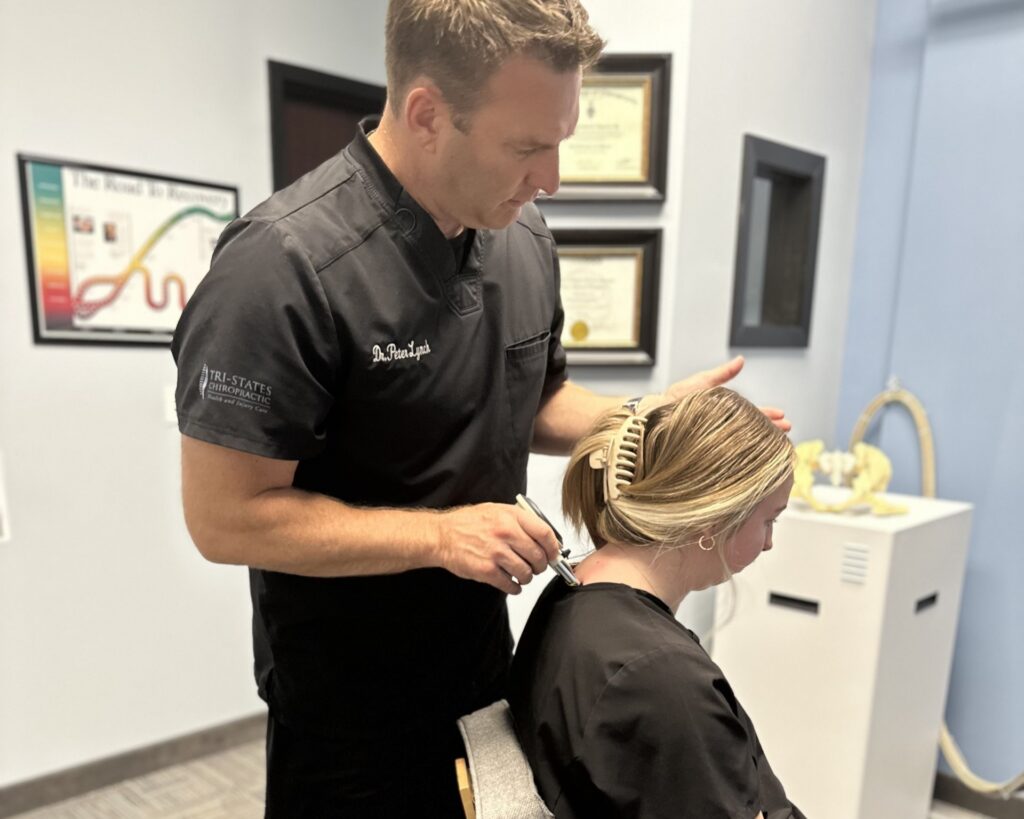
When you experience a sports injury, it's essential to understand that recovery is not solely about waiting for time to pass; it involves making the right adjustments to your healing process. As a local chiropractor, I want to highlight how crucial factors like rest, nutrition, and targeted therapies can significantly impact your recovery. Many people are unaware that chiropractic care can play a vital role in this journey.
By recognizing the specific needs of your body and incorporating tailored strategies, you can optimize your healing and return to your sport more quickly. For example, chiropractic adjustments can help alleviate pain, improve mobility, and enhance your overall function. Additionally, focusing on proper nutrition can provide the necessary building blocks for healing tissues.
So, what adjustments should you prioritize? Consider integrating regular chiropractic sessions into your recovery plan, along with a balanced diet rich in anti-inflammatory foods. These changes can make a noticeable difference in how quickly and effectively you heal from your injury. Let's work together to get you back on track!
Understanding Sports Injuries
As a local chiropractor, I want to emphasize the importance of understanding sports injuries for anyone who participates in physical activities, whether you're a casual player or a dedicated athlete. Injuries can happen at any time, affecting not just your performance but also your overall health.
It's essential to recognize that many sports injuries stem from factors like improper technique, overuse, or unexpected accidents during play. By being aware of the types of injuries that can occur, you can take proactive steps towards prevention and recovery.
Common injuries in sports include sprains, strains, fractures, and tendonitis. A sprain involves the stretching or tearing of ligaments, while a strain affects muscles or tendons. Fractures can range from minor hairline cracks to more serious breaks, and tendonitis refers to the inflammation of a tendon, often caused by repetitive movements.
Understanding these distinctions can help you identify symptoms early on, enabling you to seek appropriate treatment.
Be mindful of warning signs such as pain, swelling, or a decreased range of motion. These signals are your body's way of communicating that something isn't right. Ignoring these symptoms or pushing through the discomfort can lead to more significant problems down the line and prolong your recovery.
As a chiropractor, I advocate for a holistic approach to healing that addresses the root causes of your pain and supports your body's natural ability to recover. If you experience any of these signs, consider reaching out for an assessment. Together, we can work towards a healthier, pain-free experience in your sports activities.
The Role of Rest
As a local chiropractor, I want to emphasize the vital role that rest plays in your recovery journey. When your body is given the opportunity to rest, it can effectively heal and regain strength.
I encourage you to prioritize adequate sleep and explore active recovery techniques, as these can significantly enhance your recovery process.
It's important to find a harmonious balance between physical activity and rest, as this balance is crucial in helping you bounce back more quickly.
Importance of Adequate Sleep
As a local chiropractor dedicated to your overall health and recovery, I want to emphasize the vital role that adequate sleep plays in healing from sports injuries. When you prioritize rest, your body is given the opportunity to heal, rebuild, and restore itself effectively. Insufficient sleep can prolong your recovery process, making it more challenging to get back to your favorite activities.
Here are three important reasons why sleep is crucial for your recovery:
- Muscle Repair: During deep sleep, your body produces growth hormones that are essential for repairing muscle tissues. This process is particularly important after an injury, as it allows your body to mend and strengthen, setting the stage for a successful return to your sport.
- Pain Management: Quality sleep helps regulate your body's pain responses. When you're well-rested, you tend to be more resilient against discomfort, which can significantly enhance your mood and motivation throughout your recovery journey.
- Immune Function: A good night's sleep boosts your immune system, which is vital for warding off infections that can hinder your recovery. A robust immune system also plays a key role in reducing inflammation, thus accelerating the healing process.
Incorporating adequate sleep into your recovery plan is essential. By making it a priority, you'll likely feel stronger and more prepared to return to your sport in no time.
Active Recovery Techniques
As your local chiropractor, I want to emphasize the importance of adequate sleep in setting the foundation for effective recovery. However, I also encourage you to incorporate active recovery techniques into your daily routine to enhance your overall healing process.
Active recovery involves engaging in low-intensity exercises that promote blood flow and can significantly reduce muscle soreness without putting too much strain on your body. Activities such as walking, cycling, or swimming are excellent ways to aid your recovery while keeping your body active. These gentle movements stimulate circulation, ensuring that essential nutrients are delivered to any areas that may be injured or in need of support.
Stretching plays a vital role in this process as well. It not only improves flexibility but also helps to alleviate tension in your muscles. I recommend including yoga or light stretching sessions in your routine to help keep your body limber and promote relaxation.
Hydration is another critical aspect of recovery. Drinking plenty of water helps your body flush out toxins and reduces inflammation, which is essential for healing.
Additionally, consider incorporating foam rolling or massage into your routine. These techniques can effectively relieve tightness and improve tissue recovery, further supporting your body's natural healing processes.
Remember, your body has an incredible ability to heal itself, and by integrating these active recovery techniques, you can enhance that process and support your overall well-being.
If you have any questions about how to implement these practices or how chiropractic care can assist you in your recovery journey, please don't hesitate to reach out!
Balancing Activity and Rest
As your local chiropractor, I want to emphasize the importance of finding the right balance between activity and rest for effective recovery. Many individuals may not realize that pushing too hard can lead to setbacks, while excessive rest can stall your progress.
It's crucial to listen to your body and adapt your routine as needed. Here are three key factors to consider:
- Pay Attention to Pain Levels: When you experience pain during any activity, it's a clear indication that you need to ease up. Reducing your workload can help prevent further injury and allow your body to heal properly.
- Engage in Active Rest: Instead of completely stopping your movement, try incorporating gentle activities like walking or stretching. These low-impact movements promote blood circulation and support healing without placing additional stress on any injured areas.
- Plan Rest Days: Integrate regular rest days into your weekly schedule. These breaks are vital for your body to recover and repair itself, ultimately speeding up your healing process.
Remember, rest is just as important as activity in your journey to wellness.
Importance of Nutrition
Nutrition is a vital component in facilitating a speedy recovery from sports injuries, and as your local chiropractor, I want to emphasize how the right nutrition can enhance your healing process. When you experience an injury, your body requires specific nutrients to recover effectively, and adopting a balanced diet can significantly impact how quickly you get back on your feet.
First and foremost, let's talk about protein. This macronutrient is crucial for repairing tissues and building muscle, which is particularly important after an injury. I encourage you to include a variety of protein sources in your meals, such as lean meats, fish, eggs, and plant-based options like legumes and nuts.
A colorful plate isn't just visually appealing; it reflects a wide range of vitamins and minerals that support your recovery.
Don't overlook carbohydrates, as they're essential for providing the energy your body needs during the healing process. Opt for whole grains, fruits, and vegetables, which aren't only energy-dense but also high in fiber, aiding in digestion.
Additionally, healthy fats from sources like avocados, nuts, and olive oil play a crucial role in reducing inflammation, which can otherwise hinder your recovery.
Hydration is another critical aspect of your healing journey. Ensuring you drink enough water is essential for supporting all bodily functions, including the recovery process. Dehydration can lead to muscle cramps and fatigue, which may slow down your progress toward recovery.
Lastly, while I often advocate for obtaining nutrients through whole foods, you might consider supplements as a supportive measure. Vitamins C and D, as well as zinc, can be beneficial for healing. However, it's important to consult with a healthcare professional before adding any new supplements to your regimen.
As your chiropractor, my goal is to help you understand that nutrition is a powerful ally in your recovery. By focusing on these dietary principles, you can optimize your healing process and get back to your active lifestyle more efficiently.
Therapeutic Techniques
As a local chiropractor, I want to share how incorporating therapeutic techniques can significantly support your recovery from sports injuries.
These natural methods not only help alleviate pain but also foster healing and enhance your overall mobility. By taking a holistic approach to your rehabilitation, you can expedite your healing journey.
Here are three effective therapeutic techniques that I encourage you to explore:
1. Massage Therapy: This technique is invaluable for relieving muscle tension and boosting circulation.
By scheduling regular massage sessions, you can effectively reduce soreness and improve your flexibility. This can be instrumental in helping you get back to your sport more quickly and safely.
2. Ice and Heat Therapy: Alternating between ice and heat is a simple yet powerful method to manage pain.
Ice therapy helps to reduce inflammation and numb soreness, while heat therapy increases blood flow and relaxes tight muscles.
Utilizing both can create a balanced approach to pain management and significantly speed up your healing process.
3. Ultrasound Therapy: This innovative technique harnesses sound waves to promote tissue healing, making it particularly effective for deep tissue injuries.
Ultrasound therapy can help minimize pain and inflammation, and regular sessions can stimulate the healing process, allowing you to recover faster and more effectively.
Physical Therapy Options
As a local chiropractor dedicated to your wellness, I want to share how exploring chiropractic care can significantly enhance your recovery from sports injuries. A tailored approach to your rehabilitation is key, and chiropractic adjustments can help restore alignment, improve mobility, and promote optimal healing.
One effective method we use is spinal manipulation, which involves gentle adjustments to the spine and joints. This technique can alleviate pain, reduce inflammation, and enhance circulation, all of which are crucial for a swift recovery.
Alongside adjustments, we incorporate specific stretching and strengthening exercises aimed at the affected areas, progressively increasing their intensity as you improve.
Another beneficial option is therapeutic exercise in a supportive environment. Whether through guided movements or resistance training, these exercises help build strength and flexibility while minimizing strain on your body.
We also utilize modalities like ultrasound and electrical stimulation in our practice. These techniques can target specific areas, manage pain, and promote healing by delivering focused therapy to the injured tissues.
Open communication with your chiropractor is vital throughout your healing journey. Together, we can modify your care plan based on your progress, ensuring you stay aligned with your recovery goals.
Innovative Recovery Technologies
As a local chiropractor, I want to share some valuable insights on how innovative recovery technologies can significantly enhance your healing process, especially if you're dealing with sports injuries.
These advancements not only support your recovery but also help you regain strength and mobility more efficiently, allowing you to return to your activities with confidence.
Here are three innovative recovery technologies that I recommend considering in your recovery journey:
1. Cryotherapy: This treatment involves exposing your body to extremely cold temperatures for a short duration. It's a great way to reduce inflammation and alleviate pain, which many athletes find beneficial.
Cryotherapy can enhance blood circulation, promoting faster muscle recovery and helping you manage soreness effectively.
2. Electrical Stimulation Therapy: This technique uses electrical impulses to stimulate your muscles, which can promote healing and minimize pain.
It's particularly helpful for maintaining muscle strength during times when you might be immobile due to an injury. By incorporating this therapy, you can stay in peak condition while your body heals.
3. Laser Therapy: This non-invasive option utilizes specific wavelengths of light to stimulate healing at the cellular level.
Laser therapy can help reduce pain and inflammation, accelerate tissue repair, and improve joint mobility, making it an effective part of your recovery plan.
Incorporating these innovative recovery technologies into your routine can optimize your healing process and support your overall well-being.
If you have any questions or would like to learn more about how these therapies can benefit you, feel free to reach out!
Mental Health Considerations
As your local chiropractor, I want to emphasize the importance of paying attention to your mental health while you recover from a sports injury, in addition to your physical well-being.
It's common for injuries to affect your mood, motivation, and overall outlook on life. You may experience feelings of frustration, anxiety, or even depression as you navigate the recovery process. Acknowledging these emotions is crucial for managing them effectively.
Engaging in open conversations with your loved ones or a mental health professional can provide essential support during this time. Don't hesitate to share how you're feeling; talking about your experiences can help alleviate some of the emotional weight you may be carrying.
Additionally, setting small, achievable goals throughout your recovery can help you maintain a positive mindset. Celebrate every milestone, no matter how small, as these victories can significantly boost your confidence and motivation.
Incorporating mindfulness techniques, such as meditation or deep-breathing exercises, can also be incredibly beneficial. These practices not only reduce stress but can enhance your focus and resilience during your healing journey.
Visualizing your return to your sport can help create a mental roadmap for recovery, which can keep your spirits high.
Lastly, it's essential to remember that recovery takes time. Accepting this reality can relieve some of the pressure and foster a balanced perspective.
By prioritizing your mental health alongside your physical rehabilitation, you'll not only enhance your recovery process but also emerge stronger, both physically and mentally, ready to approach your sport with renewed enthusiasm.
As your chiropractor, I'm here to support you every step of the way in both your physical healing and mental well-being.
Monitoring Your Progress
Monitoring your progress during recovery from a sports injury is crucial for maintaining motivation and ensuring you're on the right path toward healing. As a chiropractor, I believe that closely tracking your recovery can help you acknowledge improvements, spot any setbacks, and modify your treatment plan as needed.
Here are three effective methods to help you monitor your progress:
1. Keep a Healing Journal: Document your daily experiences, including pain levels, mobility, and any exercises or therapies you've engaged in. This practice not only helps you recognize trends in your recovery but also reinforces your commitment to the natural healing process.
By noting how your body responds, you can gain insights that are valuable for both you and your chiropractor.
2. Establish Specific Recovery Goals: It's beneficial to break your recovery down into achievable milestones. For example, you might focus on regaining full range of motion in a particular joint or reducing discomfort in a specified area within a set timeframe.
By setting clear and attainable goals, you create a roadmap for your recovery that can uplift your spirits and provide motivation.
3. Schedule Regular Appointments with Your Chiropractor: Consistent check-ins with your chiropractor are essential. These professionals can offer expert guidance based on your individual healing journey.
Their insights can help tailor your recovery plan, ensuring that you're using the most effective techniques and therapies for your specific situation.
Preventing Future Injuries
As your local chiropractor, I want to share some important insights on how you can effectively prevent future injuries.
One of the key areas we focus on in chiropractic care is strengthening your muscles and joints. By doing so, you not only enhance your overall physical performance but also reduce the risk of injuries that can sideline you.
Incorporating proper warm-up techniques into your routine is crucial. This simple practice prepares your body for physical activity, ensuring that your muscles and joints are ready to perform at their best.
It's amazing how these strategies can help you stay active and enjoy your favorite activities without the fear of getting hurt.
Let's work together to explore these natural healing methods and keep you on the field and out of the treatment room.
Your body deserves the best care, and chiropractic care can play a significant role in helping you achieve that.
Strengthening Muscles and Joints
As your local chiropractor, I want to emphasize the importance of strengthening your muscles and joints, particularly in preventing future injuries.
Whether you're an athlete or simply someone who enjoys staying active, focusing on building strength in these areas provides a strong foundation to meet the demands of your sport or daily activities.
Here are three essential strategies I recommend:
1. Resistance Training: Incorporating resistance exercises, such as weightlifting or bodyweight workouts, into your routine can significantly enhance your strength.
These exercises not only build muscle but also fortify the tendons and ligaments that play a crucial role in supporting your joints, helping to prevent injuries.
2. Balance and Stability Exercises: Activities like yoga or Pilates can greatly benefit your overall coordination and stability.
By engaging in these practices, you reduce the risk of falls and awkward movements that often lead to injuries.
They also promote awareness of your body's alignment, which is essential for maintaining joint health.
3. Flexibility Training: I can't stress enough the importance of regular stretching.
Stretching helps maintain muscle elasticity, which in turn improves your range of motion.
This flexibility is key in injury prevention, as it allows your body to move more freely and efficiently during both exercise and daily activities.
By incorporating these strategies into your routine, you can lay the groundwork for a healthier, stronger body—one that's less prone to injury.
Remember, chiropractic care complements these practices by ensuring your spine and joints are aligned, further enhancing your strength and stability.
Let's work together to keep you moving well!
Proper Warm-Up Techniques
As a local chiropractor, I often emphasize the importance of a proper warm-up before engaging in any physical activity. This practice is crucial not only for preventing injuries but also for optimizing your performance. Warming up effectively increases your heart rate, boosts blood circulation to your muscles, and enhances your flexibility, all of which are key components to a safe and effective workout.
Start your warm-up with 5 to 10 minutes of light aerobic activity. This could be as simple as a gentle jog or brisk walking—activities that help get your body moving and your muscles primed for action.
Next, I recommend incorporating dynamic stretches that reflect the movements of your specific sport or activity. For instance, if you enjoy running, consider adding leg swings and high knees to your routine. These dynamic stretches not only activate your muscles but also prepare your joints for the intensity of your workout.
It's important to avoid static stretching at this stage, as it can temporarily weaken your muscles and increase your risk of injury.
Be mindful of the specific demands of your sport. If you're gearing up for a basketball game, practice shooting and dribbling; if you're heading to the gym, perform a few sets with lighter weights before progressing to your main lifts.
Finally, always listen to your body. If you notice any discomfort or unusual sensations during your warm-up, take a moment to assess the situation.
A thorough warm-up is essential for laying the groundwork for a successful workout. By incorporating these techniques, you can significantly reduce your risk of injury and enhance your overall performance. Remember, your body deserves this care and attention as you engage in your favorite physical activities.
Conclusion
As a local chiropractor, I want to share some key adjustments that can significantly enhance your recovery from sports injuries. It's essential to prioritize rest, as your body needs time to heal. Nourishing yourself with proper nutrition is equally important—consuming the right foods can provide the nutrients necessary for recovery.
Additionally, I encourage you to explore therapeutic techniques tailored to your specific needs, such as chiropractic adjustments, which can help align your body and promote healing. Don't underestimate the importance of mental health during your recovery journey; maintaining a positive mindset can have a profound impact on your healing process.
Staying proactive is crucial; regularly monitoring your progress and implementing injury prevention strategies will not only help you recover more quickly but will also improve your overall athletic performance. By embracing this holistic approach to healing, you'll be on your way to getting back to the activities you love in no time. Remember, natural healing is a powerful ally in your recovery journey!