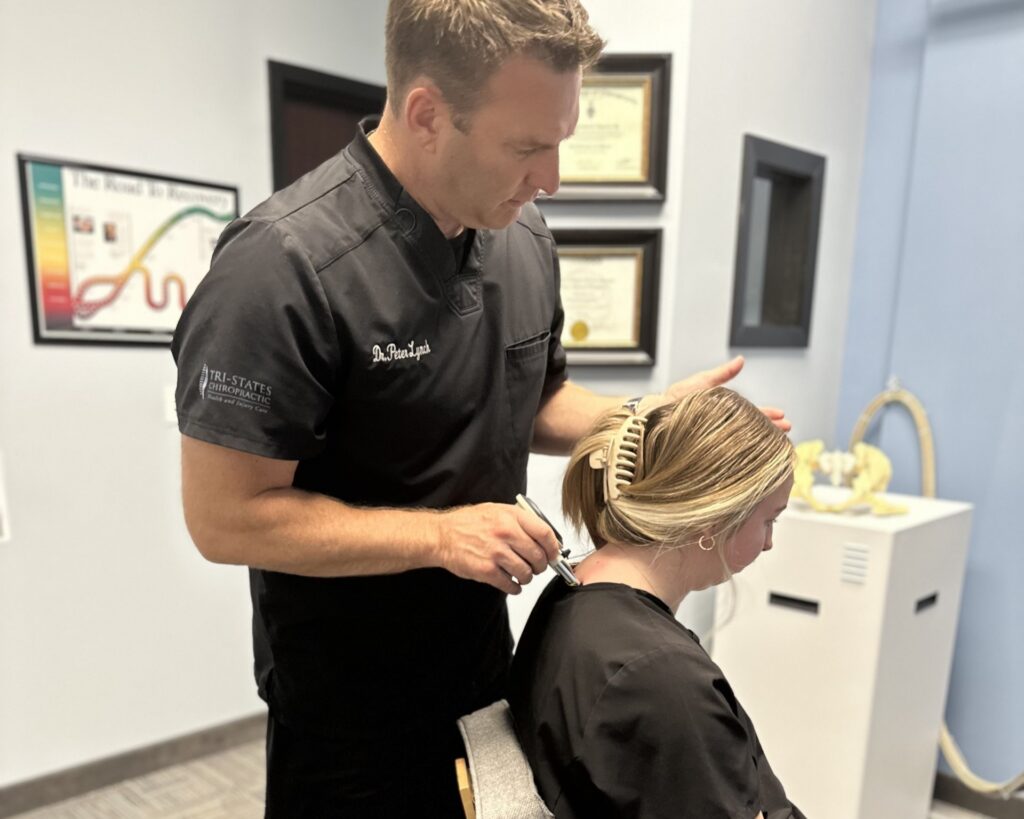
If you’ve ever experienced a headache, you know just how disruptive it can be to your daily life. Fortunately, chiropractors are here to help with various types of headaches, including tension headaches, migraines, and more. Each type of headache has its own unique triggers and symptoms, which is why personalized treatment is so important.
Chiropractic care focuses on the spine and its connection to the nervous system, which plays a vital role in how we experience pain. By addressing misalignments in the spine, chiropractors can help reduce headache frequency and intensity, leading to a more enjoyable and pain-free life.
Understanding the different types of headaches can empower you to take control of your pain management. Here are some common headache types that chiropractic care can effectively address:
- Tension Headaches: Often triggered by stress and muscle tension, these headaches can be relieved through spinal adjustments and relaxation techniques.
- Migraines: These debilitating headaches can be influenced by spinal health. Chiropractic adjustments may help alleviate the severity and frequency of migraines.
- Cervicogenic Headaches: Originating from issues in the neck, these headaches can be treated through targeted chiropractic care that focuses on spinal alignment.
- Cluster Headaches: While challenging to treat, chiropractic care may help reduce the intensity and frequency of these headaches by improving overall spinal health.
- Sinus Headaches: Misalignments in the cervical spine can contribute to sinus pressure; chiropractic adjustments can help relieve this tension.
- Hormonal Headaches: These can be linked to changes in the body. Chiropractic care focuses on overall wellness, which may help balance your body’s systems.
- Rebound Headaches: Often caused by overuse of pain medications, these headaches can be managed through chiropractic care, which encourages natural healing.
To help manage headaches effectively, consider incorporating these general tips into your routine:
- Stay Hydrated: Dehydration can lead to headaches, so make sure you drink plenty of water throughout the day.
- Practice Good Posture: Maintaining proper posture can reduce tension in your neck and shoulders, which may help prevent headaches.
- Manage Stress: Engage in relaxation techniques such as deep breathing, meditation, or yoga.
- Regular Chiropractic Care: Consistent visits to your chiropractor can help maintain spinal health and reduce headache occurrences.
By understanding the types of headaches and how chiropractic care can assist, you can take proactive steps toward achieving optimal health and wellness. Remember, natural solutions and a healthy lifestyle can offer you the relief you seek without the need for medications or surgical options. Let chiropractic care guide you on your journey to a headache-free life!
Key Takeaways
As a local chiropractor dedicated to promoting health and wellness, I want to share some valuable insights on how chiropractic care can help with various types of headaches. Our approach focuses on natural healing and spinal education, ensuring you can achieve optimal health without the need for medications or surgeries.
- Tension Headaches: These headaches often result from muscle tension and spinal misalignments. Through gentle chiropractic adjustments, we can relieve that dull, aching pain by addressing the root causes. Regular stretching, staying hydrated, and practicing relaxation techniques can also help manage tension and prevent future headaches.
- Migraines: Migraines can be debilitating, but chiropractic care offers a holistic approach to management. Adjustments improve blood flow and reduce tension in the body, which may help lessen the frequency and intensity of migraine attacks. Remember to stay well-hydrated, manage your stress levels, and consider incorporating mindfulness practices into your routine.
- Cervicogenic Headaches: Originating from neck issues, cervicogenic headaches can be effectively treated with chiropractic care. Gentle adjustments can relieve tension in the neck and enhance mobility, helping to alleviate pain. Additionally, simple neck stretches and maintaining good posture can further support your recovery.
- Cluster Headaches: These headaches can be particularly intense, but chiropractic adjustments can help by improving spinal alignment and reducing neck tension. Staying hydrated and finding relaxation techniques that work for you can play a crucial role in managing cluster headaches.
- Sinus Headaches: If you’re struggling with sinus headaches, chiropractic care can provide relief by improving spinal alignment and aiding sinus drainage. Alongside adjustments, consider practicing hydration and nasal irrigation to support your overall sinus health.
Remember, chiropractic care is a natural and effective way to relieve headache pain and promote overall wellness. By incorporating these tips and seeking regular chiropractic adjustments, you can take control of your health and enjoy a pain-free life!
Tension Headaches
When faced with tension headaches, finding relief can feel like an uphill struggle. These headaches often arise from stress, poor posture, or tight muscles in your neck and shoulders. You may experience a dull, aching pain that wraps around your head, making concentration difficult. Identifying your triggers is crucial; long hours at your desk or insufficient sleep can worsen your discomfort.
Chiropractic care can be a transformative solution for managing tension headaches. As a chiropractor, I focus on pinpointing muscle tension and misalignments that contribute to your headaches. Through gentle adjustments and soft tissue techniques, I can help relieve pressure, promote better spinal alignment, and improve your overall function.
Regular chiropractic visits can enhance your posture and potentially decrease the frequency and intensity of tension headaches.
In addition to chiropractic care, here are some simple tips to help manage and prevent tension headaches:
- Practice Good Posture: Ensure your workstation is ergonomically friendly to reduce strain on your neck and shoulders.
- Stay Hydrated: Drinking plenty of water can help prevent headaches caused by dehydration.
- Take Breaks: If you’re working at a desk, remember to take regular breaks to stretch and reset your posture.
- Manage Stress: Incorporate relaxation techniques such as deep breathing, meditation, or yoga into your routine to help reduce stress levels.
- Get Enough Sleep: Aim for 7-9 hours of quality sleep each night to support overall wellness.
Don’t let tension headaches dictate your life—embrace the benefits of chiropractic treatment and reclaim your daily activities without pain. Together, we can work towards achieving your optimal health and well-being naturally.
Migraine Headaches
Migraine headaches can be triggered by a variety of factors, and recognizing these can empower you to manage your symptoms more effectively. As a local chiropractor, I want to share how chiropractic treatment can provide natural relief and enhance your overall well-being.
Common triggers for migraines may include stress, dietary choices, poor posture, and lack of sleep. By addressing these factors through chiropractic care, you can take proactive steps toward a healthier, pain-free life. Chiropractic adjustments help to align your spine, which can reduce tension and improve blood flow, potentially decreasing the frequency and intensity of migraines.
Here are some simple tips to help you manage migraines and enhance your wellness:
- Stay Hydrated: Drink plenty of water throughout the day to help prevent dehydration, a common migraine trigger.
- Maintain Good Posture: Be mindful of your posture, especially if you spend long hours sitting at a desk. Proper alignment can help reduce tension in your neck and shoulders.
- Manage Stress: Incorporate stress-relief techniques such as deep breathing, meditation, or yoga into your daily routine to help keep stress levels in check.
- Regular Chiropractic Visits: Regular adjustments can keep your spine aligned and help manage migraine symptoms over time.
- Sleep Well: Aim for a consistent sleep schedule and create a calming bedtime routine to improve the quality of your sleep.
By incorporating these practices into your life and considering chiropractic care as a primary approach to managing migraines, you can work towards achieving optimal health and wellness naturally.
Common Migraine Triggers
Many people may not realize that certain everyday triggers can lead to a migraine attack. Understanding and identifying these triggers is essential for managing headaches and promoting overall health and wellness.
One common trigger is stress, which can create tension and worsen your symptoms. Incorporating chiropractic care into your routine can help alleviate tension in the spine and neck, promoting relaxation and reducing stress levels.
Another important factor is maintaining a balanced diet and staying hydrated. Skipping meals or becoming dehydrated can trigger migraines, so it’s crucial to nourish your body with healthy foods and drink plenty of water. Regular chiropractic adjustments can also support your digestive health, helping you maintain a balanced diet.
Hormonal changes, particularly in women during menstruation or menopause, can significantly impact migraine frequency. While chiropractic care may not directly address hormonal fluctuations, it can enhance your overall physical well-being and help your body adapt to these changes more smoothly.
Environmental factors like bright lights, loud noises, and strong odors can also contribute to migraine onset. Practicing mindfulness and relaxation techniques can help you cope with these triggers, and chiropractic care can assist in reducing sensitivity to stressors by aligning your spine and improving your nervous system function.
Lastly, certain foods—such as aged cheeses, chocolate, and alcohol—may act as triggers. Keeping a food diary can help you identify any patterns and make dietary adjustments.
Remember, chiropractic care promotes holistic wellness, so maintaining a healthy lifestyle can also aid in reducing the frequency of migraine attacks.
Chiropractic Treatment Benefits
Understanding your migraine triggers is just the first step in managing these challenging headaches. As a local chiropractor, I’m here to share how chiropractic treatment can offer significant relief and enhance your overall quality of life. By focusing on spinal alignment and muscle tension, we can help reduce the frequency and intensity of your migraines naturally.
Here are some key benefits of chiropractic care that you should consider:
- Realigned spine: When your spine is properly aligned, it alleviates pressure on your nerves, which can lead to decreased pain and discomfort. This realignment is essential for optimal nervous system function.
- Muscle relaxation: Techniques we use, such as gentle adjustments and therapeutic massage, can help ease tight muscles that may trigger migraines. Relaxed muscles contribute to overall comfort and well-being.
- Holistic approach: My practice embraces a holistic approach, which means I consider your entire lifestyle. I provide personalized advice on nutrition, stress management, and exercises that fit your unique needs, helping you tackle the root causes of your migraines.
By choosing chiropractic care, you’re taking an empowered step toward controlling your migraines and enhancing your daily life. Remember, a healthy spine is a cornerstone of a healthy body.
Here are some simple tips you can incorporate into your routine:
- Stay hydrated: Drink plenty of water throughout the day to help reduce headache triggers.
- Manage stress: Consider activities like yoga or meditation to promote relaxation and reduce tension.
- Maintain good posture: Be mindful of your posture, especially when sitting for long periods, to help keep your spine aligned.
Embracing chiropractic treatment can help you achieve optimal health and enjoy life to the fullest, free from the burden of migraines. If you’re ready to explore how chiropractic care can benefit you, I invite you to reach out for a consultation. Together, we can work towards a healthier, happier you!
Cervicogenic Headaches
Cervicogenic headaches can be a real challenge, originating from issues in your cervical spine or neck. They often cause pain that radiates from the neck to areas such as the forehead, temples, or behind the eyes. This discomfort can significantly affect your daily life, making it harder to focus on work or enjoy time with loved ones.
These headaches often arise from poor posture, muscle tension, or previous injuries, and specific neck movements or activities can trigger them.
Chiropractic care is a fantastic option for addressing cervicogenic headaches. As your local chiropractor, I’ll examine your spinal alignment and pinpoint any dysfunctions that may be contributing to your pain. Through gentle, targeted adjustments and therapeutic techniques, I can help relieve tension in your neck, improve your mobility, and reduce the frequency of your headaches.
In addition to chiropractic adjustments, there are simple exercises and ergonomic adjustments you can incorporate into your daily routine for added relief. Keeping a mindful approach to your posture, taking regular breaks to stretch, and ensuring your workspace is set up to support your body can make a world of difference.
By focusing on the root cause of your cervicogenic headaches, you’ll be better equipped to manage and prevent them, paving the way for a more active and fulfilling life.
Cluster Headaches
If you’ve ever experienced the excruciating pain of cluster headaches, you know just how debilitating they can be. Often described as one of the most intense types of headaches, they can strike suddenly, leaving you feeling overwhelmed. These headaches typically occur in cyclical patterns, with episodes lasting weeks or even months.
When a cluster headache hits, you might find yourself grappling with:
- A sharp, burning sensation concentrated around one eye
- Excessive tearing or noticeable redness in the affected eye
- A sense of restlessness or agitation, which can make it difficult to stay still
As a local chiropractor, I want to emphasize that you don’t have to endure this pain alone. Chiropractic care can play a significant role in alleviating the discomfort associated with cluster headaches. By addressing spinal misalignments and reducing tension in your neck and shoulders, chiropractic adjustments can help restore balance to your nervous system and promote natural healing.
Here are some general tips to help manage cluster headaches and improve your overall wellness:
- Stay Hydrated: Drink plenty of water throughout the day to keep your body functioning optimally.
- Practice Relaxation Techniques: Incorporate deep breathing, meditation, or gentle yoga into your daily routine to help reduce stress and tension.
- Maintain Good Posture: Being mindful of your posture can relieve pressure on your spine and reduce headache triggers.
- Regular Chiropractic Care: Schedule consistent visits with your chiropractor to maintain spinal health and prevent headaches from recurring.
- Sleep Hygiene: Establish a regular sleep schedule and create a restful environment to improve your sleep quality, which can also help minimize headache episodes.
If you’re struggling with cluster headaches, seeking chiropractic care could be a vital step toward regaining control over your life. Together, we can work towards a natural, effective approach to managing your headaches and enhancing your overall well-being.
Sinus Headaches
Sinus headaches can feel like a heavy weight pressing down on your forehead and cheeks, often bringing along congestion and facial discomfort. They usually occur when your sinuses become inflamed due to allergies, infections, or irritants. You might notice a build-up of pressure around your eyes, nose, and forehead, which can make it challenging to focus or enjoy your daily activities.
As a chiropractor, I want to share how chiropractic care can be a natural and effective way to relieve sinus headaches. Misalignments in your spine and neck can contribute to sinus pressure, and gentle adjustments can help improve your overall alignment. This not only promotes better drainage in the sinus cavities but also enhances your immune system, potentially reducing the frequency of sinus infections.
If you find yourself struggling with sinus headaches, visiting a chiropractor could be a great choice. We can create a personalized treatment plan tailored to your specific needs, helping you find relief and regain control over your well-being.
In addition to chiropractic care, here are some general tips to help manage sinus headaches:
- Stay Hydrated: Drinking plenty of water can help thin mucus and promote drainage.
- Use a Humidifier: Keeping the air moist can reduce sinus irritation and congestion.
- Practice Good Posture: Maintaining proper posture can alleviate neck and back strain, which may contribute to sinus pressure.
- Try Nasal Irrigation: Rinsing your nasal passages with saline can help clear out allergens and irritants.
- Incorporate Breathing Exercises: Deep breathing can help reduce stress and promote relaxation, which may ease headache tension.
Hormonal Headaches
Hormonal headaches can be a challenging experience, often occurring when your body’s hormone levels fluctuate—especially during menstruation, pregnancy, or menopause. These headaches can feel overwhelming, interrupting your daily activities with throbbing pain and discomfort.
If you find yourself dealing with these headaches, you might experience:
- A heavy, dull pressure around your temples that can be hard to ignore.
- Increased sensitivity to light and sound, making even the quietest environments seem unbearable.
- Nausea that can leave you feeling fatigued and irritable.
As a chiropractor, I want to emphasize that there are natural ways to find relief from hormonal headaches, and chiropractic care is a fantastic option. By focusing on spinal alignment and relieving tension in the neck and shoulders, we can help alleviate the symptoms you’re experiencing.
Proper spinal alignment is crucial for overall health, as it affects how your body functions and can influence your hormone levels.
In addition to chiropractic adjustments, here are some helpful tips to manage hormonal headaches:
- Stay Hydrated: Dehydration can exacerbate headaches, so make sure you’re drinking enough water throughout the day.
- Practice Stress Management: Techniques like deep breathing, yoga, or meditation can help reduce stress, which may lessen headache frequency.
- Maintain a Healthy Diet: Eating a balanced diet rich in fruits, vegetables, and whole grains can support your overall well-being and help stabilize hormone levels.
- Regular Exercise: Engaging in regular physical activity can boost your mood and reduce tension in your body, which may help prevent headaches.
- Get Enough Sleep: Aim for a consistent sleep schedule to ensure your body gets the rest it needs to regulate hormones effectively.
Don’t let hormonal headaches control your life. By incorporating these tips and seeking chiropractic care, you can take meaningful steps toward achieving optimal health and wellness.
Rebound Headaches
Rebound headaches can be a frustrating cycle that many people experience, often stemming from the overuse of pain medication. When you find yourself frequently reaching for pain relief, your body can become dependent on those medications to function. As the effects wear off, you may end up with headaches that feel even worse, leading you to take more medication. This cycle can be difficult to break, but there’s hope!
As a local chiropractor, I want to share how chiropractic care can help you manage and overcome rebound headaches. By focusing on the underlying tension and misalignments in your spine, chiropractic adjustments can alleviate pressure and promote better overall well-being.
Regular chiropractic care not only addresses your immediate discomfort but also supports your body in functioning optimally. In addition to spinal adjustments, I can provide guidance on reducing dependence on medication and suggest natural pain management strategies.
Simple lifestyle changes—like staying hydrated, practicing good posture, and incorporating stress-relief techniques such as yoga or meditation—can also make a significant difference in your headache frequency and intensity.
Remember, breaking the cycle of rebound headaches is possible with the right support and a commitment to natural healing. By choosing chiropractic care, you’re taking a proactive step towards regaining control over your health and finding lasting relief.
Let’s work together to create a healthier, pain-free future!