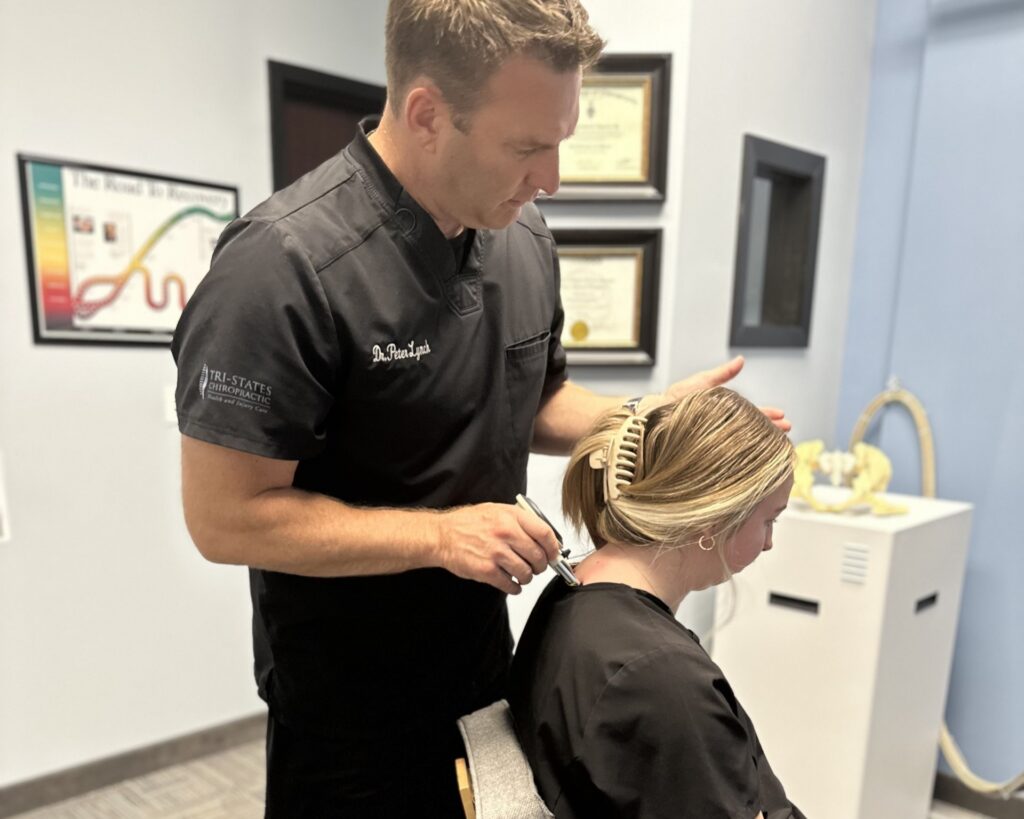
If you’re dealing with migraines, chiropractic care could be your key to finding relief. By concentrating on spinal alignment and enhancing nerve function, chiropractors can help lessen the frequency and intensity of your headaches. You might be amazed to learn how techniques such as spinal manipulation and posture correction can significantly impact your migraine management.
Here are the top ten ways chiropractic care can transform your approach to headaches:
- Spinal Alignment: Proper alignment of your spine is crucial for optimal nerve function, which can help reduce the occurrence of migraines.
- Reduced Muscle Tension: Chiropractic adjustments can alleviate muscle tension in your neck and shoulders, which often contributes to headache pain.
- Improved Posture: By correcting your posture, you can prevent strain on your neck and back, which may trigger migraines.
- Enhanced Blood Flow: Chiropractic care promotes better circulation, ensuring that your brain receives the oxygen and nutrients it needs to function properly.
- Stress Relief: Regular chiropractic visits can help reduce stress and tension, common triggers for migraines.
- Holistic Approach: Chiropractors focus on treating the whole person, not just the symptoms. This can lead to a more comprehensive understanding of your health.
- Natural Healing: Chiropractic care emphasizes natural healing methods, steering clear of medications and surgeries that can have unwanted side effects.
- Lifestyle Guidance: Chiropractors often provide advice on nutrition, exercise, and wellness practices that can help you manage your migraines more effectively.
- Personalized Treatment Plans: Each patient is unique. Chiropractors tailor their approaches to meet your specific needs, ensuring you receive the best care possible.
- Ongoing Support: Chiropractic care is a journey. Regular visits can help you stay on track with your health goals and monitor your progress over time.
By considering chiropractic care, you’re choosing a natural and effective path towards better health and wellness. If you’re curious about how these insights can help you manage your migraines, don’t hesitate to reach out. Together, we can explore how chiropractic care can make a difference in your life.
Key Takeaways
Chiropractic adjustments are a powerful way to improve spinal alignment, which can help reduce muscle tension and nerve irritation. This means fewer migraines and less intense pain for those who suffer from these debilitating headaches.
By using techniques like spinal manipulation and soft tissue therapy, we can target those tight muscles that contribute to migraines. This not only helps relieve pain but also enhances circulation and promotes overall wellness, making it easier for migraine sufferers to enjoy their daily lives.
It’s also important to maintain good posture and engage in regular physical activity. These habits help prevent misalignments in the spine and reduce the tension that can trigger migraines. Simple exercises and stretches can go a long way in keeping your body aligned and healthy.
In addition to chiropractic care, other complementary therapies such as acupuncture and massage can be beneficial. Together, they provide a holistic approach to managing and relieving migraines, allowing you to explore various options for your health and wellness.
Working closely with a qualified chiropractor can lead to a personalized treatment plan that addresses your specific migraine patterns. By tracking your symptoms and progress, we can adjust your care to ensure the best outcomes in managing your migraines.
Remember, taking care of your spine and overall health is vital for reducing migraine occurrences. Simple lifestyle changes, like staying active, maintaining good posture, and seeking regular chiropractic care, can make a significant difference in your quality of life.
Understanding the Link Between Spinal Alignment and Migraines
When you experience migraines, it’s important to understand how spinal alignment can significantly impact their frequency and intensity. Your spine plays a crucial role in housing the central nervous system, and any misalignments can interfere with the communication between your brain and body. Misalignment often leads to increased tension in the neck and shoulders, which can trigger or worsen migraine symptoms.
By focusing on maintaining proper spinal alignment, you can support your overall health and potentially reduce the likelihood of experiencing migraines. Consider how your posture influences your daily life. Simple habits like slouching or straining your neck can create imbalances that contribute to discomfort and pain. Even small adjustments, such as being mindful of your posture while sitting or using supportive chairs, can make a significant difference in how you feel.
Understanding the connection between spinal health and migraines empowers you to take proactive steps in managing your discomfort. Regular chiropractic care is an excellent way to ensure your spine stays aligned, promoting better communication within your nervous system and helping alleviate migraine symptoms.
Here are some general tips to help you maintain better spinal alignment and improve your overall well-being:
- Practice Good Posture: Whether you’re sitting at a desk or standing, keep your back straight and shoulders back. This reduces strain on your spine and neck.
- Stay Active: Regular physical activity strengthens the muscles that support your spine. Consider low-impact exercises like walking, swimming, or yoga.
- Ergonomic Workspace: If you work at a desk, make sure your chair and computer setup promote good posture. Your monitor should be at eye level, and your feet should rest flat on the floor.
- Stretch Regularly: Incorporate stretching into your daily routine to relieve tension in your neck, shoulders, and back.
- Visit Your Chiropractor: Regular chiropractic adjustments can help maintain proper spinal alignment, reducing the risk of migraines and enhancing your overall health.
How Chiropractic Adjustments Can Reduce Headache Frequency
Chiropractic adjustments are a powerful way to enhance your spinal alignment, which is vital for reducing the frequency of headaches. When your spine is properly aligned, it helps to ease tension in your muscles and nerves, providing relief from the stress that can often lead to headaches.
By addressing misalignments, chiropractic care not only helps to alleviate pain but also promotes overall wellness. Incorporating regular chiropractic adjustments into your wellness routine can make a significant difference in how often you experience headaches. Many patients report fewer migraines and a notable improvement in their quality of life after starting chiropractic care.
Here are some simple tips you can use to support your health and wellness at home:
- Maintain Good Posture: Be mindful of your posture, especially when sitting for long periods. This can help prevent misalignments that contribute to headaches.
- Stay Hydrated: Dehydration can trigger headaches, so drink plenty of water throughout the day.
- Incorporate Stretching: Regularly stretch your neck and shoulders to relieve tension that may build up and lead to headaches.
- Manage Stress: Practice relaxation techniques like deep breathing, yoga, or meditation to help reduce stress levels.
- Get Regular Chiropractic Care: Make chiropractic adjustments a part of your health routine to keep your spine aligned and your body functioning optimally.
By choosing chiropractic care, you’re taking proactive steps towards not just pain relief, but also achieving a healthier, more balanced life.
Spinal Alignment Benefits
Spinal alignment is crucial for maintaining overall health and can significantly reduce the frequency of migraines. Misalignments in the spine can lead to increased tension and irritation of the nerves, which are common triggers for headaches. When your spine is properly aligned, it supports optimal nerve function and blood circulation throughout your body.
Chiropractic adjustments focus on realigning specific vertebrae that may be contributing to your headaches. By restoring balance to your spine, you can experience a decrease in muscle tension and improved mobility in your neck and shoulders. This can lead to fewer migraines over time, allowing you to enjoy a better quality of life.
In addition to immediate relief, regular chiropractic care promotes long-term spinal health. It’s a natural approach to wellness that helps you manage pain without the need for medications or invasive procedures.
Here are some simple tips to enhance your spinal health at home:
- Maintain Good Posture: Be mindful of your posture while sitting or standing. Keeping your back straight and shoulders relaxed can help prevent misalignments.
- Stay Active: Regular physical activity strengthens the muscles that support your spine. Consider incorporating exercises that focus on core strength and flexibility.
- Stretch Regularly: Gentle stretching can alleviate tension in your neck and shoulders, reducing the likelihood of headaches. Simple neck stretches can be done throughout the day.
- Stay Hydrated: Drinking plenty of water supports overall health and helps maintain proper spinal function.
- Practice Stress Management: Techniques such as deep breathing, meditation, or yoga can help reduce stress, which is often a contributing factor to migraines.
If you’re dealing with migraines, consider the benefits of chiropractic care for achieving spinal alignment and overall wellness. It can make a significant difference in your life, helping you feel your best naturally.
Tension Relief Techniques
Proper spinal alignment is vital for your overall health and can significantly reduce the frequency of headaches. As a chiropractor, I want to share some effective tension relief techniques that address the root causes of migraines and promote natural healing.
Here are a few methods I often use in my practice:
- Spinal Adjustments: These gentle realignments of the vertebrae help relieve pressure on the nerves, promoting better communication between your body’s systems and ultimately reducing headache pain.
- Soft Tissue Therapy: By targeting and releasing tight muscles, we can alleviate tension that contributes to headaches. This hands-on technique helps your body relax and recover naturally.
- Postural Correction: Many headaches stem from poor posture, which puts extra strain on your neck and back. By teaching you simple adjustments to your posture, we can reduce this strain and help you feel more comfortable throughout your day.
- Lifestyle Recommendations: I provide personalized tips on stress management, staying hydrated, and creating an ergonomic workspace. These small changes can make a big difference in how you feel.
Incorporating these chiropractic techniques into your routine can greatly decrease both the frequency and intensity of your headaches.
Remember, a balanced spine leads to a balanced body. Embrace these natural methods for pain relief and experience the benefits of chiropractic care on your journey to optimal health.
If you’re ready to take control of your well-being, I’m here to help!
The Role of Nerve Function in Migraine Management
Understanding how nerve function influences migraine management can significantly improve your approach to finding relief. Nerve pathways are crucial for transmitting pain signals and regulating important bodily functions. When your nerves are operating optimally, you may experience fewer or less intense migraines.
However, disruptions—like misalignments in the spine—can lead to increased nerve irritation, which may trigger a migraine.
As a chiropractor, I focus on restoring proper nerve function through spinal adjustments and gentle techniques. By ensuring your spine is aligned, you can alleviate pressure on your nerves, which may help reduce the likelihood of migraine attacks.
Plus, when your nerve function improves, it can enhance blood flow and promote healing, contributing to your overall well-being.
Here are a few simple tips to support your nerve health and potentially reduce migraine occurrences:
- Stay Hydrated: Dehydration can trigger migraines, so make sure you drink plenty of water throughout the day.
- Maintain Good Posture: Poor posture can strain your spine and irritate your nerves. Be mindful of how you sit and stand, especially if you work at a desk for long hours.
- Manage Stress: Stress can be a significant migraine trigger. Consider incorporating relaxation techniques such as deep breathing, meditation, or yoga into your daily routine.
- Get Regular Chiropractic Care: Regular visits to a chiropractor can help keep your spine aligned and your nerves functioning well, reducing your chances of experiencing migraines.
- Practice Healthy Eating: A balanced diet can have a positive impact on your overall health. Certain foods may trigger migraines for some individuals, so pay attention to what you eat and how it affects you.
Ultimately, understanding the connection between nerve function and migraines empowers you to take proactive steps in managing your condition effectively.
Specific Chiropractic Techniques for Treating Migraines
Many individuals suffering from migraines often turn to medications for relief, but as a local chiropractor, I want to share how specific chiropractic techniques can provide a natural and effective alternative.
By focusing on the alignment of your spine and enhancing nerve function, chiropractic care can help reduce both the frequency and intensity of migraines. Here are four chiropractic techniques that may benefit you:
- Spinal Manipulation: This technique involves gentle adjustments to your spine. By alleviating tension and restoring proper alignment, spinal manipulation can help eliminate migraine triggers. Regular visits can keep your spine in optimal shape, leading to fewer headaches.
- Cervical Mobilization: Through gentle movements of the cervical spine, this technique improves mobility and reduces pain. If you often experience tightness in your neck, cervical mobilization can provide much-needed relief from your migraine symptoms.
- Trigger Point Therapy: This method focuses on tight muscles and knots that can refer pain to your head. By targeting these areas, trigger point therapy can help ease the discomfort associated with migraines, allowing you to feel more relaxed and pain-free.
- Soft Tissue Therapy: Techniques such as massage play a crucial role in chiropractic care. By relaxing muscles and improving circulation, soft tissue therapy promotes overall head and neck health, contributing to a decrease in migraine occurrences.
In addition to these techniques, here are a few general tips for managing migraines:
- Stay Hydrated: Dehydration can trigger headaches, so make sure to drink plenty of water throughout the day.
- Maintain Good Posture: Poor posture can lead to tension in your neck and back. Be mindful of your alignment while sitting or standing.
- Practice Stress-Relief Techniques: Incorporate relaxation practices such as deep breathing, yoga, or meditation into your routine. These can help reduce stress levels, which is a common migraine trigger.
By prioritizing chiropractic care, you can achieve optimal health and experience a natural, holistic approach to pain relief.
If you’re struggling with migraines, consider scheduling an appointment to explore how chiropractic techniques can make a difference in your life.
The Importance of Posture in Migraine Prevention
Good posture is crucial for preventing migraines, as it significantly influences the alignment of your spine and the tension in your muscles. When you maintain proper posture, you not only reduce strain on your neck and back but also lower your risk of triggering a migraine.
On the other hand, slouching or hunching over can lead to muscle tightness and nerve irritation, setting the stage for a headache.
As a chiropractor, I want to emphasize the importance of being mindful of your body alignment throughout the day. Keep your shoulders back and your head aligned with your spine while sitting or standing.
It’s also essential to make adjustments to your workstation—ensure that your computer screen is at eye level to prevent unnecessary strain on your neck.
Incorporating regular breaks into your routine to stretch and move is vital. Simple stretches can relieve tension and promote better posture.
Additionally, exercises that strengthen your core and back muscles are beneficial in supporting your spine and encouraging healthy alignment.
Chiropractic care is an excellent way to achieve and maintain optimal posture. Regular adjustments can help correct misalignments, alleviate muscle tension, and improve overall spinal health, which in turn can help prevent migraines.
By prioritizing your posture and considering chiropractic care as part of your wellness journey, you can take proactive steps to reduce the risk of migraines and enhance your overall well-being.
Lifestyle Changes to Complement Chiropractic Care
To truly maximize the benefits of your chiropractic care for migraines, it’s essential to adopt some supportive lifestyle changes.
Emphasizing proper nutrition and staying well-hydrated can significantly enhance your overall health and complement your treatment. Incorporating stress management techniques, such as deep breathing exercises or gentle yoga, can also play a crucial role in alleviating tension that may trigger migraines.
By making these simple adjustments, not only do you support your chiropractic treatment, but you also take proactive steps toward reducing the frequency and intensity of your migraines.
Remember, chiropractic care is a natural and effective approach to achieving optimal health, and these lifestyle changes can enhance your journey towards wellness.
Focus on nourishing your body and mind, and you’ll likely find a significant improvement in your well-being.
Nutrition and Hydration
Nutrition and hydration are crucial components in managing migraines, particularly when paired with chiropractic care. By making mindful dietary choices and ensuring proper hydration, you can significantly lessen the frequency and intensity of your migraine attacks. Here are some simple tips to consider:
- Stay Hydrated: Aim to drink at least eight glasses of water each day. Dehydration is a common trigger for migraines, and staying well-hydrated can help keep those headaches at bay.
- Eat Regular Meals: Skipping meals can lead to low blood sugar, which may trigger or worsen migraines. Make it a habit to enjoy balanced meals at regular intervals throughout the day.
- Limit Caffeine: While some individuals find that caffeine helps alleviate their migraines, for others, it can be a trigger. Pay attention to how your body reacts and adjust your intake accordingly.
- Incorporate Magnesium-Rich Foods: Foods such as spinach, nuts, and whole grains aren’t only nutritious but may also help in preventing migraines. Incorporate these into your meals to support your overall health.
By following these nutritional tips and combining them with chiropractic care, you can enhance your wellness journey and promote a healthier lifestyle.
Chiropractic adjustments can help align your spine and improve your body’s function, making it easier for you to maintain good health and manage pain naturally.
Stress Management Techniques
While chiropractic care is a fantastic way to address physical tension and misalignments that can lead to migraines, managing stress is just as important for reducing their frequency and intensity. By incorporating stress management techniques into your daily routine, you can significantly improve your overall well-being.
Start with mindfulness or meditation—these practices only require a few minutes each day and can help you center your thoughts. Regular exercise is also a key component; aim for at least 30 minutes most days. This doesn’t have to be strenuous; even a brisk walk can release endorphins and reduce stress levels.
Deep breathing exercises are another great tool. Taking a few moments to focus on your breath can calm your nervous system during overwhelming times.
Additionally, never underestimate the power of a good night’s sleep. Ensuring you get enough rest can help prevent fatigue, which often makes stress and migraines worse.
By complementing your chiropractic care with these simple lifestyle changes, you’ll be better equipped to manage migraines and enhance your quality of life.
The Impact of Stress on Migraines and How Chiropractors Help
Stress can significantly trigger migraines, making it crucial to understand how these two are interconnected. When you’re under stress, your body responds by tightening muscles and releasing hormones, which can lead to an increase in the frequency and intensity of migraines. Here’s how stress can impact your migraines:
- Muscle Tension: Stress often leads to tension in your neck and shoulders, which can contribute to headaches. Regular chiropractic adjustments can help relieve this tension, promoting relaxation and reducing headache pain.
- Hormonal Changes: Stress hormones can affect your body’s chemistry, making you more susceptible to migraines. Chiropractic care helps restore balance in your body, which may mitigate the effects of these hormonal fluctuations.
- Sleep Disruption: Elevated stress levels can interfere with your sleep patterns, a common trigger for migraines. Chiropractors can provide guidance on posture and relaxation techniques that promote better sleep, helping you wake up feeling refreshed and less prone to headaches.
- Increased Sensitivity: Stress can heighten your sensitivity to other migraine triggers, such as bright lights and loud sounds. By addressing the root causes of stress through chiropractic adjustments, you can lower your overall sensitivity and enjoy a better quality of life.
Chiropractors are dedicated to helping you manage stress naturally through spinal adjustments and holistic wellness strategies. By focusing on restoring balance and relieving tension in your body, chiropractic care can play a vital role in reducing the severity and frequency of your migraines.
To enhance your wellness journey, consider incorporating some simple tips into your daily routine:
- Practice deep breathing exercises to help manage stress.
- Stay hydrated, as dehydration can also trigger migraines.
- Maintain good posture, especially if you spend long hours at a desk.
- Prioritize sleep by establishing a calming bedtime routine.
Case Studies: Success Stories of Chiropractic Care for Migraines
Chiropractic care has emerged as a powerful solution for many individuals seeking relief from migraines, and the success stories of patients truly underscore its effectiveness.
Take Sarah, for example. After years of enduring debilitating migraines, she decided to visit a chiropractor. After just a few sessions, she experienced a remarkable reduction in both the frequency and intensity of her headaches. This transformation not only improved her quality of life but also empowered her to engage in daily activities without the constant fear of a migraine looming.
Another inspiring story is that of John, who discovered that his migraines were often triggered by neck tension. Through targeted spinal adjustments, his chiropractor was able to alleviate his symptoms significantly. In addition to the adjustments, John was taught simple exercises to maintain proper posture, which is essential for reducing tension that can lead to headaches.
These stories aren’t unique; many patients have found that chiropractic adjustments enhance their overall well-being, allowing them to live their lives more fully. By addressing the root causes of migraines rather than just masking the symptoms, chiropractic care offers a natural and effective approach to achieving lasting relief.
If you’re looking to improve your health and wellness, consider these general tips:
- Stay Active: Regular physical activity can help reduce tension and improve your overall spinal health.
- Practice Good Posture: Be mindful of your posture, especially if you sit for long periods. Proper alignment can prevent neck and back issues that may trigger migraines.
- Stay Hydrated: Dehydration can lead to headaches, so make sure to drink plenty of water throughout the day.
- Manage Stress: Incorporate relaxation techniques, such as deep breathing or yoga, to help alleviate stress that can contribute to migraines.
- Schedule Regular Chiropractic Visits: Regular adjustments can help maintain spinal health and prevent the onset of migraines.
By focusing on natural healing and wellness through chiropractic care, you can take significant steps towards achieving optimal health and reducing the frequency of migraines.
Finding the Right Chiropractor for Migraine Treatment
Finding the right chiropractor for migraine treatment is an important step toward achieving relief and enhancing your overall health. Chiropractic care offers a natural, drug-free approach to managing migraines, and selecting the right practitioner can make a significant difference. Here are four essential factors to consider when choosing a chiropractor for your migraine treatment:
- Qualifications: Ensure your chiropractor is licensed and has specialized experience in treating migraines. A qualified chiropractor will be knowledgeable about the unique aspects of migraine management and how spinal health can influence your symptoms.
- Techniques: Inquire about the specific chiropractic techniques they utilize. Techniques like spinal adjustments, soft tissue therapy, and lifestyle advice can be particularly effective for migraine relief. Each patient’s needs are different, so it’s important to find a chiropractor who tailors their approach to your specific situation.
- Patient Reviews: Look for testimonials from other patients who’ve experienced migraine treatment. Positive feedback can give you confidence in your chiropractor’s ability to help you manage your condition. Remember, shared experiences can provide valuable insight into what you can expect from treatment.
- Consultation: Schedule a consultation to discuss your migraine history and treatment goals. This meeting will allow you to assess their approach and determine if their philosophy aligns with your expectations. A good chiropractor will listen carefully and work with you to create a personalized treatment plan.
Additional Tips:
- Maintain a healthy lifestyle by staying hydrated, eating balanced meals, and managing stress. These factors can all play a role in reducing the frequency and severity of migraines.
- Incorporate regular physical activity into your routine, as exercise can help alleviate tension and promote overall well-being.
- Consider keeping a migraine diary to track triggers, symptoms, and treatment responses. This information can be invaluable for your chiropractor in creating an effective treatment plan.
Chiropractic care is a powerful tool in the journey toward better health, particularly for those suffering from migraines. With the right chiropractor, you can embrace a path of natural healing and wellness that supports your body’s ability to thrive.
Integrating Chiropractic Care With Other Migraine Therapies
When it comes to managing migraines, chiropractic care stands out as a powerful ally that can significantly enhance your overall treatment plan. By focusing on spinal health and alignment, chiropractic care addresses the root causes of pain, providing a natural and effective way to find relief.
Integrating chiropractic adjustments with other natural therapies—like relaxation techniques, proper hydration, and stress management—can create a holistic approach to migraine relief. Understanding how these complementary methods work together is vital for achieving optimal wellness.
For instance, practicing good posture and maintaining a healthy lifestyle can support your chiropractic treatment and help reduce the frequency and intensity of migraines.
It’s essential to coordinate with your chiropractor to ensure that all aspects of your care are aligned. Your chiropractor can provide personalized advice and adjustments that fit your specific needs, making sure you’re on the right track toward a pain-free life.
Here are some simple tips for you to consider:
- Stay Hydrated: Dehydration can trigger migraines, so drink plenty of water throughout the day.
- Manage Stress: Incorporate relaxation techniques, like deep breathing or yoga, into your routine to help keep stress levels in check.
- Maintain Good Posture: Be mindful of your posture, especially when sitting for long periods, to reduce strain on your spine and neck.
- Regular Chiropractic Visits: Make chiropractic care a regular part of your wellness routine to ensure your spine stays aligned and healthy.
Complementary Therapies Explained
While chiropractic care is a powerful and effective way to alleviate migraine symptoms, incorporating complementary therapies can further enhance your journey to optimal health and wellness. Here are some natural therapies to consider alongside your chiropractic treatments:
1. Acupuncture – This time-honored practice can help relieve tension and improve blood circulation. By promoting better blood flow, acupuncture may potentially reduce the frequency of migraine attacks, complementing the adjustments you receive in chiropractic care.
2. Massage Therapy – Regular massages can be a wonderful addition to your wellness routine. They help ease muscle tension and promote relaxation, which can play a crucial role in preventing migraines.
Plus, the soothing effects of massage can enhance the benefits of your chiropractic adjustments.
3. Cognitive Behavioral Therapy (CBT) – Stress and anxiety are common triggers for migraines. Engaging in CBT can help you manage these emotional factors by providing you with valuable coping strategies.
This mental wellness approach pairs well with the physical healing of chiropractic care.
4. Nutritional Counseling – Paying attention to your diet can significantly impact your migraine management. By identifying and avoiding food triggers with the guidance of a nutrition expert, you can support your overall health and reduce the likelihood of migraine occurrences.
In addition to these therapies, remember to maintain a healthy lifestyle by staying hydrated, practicing good posture, and managing stress through regular exercise and relaxation techniques.
Combining these practices with chiropractic care can help you achieve a more balanced and pain-free life. Your journey to wellness is a holistic one, and chiropractic care is at the heart of that journey!
Holistic Treatment Approaches
Integrating chiropractic care with other holistic approaches offers a powerful way to manage migraines by addressing both the physical and emotional components of these headaches. By focusing on chiropractic adjustments, you can alleviate tension in the spine and neck, which are often contributing factors to migraine pain.
In addition to chiropractic care, consider incorporating complementary therapies such as acupuncture or massage. These treatments can work hand-in-hand with chiropractic adjustments to help reduce stress and tension, which are common migraine triggers.
Lifestyle changes also play a vital role in your overall treatment plan. Staying well-hydrated, eating a balanced diet rich in fruits and vegetables, and engaging in regular physical activity can significantly enhance your well-being.
Simple practices like mindfulness meditation can help you manage emotional triggers, promoting a calmer mindset.
By exploring these combined strategies, you can take charge of your migraine journey and improve your quality of life. Remember, chiropractic care is a natural and effective choice for pain relief and wellness, helping you achieve optimal health without the need for medications or surgeries.
Embrace these tips and empower yourself to live a healthier, happier life!
Coordination With Healthcare Providers
Coordinating with your healthcare providers can significantly enhance the benefits of chiropractic care in managing migraines. By integrating various natural approaches, you can achieve optimal health and relief. Here are four effective ways to collaborate:
- Share Your Migraine Journey: Talk openly with your chiropractor about your migraine history, including what triggers them, how often they occur, and the symptoms you experience. This information helps tailor your chiropractic care to your unique needs.
- Embrace Natural Therapies: Work with your chiropractor to incorporate chiropractic adjustments along with lifestyle changes that promote wellness. This holistic approach can help reduce the frequency and intensity of migraines without the need for medications or invasive procedures.
- Track Your Progress: Keep a simple log of your migraines, noting patterns in frequency and intensity. Bring this information to your chiropractic appointments to help refine your treatment plan and maximize your results.
- Be Open to Suggestions: Stay receptive to your chiropractor’s recommendations. They may suggest specific exercises, stretches, or lifestyle adjustments that can complement your chiropractic care and further enhance your overall health.
By collaborating closely with your chiropractor and focusing on natural healing methods, you can create a more effective strategy for managing migraines and achieving better health outcomes.