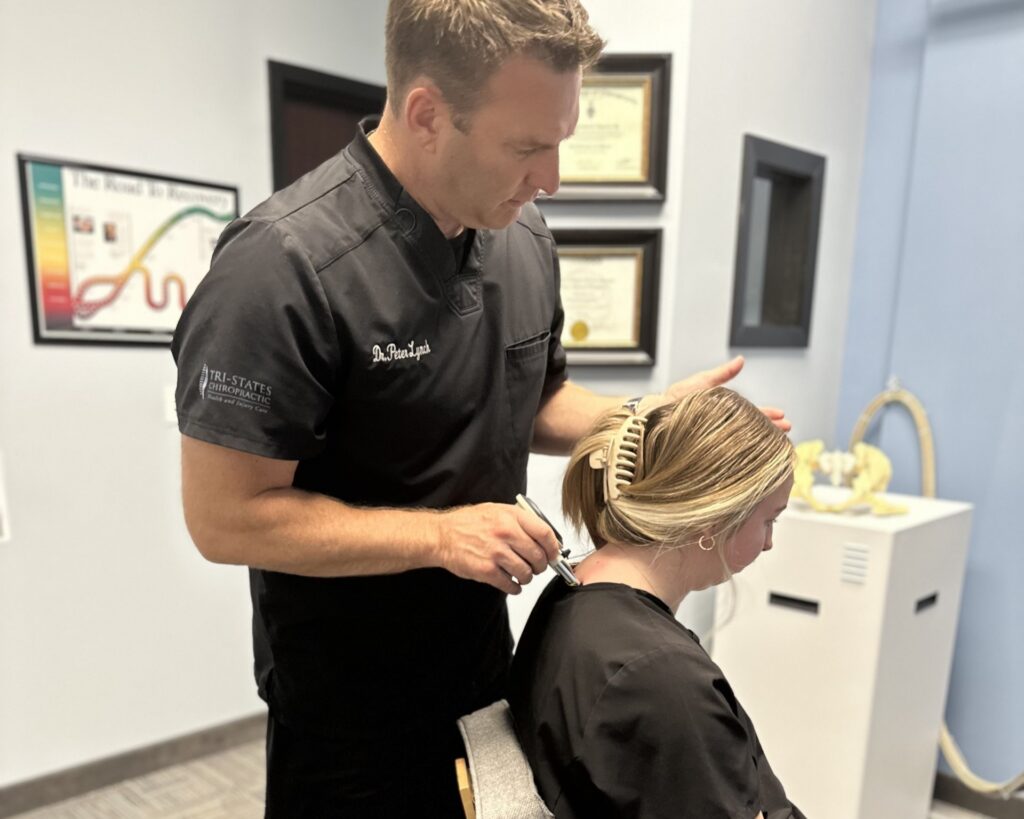
If you’re tired of relying on pills for headache relief, you’re not alone. Many individuals are looking for natural methods that address the root causes of their headaches rather than just masking the pain. One of the most effective ways to tackle headaches is through chiropractic care. By focusing on spinal alignment and overall body function, chiropractic adjustments can help alleviate headache symptoms effectively.
But there’s more you can do beyond chiropractic visits! Hydration is key—make sure you’re drinking enough water throughout the day to prevent dehydration, which can often lead to headaches. Additionally, incorporating mindfulness practices such as deep breathing or meditation can help reduce stress, a common headache trigger.
Have you considered how your environment influences your well-being? Simple changes, like adjusting your workspace ergonomics or ensuring proper lighting, can make a significant difference in preventing tension headaches. Regular breaks to stretch and move can also help keep your body in balance.
Let’s not forget the importance of a healthy lifestyle—regular physical activity, a balanced diet, and sufficient sleep all play crucial roles in headache prevention.
By exploring these innovative approaches and incorporating chiropractic care into your routine, you can achieve optimal health and find lasting relief from headaches without the need for pills. Remember, your journey to wellness starts with small, manageable changes that can lead to big results!
Key Takeaways
Headaches can be a real pain, but there are natural ways to find relief that don’t involve pills. As a local chiropractor, I want to share some helpful strategies that can improve your well-being and promote optimal health.
- Chiropractic Adjustments: Regular visits to your chiropractor can work wonders for alleviating headache symptoms. By correcting spinal misalignments, we can reduce muscle tension and help restore proper function to your nervous system, which can significantly ease headaches.
- Stay Hydrated: Dehydration is a common trigger for headaches. Make it a habit to drink plenty of water throughout the day, and consider adding hydrating foods like cucumbers, oranges, and watermelon to your diet. This simple change can help keep headaches at bay.
- Mindfulness Practices: Stress is a major contributor to headaches, and techniques like deep breathing and meditation can be incredibly effective in managing it. By incorporating mindfulness into your daily routine, you can create a sense of calm that helps reduce the frequency and severity of headaches.
- Essential Oils: Nature has provided us with tools for relief! Essential oils like peppermint and lavender can be soothing when applied to your temples or inhaled. These natural remedies can help calm your mind and ease tension, providing comfort without the need for medication.
- Regular Exercise: Engaging in physical activity is not only great for your overall health but also plays a key role in headache management. Exercise promotes good blood circulation and releases endorphins, which can help reduce the intensity and frequency of headaches.
Incorporating these strategies into your daily life can enhance your overall wellness and help you manage headaches effectively. Remember, chiropractic care is a powerful ally in your journey to optimal health, offering natural and effective solutions for pain relief and well-being. If you’re struggling with headaches, consider scheduling a visit to your local chiropractor to explore how we can help you achieve lasting relief.
Understanding Different Types of Headaches
When you experience a headache, it’s important to understand its type because each one has different causes and requires unique approaches for relief. As a chiropractor, I believe that recognizing the type of headache can guide you toward natural solutions that promote overall wellness.
Tension headaches, often triggered by stress or muscle tightness in the neck and shoulders, may feel like a tight band around your head. Chiropractic adjustments can help alleviate the muscle tension that contributes to these headaches, promoting relaxation and reducing discomfort. Additionally, incorporating regular stretching and relaxation techniques, such as deep breathing or yoga, can be beneficial.
Migraines are more intense and can bring symptoms like nausea, light sensitivity, and throbbing pain, often on one side of the head. While migraines can be challenging, chiropractic care can be effective in managing them. Regular adjustments may help reduce the frequency and severity of migraine attacks by improving spinal function and reducing nerve irritation. Creating a calm environment—such as a dark, quiet room—can also provide relief during an attack.
Cluster headaches, although less common, are extremely painful and occur in cyclical patterns, often waking individuals from sleep. These headaches can be distressing, but chiropractic care may help by addressing any spinal misalignments that could be contributing to the pain. It’s also helpful to maintain a consistent sleep schedule and avoid known triggers, which can be different for everyone.
Sinus headaches are associated with sinus pressure and can cause facial discomfort. Chiropractic adjustments, particularly to the upper cervical spine, can promote better drainage and relieve the pressure that leads to sinus headaches. Staying hydrated and using a humidifier during dry months can also support sinus health.
The Power of Hydration
Hydration is a vital aspect of managing headaches and promoting overall wellness, and as a chiropractor, I emphasize the importance of taking care of your body naturally. When you’re dehydrated, your body may respond with a headache, a sign that it needs more fluids. To help prevent these discomforting episodes, aim to drink at least eight 8-ounce glasses of water each day, adjusting based on your activity level and the climate you live in.
It’s important to note that you mightn’t always feel thirsty, so it’s a good idea to develop a habit of sipping water throughout the day. You can also increase your hydration by incorporating hydrating foods into your diet, such as fruits and vegetables. If plain water doesn’t excite you, consider adding slices of lemon or cucumber for a refreshing twist that can make drinking water more enjoyable.
Be mindful of your hydration levels, especially during hot weather or after physical activity. If you start to feel a headache coming on, try drinking a glass of water first to see if that helps alleviate the discomfort. Remember, prioritizing hydration is a proactive step toward not just headache relief but also maintaining your overall health.
As a chiropractor, I also encourage you to consider how proper spinal alignment can contribute to better overall wellness. When your spine is aligned, it can support your nervous system, which plays a crucial role in regulating many bodily functions, including hydration.
Combining good hydration practices with regular chiropractic care can help you achieve optimal health and well-being. So, make sure to stay hydrated and consider visiting your chiropractor regularly to support your natural healing journey!
Harnessing the Benefits of Mindfulness and Meditation
How can mindfulness and meditation help alleviate headaches? As a chiropractor, I often see how stress can contribute to headaches, and mindfulness practices can be a powerful tool for managing that stress. By focusing on the present moment, you can train your mind to release tension and anxiety, which can lead to fewer headaches and less pain overall.
To start, set aside just a few minutes each day for deep breathing exercises or simple guided meditation. As you focus on your breath, pay attention to any tightness you may feel in your head, neck, or shoulders. Acknowledge this tension without judgment, and visualize it gently melting away. Regular mindfulness practice can enhance your body’s relaxation response, which may help decrease the frequency and intensity of headaches.
Additionally, you can use mindfulness techniques even when a headache strikes. By staying present and observing your thoughts and sensations, you can gain better control over your pain. This self-awareness can empower you to find natural relief without relying on medications or other treatments.
Incorporating chiropractic care into your routine can also support your journey towards optimal health and headache relief. Regular adjustments can help align your spine, which may reduce tension in your muscles and improve overall function in your body.
Exploring the Role of Diet and Nutrition
While many people may not realize it, your diet can play a significant role in the frequency and severity of headaches. The foods you choose to consume can either trigger discomfort or help alleviate it. Common headache triggers include aged cheeses, processed meats, and artificial sweeteners. Keeping a food diary can help you pinpoint any specific dietary triggers that may be causing you pain.
On the other hand, incorporating magnesium-rich foods such as spinach, nuts, and whole grains into your meals can be beneficial in reducing the occurrence of headaches. Hydration is equally important; dehydration is a common cause of headaches, so make sure you’re drinking plenty of water throughout the day.
It’s also essential to maintain a regular eating schedule. Skipping meals can lead to low blood sugar levels, which may trigger headaches. By being mindful of your food choices and how often you eat, you can take proactive steps toward reducing headache frequency and enhancing your overall well-being.
In addition to these dietary strategies, consider chiropractic care as a natural and effective way to manage headaches. Chiropractic adjustments can help align your spine, improve nervous system function, and relieve tension that may contribute to headache pain.
The Impact of Regular Exercise
Regular exercise is an excellent way to support your overall health and well-being, and it can also help alleviate headaches. Engaging in physical activity promotes better circulation and reduces muscle tension, which can be key factors in headache relief. Plus, when you exercise, your body releases endorphins—natural painkillers that enhance your mood and help lower stress levels.
You don’t have to participate in intense workouts to reap the benefits. Simple activities like walking, swimming, or cycling can make a significant impact. Aim for at least 30 minutes of exercise most days of the week. The key is to find activities you genuinely enjoy, which will make it easier to maintain a consistent routine.
Regular exercise can also help regulate your sleep patterns and energy levels, both of which are crucial for preventing headaches. Incorporating movement into your daily life doesn’t have to be complicated—consider joining a local gym, attending a yoga class, or simply taking a leisurely walk around your neighborhood.
As a chiropractor, I want to emphasize the importance of addressing the root causes of your headaches. Regular chiropractic care can help ensure your spine is aligned, which plays a vital role in your overall health. When your spine is in proper alignment, your nervous system functions optimally, allowing your body to heal naturally and reduce pain.
So, as you explore ways to integrate exercise into your life, remember that chiropractic care is a powerful ally in achieving optimal health and wellness. Together, they can provide lasting relief from headaches without the need for medications or invasive procedures.
Make sure to consult with your chiropractor for personalized advice and recommendations tailored to your specific needs.
Utilizing Essential Oils for Relief
If you’re looking for a natural way to ease your headache, essential oils can be a great complement to the benefits of chiropractic care. While oils like lavender and peppermint are popular for their soothing properties, it’s important to remember that addressing the root cause of your headaches is crucial for long-term relief.
Chiropractic care focuses on aligning your spine and improving nervous system function, which can play a significant role in reducing headache frequency and intensity.
To incorporate essential oils safely and effectively, consider the following tips:
- Choose Quality Oils: Opt for pure, therapeutic-grade essential oils. This ensures you’re using safe products that can provide relief.
- Application Techniques: Dilute a few drops of your chosen oil with a carrier oil (like coconut or almond oil) before applying it to your temples or the base of your neck. This can enhance relaxation and potentially relieve tension.
- Inhalation Method: For a quick relief, try inhaling the scent directly from the bottle or adding a few drops to a diffuser. This not only helps with headaches but also creates a calming environment.
- Regular Chiropractic Visits: Make sure to maintain regular chiropractic adjustments. These sessions can help correct any spinal misalignments that might be contributing to your headaches and enhance your overall well-being.
- Stay Hydrated and Rested: Sometimes headaches can be triggered by dehydration or lack of sleep. Be sure to drink plenty of water and get adequate rest, which can also amplify the benefits of your essential oils.
By integrating essential oils with chiropractic care and these healthy lifestyle choices, you can work towards achieving optimal health and reducing headache occurrences naturally.
Popular Essential Oils
As a local chiropractor, I understand that many people are seeking natural ways to find relief from headaches. While chiropractic care is one of the best options for addressing the root causes of headaches, many patients also find benefits in using essential oils as a complementary approach. These concentrated plant extracts can provide soothing effects and enhance your overall wellness.
Here are some essential oils you might consider incorporating into your routine:
- Peppermint Oil: This oil is well-known for its cooling effect. Applying diluted peppermint oil to your temples can help alleviate tension and promote better circulation, which is essential for headache relief.
- Lavender Oil: Often praised for its calming properties, lavender oil can help you unwind and relax. Reducing stress is crucial, as tension headaches are common among many individuals. A few drops in a diffuser or a warm bath can create a peaceful environment.
- Eucalyptus Oil: If your headaches are linked to sinus pressure, eucalyptus oil may be beneficial. It helps to open the airways and can ease sinus tension. Just a few inhalations can help you breathe easier and feel more comfortable.
- Rosemary Oil: This oil is believed to support circulation and may help relieve tension headaches. You can add a few drops to your massage oil or use it in a diffuser for a refreshing aroma.
While essential oils can provide temporary relief, it’s important to remember that chiropractic care addresses the underlying issues contributing to headaches—such as spinal misalignments and muscle tension.
Regular chiropractic adjustments can help maintain spinal health, reduce tension, and promote a more balanced body, leading to fewer headaches over time.
Incorporating these essential oils into your wellness routine can enhance your relaxation and comfort, but don’t forget the importance of chiropractic care for long-term relief.
If you’re experiencing frequent headaches, I encourage you to consult with a chiropractor for a personalized plan to improve your health and well-being.
Application Techniques
When seeking relief from headaches, essential oils can be a natural and effective option to complement your chiropractic care. These oils, such as peppermint and lavender, can be used in various application techniques that promote relaxation and alleviate discomfort.
Start by diluting a few drops of your preferred oil with a carrier oil like coconut or jojoba. Gently massage this blend into your temples and the back of your neck—this not only helps the oils absorb better but also encourages relaxation in the surrounding muscles.
Another simple technique is inhalation. You can take a few deep breaths directly from the oil bottle or place a drop on a cotton ball and breathe in deeply. This method can provide quick relief and enhance your overall sense of well-being.
For an added soothing effect, consider using a warm compress. Mix a few drops of essential oil with warm water, soak a cloth in the mixture, and apply it to your forehead. This combination of warmth and aromatic therapy can be very calming and may help ease headache tension.
While these natural remedies can be beneficial, it’s essential to remember that regular chiropractic adjustments can address the root causes of headaches, such as spinal misalignments and tension in the muscles.
By integrating these essential oil techniques with consistent chiropractic care, you can achieve optimal health and well-being.
The Benefits of Acupuncture and Acupressure
As a chiropractor, I want to share with you the incredible benefits of both acupuncture and acupressure as natural alternatives for headache relief. These methods tap into your body’s innate ability to heal, promoting relaxation and reducing pain without the need for medication.
While acupuncture and acupressure can be effective, I firmly believe chiropractic care is the best choice for achieving optimal health and managing headaches.
Chiropractic adjustments focus on aligning the spine to improve overall function and reduce nerve interference, which can be a significant factor in headache development. By addressing the root causes of headaches through spinal health, you can experience more sustainable relief and enhance your overall well-being.
Here are some benefits you can expect from chiropractic care, along with tips for managing headaches:
- Pain Reduction: Chiropractic adjustments can effectively decrease headache intensity and frequency by ensuring proper spinal alignment and reducing tension in the neck and shoulders.
- Stress Relief: Regular chiropractic care promotes relaxation and alleviates tension. I also recommend practicing deep breathing exercises or gentle stretches at home to help reduce stress, which can trigger headaches.
- Improved Circulation: A properly aligned spine enhances blood flow and oxygen delivery throughout your body, which can help ease headache symptoms. Remember to stay hydrated and maintain a balanced diet to support your overall health.
- Holistic Approach: Chiropractic care targets the underlying causes of headaches rather than just addressing the symptoms. By focusing on spinal health, we can create a comprehensive plan tailored to your unique needs.
Incorporating chiropractic care into your health routine could be a transformative step toward achieving long-term headache relief and overall wellness.
If you’re struggling with headaches, I encourage you to explore how chiropractic adjustments can help you live a healthier, pain-free life. Remember, taking care of your spine is a vital part of maintaining your overall health!
Creating a Headache-Friendly Environment
Creating a headache-friendly environment is essential to reducing the frequency and intensity of headaches, and as a chiropractor, I believe that natural healing starts in your everyday surroundings. Here are some simple adjustments you can make to foster a space that supports your overall well-being and helps alleviate discomfort.
First, let’s talk about lighting. Opt for soft, natural light whenever possible. Bright, harsh fluorescents can be a real headache trigger. If you can, invest in blackout curtains to minimize glare and create a soothing atmosphere that promotes relaxation.
Next, consider the noise levels in your space. A quiet environment is crucial for those prone to headaches. If you find noise distracting, earplugs or a white noise machine can be beneficial in creating a tranquil space where you can unwind.
Temperature is another important factor. Keeping your room at a comfortable, cool temperature can help ease discomfort. Utilize fans or adjust your thermostat to find that perfect balance that keeps you comfortable.
Decluttering your space is also key. A tidy environment can significantly reduce stress, which is often a trigger for headaches. Take the time to organize your surroundings, and consider adding plants, which can enhance air quality and create a calming atmosphere.
By making these adjustments, you can create a sanctuary that supports headache relief and promotes a healthier lifestyle.