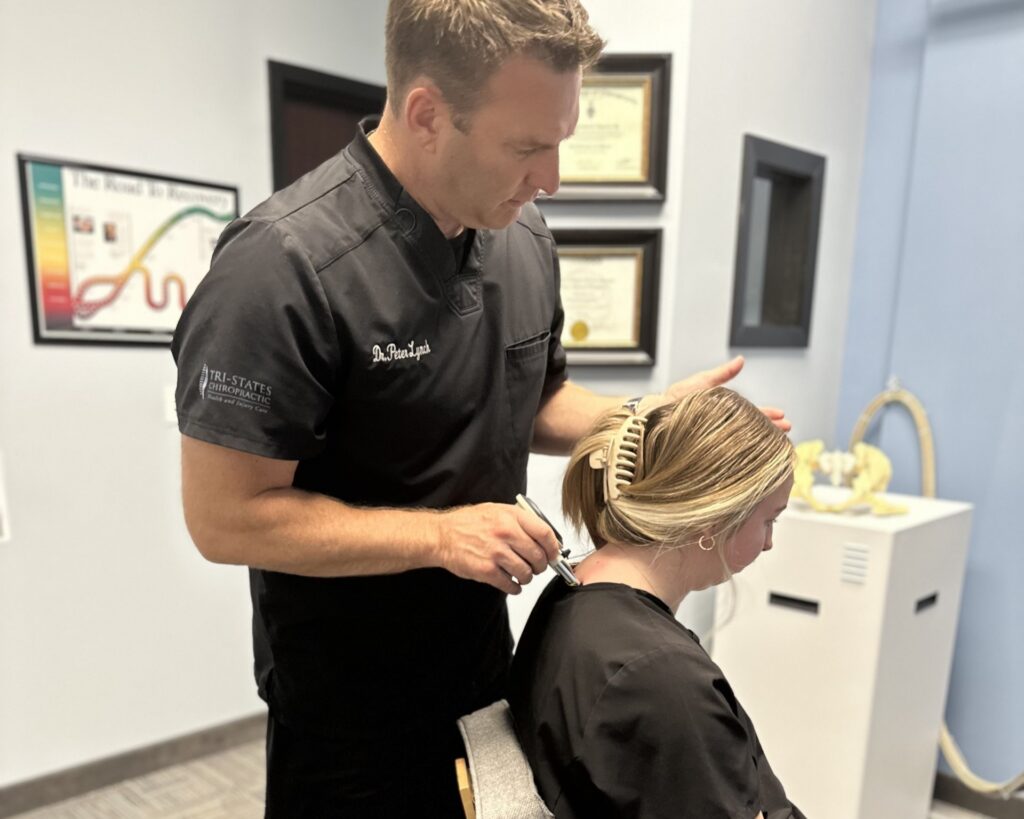
If you’re tired of battling persistent headaches, it’s time to explore your relief options, and chiropractic care may be your best choice. Our quiz is designed to help you identify your unique headache patterns and triggers. By understanding what’s causing your discomfort, you can discover effective natural remedies and lifestyle changes that are tailored just for you.
Chiropractic care focuses on aligning your spine and reducing tension in your body, which can significantly alleviate headache symptoms. By addressing the root cause of your pain, rather than just masking it, you’re taking a proactive step towards better health.
In addition to regular chiropractic adjustments, here are some helpful tips to manage your headaches:
- Stay Hydrated: Dehydration can lead to headaches, so make sure you’re drinking plenty of water throughout the day.
- Maintain Good Posture: Poor posture can contribute to tension headaches. Be mindful of your posture when sitting or standing, and consider ergonomic adjustments to your workspace.
- Practice Relaxation Techniques: Stress can be a major headache trigger. Incorporate relaxation techniques such as deep breathing, meditation, or yoga into your daily routine.
- Get Regular Sleep: Aim for a consistent sleep schedule and ensure you’re getting enough rest each night to help prevent headaches.
- Exercise Regularly: Engaging in regular physical activity can improve blood flow and reduce tension, making headaches less likely.
Curious about how chiropractic care can further support your journey to wellness? Let’s take the first step toward a headache-free life together!
Key Takeaways
- Discover personalized headache relief options by taking our quiz, which focuses on your unique headache patterns and triggers. This approach helps tailor solutions that resonate with your individual needs.
- The quiz shines a light on the benefits of chiropractic care, which addresses the underlying causes of headaches instead of just masking the symptoms. By realigning the spine and improving nervous system function, chiropractic care can provide lasting relief.
- Explore natural remedies that can complement chiropractic care, such as staying well-hydrated, improving your posture, and incorporating stress management techniques into your daily routine. These simple changes can significantly impact your headache frequency and intensity.
- Learn about lifestyle adjustments that not only enhance your overall well-being but also support your journey to a headache-free life. Regular exercise, a balanced diet, and proper sleep can all contribute to reducing headaches.
- Gain insights into when it’s important to seek professional help. If you experience persistent or severe headache symptoms, a chiropractor can help evaluate your condition and recommend a personalized treatment plan to address your concerns effectively.
By focusing on natural healing and the body’s innate ability to heal itself, chiropractic care stands out as a vital choice for achieving optimal health and wellness. Remember, taking proactive steps towards your health can lead to a happier, healthier life!
Understanding Different Types of Headaches
When you experience a headache, it’s important to understand that not all headaches are the same, and knowing the type can help you find the best relief.
Tension headaches are the most common, often triggered by stress or muscle tightness. You may feel a dull, aching sensation on both sides of your head. A great way to alleviate these headaches is through chiropractic adjustments, which can help relieve muscle tension and improve spinal alignment.
Migraines, on the other hand, can be much more intense and may come with symptoms like nausea or sensitivity to light. These headaches often have specific triggers, such as certain foods or hormonal changes. Chiropractic care can help manage migraines by addressing spinal misalignments and promoting overall wellness.
Cluster headaches, though less common, can be incredibly painful and happen in cyclical patterns. While they may require specialized care, chiropractic adjustments may still provide relief by enhancing nerve function and reducing tension in the head and neck area.
Sinus headaches occur due to sinus inflammation, causing tenderness in your forehead and cheekbones. Keeping your spine aligned through regular chiropractic visits can enhance your immune function and reduce the likelihood of sinus issues, providing a natural approach to relief.
By identifying the type of headache you’re experiencing, you can better tailor your self-care strategies. Incorporating chiropractic care into your routine not only helps with pain relief but also promotes overall health and wellness.
Remember to maintain good posture, stay hydrated, and practice relaxation techniques to further support your body. With chiropractic care, you can work towards optimal health and enjoy a life with fewer headaches.
Common Triggers for Headaches
Headaches can often be triggered by a variety of factors, making it essential to identify what might be causing yours. Common triggers include stress, lack of sleep, and dehydration, all of which can significantly impact your overall well-being.
If you’re feeling overwhelmed at work or juggling multiple responsibilities, stress could be a major contributor to your headaches. Learning to manage stress through relaxation techniques, such as deep breathing or gentle yoga, can be beneficial.
Prioritizing sleep is also crucial; not getting enough rest can lead to tension headaches. Establishing a calming bedtime routine and ensuring you have a comfortable sleep environment can promote better sleep quality, which in turn may help alleviate headache symptoms.
Dehydration is another common culprit. If you haven’t been drinking enough water, your body might react with a headache. Aim to drink plenty of water throughout the day and consider incorporating hydrating foods like fruits and vegetables into your diet.
Additionally, certain foods, especially processed items or those high in additives, may trigger headaches. Keeping a food diary can help you identify any potential dietary triggers.
Environmental factors, like weather changes or exposure to strong smells and bright lights, can also contribute to headaches. Being mindful of your surroundings and finding ways to minimize exposure to these triggers can help.
Chiropractic care offers a natural approach to headache relief by addressing underlying issues within the spine and nervous system. Regular chiropractic adjustments can help improve spinal alignment, alleviate tension, and promote overall wellness.
By incorporating chiropractic care into your routine, you may find a significant reduction in headache frequency and intensity.
Natural Remedies for Headache Relief
When headaches strike, many people seek relief through various methods, but I want to highlight how chiropractic care can be a powerful solution for not just alleviating pain, but also enhancing your overall well-being.
As a chiropractor, I often see how tension in the spine and neck can contribute to headaches. By addressing these underlying issues through spinal adjustments, we can help restore balance to your body and relieve discomfort.
In addition to chiropractic adjustments, natural remedies like herbal treatments and essential oils can complement your healing journey. These remedies can soothe your discomfort and promote a sense of calm. However, the most effective way to ensure long-lasting relief is to focus on your spine’s health.
Here are some general tips to help manage headaches and promote a healthier lifestyle:
- Stay Hydrated: Dehydration can trigger headaches, so be sure to drink plenty of water throughout the day.
- Maintain Good Posture: Poor posture can strain your neck and spine, leading to headaches. Keep your back straight and your shoulders relaxed, especially when working at a desk.
- Regular Chiropractic Visits: Regular adjustments can help keep your spine aligned and reduce the frequency of headaches. Make it a part of your wellness routine.
- Practice Stress Management: Techniques like deep breathing, meditation, or yoga can help reduce stress levels, which may contribute to headache pain.
- Get Plenty of Rest: Ensure you’re getting adequate sleep, as fatigue can also lead to headaches.
By focusing on these strategies and incorporating chiropractic care into your routine, you can achieve optimal health and find lasting relief from headaches.
Herbal Treatments Overview
If you’ve been seeking natural ways to alleviate your headache, consider how chiropractic care can play a vital role in your journey to wellness. While herbal remedies have their place, many individuals find that addressing the root causes of headaches through spinal adjustments can provide significant relief without the need for medications or side effects.
Here are some key points to consider when managing headaches:
- Chiropractic Adjustments: Many headaches stem from tension in the neck and spine. Regular chiropractic adjustments can help relieve this tension, improve spinal alignment, and reduce headache frequency and severity.
- Posture Matters: Poor posture can lead to muscle strain and headaches. Make a conscious effort to sit and stand with your shoulders back and your head aligned over your spine. Ergonomic workspaces can also make a big difference.
- Stay Hydrated: Dehydration can contribute to headaches. Ensure you’re drinking enough water throughout the day to keep your body functioning optimally.
- Stress Management: High stress levels can lead to tension headaches. Incorporating relaxation techniques such as deep breathing, yoga, or meditation can be beneficial.
- Regular Exercise: Staying active helps improve circulation and reduce tension in the body. Even simple activities like walking or stretching can help keep headaches at bay.
While herbal options like peppermint, ginger, feverfew, and willow bark may offer some relief, chiropractic care focuses on the whole body for optimal health.
Always consult with a healthcare professional about the best approach for your specific needs, but remember, chiropractic care is a powerful tool for achieving and maintaining wellness.
Essential Oils Benefits
Exploring natural remedies can lead you to the benefits of essential oils for headache relief, which can complement your overall wellness journey. As a local chiropractor, I believe in the importance of holistic approaches to health, and essential oils can play a supportive role in your quest for pain relief.
Powerful extracts like peppermint and lavender are known for their soothing effects. Peppermint oil, for instance, may help increase blood flow and ease tension, making it a great option for those experiencing headaches.
Lavender oil, on the other hand, is renowned for its calming properties, which can help you relax and reduce stress—two common triggers for headaches.
To use these oils, consider diluting them in a carrier oil and gently massaging the mixture onto your temples. Alternatively, you can add a few drops to a diffuser to fill your space with their calming aroma. Inhaling these scents can also promote relaxation and help lessen headache severity.
While essential oils can be a great addition to your wellness routine, remember that chiropractic care is your best choice for long-term relief from headaches and other discomforts. Regular chiropractic adjustments help to align the spine, improve nerve function, and reduce tension throughout the body.
Incorporating both essential oils and chiropractic care into your routine can provide a natural, effective approach to alleviating discomfort and enhancing your overall well-being. Give them a try, and don’t hesitate to reach out for chiropractic care to support your health goals!
Over-the-Counter Pain Relievers
When you’re dealing with a headache, it’s natural to seek quick relief. While over-the-counter (OTC) pain relievers like ibuprofen, acetaminophen, and aspirin may seem like an easy solution, it’s essential to consider the long-term benefits of natural healing through chiropractic care.
Instead of reaching for medication, which can come with side effects and potential dependency, consider how spinal health and wellness can play a crucial role in alleviating your pain. Chiropractic care focuses on identifying and addressing the root causes of headaches, often linked to spinal misalignments or tension in the neck and upper back.
By visiting a chiropractor, you can receive personalized adjustments that help restore proper alignment, improve circulation, and relieve tension, leading to natural relief from headaches.
Here are some helpful tips to manage headaches and promote overall wellness:
- Stay Hydrated: Dehydration can lead to headaches, so make sure you’re drinking plenty of water throughout the day.
- Practice Good Posture: Poor posture can strain your neck and back, contributing to headache pain. Be mindful of your posture, especially if you spend long hours at a desk.
- Incorporate Stretching: Gentle neck and shoulder stretches can relieve tension and prevent headaches from occurring.
- Manage Stress: Stress is a common headache trigger. Consider relaxation techniques such as deep breathing, meditation, or yoga to help manage stress levels.
- Regular Chiropractic Visits: Routine chiropractic care can help maintain spinal health and prevent headaches from becoming a recurring issue.
By focusing on these natural approaches, you can find effective ways to alleviate headaches while also promoting overall health and wellness.
Common OTC Options
Many people experience headaches and often seek quick relief through over-the-counter (OTC) pain relievers. While these medications may provide temporary relief, they don’t address the underlying causes of headaches.
As a chiropractor, I believe in the power of natural healing and the importance of a holistic approach to health. Here are some insights and tips to consider for managing headaches more effectively:
- Chiropractic Care: Regular chiropractic adjustments can help alleviate tension and misalignments in the spine that may contribute to headaches. By promoting proper alignment, chiropractic care supports overall nervous system function, which can reduce headache frequency and intensity.
- Posture Awareness: Poor posture, especially during long hours of sitting or working on a computer, can lead to muscle strain and tension headaches. Be mindful of your posture; sit up straight, keep your shoulders relaxed, and ensure your workspace is ergonomically friendly.
- Stay Hydrated: Dehydration can be a significant trigger for headaches. Make sure you’re drinking enough water throughout the day. Aim for at least 8 cups, and adjust based on your activity level.
- Stress Management: High stress levels can contribute to headaches. Incorporate relaxation techniques such as deep breathing, meditation, or gentle yoga into your daily routine. These practices can help reduce tension in the body and promote mental clarity.
- Regular Exercise: Gentle exercise can help improve circulation, reduce stress, and promote overall well-being. Activities like walking, swimming, or cycling can be beneficial for headache management.
- Sleep Hygiene: Ensure you’re getting enough restful sleep. Aim for 7-9 hours of quality sleep each night, and establish a calming bedtime routine to help your body unwind.
- Dietary Choices: Certain foods can trigger headaches for some individuals. Keep track of your diet and identify any potential triggers. Eating a balanced diet rich in fruits, vegetables, whole grains, and lean proteins can support overall health.
If you’re struggling with frequent headaches, consider visiting a chiropractor to discuss your symptoms. They can help identify the root causes of your pain and create a tailored plan to support your health naturally.
Dosage and Safety Guidelines
Understanding how to manage headaches effectively is essential for your overall well-being. While many people turn to over-the-counter (OTC) pain relievers, it’s important to recognize that there are natural alternatives that can help alleviate discomfort without the need for medication. Chiropractic care is a fantastic option for those seeking pain relief and enhanced health.
Instead of reaching for ibuprofen or acetaminophen, consider visiting a chiropractor. They can assess your spinal health and address any misalignments that may be contributing to your headaches. By focusing on the root cause—rather than just masking the symptoms—chiropractic adjustments can provide long-lasting relief.
If you do choose to use OTC medications, always read the label carefully. For adults, the typical dosage for ibuprofen is 200-400 mg every 4-6 hours, while acetaminophen is usually 500-1000 mg every 4-6 hours. However, be mindful of the maximum daily limits—3,200 mg for ibuprofen and 4,000 mg for acetaminophen. This is where chiropractic care shines; it offers a holistic approach to health, helping you avoid the need for such medications.
In addition to chiropractic adjustments, consider incorporating lifestyle changes to support your well-being. Staying hydrated, eating a balanced diet rich in fruits and vegetables, practicing stress-reduction techniques like yoga or meditation, and ensuring you get plenty of rest can all contribute to fewer headaches and better overall health.
If you have underlying health conditions or are pregnant, it’s always wise to consult with a healthcare professional before starting any new treatment, including chiropractic care.
And remember, if headaches persist despite your efforts, a chiropractor can help create a personalized treatment plan to address these issues naturally.
Prescription Medications for Chronic Headaches
Chronic headaches can be incredibly frustrating and debilitating, but there are natural approaches that can help you find relief. As a chiropractor, I believe that chiropractic care is one of the best ways to manage pain and promote overall wellness. By focusing on spinal health and proper alignment, we can often address the underlying issues that contribute to headaches.
Here are some natural strategies to consider for managing chronic headaches:
- Chiropractic Adjustments: Regular adjustments can help relieve tension in the spine and neck, which may be contributing to your headaches. By ensuring that your spine is properly aligned, you can reduce nerve irritation and improve overall function.
- Stress Management: Stress can be a significant trigger for headaches. Incorporating relaxation techniques, like deep breathing exercises, yoga, or meditation, can help you manage stress and reduce headache occurrences.
- Hydration: Dehydration is a common cause of headaches. Make sure you’re drinking enough water throughout the day to keep your body well-hydrated.
- Healthy Diet: Certain foods can trigger headaches in some individuals. Keep a food diary to identify any potential triggers and focus on a balanced diet rich in fruits, vegetables, whole grains, and lean proteins.
- Regular Exercise: Engaging in regular physical activity can improve circulation, reduce stress, and promote overall physical health, all of which may help decrease headache frequency.
- Sleep Hygiene: Ensure that you’re getting adequate sleep each night. Establishing a regular sleep schedule and creating a calming bedtime routine can help improve sleep quality.
Always consult with a healthcare professional to discuss your specific symptoms and treatment options. Chiropractic care offers a holistic approach to managing headaches, focusing on natural healing and wellness.
Lifestyle Changes to Prevent Headaches
Making simple lifestyle changes can significantly reduce your headache frequency, and as a local chiropractor, I want to share some effective strategies that focus on natural wellness. Staying well-hydrated and maintaining a balanced diet are essential for overall health, and they play a crucial role in minimizing headaches.
Additionally, practicing good sleep hygiene can help ensure you wake up feeling refreshed and ready to tackle your day. Chiropractic care is an excellent choice for achieving optimal health and pain relief. Regular adjustments can help align your spine, which may reduce tension and strain that contribute to headaches.
By incorporating chiropractic care into your routine, along with these lifestyle changes, you can take proactive steps toward preventing headaches.
Here are some general tips you can easily incorporate into your life:
- Stay Hydrated: Aim to drink plenty of water throughout the day. Dehydration can lead to headaches, so keeping your body hydrated is vital.
- Eat a Balanced Diet: Focus on whole foods, including fruits, vegetables, lean proteins, and whole grains. Avoid excessive caffeine and sugar, as these can trigger headaches.
- Prioritize Sleep: Establish a calming bedtime routine and try to go to bed and wake up at the same time each day. Quality sleep can significantly reduce headache occurrences.
- Manage Stress: Engage in relaxation techniques such as deep breathing, meditation, or yoga. Reducing stress can help alleviate tension headaches.
- Regular Chiropractic Visits: Schedule regular visits with your chiropractor to maintain spinal health, which can help reduce the frequency and intensity of headaches.
By focusing on these areas and incorporating chiropractic care into your wellness routine, you can take charge of your health and work towards a headache-free life.
Hydration and Diet
When you prioritize hydration and maintain a balanced diet, you can significantly lessen the frequency and intensity of headaches. Staying well-hydrated helps your body function smoothly, while a nutritious diet provides essential nutrients that support overall health, including spinal well-being.
As a chiropractor, I believe that caring for your body holistically, through proper hydration and nutrition, can be a natural way to promote wellness and alleviate pain. Here are some practical tips to boost your hydration and diet:
- Drink plenty of water: Aim for at least 8 cups daily, but feel free to adjust this based on your activity level. Keeping hydrated supports spinal health and can help relieve tension in the body.
- Choose headache-friendly foods: Incorporate leafy greens, nuts, and whole grains into your meals. These foods are rich in nutrients that can help reduce inflammation and promote overall wellness.
- Limit processed foods: These often contain additives that may trigger headaches and don’t provide the nutrients your body needs. Opting for whole, natural foods can support your spine and overall health.
- Be cautious with caffeine and alcohol: Both can lead to dehydration and may exacerbate headache symptoms. Instead, focus on hydrating beverages like herbal teas or infused water.
Remember, chiropractic care can also play a crucial role in your overall health. Regular adjustments can help ensure your spine is aligned, reducing tension and promoting better hydration and nutrient absorption throughout your body.
Sleep Hygiene Practices
To prevent headaches, establishing good sleep hygiene is essential, as poor sleep can significantly contribute to the frequency and intensity of headaches. As a chiropractor, I believe that a holistic approach to health is vital, and good sleep is a key component of overall wellness.
Start by setting a consistent sleep schedule; aim to go to bed and wake up at the same time every day. This helps regulate your body’s internal clock, which is important for restorative sleep. Consider creating a relaxing bedtime routine that signals to your body that it’s time to wind down. This could include gentle stretching, deep breathing exercises, or even some light reading.
Limiting screen time an hour before bed is also crucial. The blue light emitted by devices can interfere with your body’s natural sleep-wake cycle. Instead, try winding down with calming activities that promote relaxation.
Make your sleep environment as comfortable as possible. Keep your bedroom dark, quiet, and cool—these conditions are conducive to a restful night’s sleep. Additionally, be mindful of what you consume later in the day; avoiding caffeine and heavy meals can prevent disruptions during the night.
Lastly, if you find yourself tossing and turning, don’t hesitate to get up and do something calming until you feel sleepy again. This can prevent frustration and help you maintain a peaceful state of mind.
Remember, maintaining good sleep hygiene isn’t just about avoiding headaches; it’s about promoting overall health and wellness. Chiropractic care can also play a significant role in managing headaches and enhancing sleep quality by addressing any underlying spinal issues that may affect your well-being.
Consider incorporating regular chiropractic adjustments into your wellness routine for optimal health.
The Role of Hydration in Headache Management
Staying properly hydrated can significantly enhance your ability to manage headaches and promote overall wellness. Dehydration is a well-known trigger for headaches, which makes maintaining adequate fluid intake essential for your comfort and health. When your body lacks sufficient water, it can lead to discomfort and pain, including headaches.
Here are some simple tips to help you stay hydrated and support your body’s natural healing processes:
- Always have a water bottle handy: Keeping a water bottle close by makes it easier to sip throughout the day, ensuring you’re continuously hydrating.
- Set hydration reminders: Use your smartphone to set reminders to drink water at regular intervals. This can help you establish a habit of staying hydrated.
- Include hydrating foods in your diet: Foods like cucumbers, watermelon, and oranges aren’t only refreshing but also packed with water, contributing to your daily fluid intake.
- Be mindful of caffeine and alcohol: Both can contribute to dehydration, so it’s a good idea to limit these beverages when possible. Opting for herbal teas or sparkling water can be a great alternative.
In addition to these hydration tips, remember that regular chiropractic adjustments can also play a key role in managing headaches.
By ensuring your spine is aligned and your nervous system is functioning optimally, chiropractic care can help reduce tension and promote better overall health.
Staying hydrated and incorporating chiropractic care into your wellness routine can lead to a more balanced and pain-free life.
Alternative Therapies for Headache Relief
Hydration is an essential part of managing headaches, but it’s only one piece of the puzzle. As a chiropractor, I believe that taking a holistic approach to wellness can really make a difference in headache relief. One of the best ways to address headache pain is through chiropractic care. By aligning the spine and improving nervous system function, chiropractic adjustments can reduce tension and promote overall relaxation, which may help alleviate headache symptoms.
In addition to chiropractic care, there are several natural therapies you can explore. For instance, acupuncture has been known to stimulate specific points in the body, promoting relaxation and reducing tension that often contributes to headaches.
Similarly, incorporating gentle stretches and exercises into your routine can support spinal health and reduce muscle stiffness. You might also want to consider herbal remedies like feverfew or butterbur, which some studies have suggested may help prevent migraines. Always consult with your chiropractor before adding new supplements to your routine to ensure they fit your overall wellness plan.
Practicing yoga or mindfulness meditation can be beneficial too. Both activities are excellent for lowering stress levels, which is a common headache trigger. Even simple breathing exercises can help calm the mind and reduce tension in the body.
Essential oils, such as peppermint and lavender, can be soothing as well. You can apply diluted oils to your temples or enjoy their calming scents through inhalation.
Lastly, regular massage therapy can be a great way to relieve tension in the neck and shoulders—areas that often contribute to headaches.
When to Seek Professional Help
How can you tell when it’s time to seek professional help for your headaches? If your headaches are persistent or worsening, it’s crucial to consult a healthcare professional who understands the importance of spinal health, like a chiropractor. Ignoring warning signs could lead to missed opportunities for natural healing.
Here are some key indicators to consider:
- You’ve experienced a sudden, severe headache that feels different from your usual pain. This could indicate an underlying issue that requires attention.
- Your headaches are accompanied by neurological symptoms, such as vision changes or difficulty speaking. These symptoms can be linked to spinal health and shouldn’t be overlooked.
- Over-the-counter medications aren’t providing relief, or you find yourself relying on them frequently. A chiropractor can help identify the root cause of your headaches and provide natural solutions.
- Your headaches disrupt your daily activities or sleep, impacting your quality of life. Chiropractic adjustments and lifestyle changes can greatly improve your overall well-being.
Listening to your body is essential. If you notice any of these signs, don’t hesitate to reach out for professional chiropractic advice.
Taking the Quiz: Discover Your Relief Options
Are you looking for natural relief options for your headaches? As a chiropractor, I believe that understanding your body’s signals and exploring holistic approaches can lead you to effective strategies tailored to your unique needs.
Taking our quick and engaging quiz can help you discover various natural treatments that focus on promoting wellness and alleviating headache pain.
As you go through the questions, consider your headache patterns, triggers, and any natural remedies you’ve already tried. The quiz will guide you through different options, highlighting the benefits of chiropractic care and other lifestyle adjustments.
Whether you experience tension headaches, migraines, or cluster headaches, our insights will empower you to take charge of your health.
Once you complete the quiz, you’ll receive personalized suggestions that emphasize natural healing methods, including spinal adjustments, relaxation techniques, and lifestyle changes that can enhance your overall well-being.
Remember, finding the right relief takes time, but this quiz is an excellent first step towards discovering what truly works for you.
Don’t hesitate; take the quiz today and begin your journey toward a healthier, headache-free life!