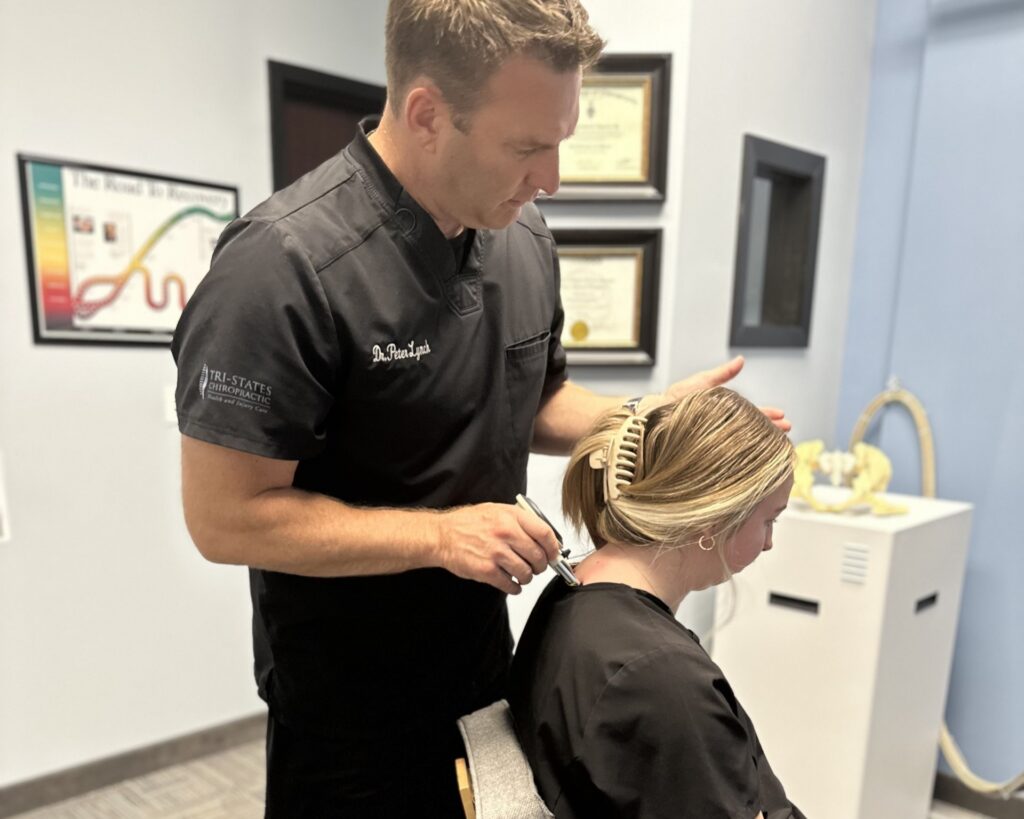
If you’re among those who experience tension headaches, you’re likely all too familiar with the discomfort they can cause. Recognizing your triggers and utilizing effective techniques can significantly enhance your quality of life. As a chiropractor, I believe that addressing the root causes of tension headaches is essential, and chiropractic care can play a pivotal role in your journey to wellness.
Start by exploring relaxation techniques such as deep breathing exercises or gentle stretches. These can help release tension in your neck and shoulders, areas often affected by stress. Proper hydration is also vital, as dehydration can contribute to headaches. Make sure you’re drinking enough water throughout the day.
Another important aspect is to assess your workspace. An ergonomically sound setup can reduce strain on your body, particularly your spine, which can help prevent tension headaches. Regular chiropractic adjustments can also improve spinal alignment, alleviate tension, and promote overall well-being.
Understanding these strategies can empower you to take control of your health. Remember, chiropractic care is a natural, effective solution that addresses the underlying issues contributing to your headaches. By incorporating these tips and considering regular chiropractic visits, you can work towards a pain-free, healthier lifestyle.
Key Takeaways
- Maintain good posture while sitting and standing. Proper alignment of your spine can significantly alleviate muscle tension and help prevent tension headaches from developing. Chiropractic care is an excellent way to ensure your posture is optimized for health.
- Stay hydrated by drinking plenty of water throughout the day. Aim for at least eight glasses daily, as dehydration can lead to headaches. Staying well-hydrated supports your overall health and spinal function, which is crucial for preventing discomfort.
- Incorporate relaxation techniques into your daily routine, such as deep breathing exercises and progressive muscle relaxation. These methods not only reduce stress but also help release tension in your body, making chiropractic adjustments even more effective.
- Engage in regular physical activity. Simple neck stretches and yoga can enhance blood circulation and relieve headache triggers. Chiropractic care can complement your exercise routine by ensuring your body is aligned and functioning optimally.
- Create a comfortable work environment that promotes good posture. Use ergonomic furniture that supports your spine, and remember to take regular breaks to stretch and move around. This practice can help reduce the risk of tension headaches and is a perfect complement to your chiropractic care.
By incorporating these practices into your lifestyle and seeking regular chiropractic adjustments, you can achieve optimal health and significantly reduce the frequency and intensity of tension headaches. Your chiropractor is here to guide you on this journey to a healthier, headache-free life!
Understanding Tension Headaches
Tension headaches are a common issue that many people face, but understanding them can be the first step toward effective management. These headaches often arise from stress, muscle tension, or poor posture. You might experience a dull, aching sensation that feels like a tight band around your head, often accompanied by tightness in your neck and shoulders.
Identifying what triggers your headaches is crucial. Do you find yourself frequently stressed? Are you spending long hours hunched over a computer? These habits can significantly contribute to the onset of tension headaches.
As a chiropractor, I encourage you to pay close attention to your body’s signals. When you ignore the buildup of tension, it can lead to more frequent headaches. One helpful strategy is to keep a headache diary. Track when your headaches occur and what might’ve triggered them. This awareness can help you identify patterns and empower you to make lifestyle changes that can prevent future headaches.
Incorporating chiropractic care into your routine can be a game changer. Chiropractic adjustments can help restore proper alignment to your spine, reduce muscle tension, and improve posture, all of which can alleviate headache symptoms.
Additionally, practicing stress management techniques, such as deep breathing exercises or yoga, can also help reduce the incidence of tension headaches.
By recognizing the signs of tension headaches and understanding their underlying causes, you can take proactive steps to minimize their impact on your life. Embracing a lifestyle that includes regular chiropractic care, proper posture, and stress reduction techniques can greatly enhance your overall well-being and support a pain-free life.
Relaxation Techniques to Alleviate Pain
To ease your tension headaches, consider incorporating relaxation techniques into your daily routine alongside chiropractic care. Deep breathing exercises can help calm your mind and reduce stress, while progressive muscle relaxation targets tightness in your body. Both methods are effective for alleviating pain and promoting overall well-being.
However, it’s important to remember that these techniques work best when combined with regular chiropractic adjustments. Chiropractic care focuses on aligning your spine, which can help relieve tension and pressure that may be contributing to your headaches. By addressing the root cause of your pain, chiropractic not only provides relief but also supports your body’s natural healing processes.
Here are some general tips to enhance your relaxation routine and support your spinal health:
- Practice Good Posture: Maintain proper posture while sitting, standing, and sleeping to reduce strain on your spine.
- Stay Hydrated: Drink plenty of water throughout the day; dehydration can contribute to headaches.
- Incorporate Stretching: Gentle stretching can help release tension in your neck and shoulders, which are often sources of headache pain.
- Create a Relaxing Environment: Find a quiet space free from distractions where you can practice your relaxation techniques.
- Schedule Regular Chiropractic Visits: Regular adjustments can help maintain spinal alignment, reduce tension, and prevent headaches from recurring.
By embracing these practices and prioritizing chiropractic care, you can achieve optimal health and a greater sense of well-being.
Deep Breathing Exercises
When you start to feel the tension of a headache settling in, deep breathing exercises can provide quick and effective relief, complementing the benefits of chiropractic care.
First, find a comfortable position, whether you’re sitting or lying down. Close your eyes and take a slow, deep breath in through your nose, counting to four. Hold that breath for a moment, then exhale gently through your mouth, counting to six.
Repeat this cycle for several minutes, allowing your focus to rest solely on your breath. As you inhale, visualize a wave of calm washing over your body; as you exhale, picture the tension melting away.
This simple practice not only alleviates headache pain but also helps reduce stress levels, allowing you to regain control over your wellbeing.
Incorporating deep breathing into your daily routine, alongside regular chiropractic adjustments, can lead to lasting benefits for your overall health.
Remember, chiropractic care is an excellent choice for addressing pain and promoting natural wellness. By focusing on your spine and nervous system, you can enhance your body’s ability to heal itself.
Progressive Muscle Relaxation
As a chiropractor, I understand that tension headaches can be a real burden, often linked to stress and muscle tightness. One effective method to help alleviate this discomfort is Progressive Muscle Relaxation (PMR). This technique, combined with the benefits of chiropractic care, can provide a natural approach to relieving headache pain.
PMR involves systematically tensing and then relaxing different muscle groups, which helps to release built-up tension throughout your body. By starting from your toes and moving up to your head, you can focus on each area, promoting relaxation and well-being.
Here’s a simple guide to practicing PMR:
| Tense Muscle Group | Duration (Seconds) | Relax and Breathe |
|---|---|---|
| Feet | 5 | 10 |
| Legs | 5 | 10 |
| Shoulders | 5 | 10 |
| Forehead | 5 | 10 |
As you go through each muscle group, pay attention to the contrast between the tension and relaxation. This practice not only helps ease headache pain but also fosters a sense of overall wellness.
In addition to PMR, regular chiropractic adjustments can help maintain proper spinal alignment, which is essential for reducing tension and improving your body’s natural healing processes. If you’re experiencing frequent headaches, consider visiting your chiropractor for a personalized care plan that can help address the root causes of your discomfort.
The Role of Exercise in Headache Relief
As a local chiropractor, I want to emphasize the vital role exercise plays in relieving tension headaches. Regular physical activity not only promotes relaxation and reduces stress but also contributes to overall spinal health, which is essential for optimal wellness.
By integrating exercise into your daily routine, you can experience significant benefits, such as a reduction in headache frequency and an enhancement in your overall well-being.
Here are some specific exercises that can help alleviate headache pain, while also supporting your spinal health:
- Neck Stretches: Gently stretching your neck can help relieve tension. Try tilting your head to one side and holding for 15-30 seconds, then switch sides. This can help loosen tight muscles that may contribute to headaches.
- Shoulder Rolls: Roll your shoulders forward and then backward in a circular motion. This simple exercise can release tension in your upper back and neck, areas often associated with headaches.
- Gentle Yoga: Incorporating yoga poses that focus on relaxation and stretching, such as Child’s Pose or Cat-Cow, can be incredibly beneficial. These poses not only relieve muscle tension but also promote better posture, which is crucial for spinal health.
- Walking: A brisk walk can be a fantastic way to clear your mind and reduce stress. The gentle movement helps improve circulation and can alleviate headache triggers.
- Breathing Exercises: Deep breathing techniques can help calm your nervous system and reduce stress levels. Try inhaling deeply through your nose for a count of four, holding for four, and exhaling through your mouth for a count of four. Repeat this several times to induce a state of relaxation.
In addition to these exercises, consider the following general tips to help manage and prevent headaches:
- Stay Hydrated: Dehydration can trigger headaches, so make sure you drink plenty of water throughout the day.
- Maintain Good Posture: Being mindful of your posture, especially while sitting at a desk, can prevent tension buildup in your neck and shoulders.
- Regular Chiropractic Care: Regular visits to a chiropractor can help ensure that your spine is aligned and functioning properly, which is key to preventing headaches and promoting overall health.
Incorporating these exercises and tips into your lifestyle can lead to fewer headaches and improved wellness.
Benefits of Regular Exercise
While you may not realize it initially, regular exercise can be an excellent ally in alleviating tension headaches, and it works wonderfully alongside chiropractic care. Engaging in physical activity can help reduce muscle tension and improve blood circulation, both of which can significantly impact the frequency and intensity of headaches.
When you exercise, your body releases endorphins—natural pain relievers that boost your mood and promote a sense of relaxation. This positive cycle can help lower stress levels, which are often a contributing factor to headaches.
Additionally, consistent exercise enhances your overall well-being, aiding in better sleep and helping you manage anxiety more effectively. You might be surprised to learn that regular physical activity also improves your posture, which is essential for decreasing the likelihood of tension headaches.
A well-aligned spine, adjusted through chiropractic care, combined with exercises tailored for posture and flexibility, can provide optimal relief from headache symptoms.
Incorporating exercise into your daily routine can be a game-changer when it comes to managing headaches naturally. Remember to listen to your body and consult with your chiropractor for specific exercises that complement your treatment plan.
Together, chiropractic care and regular exercise can help you achieve a healthier, pain-free lifestyle.
Specific Exercises for Relief
To effectively relieve tension headaches naturally, incorporating specific exercises into your daily routine can make a significant difference. As a chiropractor, I emphasize the importance of these simple movements to help alleviate discomfort and promote overall wellness.
Start with neck stretches, which are essential for reducing tightness. Gently tilt your head to one side, holding for about 15 seconds, and then switch sides. This helps to release tension in the neck area.
Additionally, try shoulder rolls—rolling your shoulders backward and forward ten times each can significantly reduce stiffness and improve mobility.
Incorporating yoga poses like Child’s Pose and Cat-Cow can also be beneficial. These poses not only promote relaxation but also enhance flexibility in your spine, which is crucial for maintaining overall health.
While performing these stretches, don’t forget the power of deep breathing. Inhale deeply through your nose and exhale through your mouth as you stretch; this practice calms both your mind and body, enhancing the effects of your exercises.
I encourage you to integrate these exercises into your daily routine. With consistency, you may notice a decrease in the frequency and intensity of your headaches.
Importance of Proper Hydration and Nutrition
Proper hydration and nutrition are vital to not only your overall health but also in preventing tension headaches. As a chiropractor, I can tell you that when your body is well-hydrated, it operates more effectively, which can significantly lower the chances of headaches that often arise from dehydration. Aim for at least eight glasses of water daily, but feel free to adjust this based on how active you’re and the climate you’re in. Staying hydrated is a simple yet powerful way to support your well-being.
Nutrition plays a critical role as well. Eating balanced meals that are rich in fruits, vegetables, whole grains, and lean proteins provides the essential nutrients your body needs, especially for optimal brain function. Incorporating omega-3 fatty acids, found in fish and nuts, can help reduce inflammation, which may lead to fewer headaches.
It’s also important to avoid skipping meals, as hunger can trigger tension headaches. Keep healthy snacks nearby to maintain your energy levels throughout the day. Simple changes like these can make a notable difference in how often you experience headaches.
As you pay attention to your hydration and nutrition, you’ll likely find that your overall health improves, allowing you to enjoy life more fully. By prioritizing these aspects, along with regular chiropractic care, you can achieve lasting pain relief and a healthier, more balanced lifestyle.
Creating a Comfortable Work Environment
Creating a comfortable work environment is crucial for not only enhancing productivity but also for supporting your spinal health and reducing the risk of tension headaches. As a chiropractor, I want to share some simple yet effective tips to help you create a workspace that promotes wellness and comfort.
Start by ensuring your chair and desk are set up to support good posture. Your chair should allow your feet to rest flat on the floor while your knees are at a 90-degree angle. This position helps to maintain the natural curve of your spine, reducing strain and discomfort.
Lighting is another important factor. Aim for a workspace that’s well-lit, ideally with natural light, which can help decrease eye strain. If that’s not an option, consider using soft, adjustable lighting to create a soothing atmosphere.
Incorporating plants or personal items can also enhance your mood and create a calming environment. A pleasant workspace can help reduce stress levels, which is beneficial for your overall health. Additionally, keeping your area organized will minimize distractions and help you focus better.
Remember to take regular breaks to stand up, stretch, and walk around. This not only helps relieve tension in your muscles but also promotes better circulation and spinal health. Small movements throughout the day can make a big difference in how you feel.
Lastly, if you find yourself in a noisy environment, consider using noise-canceling headphones or playing soft background music. This can help you maintain focus while also creating a more peaceful work atmosphere.
By making these adjustments to your work environment, you can significantly enhance your comfort and well-being.
And remember, regular chiropractic care can further support your spinal health, helping you achieve optimal wellness and relief from pain. Embrace a healthier lifestyle by prioritizing your workspace and considering chiropractic care as a part of your journey toward natural healing.
When to Seek Professional Help
Even in the most comfortable work environments, you may still find yourself experiencing tension headaches that can linger or even worsen over time. If your headaches last for more than a few days or happen frequently, it’s a good idea to seek professional help. Ignoring symptoms such as severe pain, nausea, or visual disturbances isn’t advisable, as these could indicate a more serious underlying issue.
As a chiropractor, I encourage you to explore natural, non-invasive approaches to managing your headaches. If over-the-counter medications aren’t providing the relief you need, or if you find yourself relying on them frequently, consider visiting a chiropractor instead. We can work together to identify the root cause of your headaches and develop a personalized plan that focuses on natural healing.
Pay attention to any patterns in your headaches—like whether they’re triggered by specific activities or stressors. Sharing this information with your chiropractor can be invaluable in creating effective strategies to alleviate your discomfort.
If your tension headaches are affecting your daily life, work, or relationships, you deserve support. Chiropractic care not only addresses the symptoms but also helps to promote overall wellness by ensuring your spine is in alignment, which can significantly reduce tension and improve your quality of life.
Remember, you’re not alone in this journey, and there are natural, effective solutions available to help you feel your best.
Here are a few general tips to help manage tension headaches:
- Stay Hydrated: Dehydration can lead to headaches, so make sure to drink plenty of water throughout the day.
- Practice Good Posture: Maintaining proper alignment while sitting or standing can help reduce strain on your neck and shoulders.
- Take Breaks: If you’re working at a desk, take regular breaks to stretch and move around, which can alleviate tension.
- Manage Stress: Techniques such as deep breathing, meditation, or yoga can help reduce stress and tension in your body.