Tension headaches can be quite bothersome, but there are natural ways to find relief without turning to medication. As a chiropractor, I believe that incorporating healthy habits into your daily routine can significantly alleviate discomfort and enhance your overall well-being. Here are some practical tips to help you manage tension headaches effectively, while also highlighting the benefits of chiropractic care.
- Stay Hydrated: Dehydration can contribute to tension headaches. Make sure you’re drinking plenty of water throughout the day to keep your body and mind functioning optimally.
- Practice Good Posture: Poor posture can lead to muscle tension in the neck and shoulders, which may trigger headaches. Be mindful of your posture, especially when sitting for long periods. Consider ergonomic adjustments to your workspace.
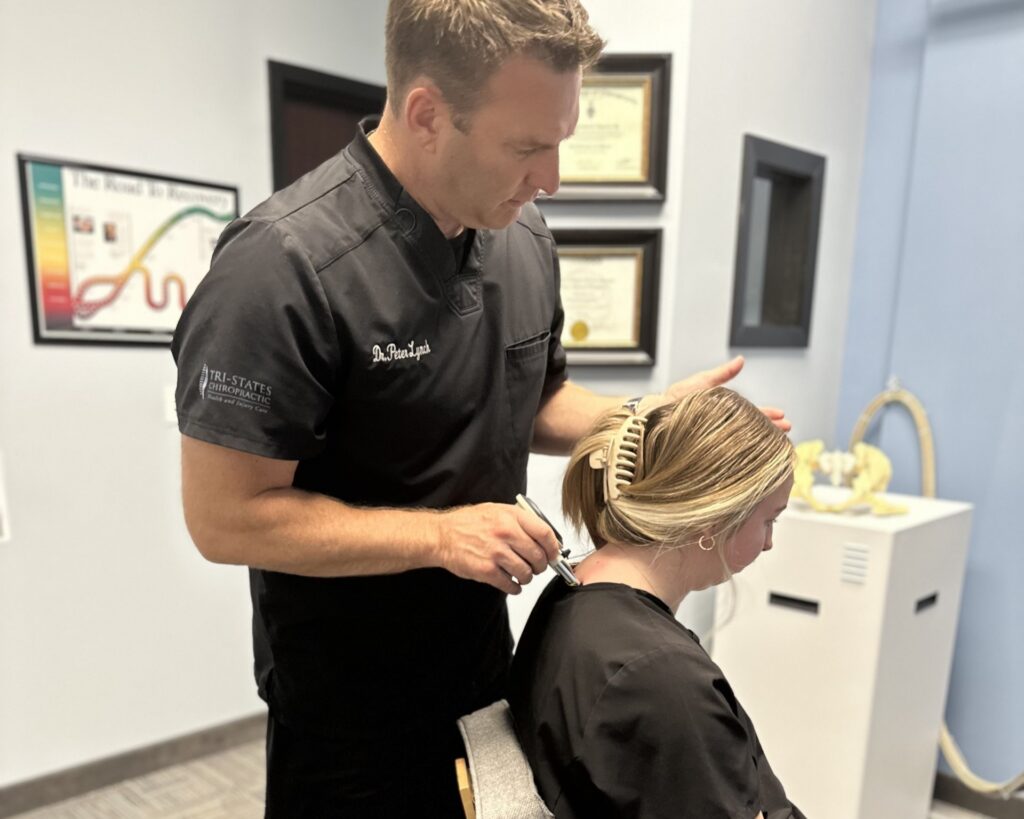
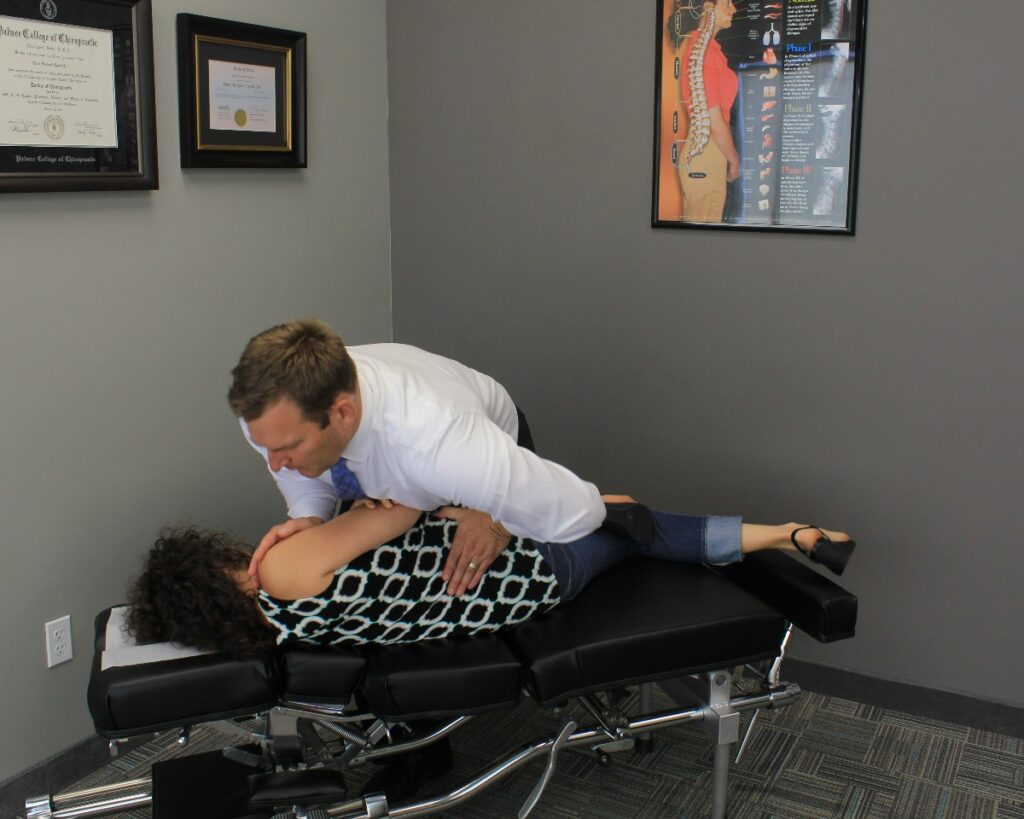
- Incorporate Regular Chiropractic Care: Regular visits to your chiropractor can help ensure that your spine is aligned properly, which can reduce tension in the muscles that may be contributing to your headaches. Chiropractic adjustments can improve your overall spinal health and promote better function.
- Engage in Relaxation Techniques: Techniques such as deep breathing exercises, meditation, and yoga can help reduce stress and tension in your body. These practices promote relaxation and can be beneficial for headache relief.
- Utilize Heat or Cold Therapy: Applying a warm compress or a cold pack to your neck or forehead can help ease headache pain. Heat can relax tense muscles, while cold can numb discomfort.
- Explore Aromatherapy: Certain essential oils, such as lavender or peppermint, can provide soothing effects. Diffusing these oils or applying them to your temples may help relieve tension and enhance relaxation.
- Get Regular Exercise: Physical activity can help reduce stress and improve circulation, which may lower the frequency and intensity of headaches. Aim for at least 30 minutes of moderate exercise most days of the week.
By incorporating these natural strategies into your daily life, you can effectively manage tension headaches and improve your overall health. Remember, chiropractic care is a powerful tool for achieving optimal wellness and pain relief. If you’re struggling with headaches, consider reaching out to your chiropractor for personalized guidance and support.
Key Takeaways
- Practice relaxation techniques such as deep breathing and mindfulness meditation. These methods help reduce stress and tension that can trigger headaches, promoting a more balanced state of mind and body.
- Pay attention to your posture, especially while working at a desk. Good posture can prevent unnecessary strain on your neck and shoulders, significantly lowering the frequency of headaches and contributing to overall spinal health.
- Stay hydrated! Drinking plenty of water throughout the day is essential in avoiding dehydration, which can often lead to tension headaches. Proper hydration supports your body’s natural functions and promotes optimal wellness.
- Consider using heat therapy to soothe tight muscles or cold therapy to numb pain and reduce inflammation. Both methods can be effective in managing headache symptoms and enhancing your comfort.
- Incorporate regular exercise into your daily routine. Activities such as yoga or tai chi not only promote relaxation but also support spinal alignment and muscle health, which can help reduce the occurrence of headaches. Staying active is key to maintaining overall well-being.
By integrating these tips into your lifestyle, you can help alleviate tension headaches naturally and support your journey to better health. Remember, chiropractic care is an excellent option for addressing the root causes of headaches and enhancing your overall wellness!
Practice Relaxation Techniques
Many individuals experience tension headaches, and practicing relaxation techniques can be an excellent way to alleviate this discomfort. As a chiropractor, I encourage you to incorporate deep breathing exercises into your daily routine. Take a few minutes each day to inhale deeply through your nose and exhale slowly through your mouth. This simple practice can help calm your nervous system and release built-up stress, making it an effective tool for pain relief.
Another technique worth trying is progressive muscle relaxation. Start by focusing on tensing and then relaxing each muscle group in your body, beginning from your toes and working your way up to your head. This method not only helps to ease physical tension but also promotes mental clarity, enhancing your overall well-being.
Mindfulness meditation can also be incredibly beneficial. Spend a few moments in silence, focusing on your breath and letting go of any distracting thoughts. Regularly practicing these relaxation techniques can create a sense of calm that counteracts tension headaches.
Remember, chiropractic care is a powerful approach to achieving optimal health and wellness. By addressing spinal alignment and improving nerve function, chiropractic treatments can help reduce the frequency and intensity of tension headaches.
Maintain Good Posture
Maintaining good posture is crucial for preventing tension headaches, as poor alignment can strain your neck and shoulder muscles. When you slouch or hunch, it increases tension in these areas, leading to discomfort. Chiropractic care is an excellent way to address these issues naturally, helping you achieve better alignment and overall wellness.
Here are some simple tips to improve your posture and support your spinal health:
- Sit Up Straight: Keep your back straight and shoulders relaxed. Your feet should be flat on the floor to provide a stable base. A chiropractor can guide you on how to sit properly to avoid unnecessary strain.
- Adjust Your Workspace: Ensure your computer screen is at eye level, and your chair offers support for your lower back. This small change can make a big difference in your comfort and posture throughout the day.
- Use Ergonomic Furniture: Consider investing in ergonomic chairs and desks designed to promote good posture. These tools can help reduce strain and support your spine’s natural curves.
- Take Regular Breaks: Make it a habit to stand up, stretch, and move around every hour. This practice not only relieves muscle tension but also encourages better circulation, which is essential for your overall health.
Remember, chiropractic care can play a vital role in maintaining your posture and preventing headaches. A chiropractor can provide personalized adjustments and advice tailored to your unique body, helping you achieve optimal health naturally.
Taking these steps can lead you to a more comfortable, pain-free life!
Stay Hydrated
Staying hydrated is vital for your overall health and can play a significant role in preventing tension headaches. Even mild dehydration can lead to discomfort and increased tension in your muscles, which can negatively impact your spine and overall wellbeing. As a chiropractor, I encourage you to make hydration a daily habit. Keep a water bottle with you to remind yourself to sip regularly throughout the day.
Here’s a simple guide to help you track your hydration:
| Time of Day | Water Intake Goal |
|---|---|
| Morning (8 AM) | 1-2 cups |
| Afternoon (12 PM) | 1-2 cups |
| Evening (6 PM) | 1-2 cups |
If plain water doesn’t excite you, consider adding a splash of lemon or cucumber for a refreshing twist. It’s essential to listen to your body; if you feel thirsty, that’s your cue to hydrate! By staying well-hydrated, you not only support your overall health but also help reduce the risk of tension headaches, which can lead to discomfort in your spine and muscles.
Apply Heat or Cold Therapy
When tension headaches strike, many people find relief through natural methods like heat or cold therapy. As a chiropractor, I recommend these techniques to help soothe discomfort while promoting overall wellness.
Heat therapy can be beneficial for relaxing tight muscles in your neck and shoulders, which are often culprits behind headaches. A warm compress or heating pad can work wonders to ease tension and improve blood circulation.
On the other hand, cold therapy, such as a cold pack or ice wrapped in a cloth, can help numb the pain and reduce inflammation. This method can be particularly effective if your headache is accompanied by swelling or sensitivity.
Understanding when to use heat versus cold can greatly enhance your comfort. Generally, if your headache is related to muscle tightness, heat is your best bet. Conversely, if you experience sharp pain or your head feels inflamed, a cold compress may provide the relief you need.
In addition to these therapies, it’s important to consider chiropractic care as a primary approach for managing headaches. Regular chiropractic adjustments can help align your spine, reduce muscle tension, and improve overall function, leading to fewer headaches over time.
Remember, maintaining a healthy lifestyle, staying hydrated, and practicing good posture can also play significant roles in preventing tension headaches.
Benefits of Heat Therapy
As a local chiropractor, I want to share how heat therapy can be a powerful ally in managing tension headaches. By promoting relaxation and improving blood flow, heat therapy can help ease the discomfort you may be experiencing. Here are some reasons to consider incorporating heat therapy into your wellness routine, especially alongside chiropractic care:
- Muscle Relaxation: Applying heat can help loosen tight muscles in the neck and shoulders, which are often culprits behind tension headaches. By working to release this tension, you may find that your headaches become less frequent and less intense.
- Increased Blood Flow: Heat encourages better circulation in the affected areas, which means more oxygen and nutrients are delivered to your muscles. Improved blood flow can support healing and reduce pain, enhancing the benefits of your chiropractic adjustments.
- Pain Relief: The warmth from heat therapy can help block out pain signals sent to your brain, providing quick relief. This can be particularly beneficial when combined with chiropractic care, which addresses the root causes of pain.
- Stress Reduction: Heat therapy promotes a sense of relaxation, helping to lower stress levels that may contribute to tension headaches. When you’re less stressed, your overall well-being improves, which is a key goal of chiropractic care.
For effective results, try using a warm compress or a heating pad on the areas where you feel tension, especially after your chiropractic adjustments.
Remember, alongside heat therapy, regular chiropractic care can optimize your spinal health, helping to prevent tension headaches from recurring.
Prioritize your health by embracing natural methods like these!
Cold Compress Techniques
Cold compress techniques can be a highly effective way to manage tension headaches, especially when you’re seeking natural relief without relying on medications. As a chiropractor, I often recommend these methods alongside chiropractic care to help alleviate pain and promote overall wellness.
To create a cold compress, simply take a clean cloth or towel and soak it in cold water. Wring it out and gently place it on your forehead or the back of your neck, where you may feel tension. Alternatively, you can use a bag of ice wrapped in a towel—just be sure to avoid direct contact with your skin to prevent frostbite. Keeping the compress on for about 15-20 minutes can help reduce inflammation and numb the discomfort, giving you a much-needed break from tension headaches.
Incorporating cold compresses into your routine is a great way to complement the benefits of chiropractic adjustments, which focus on aligning the spine and improving overall body function. Remember to listen to your body and adjust the treatment as needed; if the cold feels too intense, take breaks as necessary.
Additionally, consider these general tips for managing tension headaches naturally:
- Stay Hydrated: Dehydration can often lead to headaches, so drinking plenty of water throughout the day is essential.
- Practice Relaxation Techniques: Activities such as deep breathing, meditation, or gentle yoga can help reduce stress and tension.
- Maintain Good Posture: Be mindful of your posture, especially if you’re sitting for long periods. Proper alignment can reduce strain on your neck and shoulders.
- Schedule Regular Chiropractic Visits: Regular adjustments can help prevent tension headaches by ensuring your spine is properly aligned and reducing muscle tension.
By integrating these practices with cold compress techniques, you can work towards not only alleviating tension headaches but also enhancing your overall health and wellness.
When to Alternate Treatments
Choosing whether to apply heat or cold therapy can significantly influence your relief from tension headaches. Each treatment has its unique benefits, and understanding when to alternate between them can enhance your comfort and overall well-being. Here’s a simple guide to help you use these methods effectively:
- Cold Therapy: Use cold therapy in the early stages of a headache. It provides immediate numbness and can help reduce inflammation, which is often a key player in headache discomfort. Simply apply a cold pack or a cloth filled with ice wrapped in a towel to the affected area.
- Heat Therapy: When you notice tightness in your neck or shoulders, heat therapy can be your best friend. Applying heat helps to relax tense muscles and improve blood circulation, which can alleviate the pain. Try using a warm towel, heating pad, or a warm shower to soothe those stiff areas.
- Alternating Treatments: If you find that one treatment isn’t providing enough relief, consider alternating between heat and cold. This combination can sometimes offer greater comfort and relief from tension headaches.
- Duration: For both heat and cold therapies, apply each for about 15-20 minutes. Give your body time to respond before switching to the other treatment. This way, you can maximize the benefits without overwhelming your system.
Remember, these methods are supportive techniques and can complement the holistic benefits of chiropractic care. Regular chiropractic adjustments can help address the underlying causes of tension headaches by promoting spinal health and reducing muscle tension.
Take some time to experiment with these approaches to discover what works best for you. Incorporating these simple yet effective strategies into your routine can lead to better pain management and overall wellness.
Prioritizing your health with chiropractic care can help you achieve optimal well-being and a healthier, pain-free lifestyle.
Incorporate Regular Exercise
Incorporating regular exercise into your routine can be a game changer for tension headaches, and as your local chiropractor, I can’t emphasize enough how beneficial this can be for your overall health. Engaging in activities you genuinely enjoy makes it feel less like a chore and more like a refreshing break for your body and mind.
Establishing a consistent exercise schedule is key to reaping the benefits. Aim for a mix of cardiovascular exercises, strength training, and flexibility work, including important stretching exercises that enhance your posture and alleviate tension.
Remember, when your spine is aligned and your muscles are relaxed, you’re less likely to experience the discomfort of tension headaches.
Additionally, consider incorporating gentle activities such as yoga or tai chi, which not only promote movement but also focus on breathing and relaxation techniques that can further reduce stress and tension in the body.
And don’t forget, regular chiropractic adjustments can complement your exercise routine perfectly by ensuring your spine is aligned and your nervous system is functioning optimally.
This holistic approach can lead to greater relief and improved overall wellness. Take care of your body, and it will take care of you!
Choose Enjoyable Activities
Finding activities you enjoy can play a significant role in managing tension headaches, and as a chiropractor, I want to emphasize the importance of natural approaches to wellness. Engaging in enjoyable pursuits not only helps reduce stress but also promotes relaxation—two key factors in alleviating headache discomfort.
Here are some activities you might consider that align well with maintaining a healthy spine and overall well-being:
- Dancing: This is a fantastic way to get your body moving and release endorphins, which can help alleviate pain. Plus, it’s a fun way to socialize and lift your mood!
- Yoga: Yoga combines physical activity with mindfulness and can be highly beneficial for spinal health. The gentle stretches and breathing exercises can relieve tension, improve posture, and help prevent headaches.
- Gardening: Spending time outdoors in nature while tending to your plants isn’t only therapeutic but can also promote physical activity. This can improve your overall posture and spinal alignment as you move and lift carefully in the garden.
- Painting: Engaging in creative activities like painting can serve as a great outlet for stress relief. Focusing on your artwork can help take your mind off pain and tension, allowing your body to relax.
In addition to these activities, remember to maintain proper posture throughout your daily tasks, stay hydrated, and consider regular chiropractic care to support your spinal health.
Set a Routine
Establishing a routine that includes regular exercise can be a game-changer for managing tension headaches, and as your local chiropractor, I want to emphasize the importance of a holistic approach to wellness.
When you prioritize physical activity, you’re not just boosting your mood; you’re also reducing stress—one of the main contributors to headache pain. Aim for at least 30 minutes of moderate exercise most days. This could be something as simple as brisk walking, cycling, or even dancing to your favorite music.
The key is to choose activities you genuinely enjoy, making it easier to stick to your routine. Consistency is crucial; when you engage in regular exercise, your body becomes more adept at handling stress and tension.
Additionally, incorporating exercise can improve your sleep quality, which may help alleviate potential headache triggers.
Remember, even short bursts of activity throughout the day—like taking a walk during your lunch break or doing some stretches—can make a significant difference. These small changes can enhance your overall wellness and provide relief.
Chiropractic care also plays a vital role in achieving optimal health. By aligning your spine and ensuring your nervous system functions properly, you can further support your body’s ability to cope with stress and reduce headache frequency.
Incorporate Stretching Exercises
As a local chiropractor, I know how important it’s to manage tension headaches effectively. While regular exercise plays a vital role in headache relief, incorporating stretching exercises can significantly enhance your efforts for a more natural and holistic approach to wellness.
Stretching helps to alleviate muscle tightness, improves blood flow, and promotes relaxation, which can reduce the frequency of headaches. Here are four effective stretches you can easily try at home:
- Neck Stretch: Sit or stand comfortably, and gently tilt your head to one side, feeling the stretch along the side of your neck. Hold this position for 15-30 seconds, then switch to the other side. This helps release tension in the neck area, which is often a contributing factor to headaches.
- Shoulder Rolls: Relax your shoulders and roll them forward in a circular motion for about 30 seconds, then switch to rolling them backward. This exercise helps relieve tightness in your shoulders and upper back, areas that can harbor stress-related tension.
- Chest Opener: Stand tall with your feet shoulder-width apart. Interlace your fingers behind your back and gently lift your arms while pushing your chest forward. This stretch opens up your chest and counteracts the forward hunch that many of us develop from sitting for long periods.
- Upper Back Stretch: Clasp your hands in front of you and round your upper back, gently pushing your hands away from your body. Hold this position for 15-30 seconds. This stretch helps improve mobility in your upper back and can relieve discomfort that contributes to headaches.
Incorporating these stretches into your daily routine can be a great way to ease tension and promote relaxation.
Remember, chiropractic care is a powerful ally in your journey to optimal health. Regular adjustments can help align your spine, relieve pain, and improve your overall wellness.
Explore Aromatherapy
As you seek relief from tension headaches, it’s important to consider holistic approaches that promote your overall well-being, and one such avenue is aromatherapy. While chiropractic care is an excellent choice for addressing the root causes of headache pain through spinal adjustments, incorporating essential oils can complement your wellness journey. Oils like lavender, peppermint, and eucalyptus may help ease headache symptoms when inhaled or applied topically.
Here’s a quick reference table to guide you in choosing the right essential oils:
| Essential Oil | Benefits |
|---|---|
| Lavender | Promotes relaxation and sleep |
| Peppermint | Relieves tension and stimulates |
| Eucalyptus | Clears sinuses and enhances breathing |
To use these oils, you might find it beneficial to inhale them directly or mix a few drops with a carrier oil for a soothing massage on your temples. This can be a wonderful addition to your chiropractic care routine, helping to create a peaceful environment that can ease tension and potentially reduce the frequency of headaches.
Remember, chiropractic care focuses on aligning your spine to improve nerve function and overall health, which can also play a significant role in headache management. Regular adjustments can help reduce the tension that leads to headaches, while aromatherapy can provide additional relaxation and relief.
Incorporating these practices into your daily routine can foster a healthier lifestyle. Consider setting aside time each day to practice deep breathing or engage in gentle stretches to complement your chiropractic treatments. Together, these approaches can enhance your journey toward optimal health and wellness.
Get Adequate Sleep
A good night’s sleep is crucial for your overall health and can significantly help reduce the frequency and intensity of tension headaches. When you’re well-rested, you’re better prepared to handle stress and tension, which are known triggers for headaches.
As a local chiropractor, I believe that achieving optimal health goes hand-in-hand with good sleep hygiene. Here are some simple tips to improve your sleep quality and maintain a healthy spine:
- Stick to a Schedule: Try to go to bed and wake up at the same time every day. This consistency helps regulate your body’s internal clock, promoting better sleep quality. A well-rested body is better able to support spinal alignment and overall wellness.
- Create a Relaxing Environment: Make your bedroom a sanctuary for sleep. Ensure it’s comfortable, dark, cool, and quiet. This environment will help you unwind and prepare for restorative sleep, which is essential for spinal health and alleviating tension.
- Limit Screen Time: Aim to avoid screens at least an hour before bed. The blue light emitted by devices can interfere with melatonin production, making it harder to fall asleep. Instead, consider reading a book or practicing gentle stretches to ease tension in your body before bed.
- Practice Relaxation Techniques: Engaging in relaxation activities like deep breathing, gentle yoga, or meditation can help calm your mind and body before sleep. This not only improves your sleep quality but also supports your spine by reducing tension in your muscles.
By incorporating these practices into your routine, you can enhance your sleep quality and promote natural healing.
Remember, chiropractic care can also play a pivotal role in achieving optimal health and well-being. Regular adjustments can help relieve tension and improve your body’s ability to function at its best.
Prioritize your sleep, and your spine will thank you!