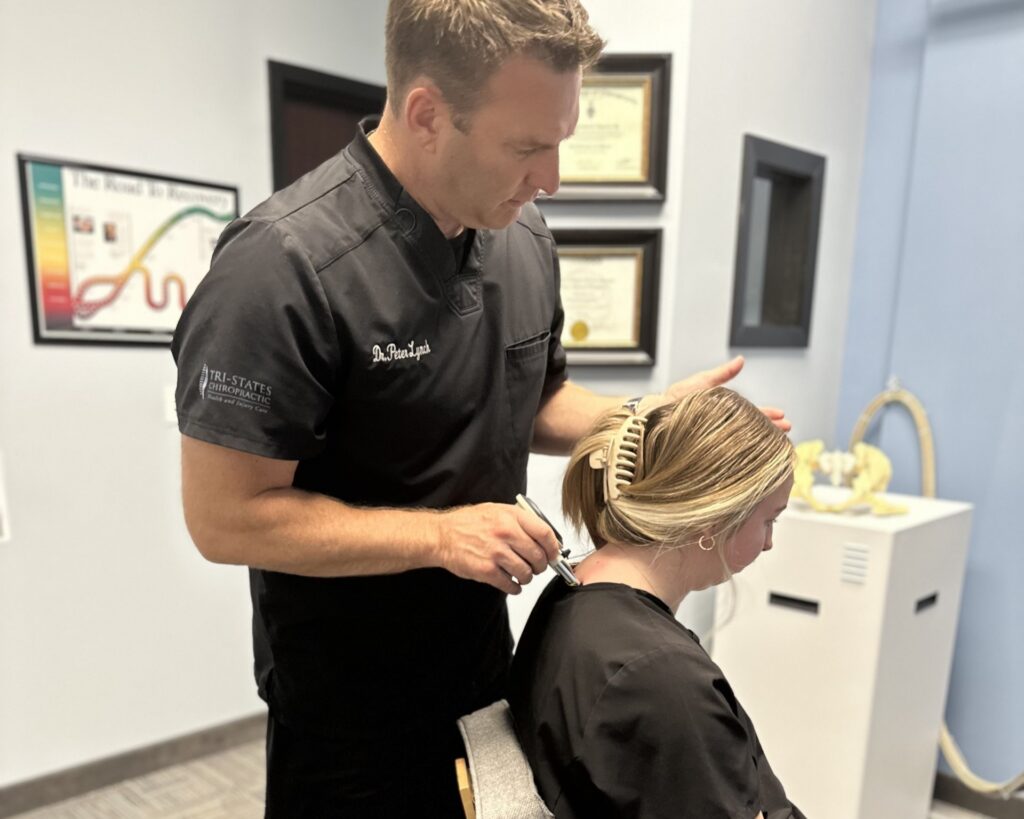
Reliable Techniques for Correcting Painful Posture
August 23, 2025
As a local chiropractor, I want to share some insights on how to address painful posture effectively. It’s important to realize that improving your posture goes beyond simply sitting up straight. A holistic approach that includes ergonomic adjustments, specific exercises, and mindfulness practices can make a world of difference.
First, let’s talk about your workspace. Making a few adjustments to your desk setup can alleviate strain on your body. This might involve adjusting your chair height, ensuring your computer screen is at eye level, and using supportive cushions.
In addition to these changes, incorporating targeted movements into your daily routine is crucial. Exercises that strengthen your core and stretch tight muscles can help realign your body and reduce discomfort.
Lastly, mindfulness practices like deep breathing and body awareness can enhance your posture by helping you stay conscious of your alignment throughout the day.
By exploring these techniques, you can find what works best for you and lead yourself towards a more comfortable, aligned posture. Remember, chiropractic care can also support you on this journey, helping to correct any misalignments and promote natural healing. Let’s work together to find a solution that suits your needs!
Understanding the Importance of Good Posture
As a local chiropractor, I want to emphasize that good posture isn’t just about appearance; it’s fundamental to your overall health and well-being. When you maintain proper posture, your body aligns in a way that minimizes strain on your muscles and ligaments. This can be particularly beneficial in reducing discomfort in your back and neck, making everyday activities much more enjoyable and less painful.
Moreover, good posture has a significant impact on your lung function, which directly enhances your breathing and boosts your energy levels throughout the day. Many people don’t realize that the way they hold their bodies can influence their mood and confidence. For instance, slouching can contribute to feelings of fatigue and lower self-esteem, while standing tall can elevate your self-image and enhance your mental outlook.
Incorporating good posture into your daily routine is more than just a superficial change; it’s a crucial investment in your health. By being mindful of how you position your body, you’re taking an essential step toward a healthier, more vibrant life.
As your chiropractor, I encourage you to pay attention to your posture and consider how it can be improved for your overall well-being. Together, we can work towards achieving better alignment and a stronger, healthier you.
Simple Exercises to Strengthen Postural Muscles
As your local chiropractor, I want to emphasize the importance of maintaining good posture for your overall health. One key aspect of achieving this is by enhancing your core stability and strengthening your upper back muscles.
These simple exercises can play a crucial role in developing the necessary support for proper alignment. Incorporating these movements into your daily routine can make a significant difference in how you feel.
Let’s take a closer look at some effective exercises that can help you build strength and improve your posture naturally. By doing so, you’re not only supporting your spine but also promoting better overall well-being.
I encourage you to give these exercises a try and take an active role in your health!
Core Stability Exercises
As a local chiropractor, I often see how poor posture can contribute to discomfort and pain in many of my patients. One effective way to combat this issue is by incorporating core stability exercises into your routine.
These exercises are designed to strengthen the muscles that support your spine, particularly your abdominal, back, and pelvic muscles, which are essential for maintaining good posture.
I recommend starting with some foundational moves such as planks, bridges, and bird-dogs. For planks, hold the position for 20-30 seconds, ensuring that your body forms a straight line from head to heels.
For bridges, lie on your back with your knees bent and lift your hips while squeezing your glutes, which helps activate your core and lower back. In the bird-dog exercise, balance on your hands and knees while extending one arm and the opposite leg, promoting stability and coordination.
Aim to incorporate these exercises into your routine several times a week, gradually increasing the duration and intensity as your strength improves.
Many of my patients have noticed significant enhancements in their strength, stability, and overall posture as a result of these practices.
Upper Back Strengthening
As a local chiropractor, it’s important for me to emphasize the significance of strengthening your upper back. Doing so can greatly enhance your posture and help alleviate discomfort often associated with slouching. Let’s explore some simple yet effective exercises that you can incorporate into your routine.
One foundational exercise is the bent-over row. For this, you’ll need a pair of dumbbells. Bend slightly at the waist, keeping your back straight, and pull the weights toward your chest. This movement activates your upper back muscles, promoting better alignment.
Another beneficial exercise is the scapular squeeze. Whether seated or standing, focus on maintaining a tall posture as you pull your shoulder blades together. Hold this position for a few seconds; this helps reinforce the connection between your brain and your upper back muscles.
Don’t forget about resistance band pull-aparts! Hold the band at shoulder height and stretch it outwards. This exercise not only strengthens your upper back but also enhances your shoulder stability.
Lastly, try incorporating wall angels into your routine. Stand against a wall and slide your arms up and down, ensuring your elbows and wrists remain in contact with the wall throughout the movement. This exercise is fantastic for promoting shoulder mobility while strengthening your upper back.
I recommend aiming for 10-15 repetitions of each exercise a few times a week. By doing so, you’ll build strength and support your posture, contributing to overall wellness.
Ergonomic Adjustments for Work and Home
As a chiropractor, I want to emphasize the importance of making ergonomic adjustments in your work and home environments to support your posture and overall health.
By optimizing your desk setup, selecting a chair that provides proper support, and ensuring your screen is at the correct height, you can significantly reduce strain on your body.
These simple modifications can alleviate discomfort and enhance your well-being throughout the day.
Desk Setup Optimization
As a chiropractor, I often emphasize the importance of a well-optimized workspace to enhance both comfort and productivity while you work at your desk.
One of the first adjustments I recommend is to position your monitor at eye level. This simple change can alleviate neck strain, which is a common issue I see in patients. Make sure your screen is about an arm’s length away to also reduce eye fatigue.
Next, let’s talk about your keyboard and mouse. It’s crucial that these tools are set up so that your elbows remain close to your body, forming a right angle. This positioning helps maintain a healthy posture and keeps your wrists straight while typing, minimizing the risk of repetitive strain injuries.
Additionally, consider using a document holder to elevate papers to eye level. This can help you maintain a neutral neck position, which is essential for preventing discomfort and promoting spinal health.
Lastly, don’t underestimate the importance of proper lighting in your workspace. Adequate lighting can help prevent glare on your screen, reducing eye strain and enhancing your overall comfort.
Remember, small adjustments to your desk setup can lead to significant improvements in your posture and well-being.
As you embrace these changes, you may find that your body feels better and your productivity increases. Taking care of your workspace is an essential part of caring for your body!
Chair Selection Tips
As a local chiropractor, I want to emphasize the significance of choosing the right chair for your overall spinal health and well-being. It’s not just about how your desk looks; it’s about how it supports your body during those long hours of sitting.
First and foremost, look for chairs that offer adjustable height. This feature is essential as it allows your feet to rest flat on the floor, promoting better circulation and reducing strain on your lower back.
Speaking of the lower back, a chair with excellent lumbar support is crucial. It helps maintain the natural curve of your spine, which can significantly reduce discomfort and fatigue over time.
Be mindful of the seat depth as well. It should be deep enough to support your thighs without pressing against the back of your knees, ensuring that blood flow remains unrestricted.
Armrests are another important consideration; they should be adjustable to keep your shoulders relaxed and tension-free.
If you have the option, choose a chair made from breathable fabric. This can make a noticeable difference in your comfort level throughout the day.
Lastly, I always recommend trying out the chair for a few minutes before making a purchase. It should feel both supportive and comfortable.
By prioritizing a chair that promotes good posture, you’re taking an important step towards enhancing your overall health and well-being.
Screen Height Adjustment
As a chiropractor dedicated to helping you achieve optimal health and wellness, I want to emphasize the importance of your workspace setup, particularly the height of your screen.
Proper screen height adjustment is crucial for preventing neck and eye strain, which can lead to discomfort and long-term issues. Ideally, your monitor should be positioned at eye level, approximately an arm’s length away. This arrangement encourages a neutral posture and minimizes the risk of strain.
Here are some tips to help you find the perfect screen height:
Consider using a monitor stand or riser to elevate your screen to the appropriate level.
Adjust your chair height to ensure your body is aligned properly while seated.
Tilt your screen slightly backward to reduce glare, which can cause eye fatigue.
Make sure your eyes are aligned with the top third of the screen for optimal viewing.
Keep your feet flat on the floor to provide better support and stability.
By following these guidelines, you can create a healthier workspace that supports your overall well-being and reduces the chances of experiencing discomfort related to poor posture.
As a chiropractor, I want to share with you how mindfulness and body awareness techniques can significantly enhance your posture and overall well-being.
By tuning into the sensations in your body, you can identify areas of tension and make necessary adjustments to your posture. Begin by taking a few deep breaths and focusing on how your body feels in this moment. Pay close attention to any discomfort or strain, particularly in your neck, shoulders, and back.
Whether you’re sitting or standing, visualize your spine aligning naturally, and consciously relax your muscles. If you notice yourself slouching, gently remind yourself to sit tall or stand straight.
Practicing mindfulness will help you become more aware of your body’s position throughout the day, which is crucial for maintaining a healthy spine.
I encourage you to incorporate short mindfulness breaks throughout your day to check in with your posture. This increased awareness not only helps alleviate discomfort but also fosters a sense of calm.
By consistently applying these techniques, you’ll cultivate healthier posture habits, which can ultimately enhance your physical health and support your chiropractic treatment.
Together, we can work toward a more aligned and balanced body.
Stretching Routines to Alleviate Tension
As a local chiropractor, I often emphasize the importance of incorporating simple stretching routines into your daily life to alleviate tension and improve overall posture. Many of my patients find that dedicating just a few minutes each day to stretch can significantly enhance their well-being.
These stretches can help release tight muscles, increase flexibility, and promote a sense of relaxation. Here are some effective stretches that I recommend:
Neck Stretch: Gently tilt your head to one side and hold for 15-30 seconds. This helps relieve tension in the neck. Don’t forget to switch sides!
Shoulder Rolls: Take a moment to roll your shoulders forward and backward in a circular motion. This simple action can help release built-up tension in the shoulders.
Chest Opener: Clasp your hands behind your back and gently pull your shoulders back. This stretch opens up the chest and counteracts the effects of sitting for long periods.
Cat-Cow Stretch: While on all fours, alternate between arching your back (like a cat) and rounding it (like a cow). This dynamic stretch engages and mobilizes your spine.
Hamstring Stretch: Sit with one leg extended in front of you and reach for your toes, holding for 15-30 seconds. This is particularly beneficial for alleviating lower back tension.
I encourage you to try these stretches regularly. You may be surprised by how much better you feel, both physically and mentally.
Incorporating Posture-Correcting Tools and Devices
As your local chiropractor, I want to emphasize the importance of not only stretching but also incorporating posture-correcting tools and devices into your daily routine.
These tools can offer immediate support and help reinforce the positive habits we’re working to establish together.
One excellent option is a posture-correcting brace. This device gently pulls your shoulders back, serving as a reminder to maintain an upright position. It can be especially beneficial if you find yourself slouching throughout the day.
In addition, I recommend considering ergonomic chairs or standing desks. These options are designed to promote ideal alignment while you work, reducing strain on your body.
For those who spend extended periods at a computer, a monitor riser can be invaluable. It ensures your screen is at eye level, which helps minimize neck strain and promotes better posture.
Don’t overlook the benefits of foam rollers or massage balls, either. These tools can effectively release tight muscles that often contribute to poor posture.
By integrating these devices into your routine, you can enhance your efforts to maintain a healthy posture throughout the day.
Remember, consistency is crucial. Adjusting to these changes takes time, so be patient with yourself as you work towards better alignment and overall well-being.
If you have any questions about these tools or how they can fit into your healing journey, feel free to reach out to me during your next visit. Your health is our top priority!
Discover how prenatal chiropractic care safely relieves back pain, pelvic pressure, and discomfort during pregnancy while supporting your body’s changes.
Dr lynch is very professional and caring. He goes up and beyond to help u. He listen to your concerns and if u need help in others areas he is happy to do so. I wish he was my doctor for everything else I need because overall he is awesome😊
Great, and quick, and easy but thorough care. Dr. lynch is always there when needed, relies on quality care and patient more than $. You can book an appointment online, by phone or just drop in, super convenient.
I started my journey with Dr. Peter in July of 2025 after moving back to Dubuque. I continue my treatment because it is a wellness journey as well as helping with back pain and any other ailments. You can schedule appointments with the app or call into the office. They are amazing. I am true believer that it supports the body's natural healing processes, promoting overall wellness. Dr. Peter is truly wonderful, caring and is truly promoting your health journey.
I have been seeing doctor Peter for months now due to a car accident injury. He has been nothing less than professional, and kind. He goes out of his way to make me feel comfortable and to understand each step of my treatment. I can't recommend him enough.
I was visiting from out of town. I was able to get an appointment right away. Dr. Is very knowledgeable and listened to my complaints . He addressed each issue and I felt some relief instantly. The receptionist was very personable and helpful. I will be going back soon.
So happy to have found Dr. Peter Lynch! I had already been to my regular Doctor's Office for my sharp back pain issue. A course of Rx's and I'm still in bad shape. This office was a referral from a friend, and I'm well on my way back to feeling great again. The office is so welcoming, and very easy to work with on scheduling. What a find! FAST FORWARD ONE YEAR. Amazing health progress with the assistance of Dr. Lynch. Great tips and guidance as I work on my personal health goals. I popped in today for an adjustment, and I'm so glad to feel this good!
Five Star +++ experience with Dr. Lynch and his team! I was visiting from out of state, and was in a lot of pain. His office was very friendly and incredibly accommodating getting me in for a last‑minute appointment. After just one adjustment, I felt an HUGE amount of relief and walked out feeling so much better!! I’m truly grateful for their help and highly recommend Dr. Lynch to anyone in need of quality chiropractic care!!
Amazing results, friendly people, flexible scheduling. Care at tri-states chiropractic has helped the most and getting me back in shape after injuries and helping maintain better back health. And deal with stress and migraines better.
Been going to a number of Chiro's for decades. Went thru a directory of other chiropractors. I was always pleased for the most part but always found that other Chiro's had certain niches they were better at, or helped me in more than other area's. One that I'm forever grateful to for breaking the chain of nose turns from Doctors regarding my issues got shelved himself due to a serious injury. So I had no choice but to look for a new Magician. Tri-State Chiropractic was barely open & still making his way but the location was enough to give it a shot. Well it's been many years now & I couldn't be more pleased with the care, effectiveness, professionalism, convenience, & for once a "checks all the boxes" chiropractic office! The ease of getting in & out, to the heated roller massage tables, the receptionists, massage therapist, & of course Dr Lynch all grade out at 5 of 5 stars & it's redundant to even be asked anymore. Therefore my review. I encourage everyone I know to go there & have brought 10 new customers there just off the top of my head. Nice to finally not have to search for one who fits a niche of my needs, but takes care of all of them. In the most efficient & effective manner possible leaving me no reason to search anymore! Thanks to everyone there past & present! Truly the best!
Was referred by co worker, and would highly recommend!! From the moment you walk in and are greeted by smiling , Grace, till the time you walk out after treatment by Dr., great experience!! Will continue on regular basis, because feeling so much better overall!!
Over the years I have visited numerous Chiropractors, and this time I received great evaluation prior to the treatment. Many times I left the office thinking, all the provider was interested.in pushing on some areas and tell me I had good movement, this provider reviewed my case prior to my appointment and was truly concerned about my treatment plan. I only wish that I had found this provider about 20 years ago because being a Paramedic I would injury my back on a regular basis and needed GOOD Chiropractic care.
I been going to Dr Peter Lynch for many years. Dr. Peter Lynch is a great chiropractor. With having a physical job I love getting my routine adjustments. The office hours are great, they are very flexible with my schedule. If you haven't tried chiropractic before, I highly suggest you give it a try with Dr. Lynch! Thanks Mikey Welbes
What an amazing first visit! Dr.Lynch was very thorough and took the time to explain why I was in pain and how he would go about correcting the problem.
I was very impressed with his knowledge and ability to interact with patients so effectively.
Before my visit, my body felt so drained, tired and very sore. After his first treatment, it was wonderful to feel like myself again and enjoy activities plus my breathing opened up and that felt incredible.
I would definitely recommend Dr. Lynch, and his receptionist was so accommodating and kind as well.
Dr. Lynch and his staff are very good at what they do. Personal, caring interactions and treatments. Most people can be helped with chiropractic. Make an appointment, what do you have to lose? Results are real.
Dr. lynch is always accommodating to my walk ins - whether scheduled or not I always feel welcome and leave feeling much better than when I came in. Friendly staff and very talented Chiropractor!
It is always a pleasant experience to use the roller bed and Pete with a great adjustment to keep the body in form and pain free ! The staff is excellent too !!😊
It was my first visit with Dr. Peter Lynch. He was wonderful, took x-rays, explained everything, and we are starting a treatment plan. I am looking forward to our future scheduled visits, to start my wellness plan. I have been going to Dr. Lynch since my first visit on July 10th. I wanted to send an update; he and his staff are amazing. He listens to my concerns, and I have to say I feel great. I will continue going to him, because beyond the immediate pain relief, I appreciate the comprehensive approach to my whole-body health. He took the time to thoroughly explain his care plan, and I feel like I am on the path to long-term wellness rather than just treating symptoms. I love the phone app; you can schedule or reschedule appointments from the app on your phone. This says a lot for me, since I previously had an unpleasant experience at a former Chiropractor.
I first came here after hurting my back 1 1/2 years ago and couldn’t hardly walk or bend over and after the treatment I received I could walk better.I like how I’m treated by the staff and the doctor and I’ll keep coming back , I feel a whole lot better after every visit
Dr. Peter Lynch is the BEST CHIROPRACTOR in the area, and I wouldn’t doubt beyond the area! I’ve seen four other chiropractors in my life, and none of them were able to help me and bring me relief even close to what Dr. Lynch and his skills have done and continue to do. I’m a very active person, outdoors a lot, and I also ride horses competitively so I put myself in situations that can and do require me to get periodic adjustments. I can’t praise Dr. Lunch enough for all that he has done for me. I will not go to any other chiropractor, period! No need to! I trust him to know what’s best for me and I highly recommend him for you and your family. 5⭐️’s !
My grandson has been receiving pediatric care for cronic constipation for basically his 9 years of life from both primary and pediatric gastronaligist. Only treatments offered has been OTC help, along with Over a year of pelvic floor therapy. Chiropractic treatment from Dr Lynch from first treatment on has shown positive signs! Its hard to speak with 100% certainty that it's from The doctors adjustments, but since treatment began, less OTC's, more ( easier) POOP!
Absolutely love that no appointment is needed, and I'm always in and out very quickly. Dr Peter (and staff) is very professional and provides guidance on ways to help control pain.
Awesome staff. Very clean place. Don't take very long. Very informative. Gets you in right away. Been going there for my back problems and anything else that hurts.
Love Dr. Lynch is awesome. I love that I can always get in last min. He keeps me healthy and always has a smile on his face. I extremely love that he never pushes supplements or meds on me like others do. Wouldn't go anywhere else.
Dr lynch is very professional and caring. He goes up and beyond to help u. He listen to your concerns and if u need help in others areas he is happy to do so. I wish he was my doctor for everything else I need because overall he is awesome😊
I didn't think I'd get relief from a chiropractor, since my other experiences with chiropractors weren't too great, but Dr Lynch has been really helpful with relieving my neck, shoulder & back pains. I'd definitely recommend him to anyone looking for a chiropractor.
I feel like a person, not a number when I sew Peter. He is down to earth, honest, caring and is there to help! He listens to what i am saying and then works with that. I feel comfortable.
Jose is also extremely sweet!
Very professional!
Very friendly and super simple. After the first 2 appointments my 3rd one i was in and out within 10 minutes and I felt better that day. Absolutely recommend.
I was having bad headaches and migraines 2-3 times a week for about 3 months. Once I started coming to the chiropractor, I only had one bad headache in 4 weeks. It has helped tremendously! Peter is friendly and gives good care to his patients.
Brought our preemie newborn, 8weeks old, 6lbs, and she loved it! Her digestive system is still premature and struggles with gas and constipation. This helped her so much, instant relief and she was able to have a BM same day! Dr. Peter was so amazing and gentle with her! I would recommend bringing your baby here!
I was very pleased with the quick response to requesting an appointment as a new patient. Staff were very friendly and helpful. Thanks for getting me in!
Wrenched back and could not walk more than 50' for two weeks until they opened on Saturday due to me working on the road during the week. Instant relief. Will only go to them.
After years of going to my usual chiro for adjustments here and there Dr. Peter took the initiative to take a deeper look into why. Still on the road to recovery, but I am optimistic.
Dr. Lynch took the time to listen to me and understand my symptoms then fully explain what my condition was. Prior to seeing Dr Lynch, I had constant hip pain. After the first treatment I felt significantly better and each session brings more relief than any pain medication I used prior.
I woke up one morning with severe pain in my left leg. I wasn't able to walk. I went to ER to see what was causing my pain. An x-ray was taken showing it was because of my back. I was sent home with help. An MRI was scheduled for two weeks out. No relief. It was a week later that I called Tri State. They got me in the same day within an hour. They have brought me relief. Very happy with staff and Doc. I will continue with treatment.1
Dr. Lynch and his staff are very professional, I highly recommend him. He helped me right away with a terrible back pain. T
hank you so much for your service.
Dr. Peter and Olivia are SO friendly and accommodating to my needs. Dr. Peter has helped me more than I ever expected. He is very understanding and great at explaining. I am a complicated patient and need specialized care and they are more than willing to accommodate my needs. They recognize me as I walk in and know my preferences without me having to say anything. They are like my friends/family even in the very short time I have been coming here. Highly recommend!
Dr Peter is very Professional. And cares about you and your family. It Don't matter if you go every week or month. He will always ask how you and the family is doing , and how work is. Most importantly he will make sure to check up on what your needing Corrected . And all for a great price.
The staff is amazing and very welcoming! Dr Lynch is great! A Dr that takes the time to explain what problem areas are affected and how he plans to get you feeling 💯.
Dr Peter and staff are amazing! Dr Peter is so personable and kind, and takes the time out to assist his patients. I will highly recommend to all my family
Dr. Peter is amazing! I've been a patient for 10 years. His staff is accommodating and welcoming. Dr. Peter will also give good tips, advice, and recommendations. The roller tables are a nice bonus. They have several payment options which are sometimes cheaper than filling insurance.
Friendly staff, and Peter is the best! These guys know what they’re doing!
Update 6/29/2023: Stopped by for a quick adjustment before an active forth of July. Goodbye lower back stiffness, I am loosie goosie and ready to rumble this weekend! Thanks Peter and staff!
Everyone that works here is super friendly and I feel instant relief after each visit. They always make me feel very comfortable and go above and beyond to make sure my 3 month old daughter is happy while I’m being adjusted.
I have so much hope for my back now that I have been seeing Dt. Lynch.
He has a vast amount of knowledge and it shows.
I have finally found someone that listens to me and has a treatment plan.
I have already recommended him to friends and family. I will continue to see him in the future. His staff is warm and friendly too.
I was experiencing dizziness for days. After my first visit the dizziness was gone. Now we are addressing other areas that I've had chronic pain or weakness and I'm feeling better now than I have in years.
Excellence!! Roller bed is great, Dr. Lynch is smart and does thorough exam with a treatment plan. Also gives you payment options for treatment if needed. The staff are all sooo friendly! Totally good vibes! Love it!
I been going to Dr Peter Lynch for many years. Dr. Peter Lynch is a great chiropractor. With having a physical job I love getting my routine adjustments. The office hours are great, they are very flexible with my schedule. If you haven't tried chiropractic before, I highly suggest you give it a try with Dr. Lynch! Thanks Mikey Welbes
Yes I like Tri State Chiropractic Health Care's approach based on solid Chiropractic science , I would highly recommend Dr Peter Lynch to friends and family , Thank you Tri State Chiro for helping me back to health .
Got some relief after just one session .. fast, courteous, explains everything and answered all my concerns .. was doubtful whether chiropractic services would help but wish now that would have been my first choice of care!!!
I've seen various chiropractors over the years and just started with Dr. Lynch. I feel like he asks the right questions and really listens to my answers to know what I need. He runs a very efficient practice, I have no problem getting in and even when the office is busy you don't have to wait long, yet you don't feel rushed. That's pretty incredible!
I came in with lower back pain to where I could hardly get out of a chair to a standing position. Within the first three visits I was able to get out of the chair with no pain. Additional visits were still needed however to complete take care of my other issues that were found. Dr Lynch is very good at what he does, his staff is very friendly and you are in and out on no time. I had to schedule during my lunch sometimes so appreciated the time.
I cannot thank Tri-state enough for giving me such great care! I've had problems with my lower back and right hip for years. He knows just how to adjust me and get to the issue. I've had a complicated neck surgery in 2007. Since my adjustments started last year with Tri-state, my back and neck have been slowly getting better and not having to use my cane any more
Recently I fell and twisted wrong with great pain, but today's adjustment gave me such relief! I would definitely recommend TriState to everyone you know! No other chiropractor I've been to compares! Make an appointment! Don't wait! You will feel so much better. They really do care.
Everyone is so friendly!! I went in with very bad pain, I’ve gone now for three days and I’m starting to feel so much better!! We have appointments booked and looking forward to getting the kiddos in too
Thank you for doing such an amazing job!!!
They do a wonderful job with my wife she comes out every time very happy and feeling better and I will let everyone know she was very scared of going again because the first time she every went to a chiropractor they hurt her and messed up her back more and tri-state has changed her mind she goes to every appointment
Dr. Peter Lynch and his team are extremely welcoming! All smiles and make you feel like family. Dr. lynch does a fantastic job explaining your X-rays and what he recommends to be done. I have had nothing but profound respect and great results following his advice
I love Dr. Lynch and his staff. They are all so kind and flexible. I have been to a lot of chiropractors who rush you through like you're a piece of meat on an assembly line. I always feel stressed out in places like that. Tri-State Chiropractic is always chill, I don't have a problem getting an appointment (they have online scheduling, which is super convenient) and Dr. Lynch is just always so reassuring and has a great sense of humor. I leave feeling better physically and mentally. Highly recommend!!
Excellent staff! Great new location! Dr Peter has been Keeping my family healthy for over 2 years! I Would recommend him to anyone who is looking for a chiropractor, he is very efficient and thorough!
Very friendly and professional staff. Dr. Lynch has helped with my pain, and I am thankful for his care. I am happy that I received advice referring me to Tri-States Chiropractic.
Love going in for an adjustment! Everyone is always friendly and welcoming. Dr. Lynch is great, always makes sure he adjusts right where I feel I need it most but also pays attention to areas I might not even be aware of. Would definitely recommend
Doctor Lynch is great! I’ve had terrible neck pain lately, and he relieved it in no time at all. He’s helped me in the past too with back issues. Highly recommend anyone looking for chiropractic care to go see Doctor Lynch!
The whole staff is super friendly, polite and helpful. They are super fast and very professional about their work. Peter has been fantastic, always concerned about how I'm doing and asking all the right questions for proper adjustment! I always recommend to anyone for coming here!
Dr. Lynch and his staff are great to work with. We look forward to every visit. Josie always greets us with a smile and welcoming attitude. Dr. Lynch continues the friendly atmosphere. He values our input in our chiropractic care, and the adjustments are exactly what we need.
Efficient, friendly, and welcoming staff will ghreet you upon entering. For first-time visitors, Dr. Lynch will provide a thorough assessment and he will go over the patient summary you provide. I found my results to datge to be satisfactory and my overall pain level in the areas of my concern are dimuinished and they remain so. I recommend Dr. Lynch without reservation .
I have to say and its not a cliche', Dr. Peter Lynch is the most thoughtful, patient and I'll even say kind chiropractor I have been blessed to be treated by. I have been seeing chiropractors for over 20 years after injuring my neck and spine from being a firefighter and not once did they ever discuss a plan to help me heal or actually take xrays. He is a diamond in the rough and a true contribution to our community.
The staff and Dr. Peter Lynch are amazing!! I have had back and neck issues from a car accident from over 20 years ago and have had to get occasional chiropractor care. My original chiropractor who was amazing retired leaving me to find someone new. I saw new a chiropractor for about 10 years and it really never seemed to help, I didn't ever feel "good" when I left there. I ended up getting severe headaches that caused me to miss work on occasion and was going to the chiropractor frequently. I was contemplating on asking my Doctor if I might need a CT scan because I was becoming concerned there might be something wrong. I decided to seek a different chiropractor first. After a lot of research I decided to try Tri State Chiropractic. Mainly because I noticed they did injury from accidents and nerve issues which I have a problem with. This was the best decision of my life. My first appointment I walked out feeling amazing and no headache. Which after dealing with them for over a year is an amazing relief. He did a full body adjustment and I felt better with that first appointment when I have in years. I am able to move better, I don't get headaches anymore, and my body doesn't ache like it did. I still have some issues off and on and will always have due to damage that can't be undone. It's wonderful though to not have to hurt all the time and to have a chiropractor that will adjust me correctly and truly cares about how I'm feeling. All the staff there are wonderful. The ladies at the desk are welcoming and cheerful and if I have questions are more than willing to answer them. The best chiropractor I have found and I will never go anywhere else!!
Dr. Lynch and his team are very professional. They treat you with kindness and respect. He has a roller table that is phenomenal! I would highly recommend him if your looking for a chiropractor!
I’ve now have a chiropractor who listened to what I had to say with respect that I know my body. Several years ago I had x-rays, consultation, and adjustments to fit me personally.
Dr Peter is humble, patient and respects my opinions in my own health care.
I can get appointments same day to meet my needs. Excellent doctor and wonderful staff. I’ve referred some of my clients and family. They feel the same way.
For those looking for a replacement or new chiropractor look no more. This is the place to come. I have been getting adjusted for years and I am so glad I found Dr. Peter. He listens to your problems and concerns and then he explains what he can do for you.
Give him a chance to help you stop hurting.
Tell him I recommend you to see him.
J.Rangel
DBQ, IA.
I have had an a migraine every day for the last 4.5 years, I have went through many doctors and medications to try and solve the issue but nothing worked. I have been going to Tri-States Chiropractic for about 3 months now and I have only had maybe 1 migraine since! I have found myself sleeping better, having more energy, and overall finding more joy in life! Chiropractic is truly amazing and I highly recommend to everyone I cross paths with!
Dr. Lynch is phenomenal. Treatments are quick, effective and office staff is always friendly and helpful. Will not get chiropractic care anywhere else.
Dr. Lynch is a miracle worker! I had back surgery about 6 years ago where a rod in my back was placed to help fix my scoliosis. After the surgery, my neck ligaments were shot so I couldn’t hold up my neck on my own. After trying a couple different things, I ended up at Dr. Lynch’s and he started working on strengthening my neck muscles. After a month or so of going to him, I realized that I’m able to hold my neck up a little on my own thanks to him. Highly recommend him for anything!
After years of hip pain and general discomfort, Dr. Lynch put my hip back into place. It was unbelievable, instant relief! I wholeheartedly recommend Tri-States Chiropractic. And, would encourage anybody who is skeptical about chiropractic to give Dr. Lynch a try, and trust the process. I feel better than I have in years. I cannot express enough my gratitude for this chiropractor and his wonderful staff! Thank you!
I was in a bad car accident about 2 1/2 years ago. Had been to two different chiropractors and could not get full relief in my lower back and hips. Got to the point where I couldn't lay on my side due to pain. Dr. Peter started seeing me about a month ago. What two others couldn't do,Dr. Peter did in just a month. Able sit longer,walk better and am almost pain free! Dr. Peter is the bomb!
Pete is the man I went to him because of a pinched nerve in my shoulder within a week he relieve the pain and it is on its way to recovery which others could not do! I highly recommend him very professional !!!
Courteous and professional staff. My pain has eased tremendously. Dr. Peter always explained his methods and showed me which vertebrae were giving me trouble with X-Rays and diagrams.
I wish I wouldn't have waited so long to start Chiropractic care!! No amount of stretching was helping me achieve the incredible relief I've gained from my visits! I would go daily if I could!!! Dr. Peter and his team are the best in town!! Thank you for all you do!
It’s amazing how much discomfort you will tolerate until you finally experience what it feels like to FEEL GOOD!
This is what chiropractic care with Tri-States Chiro has taught me. I moved an hour away, tried 4 other chiropractors, gave up and just commit to driving an hour to get the right kind of adjustment/care I need and deserve! 😁
I started going to Dr. Lynch when i was around 4 months pregnant. I was going somewhere else previous to that, and kept having "complications" after each visit. I was leary to go to a chiropractor again. Dr. Lynch was amazing! He explained EVERYTHING he was going to do before he did it, as well as what may or may not happen, associated with my previous "complications". He was caring and understood why I was scared and explained, he has a family as well, who had delt with similar complications.
Even after I had my son, i still keep getting adjusted. When my son was about 2 months old I began taking him to Dr. Lynch. He had really bad reflux, and issues with constipation. 2 years later and my little man is a pro and can lay on the adjustment table all by him self, and doesn't even cry!
I’ve been a patient of Dr. Peter and the team for quite some time now. My well-being has changed for the better. I also continued working with the team during my pregnancy and after. I had a great experience, and highly recommended!
I was suffering from some really painful wrist issues - my fingers and hands were constantly numb, my wrists were weak, and often, my hands would tingle. I had gone to a chiropractor before and knew that I had issues with a degeneration in the discs in my neck which is what causes the wrist issues. I found Dr Lynch at Tri-States Chiropractic Health and Injury Care by accident when I was browsing Facebook for chiropractors in the area. I signed up for a first appointment and consultation. I was able to get in to see him almost immediately. The very next day, I got a call from Tri-States, and was scheduled in for a time that worked for me. It was the quickest turn-around time I've ever received at a medical center!
When I met Dr Lynch, he gave me a thorough examination and took some X-rays. From there, we were able to work out a health plan towards recovery. After just about 3 sessions, my pain lessened, and the numbness went away. It took a few more sessions after that, but it's been months since I'd felt even a twinge in my fingers. Chiropractic care works, and I swear by it because every single chiropractor I've seen have helped me tremendously. Dr Lynch is incredible - he's always super hard-working, cheerful, and never has anything negative to say. He makes his patients feel at ease, and always has good advice on how to stay healthy. His staff is always cheerful and friendly as well, and I feel super welcome every time I go to the center. I'm never treated like I'm just another person to fix or another person to get money from.
I can't recommend Dr Lynch's services enough! Get some chiropractic care, you're worth it!
Incredible. I had no idea what I was in for having never been adjusted before. I go twice a week and my life is seriously changed. This place is the best. 100%
I have only been there twice, but so far so good! They also work with the VA's Non-VA care program, which is a huge bonus for Veterans. They also have multiple payment plans if you have to pay out of pocket for services.
I was passing through town and my back slipped out. They got me right in WITHOUT stacks of paper work, unneeded x-rays or any other new patient fees. In fact they did my exam free, only had to pay for the adjustment. Office is extremely clean and equipped with what appears to be very new equipment. He adjusted me quickly and effectively. Thanks Troy
As a fellow chiropractor, I can honestly recommend Dr. Lynch for anything you got bothering you. You won't find a better doctor in Dubuque! Great skill and compassionate heart!
Dr. Lynch is wonderful with children. When my daughter was just three weeks old I took her to Dr. Lynch to get adjusted because she was having trouble turning her head to the right. He pays special attention to even his littlest patients. She is now 4 months old and goes for monthly adjustments. Recently she went several days without a bowel movement, I knew it was time to get her back into Dr. Lynch. To my surprise within just a couple hours after her adjustment it did the trick!! I would highly recommend Dr. Peter and his staff to not only adults that are looking for a chiropractor, but for your kids as well.
Your never to young or to old for chiropractic.
I would highly recommend Dr. Peter to anyone who is looking for a chiropractor. He is very knowledgeable and works with a wide range of people. My whole family see's Dr. Peter, including my 3 month old daughter who started when she was just 3 weeks old! He understands the benefits of chiropractic at all ages. This is a great office!
I was referred to Tri-State Clinic of Chiropractic by a co-worker. I had bad back issues and I had a bad case of Eczema. Dr Vicki was a great Chiropractor and worked on my back issues. Alix is a great physical therapist and helped keep me "limber" and the Laser Therapy helped my back and skin. I was sad to hear when Dr Vicki was moving but I was glad that she had someone replacing her. Dr Peter Lynch has been a great Chiropractor. I feel so welcomed when I come in for my appointments. Alix and Peter always have smiles on their faces and make you laugh while your are there. I enjoy the new roller tables that have been bought. They work great to get the back loosen before your adjustments. I definitely recommend them to people that need a chiropractor! They have a cash discount if your insurance isn't accepted, they accept Care Credit, and Aflac.
It was my fist time going to a chiropractor and Dr Peter took the time to explain things and make me feel comfortable. Staff was friendly and knowledgeable. Great experience and would recommend to anyone.
Dr. Peter is a wonderful chiropractor. I have been going to see him regularly and haven't felt this good in a long time. I work a job that puts a lot of stress on my lower back and Dr. Peter has helped with that and has helped me learn how to lower the strain on my back. Roller table is wonderful!
Great team! Very friendly and knowledgeable! Dr. Peter really listens and works with you to find a permanent solution!
P.S. The roller tables are amazing!
Dr. Peter Lynch is a great chiropractor. With having a physical job I love getting my routine adjustments. The office hours are great, they are very flexible with my schedule. If you haven't tried chiropractic before, I highly suggest you give it a try with Dr. Lynch!
I've been seeing Dr. Peter for over a year. He and Alix have worked miracles on me and now my youngest son (11years old). They've made me a believer in what regular chiropractic visits can do for better health! Thank you Dr. Peter and Alix