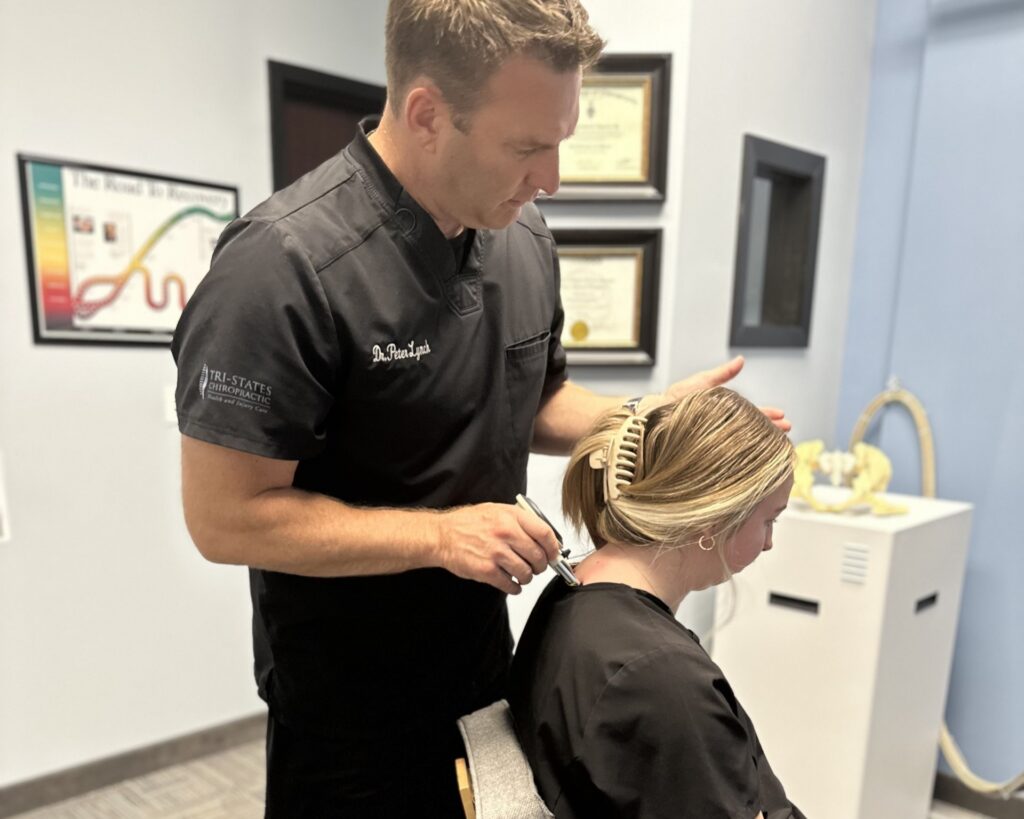
If you’ve ever experienced a tension headache, you know just how debilitating it can be. Fortunately, finding effective relief doesn’t have to be overwhelming. As a local chiropractor, I’m here to guide you through proven methods that address both the symptoms and the root causes of these headaches, with a special focus on the benefits of chiropractic care.
Chiropractic care is a natural and holistic approach to well-being that can significantly help in managing and preventing tension headaches. By focusing on spinal health, chiropractic adjustments can relieve muscle tension, improve posture, and enhance overall nervous system function—all of which can contribute to reducing headache frequency and intensity.
In addition to chiropractic adjustments, there are various lifestyle modifications you can make to support your health. Here are some practical tips to incorporate into your daily routine:
- Stay Hydrated: Dehydration can contribute to headaches. Make sure you’re drinking enough water throughout the day.
- Practice Good Posture: Poor posture, especially while sitting at a desk, can strain your neck and shoulders. Be mindful of your posture, and take breaks to stretch.
- Manage Stress: Stress is a common trigger for tension headaches. Engage in relaxation techniques such as deep breathing, yoga, or meditation to help manage stress levels.
- Get Regular Exercise: Physical activity can boost your mood and reduce tension. Aim for at least 30 minutes of moderate exercise most days of the week.
- Prioritize Sleep: Ensure you’re getting enough restful sleep each night. Establish a consistent sleep schedule and create a calming bedtime routine.
- Consider Chiropractic Care: Regular visits to your chiropractor can help maintain spinal alignment, reduce muscle tension, and promote overall wellness. Your chiropractor can also provide personalized advice tailored to your specific needs.
By incorporating these strategies into your life, you can take proactive steps towards managing and preventing tension headaches. Remember, chiropractic care is an excellent option for achieving optimal health and natural pain relief. If you’re struggling with tension headaches, don’t hesitate to reach out and explore how chiropractic care can support your journey to wellness.
Key Takeaways
- Regular chiropractic adjustments are a fantastic way to relieve muscle tension and improve spinal alignment, offering long-term relief from pesky tension headaches. By ensuring your spine is in the best possible shape, you can help reduce the frequency and intensity of headaches naturally.
- To support your overall well-being, consider incorporating stress management techniques such as deep breathing and mindfulness meditation into your daily routine. These practices can significantly lower stress levels, which in turn can help reduce the occurrence of headaches.
- It’s essential to maintain good posture while you work. Simple changes like using supportive chairs and positioning your screens at eye level can prevent muscle strain and keep tension headaches at bay. Remember, a well-aligned spine contributes to a well-aligned life!
- Aim for 30 minutes of moderate exercise most days. Activities like walking, cycling, or yoga not only boost your mood but also enhance blood flow, which can help reduce the intensity of headaches. Plus, exercise is a great way to support your overall health!
- Prioritize consistent sleep habits by establishing a bedtime routine. Minimizing screen time before bed can significantly improve your sleep quality and recovery. A well-rested body is better equipped to handle stress and tension, leading to fewer headaches.
By embracing chiropractic care and these simple lifestyle tips, you can take significant steps towards achieving optimal health and natural wellness. Remember, your spine plays a crucial role in your overall well-being!
Understanding Tension Headaches
Tension headaches are a common issue that many people face, often stemming from stress or muscle tension. They can feel like a tight band around your head, bringing about a dull, aching pain that may last anywhere from 30 minutes to several days. While tension headaches typically don’t result in nausea or vomiting, they can make you more sensitive to light and sound. You might notice these headaches cropping up after long hours spent at your computer or during particularly stressful moments.
Identifying your triggers is crucial for managing tension headaches effectively. Common culprits include poor posture, lack of sleep, and dehydration. Emotional stress can also play a significant role in their development. One of the best ways to combat these headaches is by understanding how your body reacts to stress and tension.
Chiropractic care is an excellent option for addressing these issues. Through spinal adjustments and therapeutic techniques, chiropractors can help relieve muscle tension, improve posture, and enhance overall well-being. This natural approach not only targets the symptoms of tension headaches but also addresses the root causes, promoting long-term relief.
In addition to chiropractic care, there are several tips and tricks you can incorporate into your daily routine to help prevent tension headaches. Make sure to maintain good posture, especially when sitting at your computer.
Take regular breaks to stretch and move around, and prioritize getting enough sleep. Staying hydrated is also essential—aim for plenty of water throughout the day. Finally, consider incorporating relaxation techniques, such as deep breathing or mindfulness, to help manage emotional stress.
By recognizing the signs of tension headaches and understanding how to manage them, you can take proactive steps toward achieving optimal health and wellness. Remember, awareness and taking action are key to finding relief.
If you’re struggling with tension headaches, consider visiting a chiropractor to explore how natural healing can support your journey to better health.
Stress Management Techniques
Managing stress is crucial for alleviating tension headaches, and as a chiropractor, I want to share some natural techniques that can help you achieve optimal health. Incorporating deep breathing exercises, mindfulness meditation, and progressive muscle relaxation into your daily routine can significantly reduce stress and improve your overall well-being.
Deep breathing exercises allow you to tap into your body’s natural relaxation response. By focusing on your breath, you can lower your heart rate and calm your mind. Take a few moments each day to inhale deeply through your nose, hold for a few seconds, and exhale slowly through your mouth. This simple practice can work wonders for relieving tension.
Mindfulness meditation is another effective way to manage stress. It encourages you to be present in the moment, helping you let go of worries and distractions. Just find a quiet space, sit comfortably, and focus on your breath or a specific thought. Even a few minutes a day can help you feel more centered and relaxed.
Progressive muscle relaxation involves tensing and then relaxing different muscle groups in your body. This practice not only reduces physical tension but also promotes a sense of calm. Start from your toes and work your way up, tensing each muscle for a few seconds before releasing. This technique can be especially beneficial after a long day or in preparation for sleep.
In addition to these techniques, regular chiropractic care can play a vital role in managing stress and tension. Adjustments can help align your spine, improve your nervous system function, and enhance your body’s ability to cope with stress. By addressing the physical aspects of tension, chiropractic care provides a holistic approach to achieving relief and promoting natural wellness.
Remember, making small changes in your daily routine can lead to significant improvements in your health. Incorporate these stress management techniques along with regular chiropractic visits to experience the benefits of a healthier, more balanced life.
Your journey to optimal health starts with taking care of both your mind and body.
Deep Breathing Exercises
Stress can often lead to tension headaches, but incorporating deep breathing exercises into your daily routine can be a natural and effective way to alleviate these symptoms and promote relaxation. As a chiropractor, I want to emphasize the importance of holistic approaches to health, and deep breathing is a simple practice you can start today.
Begin by finding a quiet, comfortable space where you can sit undisturbed. Close your eyes and take a slow, deep breath in through your nose, allowing your abdomen to expand fully. This deep inhalation helps oxygenate your body and can improve spinal health by encouraging proper posture. Hold that breath for a moment, then exhale gently through your mouth, consciously releasing any tension you’re holding in your shoulders and neck.
Repeat this process for several minutes, focusing solely on your breath. Visualize stress leaving your body with each exhale, allowing yourself to feel more relaxed and centered.
Incorporating deep breathing exercises for just a few minutes each day can significantly reduce tension and enhance your overall well-being. It’s a great complement to chiropractic care, which focuses on aligning your spine and improving your nervous system function to help you feel your best. By making deep breathing a regular habit, you may notice fewer headaches and an increased sense of calm throughout your day.
Remember, holistic health is about more than just treating symptoms; it’s about nurturing your body and mind. In addition to deep breathing, consider regular chiropractic adjustments to support your spine and nervous system, helping you achieve optimal health naturally.
Take these simple steps toward a healthier, headache-free life!
Mindfulness Meditation Practices
How can you cultivate a sense of calm amidst the chaos of daily life? Incorporating mindfulness meditation practices into your routine can be a powerful tool for achieving inner peace, especially when combined with the benefits of chiropractic care.
Start by finding a quiet space where you won’t be disturbed. Sit comfortably, close your eyes, and focus on your breath. Inhale deeply through your nose, then exhale slowly through your mouth. As thoughts arise, acknowledge them without judgment and gently return your focus to your breath.
Mindfulness can help reduce stress and tension, which are often contributors to spinal discomfort and headaches. As you practice mindfulness regularly, you may notice improvements not just in your mental clarity, but also in your overall well-being and pain relief.
Remember, maintaining a healthy spine is crucial for optimal health, and chiropractic care can enhance your mindfulness practice by ensuring your body is aligned and functioning properly.
Consider integrating mindfulness into your daily routine alongside regular chiropractic adjustments for lasting relief. Just a few minutes a day can make a difference, helping you build resilience against life’s stresses.
Progressive Muscle Relaxation
When stress feels heavy on your shoulders, Progressive Muscle Relaxation (PMR) can be a powerful tool to help you release tension and regain a sense of calm. This technique not only helps you relax but also enhances your awareness of your body, which is essential for maintaining optimal spinal health. As a chiropractor, I believe in the value of natural healing methods like PMR to support your overall wellness. Here’s how to practice PMR effectively:
| Step | Action | Focus Area |
|---|---|---|
| Step 1 | Tense your feet | Lower body |
| Step 2 | Tense your arms | Upper body |
| Step 3 | Focus on breathing and relax | Whole body |
To get started, find a quiet space where you can sit comfortably without distractions. As you work through these steps, pay attention to how your body feels. By tensing and then relaxing different muscle groups, you promote better circulation and support your spine’s alignment, which can lead to reduced pain and improved function.
Pairing PMR with regular chiropractic care can enhance your overall health. A chiropractor can help you address any underlying issues that may be contributing to your stress and tension, ensuring you not only feel better in the moment but also work towards long-lasting wellness.
Improving Posture and Ergonomics
As a chiropractor, I understand how poor posture can lead to discomfort, including tension headaches. One of the best ways to enhance your overall wellness is by improving your ergonomics.
Let’s explore some simple adjustments you can make in your workspace that can greatly benefit your spinal health and comfort.
First, ensure your chair provides adequate support for your lower back. It’s essential to keep your feet flat on the ground to maintain proper alignment. Your computer screen should be at eye level to prevent unnecessary strain on your neck. This alignment is crucial for maintaining a healthy spine.
When seated, remember to keep your shoulders relaxed and avoid hunching over your desk. Aim for a neutral spine position, where your back is straight, and your ears are aligned with your shoulders. If you need to use the phone, consider a headset to prevent cradling it between your neck and shoulder, which can lead to further imbalances.
Regular breaks are vital in reducing tension and promoting better posture. Stand up, stretch, and take a short walk every hour. This simple practice can help relieve tightness and improve blood circulation, supporting your overall health.
By being mindful of your posture and making these ergonomic adjustments, you not only enhance your comfort but also reduce the frequency and intensity of tension headaches.
Relaxation and Breathing Exercises
As a local chiropractor, I want to emphasize that improving your posture and ergonomics is just one vital aspect of alleviating tension headaches. However, incorporating relaxation and breathing exercises into your daily routine can significantly enhance your well-being and help reduce the frequency of headaches.
These techniques not only calm your mind and body but also complement the benefits of chiropractic care in managing stress and promoting overall health.
Here are some effective exercises you can easily incorporate into your day:
- Deep Breathing: Start by inhaling deeply through your nose, allowing your abdomen to rise. Then, exhale slowly through your mouth. Aim to do this for five minutes, focusing on each breath. This simple exercise can help release tension and promote relaxation.
- Progressive Muscle Relaxation: This involves tensing and then relaxing each muscle group in your body, starting from your toes and working your way up to your head. This practice can help you become more aware of tension in your body and can work beautifully alongside chiropractic adjustments.
- Visualization: Take a moment to picture a serene place or a calming scene while you practice deep breathing. This mental imagery can be a powerful way to distract your mind from tension and stress.
By combining these relaxation techniques with regular chiropractic care, you can take a proactive approach to managing tension headaches and improving your overall health.
Physical Therapy and Stretching
How can chiropractic care, along with physical therapy and stretching, help relieve tension headaches? By integrating these practices into your daily routine, you can significantly reduce the frequency and intensity of your headaches.
As your local chiropractor, I can assess your posture and muscle tension to identify areas that contribute to your discomfort. Targeted stretches and exercises can help strengthen weak muscles, improve flexibility, and promote better alignment of your spine.
For instance, gentle stretches for your neck, shoulders, and upper back can relieve tightness that often triggers headaches. Simple daily stretches, like neck rolls or shoulder shrugs, can enhance blood flow and help alleviate tension.
In addition to these exercises, chiropractic adjustments can work wonders in addressing the root causes of your headaches. By ensuring proper spinal alignment, we can free up nerve pathways and improve overall function, which may lead to reduced headache occurrences.
Techniques such as gentle manipulation can also help release muscle knots and improve mobility. Committing to a regular routine of chiropractic care, along with stretching, not only targets your current tension headaches but also sets you up for long-term relief.
Lifestyle Changes for Prevention
To prevent tension headaches, making some effective lifestyle changes can be incredibly beneficial. As a chiropractor, I believe that incorporating stress management techniques, a regular exercise routine, and healthy sleep habits can significantly reduce the frequency of your headaches.
Let’s dive into how these adjustments can support your journey towards optimal health.
1. Stress Management: Stress is a common trigger for tension headaches. Techniques like deep breathing exercises, meditation, and yoga can help calm your mind and body.
Regular chiropractic adjustments can also help alleviate stress by improving spinal alignment, which in turn enhances your overall well-being.
2. Regular Exercise: Engaging in physical activity not only boosts your mood but also promotes better blood flow and reduces muscle tension.
Aim for at least 30 minutes of moderate exercise most days of the week. Activities such as walking, swimming, or cycling can be great choices.
Plus, chiropractic care can enhance your physical performance and help you recover quicker from any discomfort.
3. Healthy Sleep Habits: Quality sleep is essential for preventing headaches. Establishing a consistent sleep schedule, creating a relaxing bedtime routine, and ensuring your sleeping environment is comfortable can all contribute to better rest.
If you’re experiencing sleep issues, chiropractic adjustments may help by alleviating pain and tension that could disrupt your sleep.
By integrating these lifestyle changes and considering chiropractic care, you can take significant steps toward reducing tension headaches naturally.
Stress Management Techniques
While stress can often lead to tension headaches, embracing effective stress management techniques can significantly help in reducing their occurrence. As a chiropractor, I believe in promoting natural healing and overall wellness. By integrating simple strategies into your daily routine, you can foster a calmer mindset and find relief from tension headaches, all while supporting your spinal health.
- Deep Breathing: Spend a few minutes each day practicing deep breathing exercises. Focus on slow, deep inhalations and exhalations. This not only helps to relax your mind but also supports proper oxygen flow, which is essential for your body, including your spine.
- Mindfulness Meditation: Set aside some time for mindfulness meditation. This practice allows you to center your thoughts, release stress, and reconnect with your body. A calm mind can lead to less tension in the muscles surrounding your spine, which can help reduce headache frequency.
- Journaling: Regularly writing down your thoughts and feelings can be a great way to process emotions and clear mental clutter. This practice can help relieve stress, and a less stressed mind may contribute to a healthier spine and reduced tension headaches.
By incorporating these techniques into your routine, you can take control of your stress levels, which may help lower the frequency of your tension headaches.
Regular Exercise Routine
Incorporating regular exercise into your daily routine can significantly enhance your overall well-being, especially when paired with chiropractic care. Physical activity promotes the release of endorphins, which are natural mood lifters that help alleviate stress and tension. Aim for at least 30 minutes of moderate exercise most days of the week.
Whether you prefer walking, cycling, or practicing yoga, choose activities that you find enjoyable—this will make it easier to maintain your routine. As a chiropractor, I encourage you to remember that staying active not only helps relieve tension but also supports a healthy spine.
Consistency is key, so set achievable goals and track your progress. Even short, regular bursts of activity can be beneficial. Additionally, consider integrating stretches that promote spinal health into your routine. Simple movements can help improve flexibility and reduce the risk of injury.
Healthy Sleep Habits
Establishing healthy sleep habits is essential for preventing tension headaches and promoting overall well-being, especially when considering the benefits of chiropractic care.
Prioritizing quality sleep can significantly reduce headache frequency and intensity, allowing your body to heal naturally. Here are some tips to help you create a restful sleep environment that complements your chiropractic treatments:
- Stick to a consistent sleep schedule: Aim to go to bed and wake up at the same time every day, even on weekends. Consistency helps regulate your body’s internal clock, which can enhance the healing effects of chiropractic adjustments.
- Limit screen time before bed: Reducing exposure to screens at least an hour before bedtime can help avoid disruptions to your natural sleep cycle. This simple change can improve the quality of your sleep and support your body’s recovery processes.
- Create a calming bedtime routine: Engage in relaxing activities, such as reading, gentle stretching, or deep breathing exercises. These activities not only signal your body that it’s time to wind down but also promote relaxation, which is vital for spinal health and overall wellness.
Incorporating these healthy sleep habits can complement your chiropractic care, helping you achieve optimal health and natural pain relief.