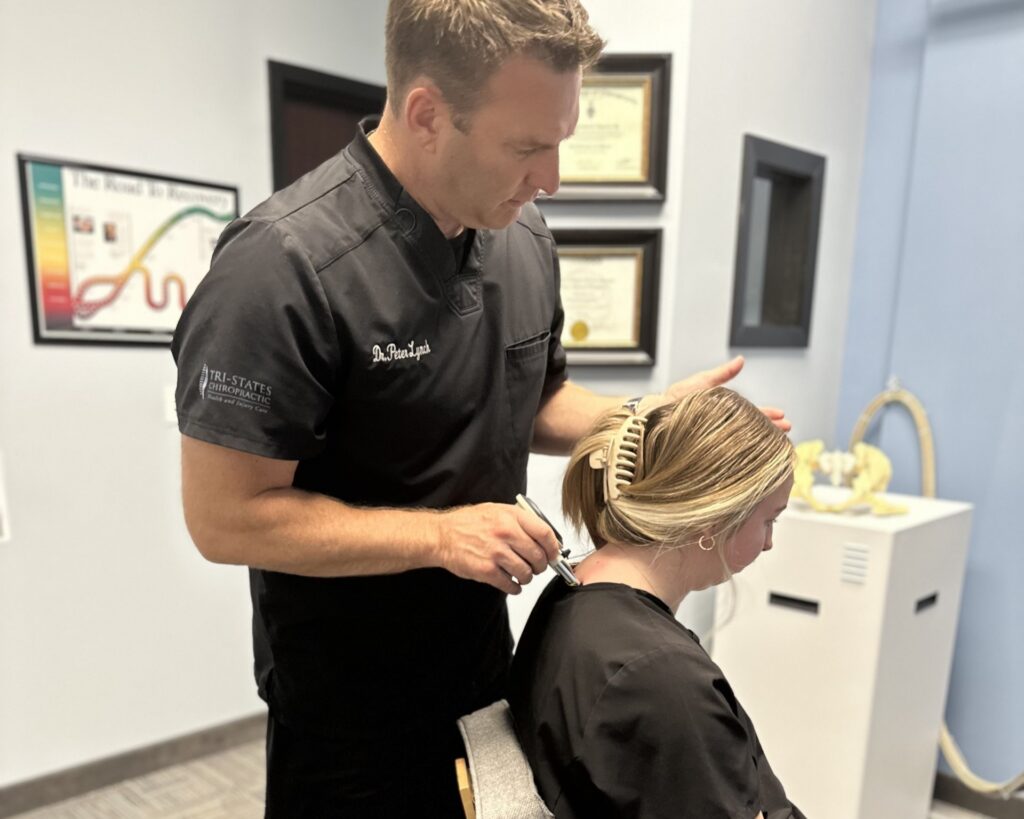
If you’re dealing with low back pain, know that you’re not alone. Many individuals face this discomfort, which can interfere with daily activities. Fortunately, there are natural and effective strategies, particularly through chiropractic care, that can help manage your pain. By focusing on maintaining good posture and exploring the benefits of spinal adjustments, you can experience a significant improvement in your comfort levels.
Chiropractic care not only addresses pain but also promotes overall wellness by enhancing spinal health. Simple lifestyle changes, such as incorporating regular stretching and strengthening exercises, can contribute to a healthier back. Additionally, practicing good ergonomics while sitting, standing, and lifting can help prevent further strain on your spine.
Let’s delve into some practical tips that can lead to a more comfortable and active lifestyle, all while emphasizing the importance of chiropractic care in your journey to pain relief and better health. Remember, achieving optimal wellness is about more than just treating pain—it’s about nurturing your body and ensuring it functions at its best.
Key Takeaways
- Start by maintaining good posture. Align your ears, shoulders, and hips while sitting or standing to support your spine and prevent unnecessary strain. Remember, proper alignment is key to reducing discomfort and enhancing overall health.
- Gentle exercises, such as walking and stretching, can work wonders for your back. These activities help strengthen your back muscles and improve flexibility, making it easier for you to stay active and pain-free. Consider integrating these movements into your daily routine.
- Stress can significantly contribute to back pain. Try practicing mindfulness and deep breathing techniques to help you relax and release tension. This not only benefits your mind but also helps your body feel better.
- When it comes to relief, heat or cold therapy can be particularly effective. Applying a warm compress or an ice pack to your lower back can help ease muscle tension and reduce inflammation, providing a soothing effect.
- Regular chiropractic adjustments can be a game-changer for your spinal health. By addressing misalignments in your spine, chiropractic care promotes better overall function and can lead to long-term relief from back pain. Think of it as an investment in your health and well-being.
By incorporating these natural tips and considering the benefits of chiropractic care, you can take significant steps toward managing your low back pain and achieving optimal health.
Maintain Good Posture
Maintaining good posture is crucial for preventing and managing low back pain, and as your local chiropractor, I’m here to guide you towards a healthier, pain-free life. When you sit, stand, or walk with proper alignment, you significantly reduce the strain on your spine and the surrounding muscles. A simple way to remember proper alignment is to ensure that your ears, shoulders, and hips form a straight line.
If you find yourself sitting for long periods, choose a chair that supports your lower back and allows your feet to rest flat on the floor. It’s important to avoid slouching or leaning forward, as these positions can create unnecessary pressure on your spine, potentially leading to discomfort.
When standing, aim to distribute your weight evenly on both feet and engage your core muscles. This not only provides additional support but also helps in maintaining balance. For those who often lift objects, remember to bend at your knees and use your legs instead of your back. This technique is vital in minimizing the risk of injury.
By practicing good posture consistently, you can alleviate existing pain and prevent future discomfort. Chiropractic care is an excellent way to support your journey towards optimal health and wellness. Regular adjustments can help align your spine, improve your posture, and enhance your overall well-being.
Stay Active With Gentle Exercises
Staying active with gentle exercises is crucial for managing low back pain and improving your overall mobility. As a chiropractor, I believe that incorporating low-impact activities like walking, swimming, or cycling can significantly strengthen your back muscles without putting unnecessary strain on them. It’s important to focus on stretches that enhance flexibility, such as cat-cow stretches or gentle torso twists. These movements can help relieve tension and support better spinal alignment.
Consider adding yoga or Pilates to your routine, as these practices emphasize core stability and proper posture, which are vital for a healthy spine. Always listen to your body; if you experience any pain, take a moment to adjust your movements or consult with your chiropractor for guidance. Consistency in your practice is key, so aim for short sessions several times a week instead of infrequent longer workouts.
Additionally, try to weave movement into your daily life. Simple actions like standing while working, taking brief walks, or even stretching during breaks can keep your back engaged and reduce stiffness. Staying active not only helps with pain management but also enhances your overall well-being.
Apply Heat or Cold Therapy
Managing low back pain effectively can often be achieved through simple methods like heat and cold therapy, alongside the benefits of chiropractic care. As a chiropractor, I encourage my patients to explore these natural approaches to relief.
Applying heat can do wonders for your back. It helps to relax tense muscles and increase blood flow, which can lead to a significant reduction in discomfort. You can easily use items like a heating pad, hot water bottle, or a warm towel—just make sure it’s at a safe temperature to avoid burns. Aim to apply heat for about 15-20 minutes at a time. You’ll likely feel soothing relief as your muscles unwind.
Conversely, cold therapy is excellent for reducing inflammation and numbing the affected area, providing temporary pain relief. Ice packs or even a bag of frozen veggies wrapped in a towel work well. Apply cold for the same duration—15-20 minutes—and remember to let your skin return to its normal temperature before reapplying.
I encourage you to experiment with both heat and cold to determine which method brings you the most comfort. Alternating between the two can also be a powerful strategy, as it combines their pain-relieving effects and can enhance your recovery.
While these methods can provide relief, it’s essential to understand that they’re often most effective when complemented with chiropractic care. A chiropractor can address the root causes of your pain, ensuring a more comprehensive approach to your health and wellness. Always remember, choosing natural methods like heat and cold therapy, along with chiropractic adjustments, can lead you to a healthier, pain-free life.
Explore Mindfulness and Relaxation Techniques
As a local chiropractor, I want to share how you can significantly alleviate low back pain through mindfulness and relaxation techniques. These practices not only promote relaxation but also complement the benefits of chiropractic care, helping you achieve optimal health naturally.
Breathing exercises are a wonderful way to begin. By focusing on your breath, you can calm your mind and reduce tension in your body. Try taking deep, slow breaths, inhaling through your nose and exhaling through your mouth. This simple practice can help lower stress levels and promote a sense of well-being.
Guided meditation is another excellent tool. It allows you to visualize a peaceful place and helps you connect with your body, reinforcing the body-mind connection that’s vital for healing. You can find many free resources online that offer guided sessions specifically designed for relaxation.
Progressive muscle relaxation is also beneficial. This technique involves tensing and then relaxing each muscle group in your body, starting from your toes and working your way up to your head. It can help release built-up tension in your muscles, which is essential for maintaining a healthy spine.
Incorporating these mindfulness techniques into your daily routine can greatly enhance your overall well-being. Remember, they work best in conjunction with regular chiropractic care, which focuses on spinal alignment and overall body function. Together, they provide a holistic approach to pain relief and natural wellness.
Breathing Exercises Benefits
Incorporating breathing exercises into your daily routine can significantly help relieve low back pain while promoting mindfulness and relaxation.
When you pay close attention to your breath, you trigger your body’s natural relaxation response, which helps to reduce the tension that often leads to discomfort. Taking deep, slow breaths increases oxygen flow, easing muscle stiffness and enhancing overall circulation, which are essential for maintaining a healthy spine.
Regular practice of these breathing exercises not only supports relaxation but also boosts your awareness of how your body feels. This increased awareness allows you to pinpoint areas of tension more effectively, enabling you to address discomfort before it becomes more pronounced. Furthermore, controlling your breath is an excellent way to manage stress and anxiety—common culprits behind back pain.
By making breathing exercises a part of your lifestyle, you’re taking a significant step toward improved back health. For optimal results, consider pairing these exercises with chiropractic care. A chiropractor can help identify and address spinal misalignments that may be contributing to your pain, ensuring that your body is functioning at its best.
Together, these practices promote a natural, effective approach to pain relief and overall wellness. Remember, a healthy spine is key to a healthy life!
Guided Meditation Practices
Exploring guided meditation practices can be an excellent addition to your wellness routine, especially when managing low back pain. By calming your mind and reducing stress, you can create a peaceful environment that supports your body’s natural healing processes.
To get started, find a quiet space where you can relax without interruptions. Consider using guided meditation recordings or apps that focus on visualizations and mindfulness exercises specifically designed for pain relief. These sessions can help you build a deeper connection with your body, increasing your awareness of tension and promoting relaxation in areas where you feel discomfort.
As you incorporate guided meditation into your daily routine, you might notice a reduction in your pain perception and an overall boost in your well-being. Remember, consistency is essential. Try to set aside a few minutes each day to engage in these soothing practices.
Additionally, integrating chiropractic care into your health regimen can further enhance your pain relief journey. Chiropractic adjustments help align your spine, improve your posture, and alleviate nerve pressure, all of which contribute to reducing back pain. By addressing the root causes of discomfort, chiropractic care promotes long-term wellness and supports your body’s ability to heal naturally.
Progressive Muscle Relaxation
Progressive Muscle Relaxation (PMR) is a fantastic technique that can provide quick relief from tension and stress, making it an excellent tool for managing low back pain. By focusing on tightening and then relaxing different muscle groups, you enhance your body’s awareness and reduce discomfort.
Here’s a simple guide on how you can practice PMR to improve your overall well-being alongside your chiropractic care:
- Find a Comfortable Space: Settle into a quiet area where you can relax without distractions.
- Start with Your Feet: Begin with the muscles in your feet. Tense them for about five seconds, then release.
- Move Upwards: Gradually work your way up your body, tensing and relaxing your calves, thighs, and so forth. This helps in releasing built-up tension.
- Breathe Deeply: As you breathe deeply, focus on releasing the tension in each muscle group as you exhale. This can amplify the relaxation effect.
- Finish with Neck and Shoulders: Cap off your session by focusing on your neck and shoulders, areas that often hold a lot of stress.
Incorporating PMR into your daily routine not only supports your journey to manage low back pain but also promotes a sense of overall wellness.
When combined with regular chiropractic adjustments, PMR can enhance your body’s ability to heal naturally and maintain optimal health. Remember, taking time for relaxation is an essential part of a healthier lifestyle, so make it a regular practice!
Incorporate Stretching Into Your Routine
When it comes to managing low back pain, incorporating stretching into your daily routine can be incredibly beneficial. Stretching not only enhances your flexibility but also helps relieve tension in your muscles, which can significantly reduce discomfort. Consider adding simple stretches such as knee-to-chest, cat-cow, and child’s pose to your regimen.
Aim for at least 10-15 minutes of stretching each day, with a focus on your lower back, hips, and hamstrings. Remember to breathe deeply as you stretch; this promotes relaxation and encourages better blood flow to the affected areas.
It’s essential to listen to your body. If you experience pain while stretching, ease off and choose a gentler option. As your flexibility improves, you can gradually increase the intensity of your stretches. Consistency is crucial; over time, regular stretching can help you maintain a healthy range of motion and may prevent future episodes of low back pain.
Additionally, chiropractic care can play a vital role in your overall wellness journey. By addressing the root cause of your pain through spinal adjustments and personalized treatment plans, you can enhance the effectiveness of your stretching routine. So, roll out your mat, incorporate those stretches, and consider visiting your chiropractor to support your path to optimal health. You’ll be glad you did!
Focus on a Healthy Diet
A healthy diet is essential for managing low back pain, and chiropractic care can support you in this journey towards optimal health. By incorporating anti-inflammatory foods and making sure you stay well-hydrated, you can enhance your body’s healing process.
Focusing on nutrient-rich meals not only helps maintain your strength but also reduces discomfort, making chiropractic adjustments even more effective.
As a local chiropractor, I encourage you to consider how your diet plays a role in your overall wellness. It’s not just about what you eat; it’s also about how it can complement the care you receive through chiropractic treatments. Here are some simple tips to help you get started:
- Choose Anti-Inflammatory Foods: Foods like leafy greens, berries, fatty fish, and nuts can help reduce inflammation and support your spine’s health.
- Stay Hydrated: Drinking plenty of water is crucial for maintaining proper spinal function and overall well-being. Aim for at least eight glasses a day!
- Plan Balanced Meals: Incorporate a variety of fruits, vegetables, whole grains, and lean proteins into your diet. This balance will provide essential nutrients that aid in recovery and strength.
- Limit Processed Foods: Try to reduce your intake of sugary and processed foods, as they can contribute to inflammation and discomfort.
- Listen to Your Body: Pay attention to how different foods make you feel. Keeping a food diary can help identify what works best for your body and pain levels.
Anti-inflammatory Foods Selection
Incorporating anti-inflammatory foods into your diet can significantly enhance your low back pain management and overall wellness.
As a chiropractor, I believe that nutrition plays a vital role in supporting your body’s natural healing processes.
By choosing the right foods, you can help reduce inflammation, which is essential for pain relief and optimal health.
Here are some excellent options to include in your meals:
- Fatty fish: Think salmon and mackerel, which are loaded with omega-3 fatty acids. These healthy fats can help lower inflammation and support joint health.
- Leafy greens: Foods like spinach and kale aren’t only nutritious but are also packed with antioxidants that help combat inflammation. Adding a salad to your meals is a simple way to boost your intake.
- Berries: Blueberries and strawberries are delicious and full of antioxidants that fight oxidative stress. Snack on them or add them to your breakfast for a tasty addition.
- Nuts: Nuts, especially walnuts and almonds, provide healthy fats that can help reduce inflammation. A handful of nuts can be a great snack or an addition to your meals.
- Olive oil: This healthy fat isn’t just for cooking; it has anti-inflammatory properties. Use it as a dressing for your salads or drizzle it over your vegetables for added flavor and health benefits.
Remember, along with a nutritious diet, regular chiropractic care can help maintain spinal health and alleviate pain.
By focusing on both nutrition and chiropractic adjustments, you can work towards a healthier, pain-free life.
Take small steps in your daily routine, and you’ll feel the difference over time!
Hydration Importance for Healing
Staying well-hydrated is vital for your body’s healing processes, particularly when dealing with low back pain. Water plays a crucial role in maintaining the elasticity of your spinal discs and easing stiffness in your muscles. When you’re dehydrated, your body has a harder time delivering nutrients to the areas that need it most, which can slow down your recovery.
As a chiropractor, I encourage you to prioritize hydration as part of your healing journey. Here’s a straightforward guide to help you stay on track with your water intake:
| Time of Day | Recommended Water Intake |
|---|---|
| Morning | 1-2 cups |
| Midday | 1-2 cups |
| Afternoon | 1-2 cups |
| Evening | 1-2 cups |
| Before Bed | 1 cup |
Make it a habit to sip water throughout the day. This simple practice supports not only your body’s healing but also enhances your overall wellness. Remember, chiropractic care is designed to help you achieve optimal health, and staying hydrated is a key part of that journey. Your body will appreciate the effort, and you’ll feel better equipped to support your healing process!
Nutrient-Rich Meal Planning
To effectively manage low back pain, incorporating nutrient-rich meal planning into your daily routine can be a game-changer. A healthy diet not only helps reduce inflammation but also supports your overall well-being, which is essential for optimal spinal health. Here are some key nutrients to include in your meals that can work hand-in-hand with chiropractic care to promote healing and wellness:
- Omega-3 Fatty Acids: These beneficial fats, found in fish like salmon, flaxseeds, and walnuts, are known for their anti-inflammatory properties. Incorporating them into your diet can help your body manage pain better and improve mobility.
- Magnesium: This mineral, present in leafy greens, nuts, and whole grains, plays a crucial role in muscle function and relaxation. Adequate magnesium levels can help reduce muscle tension and discomfort, making your chiropractic adjustments more effective.
- Calcium and Vitamin D: Essential for strong bones, these nutrients can be found in dairy products and fortified foods. Strong bones provide the foundation for a healthy spine, and ensuring you get enough calcium and vitamin D can enhance your overall bone health.
- Antioxidants: Foods rich in antioxidants, such as berries, citrus fruits, and colorful vegetables, help combat oxidative stress in the body. Reducing oxidative stress can support your healing process and promote a healthier spine.
- Lean Proteins: Including lean proteins like chicken, turkey, and legumes in your meals aids in muscle repair and recovery. Strong muscles support your spine and improve your posture, which are key factors in alleviating back pain.
Here are some general tips to help you incorporate these nutrients into your daily meals:
- Plan Your Meals: Take some time each week to plan nutritious meals that include a variety of these key nutrients. This can help you stay on track with your diet and support your chiropractic care.
- Snack Smart: Keep healthy snacks on hand, such as nuts or fruit, to maintain your energy levels and avoid unhealthy choices that can lead to inflammation.
- Stay Hydrated: Drinking plenty of water is crucial for overall health and can aid in keeping your muscles and joints functioning optimally.
- Listen to Your Body: Pay attention to how different foods affect your back pain. Some people find that certain foods can exacerbate inflammation, so keeping a food diary might be helpful.
- Combine Nutrition with Chiropractic Care: Remember, pairing a nutrient-rich diet with regular chiropractic adjustments can enhance your body’s natural healing process. Together, they create a powerful approach to pain relief and wellness.
Consider Alternative Therapies
Managing low back pain can be a challenge, but incorporating alternative therapies into your routine can significantly enhance your journey toward relief and wellness. As a local chiropractor, I want to highlight how chiropractic care can be your best ally in achieving optimal health and natural healing.
Chiropractic adjustments are specifically designed to realign your spine, which can alleviate pain and improve your mobility. By addressing the root cause of your discomfort, chiropractic care provides a holistic approach that focuses on restoring balance to your body, allowing you to function at your best without relying on medications or invasive procedures.
In addition to chiropractic care, you might also consider therapies like acupuncture and massage therapy. Acupuncture involves inserting thin needles at specific points on the body, which may help release tension and enhance blood circulation. While it can be beneficial, remember that chiropractic care offers a comprehensive solution by not only relieving pain but also preventing future issues.
Massage therapy focuses on relaxing tight muscles, promoting relaxation, and easing discomfort. While it can provide immediate relief, pairing it with chiropractic adjustments can amplify the benefits, creating a synergistic effect that promotes long-term wellness.
Here are a few tips to enhance your back health and overall well-being:
- Stay Active: Incorporate gentle exercises and stretching into your daily routine to keep your back strong and flexible.
- Maintain Good Posture: Be mindful of your posture while sitting, standing, and lifting to reduce strain on your back.
- Listen to Your Body: Pay attention to signs of discomfort and address them early with chiropractic care.
- Stay Hydrated: Drink plenty of water to keep your muscles and joints well-hydrated.
- Sleep Smart: Invest in a supportive mattress and practice good sleep hygiene to promote restful sleep.
Before starting any new therapies, it’s essential to consult with a healthcare professional. However, many people find that chiropractic care—combined with complementary therapies and lifestyle adjustments—leads to the best outcomes for managing low back pain.