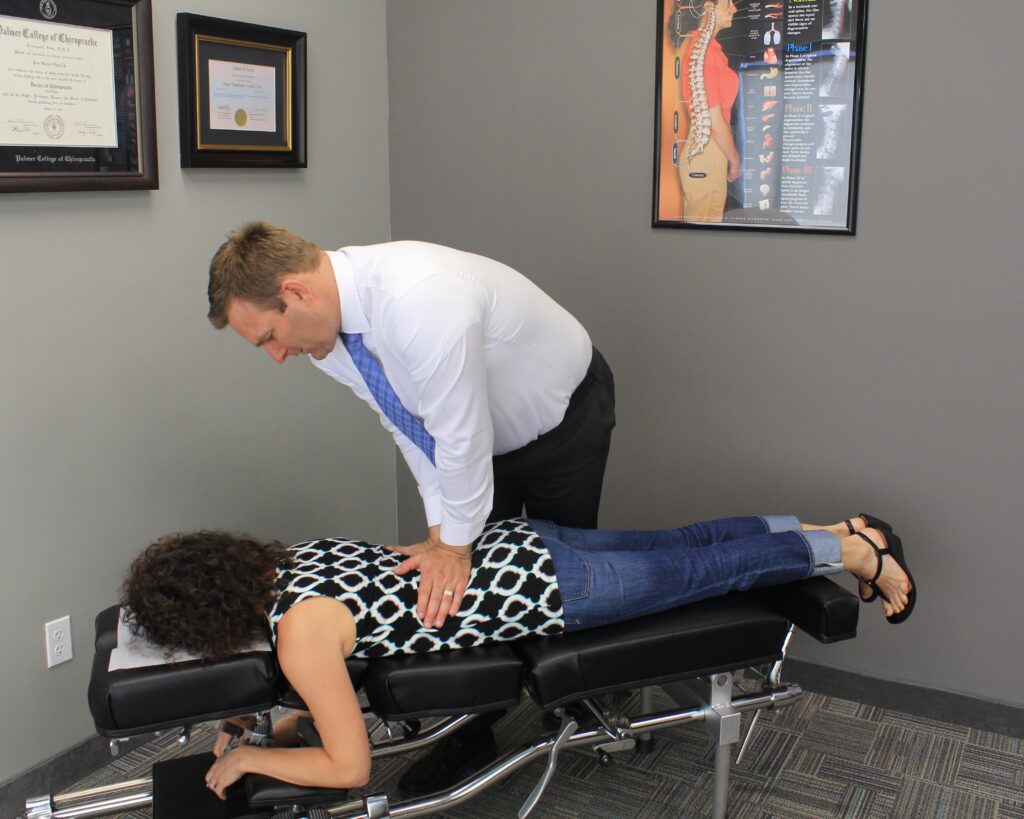
Have you ever felt how your posture can impact your overall comfort? Many people don’t realize that poor spinal alignment can lead to frequent headaches, often caused by tension in the neck and shoulders. Understanding this connection is key to improving your spinal health and finding relief from pain.
As a local chiropractor, I encourage you to take proactive steps to enhance your well-being. Simple adjustments to your workspace, such as ensuring your computer screen is at eye level and your chair supports your lower back, can make a significant difference. Additionally, incorporating specific exercises and stretches into your daily routine can help alleviate tension and improve your posture.
Chiropractic care is a natural and effective way to achieve optimal spinal alignment and overall health. Regular adjustments can relieve tension, reduce headaches, and promote a healthier lifestyle. Remember, it’s essential to listen to your body and seek guidance from a professional who can tailor a care plan specifically for you.
Here are a few tips you can start using today:
- Mind Your Posture: Keep your shoulders back and your head aligned over your spine when sitting or standing.
- Take Breaks: If you work at a desk, take short breaks to stretch and walk around every hour.
- Stay Active: Engage in regular physical activity that promotes flexibility and strength, such as yoga or swimming.
- Hydrate: Drink plenty of water throughout the day to keep your muscles hydrated and functioning properly.
By prioritizing your spinal health and considering chiropractic care, you can pave the way for a pain-free life and enhanced wellness. Let’s work together to achieve lasting relief and a healthier you!
Key Takeaways
As a local chiropractor, I want to share some valuable tips on how to improve your spinal alignment and alleviate headaches naturally.
- Practice Good Posture: Make it a habit to keep your shoulders back and your head aligned over your spine. This simple adjustment can significantly reduce strain on your neck and back, helping to prevent headaches.
- Take Regular Breaks: If you find yourself sitting for long periods, be sure to take frequent breaks to stand up, stretch, and move around. This will help release tension in your neck and shoulders, promoting better spinal health.
- Stay Hydrated: Dehydration can lead to headaches, and it can be made worse by spinal misalignment. Make sure to drink plenty of water throughout the day to keep your body hydrated and functioning optimally.
- Regular Chiropractic Adjustments: Visiting your chiropractor regularly can help identify and correct any spinal misalignments. These adjustments are a natural way to relieve headache pain and improve your overall health.
- Incorporate Strengthening Exercises: Activities like yoga can be incredibly beneficial for your spine. They not only help strengthen the muscles that support your spine but also promote better alignment and posture.
By incorporating these tips into your daily routine, you can improve your spinal health and significantly reduce the frequency and intensity of headaches. Remember, chiropractic care is a natural and effective way to achieve optimal health and wellness!
Understanding the Connection Between Spinal Alignment and Headaches
When we think about headaches, we mightn’t immediately connect them to our spine, but there’s a crucial link. Your spine plays a significant role in your overall body function, including how your head feels. Misalignments in your spine can lead to tension in your neck and shoulders, which often triggers those pesky headaches.
When your spine is out of alignment, it can affect your nervous system, causing stress and discomfort that may radiate to your head. Common factors like poor posture, prolonged sitting, and everyday habits can contribute to this misalignment, creating a cycle of pain that can be difficult to break.
As a chiropractor, I focus on helping you achieve optimal health through natural methods. Chiropractic care is a gentle and effective way to address spinal misalignments and relieve headache pain. By realigning your spine, we can help reduce tension in your neck and shoulders, ultimately easing your headaches.
Here are some simple tips to take care of your spine and prevent headaches:
- Practice Good Posture: Be mindful of your posture whether you’re sitting at a desk or using your phone. Keep your shoulders back and your head aligned over your spine.
- Take Frequent Breaks: If you sit for long periods, take short breaks to stand up, stretch, and move around. This can help relieve tension in your neck and shoulders.
- Stay Hydrated: Drinking plenty of water can help prevent dehydration-related headaches, so make sure you’re getting enough fluids throughout the day.
- Incorporate Stretching: Simple neck and shoulder stretches can help relieve tension. Try gently tilting your head to the side and holding for a few seconds on each side.
- Consider Chiropractic Care: Regular chiropractic adjustments can help keep your spine aligned and reduce the likelihood of headaches. It’s a natural approach to wellness that focuses on your body’s ability to heal itself.
Common Causes of Poor Spinal Alignment
Poor spinal alignment is a common issue that many people face, often due to a sedentary lifestyle and poor posture habits. If you find yourself sitting for extended periods without taking breaks to move around, it can create imbalances in your spine, leading to discomfort and pain.
Additionally, slouching or leaning forward while working can worsen these problems over time.
As a chiropractor, I want to emphasize the importance of maintaining a healthy spine for overall wellness. Chiropractic care is an excellent way to address spinal misalignments and promote natural healing. Regular chiropractic adjustments can help realign your spine, relieve pain, and enhance your overall quality of life.
Here are a few simple tips to help you maintain better spinal alignment in your daily life:
- Take Frequent Breaks: If you work at a desk, set a timer to remind yourself to stand up and stretch every 30 minutes. This can help reduce tension in your back and improve your posture.
- Mind Your Posture: Be mindful of how you sit. Keep your feet flat on the ground, your back straight, and your shoulders relaxed. Consider using an ergonomic chair that supports your spine.
- Engage in Regular Exercise: Incorporate activities that strengthen your core muscles, as a strong core supports proper spinal alignment. Yoga and Pilates are excellent options that also promote flexibility.
- Sleep Smart: Ensure that your mattress and pillows provide adequate support for your spine. Sleeping on your back or side with proper alignment can significantly affect your spinal health.
- Stay Hydrated: Drinking plenty of water helps maintain the elasticity of spinal discs and keeps your body functioning optimally.
By taking these steps and considering chiropractic care as a regular part of your health routine, you can achieve better spinal alignment and promote a healthier, more balanced life.
Sedentary Lifestyle Effects
Sedentary lifestyles can cause significant issues with spinal alignment, and it’s important to understand their effects on your overall health. When you spend long hours sitting—whether at your desk or on the couch—your spine can lose its natural curvature. This prolonged inactivity can weaken your core muscles, which are essential for supporting your spine. Over time, you may start to feel stiffness and discomfort as your body adjusts to these unhealthy positions.
Additionally, not moving enough can lead to tightness in your muscles, making alignment issues even worse. It’s crucial to recognize these consequences so you can take proactive steps to incorporate more movement into your daily routine. Simple changes, like taking short breaks to stand up and stretch or incorporating light exercises, can make a big difference in maintaining proper spinal alignment.
Chiropractic care is an excellent option for addressing these issues naturally. A chiropractor can help realign your spine and relieve discomfort caused by poor posture or prolonged sitting. Regular adjustments can also improve your overall well-being and help prevent future problems.
Poor Posture Habits
Many people unknowingly develop poor posture habits that can lead to spinal misalignment and discomfort. You might catch yourself slouching at your desk, leaning forward while scrolling through your phone, or hunching over a book. These common habits put a strain on your spine, which can lead to pain, discomfort, and even headaches.
It’s easy to overlook how you sit or stand throughout the day, but being mindful of your posture can make a world of difference. Here are some simple tips to help you improve your posture and promote a healthier spine:
- Sit Smart: When sitting at your desk, keep your back straight, shoulders relaxed, and feet flat on the ground. Consider using a chair that supports your lower back.
- Stand Tall: When standing, distribute your weight evenly on both feet, and keep your head aligned over your spine. Imagine a string pulling you upward from the top of your head.
- Take Breaks: Make it a habit to take regular breaks to stretch and change your position. Standing up and moving around every 30 to 60 minutes can greatly reduce strain on your back.
- Use Your Phone Wisely: Hold your phone at eye level instead of bending your neck forward. This simple adjustment can help prevent neck and shoulder strain.
- Practice Mindfulness: Being aware of your posture throughout the day is key. Regularly check in with yourself to ensure you’re maintaining good posture.
By correcting these habits, you can’t only improve your spinal alignment but also reduce the frequency of headaches and enhance your overall well-being.
As a chiropractor, I want to emphasize that maintaining a healthy spine is essential for overall health. Chiropractic care is a natural and effective way to address posture issues and alleviate pain.
Regular adjustments can help keep your spine aligned and functioning optimally, allowing you to live a healthier, pain-free life. Remember, your spine is the foundation of your health, and taking care of it is one of the best investments you can make for your well-being!
The Role of Posture in Headache Development
Your posture is crucial in preventing headaches, especially when slouching becomes a regular habit. Poor ergonomics, particularly at work, can lead to misalignment of the spine, which can increase tension and discomfort throughout your body, contributing to headache development.
As a chiropractor, I want to emphasize that there are natural, effective ways to alleviate this pressure and reduce the frequency of headaches. Here are some simple adjustments you can make to improve your posture and overall spinal health:
- Ergonomic Workspace: Ensure your workstation is set up to promote good posture. Your computer screen should be at eye level, and your chair should support your lower back.
- Take Breaks: Remember to take short breaks every hour to stand up, stretch, and walk around. This helps to relieve tension and keep your body moving.
- Mind Your Posture: Be conscious of your posture throughout the day. Keep your shoulders back, your head aligned with your spine, and avoid leaning forward.
- Strengthening Exercises: Incorporate exercises that strengthen your core and back muscles. Strong muscles support your spine and help maintain proper alignment.
- Regular Chiropractic Care: Visiting a chiropractor can help identify and correct misalignments in your spine, reducing tension and improving overall health. Chiropractic care is a natural way to achieve pain relief and enhance your wellness.
By following these tips and prioritizing your spinal health, you can take proactive steps to prevent headaches and promote a healthier, more balanced lifestyle.
Impact of Slouching
While you may not realize it, slouching can significantly contribute to the development of headaches. When you hunch over, your spine becomes misaligned, placing extra pressure on your muscles and nerves. This strain can lead to tension headaches, as your neck and upper back muscles become overworked.
Additionally, slouching restricts blood flow to the brain, which can trigger discomfort and pain. If you maintain poor posture for extended periods, you might find yourself experiencing headaches more frequently.
One of the best ways to combat this issue is through chiropractic care. A chiropractor can help realign your spine, alleviating the pressure that contributes to headaches. By promoting proper spinal alignment, you can enhance your overall health and well-being.
In the meantime, here are some simple tips to improve your posture and reduce the likelihood of headaches:
- Be Mindful of Your Posture: Whether sitting or standing, make a conscious effort to keep your back straight and shoulders relaxed. Imagine a string pulling you up from the top of your head.
- Take Breaks: If you sit for long periods, take short breaks to stretch and move around. This can help relieve tension in your muscles and improve circulation.
- Adjust Your Workspace: Ensure your desk and chair are set up ergonomically. Your monitor should be at eye level, and your chair should support your lower back.
- Strengthen Your Core: Engaging in exercises that strengthen your core muscles can help support your spine and improve your posture.
- Stay Hydrated: Drinking plenty of water can help keep your muscles hydrated and reduce the likelihood of tension headaches.
By incorporating these tips into your daily routine and seeking out chiropractic care, you can improve your posture, reduce headache frequency, and enhance your overall health.
Ergonomics at Work
How can the setup of your workspace influence the occurrence of headaches? As a chiropractor, I want to emphasize that poor ergonomics can lead to slouching, neck strain, and eye fatigue, all of which contribute to headaches.
If your chair isn’t supportive or your monitor isn’t at eye level, you’re more likely to adopt harmful postures that can exacerbate tension in your spine and muscles. Leaning forward or craning your neck can create additional stress, leading to discomfort and pain.
To create a healthier workspace and reduce the frequency of headaches, consider these simple adjustments:
- Chair Height: Adjust your chair so that your feet rest flat on the floor and your knees are at a right angle. This promotes better posture and spinal alignment.
- Monitor Position: Position your monitor about an arm’s length away, with the top of the screen at or just below eye level. This way, you can keep your neck in a more neutral position and reduce strain.
- Take Breaks: Remember to take regular breaks to stand up, stretch, and give your eyes a rest from the screen. This can help alleviate tension and prevent headaches.
- Stay Hydrated: Dehydration can also trigger headaches, so make sure you have water nearby and drink throughout the day.
These small changes can significantly enhance your comfort and reduce headache frequency.
If you find that headaches persist, chiropractic care might be the natural solution you need. A chiropractor can help assess your posture, provide spinal adjustments, and teach you techniques for maintaining a healthy alignment, leading to improved overall wellness.
Prioritize your health with these ergonomic tips and consider chiropractic care as a path to optimal health and pain relief.
Recognizing the Symptoms of Misalignment
Misalignment in the spine can lead to a range of symptoms that may seem unrelated at first glance. Many people don’t realize that their headaches could be linked to spinal issues. Understanding these signs is crucial for addressing the root cause and promoting overall wellness.
Here are three common symptoms that may indicate spinal misalignment, along with some tips on how chiropractic care can help:
- Frequent Headaches: If you often suffer from recurring headaches, particularly tension headaches, it could signal spinal misalignment. Chiropractic adjustments can help realign the spine, reducing tension and alleviating headache pain naturally.
- Neck and Shoulder Pain: Ongoing pain or stiffness in your neck and shoulders often points to alignment issues. Your body compensates for misalignment, leading to discomfort. Regular chiropractic visits can help restore proper alignment, providing relief and improving mobility in these areas.
- Numbness or Tingling: Experiencing numbness or tingling in your arms or legs may indicate nerve compression caused by spinal misalignment. Chiropractic care focuses on restoring spinal health and relieving pressure on nerves, which can help reduce these uncomfortable sensations.
Takeaway Tips:
- Maintain good posture throughout the day to support spinal alignment.
- Incorporate stretching and strengthening exercises into your routine to keep your spine healthy.
- Schedule regular chiropractic check-ups to monitor your spinal health and catch any misalignments early.
By prioritizing chiropractic care, you can address these symptoms and support your journey toward optimal health and natural wellness.
Techniques to Improve Spinal Alignment
As a local chiropractor, I’m excited to share some effective techniques that can help improve your spinal alignment and alleviate issues such as headaches. One of the simplest things you can do is to pay attention to your posture throughout the day.
Whether you’re sitting at a desk or relaxing at home, aim to keep your back straight, your shoulders relaxed, and your feet flat on the floor. Investing in ergonomic furniture can make a significant difference in supporting these habits.
Your sleep position also plays a crucial role in spinal health. Make sure you choose a mattress and pillow that support the natural curve of your spine. A good night’s sleep is vital for overall well-being, and it can greatly impact how your spine feels the next day.
Incorporating regular stretching and gentle movements into your routine, such as yoga or tai chi, can enhance flexibility and alignment. These practices not only promote relaxation but also help to keep your spine in top shape.
If you’re looking for more personalized support, visiting a chiropractor can provide you with tailored adjustments and strategies to suit your unique needs.
It’s also important to take regular breaks from prolonged sitting or screen time. Standing up and moving around periodically can allow your spine to reset and prevent stiffness.
By committing to these techniques and considering chiropractic care, you can improve your spinal alignment and reduce the frequency and severity of headaches.
Exercises to Strengthen Core and Back Muscles
Strengthening your core and back muscles is crucial for maintaining proper spinal alignment and can help reduce headaches. As a chiropractor, I want to emphasize the importance of incorporating targeted exercises and stretches into your daily routine. These movements not only improve flexibility but also provide essential support for your spine, which can lead to a healthier and more vibrant life.
Let’s dive into how strengthening these muscles can enhance your overall well-being. A strong core supports your spine and helps maintain good posture, which is vital for preventing discomfort and pain. Additionally, well-developed back muscles can alleviate strain on your spine and reduce tension that often contributes to headaches.
Here are some simple tips and exercises you can easily incorporate into your day:
- Engage Your Core: Practice drawing your belly button towards your spine. This can be done while sitting, standing, or even lying down. Regularly engaging your core helps build strength over time.
- Pelvic Tilts: While lying on your back with your knees bent, gently tilt your pelvis to flatten your lower back against the floor. Hold for a few seconds and repeat. This exercise promotes flexibility and strengthens the lower back.
- Cat-Cow Stretch: Start on your hands and knees. Inhale as you arch your back (like a cow) and exhale as you round your spine (like a cat). This gentle stretch increases flexibility and encourages spinal mobility.
- Bird-Dog: While on your hands and knees, extend one arm forward and the opposite leg backward. Hold for a few seconds and switch sides. This movement strengthens your core and back while improving balance.
- Child’s Pose: This relaxing stretch can help alleviate tension in your back. Sit back on your heels, stretch your arms forward, and lower your forehead to the ground. Breathe deeply and feel the stretch along your spine.
Incorporating these exercises into your routine can significantly enhance your spinal health and overall wellness. Remember, chiropractic care is one of the best ways to ensure your spine is aligned and functioning optimally. Regular adjustments can complement your exercise routine and help maintain the benefits of your hard work.
Importance of Core Strength
As a local chiropractor, I want to emphasize the crucial role of core strength in maintaining proper spinal alignment and reducing the frequency of headaches. Many people may not realize that a strong core plays a vital role in supporting the spine, keeping it in a healthy position.
When your core muscles are strong, they help alleviate tension in your neck and shoulders, which can often lead to headaches.
Incorporating core-strengthening exercises into your daily routine can significantly enhance your spinal health and contribute to headache relief. Here are a few simple exercises to consider:
- Planks: This exercise engages your entire core while promoting a straight line from your head to your heels. It’s a fantastic way to build stability and strength.
- Bicycle Crunches: These target your obliques and rectus abdominis, providing better overall stability for your core.
- Bridge: By strengthening your lower back and glutes, the bridge exercise supports spinal alignment and promotes a healthier posture.
Remember, building core strength is just one aspect of achieving overall wellness. Chiropractic care complements these exercises by ensuring your spine is properly aligned, allowing your body to function at its best.
If you’re experiencing headaches or discomfort, consider scheduling an appointment for a chiropractic adjustment. This natural approach can help relieve pain, improve alignment, and enhance your quality of life.
In addition to exercising, here are some general tips for maintaining a healthy spine:
- Stay hydrated to keep your muscles functioning properly.
- Maintain good posture, especially when sitting for long periods.
- Take regular breaks to stretch and move around during the day.
Back Muscle Exercises
To enhance your spinal health and alleviate headaches, incorporating back muscle exercises into your routine can be incredibly beneficial. Strengthening your back muscles supports proper spinal alignment, which helps relieve tension that often leads to headaches.
As a chiropractor, I encourage you to start with exercises like rows and lat pulldowns to target your upper back. These movements can help strengthen the muscles that support your spine.
Don’t forget about your lower back and glutes—exercises like deadlifts and bridges are excellent choices for engaging these areas. Additionally, planks are fantastic for building core stability, which is essential for maintaining a healthy spine during your daily activities.
Aim to incorporate these exercises into your routine two to three times a week, and remember to gradually increase resistance or repetitions as you gain strength.
Always prioritize proper form while exercising to prevent injury. If you’re unsure about your technique, consider consulting with a chiropractor who can guide you.
Consistent practice not only enhances your posture and reduces muscle tightness but also contributes to fewer headaches and overall better health. By focusing on natural methods of wellness, like chiropractic care and targeted exercises, you can achieve optimal health without the need for medications or invasive procedures.
Stretching for Flexibility
Incorporating stretching exercises into your daily routine is a fantastic way to enhance flexibility, support spinal alignment, and ultimately reduce the frequency and intensity of headaches.
As a chiropractor, I believe that maintaining a healthy spine is key to achieving optimal health and wellness. Here are three effective stretches that can help you relieve tension in your muscles, improve posture, and promote natural healing:
- Cat-Cow Stretch: This gentle, dynamic stretch improves spinal mobility and releases tension in your back. Start on your hands and knees, and alternate between arching your back (like a cat) and dropping your belly while lifting your head (like a cow). This movement helps to keep your spine flexible and can alleviate discomfort.
- Child’s Pose: This calming stretch is perfect for elongating your spine and easing tightness in your back and neck. Kneel on the floor, sit back on your heels, and reach your arms forward while lowering your forehead to the ground. This position encourages relaxation and can help relieve stress, which often contributes to headaches.
- Chest Opener: Stand tall and clasp your hands behind your back. Gently pull your shoulders back, opening up your chest. This stretch counteracts the forward hunch we often develop from sitting at desks and using devices, allowing for better posture and alignment.
By integrating these simple stretches into your daily routine, you can promote better spinal alignment and reduce headache occurrences.
Remember, consistent practice is key! Along with these stretches, regular chiropractic care can further enhance your spine’s health and support your journey toward natural wellness.
Prioritize your health with these easy tips, and feel the difference in your overall well-being!
The Importance of Ergonomics in Daily Life
As you go about your daily activities, grasping the significance of ergonomics can profoundly enhance your comfort and overall well-being. Understanding proper ergonomic practices is essential for maintaining healthy spinal alignment, which can alleviate strain that often leads to headaches, discomfort, and ongoing pain.
By making a few simple adjustments to your workspace and daily routines, you can significantly improve your posture and overall health. Remember, a healthy spine is foundational to your well-being, and chiropractic care is your best ally in achieving this. Here’s a quick overview of key ergonomic considerations that can support your journey to optimal health:
| Aspect | Recommendation |
|---|---|
| Chair Height | Adjust so your feet are flat on the ground to support your spine. |
| Monitor Position | Keep the top of the screen at eye level to reduce neck strain. |
| Keyboard Angle | Position it at elbow height with wrists straight for comfort. |
| Breaks | Take short breaks every hour to stretch and reset your posture. |
Implementing these ergonomic tips can create a more comfortable environment, leading to fewer headaches and greater productivity in your daily life. Remember, prioritizing ergonomics is not just about comfort; it’s an investment in your health and a proactive step towards natural healing.
If you’re experiencing pain or discomfort, consider visiting your local chiropractor. Chiropractic care focuses on spinal health and can provide the gentle adjustments needed to restore balance and alleviate pain naturally. Embrace a healthier lifestyle today, and make ergonomics a part of your daily routine for optimal health!
Seeking Professional Help: When to Visit a Chiropractor
If you’re experiencing persistent headaches or discomfort, it’s crucial to recognize when it’s time to seek professional help. A chiropractor specializes in assessing and treating spinal misalignments that may be contributing to your headaches. Here are three key signs that indicate it’s time to schedule an appointment:
- Chronic Headaches: Regular headaches, particularly tension or migraine types, can often be traced back to spinal issues. Consulting a chiropractor can help identify and address these underlying problems, offering you a path to relief without the need for medications.
- Neck Pain: Persistent neck pain frequently goes hand-in-hand with headache symptoms. If you find yourself dealing with neck discomfort on a regular basis, it’s wise to have it evaluated by a chiropractor who can provide targeted care to alleviate pain and restore function.
- Limited Mobility: If you’re struggling to move your neck or shoulders comfortably, this could be a sign of spinal misalignment. Don’t ignore these limitations—seeking chiropractic care can help restore your range of motion and alleviate discomfort, enhancing your overall quality of life.
Taking these signs seriously not only helps you address your headaches effectively but also promotes your overall well-being.
Remember, chiropractic care is a natural and holistic approach to health that focuses on your body’s ability to heal itself. Don’t wait too long to seek support—your journey to recovery and optimal health begins with chiropractic care!
In addition to seeking professional help, consider adopting some simple lifestyle tips to support your spinal health. Stay hydrated, practice good posture, and engage in regular stretching or gentle exercises to keep your body in alignment.
Your health is worth prioritizing!
Lifestyle Changes for Better Spinal Health
Making simple lifestyle changes can significantly improve your spinal health and help reduce the frequency of headaches. One of the first steps to consider is enhancing your posture. When you’re sitting or standing, keep your shoulders back and your head aligned over your spine—this helps reduce strain on your muscles and joints.
Incorporating regular exercise into your routine is also essential. Activities like yoga or swimming not only strengthen your core but also improve flexibility, both of which are crucial for a healthy spine. If you find yourself sitting for long periods, remember to take breaks every hour. Stand up, stretch, and move around to keep your spine flexible and reduce tension.
Your sleep position plays a vital role in spinal health too. Choose a supportive pillow that keeps your neck aligned with your spine to avoid discomfort during the night. Staying hydrated and maintaining a balanced diet is equally important, as proper nutrition supports your overall health, including your spinal well-being.
Additionally, managing stress through relaxation techniques such as meditation or deep breathing can help alleviate tension headaches. Incorporating these practices into your routine not only promotes relaxation but can also support your spinal health.
Remember, chiropractic care is an excellent option for achieving optimal health and alleviating pain naturally. Regular visits to a chiropractor can help keep your spine aligned, reduce discomfort, and enhance your overall wellness.
Maintaining Long-Term Spinal Alignment for Headache Relief
To maintain long-term spinal alignment and effectively relieve headaches, establishing consistent habits that support your spine’s health is essential. By incorporating a few key practices into your daily routine, you can promote proper alignment, reduce headache occurrences, and enhance your overall well-being through natural means—making chiropractic care a wonderful choice for achieving optimal health.
- Practice Good Posture: Whether sitting, standing, or walking, always be mindful of your posture. Keep your shoulders back and your head aligned over your spine. Good posture not only helps prevent headaches but also supports your spinal alignment, making chiropractic adjustments more effective.
- Engage in Regular Exercise: Strengthening your core and back muscles is vital for spinal support. Activities like yoga or Pilates can improve your flexibility and alignment, helping to alleviate tension that can lead to headaches. Regular exercise complements chiropractic care, reinforcing the benefits of your adjustments.
- Use Ergonomic Furniture: Invest in chairs and desks that encourage good posture. Adjust your workspace to ensure your computer screen is at eye level, and your feet rest flat on the ground. A comfortable and supportive environment enhances spinal health and can minimize headache triggers.
By embracing these practices and incorporating chiropractic care into your wellness routine, you can experience natural relief from headaches and promote better spinal health.