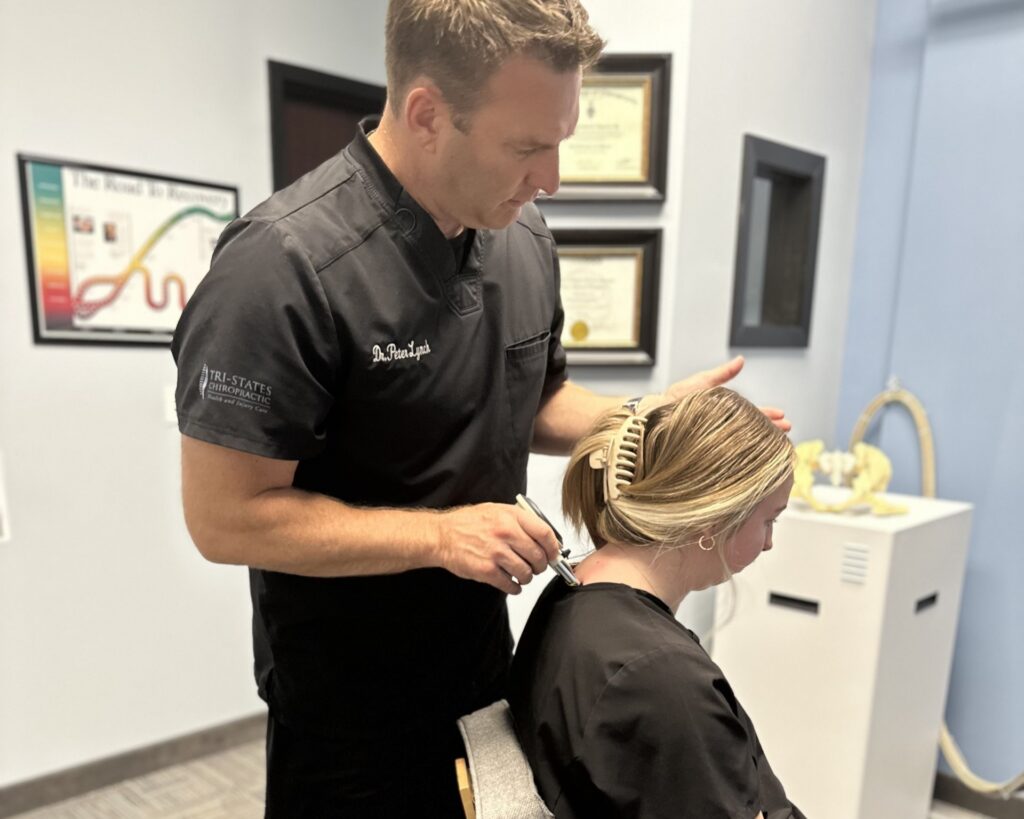
If you’re dealing with frequent headaches, it may be time to consider the condition of your spine. Misalignments in the spine can create tension and pain, which is why understanding how they relate to headache management is crucial. By focusing on spinal alignment through chiropractic care, you could potentially lessen both the frequency and intensity of your headaches.
Chiropractic adjustments can help restore proper alignment to your spine, allowing your body to function better and reduce discomfort. This natural approach to healing not only targets the cause of your headaches but also promotes overall wellness.
Here are a few tips you can incorporate into your daily routine to support spinal health and potentially alleviate headaches:
- Maintain Good Posture: Be mindful of your posture while sitting, standing, or using your phone. Keeping your spine aligned can prevent unnecessary strain.
- Stay Hydrated: Drinking enough water is essential for overall health and can help prevent headaches. Dehydration can lead to tension and discomfort.
- Regular Stretching: Incorporate stretching into your day to relieve tension in your neck and shoulders. Simple neck rolls and shoulder shrugs can be beneficial.
- Sleep Support: Ensure your sleep environment supports your spine. A good mattress and pillow can help maintain proper alignment while you rest.
- Regular Chiropractic Visits: Routine chiropractic adjustments can help keep your spine aligned and reduce headache frequency and intensity.
If you’d like to know more about how chiropractic care can help you achieve optimal health and relieve headaches naturally, consider scheduling a visit. Together, we can explore personalized strategies for your wellness journey.
Key Takeaways
- Regular chiropractic adjustments play a vital role in improving spinal alignment, which can significantly relieve tension and reduce the frequency and intensity of headaches. By choosing chiropractic care, you’re opting for a natural approach to pain relief that focuses on your overall well-being.
- Maintaining good posture while sitting and standing is essential for supporting spinal health. Good posture helps prevent muscle strain that often leads to headaches. Simple reminders, like keeping your shoulders back and your feet flat on the floor, can make a big difference in how you feel.
- Creating an ergonomic workspace is key to reducing neck strain and promoting spinal alignment, especially during long hours of sitting. Adjusting your chair height and ensuring your computer screen is at eye level can help keep your spine healthy and alleviate discomfort.
- Incorporating exercises that strengthen your core and back, such as planks and bridges, is another effective way to enhance spinal stability. A strong spine can lead to fewer headaches, making these exercises a great addition to your wellness routine.
- Stretching and practicing yoga are excellent for improving flexibility and relieving tension in the neck and shoulders. These activities support overall spinal health and can be incredibly beneficial in managing headaches naturally.
By focusing on these simple yet effective strategies, you can take charge of your health and well-being. Chiropractic care is here to support you on your journey to a pain-free life, naturally!
Understanding Headaches and Their Causes
While headaches may seem like a minor inconvenience, understanding their causes is crucial for effective management and optimal health. As a chiropractor, I want to share how chiropractic care can play a vital role in alleviating headaches and enhancing your overall well-being.
Tension headaches, often caused by stress, poor posture, or muscle strain, can feel like a dull ache around your head. These headaches can significantly impact your daily life. By focusing on relaxation techniques, proper ergonomics, and the alignment of your spine through chiropractic adjustments, you can find relief and prevent these headaches from recurring.
Migraines are a bit more complex and can be triggered by various factors, including hormonal changes, specific foods, and environmental stressors. Keeping a diary to track your headaches can help identify potential triggers. However, chiropractic care offers a natural approach to managing migraines by addressing spinal health and relieving tension in the neck and shoulders, which can contribute to migraine episodes.
Cluster headaches, though rarer, are known for their intense pain and often occur in cycles. If you experience these, it’s essential to seek immediate care. Chiropractic adjustments can help alleviate tension and improve blood flow, which may provide relief from the pain.
Recognizing the type of headache you’re experiencing and understanding its underlying causes is the first step towards effective management. By incorporating regular chiropractic care into your wellness routine, you can take proactive steps toward reducing headache frequency and intensity.
Simple techniques like maintaining good posture, managing stress through relaxation exercises, and staying hydrated can also go a long way in supporting your health.
The Role of Spinal Alignment in Overall Health
Your spinal alignment is crucial for your overall health, and it all begins with maintaining good posture. When your spine is properly aligned, it enhances your nervous system’s function, allowing your body to operate at its peak. This connection is vital not only for your general well-being but also for effective headache management.
As a chiropractor, I want to emphasize that chiropractic care is one of the best ways to achieve and maintain optimal spinal health. Regular chiropractic adjustments can help correct misalignments in your spine, which can alleviate pain and promote natural healing.
Here are a few simple tips to help you take care of your spine and overall health:
- Practice Good Posture: Whether sitting or standing, keep your back straight, shoulders back, and head aligned over your spine. This will reduce strain on your back and neck.
- Stay Active: Regular physical activity strengthens your muscles and supports your spine. Aim for exercises that promote flexibility and core strength, like yoga or Pilates.
- Ergonomic Workspaces: If you sit for long periods, make sure your workstation is set up to support your posture. Your chair should support your lower back, and your computer screen should be at eye level.
- Listen to Your Body: If you feel discomfort or tension, it’s essential to address it promptly. Seeking chiropractic care can help identify and correct any misalignments before they lead to bigger issues.
- Stay Hydrated: Drinking plenty of water helps keep your spinal discs hydrated, which is essential for maintaining their function and cushioning your spine.
By focusing on these simple lifestyle changes and prioritizing chiropractic care, you can enhance your spinal alignment and overall health.
Importance of Proper Posture
Proper posture is crucial for maintaining spinal alignment, which is a key factor in achieving optimal health. When you sit, stand, or walk with good posture, you help reduce the strain on your spine and the surrounding muscles. This not only alleviates discomfort but also enhances circulation and supports organ function. As a chiropractor, I can tell you that proper posture is one of the most effective ways to promote your overall well-being.
Here’s a simple overview of how different postures can affect your health:
| Posture Type | Benefits | Risks |
|---|---|---|
| Good Posture | Improves breathing and concentration | Lower risk of pain |
| Poor Posture | May feel comfortable initially | Increased fatigue and discomfort |
| Balanced Posture | Supports long-term health | Potential for injury if not maintained |
| Dynamic Posture | Encourages movement and flexibility | Can restrict mobility if neglected |
To help you maintain proper posture, here are some tips:
- Be Mindful: Always check in on your posture throughout the day. Set reminders if needed.
- Ergonomic Setup: If you work at a desk, ensure your chair and computer screen are at the right height. Your feet should be flat on the floor, and your screen should be at eye level.
- Strengthening Exercises: Incorporate exercises that strengthen your core and back muscles. This will support your spine and improve your posture.
- Regular Chiropractic Visits: Regular adjustments can help maintain spinal alignment and promote overall health. Your chiropractor can provide guidance tailored to your specific needs.
- Stay Active: Engage in activities that encourage movement and flexibility, such as yoga or stretching exercises.
Effects on Nervous System
When your spine is properly aligned, it significantly contributes to the health of your nervous system. A well-aligned spine ensures that nerve signals can travel efficiently throughout your body, which is vital for your overall well-being.
Here’s how maintaining spinal alignment can lead to a healthier nervous system and improve your quality of life:
- Improves Communication: A properly aligned spine enhances the connection between your brain and body, allowing for better communication and coordination in all your daily activities.
- Reduces Nerve Interference: When your spine is in alignment, it minimizes nerve interference, helping to prevent pain and dysfunction that can disrupt your daily life.
- Boosts Blood Circulation: Good spinal alignment promotes better blood circulation, ensuring that essential nutrients reach every part of your body, which is crucial for overall health.
- Supports Organ Function: By allowing unimpeded nerve flow, a healthy spine supports optimal organ function, helping your body work more efficiently.
- Aids in Stress Reduction: A relaxed spine can significantly help reduce tension and stress, making it easier for you to navigate life’s challenges.
Incorporating chiropractic care into your routine is a natural way to maintain spinal health and, in turn, promote a healthier nervous system.
Regular chiropractic adjustments can help you achieve and maintain proper alignment, which is key to living a pain-free and vibrant life.
Remember, taking care of your spine is taking care of your overall health!
Consider scheduling a visit with your chiropractor to discuss how spinal health can enhance your well-being and explore tips for maintaining good posture and staying active in your daily life.
How Misalignment Contributes to Headaches
Many people don’t realize that spinal misalignment can be a significant contributor to headaches. When your spine is out of alignment, it can put unnecessary pressure on your nerves, muscles, and connective tissues. This added pressure can lead to tension headaches or migraines, creating discomfort that can feel overwhelming.
Common causes of misalignment include poor posture, repetitive movements, or previous injuries. These factors can lead to muscle tension that radiates pain and affects your overall well-being. It’s important to understand that the alignment of your neck and upper back plays a crucial role in the tension you may feel in your head.
Furthermore, misalignment can restrict blood flow and oxygen to the brain, which may worsen headache symptoms. If you often find yourself dealing with headaches, it’s worth considering how your spinal health could be a factor. Chiropractic care focuses on correcting misalignments in the spine, which can help alleviate the severity and frequency of headaches.
By prioritizing your spinal health, you can work towards a clearer, more comfortable mind. Here are a few tips to maintain good spinal health and reduce the risk of headaches:
- Maintain Good Posture: Be mindful of your posture, especially when sitting for long periods. Use ergonomic furniture and take breaks to stretch.
- Stay Active: Regular exercise can strengthen your back and neck muscles, improving your posture and reducing strain.
- Mind Your Movements: Avoid repetitive movements that can lead to strain. If your job requires it, take regular breaks to move around and reset your posture.
- Stay Hydrated: Drinking plenty of water helps keep your body functioning optimally, including maintaining good spinal health.
- Consider Chiropractic Care: Regular visits to a chiropractor can help keep your spine aligned, improving your overall health and potentially reducing headaches.
Taking care of your spine is vital for your overall wellness. By incorporating these practices and seeking chiropractic care, you can enjoy a healthier, headache-free life.
Techniques for Improving Spinal Alignment
Addressing spinal misalignment is crucial not only for alleviating headaches but also for enhancing your overall well-being. As a local chiropractor, I’m here to share some effective techniques that can help you improve your spinal alignment and promote a healthier posture naturally. Here’s how you can take steps towards better spinal health:
- Optimize Your Workstation: Ensure that your computer screen is at eye level to avoid straining your neck. Use an ergonomic chair that provides proper support for your lower back, which can make a significant difference in your comfort throughout the day.
- Mind Your Posture: Make it a habit to check in with your posture regularly, especially if you find yourself sitting for long periods. Keeping your shoulders back and your spine straight can help prevent misalignment.
- Choose Supportive Footwear: Select shoes that offer good arch support. It’s best to avoid high heels or completely flat shoes, as they can contribute to poor alignment and discomfort. Your feet are the foundation of your posture, so invest in quality footwear.
- Sleep Smart for Spinal Health: Your sleeping position matters! Use a pillow that maintains the natural curve of your neck and spine. Sleeping on your back or side with proper alignment can greatly enhance your spinal health.
- Be Mindful of Your Movements: When lifting objects, remember to bend your knees and keep your back straight. This technique not only protects your spine but also helps prevent unnecessary strain and injury.
Incorporating these simple tips into your daily routine can make a big difference in your spinal health.
Remember, chiropractic care is an exceptional way to achieve optimal health, providing you with the support and guidance you need for a pain-free life.
If you’re seeking natural relief from discomfort or want to improve your overall wellness, consider visiting your local chiropractor to explore the benefits of personalized care. Your journey to better spinal health starts here!
Exercises to Strengthen Your Spine
Strengthening your spine is crucial for maintaining good posture and alleviating headaches, and chiropractic care plays a vital role in achieving optimal spinal health. By incorporating a few targeted exercises into your daily routine, you can enhance your spine’s strength and stability, which can lead to a more vibrant life free from discomfort.
Begin your journey with planks to engage your core and back muscles. Aim to hold this position for 30 seconds to a minute, gradually increasing the duration as you become more comfortable. This simple exercise not only strengthens your spine but also supports overall body alignment, which is essential for maintaining good posture.
Next, consider adding bridges to your routine. Lie on your back with your knees bent and feet flat on the floor. Lift your hips towards the ceiling, squeezing your glutes and lower back as you rise. This movement strengthens your glutes and lower back—key areas that support your spine.
Don’t overlook the bird-dog exercise. While on all fours, extend one arm and the opposite leg simultaneously, holding for a few seconds before switching sides. This exercise promotes balance and stability, which are crucial for spinal health.
Finally, wall angels can be a wonderful addition to your routine. Stand with your back against a wall, keeping your arms raised so they touch the wall. Slide your arms up and down while maintaining contact with the wall. This helps improve shoulder mobility and posture, both of which are vital for a healthy spine.
Incorporate these exercises into your daily life, and you’ll notice significant improvements in your spinal strength, posture, and a reduction in headaches.
The Benefits of Regular Chiropractic Care
Regular chiropractic care provides a multitude of benefits that can significantly enhance your overall health and wellness. By focusing on spinal alignment, you’re not just addressing discomfort; you’re making a valuable investment in your long-term health.
Here are some of the key advantages you can experience with regular chiropractic visits:
- Improved Mobility: After just a few sessions, many patients notice increased flexibility and a better range of motion, making everyday activities like bending, reaching, and even playing with your kids much easier.
- Pain Relief: If you suffer from chronic pain, whether it’s back pain, neck pain, or headaches, regular chiropractic adjustments can help reduce that pain naturally, without the need for medications or invasive procedures.
- Stronger Immune System: A properly aligned spine supports your nervous system, which is essential for a well-functioning immune system. This means you may find yourself getting sick less often and recovering more quickly when you do.
- Better Sleep: Dealing with discomfort can make it hard to relax and get a good night’s sleep. By addressing the root causes of your pain, chiropractic care can help you enjoy deeper, more restful sleep.
- Stress Management: Chiropractic adjustments promote relaxation, which can help you manage stress more effectively. When your body is in alignment, you may find it easier to cope with daily challenges.
To get the most out of your chiropractic care, consider these simple tips:
- Stay Consistent: Make chiropractic visits a regular part of your wellness routine. Just like exercise and healthy eating, consistency is key for optimal results.
- Listen to Your Body: Pay attention to how your body feels after adjustments. If you notice any new discomfort or changes, communicate with your chiropractor so they can adjust your care plan accordingly.
- Practice Good Posture: Be mindful of your posture, especially if you spend long hours at a desk. Proper alignment can help prevent future issues.
- Stay Active: Incorporate gentle stretching and low-impact exercises into your daily routine to support your spinal health.
- Stay Hydrated: Drinking plenty of water helps keep your joints lubricated and can assist in recovery after adjustments.
Embracing regular chiropractic care can lead to a healthier, more vibrant life. It’s a natural approach to wellness that prioritizes your body’s innate ability to heal itself.
Posture and Its Impact on Headache Relief
Your posture significantly influences how you feel, particularly regarding headaches. Poor posture can lead to muscle strain in your neck and shoulders, resulting in tension headaches and discomfort. When you slouch or lean forward, you place unnecessary pressure on your spine and the muscles around it, which can trigger pain.
To help alleviate headaches, it’s essential to maintain an upright posture. Keeping your shoulders back, aligning your head with your spine, and ensuring your feet are flat on the floor while sitting can make a difference. If you spend time at a desk, position your computer screen at eye level to prevent tilting your head forward, which can strain your neck.
Regularly checking in on your posture throughout the day can have a positive impact. Incorporating stretches and exercises to strengthen your core and back muscles will support proper alignment and enhance your overall well-being.
Chiropractic care plays a vital role in helping you achieve and maintain optimal posture. By seeking the guidance of a chiropractor, you can receive personalized adjustments and treatments that promote spinal health, reducing headache frequency and intensity.
Lifestyle Changes for Long-Term Headache Management
Making simple lifestyle changes can significantly enhance your headache management and overall wellness. As a chiropractor, I believe that a holistic approach, including proper spinal care, is key to achieving optimal health.
By setting up an ergonomic workspace, you can reduce strain on your neck and back, which can help alleviate headache triggers.
Additionally, establishing a regular exercise routine is vital. Physical activity not only promotes better circulation but also helps in reducing tension in the muscles that can contribute to headaches. Gentle stretches and specific exercises can enhance spinal alignment and improve flexibility, both of which can play a crucial role in headache relief.
Staying hydrated and maintaining proper nutrition are equally important. Dehydration can lead to headaches, so make sure to drink plenty of water throughout the day. Incorporating nutrient-rich foods can further support your body’s natural healing processes.
By focusing on these adjustments, along with regular chiropractic care, you can create a solid foundation for long-term relief from headaches.
Ergonomic Workspace Setup
While it may be easy to overlook the impact your workspace has on your overall health, an ergonomic setup is essential for preventing headaches and promoting spinal health. By making some simple adjustments, you can create a more comfortable and supportive environment for your body.
Here are some key elements to consider for a healthier workspace:
- Chair height: Ensure your feet rest flat on the floor. This helps maintain proper posture and reduces strain on your spine.
- Monitor position: Position your screen at eye level to avoid unnecessary neck strain. This alignment is crucial for preventing tension in the upper back and neck.
- Keyboard and mouse: Keep these tools within easy reach to allow for a neutral wrist position. This not only helps with comfort but also reduces the risk of repetitive strain injuries.
- Lighting: Choose natural light or adjustable task lighting to minimize glare. Proper lighting can help reduce eye strain, which is often a trigger for headaches.
- Breaks: Schedule regular breaks to rest your eyes and stretch your body. Movement is vital for spinal health, and taking time to stretch can alleviate tension and improve circulation.
Implementing these changes can significantly reduce headache discomfort and enhance your overall work experience.
Additionally, regular chiropractic care can further support your journey to optimal health by addressing any underlying spinal issues and promoting natural healing.
Regular Exercise Routine
Incorporating a regular exercise routine can significantly aid in managing headaches and promoting overall wellness. Physical activity enhances blood circulation and alleviates muscle tension, both of which are essential for headache relief. Aim for at least 30 minutes of moderate exercise most days; activities like brisk walking, cycling, or swimming are excellent choices.
It’s important to choose exercises you enjoy, as this will help you stay consistent and make the process more enjoyable. In addition to aerobic activities, stretching and yoga can be incredibly beneficial for relieving tension and enhancing flexibility. These practices not only help with headache relief but also support spinal health, which is crucial for overall well-being.
Always remember to warm up before your workouts and cool down afterward to avoid injury and promote recovery. Even short bursts of physical activity can be effective, so don’t feel pressured to commit to long sessions if that doesn’t fit your schedule.
By making exercise a regular part of your life, you not only support headache relief but also contribute to your overall health. As a chiropractor, I encourage you to consider how chiropractic care can complement your exercise routine.
Chiropractic adjustments can help ensure your spine is aligned properly, which supports your body’s ability to function optimally. This alignment can enhance the benefits of your physical activity and may lead to even greater relief from headaches.
Stay active, listen to your body, and consider integrating chiropractic care into your wellness routine for the best results. You’ll likely notice positive changes in your health and well-being!
Hydration and Nutrition
Staying active through regular exercise is an essential part of managing headaches, but it’s only one piece of the wellness puzzle. Proper hydration and nutrition are equally important for keeping your body and mind functioning at their best. Dehydration can be a significant trigger for headaches, so it’s crucial to ensure you’re drinking enough water throughout the day.
Additionally, a well-balanced diet nourishes your body and keeps your head clear. Here are some simple and effective tips to enhance your hydration and nutrition, helping you support your health naturally:
- Aim to drink at least eight 8-ounce glasses of water daily to stay hydrated.
- Add fruits and vegetables that are high in water content to your meals, such as cucumbers and watermelon; these not only hydrate but also provide essential vitamins.
- Be mindful of your caffeine and alcohol intake, as both can lead to dehydration. Moderation is key!
- Incorporate magnesium-rich foods into your diet, including nuts and leafy greens, which may help reduce headache frequency.
- Steer clear of processed foods that are high in salt, as they can contribute to dehydration and discomfort.
As a chiropractor, I believe in the body’s natural ability to heal itself. By focusing on proper hydration and nutrition, alongside regular chiropractic care, you can enhance your overall wellbeing and minimize headache occurrences.