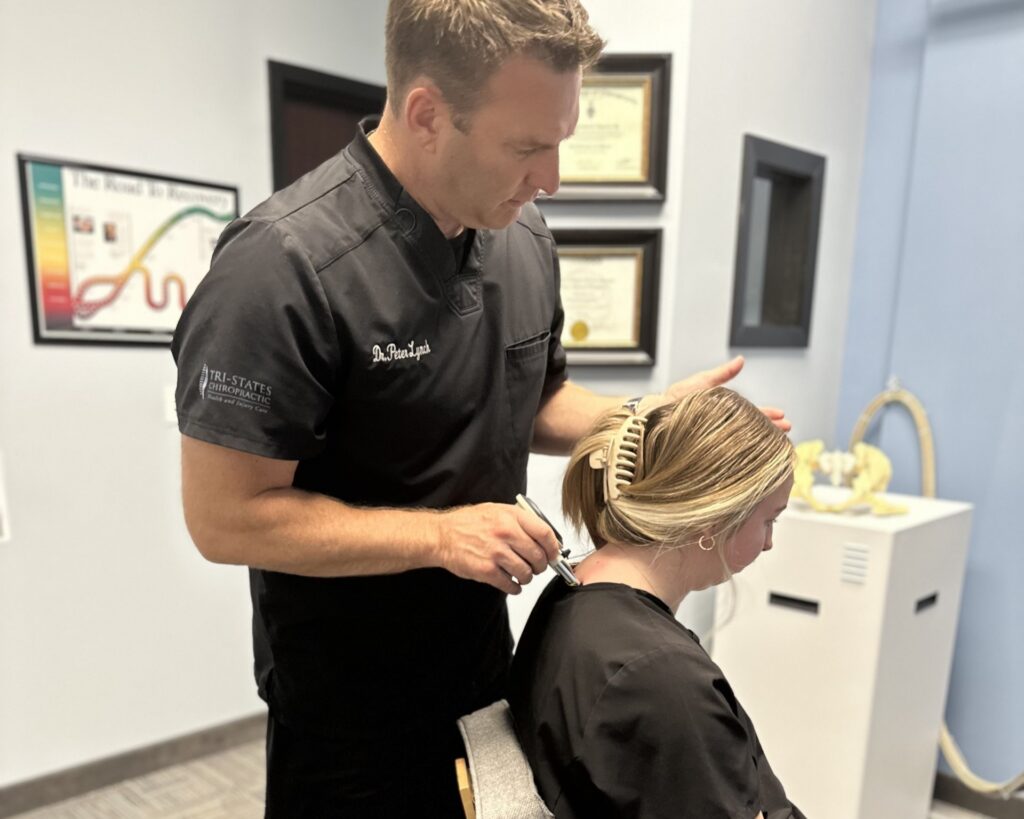
As your local chiropractor, I want to emphasize that improving your flexibility through adjustments goes beyond just stretching. It's about taking a comprehensive approach that targets the root causes of tightness in your muscles and joints.
By incorporating both dynamic and static stretching techniques into your routine, you can significantly enhance your muscle elasticity and joint mobility.
However, it's important to recognize that lifestyle factors—such as your posture and daily activity levels—play a crucial role in your overall flexibility. Have you ever considered that simple changes in your daily habits could transform your physical well-being?
By making these adjustments, you can experience remarkable improvements in both your flexibility and overall performance.
In our practice, we focus on how chiropractic care can support your journey towards better flexibility. Regular adjustments can help align your spine and improve your body's function, making it easier for you to incorporate stretching and other activities that promote flexibility.
Let's work together to unlock your body's potential and enhance your quality of life!
Understanding Flexibility
Flexibility is often misunderstood; it's not just about being able to touch your toes. As a chiropractor, I want to emphasize that flexibility is a crucial component of your overall physical health and plays a significant role in your well-being. While many people associate flexibility with the range of motion in their joints and muscles, it's actually a more intricate concept. It encompasses the elasticity of your muscles, tendons, and ligaments, which all contribute to your body's agility and stability.
To truly understand flexibility, it's essential to recognize its different forms. Dynamic flexibility is the ability to move your joints through their range of motion while you're in motion, whereas static flexibility refers to how far you can stretch a muscle when you are at rest. Both types are vital for various physical activities, whether you're engaging in running, dancing, or weightlifting.
It's also important to consider the factors that can influence your flexibility. Genetics, age, and your level of physical activity all play a significant role. Generally, younger individuals tend to have better flexibility due to more pliable tissues. If you lead a more sedentary lifestyle, you may experience stiffness that can restrict your range of motion.
When it comes to improving flexibility, it's not solely about stretching. A holistic approach is key. This includes proper warm-ups, cool-downs, and incorporating targeted flexibility exercises into your routine. As a chiropractor, I encourage you to think of flexibility as an integral part of your health journey. By adopting these practices, you can enhance your flexibility and, in turn, your overall physical health.
Benefits of Improved Flexibility
As a local chiropractor, I want to share with you the numerous benefits of improved flexibility and how it can significantly enhance your daily life as well as your physical performance. One of the most important reasons to focus on flexibility is that it can greatly reduce your risk of injuries. When your muscles and joints are more pliable, they can move through their full range of motion without strain, allowing you to perform everyday tasks with greater ease and less discomfort.
Improved flexibility can also enhance your athletic performance. Whether you're engaging in running, weightlifting, or practicing yoga, being flexible allows for more effective movement execution. This not only means you'll perform better but also that your recovery times will be quicker, as your body will be better suited to handle the stresses associated with physical activity.
Another significant advantage of flexibility training is its positive impact on posture. Tight muscles can pull your body out of alignment, leading to discomfort and pain. By incorporating stretching and flexibility exercises into your routine, you can help lengthen these tight muscles and maintain proper posture throughout the day, which can reduce the risk of back and neck pain.
Additionally, enhanced flexibility promotes better circulation. As you stretch, blood flow to your muscles increases, which helps deliver essential nutrients and oxygen. This can lead to improved recovery times and overall energy levels, making you feel more vibrant and active.
Finally, let's not forget the mental benefits of improved flexibility. Engaging in stretching exercises can serve as a meditative practice that calms both your mind and body. By prioritizing flexibility in your routine, you're not only investing in your physical health but also nurturing your mental well-being.
As your chiropractor, I encourage you to explore the benefits of flexibility training. It's a natural and effective way to enhance your overall health and well-being, and I'm here to guide you on your journey to better flexibility and a happier, healthier life.
Common Flexibility Limitations
As a local chiropractor, I want to share some insights about common limitations that may affect your flexibility. Many of you might experience tight muscles or have unique joint structures that can hinder your range of motion. Additionally, daily habits such as sitting for extended periods or neglecting to stretch can contribute significantly to how flexible you feel. By understanding these common limitations, you can make informed adjustments to your lifestyle and incorporate natural healing practices that promote better flexibility and overall wellness. Let's work together to enhance your mobility and support your body's natural healing abilities!
Muscle Tightness Factors
As a local chiropractor, I often encounter patients who are unfamiliar with how certain lifestyle factors can contribute to muscle tightness. Understanding these factors is essential for improving your flexibility and overall well-being.
One major culprit of muscle tightness is a sedentary lifestyle. Many of us spend long hours sitting at desks or in front of screens, which can lead to tightness in the hips and lower back. This lack of movement causes stiffness, making it difficult for you to achieve full flexibility in your daily activities.
Poor posture is another significant factor that can impact your muscle health. If you find yourself slouching or maintaining awkward positions for extended periods, certain muscles may become overactive and tight, while others weaken. This imbalance not only restricts your flexibility but can also lead to discomfort and pain.
Additionally, repetitive movements or overtraining can contribute to muscle tightness. Engaging in the same physical activities without adequate stretching or recovery can create tightness in specific muscle groups, further limiting your flexibility.
Lastly, it's important to recognize the role that stress plays in muscle tension. When you experience stress, your body naturally responds by tightening muscles, especially in the neck and shoulders. By becoming aware of these factors, you can take proactive steps to improve your flexibility.
Incorporating regular stretching into your routine, maintaining proper posture, and using stress management techniques can significantly alleviate muscle tightness. As a chiropractor, I encourage you to explore these natural healing methods to enhance your mobility and overall health. If you have any questions or need guidance, feel free to reach out during your next visit!
Joint Structure Influence
As a local chiropractor, I want to help you understand how various factors, including joint structure, play a crucial role in your flexibility. While muscle tightness is often the first thing that comes to mind when we think about limitations in movement, the actual structure of your joints can significantly impact how freely you can move.
Your joints are designed to facilitate a certain range of motion, but the unique characteristics of your joint structure can either support or hinder that movement. For example, the shape and alignment of your bones can dictate how far you can bend or twist. If you have a joint that naturally has a limited range, you might find it more difficult to perform certain stretches effectively.
The ligaments and tendons that surround your joints are also important players in this equation. They provide stability, but if they're too tight or stiff, they can restrict your ability to move freely. You might notice this in areas like your hips or shoulders, where tight ligaments can prevent you from achieving a full range of motion. This can make flexibility training feel particularly challenging.
Moreover, genetic factors can influence your joint structure. Some individuals are born with looser joints, while others may have tighter, more rigid joints. By understanding these natural limitations, you can set more realistic goals for your flexibility and focus on areas where improvement is possible.
Recognizing how your joint structure affects your flexibility is essential for tailoring your stretching and mobility routines effectively. As your chiropractor, I'm here to support you in this journey, helping you to understand your body better and work towards improved flexibility and overall health through natural healing methods.
Lifestyle Habits Impact
As a local chiropractor, I want to share how your lifestyle choices significantly influence your flexibility and overall movement. Many people aren't aware that sedentary habits, like sitting for extended periods, can lead to tightness in areas such as your hip flexors and hamstrings. If you find yourself spending the majority of your day at a desk, you might notice a decline in your range of motion.
Hydration is another crucial factor. When you're not drinking enough water, your muscles may become stiff and less responsive, which can impede your flexibility. Additionally, if your nutrition is lacking, it can lead to muscle fatigue and make it difficult to stretch effectively. It's essential to nourish your body with the right nutrients to support your flexibility.
Stress is also a significant contributor to muscle tension. When you experience stress, your body naturally tenses up, which can restrict your movement. I encourage my patients to incorporate relaxation techniques into their routines, such as yoga or deep breathing exercises, to help relieve this tension and promote better flexibility.
Lastly, one of the most common mistakes I see is the neglect of a regular stretching routine. I recommend making stretching a daily habit, even if it's just for a few minutes. By addressing these lifestyle habits, you can enhance your flexibility and enjoy a greater range of motion in your everyday activities. Remember, as your chiropractor, I'm here to support you on this journey toward improved mobility and overall wellness.
Dynamic Stretching Techniques
As a local chiropractor, I want to share with you the importance of dynamic stretching as a natural way to enhance your flexibility and prepare your body for physical activity. Many people aren't aware, but incorporating effective stretching exercises into your daily routine can significantly boost your performance and help reduce the risk of injury.
Dynamic stretching involves movements that gently take your muscles and joints through their full range of motion, which can improve circulation and prepare your body for more strenuous activities. It's a fantastic way to warm up and prime your body for exercise, making it an essential practice for anyone looking to maintain their health and wellness.
Let's take a closer look at some key dynamic stretching techniques that can benefit you. These exercises not only prepare your body for movement but also support your overall chiropractic care by promoting better alignment and function. Remember, taking care of your body through natural methods like dynamic stretching can lead to improved performance and a lower chance of injury.
Benefits of Dynamic Stretching
As a local chiropractor, I want to share with you the importance of incorporating dynamic stretching into your routine for enhancing flexibility and overall physical well-being. Dynamic stretching involves movement and is a fantastic way to effectively warm up your muscles and joints before engaging in any workout or physical activity. One of its key benefits is that it increases blood flow to your muscles, which can enhance your performance and significantly reduce the risk of injuries.
What's particularly beneficial about dynamic stretching is that it prepares your body for the specific movements you'll be performing. By mimicking the motions of your activity, you activate the very muscles you'll be using, which leads to improved coordination and stability. You may also notice that dynamic stretches can enhance your range of motion, allowing you to move more freely and efficiently.
Moreover, including dynamic stretching in your routine can boost your energy and focus. As you perform these movements, your heart rate increases, and you may feel more alert. This heightened state of readiness can result in a more effective workout. Overall, dynamic stretching is a valuable practice that I highly recommend for anyone looking to improve their flexibility and physical performance, contributing positively to your health and well-being.
Effective Stretching Exercises
As a local chiropractor, I want to emphasize the importance of incorporating specific dynamic stretching exercises into your routine to enhance your flexibility and overall physical performance. These exercises involve moving parts of your body through their full range of motion, which helps warm up your muscles and prepares them for various activities, ultimately promoting better alignment and function.
Let's start with leg swings. You can do this by standing next to a wall for support and swinging one leg forward and back. Begin with a small range of motion and gradually increase it. Aim for 10-15 swings on each leg. This exercise not only warms up your hip joints but also helps improve balance.
Next, we have arm circles. Stand with your arms extended out to the sides and begin making small circles. As you progress, make the circles larger. After about 20 seconds, switch directions. This exercise is excellent for loosening up your shoulder joints, which are critical for maintaining proper posture and avoiding strain.
Another effective dynamic stretch is the walking lunge. Step forward with one foot while bending both knees to lower your hips; then push back up and alternate legs. Aim for 10 repetitions. This movement helps to stretch the hip flexors and strengthen your legs, providing stability and support to your spine.
Lastly, consider incorporating high knees into your warm-up. While jogging in place, lift your knees towards your chest as high as possible, engaging your core throughout. Perform this for about 30 seconds. This exercise not only gets your heart rate up but also enhances coordination and flexibility in your lower body.
Static Stretching Methods
As your chiropractor, I want to help you understand how you can effectively enhance your flexibility, a crucial aspect of overall health. One of the best ways to achieve this is through static stretching methods. This type of stretching involves holding a position for a specific duration, typically between 15 to 60 seconds. This allows your muscles to relax and lengthen, which can significantly improve your flexibility and overall movement.
To start, it's important to identify the muscle group you wish to stretch. For instance, if you're interested in stretching your hamstrings, try sitting on the floor with your legs extended straight out in front of you. Slowly reach towards your toes while keeping your back straight. You should feel a gentle pull in your hamstrings—make sure to hold this position without bouncing. Focus on taking deep breaths and allow your body to relax into the stretch.
Incorporate a variety of static stretches for different muscle groups. For your quadriceps, you can stand on one foot, grab your opposite ankle, and gently pull it towards your glutes. To stretch your chest and shoulders, clasp your hands behind your back and slowly pull your arms away from your body. It's essential to perform each stretch on both sides to maintain balance and symmetry in your body.
Always pay attention to how your body feels during these stretches. If you experience sharp pain, it's important to ease off and not push yourself too hard. Consistency is key; I recommend engaging in static stretching at least three times a week to see the best results. By making static stretching a regular part of your wellness routine, you'll likely notice improvements in your flexibility, making everyday movements much easier and more efficient.
As your chiropractor, I'm here to support you in your journey towards better health, and incorporating these stretching practices can lead to a more balanced and flexible body. If you have any questions or need guidance on specific stretches, don't hesitate to ask during your next visit!
Incorporating Mobility Exercises
As a chiropractor, I want to emphasize the importance of incorporating mobility exercises into your routine to enhance your flexibility and overall well-being. Mobility exercises are designed to improve joint movement and increase your range of motion, which not only helps maintain flexibility but also bolsters your stability. By preparing your body for dynamic movements, these exercises can significantly reduce the risk of injury.
Let's start with some simple mobility drills that target your major joints. For example, hip circles are a fantastic way to enhance hip mobility. Stand on one leg while moving the other leg in a circular motion—this will help loosen your hips and engage your core, promoting better balance.
Another effective exercise is shoulder dislocates, which you can perform using a resistance band or a stick. Hold the band or stick with both hands in front of you, and then slowly raise it overhead while keeping your arms straight. This movement is crucial for increasing shoulder flexibility and range of motion, which is essential for many upper-body activities.
Don't overlook your spine! Incorporating spinal twists can be very beneficial. Sit on the floor with your legs extended, bend one knee, and place that foot outside the opposite thigh. Twist your torso toward the bent knee and use your arm for leverage. This twist not only promotes spinal mobility but also helps improve your posture.
Lastly, let's talk about ankle mobility. Exercises like ankle circles or toe raises can significantly contribute to your overall movement patterns. Strong and flexible ankles are vital for optimal performance in various physical activities.
Tips for Consistency
As a local chiropractor, I understand that many of my patients can feel overwhelmed when trying to establish a consistent routine of mobility exercises. However, I'd like to share some straightforward strategies that can help you stay on track and enhance your overall well-being.
First and foremost, it's essential to set realistic goals. Instead of striving to practice mobility exercises every day for an hour, I recommend starting small—perhaps just a few minutes a couple of times a week. This approach makes the process manageable and less daunting.
Creating a schedule is another crucial step. Choose specific days and times for your mobility exercises, treating them like any other important appointment. Utilizing reminders on your phone or marking your calendar can help keep you accountable. Remember, consistency thrives on routine, and having a designated time for mobility work will make it easier to incorporate into your life.
I also encourage you to find a buddy or join a local class. Exercising alongside someone else not only makes the experience more enjoyable but also provides an extra layer of accountability. You're less likely to skip a session when you know someone is counting on you.
Additionally, don't hesitate to mix things up! Repeating the same routine can become monotonous. Explore different exercises or change your surroundings—whether practicing at home, in a park, or at a gym. Embracing variety will keep you engaged and more likely to stick with your mobility practice.
Lastly, celebrate your progress! Keep track of your improvements, no matter how small, and acknowledge your efforts. This positive reinforcement is vital for maintaining motivation. By implementing these strategies, you'll find it easier to commit to your mobility exercises and enjoy the numerous benefits of improved flexibility and overall health. As your chiropractor, I'm here to support you on this journey to better mobility and wellness.
Conclusion
As a local chiropractor, I want to share some insights on how incorporating adjustments can significantly enhance your flexibility and overall physical well-being. Understanding the roles of dynamic and static stretching, along with mobility exercises, is essential for improving your movement quality.
Many patients may not realize that flexibility is not just about being able to touch your toes; it plays a crucial role in preventing injuries and maintaining a healthy spine. Setting realistic goals for your flexibility journey is key. Tracking your progress can help you stay motivated and committed to your routine.
In my practice, I've seen firsthand how consistent chiropractic adjustments, combined with a dedicated stretching and mobility regimen, can lead to remarkable improvements. You'll not only notice an increase in your flexibility but also experience a more active and healthier lifestyle.
So, if you're ready to take the first step towards better flexibility and well-being, let's work together to create a plan that suits your needs. You'll be amazed at the positive changes you can feel!