Chronic low back pain can be incredibly frustrating and limiting, impacting your daily life and activities. As a chiropractor, I want to share some effective strategies for relieving this discomfort naturally. Incorporating low-impact exercises and improving your posture are simple adjustments that can lead to significant improvements.
Understanding the root causes of your pain is crucial, and exploring various therapies, especially chiropractic care, can be a game changer. Chiropractic adjustments work to align your spine, relieve tension, and enhance your overall wellness, making it one of the best options for pain relief.
Here are some general tips to help manage and alleviate your chronic low back pain:
- Stay Active: Engage in low-impact exercises like walking, swimming, or yoga. These activities strengthen your core and improve flexibility, reducing strain on your back.
- Practice Good Posture: Pay attention to your posture while sitting, standing, and lifting. Keeping your spine aligned can prevent unnecessary stress on your back.
- Use Proper Lifting Techniques: When lifting heavy objects, bend at your knees and keep the object close to your body to protect your back.
- Stretch Regularly: Incorporate gentle stretching into your daily routine to maintain flexibility and reduce muscle tension.
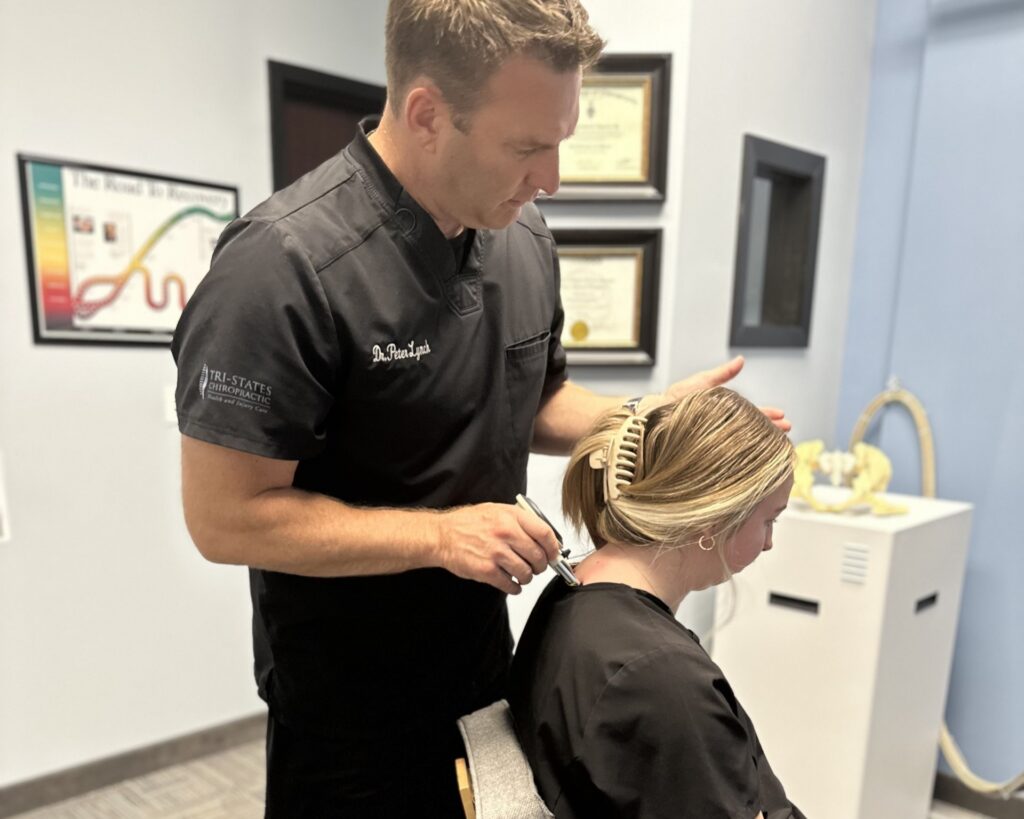
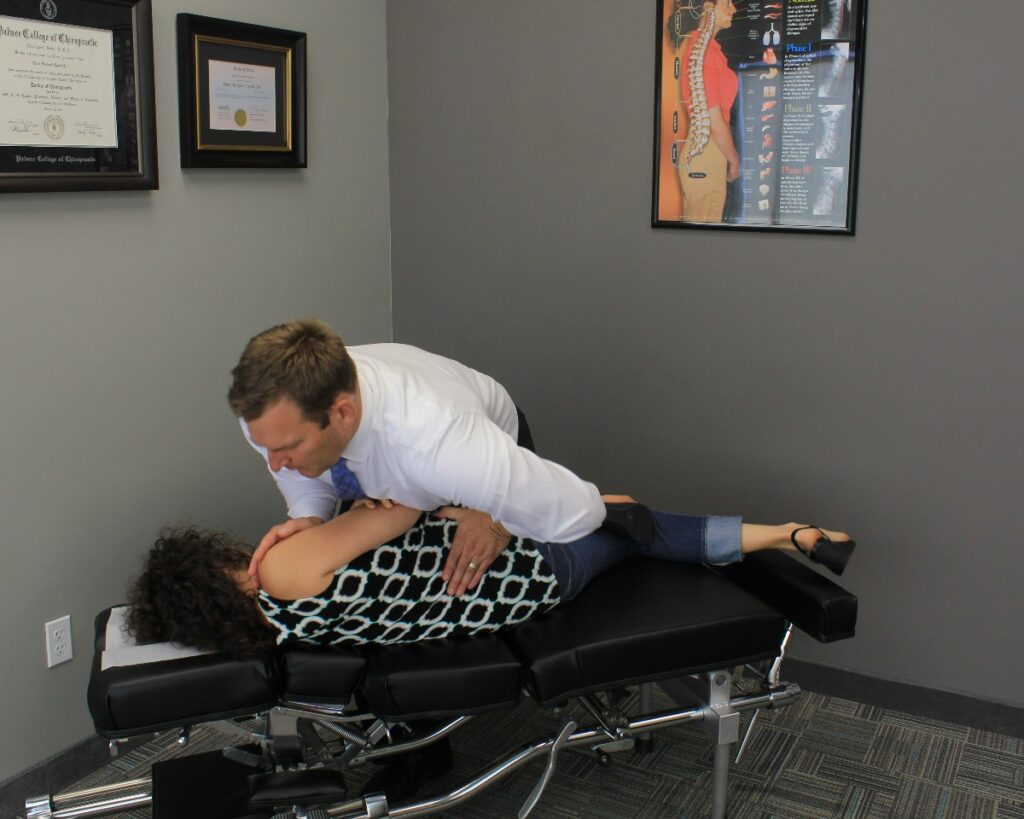
- Consider Chiropractic Care: Regular chiropractic adjustments can help keep your spine aligned, improve mobility, and reduce pain without the need for medications or surgeries.
By focusing on these natural approaches and prioritizing your spinal health, you can take significant steps toward managing your chronic low back pain and enhancing your overall well-being. Remember, you don’t have to face this challenge alone—chiropractic care is here to support you on your journey to optimal health!
Key Takeaways
As a local chiropractor dedicated to helping you achieve optimal health and wellness, I want to share some effective ways to relieve chronic low back pain naturally. Here are some simple, actionable tips you can incorporate into your daily routine:
- Stay Active: Engage in gentle exercises such as walking or swimming. These activities can help strengthen your back muscles and reduce stiffness, making it easier to move throughout your day.
- Posture Matters: Maintaining good posture is crucial for spinal alignment. Consider using ergonomic furniture that supports your spine during daily activities, whether you’re working at a desk or relaxing at home.
- Stretch and Strengthen: Incorporate regular stretching and core-strengthening exercises into your routine. This not only enhances flexibility but also provides essential support for your spine, helping to alleviate pain.
- Manage Stress: Stress can contribute to muscle tension and exacerbate pain. Practice mindfulness and deep breathing techniques to help calm your mind and reduce tension in your body.
- Healthy Lifestyle Choices: Maintaining a healthy weight and staying properly hydrated can significantly reduce strain on your back. These choices support overall spinal health and enhance your body’s natural healing abilities.
By focusing on these natural approaches, you can relieve chronic low back pain effectively. Remember, chiropractic care is an excellent choice for addressing pain and promoting wellness through safe, hands-on techniques. If you’re looking for personalized guidance and care, don’t hesitate to reach out to your local chiropractor for support on your journey to better health!
Understanding Chronic Low Back Pain
Chronic low back pain can be incredibly frustrating, especially when it lingers for months or even years. It can make even the simplest daily activities feel daunting, and it can take the joy out of your favorite hobbies.
Unlike acute pain, which comes on suddenly and usually resolves quickly, chronic pain sticks around and can be influenced by various factors. This type of pain doesn’t just affect your body; it can also impact your mental well-being, leading to feelings of helplessness and frustration.
It’s important to realize that emotional stress, physical activity, and even your posture can all play a role in your pain. By understanding that chronic low back pain is multifaceted, you can take a more holistic approach to managing it. Chiropractic care is an excellent option for addressing both the physical and emotional aspects of pain. Chiropractors focus on spinal health and alignment, which can significantly improve your overall well-being.
Here are some helpful tips for managing chronic low back pain:
- Stay Active: Gentle exercises, like walking or stretching, can keep your muscles strong and flexible. A chiropractor can guide you on the best exercises for your specific situation.
- Mind Your Posture: Pay attention to how you sit and stand throughout the day. Good posture can reduce strain on your back. Your chiropractor can provide advice on maintaining proper alignment.
- Practice Relaxation Techniques: Stress can exacerbate pain, so consider incorporating relaxation techniques such as deep breathing, meditation, or yoga into your routine.
- Utilize Chiropractic Care: Regular visits to a chiropractor can help align your spine, relieve tension, and reduce pain. They can also provide personalized advice and adjustments based on your needs.
- Listen to Your Body: If certain activities cause discomfort, it’s important to take a break and modify your routine. Your chiropractor can help you find alternatives that are easier on your back.
Common Causes of Low Back Pain
Low back pain can stem from a range of common causes, and understanding these can empower you to manage your discomfort effectively. As a local chiropractor, I believe in the body’s natural ability to heal itself, and I encourage you to consider chiropractic care as a holistic solution for achieving optimal health and wellness. Here are some of the most prevalent causes of low back pain and how chiropractic care can help:
| Cause | Description |
|---|---|
| Muscle Strain | Overexertion or lifting heavy objects can lead to muscle strain in the back. Chiropractic adjustments can help realign your spine and relieve tension, promoting faster healing. |
| Disc Problems | Issues like herniated or bulging discs can press on nerves, causing pain. Chiropractic care focuses on spinal alignment, which can alleviate pressure on these nerves and support overall spinal health. |
| Arthritis | Conditions like osteoarthritis can cause inflammation and discomfort. Regular chiropractic adjustments can improve mobility and reduce pain by enhancing joint function and decreasing inflammation. |
| Poor Posture | Slouching or sitting improperly places extra stress on your lower back. A chiropractor can help correct your posture, ensuring your spine is aligned, which can prevent future discomfort. |
| Sedentary Lifestyle | Lack of exercise can weaken back muscles, increasing the risk of pain. Incorporating gentle stretches and exercises recommended by your chiropractor can strengthen your back and promote better overall health. |
In addition to chiropractic adjustments, here are some general tips to help manage and prevent low back pain:
- Stay Active: Engage in regular, low-impact exercise like walking or swimming to strengthen your back muscles.
- Practice Good Posture: Be mindful of your posture, especially when sitting for long periods. Use ergonomic chairs and take breaks to stretch.
- Lift Properly: When lifting objects, bend your knees and keep your back straight to prevent strain.
- Incorporate Stretching: Gentle stretching can enhance flexibility and reduce tension in your back.
- Stay Hydrated: Drinking enough water supports overall health, including the health of your spinal discs.
The Role of Physical Therapy
When dealing with persistent back pain, it’s crucial to consider all the avenues available for relief, and chiropractic care stands out as a natural and effective option. While exploring treatment methods, physical therapy can indeed complement chiropractic adjustments, but it’s important to remember that chiropractic care is often the best first step in your recovery journey.
As a chiropractor, I focus on assessing your spine and overall health to create a personalized treatment plan that addresses the root cause of your pain. Chiropractic adjustments not only help relieve discomfort but also enhance your body’s ability to heal itself. By improving the alignment of your spine, we can improve your strength, flexibility, and posture, which are vital for long-term wellness.
In addition to adjustments, I encourage you to engage in simple exercises at home that strengthen the muscles supporting your spine. These exercises can help alleviate pain and prevent future issues. It’s also beneficial to practice proper body mechanics and ergonomics in your daily activities, ensuring that you support your spine while sitting, lifting, or even standing.
Effective Exercises for Back Pain Relief
Managing back pain effectively often begins with incorporating targeted exercises into your daily routine, and chiropractic care plays a vital role in this process. By focusing on the spine and overall body alignment, chiropractic adjustments can enhance your ability to engage in these beneficial exercises.
Start with gentle stretches to improve flexibility and relieve tension in your back. A great option is the cat-cow stretch. While on all fours, alternate between arching and rounding your back. This simple movement not only promotes mobility in your spine but also complements the adjustments you may receive in your chiropractic sessions.
Next, let’s focus on strengthening your core, which is crucial for back support. Exercises like planks and bridges can be incredibly effective. Aim to hold a plank for three sets of 30 seconds and perform 10-15 repetitions of bridges. Strengthening your core helps stabilize your pelvis and spine, reinforcing the benefits of chiropractic care.
Incorporate low-impact aerobic activities such as walking or swimming into your routine. These activities boost blood flow, facilitating healing and reducing stiffness. Plus, they can be easily adjusted to fit your fitness level and are great complements to chiropractic treatments.
Always listen to your body during these exercises. If you feel any discomfort or pain, it’s a signal to stop. Remember, it’s important to consult with a chiropractor before starting any new exercise program. They can provide personalized advice tailored to your specific condition, ensuring a safe and effective approach to your wellness journey.
The Importance of Posture
Your posture plays a crucial role in managing chronic low back pain, and as a chiropractor, I want to emphasize how simple changes can lead to significant improvements in your spinal health and overall well-being. By practicing proper standing techniques and adopting ergonomic sitting habits, you can support your body’s natural alignment and reduce discomfort.
Here are some easy tips to enhance your posture and promote a healthier spine:
- Stand Tall: When standing, keep your feet shoulder-width apart with your weight evenly distributed. Engage your core muscles and keep your shoulders back and relaxed. This position helps support your spine’s natural curves.
- Sit Smart: If you spend long hours sitting, ensure your chair supports your lower back. Your feet should rest flat on the floor, and your knees should be at a right angle. Consider using a small cushion or lumbar roll to maintain the natural curve of your lower back.
- Take Breaks: Whether you’re working at a desk or enjoying leisure time, remember to take breaks. Stand up, stretch, and walk around every 30 minutes to relieve pressure on your spine and improve circulation.
- Strengthen Your Core: A strong core supports your spine and improves posture. Incorporate exercises like planks and bridges into your routine to build core strength.
- Visit Your Chiropractor: Regular chiropractic adjustments can help align your spine, alleviate pain, and improve your posture. A chiropractor can provide personalized care tailored to your needs, helping you achieve optimal health naturally.
Proper Standing Techniques
Proper standing techniques are crucial for maintaining good posture and alleviating chronic low back pain, and as a chiropractor, I want to share some effective tips to help you achieve optimal health naturally.
Start by positioning your feet shoulder-width apart; this simple adjustment helps distribute your weight evenly and promotes balance. Engage your core muscles to provide support for your spine while avoiding the temptation to lock your knees.
When you stand, visualize a straight line running from your head down to your heels. This alignment helps minimize strain on your back—something we often overlook. Keep your shoulders relaxed and rolled back, ensuring that your ears align with your shoulders. This not only promotes good posture but also enhances your overall well-being.
If you find yourself standing for long periods, don’t forget to shift your weight from one foot to the other every so often. This small movement can make a significant difference in how your body feels throughout the day. Additionally, wearing supportive footwear can greatly improve your comfort and support your spine.
By practicing these techniques daily, you can promote better posture and contribute to your spinal health. Remember, chiropractic care is an excellent way to support your journey towards pain relief and natural wellness. Regular chiropractic adjustments can help maintain proper alignment, reduce discomfort, and enhance your overall quality of life.
Embrace these standing tips, and take a proactive approach to your health!
Ergonomic Sitting Practices
While many individuals overlook the significance of proper sitting posture, adopting ergonomic sitting practices can greatly enhance your overall health and help alleviate chronic low back pain. As a chiropractor, I can’t emphasize enough the importance of creating a supportive workspace.
Begin by selecting a chair that offers good lower back support. This means your chair should naturally curve to fit the shape of your spine. It’s crucial that your feet rest flat on the ground, and your knees should be at or just slightly below hip level. This alignment helps maintain the natural curve of your spine.
Next, adjust your desk height so that when you’re typing, your elbows form a 90-degree angle. This positioning reduces strain on your shoulders and neck. Additionally, position your screen at eye level to avoid any unnecessary neck strain. Remember, your head should be aligned with your spine to promote healthy posture.
Don’t forget to incorporate regular breaks into your routine! Stand up, stretch, and walk around every hour. This practice not only promotes circulation but also helps reduce stiffness. Simple stretches can do wonders for your back and overall well-being.
For added support, consider using a lumbar roll or cushion. This small addition can provide the extra backing your lower back needs, further enhancing your comfort while sitting.
By implementing these ergonomic adjustments, you create a workspace that not only alleviates discomfort but can also improve your productivity. Remember, chiropractic care is a fantastic way to support your journey to optimal health. Regular adjustments can help ensure your spine remains in balance and functioning properly, supporting your body in achieving its best.
Embrace these changes and take charge of your wellness today!
Impact on Spine Health
Neglecting good posture can have serious consequences for your spine health. When you slouch or lean forward, you put unnecessary pressure on your spine and the surrounding muscles. This can lead to chronic pain, stiffness, and even long-term damage. That’s why maintaining proper posture is crucial—it helps distribute your weight evenly and allows your spine to align correctly.
As a chiropractor, I want to emphasize the importance of good posture for your overall well-being. To improve your posture, try these simple tips: keep your shoulders back, align your head with your spine, and ensure your feet are flat on the floor when seated. When standing, distribute your weight evenly on both feet. Also, remember to take regular breaks during long periods of sitting to give your spine a chance to reset.
Good posture isn’t just about looking confident; it’s a key element in supporting your spine’s health. By maintaining it, you can significantly reduce low back pain and enhance your overall quality of life. Remember, chiropractic care is an excellent choice for addressing pain and promoting a healthier lifestyle. With regular chiropractic adjustments, you can achieve optimal spinal alignment and enjoy the benefits of natural healing.
Lifestyle Changes to Consider
To effectively manage chronic low back pain, making certain lifestyle changes can significantly enhance your overall well-being and comfort. First and foremost, maintaining a healthy weight is crucial; extra pounds can place unnecessary strain on your back. Consider working with a chiropractor to develop a personalized plan that encourages weight loss through safe and effective methods.
Regular exercise is equally important. Aim for activities that strengthen your core muscles and improve flexibility. Low-impact options like swimming or walking are excellent choices that can help you stay active without aggravating your pain. As you progress, a chiropractor can guide you through specific exercises tailored to your needs.
Pay close attention to your posture in all aspects of daily life—whether you’re sitting, standing, or lifting. Using ergonomic furniture can make a significant difference, and remember to take breaks to move around if you find yourself sitting for extended periods. Additionally, ensure that your sleeping position supports your spine; a firm mattress can help maintain proper alignment.
Don’t underestimate the impact of stress on your pain levels. Practicing stress management techniques, such as meditation or deep breathing, can help alleviate tension. When your mind is relaxed, your body often follows suit. Incorporating regular chiropractic adjustments into your routine can further assist in promoting relaxation and reducing pain.
Alternative Therapies for Pain Management
In addition to making some lifestyle changes, exploring alternative therapies can provide effective relief for chronic low back pain, and chiropractic care stands out as a top choice for achieving optimal health and wellness. Chiropractic adjustments are designed to realign your spine, which can alleviate pain and improve mobility. When your spine is in proper alignment, it allows your body to function at its best.
If you haven’t considered physical therapy, it can be a great complement to chiropractic treatment. A skilled therapist can guide you through exercises specifically tailored to strengthen your back, enhancing the benefits of your chiropractic adjustments.
Massage therapy is another excellent option; it can help reduce muscle tension and foster relaxation, which is vital for overall well-being. When muscles are relaxed, they support your spine better, allowing for more effective healing.
Incorporating herbal remedies and supplements, like turmeric or omega-3 fatty acids, may also be beneficial for pain relief. However, it’s always a good idea to consult with your chiropractor before adding any new treatments to your routine.
Mindfulness and meditation can be powerful tools for managing discomfort. These practices promote relaxation and can help shift your perception of pain, making it easier to cope with chronic low back pain.
The Impact of Stress on Back Pain
Stress can lead to muscle tension, which often results in discomfort in your back. When you’re feeling overwhelmed, your entire body responds, not just your mind. Recognizing this connection between stress and back pain is crucial for managing both effectively.
As a chiropractor, I want to emphasize the importance of addressing both your mental and physical health. Chiropractic care offers a natural approach to relieving back pain by focusing on spinal alignment and overall wellness. By ensuring your spine is in proper alignment, we can help reduce muscle tension, alleviate pain, and promote relaxation.
Here are some helpful tips to manage stress and support your back health:
- Mindfulness and Relaxation Techniques: Try practicing deep breathing exercises, meditation, or yoga. These methods can help calm your mind and reduce muscle tension.
- Regular Chiropractic Visits: Routine chiropractic adjustments can help maintain spinal health, which in turn can reduce the physical symptoms of stress on your body.
- Stay Active: Regular physical activity, such as walking or stretching, can help release endorphins and reduce stress while also keeping your back muscles strong and flexible.
- Maintain Good Posture: Being mindful of your posture can prevent unnecessary strain on your back. Ensure that your workspace is ergonomically friendly and take breaks to stretch throughout the day.
- Hydrate and Nourish: Proper hydration and a balanced diet can support your body’s overall health, helping you cope better with stress.
Stress and Muscle Tension
Emotional stress is a significant contributor to muscle tension, particularly in the back, which can make chronic low back pain even worse. When you’re feeling stressed, your body instinctively tenses up, leading to tightness in your muscles, especially in the lower back. This tension can limit your movement and result in discomfort or pain. Have you ever noticed that your low back seems to ache more during stressful periods? That’s no coincidence!
As a chiropractor, I want to emphasize that managing stress is crucial for relieving muscle tension. One of the best ways to do this is through chiropractic care, which focuses on spinal health and overall wellness. Regular chiropractic adjustments can help reduce muscle tightness, improve spinal alignment, and promote relaxation throughout your body.
In addition to chiropractic care, there are simple techniques you can incorporate into your daily routine to manage stress and alleviate muscle tension. Consider practicing deep breathing exercises, engaging in meditation, or participating in regular physical activity like walking or yoga. These activities not only help reduce stress but also support your body’s natural healing processes.
Emotional Impact on Pain
Chronic low back pain isn’t just a physical concern; it’s closely connected to your emotional health. Stress, anxiety, and depression can intensify your pain, creating a challenging cycle that can feel overwhelming. When you’re stressed, your body tends to tighten up, leading to increased back pain. It’s crucial to understand how your emotions impact your physical well-being.
As a chiropractor, I believe that addressing both your emotional and physical health is vital for managing chronic low back pain effectively. One of the best ways to alleviate stress is through chiropractic care, which not only helps to align your spine and relieve pain but also promotes relaxation and a sense of well-being.
In addition to regular chiropractic adjustments, consider incorporating mindfulness and meditation into your routine. These practices can help you manage stress and tension, ultimately reducing your pain levels.
Engage in activities you love—whether it’s walking in nature, reading, or spending time with loved ones—as these can provide emotional relief and support your healing journey.
Don’t overlook the importance of emotional support from friends, family, or even professional counseling. A strong support system can make a significant difference in how you cope with pain.
When to Seek Professional Help
If your low back pain lingers despite trying home remedies or seems to be getting worse, it’s important to reach out for professional help. Ignoring ongoing discomfort can lead to more serious issues down the road. Here are some signs that suggest it’s time to consult a chiropractor:
| Symptom | Duration | Action |
|---|---|---|
| Severe pain | Lasting more than 2 weeks | Schedule an appointment with a chiropractor |
| Numbness or tingling | Any time | Seek immediate evaluation from a chiropractor |
| Loss of bowel/bladder control | Sudden onset | Go to your chiropractor or an emergency clinic |
| Pain after an injury | Any time | Get evaluated by a chiropractor right away |
| Pain affecting daily activities | Persistent | Consult a chiropractic specialist |
Chiropractic care focuses on natural healing and can help alleviate pain and restore function without the need for medications or surgeries. Here are some general tips you can use to support your back health at home:
- Maintain Good Posture: Be mindful of your posture while sitting, standing, and moving. Proper alignment can help reduce strain on your back.
- Stay Active: Engage in gentle exercises, such as walking or swimming, to keep your back and core muscles strong.
- Stretch Regularly: Incorporate stretching into your daily routine to improve flexibility and reduce tension in your back.
- Use Supportive Furniture: Ensure that your chairs and mattresses provide good support to maintain spinal alignment.
- Stay Hydrated: Drinking plenty of water helps keep your spinal discs healthy and functioning properly.
Creating a Personalized Pain Relief Plan
To effectively manage your chronic low back pain, it’s essential to assess your pain triggers and understand what exacerbates your discomfort. By identifying these factors, you can take proactive steps toward relief, and that’s where chiropractic care can make a significant impact. Chiropractic treatment focuses on the spine’s alignment and overall wellness, helping to strengthen your back and alleviate pain naturally.
Let’s explore how to create a personalized pain relief plan that prioritizes your unique needs and emphasizes the benefits of chiropractic care.
- Assess Your Pain Triggers: Start by keeping a journal of your daily activities. Note when your pain intensifies and what you were doing at the time. This awareness is crucial and can help you avoid activities that worsen your pain.
- Chiropractic Adjustments: Regular visits to a chiropractor can help realign your spine, addressing any misalignments that may contribute to your discomfort. This natural approach not only alleviates pain but also promotes overall health and wellness.
- Targeted Exercises: Incorporating specific exercises that strengthen your core and back muscles will provide support to your spine. Your chiropractor can guide you on the best exercises for your condition, ensuring you do them safely and effectively.
- Posture Awareness: Be mindful of your posture throughout the day. Whether sitting at a desk or lifting objects, maintaining proper alignment can significantly reduce strain on your back. Your chiropractor can provide tips on how to improve your posture.
- Ergonomic Adjustments: Make sure your workspace is set up to support your spine. Simple changes, like using a chair with proper lumbar support or adjusting the height of your computer screen, can make a big difference in your comfort levels.
- Stay Active: Regular physical activity is vital for back health. Engaging in low-impact exercises, such as walking or swimming, can enhance your flexibility and strength.
- Lifestyle Choices: Prioritize a healthy lifestyle, including a balanced diet and adequate hydration. These factors contribute to overall well-being and can help your body heal.
Assess Your Pain Triggers
Identifying your pain triggers is essential for creating an effective personalized pain relief plan. Understanding what exacerbates your low back pain allows you to take proactive steps to minimize discomfort and enhance your overall well-being.
Here are four common triggers to assess, along with tips on how chiropractic care can help:
- Posture: Pay attention to how your posture shifts throughout the day. Poor posture can place unnecessary strain on your back. Regular chiropractic adjustments can help align your spine, promoting better posture and reducing tension.
- Activity Level: Notice how different activities, like lifting heavy objects or sitting for long periods, impact your pain. Incorporating regular chiropractic visits can improve your spinal function, making it easier for your body to handle everyday activities without discomfort.
- Stress: Be aware if stress or emotional factors play a role in your pain levels. Stress can lead to muscle tension, which exacerbates back pain. Chiropractic care can’t only help relieve physical tension but also provide a calming environment that supports your emotional health.
- Sleep Quality: Reflect on whether your sleeping position or mattress contributes to your back discomfort. A well-aligned spine is crucial for a restful night’s sleep. Chiropractors can offer guidance on proper sleep positions and recommend supportive mattresses to enhance your sleep quality.
Incorporate Targeted Exercises
Incorporating targeted exercises into your pain relief plan can significantly enhance your recovery from chronic low back pain, especially when paired with chiropractic care. As a chiropractor, I encourage you to focus on strengthening your core, hips, and lower back to support your spine and improve overall stability. Simple exercises like bridges, planks, and gentle stretches can’t only improve flexibility but also help alleviate discomfort.
Start your journey with low-impact activities such as walking or swimming, which are gentle on your back and allow you to ease into a routine without added strain. Always listen to your body; if something doesn’t feel right, stop and consult with a chiropractor who can provide personalized guidance.
As you gain strength and confidence, gradually increase the intensity and duration of your exercises. Remember, consistency is key. Set aside dedicated time each week for these movements, and you’ll likely notice a significant reduction in pain and an improvement in your overall well-being.
In addition to exercises, regular chiropractic adjustments can help realign your spine, improve mobility, and reduce tension in your muscles, further supporting your recovery. Embrace this natural approach to healing and wellness, and you’ll be on the path to optimal health in no time!