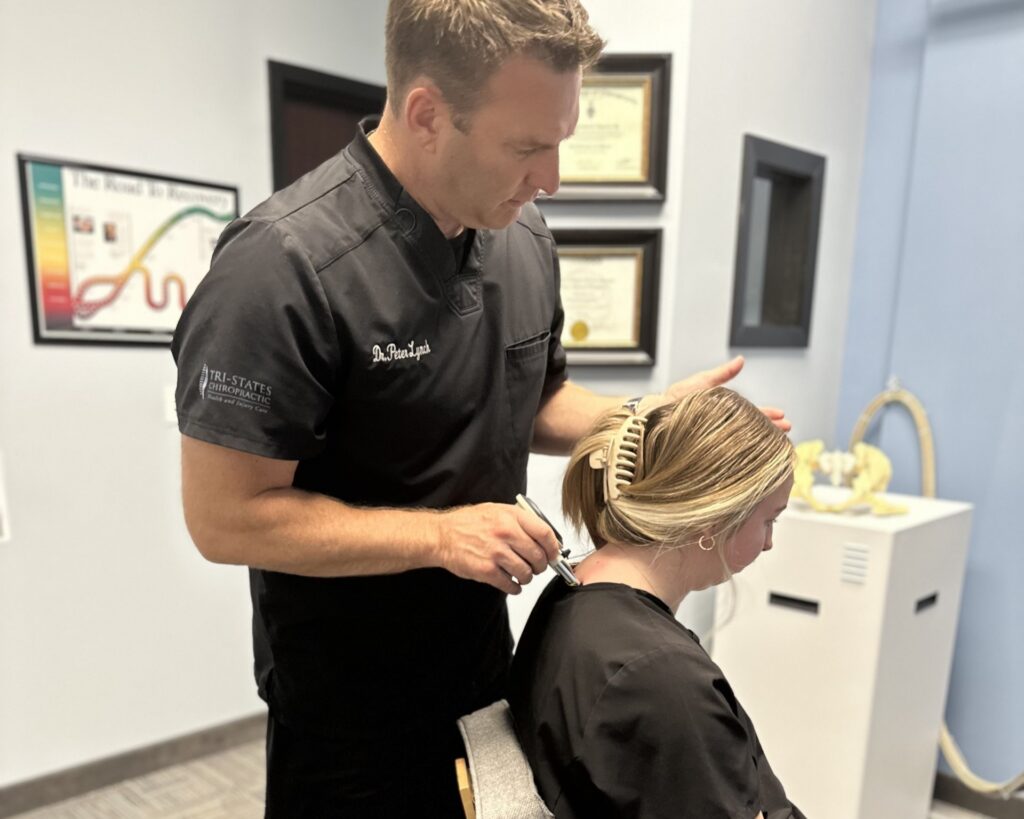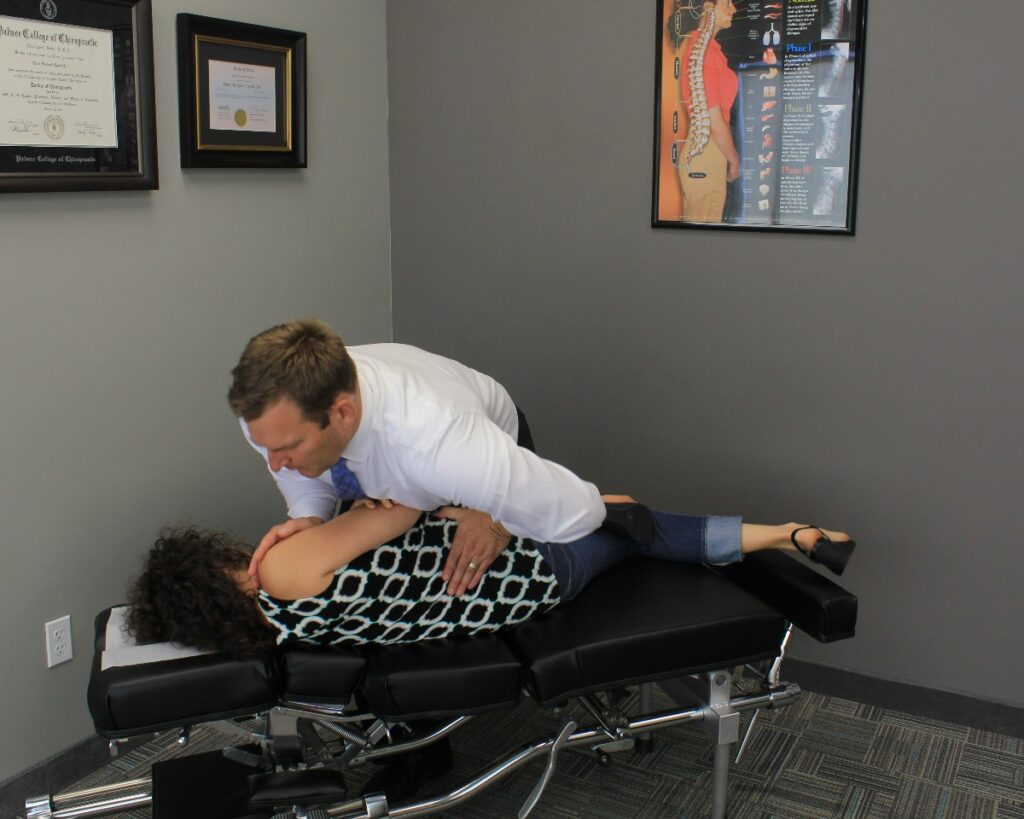
When it comes to low back pain, not every stretch is beneficial. In fact, some movements can actually exacerbate your pain rather than alleviate it. While it might seem like all stretching is good for you, that’s not always the case. It’s crucial to know which stretches can support your healing journey and which ones to steer clear of.
As a chiropractor, I want to emphasize that chiropractic care is one of the best ways to achieve pain relief and support your overall wellness. Rather than relying on medications or surgeries, focusing on natural healing methods can lead to long-lasting results.
So, what stretches should you focus on? Here are some tips to help you manage low back pain effectively:
- Gentle Flexibility Exercises: Focus on stretches that promote flexibility without putting too much strain on your back. For example, gentle hamstring stretches can help relieve tension in your lower back.
- Core Strengthening: Engaging in exercises that strengthen your core can provide better support for your spine. Strong abdominal muscles help maintain proper posture and reduce the risk of injury.
- Avoid Deep Twists: Stretches that require you to twist deeply or bend forward excessively may aggravate your pain. Instead, choose gentle rotational movements that keep your spine aligned.
- Listen to Your Body: Pay attention to how your body responds to each stretch. If you feel pain, it’s best to stop and consult with a chiropractor who can guide you on appropriate movements.
- Regular Chiropractic Adjustments: Regular visits to your chiropractor can help ensure that your spine is properly aligned, which can enhance the effectiveness of your stretching routine and promote overall wellness.
By focusing on the right approaches to stretching and incorporating chiropractic care into your routine, you can effectively manage low back pain and improve your quality of life. Remember, natural healing is possible, and you don’t have to live with pain!
Key Takeaways
Not all low back pain stretches are beneficial, and some may actually make your discomfort worse or put extra strain on your lower back. As a chiropractor, I want to help you find the right approach to stretching that promotes healing and relief.
Gentle stretches, like the Knee-to-Chest and Child’s Pose, are excellent choices. They can help you relax and improve flexibility without putting added pressure on your spine. These stretches encourage your body to release tension and can be a great complement to your chiropractic care.
On the other hand, stretches like Toe Touches and Seated Forward Bends can sometimes lead to more strain on the lower back. It’s important to approach these with caution, especially if you’re already experiencing pain. Always listen to your body and stop if something doesn’t feel right.
Proper posture and technique during stretching are crucial. Not only do they help prevent injuries, but they also enhance the effectiveness of the stretches. A chiropractor can provide you with personalized guidance on the best stretching techniques for your specific needs, ensuring you’re not putting yourself at risk.
Remember, chiropractic care is an excellent way to achieve optimal health and manage pain naturally. If you’re struggling with low back pain, consider consulting with a chiropractor who can help you develop a safe and effective stretching routine tailored just for you. By focusing on gentle movements and proper technique, you can promote healing and enjoy a more active, pain-free life!
Understanding Low Back Pain
When you experience low back pain, it’s important to understand its causes and how it can affect your life. This discomfort can arise from several factors, such as muscle strain, poor posture, or underlying issues related to your spine. Identifying what triggers your pain is crucial for effective management and relief. For instance, activities like lifting heavy objects or sitting for long periods might worsen your symptoms.
Low back pain can significantly impact your daily routine, making even simple tasks seem daunting. You may struggle to focus on work or find joy in your favorite activities. Moreover, chronic pain can take a toll on your emotional health, leading to stress, anxiety, or feelings of sadness.
As a chiropractor, I want to emphasize that chiropractic care is an excellent option for addressing low back pain. By focusing on spinal health, we can help restore proper alignment and function to your body, which may alleviate your discomfort naturally. Here are some general tips to help you manage low back pain and promote a healthier lifestyle:
- Practice Good Posture: Whether you’re sitting at a desk or standing, maintaining good posture can help reduce strain on your back. Keep your shoulders back and your spine aligned.
- Stay Active: Gentle exercises, such as walking or stretching, can help keep your back muscles strong and flexible. Regular movement is key to preventing stiffness.
- Use Proper Lifting Techniques: When lifting heavy objects, bend at your knees instead of your waist, and keep the load close to your body to avoid straining your back.
- Consider Chiropractic Adjustments: Regular chiropractic adjustments can help realign your spine, reduce pain, and improve your overall health without the need for medications or surgery.
- Listen to Your Body: Pay attention to what activities make your pain worse and try to modify those movements. Your body will guide you in finding what feels best.
The Role of Stretching in Pain Relief
Stretching is an essential part of relieving low back pain, and it complements the benefits of chiropractic care beautifully. By enhancing flexibility and reducing tension in the muscles, stretching can help your body heal naturally. Different stretching techniques can target specific areas of discomfort, allowing you to find what feels best for you.
As you explore these stretches, it’s important to listen to your body. Everyone’s needs are unique, and what works for one person may not work for another. Remember, chiropractic care not only addresses the spine’s alignment but also promotes overall wellness, making it a powerful ally in your journey toward pain relief.
Here are a few tips to get you started on your stretching journey:
- Warm Up First: Spend a few minutes warming up your body with light movement before you stretch. This can help prevent injury and make your stretches more effective.
- Focus on Breathing: As you stretch, take deep breaths. This can help you relax and get the most out of your stretches.
- Hold Each Stretch: Aim to hold each stretch for about 15-30 seconds. This gives your muscles time to relax and lengthen.
- Incorporate into Daily Routine: Try to make stretching a regular part of your day. Even a few minutes can make a difference in your flexibility and pain levels.
- Consult Your Chiropractor: Always feel free to ask your chiropractor for personalized stretching recommendations. They can suggest specific stretches that will work well with your treatment plan.
Stretching Techniques Explained
To effectively alleviate low back pain, incorporating specific stretching techniques can be a game changer. As a chiropractor, I recommend these simple yet powerful stretches that can help promote natural healing and enhance your overall wellness:
- Child’s Pose: Start by kneeling on the floor. Sit back on your heels while gently stretching your arms forward and lowering your torso. This position helps to relax your back and hips, providing a soothing stretch that can ease tension and improve flexibility.
- Seated Forward Bend: Sit down with your legs extended in front of you. Reach towards your toes while keeping your back straight. This stretch not only targets your hamstrings but also helps to release tightness in your lower back, promoting better spinal health.
- Knee-to-Chest Stretch: Lie on your back and gently pull one knee toward your chest, holding it for about 20 seconds. This stretch is fantastic for gently easing tension in your lower back and glutes, helping to enhance your mobility.
Integrating these stretches into your daily routine can significantly help reduce discomfort and promote flexibility in your lower back. Remember, consistent gentle movement is key to maintaining a healthy spine.
If you continue to experience pain, consider visiting a chiropractor for personalized care and a comprehensive treatment plan that supports your journey to optimal health. Your spine deserves the best care!
Individual Needs Matter
Understanding that each person’s experience with low back pain is unique is crucial for effective relief. What works for one individual may not work for another, which is why it’s essential to assess your specific situation. This includes considering your pain level, flexibility, and any underlying conditions you may have.
As a chiropractor, I can tell you that some gentle stretches might ease your discomfort, while others could potentially aggravate it. It’s important to listen to your body; if a stretch causes more pain, it’s best to stop.
Instead of relying on medications or surgeries, consider incorporating chiropractic care into your routine. A chiropractor can help tailor a stretching regime and provide hands-on treatment that aligns your spine, promotes mobility, and facilitates natural healing.
Here are some general tips to manage your low back pain effectively:
- Stay Active: Gentle movement can help maintain flexibility and strengthen your back. Activities like walking or swimming are excellent choices.
- Practice Good Posture: Maintaining proper posture while sitting, standing, and lifting can significantly reduce strain on your back.
- Use Heat or Cold Therapy: Applying heat can relax tight muscles, while cold packs can reduce inflammation. Alternating between the two can be beneficial.
- Consider Chiropractic Adjustments: Regular visits to your chiropractor can help align your spine and improve your overall health. This natural approach can lead to long-lasting relief.
- Stay Hydrated: Drinking plenty of water is essential for disc health in your spine. Staying hydrated helps keep your spinal discs supple and less prone to injury.
Common Stretches for Low Back Pain
When dealing with low back pain, it’s essential to consider natural and gentle methods to find relief and improve your mobility. As a chiropractor, I strongly believe in the power of stretches to enhance spinal health and promote overall wellness.
Here are three effective stretches that can help ease your discomfort:
- Knees-to-Chest Stretch: Start by lying on your back and gently draw your knees toward your chest. Hold this position for 20-30 seconds, allowing your lower back to relax and release tension. This stretch is excellent for decompressing the spine and promoting flexibility.
- Cat-Cow Stretch: Position yourself on all fours, with your hands under your shoulders and knees under your hips. As you inhale, arch your back upward like a cat, and as you exhale, lower it down like a cow. Repeat this motion for 5-10 cycles. This stretch not only improves flexibility but also helps in aligning your spine.
- Child’s Pose: Kneel on the floor and sit back on your heels. Extend your arms forward and lower your chest toward the ground. Hold this pose for 30 seconds. It provides a wonderful stretch along your spine and encourages relaxation.
Incorporating these stretches into your daily routine can significantly enhance your comfort and flexibility, supporting your journey to better health. Remember, regular chiropractic adjustments can also play a vital role in maintaining spinal alignment and overall wellness.
Stretches That May Worsen Pain
When you’re experiencing low back pain, it’s important to know that not all stretches are helpful; some can even make your discomfort worse. There are common myths surrounding stretching that could lead you to inadvertently aggravate your pain. As a chiropractor, I encourage you to seek professional guidance to develop a personalized routine that truly supports your recovery and promotes healing.
Chiropractic care is an excellent choice for addressing low back pain and achieving overall wellness. By focusing on spinal health, we can help alleviate pain and improve your body’s function naturally.
Here are a few tips to consider when dealing with low back pain:
- Listen to Your Body: Pay attention to how your body responds to different movements and stretches. If something causes pain, it’s best to avoid it.
- Gentle Movements: Opt for gentle stretches that promote flexibility without straining your muscles. Simple movements like pelvic tilts or knee-to-chest can be beneficial.
- Strengthening Core Muscles: A strong core supports your spine. Consider incorporating exercises that strengthen your abdominal and back muscles.
- Stay Active: Low-impact activities like walking or swimming can help keep you moving without putting too much strain on your back.
- Regular Chiropractic Visits: Consistent chiropractic adjustments can help align your spine, relieve pressure on your nerves, and enhance your body’s natural healing process.
Common Stretch Misconceptions
Many individuals think that specific stretches can help relieve low back pain, but some common misconceptions might actually increase your discomfort. Here are three stretches to approach with caution:
- Toe Touches: While it might seem like a good idea to bend forward, this can place unnecessary strain on your lower back and hamstrings, potentially leading to more pain instead of relief.
- Seated Forward Bend: Initially, this stretch may feel good, but it can actually increase tension in your lower back, particularly if you’re already experiencing tightness.
- Knee-to-Chest: Although this stretch appears gentle, pulling your knees to your chest can compress your spine, which may exacerbate any existing discomfort.
Instead of relying on these stretches, it’s wise to consult a chiropractor who can provide personalized guidance. Chiropractic care focuses on aligning your spine and promoting natural healing, which can be a more effective approach to managing low back pain.
For better spinal health and relief, consider incorporating these general tips into your routine:
- Maintain Good Posture: Being mindful of your posture throughout the day can prevent unnecessary strain on your back.
- Stay Active: Engage in low-impact activities like walking or swimming to keep your body moving without putting excessive stress on your spine.
- Listen to Your Body: Pay attention to how your body feels during activities. If something causes discomfort, it’s best to stop and consult a professional.
Individual Pain Triggers
While certain stretches are often recommended for low back pain relief, they can sometimes trigger or worsen discomfort based on individual circumstances. It’s vital to listen to your body and understand that not every stretch will work for everyone. For example, stretches like the forward bend or seated toe touch might put extra strain on your lower back if you’re dealing with specific issues like herniated discs or muscle spasms.
If you experience sharp pain or increased discomfort during a stretch, it’s important to stop immediately. Instead of pushing through the pain, consider modifying your approach or choosing gentler stretches that promote relaxation without strain. Your comfort and well-being should always be your top priority.
As a chiropractor, I encourage you to explore chiropractic care as a way to address the root causes of your pain. Chiropractic adjustments can help realign your spine, improve mobility, and relieve tension, which may ultimately lead to better overall health and well-being.
Here are some general tips to keep in mind:
- Focus on Gentle Movements: Instead of intensive stretching, try gentle movements like walking or light yoga that encourage blood flow without putting pressure on your back.
- Listen to Your Body: Pay attention to how your body responds to different activities. If something doesn’t feel right, it’s okay to modify or skip it.
- Stay Hydrated: Drinking plenty of water can help keep your muscles hydrated and may reduce the risk of cramps and spasms.
- Consult a Chiropractor: Regular chiropractic check-ups can help maintain spinal health, address pain issues, and provide personalized advice tailored to your unique needs.
- Practice Relaxation Techniques: Incorporating stress-relief methods like deep breathing or meditation can also promote overall wellness and help alleviate tension that contributes to pain.
Importance of Professional Guidance
Understanding how certain stretches can impact your low back is crucial for managing discomfort effectively.
As a chiropractor, I want to emphasize the importance of professional guidance to help you avoid stretches that could exacerbate your condition. Here are three stretches that you should approach with caution:
- Toe Touches: Leaning forward can put a lot of strain on your lower back, especially if you’re already experiencing pain. Instead, consider a gentle hamstring stretch while seated or lying down to minimize pressure on your back.
- Spinal Twists: While twisting your spine may feel good, it can create unnecessary pressure and lead to increased discomfort. A safer alternative is to engage in gentle side bends while standing or seated, which can promote flexibility without compromising stability.
- Hamstring Stretch: Overstretching can irritate your lower back and prolong recovery time. Instead, focus on a gentle stretch by placing your foot on a low surface while keeping your back straight, which can help you avoid strain.
Always consult with a chiropractor before starting any new stretching routine. We can help you identify safe exercises that are tailored to your specific needs, ensuring that you avoid movements that could hinder your recovery.
The Science Behind Stretching
Stretching is a vital component of maintaining your musculoskeletal health, especially when it comes to supporting your spine. By improving flexibility and relieving tension, stretching can help alleviate discomfort in your back.
When you stretch, you boost blood flow to your muscles, which enhances the delivery of nutrients and helps remove waste products. This process can ease muscle stiffness and improve your overall range of motion, making everyday activities easier.
The science behind stretching shows that it activates proprioceptors in your muscles, enabling your body to better understand its position in space. This not only enhances your coordination and balance but also complements the benefits of chiropractic care. Regular stretching, combined with chiropractic adjustments, can lead to better alignment and posture, reducing strain on your lower back.
Additionally, stretching stimulates the release of endorphins—those wonderful feel-good hormones that can enhance your mood and diminish pain perception. By incorporating stretching into your daily routine alongside chiropractic visits, you’re not just improving your flexibility; you’re also boosting your body’s ability to handle daily tasks while minimizing the risk of injury.
Here are some simple tips to incorporate stretching into your life:
- Set aside a few minutes each day to stretch major muscle groups, focusing on areas that feel tight.
- Consider joining a yoga or Pilates class, which emphasizes stretching and can complement your chiropractic care.
- Listen to your body—if a stretch feels uncomfortable, ease back and adjust to a position that feels right for you.
Alternatives to Stretching for Pain Relief
If you’re seeking relief from low back pain and want to explore options beyond stretching, chiropractic care is a fantastic choice.
Here are some effective alternatives that can complement your journey to wellness:
- Chiropractic Adjustments: Regular visits to a chiropractor can help realign your spine and improve mobility. By addressing misalignments, chiropractic adjustments relieve pressure on nerves and reduce pain, promoting your body’s natural healing process.
- Strengthening Exercises: Incorporate core-strengthening exercises like planks and bridges into your routine. A strong core supports your spine, which can lead to significant pain relief. Your chiropractor can guide you on the best exercises tailored to your needs.
- Heat and Cold Therapy: Applying heat or cold to your lower back can be beneficial. Heat helps to relax tight muscles, while cold therapy can reduce inflammation. This simple method can provide immediate comfort and is easy to incorporate into your daily routine.
- Massage Therapy: Consider adding massage to your wellness plan. Regular massages can alleviate muscle tension and enhance circulation. A skilled massage therapist can work alongside your chiropractor, focusing on areas of discomfort to foster relaxation and healing.
Remember, chiropractic care is a holistic approach that not only addresses pain but also promotes overall well-being.
Always consult with your chiropractor before starting any new treatment or exercise program to ensure it’s tailored to your specific needs. Embrace these alternatives as part of your pain management routine for a healthier, pain-free life!
Tips for Safe Stretching Practices
To get the most benefit from your stretching routine while keeping your body safe, it’s essential to follow some key practices. Begin with a gentle warm-up, such as walking or cycling for about five to ten minutes. This helps increase blood flow, preparing your muscles for effective stretching. Always pay attention to what your body is telling you; if you experience any pain, it’s crucial to ease up or stop altogether.
Aim to hold each stretch for about 15 to 30 seconds, avoiding any bouncing movements. Deep breathing can greatly enhance your relaxation and make stretching more effective. Focus on major muscle groups, especially those surrounding your lower back, as they play a significant role in overall spinal health.
Maintaining proper posture during your stretches is vital to prevent unnecessary strain on your body. Consistency is key, but be cautious not to overstretch; allow your muscles adequate time to recover between stretching sessions.
Incorporating chiropractic care into your routine can also be a fantastic way to enhance your flexibility and alleviate discomfort, particularly in the lower back. Regular adjustments can help keep your spine aligned, which supports better movement and reduces pain. By following these tips and considering chiropractic care, you’ll develop a safe and effective stretching routine that promotes overall wellness and flexibility.
When to Seek Professional Help
When it comes to managing low back pain, understanding when to seek professional help is crucial for your recovery and overall wellness.
Here are some signs that it’s time to visit your local chiropractor:
- Severe Pain: If your pain is intense and doesn’t seem to improve with rest or simple home remedies, it’s a clear sign that you should consult a chiropractor. They can help assess your condition and provide targeted treatments that promote healing and relief.
- Radiating Pain: If you’re experiencing pain that travels down your legs, or if you have numbness and tingling, this may indicate nerve involvement. A chiropractor can identify the source of the issue and work with you to alleviate the discomfort naturally.
- Loss of Function: Struggling to perform everyday activities like standing or walking? This is an important signal that you should seek expert advice. A chiropractor can offer personalized care tailored to your specific needs, helping you regain your mobility and strength.
Listening to your body is essential for your health.
Don’t ignore persistent or worsening symptoms, as they can lead to more complications down the road. By seeking chiropractic care early, you can develop an effective treatment plan that supports your body’s natural healing processes.
Here are some general tips to help you manage low back pain at home:
- Stay Active: Gentle stretches and movements can help keep your back flexible.
- Ergonomic Support: Ensure your workspace is supportive of your posture to reduce strain on your back.
- Practice Good Posture: Being mindful of your posture, whether sitting or standing, can alleviate stress on your spine.
Remember, prioritizing your health is key! Chiropractic care is a safe and effective option for achieving pain relief and enhancing your overall wellness.
Don’t wait—reach out to your local chiropractor today!